



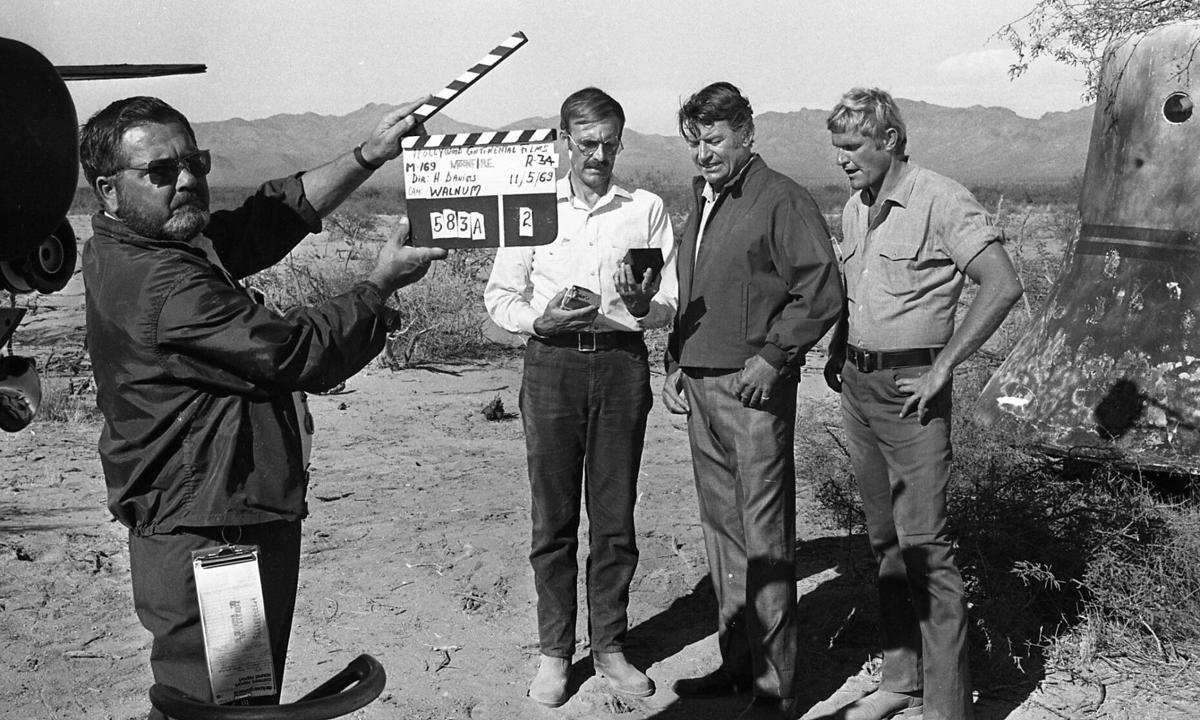
Arizona has a rich history in the motion picture industry. Early production years at Old Tucson Studios west of Tucson produced “Arizona,” “3:10 to Yuma” and “Rio Bravo,” to name a few. Another filming location in Mescal, about 45 miles southeast of Tucson, produced such notable films as “Tombstone” and “Tom Horn,” along with serving as an occasional setting for the “Gunsmoke,” “Rawhide” and “Bonanza” TV series.
Aside from established movie sets, Arizona’s mines and their history have contributed to the backdrop and premise of some remarkable films in past decades. Some of these include:
‘Day of the Wolves’
The premise behind this low budget film released in 1971 involves the heist of a small Western town known as Wellerton (actually the newly established Lake Havasu City) by a gang of criminals organized by a single mastermind and summoned anonymously to meet and train at the historic Swansea Mining townsite. Each member was offered $50,000 for their participation with the stipulation they must adorn beards as disguises and not divulge any personal history about themselves to each other or anyone outside of their cadre. They referred to each other by assigned numbers from one to seven with No. One given to the mastermind of the operation. Starring Richard Egan as the police chief and Jan Murray as Wolf #1 and written, directed and produced by Ferde Grofe Jr., the film is a cult classic. Though made on a low budget, it provides a captivating storyline and nonstop action with a bit of satire in the concluding scene.
Pyrotechnics and mock explosions from the training scenes in the movie harmed the remnants of historic structures at Swansea, which was originally established as the headquarters of the Clara Consolidated Gold and Copper Mining Co., also known as Clara Con, in 1909. George Mitchell from Swansea, Wales served as the superintendent of early operations. The erection of the Clara Consolidated 700-ton smelter in 1910 proved inefficient, along with the lack of rich copper ore to churn a profit. A temporary resolution involved outsourcing the ore from local mines to the Humboldt smelter of the Consolidated Arizona Smelting Co., while receiving needed sulfide ore for processing from the Cleopatra and UVX mines at Jerome. Diminishing ore reserves and over-expenditures on surface processing equipment hindered production and led to bankruptcy among the mining interests in the area by 1912. Other mines and businesses followed, including an electric light company, car dealership, saloons and restaurants, with a population reaching 750 prior to the town’s decline by 1924.

Filming on the set of “Hombre” at King Ranch southwest of Tucson in 1966. Movie sets for “Hombre” also included Old Tucson and Santa Rita Mountains at Gunsight Pass.
‘Hombre’
This well-known film directed by Martin Ritt starred Paul Newman in the role of a white man, John Russell, raised among Apache Indians. who returns to his home in Arizona territory to collect his inheritance, including a boarding house and a gold watch. Supporting actors included Fredric March, Richard Boone and Diane Cilento. Derived from a 1961 novel written by Elmore Leonard, the storyline focuses on Russell’s rescue of stagecoach passengers from a gang of outlaws who disdained his affiliation with the Apache.
“Hombre” was filmed in the Santa Rita Mountains at Gunsight Pass and around the Eclipse group of copper-gold mines between the Helvetia properties in the west and Rosemont properties in the east. The mineralized deposit was noted in limestone containing ferruginous copper carbonate gossan, which attracted 19th century prospectors. The height of mining operations for the Eclipse patented claims was around the 1900s with recorded ore samples yielding up to 14% copper and ½ ounce of silver per ton. Some of the ore at the 150-foot level assayed by the Arizona School of Mines yielded as high as 24% copper. Ore was sent to the Helvetia smelter for refinement.
‘Lust for Gold’
The legendary Lost Dutchman gold mine in the Superstition Mountains, a range of jagged mountains north of U.S. 80, is the subject of this film released in 1949 and directed by S. Sylvan Simon that portrayed actor Glenn Ford as the “Dutchman” Jacob Waltz. Filmed on location in the Superstition Mountains, the picture covers two periods, the 1880s and 1940s, based on a book titled “Thunder God’s Gold” by Barry Storm.

Actor Glenn Ford, left, who played the bad guy, with “good guy” Van Heflin on the set of “3:10 To Yuma” at Old Tucson in 1957. A young Ford starred in “Lust for Gold” in 1949, filmed in the Superstition Mountains.
Legend has it that Jacob Waltz, a German prospector, discovered an old Spanish mine in the Superstition Mountains in the 1870s. The mine supposedly consisted of gold valued back then at $20 million discovered by the Peralta family of Mexico, who at one time owned a large land grant in the area before the Mexican War. It is said that Waltz killed anyone who attempted to locate his discovery. Some sources indicate that the Lost Dutchman Mine is near the Goldfield Mine located on the western slope of the Superstition Mountains. The Goldfield Mine was a significant gold producer in the area.
‘Edge of Eternity’
“Edge of Eternity” is a classic film noir shot in cinemascope characterized by widescreen panoramic pictures which offer the appearance of 3-dimensional images with stereophonic sound. Released in 1959 with primary scenes in the western Grand Canyon along with Gold Road, Kingman and Oatman, it was directed by Don Siegel, who later directed such renowned films as “Dirty Harry” and “Escape from Alcatraz.” Starring Colonel Wilde and Victoria Shaw with supporting actor Jack Elam, the plot involved a local sheriff’s deputy working to solve a series of recent murders tied to illegally mined gold from a local mine site destined for shipment to Mexico. The finale of the film offered breathtaking views of the final confrontation between the deputy and a criminal mastermind on a U.S. Guano cable car above the Grand Canyon, used commercially to transport bat guano from the then active Bat Cave Mine to market. Guano was valued as an organic fertilizer for the farming industry.

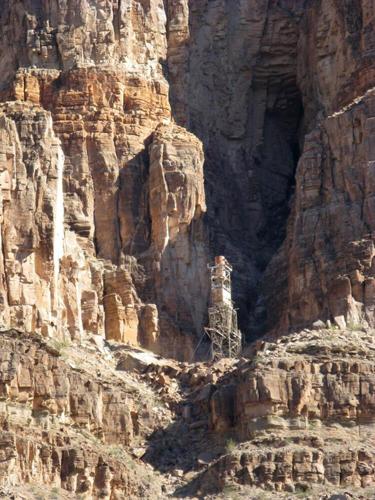
The Bat Cave Mine entrance and remaining aerial tramway infrastructure along the Colorado River, in Grand Canyon National Park, Arizona circa 2008.
The Bat Cave Mine located on the south rim in Grand Canyon National Park near Colorado River mile 266 was discovered in the 1930s and mined commercially the following decade unsuccessfully by barges. Charles Parker, a mining engineer and president of the U.S. Guano Co., a subsidiary of New Pacific Coals & Oils Ltd. of Toronto, Canada, devised a concept to mine the estimated 250,000-ton bat guano reserve accumulated over the centuries by using an aerial tramway from a ledge (4,700 feet high) to caves on the north rim at 600 feet high.
The guano was extracted using a powerful suction pump to the tram, which had the capacity of carrying 3,500 pounds. Western Steel Division of U.S. Steel won a contract to construct a 10,000-foot modernized double-rope system of aerial tram cables connected to the conveyor system run by Butler Manufacturing Co. of Kansas City, Mo. Expectations ran high with an estimated value of $360 per pound and a decade of profitable operations. U.S. Guano Co. leased the Bat Cave in 1958 and guano mining commenced. However, the operation became known as the Grand Canyon “boondoggle” lasting only a year before playing out. It was discovered that the actual guano reserve was only 1,000 tons, which only sold for 69 cents a pound after an initial investment of $3.5 million. Though the project was a costly failure, U.S. steel considered it a million-dollar marketing success.
One of the cables was severed by a U.S. Air Force jet while the other served in the production of “Edge of Eternity” the following year.

The road east of Gunsight Pass in 2013, the site of the stage coach holdup in the 1967 western movie Hombre.

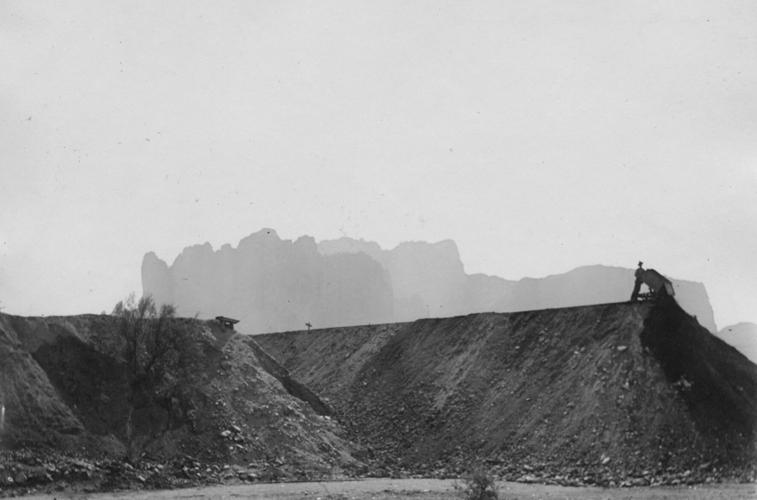
A silhouetted miner dumping an ore car on the dumps at the Goldfield mine with the Superstition Mountains in the background.
Photos: Moviemaking at Old Tucson Studios
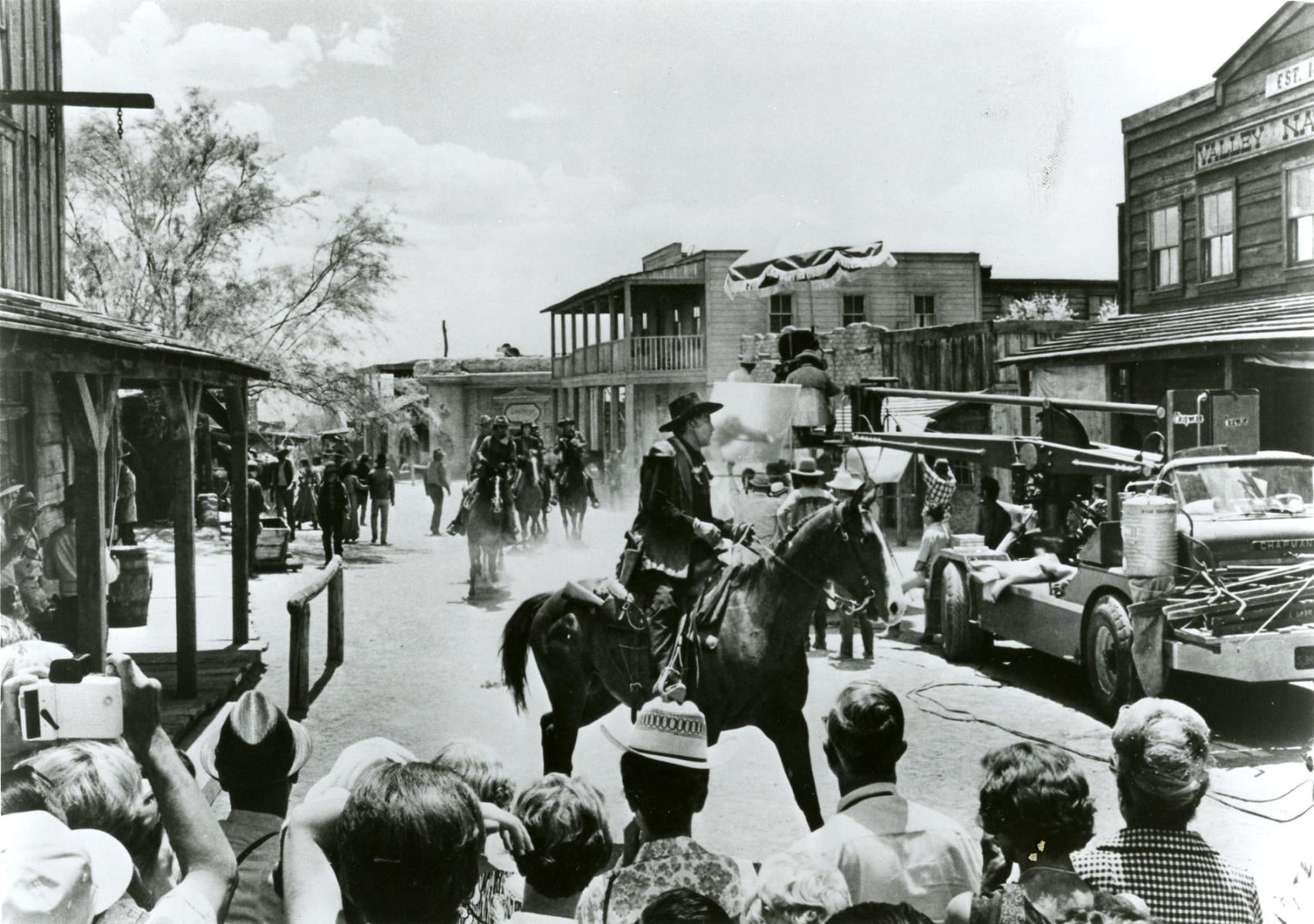
Visitors at Old Tucson often have a chance to watch actual movie or television filming. Shown in the foreground, they watch actor Cameron Mitchell at work in July 1977. John Wayne, Paul Newman, Glenn Ford, Clint Eastwood and Kirk Douglas are among the stars that have filmed there.
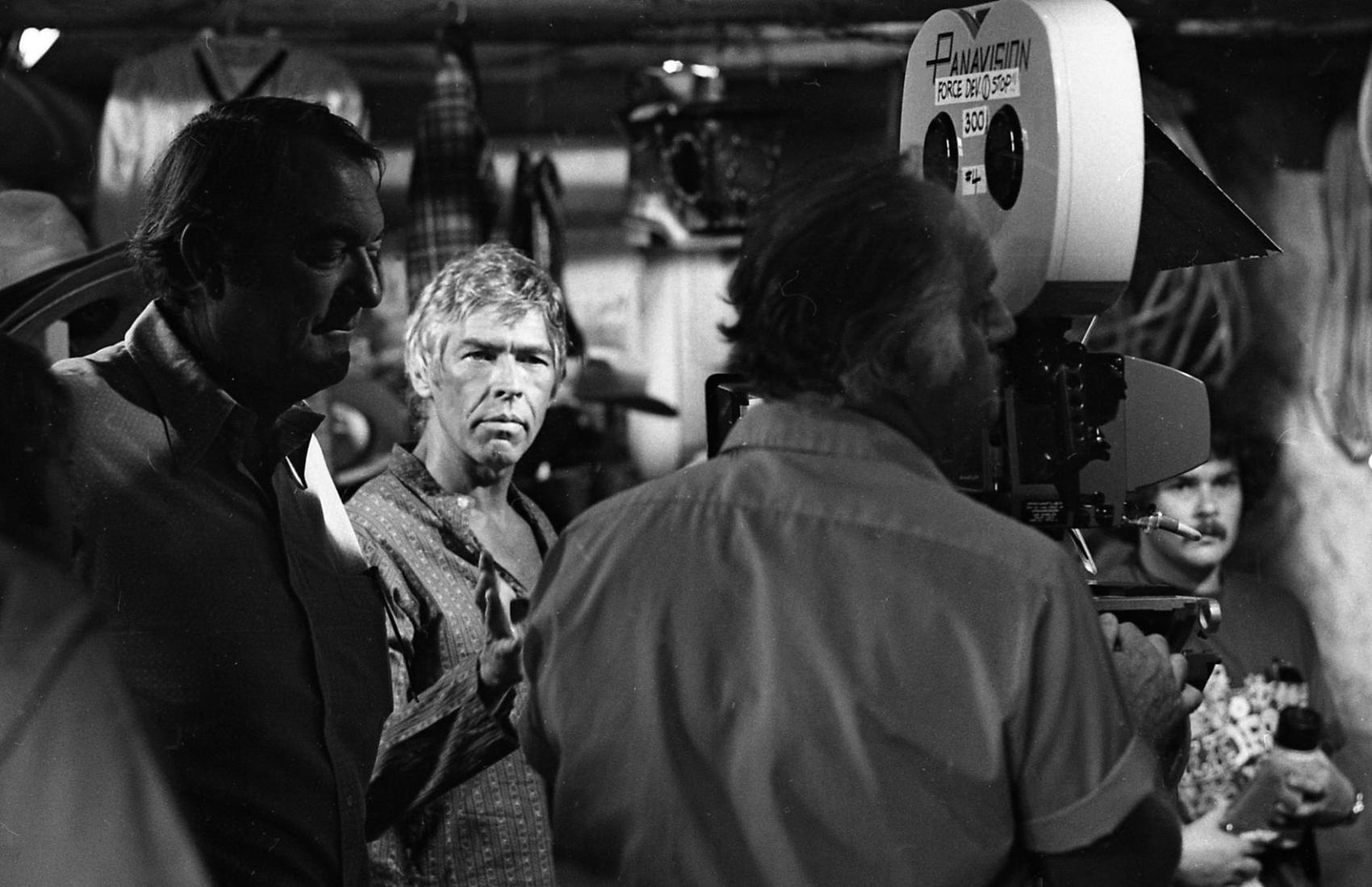
James Coburn during production of "The Last Hard Man" at Old Tucson on November 6, 1975.
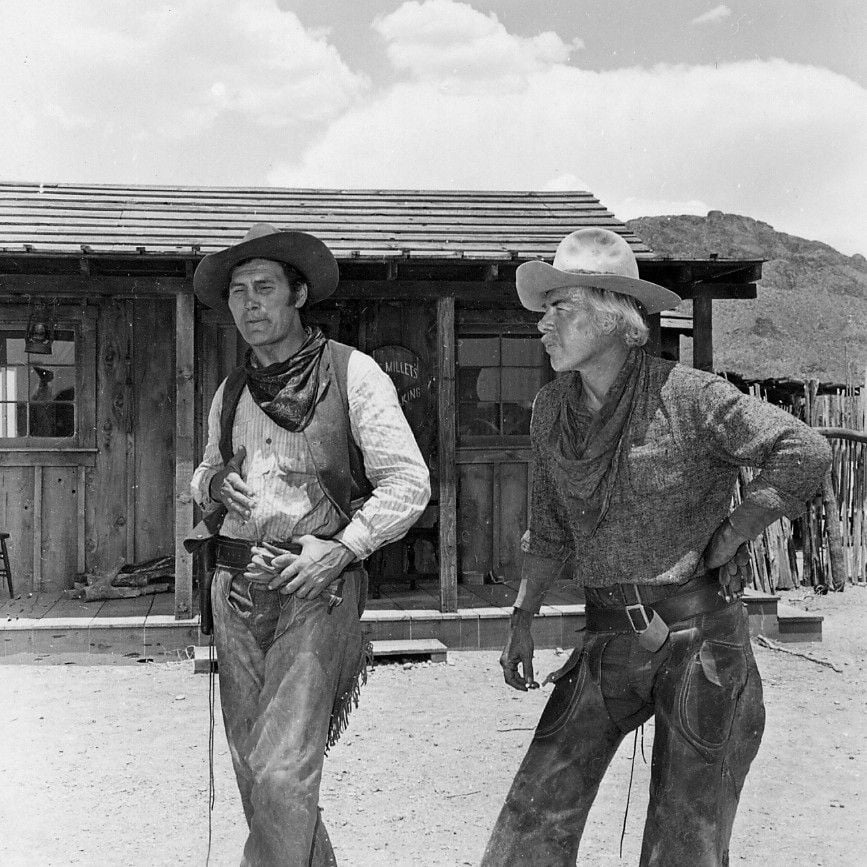
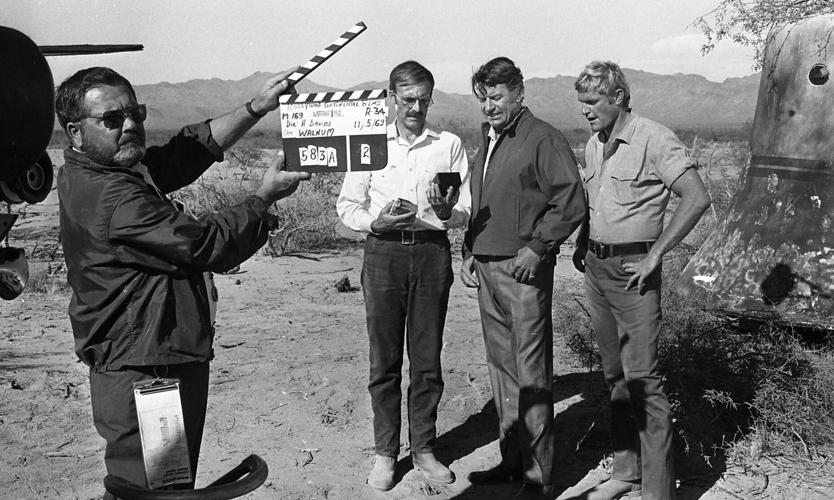
Lee Marvin, right, talks with Jack Palance during a break in the filming of "Monte Walsh" at Old Tucson in 1970. For this film the production company built the town of Harmony 35 miles east of Tucson. The set there is now the Mescal location and still used today.
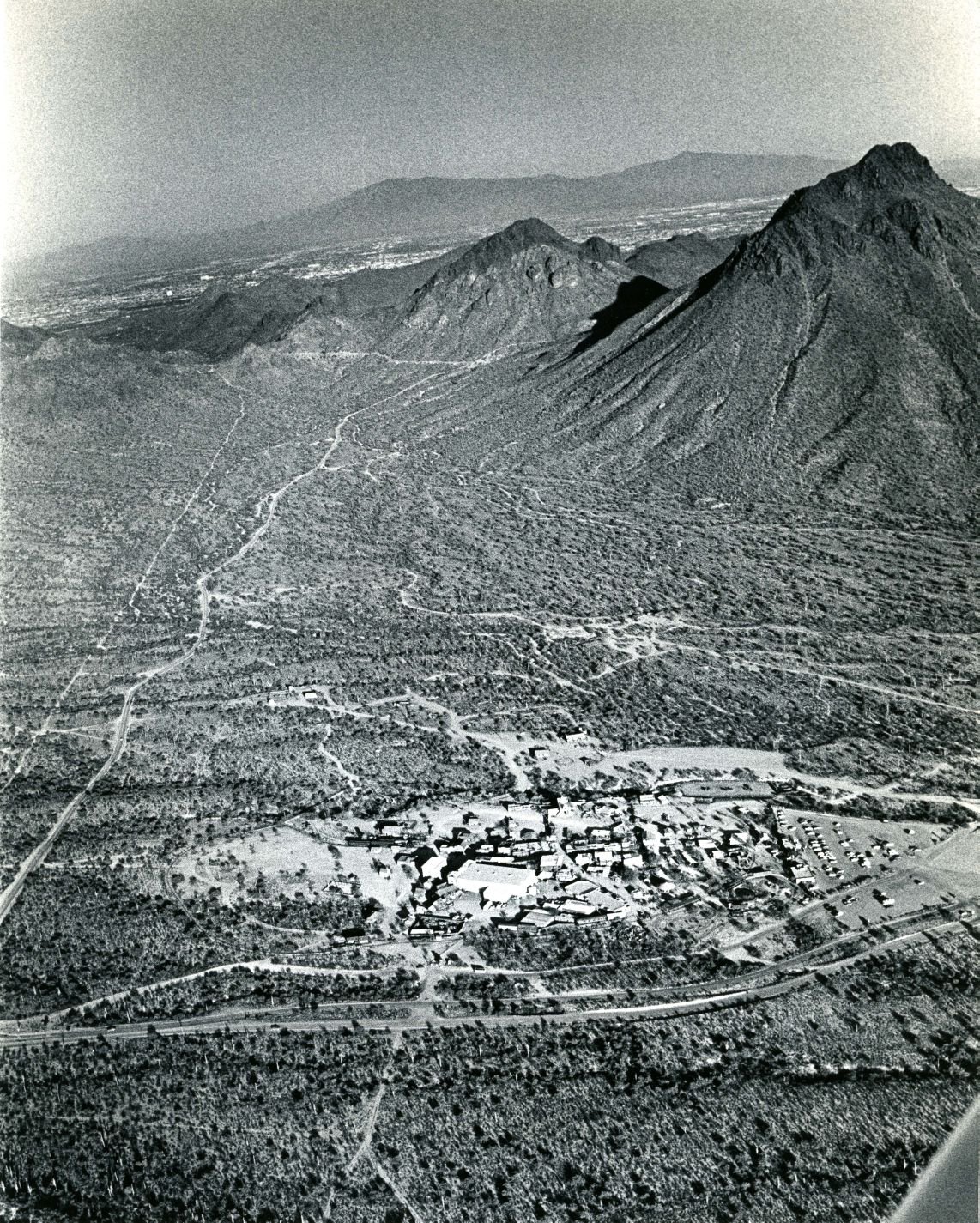
Old Tucson Studios in 1980.
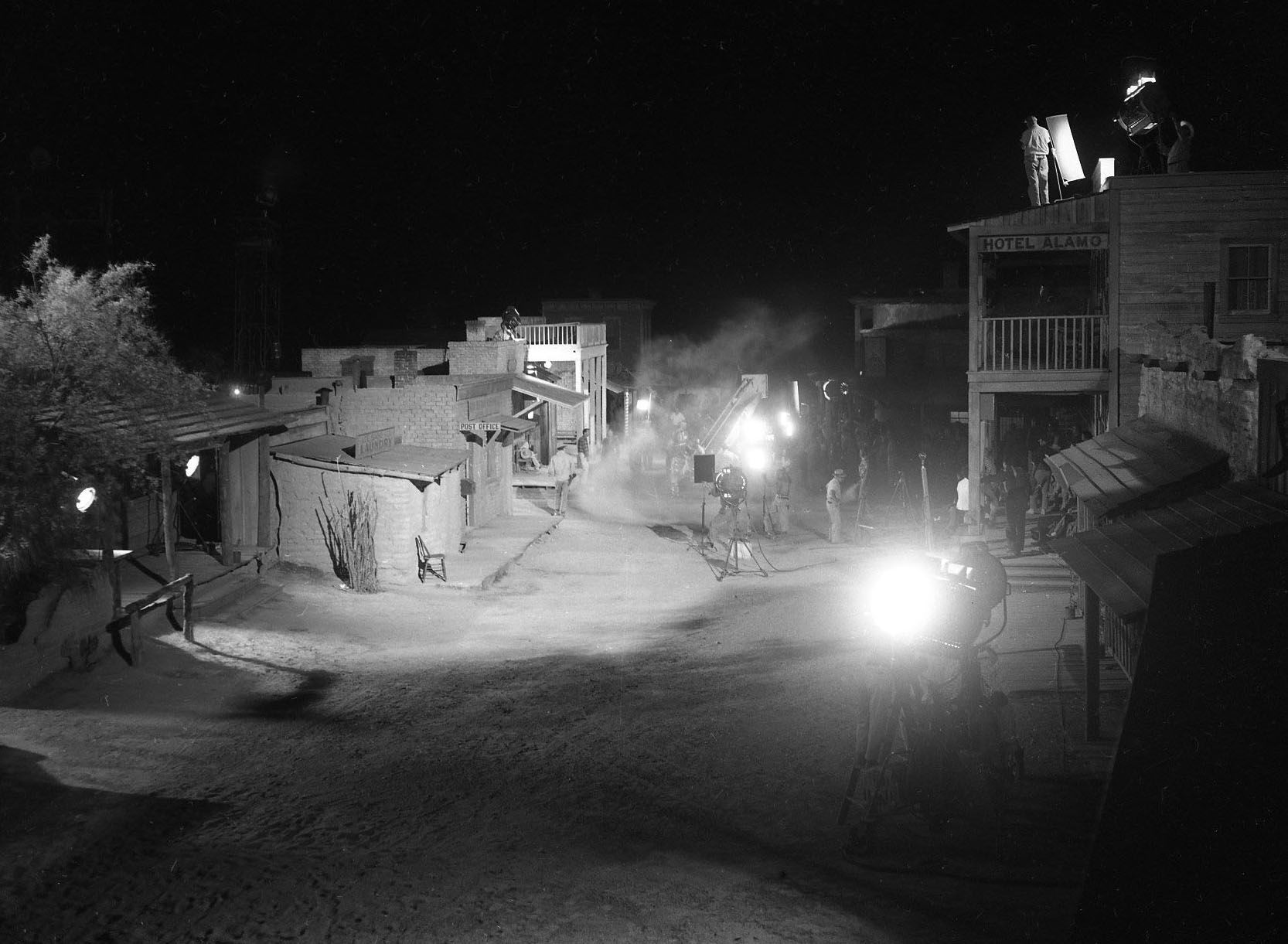
Night scenes for the John Wayne classic, "Rio Bravo" at Old Tucson on May 24 1958.

Building the soundstage at Old Tucson on June 11, 1968.
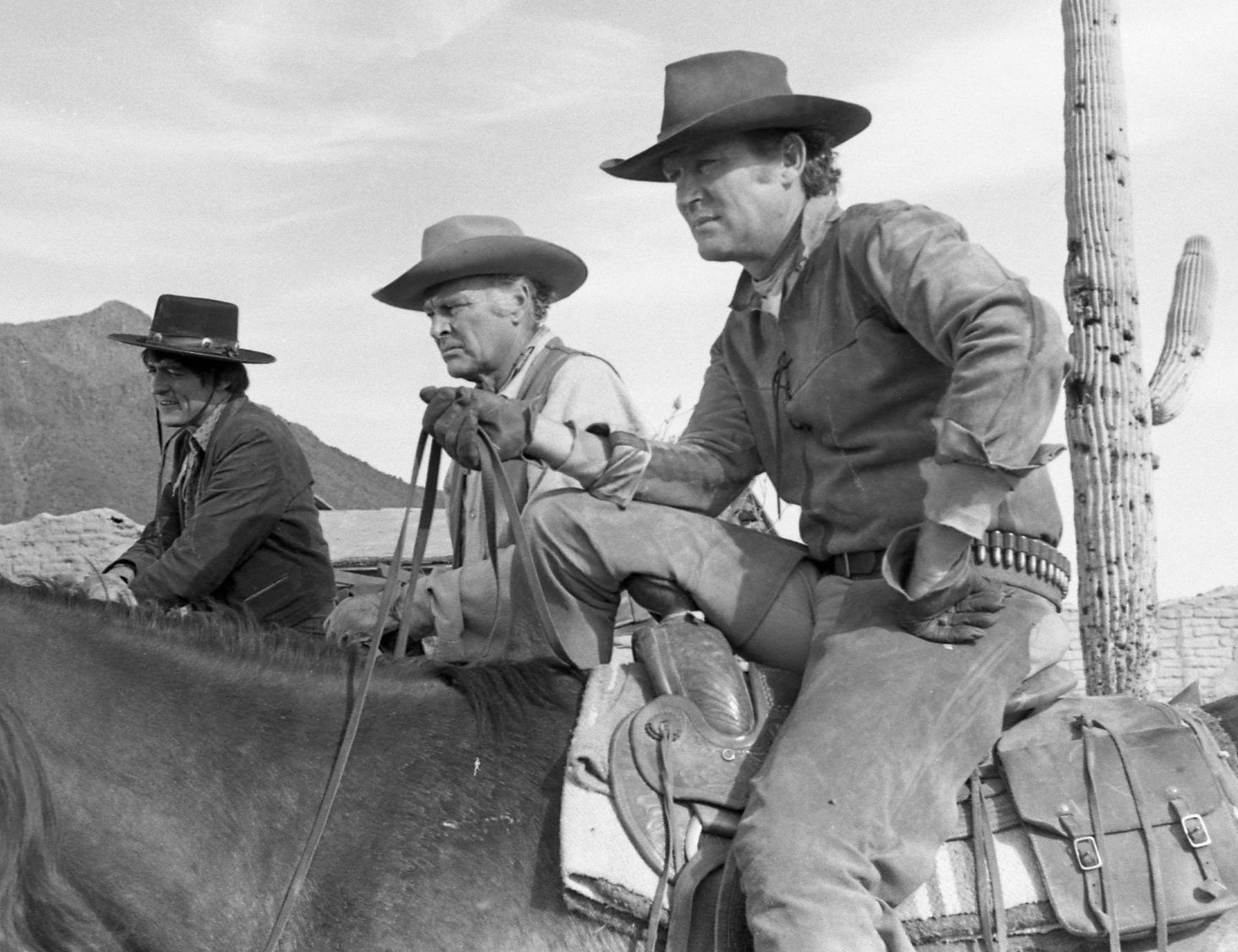
The cast of the televsion show "High Chaparral" on set at Old Tucson in May, 1968. From left, Henry Darrow, Leif Erickson and Don Collier, who lived in Tucson and showed up in local TV commercials later in life.
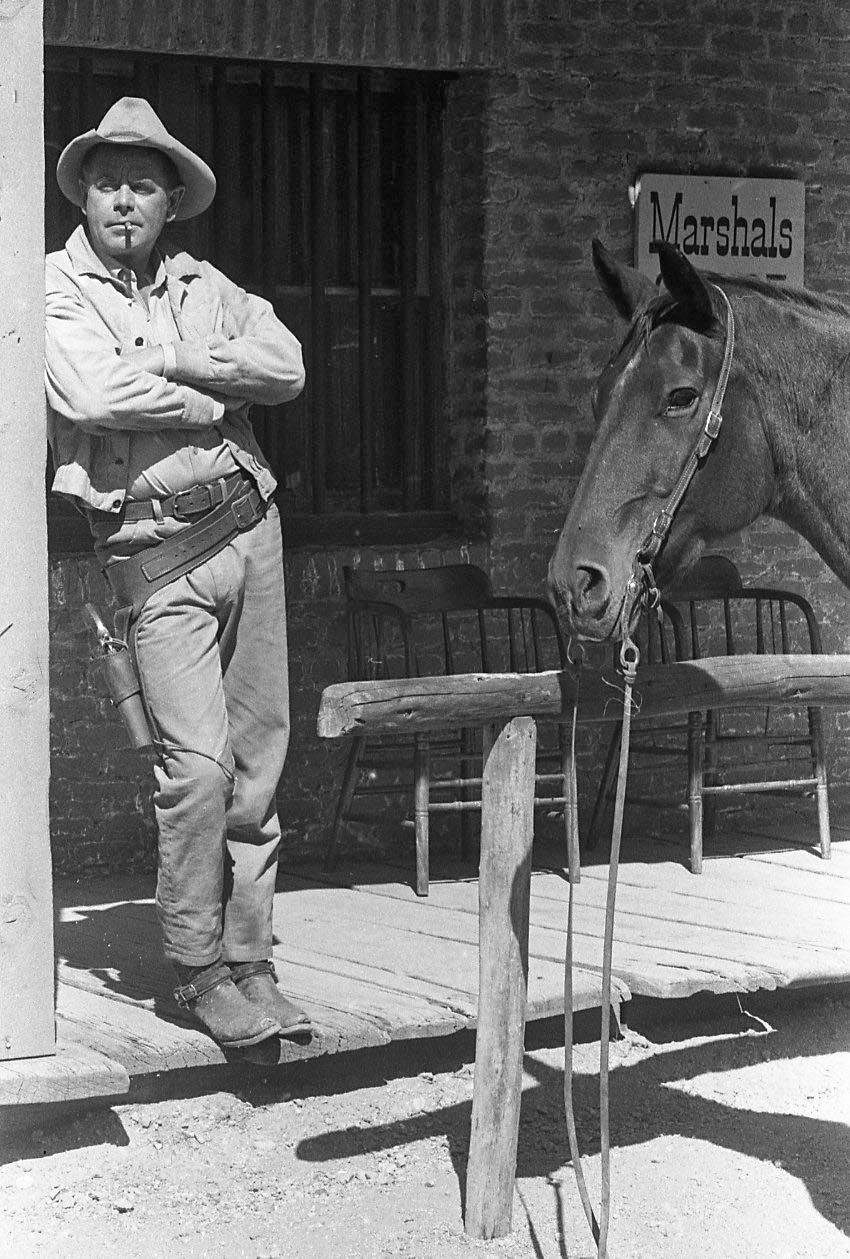
Glenn Ford at Old Tucson on October 1966 during production of "Pistolero" Upper Sabino Canyon was also used for filming. The classic Western actor also appeared as the bad guy in the original "3:10 to Yuma," also filmed at Old Tucson.
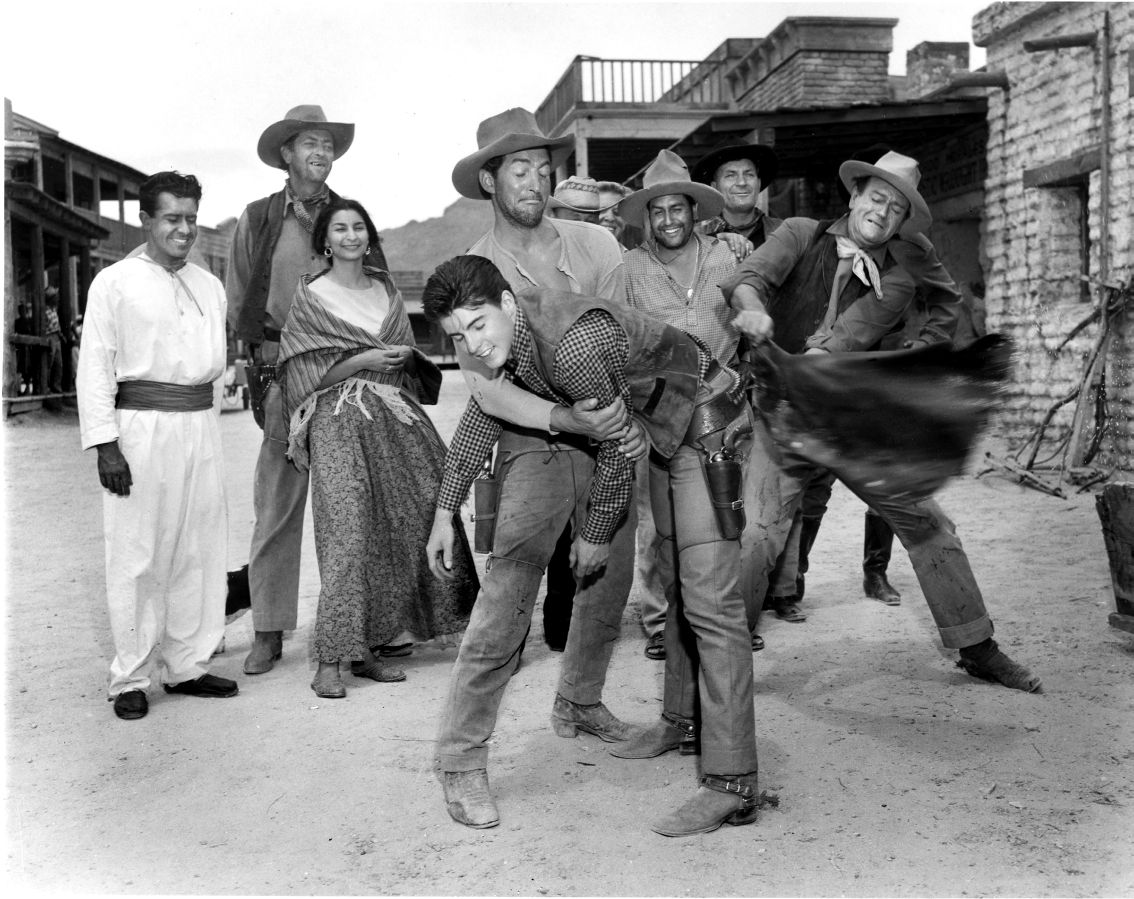
Dean Martin hangs on to Ricky Nelson as John Wayne takes a swing with a blanket on the set of Rio Bravo at Old Tucson Studios in 1959.

Actor Max von Sydow gets makeup on the set of "Reward" on June 15, 1964. A section of the Old Tucson in Tucson Mountain Park was remodeled to depict a street in a small Mexican town. Two of the movie's scenes were filmed at Old Tucson.

Actor John Saxon, left, and director John Huston during production of "The Life and Times of Judge Roy Bean" at Old Tucson in December, 1971. The film starred Paul Newman.

An Andy Warhol Western? Yep. It was "Lonesome Cowboys" and it was filmed at Old Tucson in 1968.
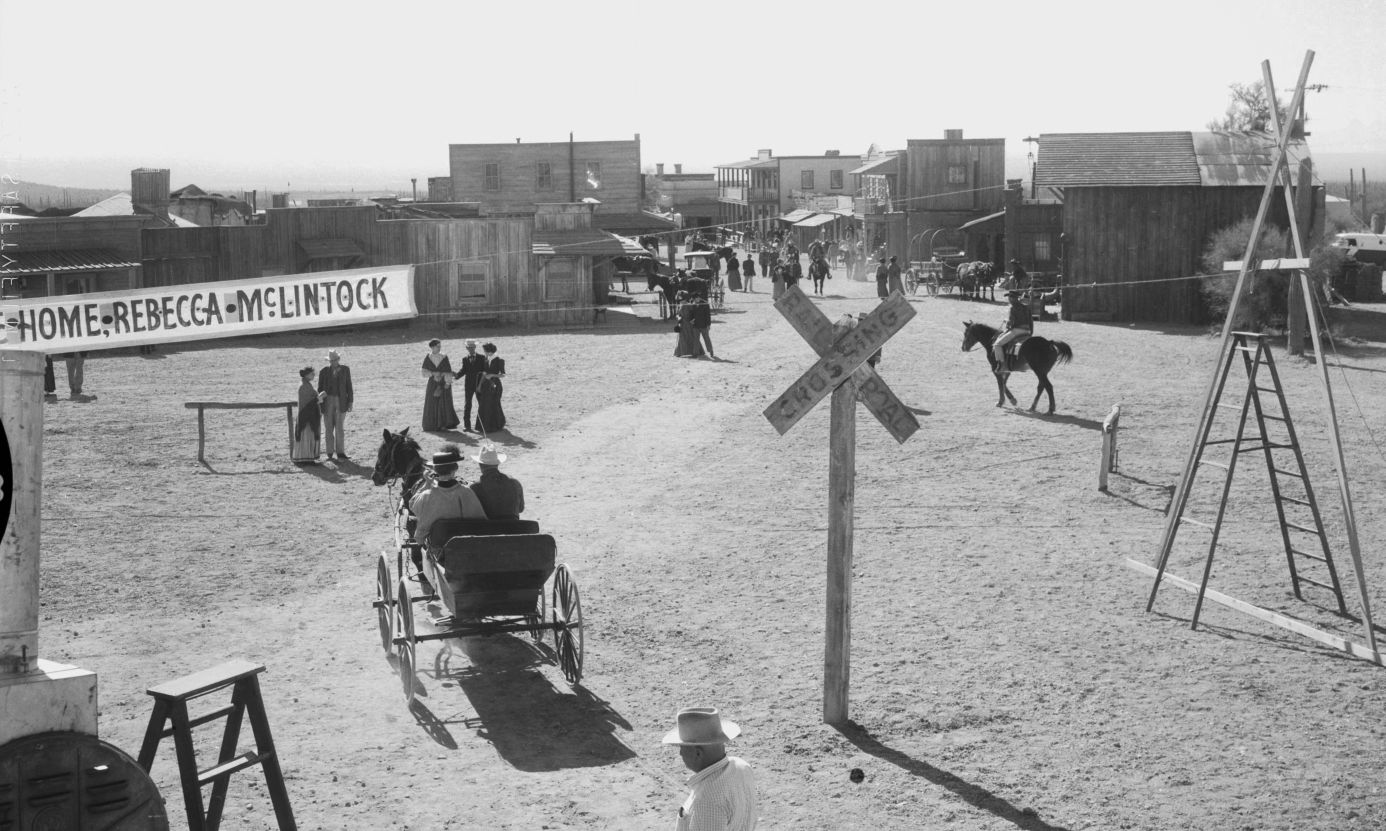
The streets of Old Tucson transformed for the movie "McLintock!" starring John Wayne and Maureen O'Hara in December, 1962.
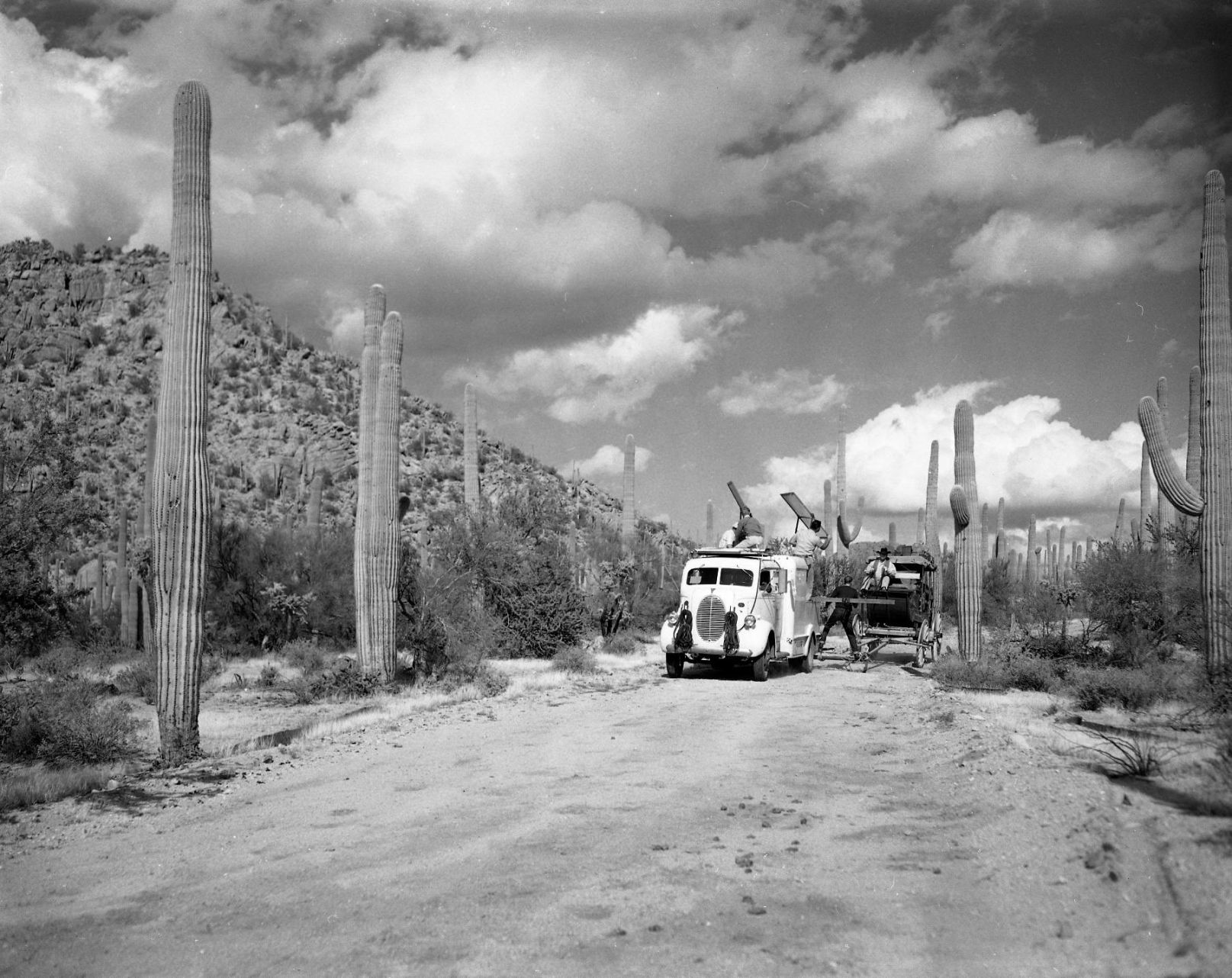
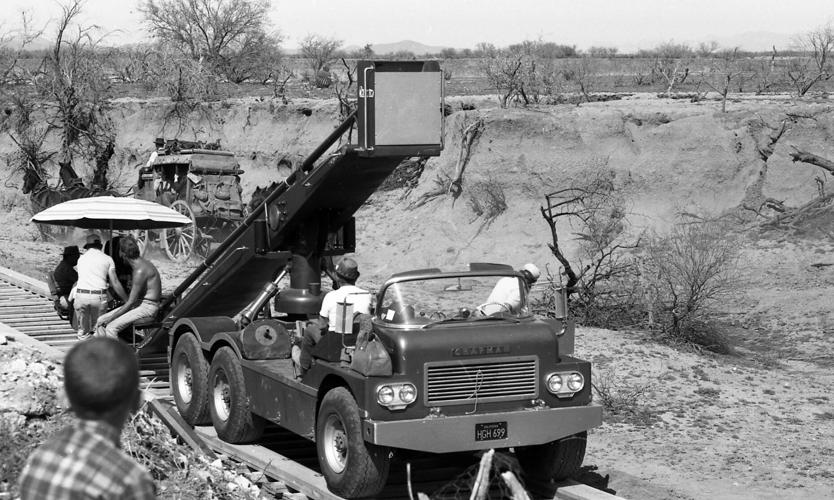
A film camera truck pulls a stagecoach on the set of "The Lone Ranger" near Old Tucson in 1957.
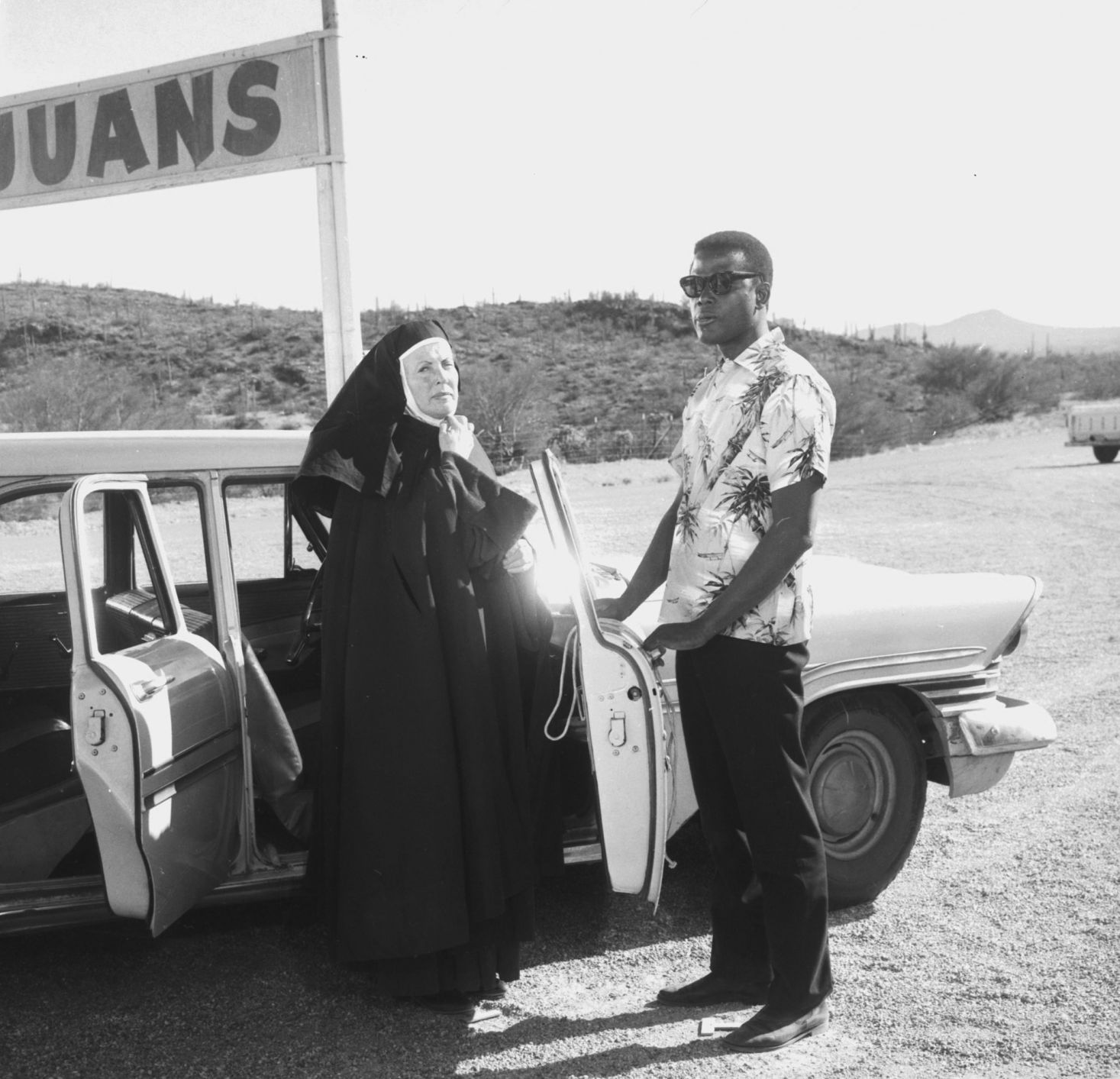
Sidney Poitier with Lilia Skala on the set of "Lilies of the Field" Movie in December 1962. Poitier was the first African American actor to win the Oscar for Best Actor for his portrayal of Homer Smith in the movie.

On the set of "Gunfight at the O.K. Corral" in 1957. It starred Burt Lancaster and Kirk Douglas and was directed by John Sturges, who directed several other movies at Old Tucson.
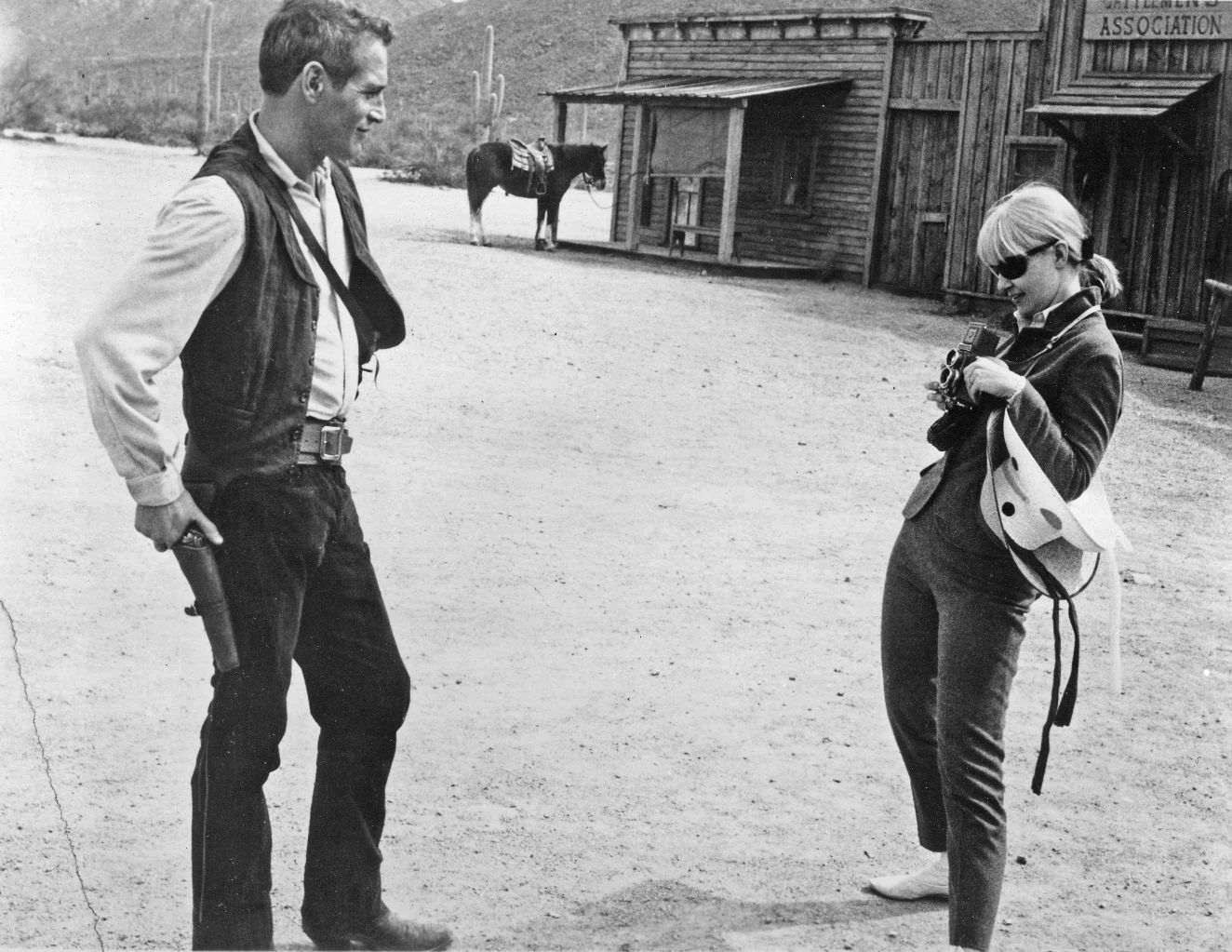
Actor Paul Newman has his photo taken by his wife Joanne Woodward during a break in filming of "Hombre" at Old Tucson in 1967. Woodward said, "Being married to Paul is being married to the most considerate, romantic man." Newman died in 2008.

Director John Sturges, left, confers with actor Clint Eastwood during production of "Joe Kidd" at Old Tucson on December 2, 1971. Sturges was a well-known action film director with such hits as "The Great Escape" and "The Eagle Has Landed."
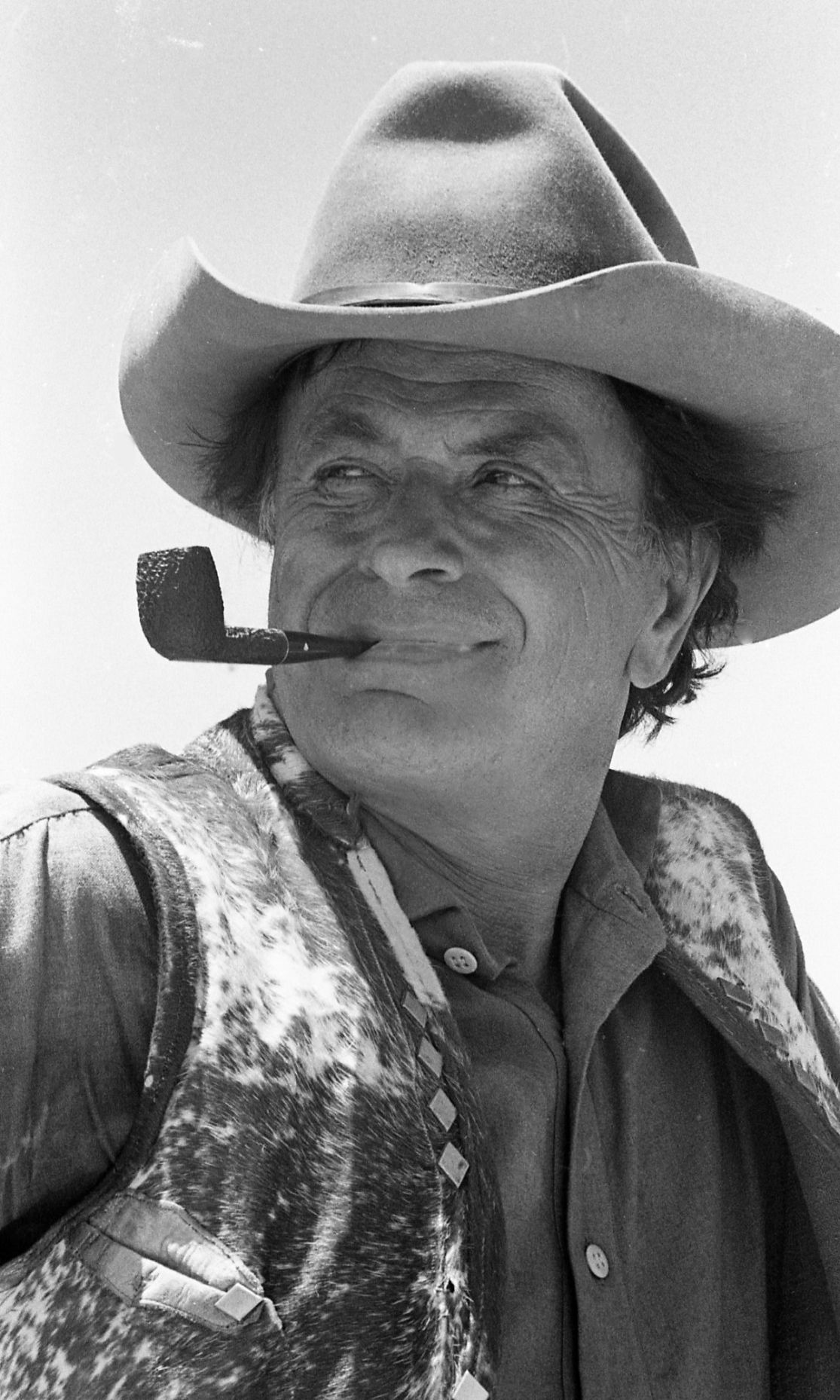
Noah Beery Jr. at Old Tucson on June 5, 1968. He played James Garner's father in the TV series, "Rockford Files."

Walter Brennan snd John Wayne during filming of Rio Bravo in 1958. These ruins are leftover walls from the Mexican Village built for the film "Arizona." John Wayne filmed four movies at Old Tucson.

A building is expanded during set improvements for the movie "El Dorado" starring John Wayne and Robert Mitchum at Old Tucson on September 28, 1965.

The church is changed using adobe bricks during set improvements for the movie "El Dorado" starring John Wayne and Robert Mitchum at Old Tucson on September 28, 1965.
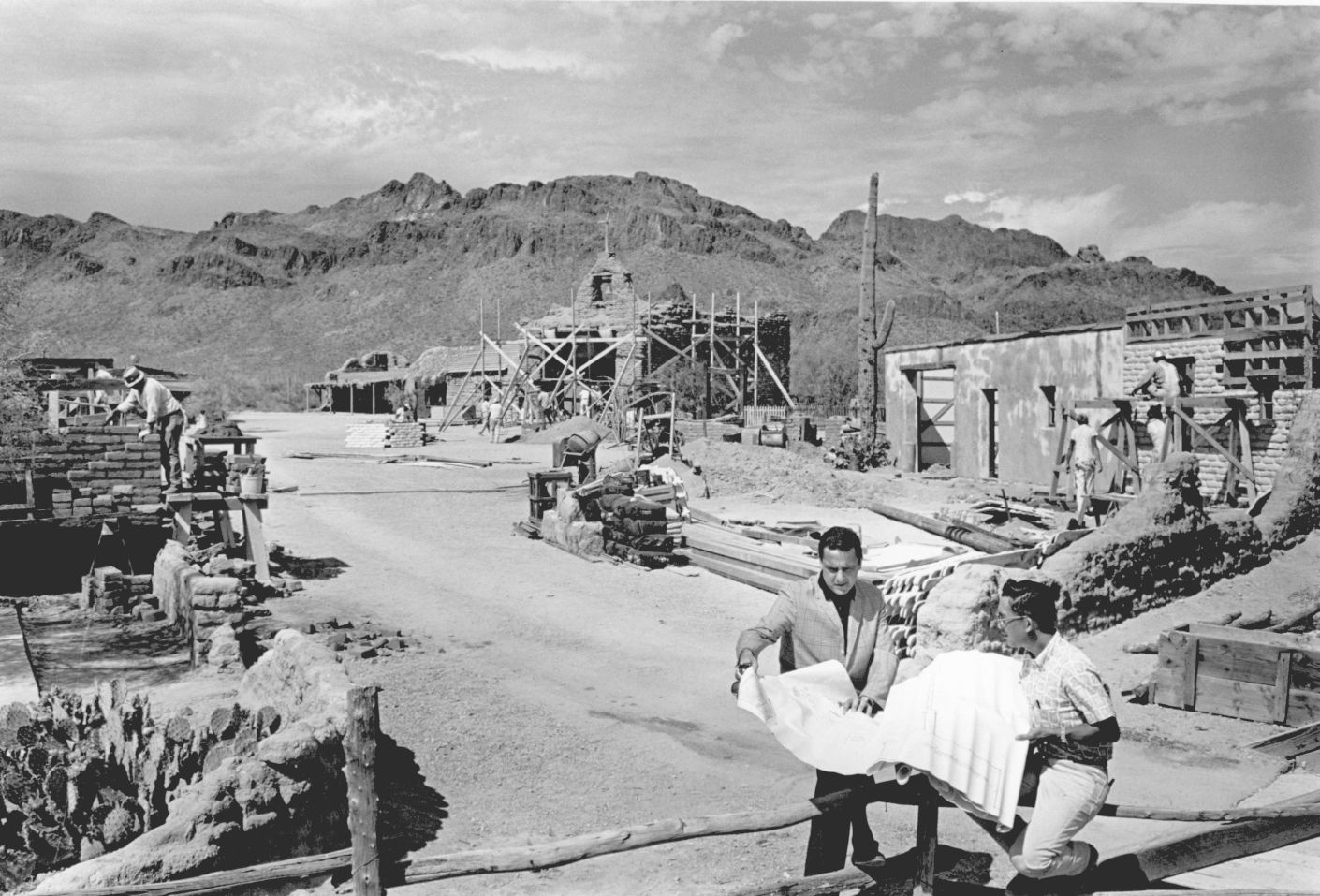
Robert Shelton (left) then president of Old Tucson talks with art director George Chan (right) from 20th Century Fox during building construction in 1964.
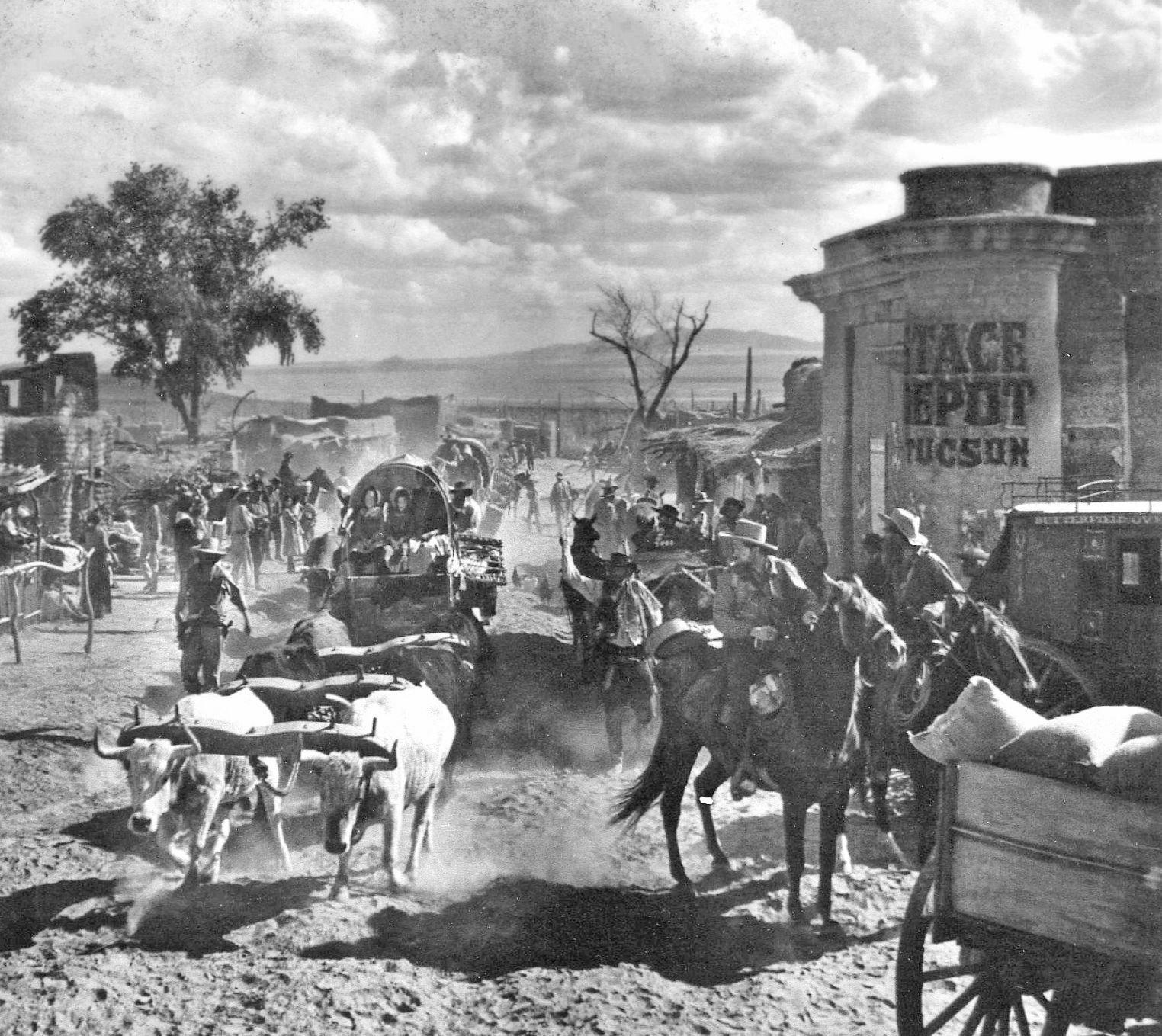
A scene from the 1940 film "Arizona" for which Old Tucson was built. The look and feel of the town was more authentic than any Western filmed to that point..
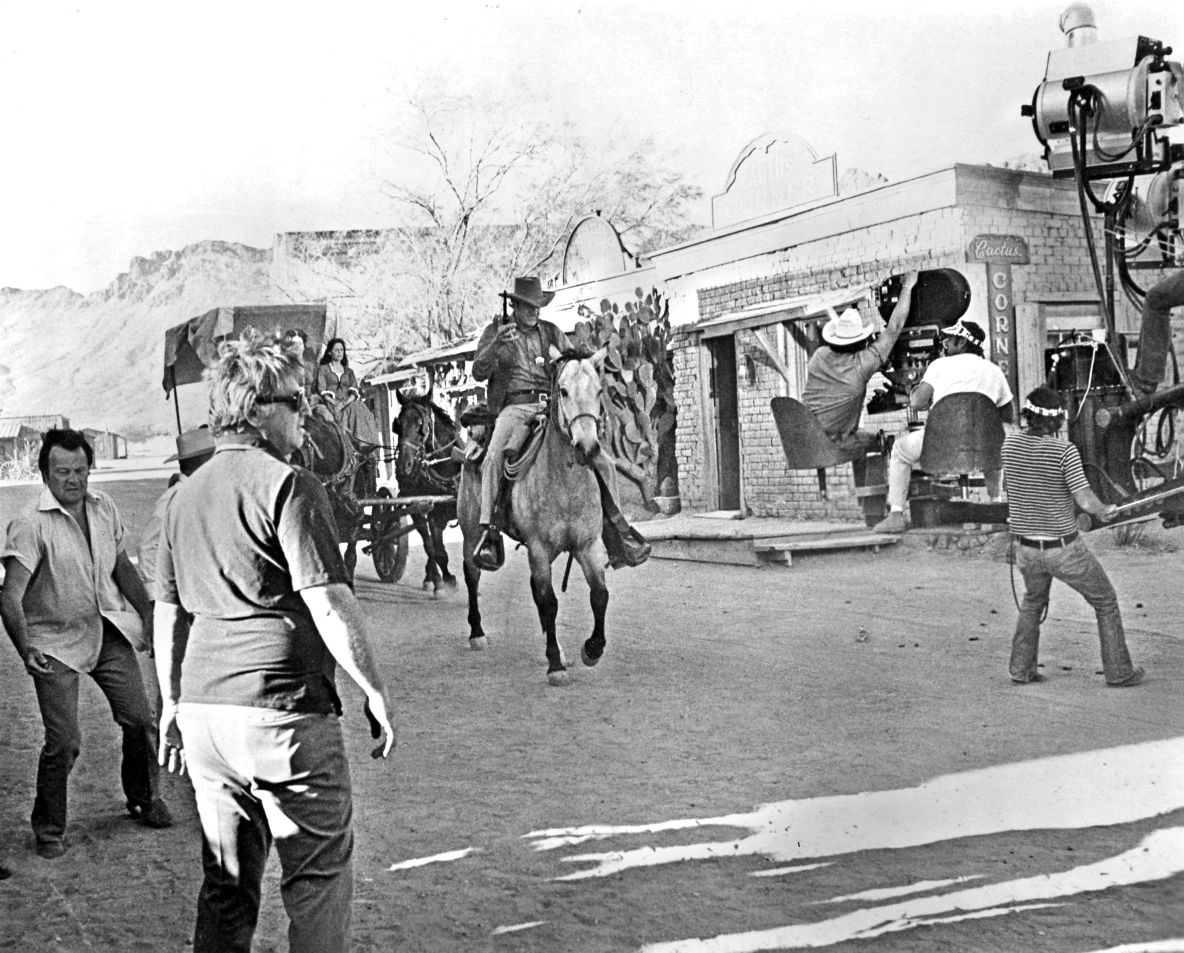
James Arness rides through Old Tucson as Sheriff Matt Dillon in TVs Gunsmoke. Gunsmoke ran from 1955-1975, though most episodes were filmed in Southern California.
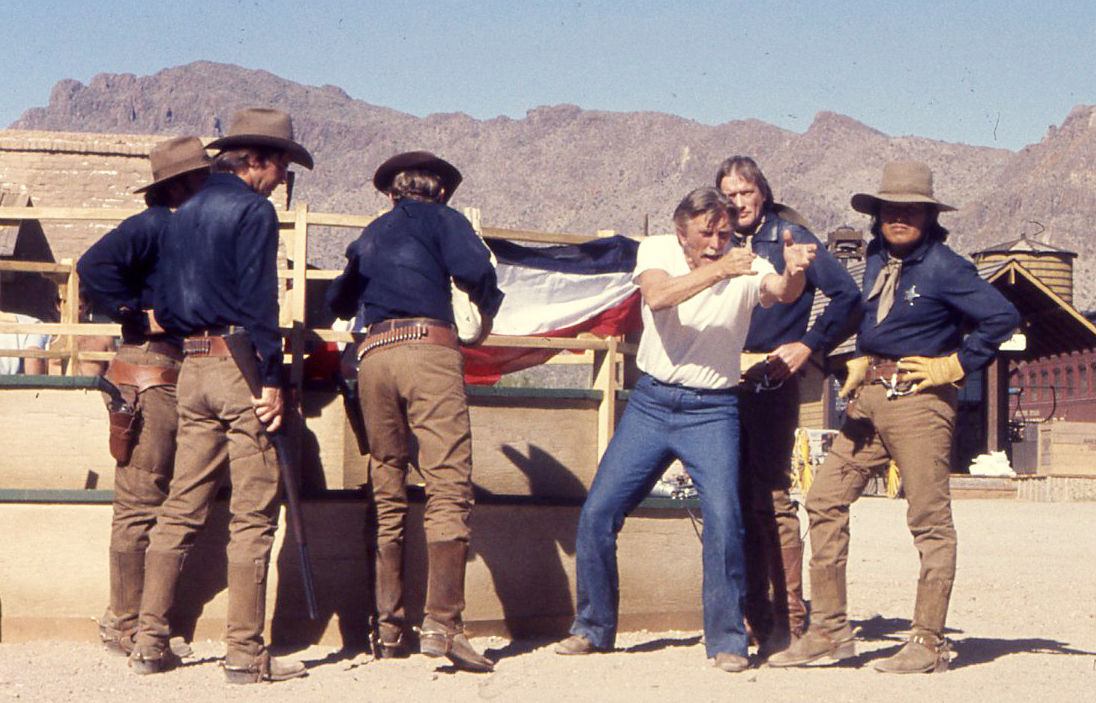
Kirk Douglas shows other actors how to draw and whirl during the filming of "Posse" at Old Tucson in October, 1974. Douglas was the star and director of the film.
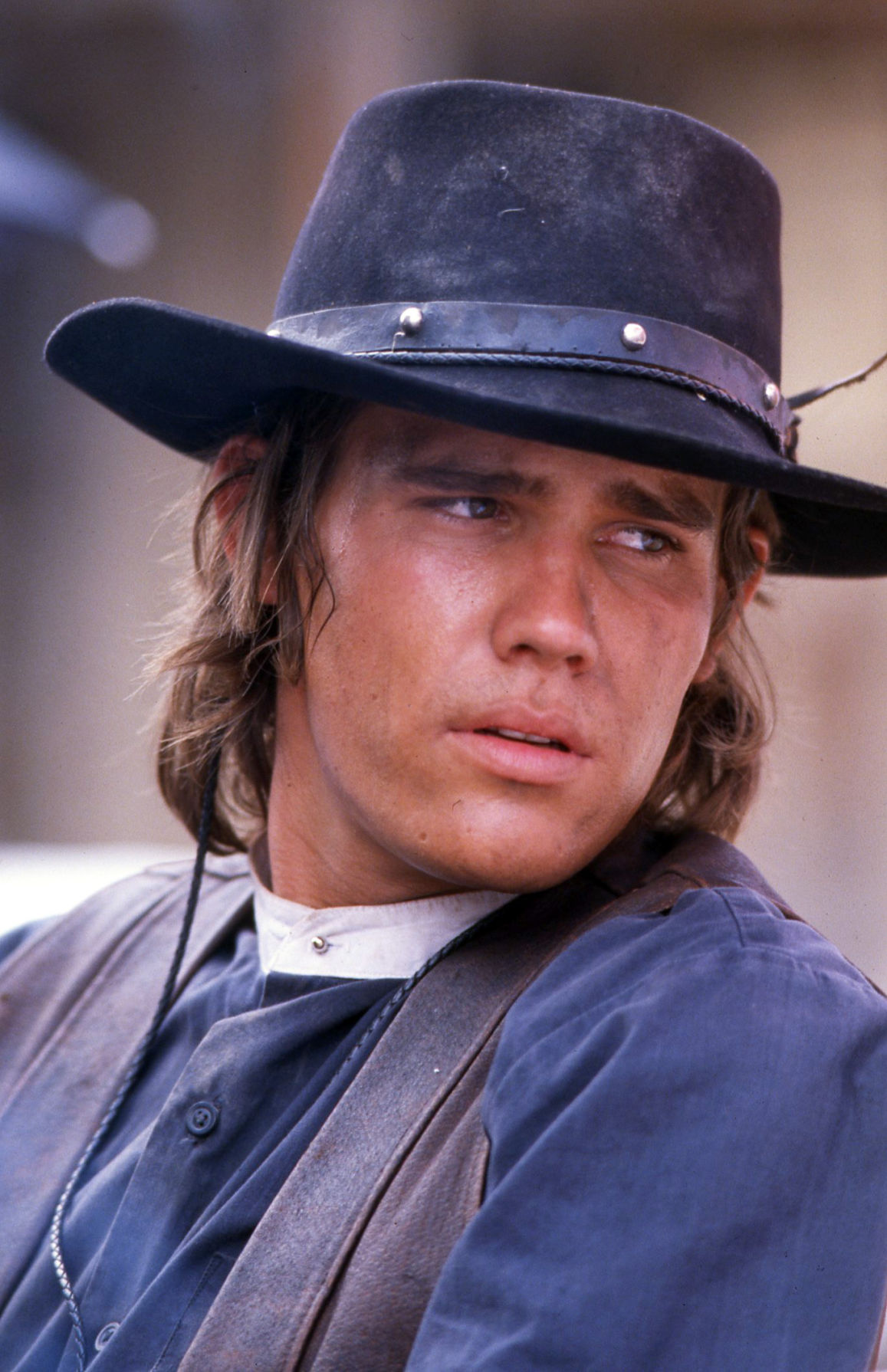
Actor Josh Brolin, who played Jimmy Hickok in the television show "The Young Riders" on the set at Old Tucson Studios in August, 1989. Brolin is an accomplished actor, with credits like "No Country for Old Men."
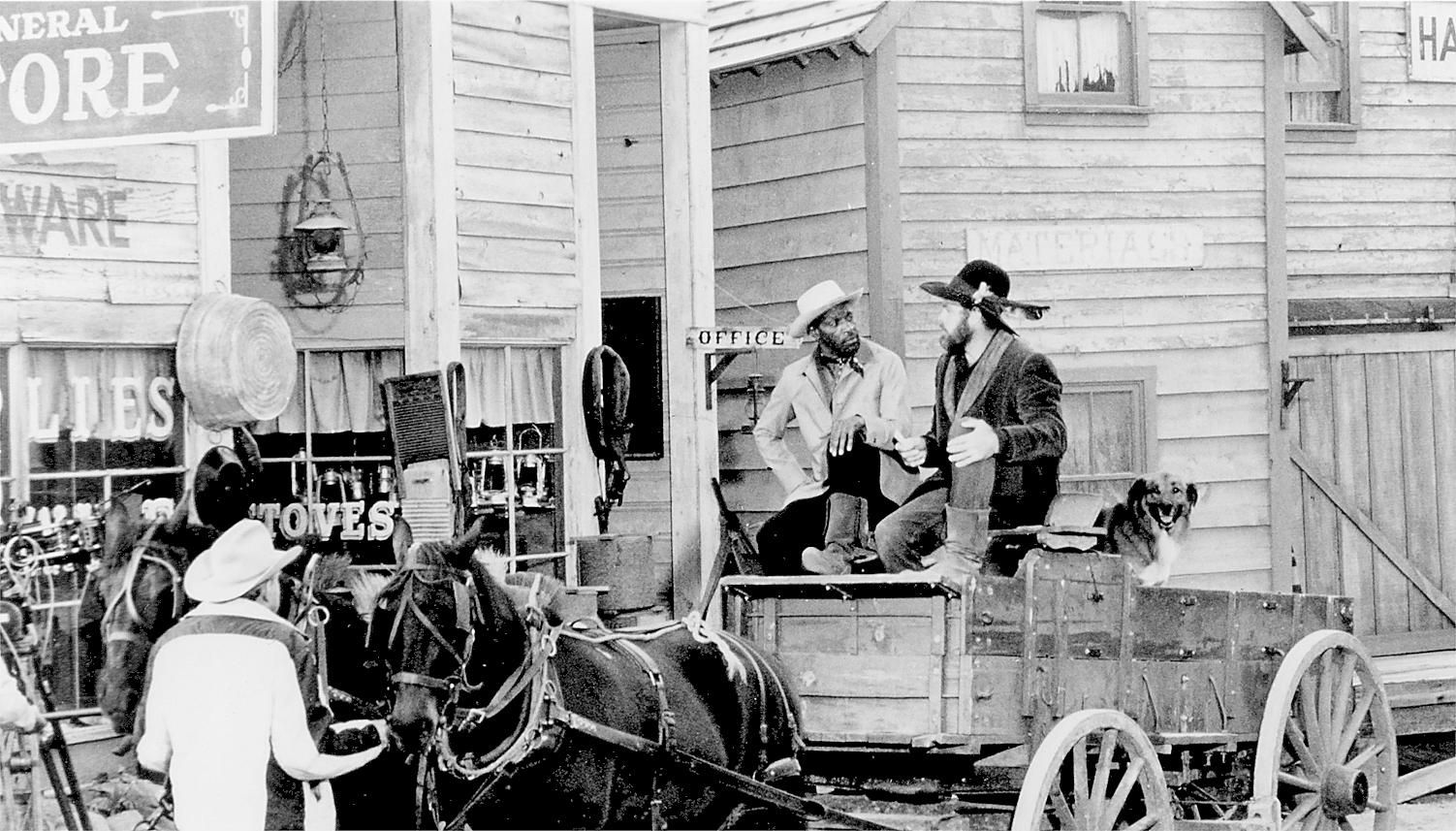
Moses Gunn (left) and Merlin Olsen (right), rehearse a scene from one of the many episodes of "Father Murphy" filmed at Old Tucson from 1981-83. Olsen was a Pro Hall of Fame tackle for the Los Angeles Rams.

Actress Michelle Carey (best known for her role in "El Dorado" with John Wayne) on the set of "Scandalous John" at Old Tucson in November, 1970. Carey spent most of her career in supporting TV roles, including three appearances in "The Wild Wild West."
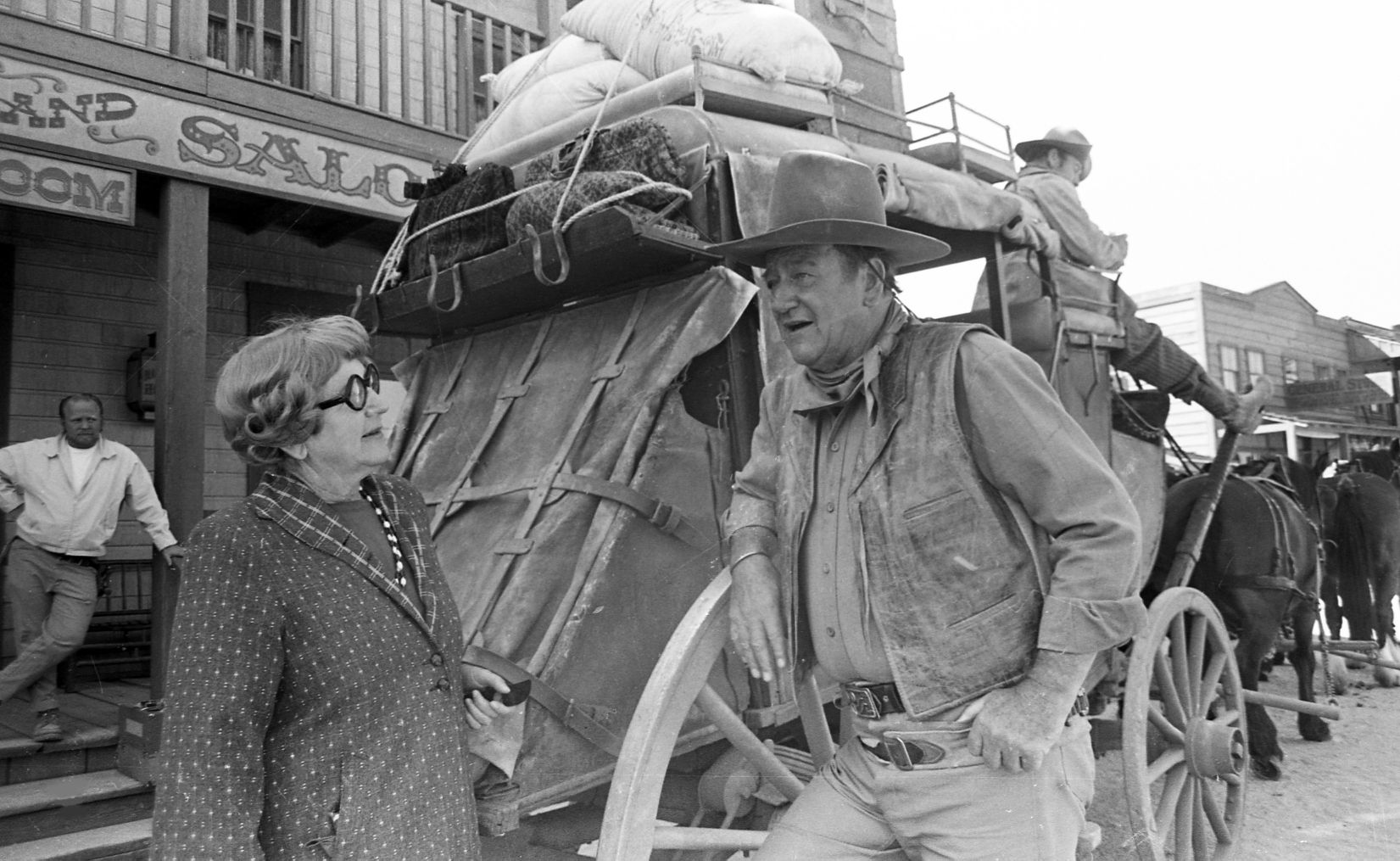
John Wayne, on the set of "Rio Lobo" in Old Tucson in June, 1970, confessed to Tucson Citizen movie critic Micheline Keating that he was nervous about the Academy Awards show the next night. He won Best Actor for "True Grit." Rio Lobo was his last film at Old Tucson.
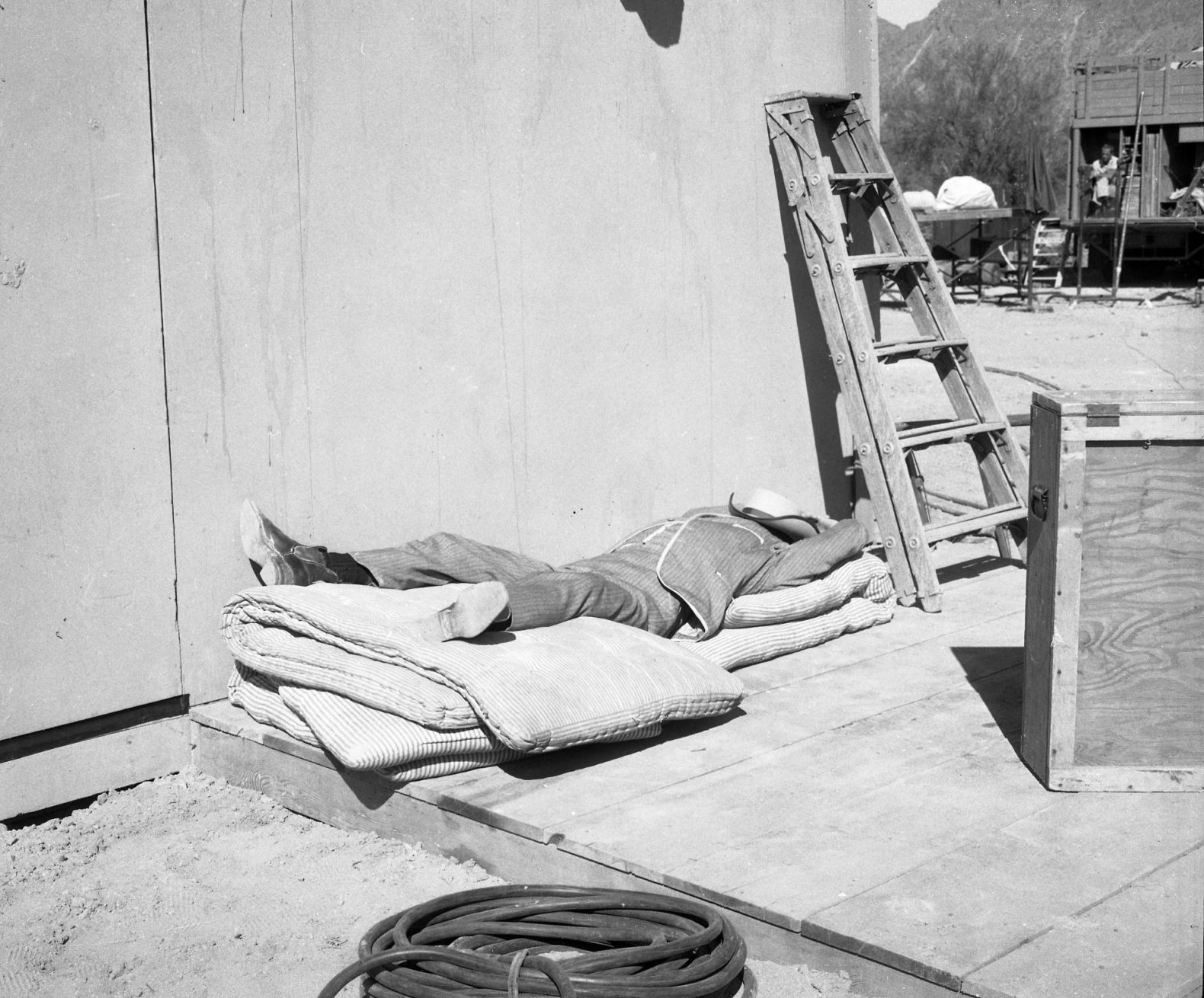
An extra catching a snooze in the warm sun on the set of "McLintock!" at Old Tucson in 1962.

Writer-director Burt Kennedy, right, on the set of "Young Billy Young," aka "Who Rides with Kane" at Old Tucson in July, 1968. Actor John Anderson is at left. Kennedy, a decorated WWII veteran, also directed "The War Wagon," "Support Your Local Gunfighter," and episodes for several TV show.

