


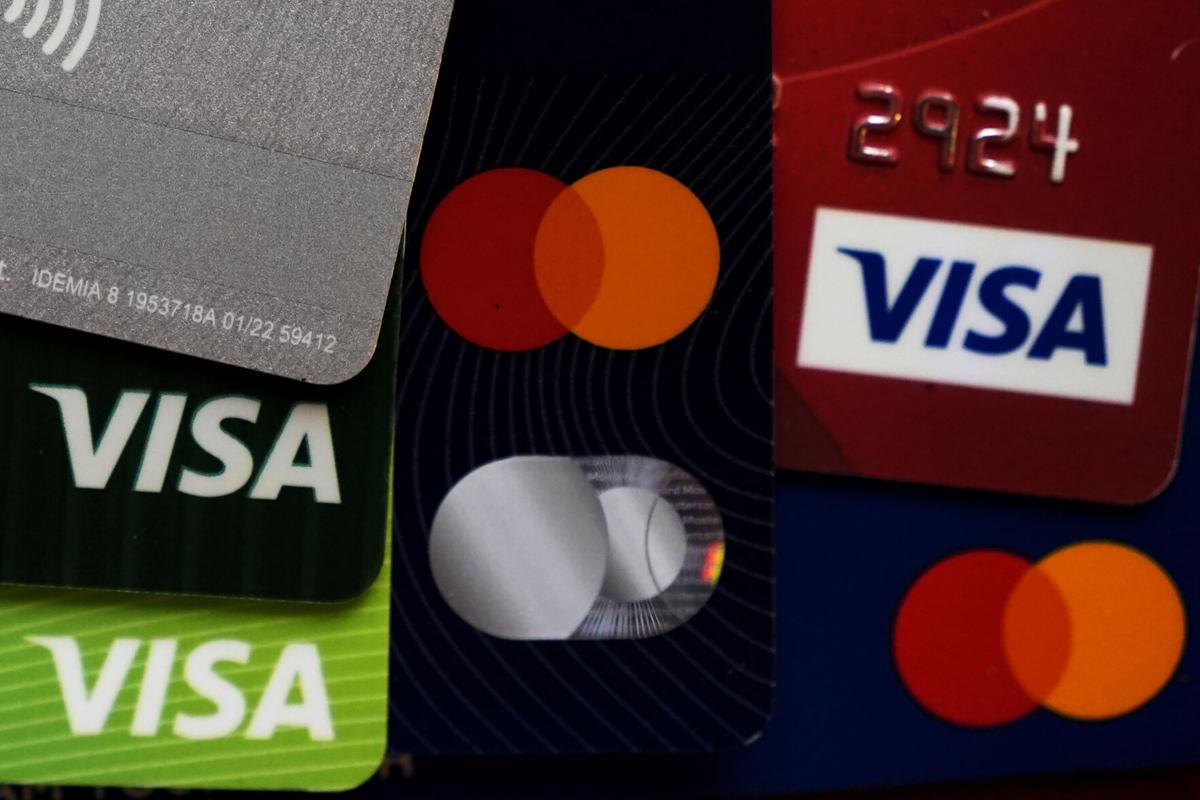
NEW YORK — Credit card defaults are on the rise for Americans, reaching the highest level in 14 years. U.S. credit card defaults jumped to a record $46 billion from January through September 2024, according to the Financial Times, citing data analyzed by BankRegData.
With high levels of credit card debt and high inflation, many consumers have found themselves unable to cover monthly payments, leading some to default.
A borrower goes into default when they miss credit card payments for over 180 days, roughly six months. When there is a failure to pay over such a long period, banks generally take this as a sign that a borrower won't pay the debt anymore, said Matt Sotir, financial adviser with Equitable Advisors based in New Hampshire.
Defaulting on credit card debt can have serious consequences, including a negative impact on credit reports that lead to a long-lasting effect on the ability to borrow money, Sotir said.
“These are debts that have a lot of impact and I think sometimes people don't realize that if they missed (a payment), how bad it could be for them in other areas,” added Sotir.
Here’s what you should know about credit card defaults.
What does it mean to default on a credit card?
There are several levels of consequences when credit card payments are not made. It begins with late fees, higher interest rates and a potentially lower credit score. If a borrower doesn't pay for 30 days the bank considers the credit card “delinquent” and the borrower's credit scores can be damaged further.
When a borrower fails to make a payment for roughly six months, the bank considers the credit card in default, which means they will close your account and refer you to a collection agency, said Chip Lupo, a writer at WalletHub.
“That's where you're going to really have trouble obtaining future credit for a while,” said Lupo.
When a collection agency assumes your debt, they will reach out via phone, email and mail to encourage you to pay up. Eventually, if not paid, the collection agency may take legal action against the borrower.
What should I do if I default on a credit card?
The first step is to be proactive, Sotir said. Whether it’s reaching out to your bank or working with a financial adviser, the quicker you start looking for viable solutions the more consequences you will be able to avoid.
“I’ve seen it over the years, when someone gets in trouble, it’s easy to cocoon and not want to deal with it,” Sotir said.
Sotir recommended that you reach out to your credit card company to negotiate the debt since it’s in the bank’s best interest to help you catch up. If your account goes to a collections agency, find out if they can offer a payment plan or seek help from a nonprofit credit counseling organization or financial adviser.
How can I avoid defaulting on my credit card?
It's best if you pay your credit card in full every month, but if that is not possible, getting to at least the minimum monthly payment each month can help you avoid falling further into debt, said Rikard Bandebo, chief economist at VantageScore, a credit modeling company.
“Do whatever you can not to get to the next stage. If you're 30 days late, try to avoid getting to 60 days and absolutely try to do everything you can to avoid getting to default,” Bandebo said.
If you are having trouble making payments on your credit card, Bandebo recommends you reach out to your bank and ask if you can be placed on a payment plan.
Other alternatives include reaching out to a credit counseling organization or transferring your credit card debt to a 0% interest card, though that typically comes with a fee.
How does credit card default affect my credit score?
Defaulting on a credit card will mean serious consequences for your credit score, and that will limit how much you will be able to borrow in the future, and how much it will cost you. If you don't pay your credit card bill for a month, your credit score will likely fall between 60 and 100 points, said Bandebo. While there is not a specific number of points that your credit score will fall should you default, it will appear on your credit report for seven years, he added.
What if I can’t pay?
If you find that you cannot regularly make payments to your credit cards, Sotir recommends you start by looking at your budget to find which expenses can be cut, or consider whether you need an extra source of income.
“For most people, it's really about understanding how much money is coming in and where it's going,” added Sotir.
If your expenses outweigh your income, Sotir recommends looking for a temporary second job, find if you have assets that you can sell, or asking family if they can help you while you get back on your feet. Additionally, some banks offer hardship programs that provide assistance for people who can’t afford large and high-interest credit card balances.
Bankruptcy should be considered the last option if you have exhausted all other alternatives, added Lupo.
If your budget doesn’t allow you to resume payments, it’s important to start looking for alternatives as soon as possible, Bandebo said.

