

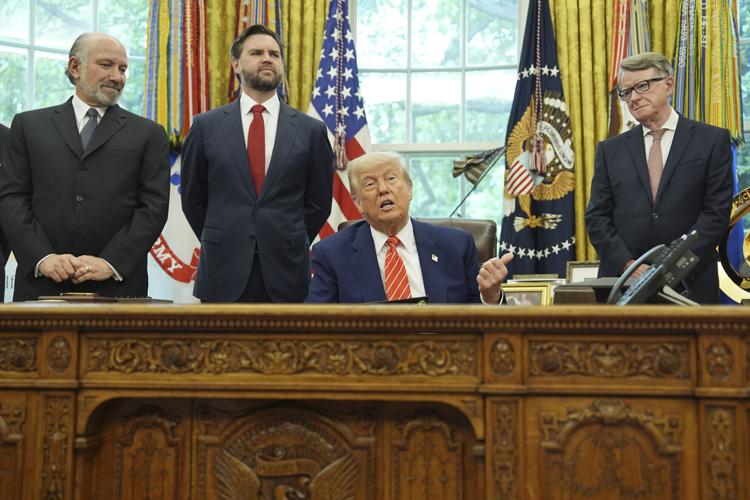
WASHINGTON — President Donald Trump agreed Thursday to cut tariffs on U.K. autos, steel and aluminum in a planned trade deal but played down the possibility of other nations getting similarly favorable terms on his import taxes, which are roiling the global economy.
Under the framework agreement, the United Kingdom is to buy more American beef and ethanol and streamline its customs process for goods from the United States. But Trump's baseline 10% tariffs against British goods are to stay in place, and the Republican president suggested that even higher import taxes would be charged on other countries trying to reach deals with the U.S.
"That's a low number," Trump said of the U.K.'s 10% tariff rate, adding that other countries would face higher tariff rates in their deals because the U.S. runs trade deficits with them and "in many cases they didn't treat us right."
The announcement provided a political victory for U.K. Prime Minister Keir Starmer and offered a degree of validation for Trump's claims that his turbulent approach on trade may be able to rebalance the global economy on his preferred terms. But it also could temper the expectations of the European Union and others negotiating with the U.S. in hopes of mutually slashing tariffs to zero.
The U.S. president talked up the framework to reporters in the Oval Office, though the fine print remains in flux despite his prior statements that a full agreement was signed.
"In the coming weeks, we'll have it all very conclusive," Trump said.
The president said the agreement would lead to more beef and ethanol exports to the U.K. and streamline the processing of U.S. goods through customs. Commerce Secretary Howard Lutnick said the baseline 10% tariffs would stay in place and that an unspecified British company would announce the purchase of $10 billion in aircraft from Boeing.
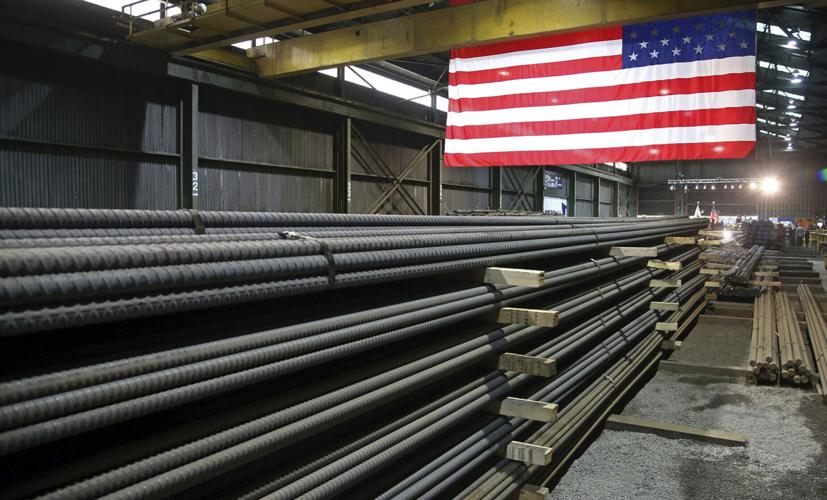
U.K. officials said Trump's auto tariffs would go from 27.5% to 10% on a quota of 100,000 vehicles and the import taxes on steel and aluminum would go from 25% to zero. Starmer said Britain would preserve its health and safety standards on food products.
The U.K. government also said it would reduce tariffs on 2,500 U.S. products such as olive oil, wine and sports equipment, bringing down the average tariff rate 1.8%.
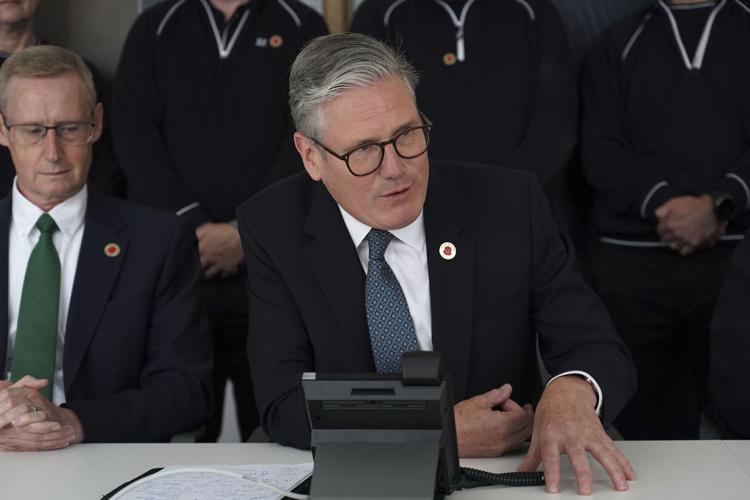
Starmer, speaking over the phone to Trump while reporters listened, stressed the importance of the relationship between the two countries as the anniversary of the World War II victory in Europe was being commemorated.
"To be able to announce this great deal, on the same day 80 years forward, almost at the same hour," Startmer said, "I think is incredibly important and makes this truly historic."
Starmer later spoke to workers at a Jaguar Land Rover plant and promoted the deal, which he said would protect thousands of auto jobs. He told the workers "this is just the start," saying "we are hammering out further details to reduce barriers to trade with the United States and across the world."
While celebrating the planned deal, Trump talked up the U.S. economy's future despite worrisome signs of a possible slowdown and increase in inflation that could hurt most Americans' financial well-being and lead to layoffs.
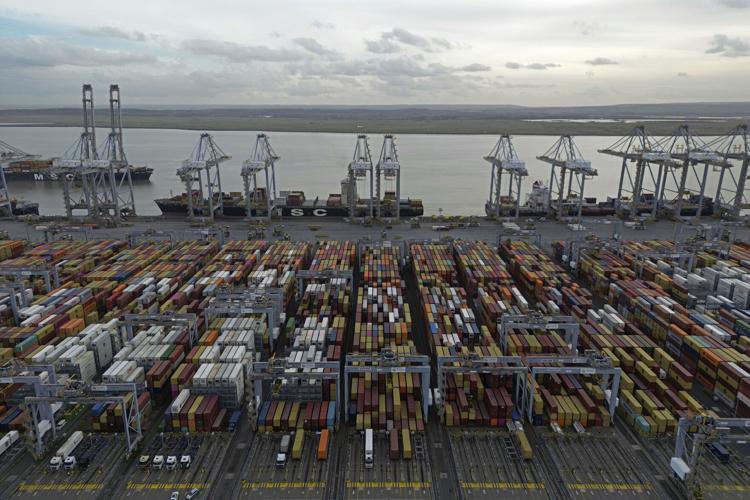
The president dismissed reports of fewer container ships docking in the U.S. and companies warning of price increases if the tariffs remain.
Trump claimed fewer container ships arriving from China meant "we lose less money" from the trade deficit, even though the goods in those ships are used by U.S. manufacturers and sold by retailers in ways that can support jobs while holding down prices.
Asked about companies saying they would need to raise prices because of the tariffs, Trump said, "I think they're saying that just to try and negotiate deals with me." Trump suggested he might put 100% tariffs on Mattel toys if they don't relocate their factories to the United States.
Trump claims there is "virtually" no inflation. The Federal Reserve's preferred inflation measure has increased at 2.3% annually, slightly higher than the central bank's 2% target.
The U.S. president said Thursday that Fed Chair Jerome Powell should cut the Fed's benchmark interest rates that are designed to manage inflation, saying that Powell was holding the Fed's rates at current levels instead of slashing them because "he's not in love with me."
Powell warned at a Wednesday news conference that the tariffs create uncertainty and the Fed could afford to wait until more data shows the impacts on the economy.
No new deals have been reached with America's largest trading partners, including Canada, Mexico and China. Trump left the highest tariffs in place on China, sparking a confrontation between the world's two biggest economies. Washington and Beijing are sending officials to Switzerland this weekend for an initial round of trade talks.
The U.S. and the U.K. have been aiming to strike a bilateral trade agreement since the British people voted in 2016 to leave the European Union, allowing the country to negotiate independently of the rest of the continent.
The U.S. ran a $11.9 billion trade surplus in goods with the U.K. last year, according to the Census Bureau. The $68 billion in goods that the U.S. imported from the U.K. last year accounted for just 2% of all goods imported into the country.

