

SEATTLE — After a Seattle immigration judge dismissed the deportation case against a Colombian man — exposing him to expedited removal — three people sat with him in the back of the courtroom, taking his car keys for safe-keeping, helping him memorize phone numbers and gathering the names of family members who needed to be notified.
When Judge Brett Parchert asked why they were doing that in court, the volunteers said Immigration and Custom Enforcement officers were outside the door, waiting to take the man into custody, so this was their only chance to help him get his things in order. "ICE is in the waiting room?" the judge asked.
As the mass deportation campaign of President Donald Trump focuses on cities and states led by Democrats and unleashes fear among asylum-seekers and immigrants, their legal defenders sued this month, seeking class-action protections against the arrests outside immigration court hearings. Meanwhile, these volunteers are taking action.
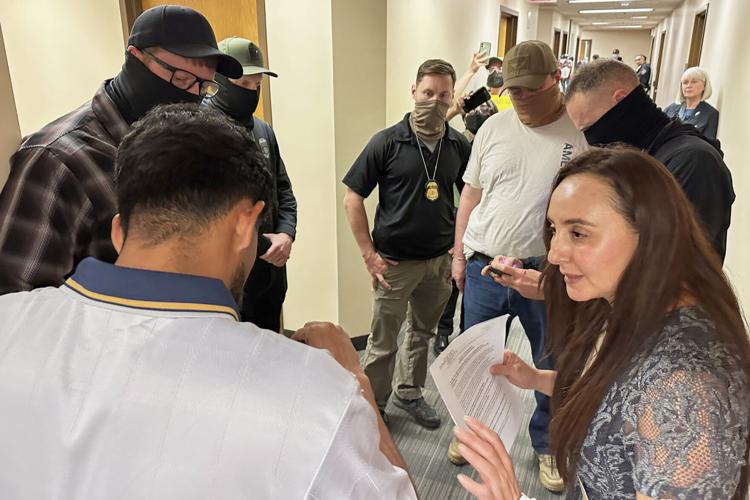
A diverse group — faith leaders, college students, grandmothers, retired lawyers and professors — showed up at immigration courts across the United States to escort immigrants at risk of being detained by masked ICE officials for deportation. They're giving families moral and logistical support, and bearing witness as people are taken away.
The Northwest Immigrant Rights Project was inundated by so many community members wanting to help that it made a volunteer training video, created "Know Your Rights" sheets in several languages and started a Google sheet where people sign up for shifts, said Stephanie Gai, a staff attorney with the Seattle-based legal services nonprofit.
“We could not do it without them," Gai said. “Some volunteers request time off work so they can come in and help.”
Robby Rohr, a retired nonprofit director, said she volunteers regularly. “Being here makes people feel they are remembered and recognized,” she said “It’s such a bureaucratic and confusing process. We try to help them through it.”
Recording videos of detentions to post online online
Volunteers and legal aid groups long provided free legal orientation in immigration court but the arrests posed new challenges. Since May, the government asked judges to dismiss deportation cases.
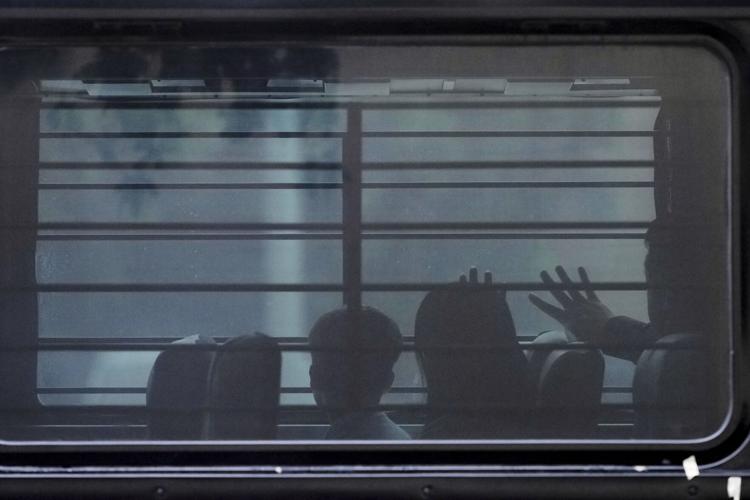
Once the judge agrees, ICE officials arrest the people in the hallways and put them in fast-track deportation proceedings, no matter which legal immigration pathway they pursued. Once in custody, it's often harder to find or afford a lawyer. Immigration judges are executive branch employees, and while some resisted Homeland Security lawyers' dismissal orders, many are granted.
Masked ICE agents grabbed the Colombian man and led him into the hallway. A volunteer took his backpack to give to his family as he was taken away. Other cases on the day's docket involved immigrants who didn't show up. Parchert granted "removal in absentia" orders, enabling ICE to arrest them later.
Asked about these arrests and the volunteers at immigration courts, a senior spokesperson with the Department of Homeland Security said ICE is implementing the rule of law by reversing "Biden's catch and release policy that allowed millions of unvetted illegal aliens to be let loose on American streets."
Some volunteers recorded arrests in courtroom hallways. How many similar scenes are happening nationwide remains unclear. The Executive Office for Immigration Review hasn't released numbers of cases dismissed or arrests made at or near immigration courts.
While most volunteers did this work without incident, some were arrested for interfering with ICE agents. New York City Comptroller and Democratic mayoral candidate Brad Lander was arrested after locking arms with a person in a failed attempt to prevent his detention. Lander's wife, attorney Meg Barnette, had just joined him in walking migrants from a courtroom to the elevator.
Helping families find their relatives as they disappear
The volunteers' act of witnessing proved to be important as people disappear into a detention system that can seem chaotic, leaving families without any information on their whereabouts.
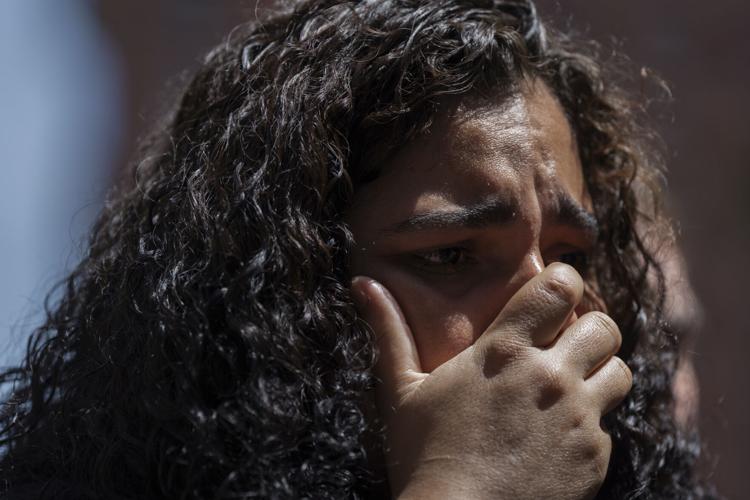
In a waiting room serving New York City immigration courtrooms, a Spanish-speaking woman with long dark curly hair sat anxiously with her daughter after she and her husband had separate hearings. He was nowhere to be found.
The Rev. Fabián Arias, a volunteer court observer, said the woman whose first name is Alva approached him asking "Where is my husband?" She showed him his photo.
"ICE detained him," Arias told her, and tried to comfort her as she trembled, later welling up with tears. A judge did not dismiss the husband's case, giving him until October to find a lawyer. That didn't stop ICE agents from handcuffing him and taking him away as soon as he stepped out of court. The news sparked an outcry by immigration advocates, city officials and a congressman. At a news conference, she gave only her first name and asked that her daughter's be withheld.
Brianna Garcia, a college student in El Paso, Texas, said she's been attending immigration court hearings for weeks where she informs people of their rights and then records ICE agents taking people into custody.
"We escort people so they're not harassed and help people memorize important phone numbers, since their belongings are confiscated by ICE," she said.
Paris Thomas began volunteering at the Denver immigration court after hearing about the effort through a network of churches. Wearing a straw hat, he recently waited in the midday heat for people to arrive for afternoon hearings.
He handed people a small paper flyer listing their rights in Spanish on one side and English on the other. One man walking with a woman told him "thank you. Thank you." Another man gave him a hug.
Denver volunteer Don Marsh said they offer to walk people to their cars after court appearances, so they can contact attorneys and family if ICE arrests them.
Marsh said he's never done anything like this before, but wants to do something to preserve the nation's "rule of law" now that unidentifiable government agents are "snatching" people off the streets.
"If we're not all safe, no one's safe," he said.

