


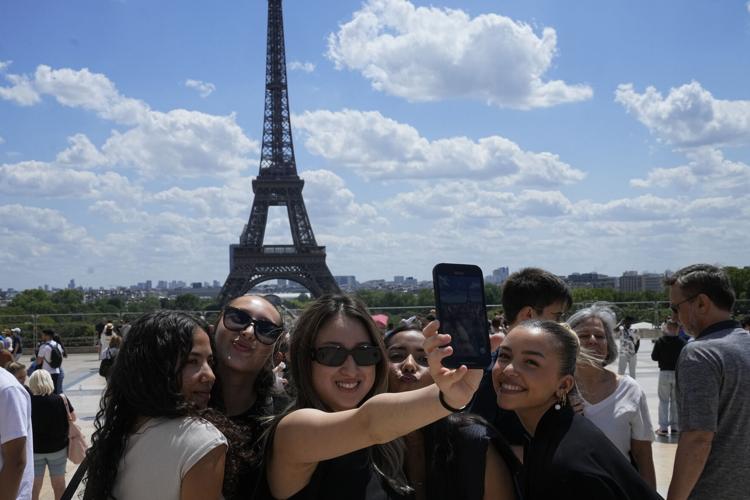
Suitcases rattle against cobblestones. Selfie-snappers jostle for the same shot. Ice cream shops are everywhere.
Europe's record numbers of visitors also made it ground zero for concerns about overtourism.
Last year, 747 million international travelers visited the continent, far outnumbering any other region in the world, according to the U.N.'s World Tourism Barometer. Southern and Western Europe welcomed more than 70% of them.
As the growing tide of travelers strains housing, water and hot spots, protests and measures to lessen the effects of overtourism proliferated.
What's causing this
Among factors driving the record numbers are cheap flights, social media, the ease of travel planning using artificial intelligence and what U.N. tourism officials call a strong economic outlook for many rich countries that send tourists.
Citizens of countries like the U.S., Japan, China and the U.K. generate the most international trips. They swarm popular destinations seasonally, creating uneven demand for housing and resources.
Despite popular backlash, some officials believe tourists can be managed with the right infrastructure.
Italy's Tourism Minister Daniela Santanchè said she thinks tourism flows at crowded sites such Florence's Uffizi Galleries that house some of the world's most famous artworks could be better managed with AI, with tourists able to buy their tickets in advance to prevent surges.
She pushed back against the idea that Italy — which like all of its Southern European neighbors, welcomed more international visitors in 2024 than its entire population — has a problem with too many tourists, noting most visits are within just 4% of the country's territory.
Where it's most intense
Mediterranean countries are at the forefront. France, the biggest international destination, last year received 100 million international visitors, while second-place Spain received almost 94 million — nearly double its own population.
Protests erupted across Spain in the past two years. The pressure on infrastructure was particularly acute on Spain's Canary and Balearic Islands, which have a combined population of less than 5 million people. Each archipelago saw upward of 15 million visitors last year.
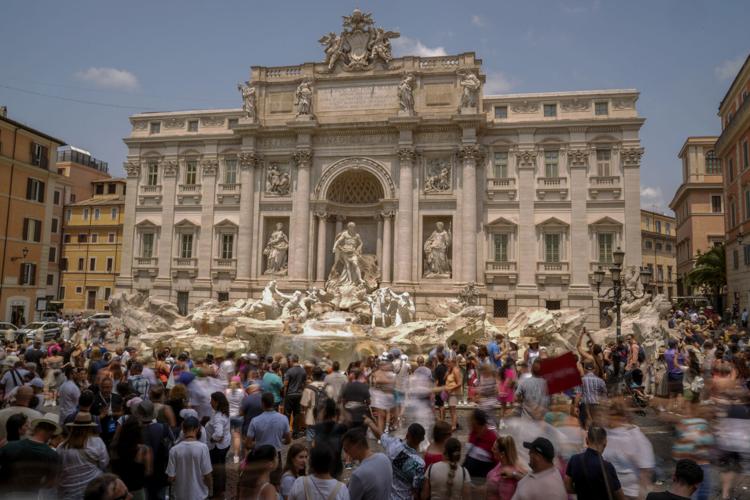
Tourism overcrowding also vexed Italy's most popular sites including Venice, Rome, Capri and Verona, where Shakespeare's "Romeo and Juliet" was set. On the Amalfi Coast, ride-hailing app Uber offers private helicopter and boat rides in the summer to beat the crowds.
Greece, which saw nearly four times as many tourists as its own population last year, struggled with the strain on water, housing and energy in the summer months, especially on popular islands such as Santorini, Mykonos and others.
Effects of overtourism
In Spain, anti-tourism activists, academics and the government say the proliferation of short-term rentals that cater to tourists is driving up housing costs.
Angelos Varvarousis, a Barcelona- and Athens-based academic and urban planner who studies the industry, said overtourism risks imposing a "monoculture" on many of Europe's hot spots. Activists and academics said neighborhoods popular with tourists saw local shops replaced with souvenir vendors, international chains and trendy eateries.
On some of Greece's most-visited islands, tourism overlapped with water scarcity as drought grips the country of 10.4 million.
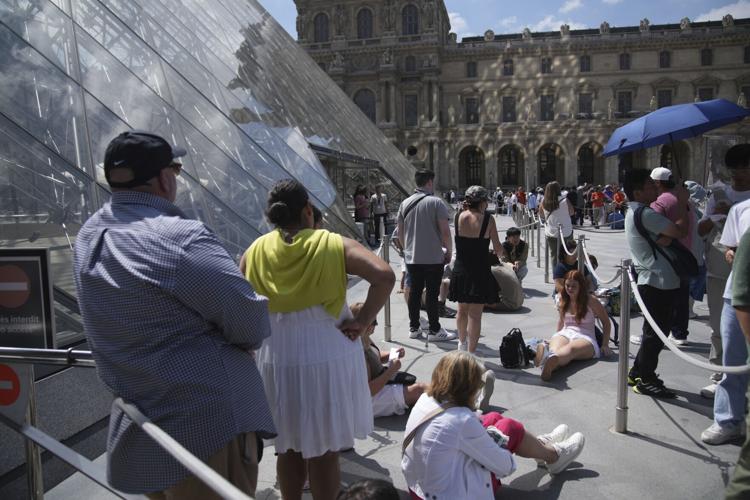
France's Louvre, the world's most-visited museum, recently shut down when its staff went on strike warning that the facility was crumbling beneath the weight of overtourism.
What authorities are doing
Amid a housing crunch, Spain's government recently ordered Airbnb to take down almost 66,000 properties it said violated local rules.
Barcelona announced a plan last year to phase out all of the 10,000 apartments licensed as short-term rentals in the city by 2028. Officials said the measure was to safeguard the housing supply for full-time residents.
Elsewhere, authorities tried to regulate tourist flows by cracking down on overnight stays or imposing fees for those visiting via cruises.
Starting July 1, Greece will levy a cruise tax on island visitors at $23 for popular destinations like Mykonos and $5.70 for less-visited islands like Samos. The government also encouraged visitors to seek quieter locations.
Water tankers from mainland Greece helped parched islands, and the islands also used desalination technology, which separates salts from ocean water to make it drinkable, to boost their drinking water.
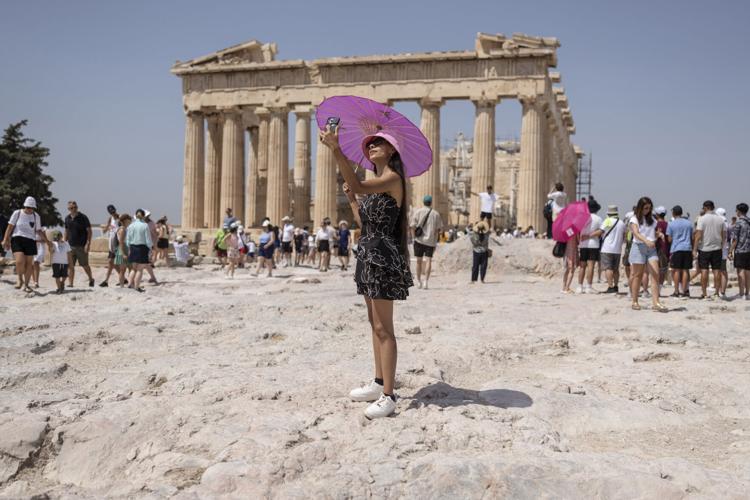
Other measures included staggered visiting hours at the Acropolis.
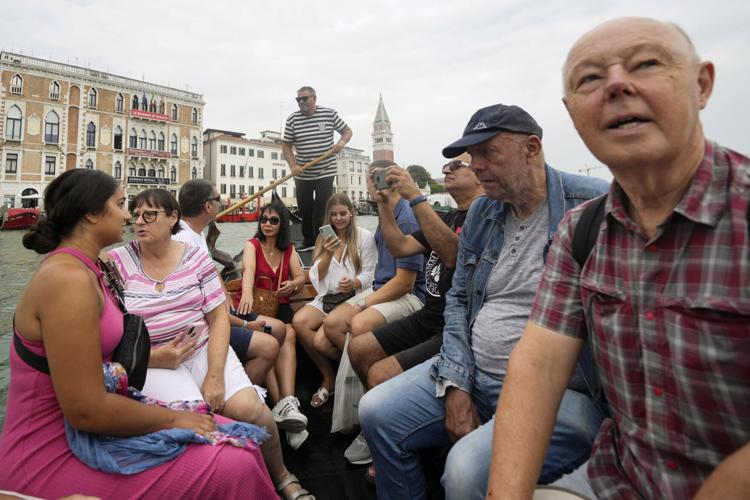
Meanwhile, Venice brought back an entry fee this year that was piloted last year on day-trippers, who will have to pay between roughly $6 to $12 to enter the city during the peak season.

