


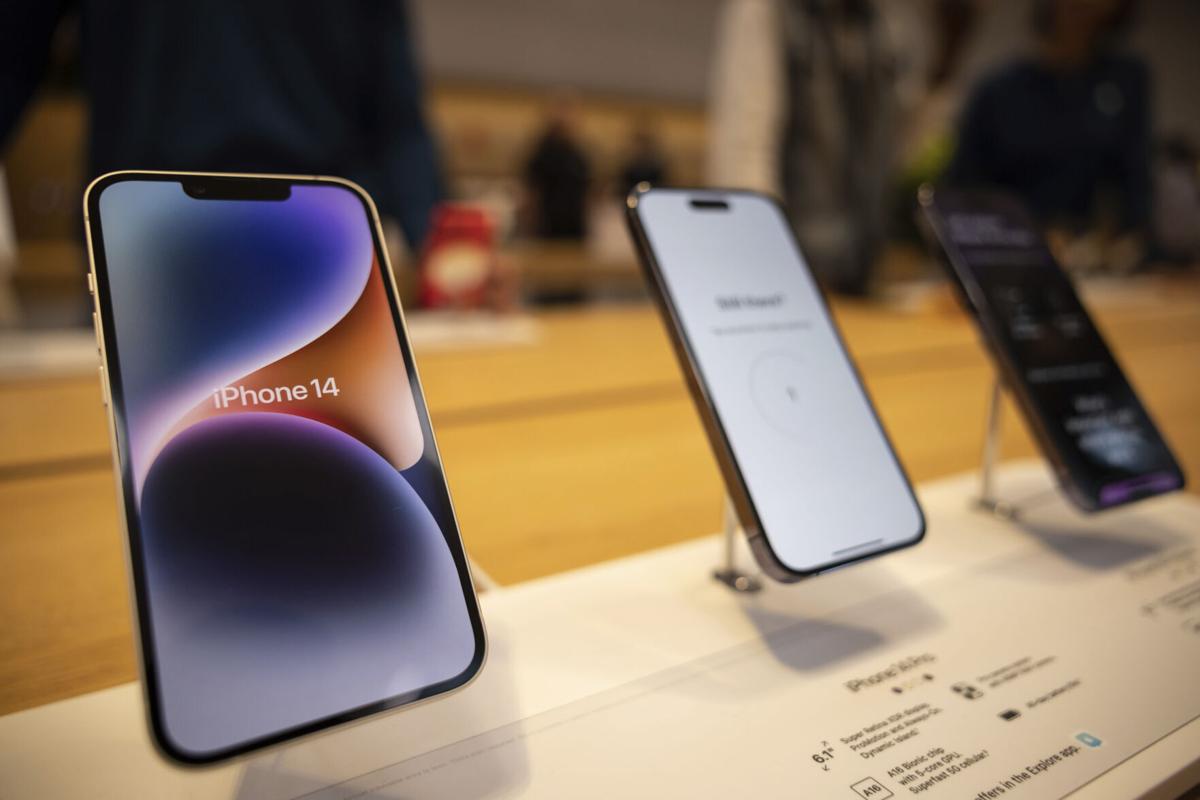
NASHVILLE, Tenn. — The Trump administration late Friday said it would exclude electronics like smartphones and laptops from reciprocal tariffs, a move that could help keep the prices down for popular consumer electronics that aren’t usually made in the U.S.
It also would benefit big tech companies like Apple and Samsung and chip makers like Nvidia and sets the stage for a likely tech stock rally.
U.S. Customs and Border Protection said items like smartphones, laptops, hard drives, flat-panel monitors and some chips would qualify for the exemption. Machines used to make semiconductors are excluded, too.
That means these items won’t be subject to the current 145% tariffs levied on China or the 10% baseline tariffs elsewhere.
It's the latest tariff change by the Trump administration, which made several U-turns in its massive plan to put tariffs in place on goods from most countries.
The exemption seemed to reflect the president’s realization that his China tariffs are unlikely to shift more manufacturing of smartphones, computers and other gadgets to the U.S. anytime soon, if ever, despite the administration’s predictions that the trade war might prod Apple to make iPhones in the U.S. for the first time.
That's an unlikely scenario after Apple spent decades building up a finely calibrated supply chain in China. What’s more, it would take several years and cost billions of dollars to build new plants in the U.S. That would confront Apple with economic forces that could triple the price of an iPhone, threatening to torpedo sales of its marquee product.
Trump’s decision to exempt the iPhone and other popular electronics made in China mirrors similar relief he gave those products during the trade war of his first term in the White House.
Trump began his second term seemingly determined to impose the tariffs more broad this time, triggering a meltdown in the market values of Apple and other technology powerhouses.
The turmoil battered the stocks of tech’s “Magnificent Seven”: Apple, Microsoft, Nvidia, Amazon, Tesla, Google parent company Alphabet and Facebook parent company Meta Platforms. At one point this past week, the combined Magnificent Seven’s combined market value plunged by $2.1 trillion, or 14%, from April 2 when Trump unveiled sweeping tariffs on a wide range of countries.
Some of the losses eased this past Wednesday, when Trump paused the tariffs outside of China, paring the lost value in the Magnificent Seven to $644 billion, or a 4% decline, from April 2. Now, the stage is set for another tech rally Monday when trading resumes in the U.S. stock market, with Apple likely leading the way because the iPhones made in China remain the company’s biggest money maker.
The electronics exemption also should relieve consumer worries that the China tariffs would result in hefty price hikes on smartphones and other devices that became essential tools of modern living.
It’s the kind of friendly treatment the industry envisioned when Apple CEO Tim Cook, Tesla CEO Elon Musk, Google CEO Sundar Pichai, Facebook founder Mark Zuckerberg and Amazon founder Jeff Bezos assembled behind the president during his Jan. 20 inauguration. That united display of fealty reflected Big Tech’s hopes that Trump would be more accommodating than President Joe Biden’s administration and help propel an already booming industry to even greater heights.
Apple won praise from Trump in late February when the Cupertino, California, company committed to invest $500 billion and add 20,000 jobs in the U.S. during the next four years. The pledge was an echo of a $350 billion investment commitment in the U.S. that Apple made during Trump’s first term when the iPhone was exempted from China tariffs.
The move takes off “a huge black cloud overhang for now over the tech sector and the pressure facing U.S. Big Tech,” Wedbush analyst Dan Ives said in a research note.
In a statement issued Saturday, White House Press Secretary Karoline Leavitt did not address the exemptions specifically but indicated the administration still plans to push for tech companies to move manufacturing to the U.S.
“President Trump has made it clear America cannot rely on China to manufacture critical technologies such as semiconductors, chips, smartphones, and laptops," Leavitt said in the emailed statement.
She said the administration secured U.S. investments from tech companies including Apple, TSMC and Nvidia and these companies are "hustling to onshore their manufacturing in the United States as soon as possible.”
Neither Apple nor Samsung responded to a request for comment Saturday. Nvidia declined to comment.
___
Liedtke contributed from Berkely, California.

