

The ongoing back-and-forth between the Trump administration and Midwestern cattle ranchers escalated Wednesday, with the president saying in a Truth Social post that ranchers “don’t understand” industry dynamics, and the national cattlemen’s association accusing him of “undercutting” American ranchers by pursuing beef imports from Argentina.
“The Cattle Ranchers, who I love, don’t understand that the only reason they are doing so well, for the first time in decades, is because I put Tariffs on cattle coming into the United States, including a 50% Tariff on Brazil,” President Donald Trump wrote. “If it weren’t for me, they would be doing just as they’ve done for the past 20 years — Terrible! It would be nice if they would understand that, but they also have to get their prices down, because the consumer is a very big factor in my thinking, also!”
Trump’s comments came as cattle ranchers and farm-state congressional Republicans sharply criticized the administration’s pursuit of a deal to ”buy some beef” from Argentina as a means to bring down soaring grocery store prices.
The National Cattlemen’s Beef Association sent out a press release Wednesday with the headline “President Trump Undercuts America’s Cattle Producers.” The release called Trump’s plan a “misguided effort to lower the price of beef in grocery stores.”
Colin Woodall, the organization’s CEO, said that the group’s members “cannot stand behind the President while he undercuts the future of family farmers and ranchers by importing Argentinian beef in an attempt to influence prices.”
On Monday, Farm Action, another advocacy group, called Trump’s plan for Argentinian imports a ”betrayal of the American rancher.” And farm-state Republicans, including Sen. Deb Fischer of Nebraska, urged the White House to reconsider its plans.
Beef prices have risen steadily this year as demand has increased and supply has been limited in part because U.S. cattle inventory has been at its lowest levels in decades.
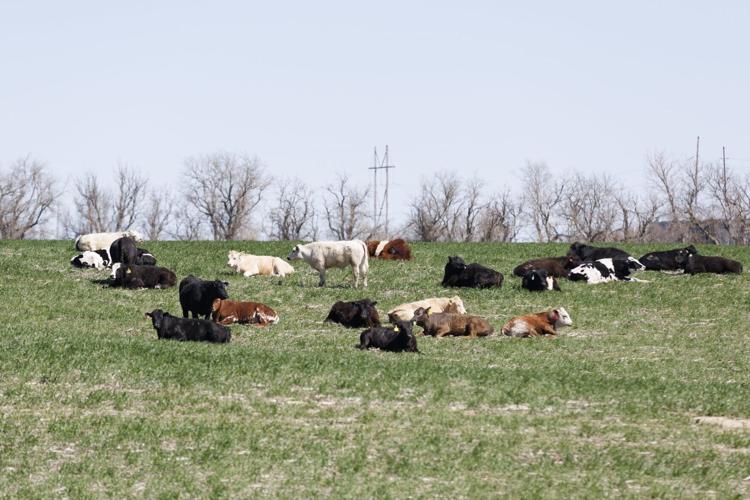
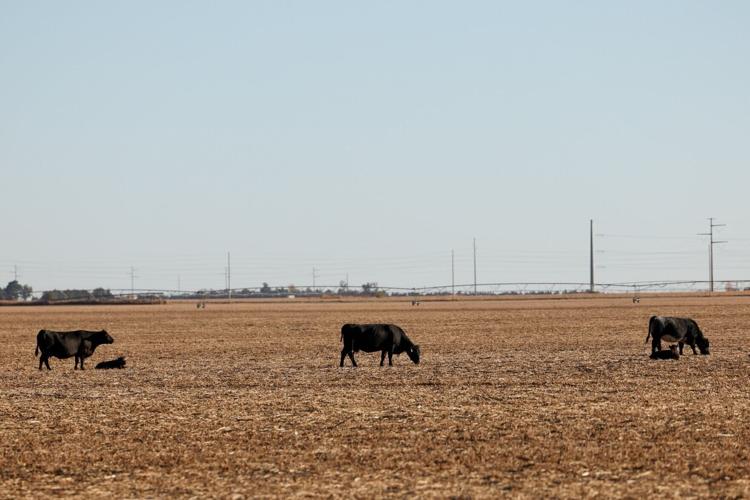
Nebraska cattle ranches have been profitable this year — a rare bright spot in a regional farm economy that Fischer described as “bleak.”
Economists have consistently portrayed the Nebraska ag economy as weak because of factors including low commodity prices, higher input costs attributable to the Trump administration’s tariffs, and the Chinese market being largely shut off to Nebraska soybean farmers amid trade tensions with the U.S.
Members of Nebraska’s all-Republican congressional delegation have taken various approaches this week to talking about Trump’s comments about beef imports.
But they’ve been largely united this week in pushing the administration to pursue policies that benefit Nebraska cattle ranchers.
Rep. Mike Flood of the 1st Congressional District told The World-Herald on Wednesday that he was “hired by Nebraska farmers and ranchers to do this job.”
He said he’s been in contact with administration officials about beef policy, which he described as involving “very complex market issues.”
“This is mission number one,” he said of conversations about beef policy. “And I can tell you that when I called the White House yesterday, they told me that this was all they were doing, all they were paying attention to. That our cattlemen were at the top of the list.”
In addition to behind-the-scenes conversations with farm-state lawmakers like Flood, the administration sent out a white paper Wednesday afternoon highlighting what it called a “suite of actions to strengthen the American beef industry.”
The document, announced by Agriculture Secretary Brooke Rollins, does not specifically address beef imports from Argentina or other countries.
It outlines steps that the administration says it will take to support ranchers by “protecting and improving the business of ranching,” “expanding processing, consumer transparency and market access,” and “building demand alongside domestic supply.”
Flood said Nebraska ranchers have “a lot of very complex market issues right now, one of which is a smaller herd.”
He said Trump “always takes an unconventional approach to trade negotiations.”
“The fact that President Trump put those tariffs on Mexico and Brazil has had an effect on beef prices, which is appreciated,” he said. “But in order to go the next step, and that is to increase our herd numbers, we need cattle prices to remain close to where they’re at so that cattlemen have the confidence to continue to invest to increase the size of our herd. So everything’s connected.”
Rep. Don Bacon of the Omaha-area 2nd Congressional District, a vocal critic of Trump’s tariff policies, told The World-Herald that Trump’s social media post about ranchers benefiting from tariffs was “a bit of a false reality.”
“He’s supported tariffs since the 1980s, so he is bought in 100 percent on tariffs. And again, as I’ve mentioned before, Republicans haven’t been tariff people since the 1930s. A slight aberration with Richard Nixon. So that’s his dogma. That’s what he believes. I think the ranchers were doing quite well even before President Trump came in, so it’s not because of tariffs. And I think the tariffs, if anything, have made it harder for us to sell our protein, whether it’s pork, beef, or things like that.”
Bacon said he hasn’t talked to any Nebraska ranchers who feel that tariffs have helped them.
“They know better than anybody about their industry,” he said.

