


WASHINGTON — In an effort to limit fraudulent claims, the Social Security Administration will impose tighter identity-proofing measures — which will require millions of recipients and applicants to visit agency field offices rather than interact with the agency over the phone.
Beginning March 31, people will no longer be able to verify their identity to the SSA over the phone and those who cannot properly verify their identity over the agency's "my Social Security" online service will be required to visit an agency field office in person to complete the verification process, agency leadership told reporters.
The change will apply to new Social Security applicants and existing recipients who want to change their direct deposit information.
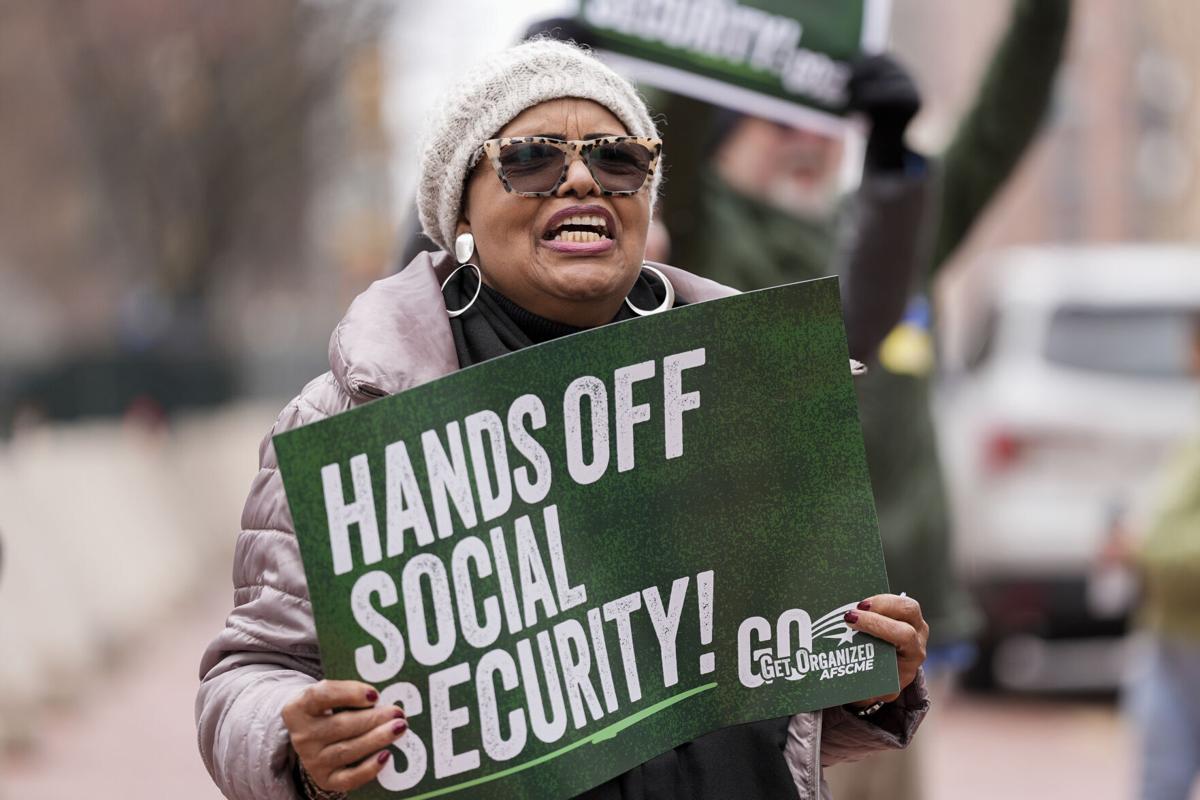
Retiree advocates warn that the change will negatively impact older Americans in rural areas, including those with disabilities, mobility limitations, those who live far from SSA offices and those who have limited internet access.
The plan comes as the agency plans to shutter dozens of Social Security offices across the country and already laid out plans to lay off thousands of workers.
In addition to the identity verification change, the agency announced it plans to expedite processing of recipients' direct deposit change requests — both in person and online — to one business day. Previously, online direct deposit changes were held for 30 days.
"The Social Security Administration is losing over $100 million a year in direct deposit fraud," Leland Dudek, the agency's acting commissioner, said on a Tuesday call with reporters — his first call with the media. "Social Security can better protect Americans while expediting service."
He said a problem with eliminating fraudulent claims is that "the information that we use through knowledge-based authentication is already in the public domain."
"This is a common-sense measure," Dudek added.
More than 72.5 million people, including retirees and children, receive retirement and disability benefits through the Social Security Administration.
A group of 62 House Democrats wrote Wednesday to Dudek to express concern about how the changes could hurt older beneficiaries in remote areas and people with limited internet access.
“Requiring beneficiaries to seek assistance exclusively online, through artificial intelligence, or in person at SSA field offices would create additional barriers, particularly for those who live far from an office,” the lawmakers wrote. “We strongly urge you to consider the individuals who may be harmed."
Connecticut Rep. John Larson, the top Democrat on the House Ways and Means Social Security Subcommittee, said earlier this week that "by requiring seniors and disabled Americans to enroll online or in person at the same field offices they are trying to close, rather than over the phone, Trump and Musk are trying to create chaos and inefficiencies at SSA so they can privatize the system."
The DOGE website says that leases for 47 Social Security field offices across the country, including in Arkansas, Texas, Louisiana, Florida, Kentucky and North Carolina, were or will be ended. An Associated Press analysis of the data found 26 are slated for closure this year, some as early as next month.
Dudek downplayed the impact of the offices shuttering, saying many were small remote hearing sites that served few members of the public.
Many Americans have been concerned that SSA office closures and massive layoffs of federal workers — part of an effort by President Donald Trump and Elon Musk's Department of Government Efficiency to shrink the size of the federal government — will make getting benefits more difficult.
Voters flooded town halls across the country to question Republican lawmakers about the Trump administration's cuts, including its plans for the old-age benefits program.
In addition, a group of labor unions sued last week and asked a federal court for an emergency order to stop DOGE from accessing the sensitive Social Security data of millions of Americans.

