


WASHINGTON — The House passed this year's final batch of spending bills on Thursday as lawmakers, still smarting from last fall's record 43-day shutdown, worked to avoid another funding lapse for a broad swath of the federal government.
The four bills total about $1.2 trillion in spending and now move to the Senate, with final passage needed next week before a Jan. 30 deadline to avoid a partial government shutdown.
Three of the bills had broad, bipartisan support. They funded Defense and various other departments, including Education, Transportation and Health and Human Services. A fourth bill funding the Department of Homeland Security was hotly disputed as Democrats voiced concerns that it failed to restrain President Donald Trump's mass deportation efforts.
Republicans were able to overcome the Democratic objections and muscle the Homeland Security bill to passage in a 220-207 vote. The broader package, which funds a 3.8% pay raise for the military, passed in a 341-88 vote.
Before the votes, House Democratic leaders announced their opposition to the Homeland Security bill as the party's rank-and-file demanded a more forceful stand in response to the Republican president's immigration crackdown. Trump's efforts have recently centered in the Minneapolis area, where more than 2,000 officers are stationed and where a U.S. Immigration and Customs Enforcement officer fatally shot Renee Good, a mother of three.
In a joint statement, the Democratic leaders said Trump promised the American people that his deportation policy would focus on violent felons in the country illegally, but instead, ICE has targeted American citizens and law-abiding immigrant families.
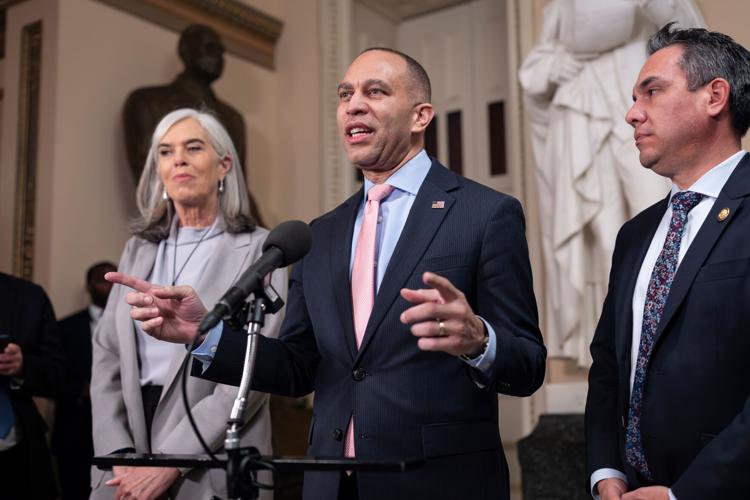
"Taxpayer dollars are being misused to brutalize U.S. citizens, including the tragic killing of Renee Nicole Good. This extremism must end," said the statement from Democratic leader Hakeem Jeffries, Democratic Whip Katherine Clark and Democratic Caucus Chair Pete Aguilar.

Speaker of the House Mike Johnson, R-La., speaks during a news conference at the Capitol, Tuesday, Jan. 13, 2026, in Washington. (AP Photo/Rod Lamkey, Jr.)
Democrats had limited options
Democrats had few good options to express their opposition to Homeland Security funding.
Lawmakers, when confronting a funding impasse, generally turn to continuing resolutions to temporarily fund agencies at their current levels. But doing so in this case would simply cede more Homeland Security spending decisions to Trump, said Rep. Rosa DeLauro, top Democrat on the House Appropriations Committee.
Also, there was concern that a failure to fund Homeland Security would hurt disaster assistance programs and agencies such as the Transportation Security Administration, while ICE and Customs and Border Protection would simply carry on. They could use funding from Trump's big tax cut and immigration bill to continue their operations. ICE, which typically receives about $10 billion a year, was provided $30 billion for operations and $45 billion for detention facilities through Republicans' "one big beautiful bill."
This year's Homeland Security bill holds the annual spending that Congress provides ICE roughly flat from the prior year. It also restricts the ability of Homeland Security Secretary Kristi Noem to unilaterally shift funding and allocate federal dollars as she sees fit. The bill also allocates $20 million for the purchase and operations of body cameras for ICE and CBP officers interacting with the public during immigration enforcement operations. And it will require Homeland Security to provide monthly updates on how it plans to spend money from Trump's bill.
"It's not everything we wanted. We wanted more oversight. But look, Democrats don't control the House. We don't control the Senate or the White House. But we were able to add some oversight over Homeland," said Rep. Henry Cuellar, D-Texas, a member of the Appropriations panel.
Republicans countered that the Homeland Security bill helps lawmakers accomplish their most important duty — keeping the American people safe.
"This legislation delivers just that and upholds the America first agenda," said Rep. Tom Cole, the Republican chairman of the House Appropriations Committee.
Republicans also celebrated the avoidance of a massive, catchall funding bill known as an omnibus as part of this year's appropriations process. Such bills, often taken up before the holiday season with lawmakers anxious to return home, have contributed to greater federal spending, they say. This year's effort, while a few months behind schedule, manages to keep non-defense spending just below current levels, they emphasized.
"It sends a clear, powerful message back home — the House is back at work. We are back to governing," said Rep. Mark Alford, R-Mo.

House Minority Leader Hakeem Jeffries, D-N.Y., joined by Rep. Katherine Clark, D-Mass., left, and Rep. Pete Aguilar, D-Calif., speaks to reporters just after the House passed legislation that extends expired health care subsidies for those who get coverage through the Affordable Care Act, at the Capitol in Washington, Thursday, Jan. 8, 2026. (AP Photo/J. Scott Applewhite)
Anger on the House floor
One by one, Democratic lawmakers lined up to voice their opposition to the Homeland Security bill with a particular focus on ICE, which has been rapidly hiring thousands of new deportation officers to carry out the president's mass deportation agenda.
Rep. Betty McCollum of Minnesota said residents of her state were being racially profiled on a mass scale and kidnapped from their communities.
"Masked federal agents are seizing parents, yes, in front of terrified children," McCollum said. "And many of these people we're finding had no record and were here legally."
"I will not fund an agency that acts like an American gestapo," said Rep. Jerrold Nadler, D-N.Y.
"This is about the political retribution of a vengeful president," said Clark of Massachusetts. "I will not rubberstamp the federal government's use of political violence against its own people and I ask every member to join me in voting no."
Cole decried some of the comments about ICE on the House floor.
"It's reckless, encouraging people to believe that we have masses of bad actors in a particular agency," Cole said.
In a last-minute add to the package, the House tacked on a provision that would repeal the ability of senators to sue the government over the collection of their cellphone data as part of special counsel Jack Smith's investigation into the Jan. 6, 2021, attack on the Capitol.
Senators previously allowed suits claiming up to $500,000 in damages in an earlier funding bill, but the provision drew sharp criticism. The House unanimously agreed to block it.


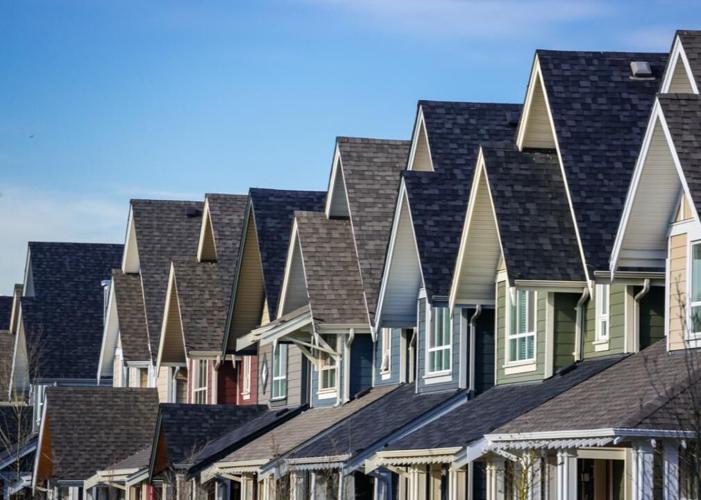
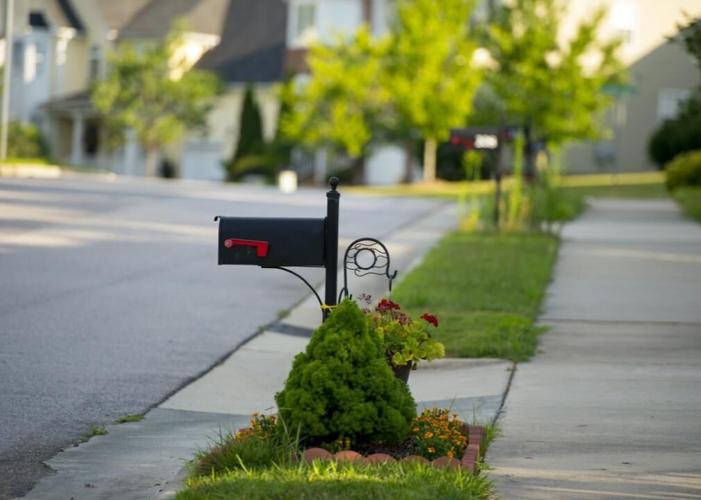

Best suburbs to live in America

Best suburbs to live in America
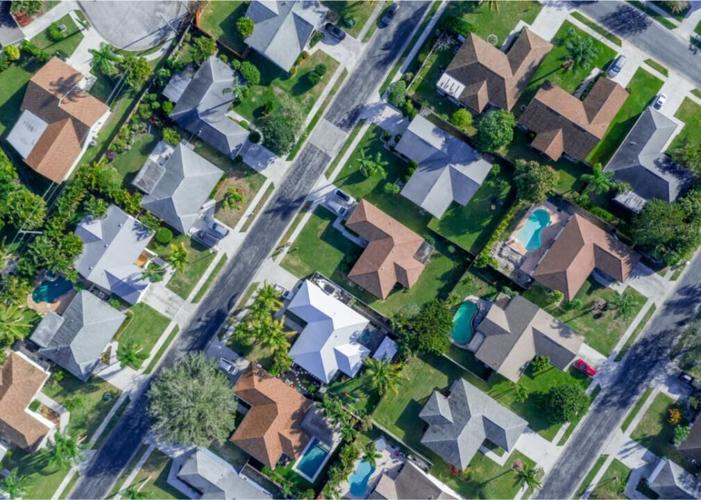
Suburbia is deeply ingrained in American culture, growing in popularity alongside the country's love affair with cars and its network of highways. As early as the 1830s, Brooklyn Heights laid claim to the title of the first suburb when it became connected to Manhattan by steam ferries. A little over 100 years later, Levittown became the new model of suburban development, offering affordable, mass-produced houses on Long Island for veterans returning home after World War II.
Suburbs get their share of criticism, from encouraging isolation to promoting urban sprawl, but their appeal endures. Americans will go to great lengths to stay in the suburbs—even when houses in these neighborhoods are unaffordable for the average home-buyer. A June 2025 report from Realtor.com found that people increasingly opt to rent in the suburbs rather than purchase a house.
To find the best of the 'burbs, Stacker compiled a list of top-ranked suburbs in the U.S. using Niche's 2025 rankings, which look at such factors as the cost of living, the educational level of residents, housing, and public schools. The data is the most current available. Some housing statistics, including median home values, might not reflect the current market. A deeper look at Niche's methodology can be found here.
Keep reading to see which of the country's suburbs made the cut—and whether any of them are a community near you.
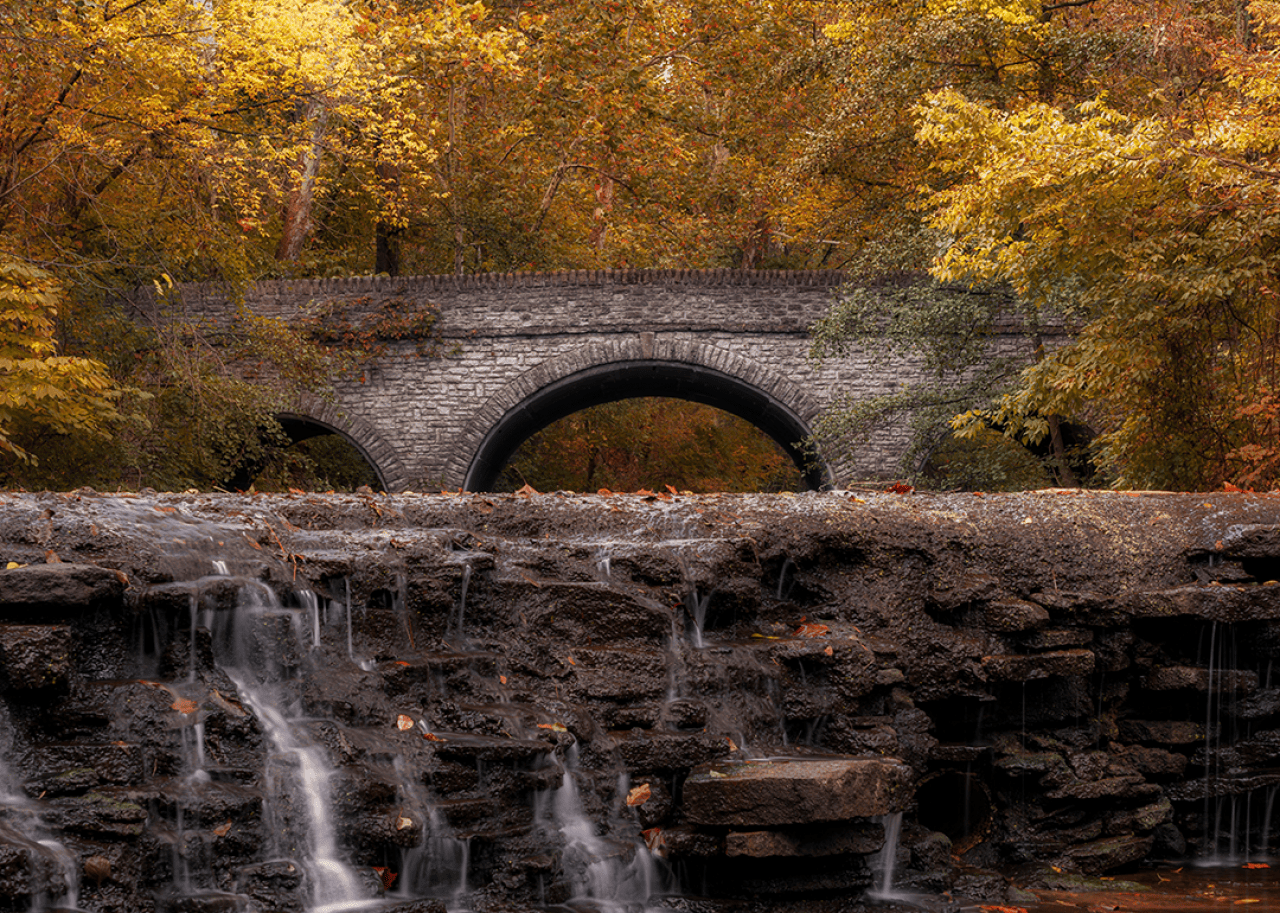
#15. Blue Ash, Ohio
- Suburb of Cincinnati
- Population: 13,374
Thanks to its mixture of small-town charm, proximity to urban areas, and top-rated amenities, Blue Ash has been rated by Niche as the most desirable place to live in Ohio. With an exceptional education system, some 2,300 companies with offices in the area, and access to the Blue Ash Golf Course and the 130-acre Summit Park, there's really very little this suburb doesn't offer. Abundant community programming rounds out residents' lives here.
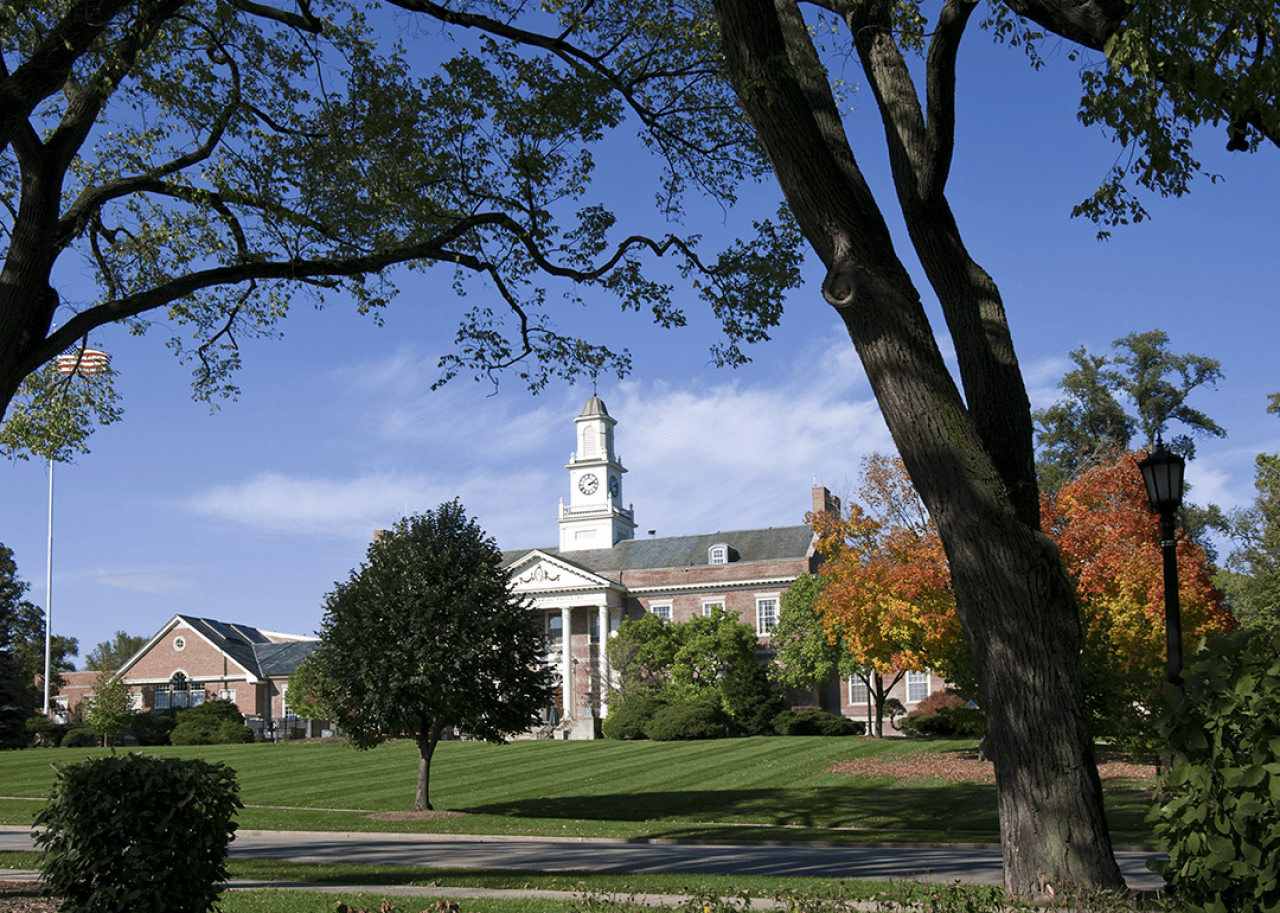
#14. Hinsdale, Illinois
- Suburb of Chicago
- Population: 17,155
Roughly 20 miles west of Chicago, the village of Hinsdale offers laid-back charm and a friendly, community-oriented atmosphere. The area is easily walkable and home to a highly-rated education system, making it an excellent choice for families with young kids.
#13. Cary, North Carolina
- Suburb of Raleigh
- Population: 176,686
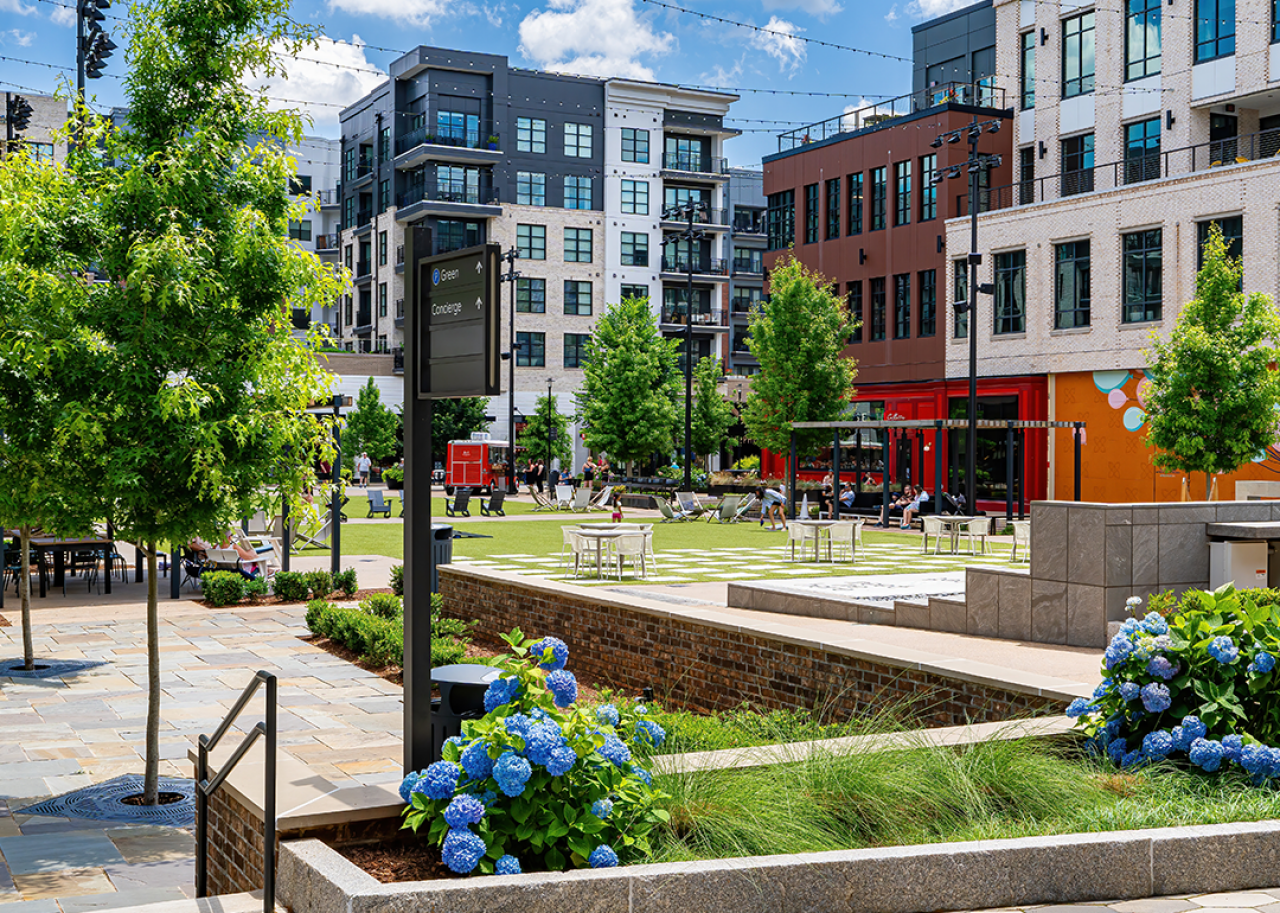
"With excellence and innovation in its DNA," Cary, North Carolina, is renowned for its low crime rates and abundance of leisure activities. A walkable downtown, 80 miles of public greenway, and an inclusive community add to the charm. Roughly 20 miles from major universities like Duke and the University of North Carolina at Chapel Hill, the city is home to highly educated residents whose median household income sits well above the national average.
#12. Brentwood, Missouri
- Suburb of St. Louis
- Population: 8,151
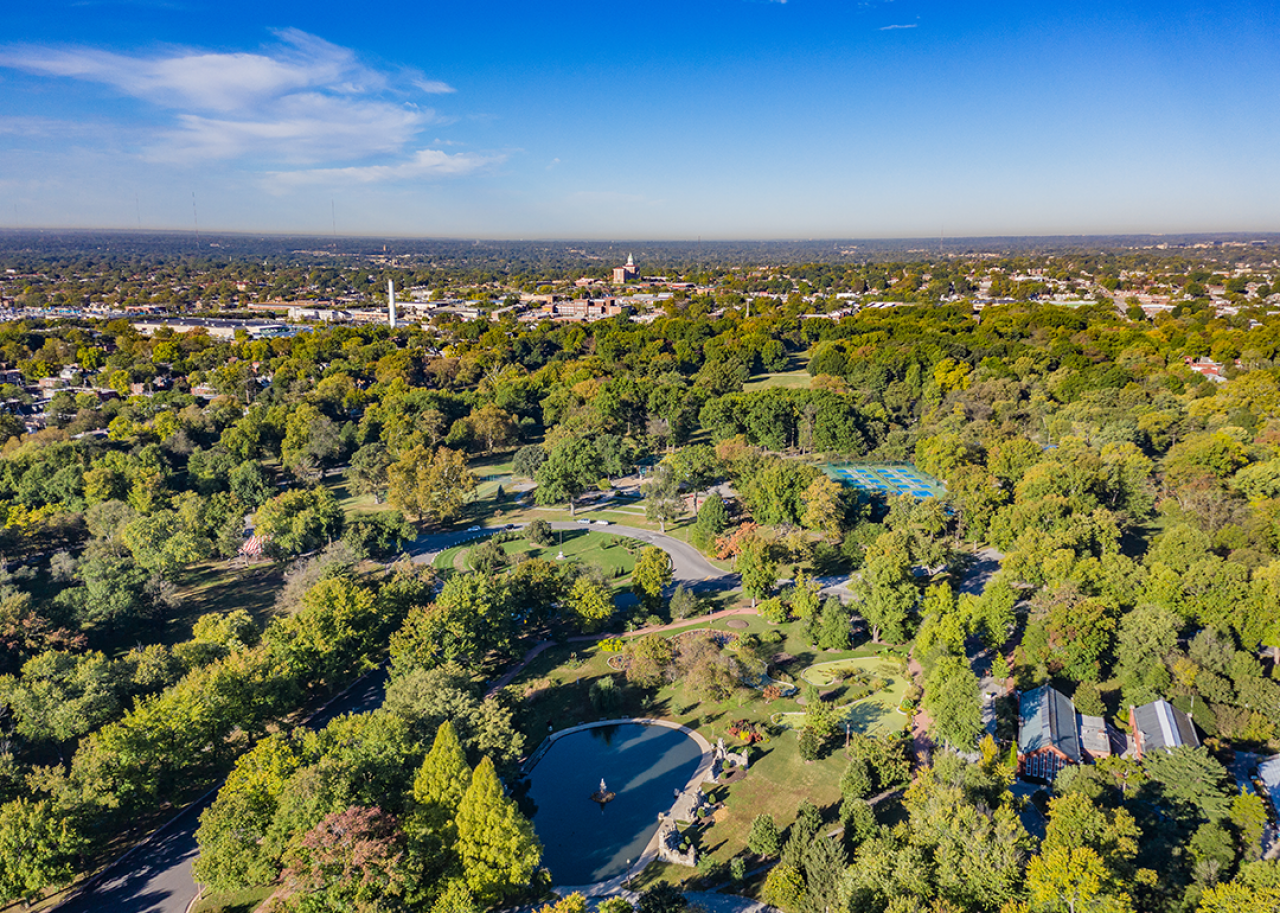
Brentwood, which bills itself as "The City of Warmth," is a relatively small community about 15 minutes from downtown St. Louis. The town holds an annual festival each September called Brentwood Days, where the community comes together for live entertainment, food, carnival rides, and more.
#11. North Potomac, Maryland
- Suburb in Maryland
- Population: 23,994
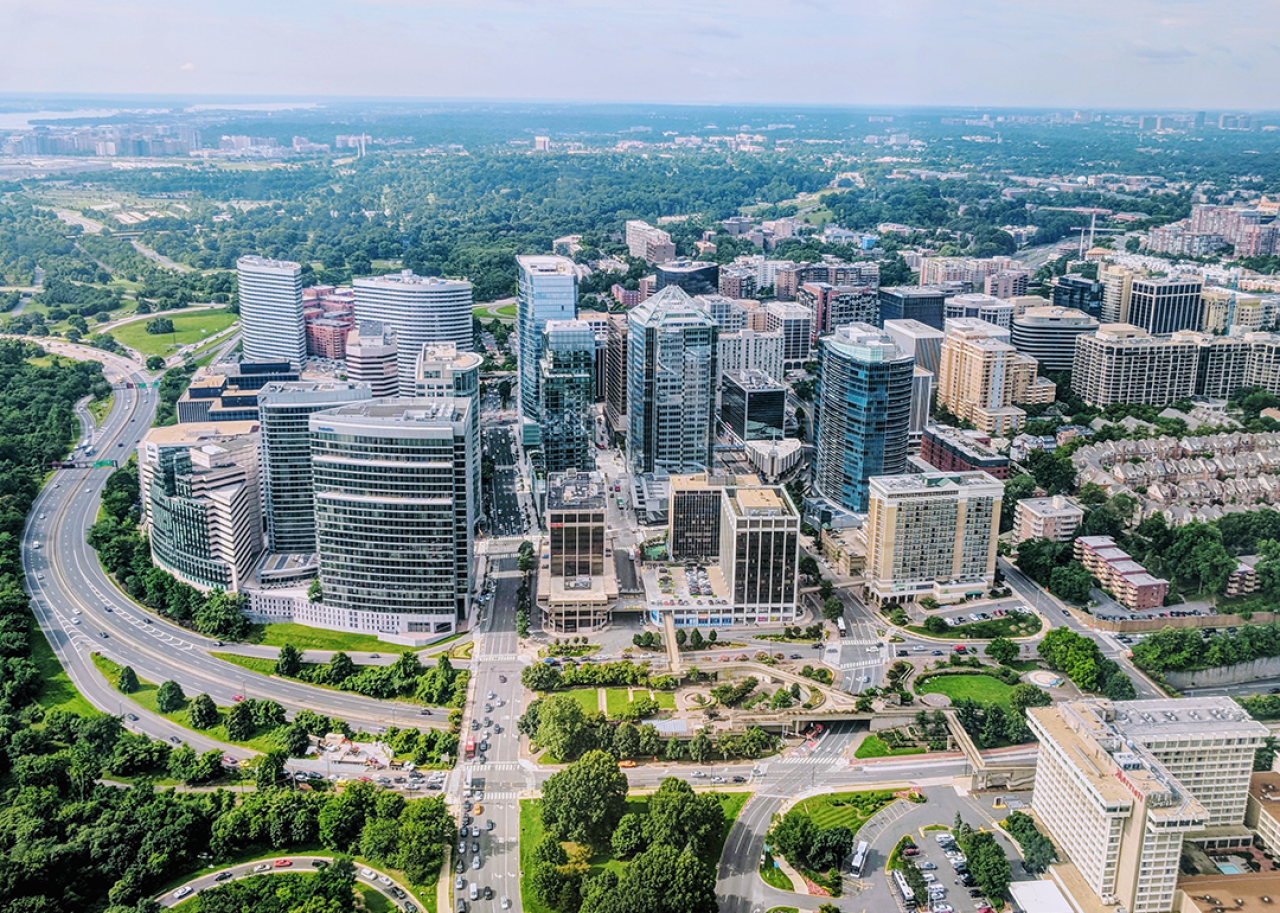
An easy commute from Washington D.C., North Potomac is a high-earning, luxury community. Though it's only existed since the '80s, the area feels well-developed thanks to its number of job opportunities, private clubs, and public parks and trail systems. North Potomac is also located near the Universities at Shady Grove, a multi-university higher education center for mid-career professionals and non-traditional students looking to further their education.
#10. Clarendon Hills, Illinois
- Suburb of Chicago
- Population: 8,642
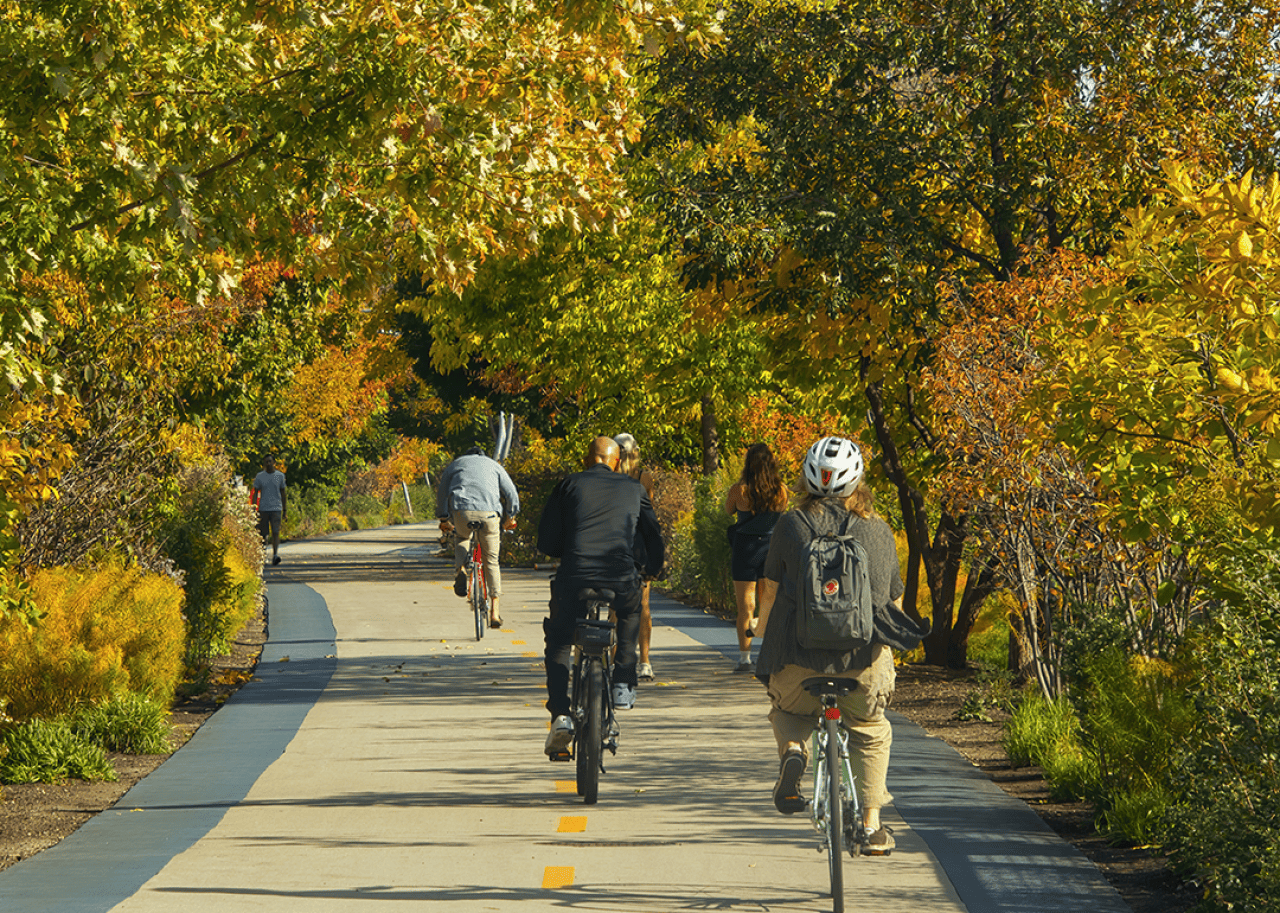
Clarendon Hills, which bills itself as "The Volunteer Community," holds several events downtown: a summer concert series called "Dancin' in the Street," Daisy Days, and a Christmas Walk and Annual Tree Lighting Ceremony. Volunteers, of course, are behind the annual gatherings in this affluent community west of Chicago.
Clarendon Hills takes sustainability seriously and placed seventh on the U.S. Environmental Protection Agency's 2020 Green Power Partner communities list. Sixty-eight percent of its electrical consumption came from renewable energy certificates as a result of wind power generation.
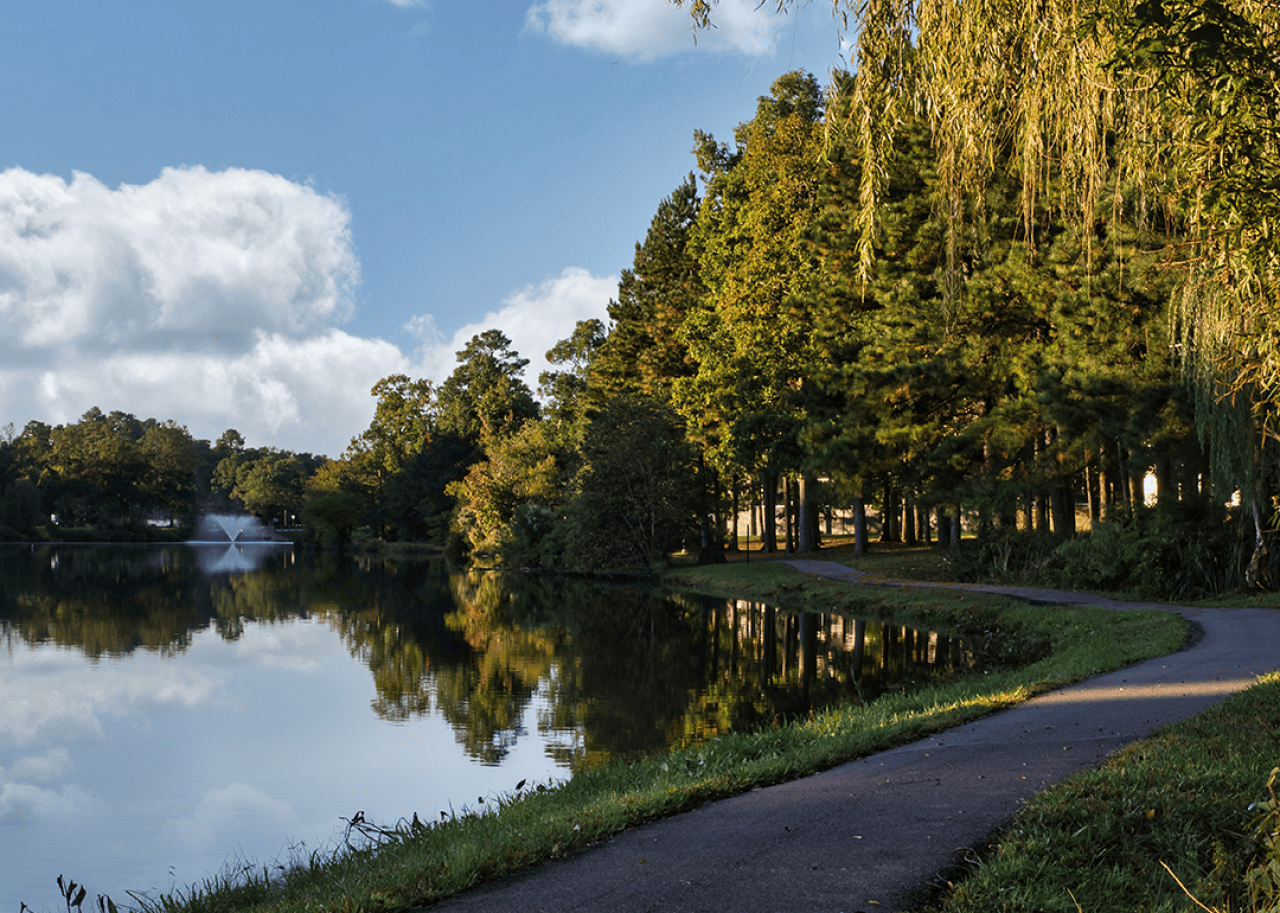
#9. Innsbrook, Virginia
- Suburb of Richmond
- Population: 8,559
Located in West End Richmond, Innsbrook is a favorite neighborhood for young professionals and families. Near three lakes and miles of walking trails, the community is located a short distance from the Short Pump Town Center, where many shopping and dining options await.
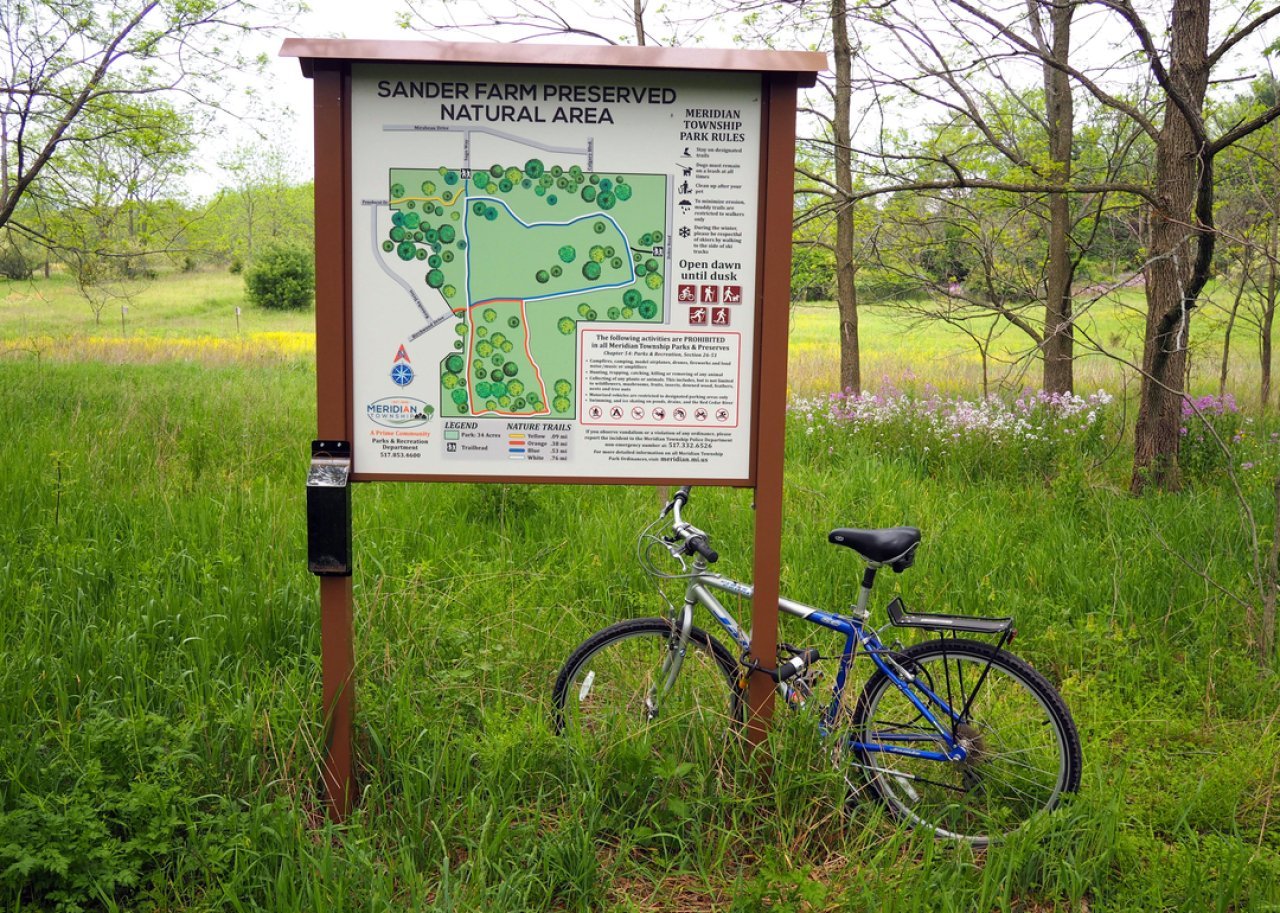
#8. Okemos, Michigan
- Suburb of Lansing
- Population: 25,503
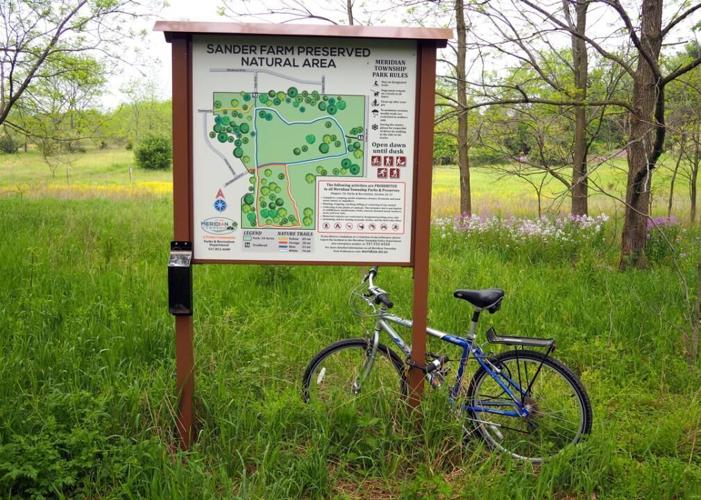
Located less than 10 miles east of Michigan's state capital of Lansing, Okemos is also within easy reach of Michigan State University. Originally founded as the village of Hamilton, Okemos was a stopping point for travelers between Detroit and Lansing. It falls mostly within Meridian Township but has its own school system. The town is named after the Saginaw Chippewa Chief Okemos.
The town has birthed several notable names, but arguably the biggest one is "Saturday Night Live" alum and late-night host Seth Meyers, who spent his formative years there.
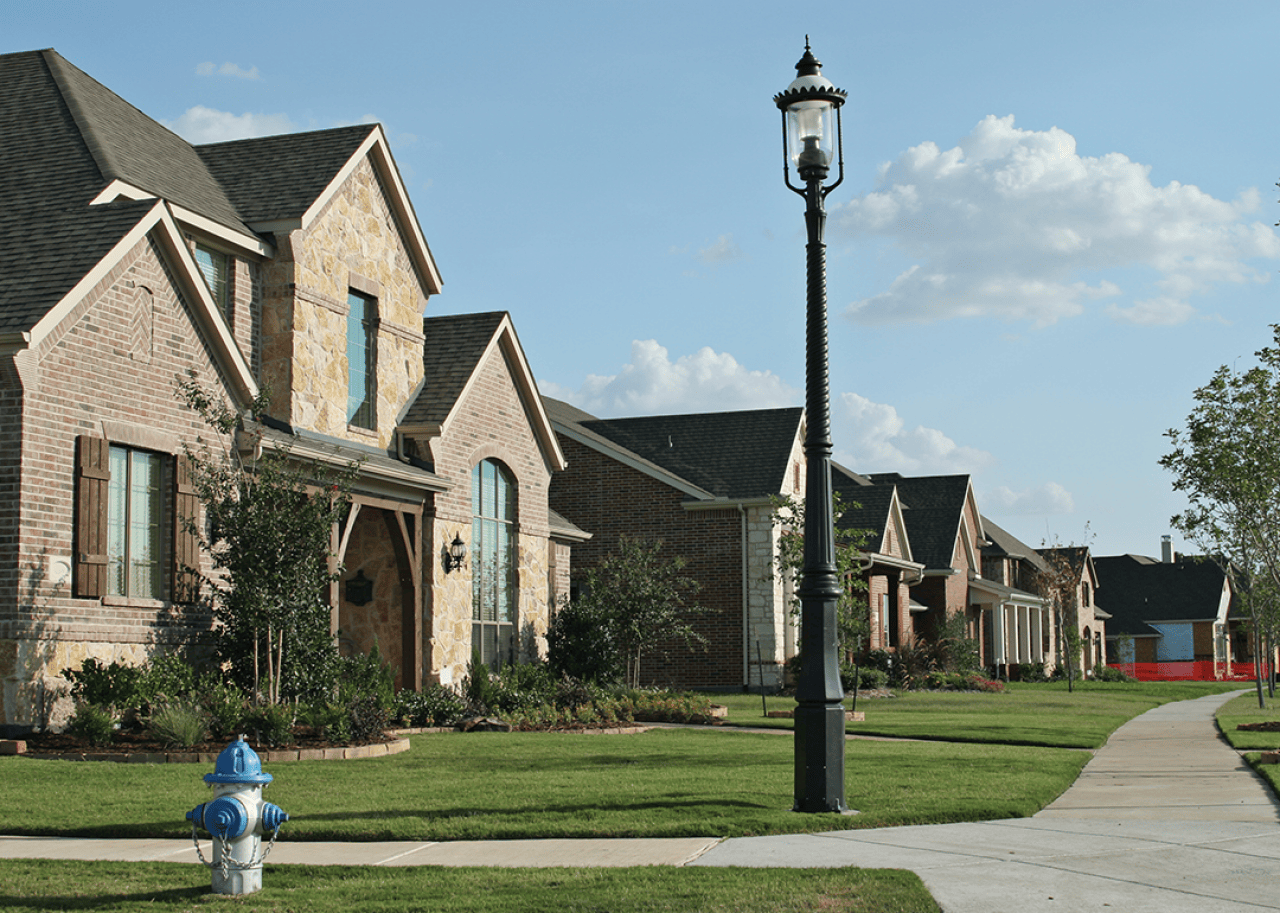
#7. Cinco Ranch, Texas
- Suburb of Houston
- Population: 19,139
Before Cinco Ranch was developed in the 1980s, it was a working cattle ranch and rice farm for over 50 years. Now, the community, which is located 30 miles from Houston, has several highly rated public schools, a golf course, athletic centers, and plenty of green spaces. In 2025, Niche ranked the cozy suburb the #1 place to live in Texas.
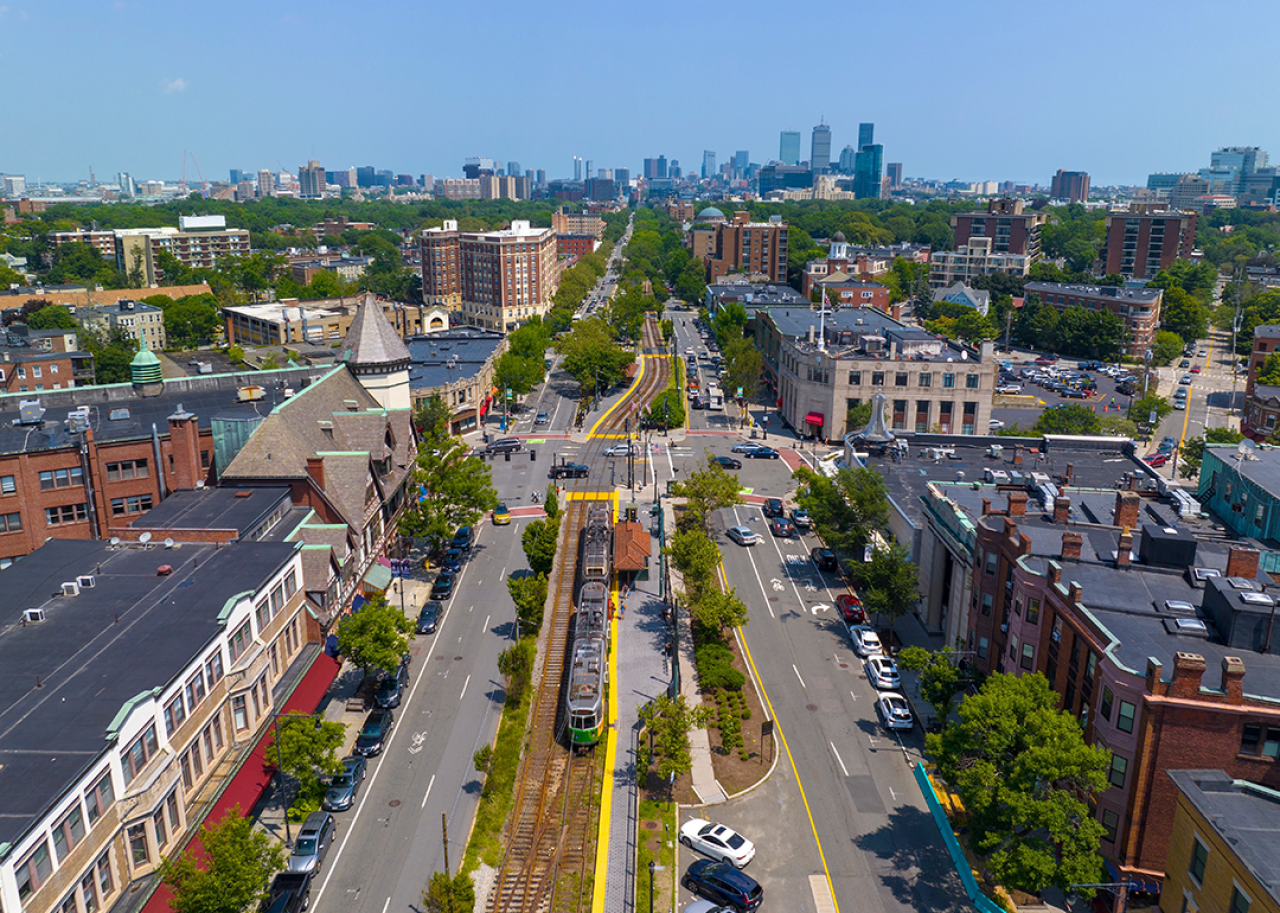
#6. Brookline, Massachusetts
- Suburb of Boston
- Population: 62,822
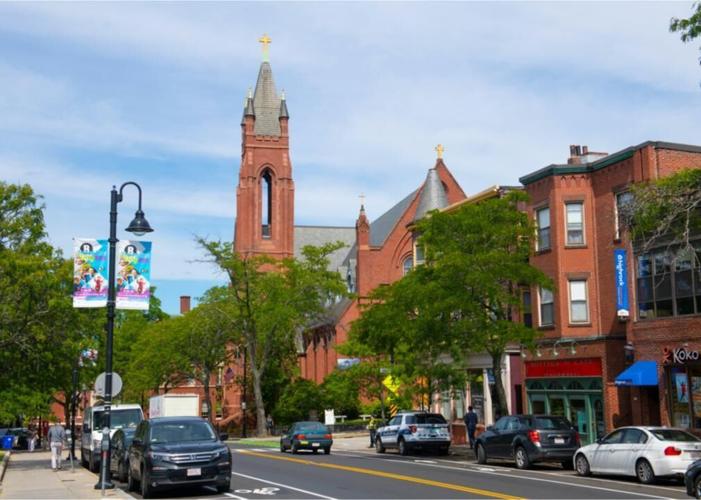
Seven miles from downtown Boston and surrounded by the city on three sides, Brookline was a streetcar suburb up through the mid-19th century. Though one of the largest towns in Massachusetts, it has little industrial development, and less than 6% of its land is zoned for commercial use. Its median housing prices are some of the highest in the state. Its community highlights are a skating rink, an aquatics center, and a golf course.
The historic town is also home to the birthplace of John F. Kennedy, a National Historic Site where visitors can tour the place where the 35th president spent his formative years.
#5. Penn Wynne, Pennsylvania
- Suburb of Philadelphia
- Population: 6,220
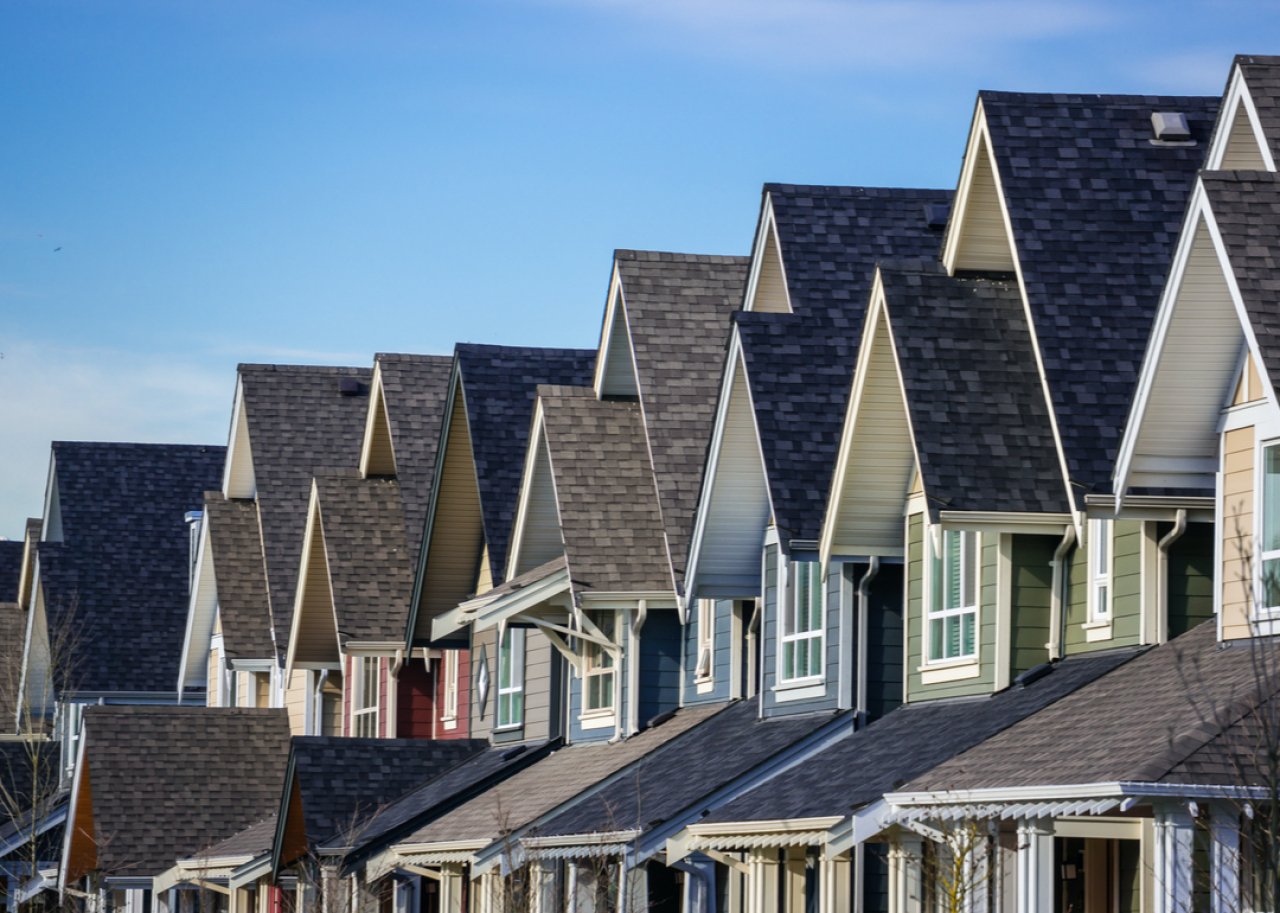
Penn Wynne is one of Philadelphia's wealthy Main Line suburbs, stretching along the former Pennsylvania Railroad out of Philadelphia. It's a predominantly residential community where most people own their homes. Penn Wynne Park offers multiple sports fields, a children's playground, and tennis courts. Penn Wynne Elementary School is well-regarded, and the local library provides numerous activities, including book clubs and workshops. Among other civic opportunities is the Penn Wynne Civic Association, a volunteer nonpartisan group that has organized community activities for over eight decades.
#4. Ardmore, Pennsylvania
- Suburb of Philadelphia
- Population: 14,165
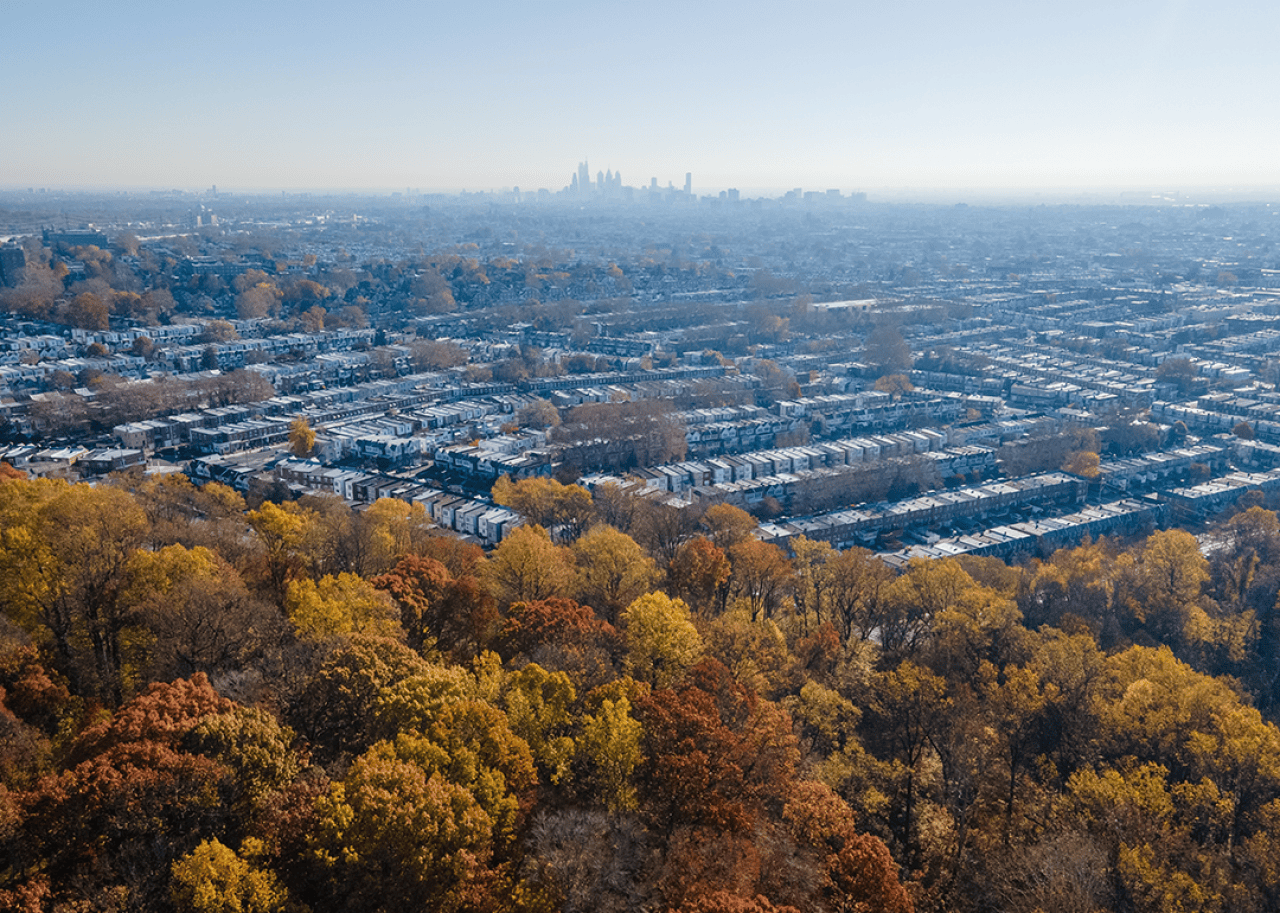
Ardmore is the largest of the Main Line suburbs. The town is home to one of the country's earliest shopping centers, Suburban Square, which opened in 1928 and today is an outdoor shopping area with a farmers' market. Ardmore is also considered one of Philly's most walkable suburban communities.
#3. Johns Creek, Georgia
- Suburb of Atlanta
- Population: 82,115
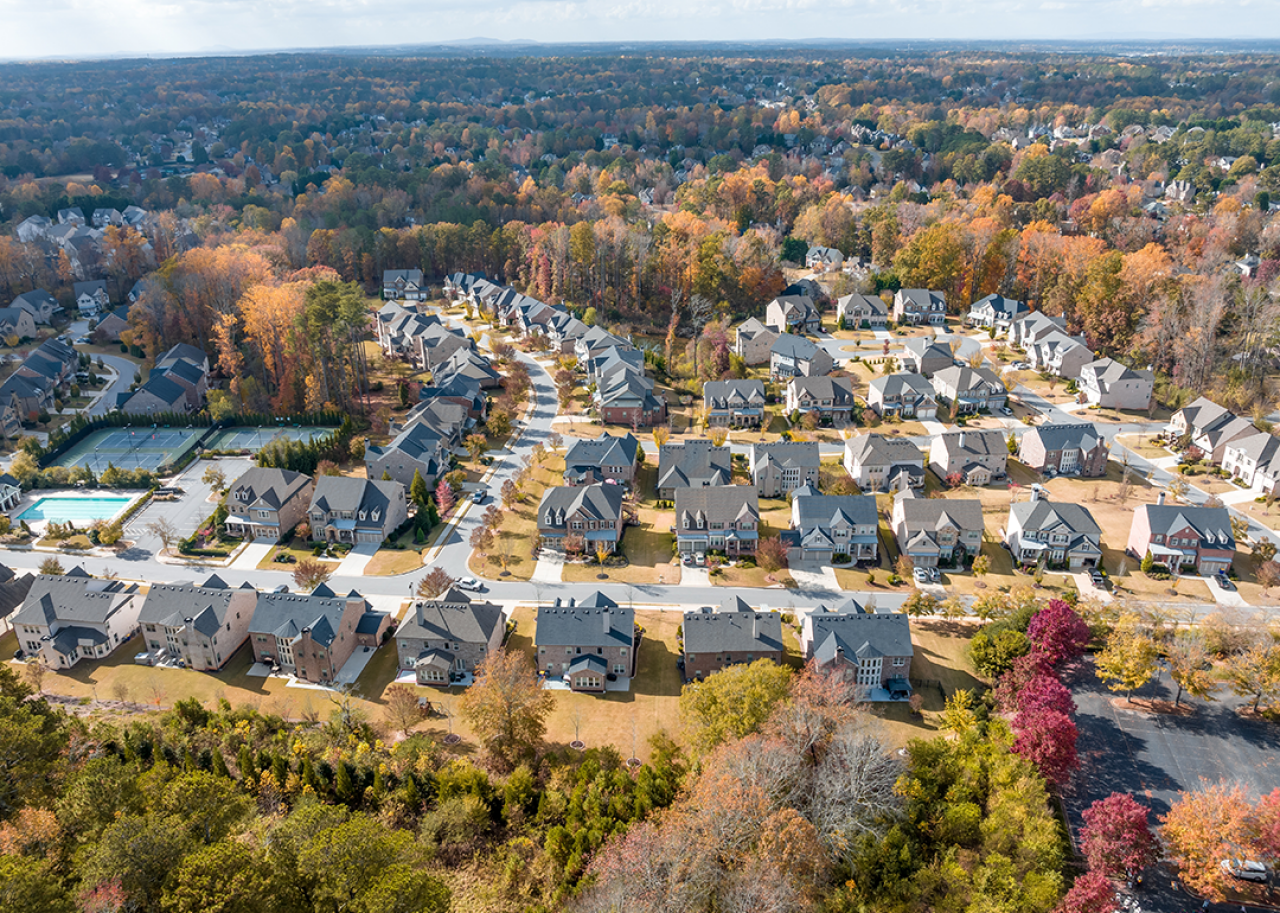
Johns Creek is consistently ranked one of the safest cities in Georgia. Located just outside of Atlanta, it shares much of the larger city's diversity and benefits from the spillover of its vibrant culinary and arts scenes. Its distance from the state's capital means more green spaces, like the Autrey Mill Nature Preserve and Heritage Center, for residents to enjoy.

#2. Madison, Alabama
- Suburb of Huntsville
- Population: 58,335
With several high-quality schools, a low cost of living, and various recreational options, Madison is a fun place to raise a family. Home to the Rocket City Trash Pandas, a minor-league baseball team, and the Rainbow Mountain Trails system, Madison has plenty to keep even the most active families busy. A lower-than-average crime rate adds to the city's appeal.
#1. Chesterbrook, Pennsylvania
- Suburb of Philadelphia
- Population: 5,439
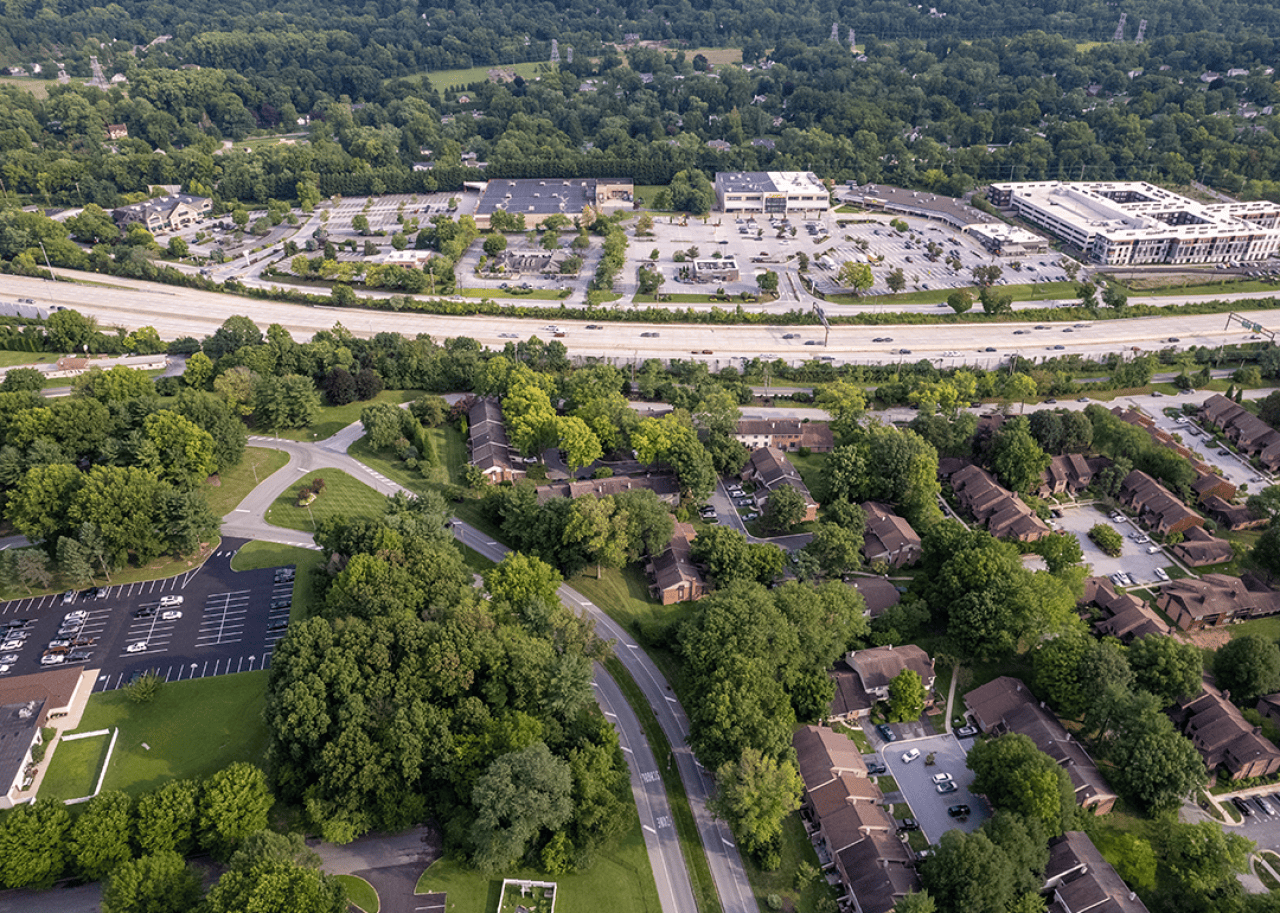
Chesterbrook is the third Philadelphia suburb to land on this list, making Pennsylvania the most represented state among the best suburbs in America. The town provides close access to Valley Forge National Historical Park, and is served by the Tredyffrin-Easttown School District, which is perennially highly rated. Nearby Wilson Farm Park boasts a wide array of opportunities for play and leisure within the community, including multiple sports and multi-use fields, an amphitheater, a pavilion, a putting green, and sand volleyball courts. Chesterbrook is also the #1 best place to raise a family in the U.S., according to Niche's 2025 rankings.
Story editing by Cu Fleshman. Copy editing by Robert Wickwire.
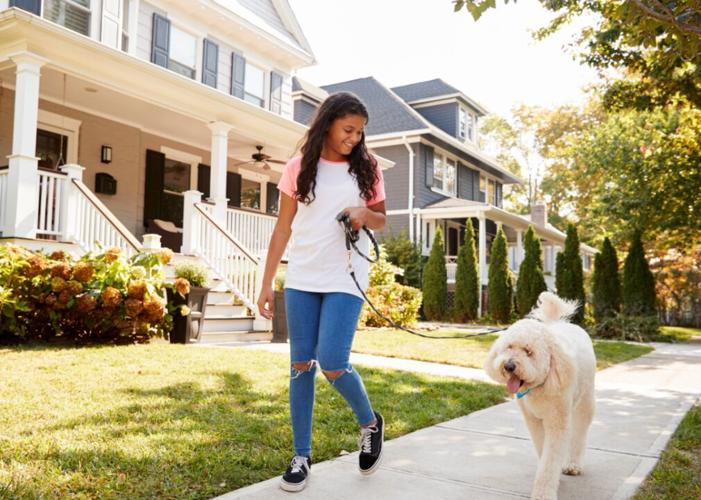
Suburbia is deeply ingrained in American culture, growing in popularity alongside the country’s love affair with cars and its network of highways. As early as the 1830s, Brooklyn Heights laid claim to the title of the first suburb when it connected to Manhattan by steam ferries. A little over 100 years later, Levittown became the new model of suburban development, offering affordable, mass-produced houses on Long Island for veterans returning home after World War II.
Stacker compiled a list of top ranked suburbs in the U.S. using Niche’s annual rankings, which look at such factors as the cost of living, the educational level of residents, housing, and public schools. The data is the most current available. Some housing statistics, including median home values, might not reflect the current market. A deeper look at Niche’s methodology can be found here.
Suburbs get their share of criticism, from encouraging isolation to promoting urban sprawl, but their appeal endures. Just over half of Americans describe their neighborhood as suburban. The best of them offer safe streets, a strong community, parks and other recreational and cultural opportunities, and a respite for crowds—while remaining within reach of urban amenities.
Keep reading to see which of the country’s suburbs made the cut—and whether any of them are a community near you.
You may also like: Best small towns for retirees in every state


