



The longest government shutdown in history is at an end, with almost no one happy with the final result.
Democrats didn't get the health insurance provisions they demanded. Republicans, who control the levers of power in Washington, didn't escape blame, according to polls and some state and local elections that went poorly for them.
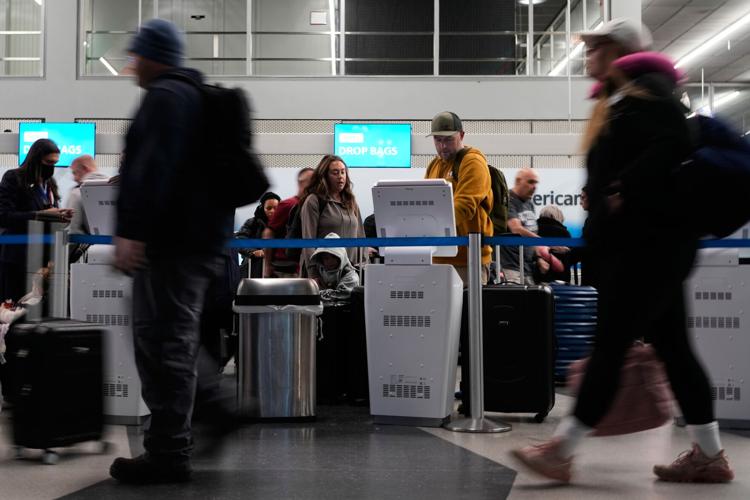
The fallout landed on millions of Americans, including federal workers who went without paychecks and airline passengers whose travel was disrupted. An interruption in food aid programs contributed to long lines at food banks and added emotional distress going into the holiday season.
The agreement includes bipartisan bills worked out by the Senate Appropriations Committee to fund parts of the federal government — food aid, veterans programs and the legislative branch, among other things. All other funding would be extended until the end of January, giving lawmakers more than two months to finish additional spending bills.
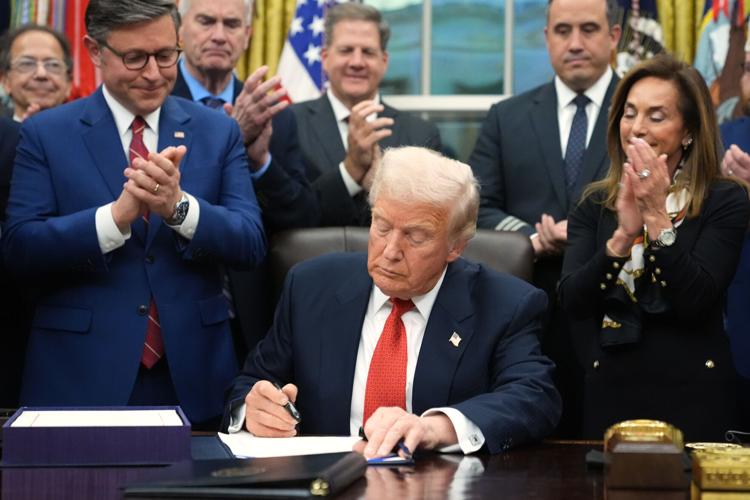
The Senate passed the legislation, followed by the House, then President Donald Trump signed it.
What led to it
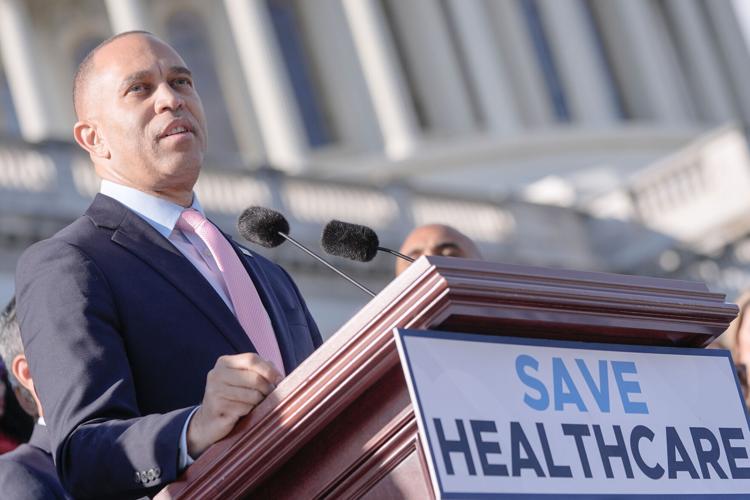
Democrats made several demands to win their support for a short-term funding bill, but the central one was an extension of an enhanced tax credit that lowers the cost of health coverage obtained through Affordable Care Act marketplaces.
The tax credit was boosted during the COVID-19 pandemic, then again through President Joe Biden's big energy and health care bill. It is set to expire at the end of December. Without it, premiums on average will more than double for millions of Americans. More than 2 million people would lose health insurance coverage next year, the Congressional Budget Office projected.
"Never have American families faced a situation where their health care costs are set to double — double in the blink of an eye," said Senate Democratic leader Chuck Schumer, D-N.Y.
While Democrats called for negotiations on the matter, Republicans said a funding bill needed to be passed first.
"Republicans are ready to sit down with Democrats just as soon as they stop holding the government hostage to their partisan demands," Senate Majority Leader John Thune, R-S.D., said.
Thune eventually promised Democrats a December vote on the tax credit extension to help resolve the standoff, but many Democrats demanded a guaranteed fix, not just a vote that is likely to fail.
Thune's position was much the same as the one Schumer took back in October 2013, when Republicans unsuccessfully sought to roll back parts of the Affordable Care Act in exchange for funding the government. "Open up all of the government, and then we can have a fruitful discussion," Schumer said then.
Democrats see infighting
The first year of Trump's second term saw more than 200,000 federal workers leave their job through firings, forced relocations or the Republican administration's deferred resignation program, according to the Partnership for Public Service. Whole agencies that don't align with the administration's priorities were dismantled. Billions of dollars previously approved by Congress were frozen or canceled.
Democrats had to rely on courts to block some of Trump's efforts, but they were unable to do it through legislation. They were also powerless to stop Trump's big tax cut and immigration crackdown law that Republicans helped pay for by cutting future spending on safety net programs such as Medicaid and the Supplemental Nutrition Assistance Program, or SNAP — formerly known as food stamps.
The Democrats' struggles to blunt the Trump administration's priorities prompted calls for the party's congressional leadership to take a more forceful stance.
Schumer experienced that firsthand after announcing in March that he would support moving ahead with a funding bill for the 2025 budget year. There was a protest at his office, calls from progressives that he be primaried in 2028 and suggestions that the Democratic Party would soon look for new leaders.
This time around, Schumer demanded that Republicans negotiate with Democrats to get their votes on a spending bill. The Senate rules, he noted, requires bipartisan support to meet the 60-vote threshold necessary to advance a spending bill.
Those negotiations did not occur, at least not with Schumer. Republicans instead worked with a small group of eight Democrats to tee up a short-term bill to fund the government generally at current levels and accused Schumer of catering to the party's left flank when he refused to go along.
"The Senate Democrats are afraid that the radicals in their party will say that they caved," House Speaker Mike Johnson, R-La., said at one of his many daily news conferences.
Blame game
The political stakes in the shutdown are huge, which is why leaders in both parties held nearly daily news briefings to shape public opinion.
About 6 in 10 Americans said Trump and Republicans in Congress had "a great deal" or "quite a bit" of responsibility for the shutdown, while 54% said the same about Democrats in Congress, according to a poll from The Associated Press-NORC Center for Public Affairs Research. At least three-quarters of Americans believe each deserved at least a "moderate" share of blame, underscoring that no one successfully evaded responsibility.
Both parties looked to the Nov. 4 elections in Virginia, New Jersey and elsewhere for signs of how the shutdown influenced public opinion. Democrats took comfort in their overwhelming successes. Trump called it a "big factor, negative" for Republicans. Still, it did not change the GOP's stance on negotiating. Instead, Trump ramped up calls for Republicans to end the filibuster in the Senate, which would pretty much eliminate the need for the majority party to ever negotiate with the minority.
Long-term effects
The Congressional Budget Office said the negative effects on the economy will be mostly recovered after the end of the shutdown, but not entirely. It estimated the permanent economic loss at about $11 billion for a six-week shutdown.
Beyond the numbers, though, the shutdown created a cascade of troubles for many Americans. Federal workers missed paychecks, causing financial and emotional stress. Travelers had their flights delayed and at times canceled. People who rely on safety net programs such as SNAP saw their benefits stopped.
"This dysfunction is damaging enough to our constituents and economy here at home, but it also sends a dangerous message to the watching world," said Sen. Jerry Moran, R-Kan. "It demonstrates to our allies that we are an unreliable partner, and it signals to our adversaries that we can't work together to meet even the most fundamental responsibilities of Congress."

