Even with two incomes, Charity Pallum said she and her husband would not be able to afford child care for their 1-year-old twins. But because of federal child care subsidies, both Pallum, a teacher, and her husband, who works at a car dealership, are able to work full time.
The Health and Human Services seal is seen at the Hubert Humphrey Building Auditorium in Washington.
Jose Luis Magana, Associated Press
Now, the Trump administration is increasing the reporting burdens for states to access the money. If Pallum's family were to lose that support, her husband might have to stop working, putting a pinch on their family budget.
“I guess our plans are, ’We’re just going to see how this goes,'” said Pallum, a teacher living in Ada, Minnesota.
The Trump administration’s crackdown on the $12 billion Child Care and Development Fund, which subsidizes care for 1.4 million children from low-income households, has rattled child care providers and families that rely on the aid money. Citing unspecified allegations of fraud, Trump administration officials are requiring states to provide extra documentation before receiving the money.
It's unclear if or when child care providers and families like Pallum's would feel the pinch. Some states, like Minnesota, also invest state resources in child care programs, which could insulate families from the impacts.
Children watch television at ABC Learning Center in Minneapolis, Minn., on Wednesday, Dec. 31, 2025.
Mark Vancleave - AP
The administration announced last week that state officials will be required to provide more information to get the federal child care money. Last Tuesday, the U.S. Department of Health and Human Services announced a “freeze” that will require officials in five Democratic-led states to provide even more exhaustive documentation.
The department said it also would withhold other federal safety net money for those states — California, Colorado, Illinois, Minnesota and New York — including Temporary Assistance for Needy Families, which supports low-income parents with children under 18 with direct payments and by providing them with child care. A judge ruled Friday that the Trump administration cannot block child care and other federal social service money from flowing to the five states for now.
The administration has not released information about the fraud allegations that prompted the new scrutiny.
HHS said in a statement that it “identified concerns that these benefits intended for American citizens and lawful residents may have been improperly provided to individuals who are not eligible under federal law.”
The actions raised fears of payment delays and disruptions for the beleaguered child care industry, which has been struggling under staff shortages, long waits for subsidy programs and the effects of the Trump administration crackdown on immigration.
According to Mamdani, child care is the second-highest cost in so many New Yorkers’ lives, behind housing.
“Child centers are always living on the margins. Our staff are never paid enough. We can’t charge families enough privately to cover what staffers make,” said Jeanie Harris, executive director of programs at First Learning, a group of child care centers in New York state. “So we’re always living on the margins, especially with the subsidy programs, and any change or hit to our reimbursements is going to be a house of cards.”
Already, child care providers must comply with extensive regulations to receive federal subsidies. Dawn Uribe, who runs Mis Amigos Preschool with several Minnesota locations, said staff have to make sure kids sign in and out with the correct ID, and it can take a month to get paid for services. For years, inspectors have regularly visited to assess their records.
“There’s already so much oversight that goes into this so I don’t really understand how much more they can do,” Uribe said.
The legwork required to meet federal subsidy requirements has at times made Uribe question whether she wants to keep accepting children who receive subsidies. Ultimately, it’s worth it to ensure she can provide care to low-income kids who need it, she said.
“We’re doing the best we can, and it’s hard work,” Uribe said.
Karen DeVos, who runs three child care facilities in rural northwest Minnesota, is preparing her staff to pull records on the spot in case an investigator shows up unannounced. Day care centers are regularly subjected to audits and attendance checks, she said.
“If we continue to view every provider as somebody who could be committing fraud, we are going to lose really valuable resources in our child care providers,” DeVos said. “There is only so much stress that people can take and not knowing every single day if somebody is going to knock on your door and accuse you of something is terrifying.”
Without federal subsidies, Breyanna Rodriguez's child care bill for her four children would run $4,400 a month, which would eat up most of her husband's paycheck. With child care assistance, Rodriguez, who lives in Cortland, Illinois, is able to work part time and take community college classes while she prepares for nursing school.
If she loses her subsidy, Rodriguez said, "I'll have to drop out of work. I'll have to drop out of school."
"I just wish this administration didn't make such a drastic leap," she said.
Pallum said neither she nor her husband want to risk skipping paychecks if they lose the child care subsidy.
“We have responsibilities to our families and we have responsibilities to our work, and we want to maintain both,” said Pallum. With federal child care funds, “we can give our twins a consistent schedule. They do so much for the twins and they do so much for us, just being consistent and being able to live up to our responsibilities as parents and as community members.”
Laura Trujillo, Veronica Bravo and Carlie Procell
USA TODAY
How do you find a good city to raise a family? The most ideal spots provide safe neighborhoods, quality education, recreation opportunities, and affordability. Weighing all those factors and more and finding the right locale among nearly 20,000 incorporated cities, towns, and villages across America can be daunting, so Stacker collected 2020 data from the national review and ranking site Niche to compile a list of the top 100 locations to raise a family.
Some criteria considered in ranking the best 100 cities included crime rates, public school rankings, college graduation rates, cost of living, family amenities, outdoor recreation, transportation, diversity, and walkability. While Niche primarily sourced data from the U.S. Census Bureau data, other city details came from the U.S. Department of Education, the FBI, and other specific programs and demographics links.
In the list of cities, Stacker included the population, median home value, median rent, and median household income for each of the top 100 best cities. While California has five cities in the top 20, and Texas has four, an Illinois city 33 miles west of Chicago claims the top spot.
Six of the 10 cities in the country with populations over 1,000,000 made the list, showing that big cities are a great place to raise a family, offering a wealth of historic sites, museums, top schools, and parks to entertain parents and children alike. High walkability scores, rapidly improving school systems, and falling crime rates place vibrant cities like Dallas and New York among the nation’s best for families. On the opposite end of the spectrum, South Bend in northern Indiana earns the title of the smallest city on the list, with just over 102,000 residents.
Thirty-nine states and the District of Columbia are represented, while Vermont, Maine, New Hampshire, Rhode Island, Delaware, West Virginia, Mississippi, Wyoming, Montana, New Mexico, and Alaska are absent.
If you're hunting for the perfect place to lay down roots, be sure to keep reading to discover the most 100 highly rated cities for raising a family.
For family life, Little Rock is brimming with neighborhood pools and space to roller skate, ice skate, and play hockey and broomball year-round at the Arkansas Skatium. The city’s cost of living is lower than the national average, and so are rents and the median sale price of a home.
Eduardo Medrano // Shutterstock
- Population: 102,037
- Median home value: $85,200 (57% own)
- Median rent: $789 (43% rent)
- Median household income: $40,265
South Bend is a city with plenty of parkland and a comfortable suburban feel, and it attracts families and young professionals. The cost of living is slightly lower than the rest of the state and significantly lower than the rest of the country. Public schools are above average, and more than a quarter of residents have an associate’s degree or some college, roughly on par with the rest of the country.
Chuck W Walker // Shutterstock
- Population: 400,317
- Median home value: $749,000 (49% own)
- Median rent: $1,534 (51% rent)
- Median household income: $76,055
This Hawaiian Island, which is considered one of the healthiest cities in the U.S., is so focused on the household, it even offers HONOLULU Family, a local website that caters to local clans. However, quality of life comes with a price, as Hawaii is notorious for its high cost of living at almost two-thirds above the national average. With an above-average public school system, Honolulu education levels remain high, with 25% of residents having at least a bachelor’s degree, and 15% having a master’s degree or higher.
Leigh Trail // Shutterstock
- Population: 104,777
- Median home value: $135,900 (56% own)
- Median rent: $730 (44% rent)
- Median household income: $49,251
This Wisconsin city, named for its location at the southern end of an arm of Lake Michigan, is home to the Green Bay Packers football team and nearby National Railroad Museum. Crime rates in Green Bay are close to the national average, and the city's cost-of-living index is 91.9—less than the U.S. average of 100. Serving the community, nearby West De Pere High School gets the area's highest ranking for high schools.
James.Pintar // Shutterstock
- Population: 890,467
- Median home value: $173,200 (56% own)
- Median rent: $1,065 (44% rent)
- Median household income: $54,701
Jacksonville has plenty of room for children to run and play, with 80,000 acres of green space, 22 miles of beaches, and the country’s largest urban park system. The neighborhood of Orange Park is rural and wooded, and the Southside neighborhood has starter homes and good schools. The city is home to several of Florida’s top-ranked high schools.
With nearly 70% of its residents owning their homes, Cedar Rapids, Iowa, makes the top 20 cities to buy a house in America. The community's crime rate is well below the national average for violent incidents, while property crimes are higher than average. Cedar Rapids boasts four of the top 20 high schools in the state of Iowa.
barteverett // Shutterstock
- Population: 864,447
- Median home value: $137,000 (53% own)
- Median rent: $892 (47% rent)
- Median household income: $47,873
As the capital of Indiana, Indianapolis is home to many family friendly attractions. The Children's Museum of Indianapolis is the world's largest, and White River State Park features a museum, zoo, waterways, trails, and more. Median home prices here top out at $174,900, while median rent is $936.
James Kirkikis // Shutterstock
- Population: 325,780
- Median home value: $141,100 (57% own)
- Median rent: $1,028 (43% rent)
- Median household income: $56,333
In 2018, risk management company SmartAsset ranked this Texas town as the #3 best city to raise a family. Still holding steady now, the South Texas coastal city touts being one the best cities to buy a house in America while having some of the best public schools, according to Niche. Additionally, AreaVibes points out the cities cost of living index, which is 9% lower than the national average, making the already family-friendly city more financially appealing.
Sean Pavone // Shutterstock
- Population: 1,330,612
- Median home value: $188,100 (41% own)
- Median rent: $1,052 (59% rent)
- Median household income: $52,580
The North Texas metropolis of Dallas offers numerous family attractions, including the Dallas Arboretum and Botanical Garden's family education programs and the popular Klyde Warren Park. The city claims the top two public schools in the state in the School of Science & Engineering and the School for the Talented & Gifted. Dallas is rated the 20th most diverse city in the country, though crime rates for violent and property crimes were well above the national average.
Eric Urquhart // Shutterstock
- Population: 389,877
- Median home value: $133,400 (59% own)
- Median rent: $809 (41% rent)
- Median household income: $52,620
Dennis the Menace lived in Wichita, the cartoon character’s creator Hank Ketcham said, and the city is still a great place to be a kid. The Exploration Place is a dynamic science museum, and The Alley Indoor Entertainment has 32 bowling lanes as well as Go-Kart race tracks, an arcade, and a high-tech virtual game attraction. Residents have good things to say about Wichita’s low cost of living, affordable housing, good schools, lack of traffic, and friendly neighbors.
Known for its cowboy culture and surrounding oil wells, Oklahoma City serves as the state's capital. Its school district includes the state’s top three high schools, including the Oklahoma School of Science and Mathematics, listed as the #1 high school out of the state's 438. Median home values here top $148,000, with rents at $819.
Sean Pavone // Shutterstock
- Population: 663,750
- Median home value: $239,000 (54% own)
- Median rent: $1,100 (46% rent)
- Median household income: $59,828
Nashville is ranked highly for its health care services and its affordable housing, and children can spread out in the city’s 90 parks and 75 miles of greenway paths. The city’s family-friendly neighborhoods include leafy Belmont Blvd., Sylvan Park, and the youthful 12 South area.
Sean Pavone // Shutterstock
- Population: 142,135
- Median home value: $236,900 (61% own)
- Median rent: $952 (39% rent)
- Median household income: $59,346
On the south shore of Lake Pontchartrain northwest of New Orleans, Metairie is in Jefferson Parish and is one of the oldest cities in the United States. Besides drawing from the attractions available in New Orleans, families will find a selection of activities—including just relaxing—in the parish’s Lafreniere Park, with its hiking trails, boating, fishing, and tot-lots. Its top schools include Haynes Academy School for Advanced Studies, ranked as the fifth-best public high school in the state, with 99% of students showing at least a proficiency in both math and reading.
Chuck Wagner // Shutterstock
- Population: 246,500
- Median home value: $335,000 (48% own)
- Median rent: $1,029 (52% rent)
- Median household income: $58,790
Packed with plenty of family events and attractions like the Animal Ark, and with the beautiful Lake Tahoe less than 40 miles from its doorstep, Reno is much more than a gambler's paradise. Its schools get high marks as well: Ranked the #1 school in Nevada, the Davidson Academy in Reno is structured to serve profoundly gifted middle and high school students, while Reno High School made the #6 rank for public high schools in the state.
travelview // Shutterstock
- Population: 402,324
- Median home value: $139,900 (51% own)
- Median rent: $829 (49% rent)
- Median household income: $47,650
Tulsa’s family-friendly arts and recreation comprises an area zoo, museum, a performing arts center, and a library, which hosted up to 176 community-wide events in 2019. With up to 135 parks and trails throughout the city, located along the Arkansas River, families have acres of land for year-round exercise and recreation. The former oil capital, renowned for its churches and architecture, comprises midtown neighborhoods, popular among young couples and families who seek city life with a suburban feel.
Along the Vermillion River in Southwest Louisiana, the city of Lafayette is at the heart of Cajun and Creole country. Named the “Happiest City in America,” Lafayette features the Children’s Museum of Acadiana, which offers field trips and interactive exhibits. With a 96% proficiency rate for its students in math (98% in reading), the Early College Academy ranks as the best public high school in the Lafayette area.
Jacob Boomsma // Shutterstock
- Population: 301,394
- Median home value: $138,000 (38% own)
- Median rent: $738 (62% rent)
- Median household income: $40,640
Home to the Cincinnati Zoo and Botanical Garden, the second-oldest zoo in the U.S., the city of Cincinnati is situated on the Ohio River and has a population of about 300,000. The city's cost-of-living index in 2019 was 88.7, well below the U.S. average of 100, but its crime rate is double the U.S. average.
Canva
- Population: 113,159
- Median home value: $749,400 (38% own)
- Median rent: $1,857 (62% rent)
- Median household income: $84,138
The Southern California community of Costa Mesa offers 28 parks, 20 public schools, and three libraries, as well as the OC Fair and Event Center—all within its 16 square miles. From here, residents find easy access to some of Southern California’s key attractions including beaches, Disneyland and Knott’s Berry Farm. The benefits of the community’s offerings are offset somewhat by its high-six-figures median home prices.
Arne Beruldsen // Shutterstock
- Population: 269,702
- Median home value: $224,100 (50% own)
- Median rent: $1,058 (50% rent)
- Median household income: $58,905
With a population of over 257,232, the city of Durham, North Carolina, is highly diverse, with an equal percentage of white and black residents, and 14% identifying as Hispanic or Latino. The North Carolina School of Science and Mathematics ranks as the #4 best public high school in the country and #1 in the state. The crime rate in Durham is higher than the national average.
Sean Pavone // Shutterstock
- Population: 1,508,083
- Median home value: $146,400 (54% own)
- Median rent: $992 (46% rent)
- Median household income: $52,455
San Antonio, in South-central Texas, is home to The Alamo Mission, where the legendary 1836 battle for Texas' independence from Mexico was fought. The city of 1.5 million is also home to The San Antonio River Walk, an urban waterway linking art, culture, history, recreation, restaurants, and much more in the heart of the city. Median home values and rents fall well below the national average.
Wilmington gets high grades for its public schools, ranked #34 of 228 cities with the best public schools in America. The port city is the gateway to Cape Fear coast beaches, including the highly ranked Carolina Beach Boardwalk and kid-friendly North Carolina Aquarium at Fort Fisher. Median home values are $246,000, with 45% of Wilmington’s residents owning their own home.
Canva
- Population: 464,871
- Median home value: $269,800 (59% own)
- Median rent: $1,131 (41% rent)
- Median household income: $64,712
Families with youngsters in kindergarten through fifth grade might consider neighborhoods served by the Woodmen-Roberts Elementary School in Colorado Springs, Colorado. The school in 2019 ranked better than 89.5% of elementary schools in the state. Clans of all ages can enjoy the city’s Garden of the Gods, which features towering red rock formations, or they can immerse themselves in history and nature through the city's cultural services.
John Hoffman // Shutterstock
- Population: 280,832
- Median home value: $240,000 (35% own)
- Median rent: $1,196 (65% rent)
- Median household income: $51,757
A child's dream come true, the Orlando, Florida, area is home to legendary theme parks and museums including The Wizarding World of Harry Potter, Discovery Cove, Universal's Islands of Adventure, and Walt Disney World Resort. The city's school district features the Orlando Science Middle/High Charter School, ranked at the top of Orlando's best public high schools and #1 overall charter school in the state.
Songquan Deng // Shutterstock
- Population: 200,232
- Median home value: $769,900 (33% own)
- Median rent: $1,622 (67% rent)
- Median household income: $66,130
With its population pushing 200,000, Glendale, California, offers families a host of trails and a museum at Brand Park, and its Los Angeles County location means that innumerable family-friendly options, like Universal Studios Hollywood, are within reach. The city’s crime rate is exceptionally low, making it one of the safest in America, while it comes in at #11 for healthiest cities. But almost two-thirds of residents here rent, with median home prices nearing $770,000.
Michael Gordon // Shutterstock
- Population: 155,146
- Median home value: $364,800 (58% own)
- Median rent: $1,361 (42% rent)
- Median household income: $66,740
Outdoor life is a popular draw in Colorado, and Lakewood is no exception, with over 80 maintained parks helping to make the city the #46 healthiest in the nation. The D’Evelyn Junior/Senior High School ranks as the #3 public high school in Colorado, with a 95% graduation rate among its 1,000 students. While the crime rate in Lakewood is slightly higher than average across most categories, so too is the median household income of $66,740.
Median home values in South Carolina’s capital of Columbia reached $168,800 in 2019, with 55% of the city’s residents choosing to rent at an average of $878. Families can visit the 170-acre Riverbanks Zoo and Garden, home to over 2,000 animals and an aquarium reptile complex. The Lexington-Richland School District No. 5, serving about 17,000 students, gets the #1 ranking for education in the Columbia area.
Sean Pavone // Shutterstock
- Population: 488,800
- Median home value: $290,400 (44% own)
- Median rent: $1,153 (56% rent)
- Median household income: $59,948
Georgia’s capital and most populated city has more than 3,000 acres of parkland accompanied by up to 33 recreational centers filled with family-friendly opportunities. Niche rates Atlanta’s top three school districts, Buford City, Forsyth County, and Decatur City, with an overall grade of A+. USA Today reports how “history and art take center stage” in Atlanta’s museums, while great fun and education are found at the Georgia Aquarium, the largest marine exhibit in the U.S. Add in the affordable cost of living, and Atlanta gets more appealing.
f11photo // Shutterstock
- Population: 395,477
- Median home value: $170,700 (55% own)
- Median rent: $1,055 (45% rent)
- Median household income: $60,571
Situated west of Dallas, Arlington is home to the University of Texas at Arlington. Discovery and educational experiences abound at River Legacy Parks, a natural urban hardwood forest home to 400 species of wildlife, and the River Legacy Living Science Center, featuring interactive exhibits and technology. Median home values and rent are below the national averages. Arlington ranks #11 of 228 most diverse cities in America.
CK Foto // Shutterstock
- Population: 1,027,690
- Median home value: $864,600 (57% own)
- Median rent: $2,107 (43% rent)
- Median household income: $109,593
The Bay Area California City of San Jose is considered one of the most diverse communities in the nation. Considered the hub of the region's Silicon Valley, San Jose also has one of the highest costs of living in the country, with median household incomes in the triple digits and significantly higher than the national average. The median home value is upwards of $800,000, also way over the national average. With more than 31,000 students, San Jose’s school district is home to many highly regarded elementary and high schools.
Uladzik Kryhin // Shutterstock
- Population: 152,934
- Median home value: $154,300 (53% own)
- Median rent: $961 (47% rent)
- Median household income: $53,604
The north Tennessee city of Clarksville in Montgomery County garners high grades for its public education, with Hazelwood Elementary School leading the pack. Families can share interactive experiences at the Custom House Museum and Cultural Center, home to one of the largest model railroad layouts in the region.
Jersey City is home to young families who can take advantage of its proximity to all that New York City has to offer, at a fraction of the costs. The northeastern New Jersey city has plenty of daycare centers as well as independent, public, and charter schools, and there are plentiful playgrounds, tennis courts, spray pads, splash parks, swimming pools, a running track and an outdoor skating rink for year-round fun.
Brian Logan Photography // Shutterstock
- Population: 2,310,432
- Median home value: $171,800 (42% own)
- Median rent: $1,041 (58% rent)
- Median household income: $52,338
Known for the NASA Johnson Space Center, Houston extends into Galveston Bay in Texas. Space Center Houston is among the nation's leading science education resources. Carnegie Vanguard High School ranks #5 in the state, one of a dozen high schools in the area to receive an A+ grade. The city of 2.2 million ranks #18 nationally for its ethnic and economic diversity.
Sean Pavone // Shutterstock
- Population: 113,381
- Median home value: $444,800 (65% own)
- Median rent: $1,856 (35% rent)
- Median household income: $96,183
The Southern California city of Temecula ranks as #26 in cities with the best public schools in America. Great Oak High School is the second best in Riverside County with a 97% average graduation rate. Kids get a hands-on feel for science while they play at the Temecula Children's Museum Pennypickle's Workshop. The city's crime rate comes in well below the national average in all categories.
Time Stood Still Photo // Shutterstock
- Population: 135,637
- Median home value: $444,400 (66% own)
- Median rent: $1,604 (34% rent)
- Median household income: $89,082
Roseville, California, is part of the metropolitan area around the state capital of Sacramento. Almost two-thirds of its residents own their homes, with the median price in Roseville at $440,000, while rent exceeds $1,600. Granite Bay High School leads Placer County as its best public high school, with an average graduation rate of 96%.
ZikG // Shutterstock
- Population: 198,401
- Median home value: $143,400 (55% own)
- Median rent: $925 (45% rent)
- Median household income: $50,103
Grand Rapids, east of Lake Michigan on the Grand River in Michigan, is served by Northern High School, ranked #1 best public high school in the area and #13 overall public high school in Michigan. The Frederik Meijer Gardens and Sculpture Park, which bills itself as one of the nation's premier horticultural display gardens and sculpture parks, also offers fun, adventure, and education for families. The Grand Rapids Public Museum features a high-tech planetarium.
Home to the Rose Bowl and the Norton Simon Museum, Pasadena offers a wide range of educational, artistic, historical, and garden experiences for families to share. It ranked #8 in 2020 of the healthiest cities in the United States and places to live in America. But its amenities and come with a hefty price tag: The city's median home value pushes $785,000, and median rent is $1,710.
Idealphotographer // Shutterstock
- Population: 253,851
- Median home value: $140,800 (51% own)
- Median rent: $955 (49% rent)
- Median household income: $50,453
Rise Academy, a public charter kindergarten-grade eight school in the northwest Texas City of Lubbock, earned the best standout elementary school in the area. History also thrives in Lubbock, at the National Ranching Heritage Center with its museum and outdoor park, and science takes center stage at the Science Spectrum and Omni Theater, which features over 250 hands-on interactive exhibits.
Grossinger // Shutterstock
- Population: 111,997
- Median home value: $155,200 (75% own)
- Median rent: $1,059 (25% rent)
- Median household income: $51,408
Seventy-five percent of Palm Bay's residents own their homes, which earns the Brevard County, Florida, community #8 among the best cities to buy a house in America. Nearby waterways offer families a myriad of experiences, including the Archie Carr National Wildlife Refuge, a haven for sea turtles, and Castaways Point Park on the Indian River Lagoon National Scenic Byway. Two community junior/senior high schools—West Shore and Edgewood—get an A+ overall rating.
Noah Densmore // Shutterstock
- Population: 302,205
- Median home value: $125,000 (47% own)
- Median rent: $958 (53% rent)
- Median household income: $48,711
Sports enthusiast families might consider Pittsburgh an ideal home base, with the Penguins and Steelers both winning numerous championships. The city sports a median home value of $125,000, putting it at #23 of 228 best cities to buy a house in America, and median rents of $958. The Pittsburgh Science & Technology Academy is the top high school in the city and ranks #6 among magnet schools in the state.
ESB Professional // Shutterstock
- Population: 197,756
- Median home value: $314,500 (48% own)
- Median rent: $985 (52% rent)
- Median household income: $60,676
Utah's capital city has a wealth of outdoor activities sure to please any family, which earns it the rank of #25 of 228 best cities for outdoor activities in America. The city's median home price is $314,500, with median rents at $985.
Home to Wake Forest University, Winston-Salem, North Carolina, public schools earn high grades at the elementary, middle, and high school levels. Foodies in the family will find the historic Moravian Culinary Trail, and the whole gang can explore the community's historic heirloom gardens and farmers' markets. Fans and athletes of virtually any sport can get their fill at the city's 59 sports venues.
Sean Pavone // Shutterstock
- Population: 261,338
- Median home value: $205,000 (60% own)
- Median rent: $1,116 (40% rent)
- Median household income: $56,982
Florida is certainly not just for seniors, with St. Petersburg proving the Sunshine State is as family-friendly as ever at #59 out of 100. Its overall Niche grade of A promises an above-average public school system in an urban, suburban community made up of many young professionals. Additionally, St. Petersburg’s cost-of-living index comes in at 95, which comes in 5% lower than the national average, according to AreaVibes.
ESB Professional // Shutterstock
- Population: 291,303
- Median home value: $156,300 (50% own)
- Median rent: $877 (50% rent)
- Median household income: $48,964
The North Carolina city of Greensboro is served by The Early College at Guilford, ranked #7 in the Top 10 STEM (science, technology, engineering, math) schools in the country. Split evenly between homeowners and renters, Greensboro's residents see a median home value of $156,300 and median rent of $877. The Greensboro Science Center is an aquarium, museum, and zoo with numerous educational exhibits and interactive experiences.
Kevin Ruck // Shutterstock
- Population: 136,195
- Median home value: $218,800 (49% own)
- Median rent: $1,082 (51% rent)
- Median household income: $60,018
Denton, Texas, is part of the Dallas-Fort Worth metropolitan area. The Argyle Independent School District ranks #13 in the state. The district's top school, Argyle High, boasts a 95% average graduation rate. Nearby Lake Lewisville is a recreational haven, featuring parks, marinas, camping and fishing.
Jo Hunter // Shutterstock
- Population: 645,291
- Median home value: $412,000 (53% own)
- Median rent: $1,248 (47% rent)
- Median household income: $71,005
Ranked as the #3 best city for outdoor activities in America, Portland, Oregon, is packed with family friendly attractions. The School of Science & Technology tops the list of Oregon’s best high schools, with a 90% graduation rate. About 77% of the city's more than 645,000 residents have some college education, with nearly 10% more bachelor's degrees than the national average.
The capital city of Florida, Tallahassee provides a host of opportunities for families to stay in shape, with over 100 miles of in-town biking trails, aerial obstacle courses, and canoe and paddle facilities among them. Leon High School, one of the most diverse in the city, is rated #2 of the best high schools in Tallahassee. The city is only safer than 4% of U.S. cities, however, with a crime rate of 49 per 1,000 residents, according to data reported from NeighborhoodScout.
Todd Taulman Photography // Shutterstock
- Population: 135,257
- Median home value: $330,600 (56% own)
- Median rent: $1,257 (44% rent)
- Median household income: $68,438
The port city of Charleston, South Carolina, is alive with its historical roots. The first shots of the Civil War were fired at Fort Sumter in Charleston Harbor. Families with students in or about to enter high school might consider Academic Magnet High School, the second-best public high school in the state.
Washington, D.C. offers an abundance of schools and libraries. Some of its most affordable neighborhoods for young families are Takoma Park, Catholic University Brookland, and Glover Park. Child care costs are high, but the District has offered free preschool to 3- and 4-year-olds since 2009. D.C. passed an extensive set of measures, the Birth-to-Three For All D.C Act, in 2018 that included investments in infant and toddler in health care services, subsidies for early childhood learning, and higher job standards and better pay for early childhood educators.
Orhan Cam // Shutterstock
- Population: 226,115
- Median home value: $253,400 (61% own)
- Median rent: $957 (39% rent)
- Median household income: $60,035
Follow the Boise River Greenbelt through the heart of the capital city of Idaho and neighboring communities for 25 miles of forested walking and bicycling trails, with access to downtown, Boise State University, and major parks. Boise Senior High School is ranked the best public high school in the state. The city's crime rate comes in below the national average for most violent and property crimes.
The capital of Minnesota, St. Paul is home to Como Park Zoo and Conservatory, sure to please all in the family, as well as Fort Snelling State Park, with hiking and biking trails. The city's residents are about evenly split between homeowners and renters, with median home values and rent coming hovering around the national average. Two of its top schools are foreign-language immersion facilities for German and Mandarin.
KARI K // Shutterstock
- Population: 132,127
- Median home value: $161,900 (39% own)
- Median rent: $953 (61% rent)
- Median household income: $37,264
Nature and museums lead the family-friendly opportunities to share in the Gainesville area, with the Butterfly Rainforest, part of the Florida Museum of Natural History, at the top of the list. Eastside High School is listed as the #53 out of 656 public high schools in the state.
Leigh Trail // Shutterstock
- Population: 1,409,573
- Median home value: $602,600 (47% own)
- Median rent: $1,695 (53% rent)
- Median household income: $79,673
A full dose of culture, history, and museums, as well as the San Diego Zoo, await families at San Diego's Balboa Park. The Pacific Coast city ranks highly for diversity (#24 of 228) and public schools (#23 of 228). But its overall cost of living gets a D+, with median home values above $600,000, and rent nearly $1,700.
Boston is known for its colleges and universities, but it has an abundance of early childhood programs and preschools as well. For education and entertainment, there's the Boston Children's Museum, the Museum of Science, the Museum of Fine Arts, the Isabella Stewart Gardner Museum, New England Aquarium, Franklin Park Zoo, and the Boston Ballet Children's Program.
The Red River Zoo, Plains Art Museum, and Fargo Air Museum are among the family friendly activities to enjoy in Fargo, North Dakota. Fargo Davies High School makes the grade as the best public high school in North Dakota, with a 97% average graduation rate.
Guy RD // Shutterstock
- Population: 177,117
- Median home value: $189,800 (61% own)
- Median rent: $827 (39% rent)
- Median household income: $59,912
The South Dakota city of Sioux Falls features Falls Park, through which the Big Sioux River runs, and family fun and education at the Great Plains Zoo and Delbridge Museum. Sioux Falls ranked #23 for cities with the lowest cost of living in the nation.
Steven Frame // Shutterstock
- Population: 239,783
- Median home value: $177,500 (37% own)
- Median rent: $1,146 (63% rent)
- Median household income: $64,868
Situated just northwest of Dallas, Texas, Irving offers extensive aquatic programs among its parks and recreation. The city of ranks #12 of the 228 most diverse cities in America, and its crime rate comes in under the national average in most categories. Lake Grapevine offers a host of outdoor recreation opportunities for the whole family.
Trong Nguyen // Shutterstock
- Population: 387,916
- Median home value: $238,900 (49% own)
- Median rent: $1,131 (51% rent)
- Median household income: $53,833
Nestled on the west coast of Florida near the Gulf of Mexico, Tampa is awash with activities for the entire family, including Busch Gardens with its rides and 12,000 animals. St. Petersburg Collegiate High School, listed as #18 among the best high schools in the state, leads the top schools in the area. Median home values here come in at about $238,900, with median rents around $1,100.
VIAVAL // Shutterstock
- Population: 103,703
- Median home value: $730,100 (42% own)
- Median rent: $1,692 (58% rent)
- Median household income: $75,827
The Los Angeles County city of Burbank, near Hollywood, is home to famed movie and TV studios like Warner Bros. It also holds the distinction of ranking #14 healthiest place to live in America and #15 for best public schools in America. Living here can dent the family wallet, however, with median home values at $730,000 and rent at nearly $1,700.
Stamford is centrally located to more than 332 miles of beach access on the Long Island Sound in Connecticut. The city of about 128,000 features the Stamford Museum and Nature Center with family-oriented classes, exhibits, and special events. The crime rate in Stamford is generally much lower than the U.S. average. But with median rent prices of $1,812 and rising home values at $532,000, housing costs can take a big chunk out of the family budget in Stamford.
Picture2Remember // Shutterstock
- Population: 136,366
- Median home value: $238,000 (52% own)
- Median rent: $1,052 (48% rent)
- Median household income: $62,003
Ripe with American Civil War history, Murfreesboro is home to the Stones River National Battlefield and Oaklands Mansion, where families can explore the area’s evolution over the centuries. The community ranks as the #5 most diverse suburb in the state.
Zack Frank // Shutterstock
- Population: 857,425
- Median home value: $220,300 (53% own)
- Median rent: $1,135 (47% rent)
- Median household income: $62,817
Charlotte, North Carolina, provides families with diverse interactive opportunities like hands-on science displays at Discovery Place, the Levine Museum of the New South, and the NASCAR Hall of Fame. Its many top schools include Metrolina Regional Scholars Academy, listed as the state's best public elementary school. The city of more than 800,000 gets an A+ for its ethnic and economic diversity.
digidreamgrafix // Shutterstock
- Population: 420,324
- Median home value: $251,600 (47% own)
- Median rent: $1,027 (53% rent)
- Median household income: $62,583
Minneapolis, twin city to the Minnesota capital of St. Paul, is bisected by the Mississippi River. Minneapolis is home to many parks and lakes, the Walker Art Center, and the Minneapolis Sculpture Garden. Its crime rate is well above the national average in many categories. Its vibrant communities and good job prospects earn it the #8 spot out of 228 cities for young professionals.
Checubus // Shutterstock
- Population: 250,602
- Median home value: $475,300 (66% own)
- Median rent: $1,365 (34% rent)
- Median household income: $88,213
East of Arizona's capital, Scottsdale is a desert city home to the McDowell Sonoran Preserve, with 180 miles of trails for hiking, biking, and horseback riding, among its recreational offerings. With median home values far exceeding the national average, 66% of the city's 250,000 residents own their homes. It offers three of the top 20 high schools in the state, including BASIS Scottsdale, the best public high school in the state and the top charter high school in the nation.
Lexington, Kentucky, is ranked #13 of the best cities to buy a house in America. The city sees median home values and rent below the national average, with crime rates slightly above the national average in several categories. Dubbed "The Horse Capital of the World," this is the place for folks enamored with thoroughbred racing and other equine sports.
Stephen Bailey // Shutterstock
- Population: 165,609
- Median home value: $367,900 (53% own)
- Median rent: $1,346 (47% rent)
- Median household income: $65,866
Northern Colorado's Fort Collins offers a historic downtown, and its namesake Museum of Discovery, with interactive science, history, and nature exhibits. Its schools rank #24 of 228 in America, with Fossil Ridge High School ranked #25 out of 430 in the state. Although more than half of Fort Collins’ residents own their homes, median home values here are $150,000 above the national average.
marekuliasz // Shutterstock
- Population: 950,807
- Median home value: $337,400 (45% own)
- Median rent: $1,280 (55% rent)
- Median household income: $71,576
The state capital of Texas, Austin is home to the University of Texas and is famous for its live music scene. It also earns high marks for its public school system, with its Liberal Arts and Science Academy graded as the best publich high school and college prep public high school in Texas. It boasts a 99% average graduation rate. Austin also gets top ranking for its racial diversity.
Roschetzky Photography // Shutterstock
- Population: 196,219
- Median home value: $182,900 (57% own)
- Median rent: $827 (43% rent)
- Median household income: $55,305
Huntsville, Alabama, is home to the interactive U.S. Space and Rocket Center and the Huntsville Botanical Garden with its many family oriented exhibits and events. Its New Century Technology High School was ranked #2 for best magnet high schools in Alabama. The city's crime rate is significantly higher than the national average, but Huntsville still ranks as the 9th-best in the country for buying a house.
Philip Arno Photography // Shutterstock
- Population: 283,839
- Median home value: $169,800 (57% own)
- Median rent: $852 (43% rent)
- Median household income: $57,746
The capital city of Nebraska, Lincoln, is ranked #10 of the best places to buy a house in America. Families can share a day with their youngsters at the Lincoln Children's Zoo, or visit Pioneers Park Nature Center, which offers hiking trails, a wildlife sanctuary, and environmental education center. Lincoln East High School comes in as the #3 high school in Nebraska, with a graduation rate of 93%.
The Chesapeake Bay meets the Atlantic Ocean in Virginia Beach, home of the Virginia Aquarium and Marine Science Center featuring coastal habitats from around the world. The city’s public schools are ranked the #32 in the nation, and crime here is well below the national average.
Sherry V Smith // Shutterstock
- Population: 127,873
- Median home value: $726,100 (70% own)
- Median rent: $2,101 (30% rent)
- Median household income: $109,378
The Southern California City of Thousand Oaks is listed as the nation's #9 city with the best public schools. Although a 2018 mass shooting knocked Thousand Oaks from the #3 spot on the safest cities in America list, the city sports a crime rate well below the national average, but its housing costs are well above it: Home values here come in at $726,100, and the average median rent is more than $2,000. Families can hike, ride horseback, camp and more at Wildwood Park, and marvel at the beauty of the Gardens of the World, with its waterfalls and koi pond.
Steven Guo // Shutterstock
- Population: 475,862
- Median home value: $159,700 (59% own)
- Median rent: $923 (41% rent)
- Median household income: $60,092
On the Missouri River near the Iowa border, Omaha, Nebraska, offers unique family experiences at Omaha's Henry Doorly Zoo and Aquarium and Heartland of America Park. This city ranks #19 of the best cities to buy a house in America, with median home values set at $159,700. Omaha boasts the state's top two high schools, top five elementary schools, and three of the top five middle schools in Nebraska.
EQRoy // Shutterstock
- Population: 107,072
- Median home value: $471,800 (48% own)
- Median rent: $1,327 (52% rent)
- Median household income: $78,613
Home to the Chattahoochee River National Recreation Area, Sandy Springs, Georgia, is part of the Atlanta metropolitan area. The city of 107,000 comes in at #12 of the 228 healthiest places to live in America. Real estate can be pricey here, with median home values topping $470,000 and rents exceeding $1,300. Sandy Springs earns top marks for diversity, and more than 80% of its residents have at least some college experience.
Rob Hainer // Shutterstock
- Population: 874,961
- Median home value: $1,097,800 (38% own)
- Median rent: $1,895 (62% rent)
- Median household income: $112,449
San Francisco ranks #3 for healthiest cities in America. With iconic attractions, including the Golden Gate Bridge, Fisherman's Wharf, and Alcatraz Island, the city has something for virtually anyone in any family. But there's one major drawback: It's the third-most expensive city in the nation, after New York City and Honolulu.
Texas A&M University's main campus is set in College Station, where more than 80% of residents have at least some college experience. The George H.W. Bush Presidential Library Center offers educational and research opportunities. The city ranks #12 for best public schools in America.
Tricia Daniel // Shutterstock
- Population: 115,557
- Median home value: $200,100 (68% own)
- Median rent: $974 (32% rent)
- Median household income: $73,106
Prospective homeowners thinking of moving their families to Rochester, Minnesota, will be pleased to hear it ranks as the third-best city to buy a house in America. With a median home value of $200,100, home ownership is preferred by nearly 70% of the city's residents. Century Senior High School is a top school in the area, and #26 for best college prep public high schools in the state, out of 377. The Mayo Clinic is one of the area’s biggest employers.
IMG_191 // Shutterstock
- Population: 121,230
- Median home value: $191,800 (47% own)
- Median rent: $887 (53% rent)
- Median household income: $51,276
Median home values in Missouri’s fourth largest-city are below the national average, while renting is considerably lower than average, prompting 53% to rent. Rock Bridge Senior High School, which serves nearly 2,000 students, is the #9 public high school in the state. Columbia’s crime rate is lower than the national average in most categories.
Ken Wolter // Shutterstock
- Population: 157,613
- Median home value: $572,900 (43% own)
- Median rent: $1,747 (57% rent)
- Median household income: $100,939
American history buffs probably couldn't ask for more than what historic Alexandria, Virginia, offers. Just eight miles south of the nation's capital, the city is home to Gadsby's Tavern Museum, the restored 1700s gathering place for the nation's founding fathers including Washington, Jefferson, John Adams, James Madison, and others. Nearby Thomas Jefferson High School for Science and Technology is the top high school in the U.S. About 80% of residents have some level of college education, and its ethnic and economic diversity earns it an A+ grade. Its crime rate comes in below the national average, with violent crimes about one-third the average.
Bob Pool // Shutterstock
- Population: 127,721
- Median home value: $1,034,000 (43% own)
- Median rent: $2,396 (57% rent)
- Median household income: $126,006
Near San Jose in California's Silicon Valley, Santa Clara is home to many technology companies including Intel, home of the Intel Museum, a wealth of information about decades of innovation. Family fun abounds at California's Great America park, as well. Nearby Cupertino High School is ranked the #22 best college prep high school in California out of 1,394. Be prepared to shell out big money to live here: The median home value currently sits at a whopping $1 million, and the median rent is nearly $2,400.
Multiple high schools serving Torrance, California, get top grades, pushing the city to #11 in the national rankings for best public schools. High Tech Los Angeles ranks as the #9 best charter high school in the state. Families can take in the beauty of the South Coast Botanic Garden and practice their favorite sports at Charles H. Wilson Park. Torrance also ranks #4 for the healthiest places to live in America.
trekandshoot // Shutterstock
- Population: 724,305
- Median home value: $663,100 (46% own)
- Median rent: $1,614 (54% rent)
- Median household income: $92,263
With its iconic Space Needle and Puget Sound setting of water, forests and thousands of acres of parks, Seattle ranks #1 nationally for best outdoor activities and #5 among the country’s healthiest cities. Families can find virtually any activity along the Sound, from kayaking to birding, bicycling to diving, whale watching to touring, and more. Seattle is home to several of the top 20 high schools in the state. Washington's largest city is home to Microsoft and Amazon.
Anthony Ricci // Shutterstock
- Population: 124,434
- Median home value: $244,300 (60% own)
- Median rent: $1,316 (40% rent)
- Median household income: $82,676
Crime in Round Rock, Texas, is well below the national average, helping make it the #14 best city in America to buy a house. Families can enjoy Old Settlers Park, with recreational activities and six complexes for sports, and Play for All Park, which is designed to accommodate special-needs kids. The community is served by Round Rock High School, which boasts a 99% graduation rate among its 3,200 students. About 60% of the city's residents own their homes, which have a median value of $244,300.
Roschetzky Photography // Shutterstock
- Population: 114,253
- Median home value: $814,700 (65% own)
- Median rent: $2,025 (35% rent)
- Median household income: $110,478
The coastal community of Carlsbad, near San Diego, features several family friendly attractions, from Legoland and its Sea Life Aquarium to South Carlsbad State Beach. The Leo Carrillo Ranch Historic Park is home to free-roaming peacocks. The schools serving the community earned it the #4 spot on the list of best public schools in America, and its Canyon Crest Academy is considered #1 best public high school in California. The city's crime rate comes in well below the national average.
Lester Balajadia // Shutterstock
- Population: 106,392
- Median home value: $700,000 (48% own)
- Median rent: $1,554 (52% rent)
- Median household income: $69,520
At the foothills of the Rocky Mountains, Boulder features many outdoor activities to make the most of its natural gifts. Eldorado Canyon State Park offers hiking among towering sandstone cliffs and scenic South Boulder Creek. Rated the #14 city with the best public schools in the nation, the Boulder area is served by 16 schools with at least an A grade. The city's median income tops $69,000, and about 90% of its residents have at least some level of college education.
The capital city of Wisconsin, Madison's Middleton High School is rated the best public high school in the state and the second best for science, technology, engineering, and math in the state. The University of Wisconsin-Madison Arboretum offers walking paths and jogging tracks for all, with numerous educational opportunities in its garden settings. Families will also enjoy Henry Vilas Zoo and the Wisconsin Historical Museum.
Paul Brady Photography // Shutterstock
- Population: 152,770
- Median home value: $1,223,600 (45% own)
- Median rent: $2,508 (55% rent)
- Median household income: $140,631
A major Silicon Valley community in the San Francisco Bay Area, Sunnyvale comes in at #16 for best cities to live, #16 for public schools, and #17 in the nation for healthiest cities. But Sunnyvale's cost of living is much higher than the national average, with median home costs at a prohibitive $1.2 million and rent at $2,500, which is more than $1,000 higher than the national average. Baylands Park, on San Francisco Bay, features biking, hiking and nature trails, with access to the San Francisco Bay Trail, connecting 500 miles of shoreline trails.
Sundry Photography // Shutterstock
- Population: 116,432
- Median home value: $274,200 (59% own)
- Median rent: $1,403 (41% rent)
- Median household income: $85,678
Residents of Richardson, Texas, enjoy a blend of racial diversity. The city is a suburb of Dallas, with median household incomes exceeding $85,000. It ranks #7 among best cities to buy a house #19 among cities with the country’s best schools. For a family day of outdoor activities Prairie Creek Park offers creeks, waterfalls, trails, and picnic sites.
Trong Nguyen // Shutterstock
- Population: 464,485
- Median home value: $248,300 (52% own)
- Median rent: $1,121 (48% rent)
- Median household income: $67,266
Raleigh, the capital city of North Carolina, is part of the “Research Triangle,” along with Chapel Hill and Durham, named for the number of technology and scholarly institutions in the area. The family friendly North Carolina Museum of Natural Sciences features living collections among its extensive exhibits. This city of about 464,000 ranks #17 on the list of best cities to buy a home. It's also home to several of the top 10 public high schools in the state, with Raleigh Charter High School at the top.
ESB Professional // Shutterstock
No plans are currently in the works to rename the city of Berkeley nor the University of California, Berkeley, which actually bore the moniker first. But some people think there should be.
David A. Litman, Shutterstock
- Population: 116,632
- Median home value: $768,300 (35% own)
- Median rent: $2,221 (65% rent)
- Median household income: $103,154
Home to some of the best schools in the world, Cambridge, Massachusetts, ranks as the #9 best city for outdoor activities in the country, and wins the #1 spot for young professionals. The Charles River offers bike paths, numerous parks and recreational opportunities. About 88% of the city's residents have some college experience, with 50% holding a master's degree or higher. Cambridge Rindge and Latin School ranks #7 of the most diverse public high schools in the state.
Joseph Sohm // Shutterstock
- Population: 273,157
- Median home value: $838,000 (47% own)
- Median rent: $2,361 (53% rent)
- Median household income: $105,126
The Orange County city of Irvine is the second-healthiest place to live in the country and boasts the nation’s fifth-best public schools. Such lofty rankings have a lofty price, however, with median home values here topping $800,000. Among its best schools, the Orange County School of the Arts is the best charter high school in the state. Families can enjoy a day of fun at Orange County Great Park, or visit Pretend City Children's Museum.
LunaseeStudios // Shutterstock
- Population: 287,064
- Median home value: $320,100 (59% own)
- Median rent: $1,418 (41% rent)
- Median household income: $95,602
Less than a half-hour drive from the Dallas-Fort Worth metro area, Plano is rated as the fourth-best spot in the nation to buy a house. Ranking at #8 nationally among cities with the best public schools in the U.S., Frisco’s Liberty High School ranks #14 out of Texas’ 1,729 public high schools, boasting a 97% graduation rate. About 59% of residents here own their homes, which have a median value of $320,100. Families will enjoy the Heritage Farmstead Museum, a living history site.
ulkare // Shutterstock
- Population: 120,735
- Median home value: $323,400 (45% own)
- Median rent: $1,237 (55% rent)
- Median household income: $65,745
Ranked the #6 best city to live in America by Niche's calculations, Ann Arbor is home to the University of Michigan and its Museum of Natural History. Families visiting the Ann Arbor Hands-On Museum can immerse themselves in discovery with a scientific bent. Ann Arbor also takes the #2 spot for cities with the best public schools in the nation. Median home values are just over $323,000, with a median household income registering at $65,745.
Paul Brady Photography // Shutterstock
- Population: 191,011
- Median home value: $276,100 (63% own)
- Median rent: $1,164 (37% rent)
- Median household income: $86,487
A suburb of Kansas City, Missouri, Overland Park in Kansas is the #33 best city to buy a house in America, with 53% of residents opting to own. Blue Valley North High School is rated the best public high school in the state, with the community featuring the top four high schools in Kansas. Families can check out Overland Park Arboretum and Botanical Gardens, with its trails, 13 gardens, wildlife, and educational activities.
Columbia, Maryland, is centrally located less than 40 miles from Baltimore, Annapolis, and Washington D.C. Columbia contains the top four middle schools in the state. About 65%of the residents own their homes thanks to a median household income nearly twice the national average.
Andrea Izzotti // Shutterstock
- Population: 144,403
- Median home value: $809,200 (54% own)
- Median rent: $1,947 (46% rent)
- Median household income: $120,456
Across Lake Washington from Seattle, Bellevue is the third-best city for public schools in the country, led by Interlake Senior High School, ranked #3 best public high school in the state. It's one of 14 schools serving the Bellevue area to receive an A+ grade. The lake is a popular fishing area for enthusiasts of all levels. Airplane and spacecraft buffs will enjoy a family visit to The Museum of Flight.
Russ Heinl // Shutterstock
- Population: 233,464
- Median home value: $705,400 (43% own)
- Median rent: $1,970 (57% rent)
- Median household income: $120,071
Located just across the Potomac River from Washington D.C., Arlington, Virginia, was rated the #2 city to live in America by Niche's metrics, thanks to high marks for schools and overall health. The city is host to several historic sites, including Arlington National Cemetery, which is home to the Tomb of the Unknown Soldier and President John F. Kennedy’s grave. Median home values are more than three times the national average, prompting 57% of the city’s 229,534 residents to rent. Median rent is also above the national average, coming in at $1,970.
Jon Bilous // Shutterstock
- Population: 113,819
- Median home value: $374,200 (71% own)
- Median rent: $1,566 (29% rent)
- Median household income: $122,634
Besides taking second place in this compilation, The Woodlands, Texas ranks #2 of the best cities to buy a house and #6 of the cities with the best public schools in America. The George Mitchell Preserve is a large, forested nature preserve with hiking, bike trails and a lake, and The Woodlands Children's Museum features interactive exhibits and play designed for the little ones. Considered one of the top master-planned communities in the nation, the median home value here is $374,200.
thierry dehove // Shutterstock
- Population: 147,501
- Median home value: $416,700 (76% own)
- Median rent: $1,516 (24% rent)
- Median household income: $125,926
Topping the list of best cities to raise a family in America, Naperville, Illinois, is also at the top of the list of cities with the best public schools in America. Crime here is far below the national average in every measured category. Neuqua Valley High School ranks #15 of 700 public high schools in the state, with an average graduation rate of 98%. This western suburb of Chicago has a median household income of more than $125,000. Nearby Naper Settlement offers families a host of programs, from camps to geocaching, kids' programs, and more. Naperville Riverwalk, a recreation area along the DuPage River, features fountains, covered bridges, and an amphitheater.
Family with stroller and city skyline in the background.
Monkey Business Images // Shuttertock
50 best cities to raise a family
50 best cities to raise a family
Every family has its quirks. But, at the end of the day, most of us have the same basic priorities: good schools, safe neighborhoods, and access to fun activities outside of our homes. In recent years, young families have been seeking out those ideals in places outside of cities. A November 2024 report from Iowa State University notes that between 2020 and 2022, populations of young children dropped by 10% in predominantly urban areas like New York City, San Francisco, and Chicago. Modern-day young families might be looking to cut costs or hoping for a slower pace of living, as noted in a January 2025 report from Business Insider.
Despite this trend towards rural living, finding the right city to raise a family in—with all the desired qualities in mind—is still doable. To do so, you might consult experts, as House Beautiful did for its June 2025 look at the best cities for families to move to in 2026. But even with expert guidance, weighing all the important factors and finding the right locale among nearly 20,000 incorporated cities, towns, and villages across America can be daunting. With that in mind, Stacker collected 2025 data from the national review and ranking site Niche to compile a list of the top 50 cities to raise a family. To be included, each city had to have a population of at least 100,000 residents.
The best cities to raise a family span the entire country, varying in size from just over 100,000 residents to more than 1,000,000. Some are surprisingly walkable, while others are much safer than you think—qualifications that helped earn Boston and New York spots on this list. Whether you're looking for a smaller city to settle down in or endless urban amenities for yourself and your children, you have options. So, if you're hunting for the perfect place to lay down roots, keep reading to discover the 50 most highly-rated cities for raising a family.
ESB Professional // Shutterstock
#50. Pittsburgh, Pennsylvania
- Overall Niche grade: A
- For families grade: A-
- Public schools grade: B-
- Population: 303,620
- Median home value: $193,200
- Median household income: $64,137
Sports enthusiast families might consider Pittsburgh an ideal home base, with the Penguins and Steelers both winning numerous championships. But you don't have to like hockey or football to appreciate Pittsburgh, which offers ample recreational opportunities, including parks, museums, and hiking trails. The city sports a median home value of $193,200, putting it at #11 of 229 best cities to buy a house in America, and a median rent of $1,221.
ZikG // Shutterstock
#49. Roseville, California
- Overall Niche grade: A-
- For families grade: A-
- Public schools grade: A
- Population: 152,438
- Median home value: $630,600
- Median household income: $117,354
Roseville is part of the metropolitan area around the state capital of Sacramento. Over two-thirds of its residents own their homes, while the average rent is $2,099. While Roseville is celebrated for its safety and community values, it also presents the perfect balance between city life and natural outdoor beauty.
Orhan Cam // Shutterstock
#48. Washington, D.C.
- Overall Niche grade: A
- For families grade: A-
- Public schools grade: B-
- Population: 672,079
- Median home value: $724,600
- Median household income: $106,287
There are a number of affordable neighborhoods for young families in the nation's capital, including Takoma Park, Catholic University Brookland, and Glover Park. Child-care costs are high, but the district's local government has offered free preschool to 3 and 4-year-olds since 2009. D.C. passed an extensive set of measures, the Birth-to-Three For All D.C Act, in 2018, which includes investments in infant and toddler health care services, subsidies for early childhood learning, higher job standards, and better pay for early childhood educators.
Time Stood Still Photo // Shutterstock
#47. Temecula, California
- Overall Niche grade: B+
- For families grade: A-
- Public schools grade: A
- Population: 110,404
- Median home value: $640,400
- Median household income: $117,840
The Southern California city of Temecula ranks as #21 in cities with the best public schools in America. Great Oak High School is the second-best in Riverside County with a 98% average graduation rate. And because kids can start learning at any age, littler ones will get a hands-on feel for science while they play at the Temecula Children's Museum Pennypickle's Workshop. Meanwhile, you can rest assured that the city's crime rate comes in well below the national average in all categories.
Leigh Trail // Shutterstock
#46. Gainesville, Florida
- Overall Niche grade: A
- For families grade: A-
- Public schools grade: A-
- Population: 143,611
- Median home value: $235,000
- Median household income: $45,611
Nature and museums lead the family-friendly opportunities to share in the Gainesville area, with the Butterfly Rainforest, part of the Florida Museum of Natural History, at the top of the list. (It's currently closed as part of larger museum renovations, but will reopen in 2026.) There are also ample A-rated public schools that serve the area.
Steven Frame // Shutterstock
#45. Sioux Falls, South Dakota
- Overall Niche grade: A-
- For families grade: A-
- Public schools grade: A-
- Population: 197,642
- Median home value: $271,400
- Median household income: $74,714
Sioux Falls features Falls Park, which borders a stunning section of the Big Sioux River. If you and your family enjoy animals, you'll enjoy the Great Plains Zoo and the Butterfly House & Aquarium. Thanks to affordable housing and local tax laws, the cost of living is also lower than in the rest of the country on average.
IM_photo // Shutterstock
#44. New York City, New York
- Overall Niche grade: A-
- For families grade: A-
- Public schools grade: A-
- Population: 8,516,202
- Median home value: $751,700
- Median household income: $79,713
We probably don't need to sell you on the appeal of New York City, which is world-renowned for its cultural institutions. But New York has other advantages, like being one of the most walkable and least car-dependent cities in the country. It has great schools, including Stuyvesant High School, which is ranked as the fifth-best public high school in the nation. And while there's no denying Big Apple's high cost-of-living expenses, New York is the second-most diverse city in America and the sixth-best for outdoor activities.
Situated just northwest of Dallas, Irving's parks and recreation offer extensive aquatic programs. The city ranks #33 of the 229 most diverse cities in America, and its crime rate comes in under the national average in most categories. Meanwhile, several of the public schools serving Irving were awarded Niche's highest rating.
f11photo // Shutterstock
#41. San Diego, California
- Overall Niche grade: A
- For families grade: A-
- Public schools grade: A
- Population: 1,385,061
- Median home value: $848,500
- Median household income: $104,321
A full dose of culture, history, and museums—not to mention the famous San Diego Zoo—await families in San Diego. The Pacific Coast city ranks highly for its public schools, outdoor activities, and overall health. Just note that its cost of living gets a D+, with median home values clocking in at nearly $850,000, and an average rent of $2,223.
f11photo // Shutterstock
#40. Charleston, South Carolina
- Overall Niche grade: A
- For families grade: A-
- Public schools grade: B+
- Population: 152,014
- Median home value: $469,100
- Median household income: $90,038
Charleston's historical roots are palpable: The first shots of the Civil War were fired at Fort Sumter in Charleston Harbor. Nowadays, Charleston is a vibrant and modern city, with plenty of indoor and outdoor activities for people of all ages. Families with students in or about to enter high school might consider Academic Magnet High School, the second-best public high school in the state.
javarman // Shutterstock
#39. San Francisco, California
- Overall Niche grade: A
- For families grade: A-
- Public schools grade: A-
- Population: 836,321
- Median home value: $1,380,500
- Median household income: $141,446
San Francisco ranks #7 for healthiest cities in America. With iconic attractions, including the Golden Gate Bridge, Fisherman's Wharf, and Alcatraz Island, the city has something for virtually everyone in any family. But there's one major drawback: It's the fourth-most expensive city in the nation as of 2025.
marekuliasz // Shutterstock
#38. Fort Collins, Colorado
- Overall Niche grade: A
- For families grade: A-
- Public schools grade: A-
- Population: 169,705
- Median home value: $548,400
- Median household income: $83,598
Northern Colorado's Fort Collins offers a historic downtown, including the Fort Collins Museum of Discovery, with interactive science, history, and nature exhibits. Although just over half of Fort Collins' residents own their homes, rent is somewhat more affordable than in other cities on this list, at an average of $1,661. Crime rates are also below the national average in almost every category.
Jacob Boomsma // Shutterstock
#37. Lincoln, Nebraska
- Overall Niche grade: A
- For families grade: A-
- Public schools grade: B+
- Population: 291,932
- Median home value: $248,200
- Median household income: $69,991
Families in the capital city of Lincoln, Nebraska can share a day with their youngsters at the Lincoln Children's Zoo, or visit Pioneers Park Nature Center, which has hiking trails, a wildlife sanctuary, and environmental education center. On the more traditional education front, Lincoln East High School comes in as the third-best high school in Nebraska, with a graduation rate of 95%.
Roschetzky Photography // Shutterstock
#36. Austin, Texas
- Overall Niche grade: A
- For families grade: A-
- Public schools grade: B+
- Population: 967,862
- Median home value: $512,700
- Median household income: $91,461
The state capital of Texas, Austin is home to the University of Texas and is famous for its live music scene. It also earns high marks for its public school system, with its Liberal Arts and Science Academy graded as the third-best college prep public high school in Texas, boasting a 99% average graduation rate. Austin also gets an A for its racial diversity.
EQRoy // Shutterstock
#35. Omaha, Nebraska
- Overall Niche grade: A
- For families grade: A-
- Public schools grade: B+
- Population: 488,197
- Median home value: $230,100
- Median household income: $72,708
On the Missouri River near the Iowa border, Omaha features unique family experiences like the Henry Doorly Zoo and Aquarium and Heartland of America Park. This city is among the best to buy a house in thanks to its affordable prices. Omaha is home to many of the highest rated elementary schools, middle schools, and high schools in Nebraska.
IMG_191 // Shutterstock
#34. Rochester, Minnesota
- Overall Niche grade: A
- For families grade: A-
- Public schools grade: B+
- Population: 121,638
- Median home value: $287,500
- Median household income: $87,767
Prospective homeowners thinking of moving their families to Rochester will be pleased to hear that it ranks as the fifth-best city to buy a house in America. It's probably no surprise then that nearly two-thirds of residents own their homes. The Mayo Clinic is by far the biggest employer in the area, which contributes to a median household income that's above the national average.
Ken Wolter // Shutterstock
#33. Columbia, Missouri
- Overall Niche grade: A
- For families grade: A
- Public schools grade: B+
- Population: 127,200
- Median home value: $268,300
- Median household income: $64,488
Median home values in Missouri's fourth-largest city are below the national average, but that's not the only reason to consider relocating here. While Columbia has a college town vibe—you can thank the University of Missouri for that—it has activities for students of all ages. There are also a number of excellent public schools to choose from.
Idealphotographer // Shutterstock
#32. Pasadena, California
- Overall Niche grade: A
- For families grade: A
- Public schools grade: A-
- Population: 136,462
- Median home value: $1,045,000
- Median household income: $103,778
Home to the Rose Bowl and the Norton Simon Museum, Pasadena contains a wide range of educational, artistic, historical, and botanical experiences for families. It's ranked #9 among the healthiest cities (and more broadly, healthiest places to live) in America. But its amenities come with a hefty price tag: The city's median home value and rent are dramatically higher than the national average.
Grindstone Media Group // Shutterstock
#31. Lexington, Kentucky
- Overall Niche grade: A
- For families grade: A
- Public schools grade: A-
- Population: 321,122
- Median home value: $272,100
- Median household income: $67,631
Dubbed "The Horse Capital of the World," Lexington is the place for folks enamored with thoroughbred racing and other horse-related sports, with the city's tourism website promising "unforgettable equine experiences." Lexington is also surprisingly affordable, as median home values and rent are both lower than the average of what you'll find in the rest of the country. The crime rates are also lower than average in most categories.
Cre8 design // Shutterstock
#30. Scottsdale, Arizona
- Overall Niche grade: A
- For families grade: A
- Public schools grade: A
- Population: 242,169
- Median home value: $709,900
- Median household income: $107,372
East of Arizona's capital, Scottsdale is a desert city home to the McDowell Sonoran Preserve, which boasts 180 miles of trails for hiking, biking, and horseback riding, among its recreational offerings. Scottsdale is also home to several of the top high schools in the state, including BASIS Scottsdale, the best public high school in Arizona, and the second-best charter high school in the nation.
Lux Blue // Shutterstock
#29. Burbank, California
- Overall Niche grade: A
- For families grade: A
- Public schools grade: A
- Population: 105,165
- Median home value: $1,041,100
- Median household income: $95,816
The Los Angeles County city of Burbank, near Hollywood, is home to famed movie and TV studios like Warner Bros. It also holds the distinction of rankings as the #15 healthiest place to live in America and #14 among the best cities for outdoor activities in the country. However, living here can put a dent in the family wallet, with median home values dipping into six figures. This may be why most residents are renters.
Rob Hainer // Shutterstock
#28. Huntsville, Alabama
- Overall Niche grade: A
- For families grade: A
- Public schools grade: B+
- Population: 218,814
- Median home value: $263,100
- Median household income: $70,778
Huntsville is home to the interactive U.S. Space and Rocket Center and the Huntsville Botanical Garden, the latter of which has a number of family-oriented exhibits and events. When it comes to education, its New Century Technology High School was ranked #4 for best magnet high schools in Alabama. The city's crime rate is lower than the national average in all categories, and Huntsville ranks as the fourth-best city in the country for buying a house.
AevanStock // Shutterstock
#27. Tampa, Florida
- Overall Niche grade: A
- For families grade: A
- Public schools grade: A
- Population: 393,389
- Median home value: $375,300
- Median household income: $71,302
Nestled on the west coast of Florida near the Gulf of Mexico, Tampa is awash with activities for the entire family, including Busch Gardens with its thrilling rides and over 12,000 animals. On Niche's report card, Tampa earns plenty of high marks: an A for its public schools, outdoor activities, and weather, and an impressive A+ for its diversity. With median home value and rent just above the national average, it's a wonderful place to relocate.
Tricia Daniel // Shutterstock
#26. College Station, Texas
- Overall Niche grade: A
- For families grade: A
- Public schools grade: A
- Population: 122,280
- Median home value: $326,500
- Median household income: $51,776
Texas A&M University's main campus is located in College Station, where 80% of residents have at least some college education. The George H.W. Bush Presidential Library offers educational and research opportunities, and, more broadly, there are many great schools to choose from. In fact, the city ranks #14 for best public schools in America.
Steven Guo // Shutterstock
#25. Thousand Oaks, California
- Overall Niche grade: A
- For families grade: A
- Public schools grade: A+
- Population: 125,676
- Median home value: $951,200
- Median household income: $134,367
The Southern California city of Thousand Oaks is listed as the nation's seventh-best city for public schools. Thousand Oaks has a crime rate well below the national average, and its high housing costs reflect the benefits of living here. As for things to do, Thousand Oaks is quite close to Los Angeles, but families can also hike, ride horseback, camp, and more at Wildwood Park, or marvel at the beauty of the Gardens of the World, with its waterfalls and koi pond.
Anthony Ricci // Shutterstock
#24. Seattle, Washington
- Overall Niche grade: A+
- For families grade: A
- Public schools grade: A-
- Population: 741,440
- Median home value: $912,100
- Median household income: $121,984
With its iconic Space Needle, picturesque Puget Sound, nearby forests, and thousands of acres of parks, it's no surprise that Seattle ranks #2 nationally for best outdoor activities and #5 among the country's healthiest places to live. Families can find virtually any activity along the Sound, from kayaking to birding, bicycling to diving, whale watching to touring, and so much more. Seattle is also home to several of the top 20 high schools in Washington.
Bob Pool // Shutterstock
#23. Alexandria, Virginia
- Overall Niche grade: A+
- For families grade: A
- Public schools grade: B+
- Population: 156,788
- Median home value: $696,800
- Median household income: $113,638
American history buffs probably couldn't ask for more than what historic Alexandria offers. For instance, just eight miles south of the nation's capital, the city is home to Gadsby's Tavern Museum, the restored 1700s gathering place for the nation's founding fathers. Nearby Thomas Jefferson High School for Science and Technology is the best public high school in Virginia and the 14th-best public high school in the U.S. More than 80% of residents have some level of college education, and its ethnic and economic diversity earns Alexandria an A grade. Beyond that, its crime rate comes in significantly below the national average in all categories.
ESB Professional // Shutterstock
#22. Raleigh, North Carolina
- Overall Niche grade: A
- For families grade: A
- Public schools grade: A
- Population: 470,763
- Median home value: $377,800
- Median household income: $82,424
Raleigh, the capital of North Carolina, is part of the "Research Triangle," along with Chapel Hill and Durham, named for the number of technology and scholarly institutions in the area. There's plenty to see, do, and learn about in this city, including the family-friendly North Carolina Museum of Natural Sciences, which features living collections among its extensive exhibits. This city of over 470,000 is home to several of the top public high schools in the state, with Raleigh Charter High School at #3.
Paul Brady Photography // Shutterstock
#21. Madison, Wisconsin
- Overall Niche grade: A
- For families grade: A
- Public schools grade: A-
- Population: 275,568
- Median home value: $346,900
- Median household income: $76,983
In Wisconsin's capital city, the University of Wisconsin-Madison Arboretum offers walking paths and jogging tracks for all, with numerous educational opportunities in its garden setting. Families will also enjoy Henry Vilas Zoo and the Wisconsin Historical Museum. In terms of education, Madison's Middleton High School is rated the fourth-best public high school in the state and also second-best for science, technology, engineering, and math.
Maciej Bledowski // Shutterstock
#20. Boulder, Colorado
- Overall Niche grade: A+
- For families grade: A
- Public schools grade: A+
- Population: 106,274
- Median home value: $982,600
- Median household income: $85,364
With a population just over 100,000, Boulder almost didn't qualify for this list—which would be a pity, given how much this Colorado city has going for it. Boulder is an excellent city for outdoor activities, from kayaking to hiking to skiing. But families who prefer indoor adventure can also enjoy themselves at Gateway Park Fun Center, the Museum of Boulder, or the Museum of Natural History. Boulder scores high marks for many of its amenities, but its exceptional public schools are one of the city's greatest assets.
Sherry V Smith // Shutterstock
#19. Virginia Beach, Virginia
- Overall Niche grade: A
- For families grade: A
- Public schools grade: A
- Population: 457,066
- Median home value: $366,300
- Median household income: $90,685
The Chesapeake Bay meets the Atlantic Ocean in Virginia Beach, home of the Virginia Aquarium & Marine Science Center, which features coastal habitats from around the world. The city's public schools are highly ranked, and its crime rates are well below the national average in every category. Plus, Virginia Beach scores an A for its ethnic and economic diversity.
Roschetzky Photography // Shutterstock
#18. Round Rock, Texas
- Overall Niche grade: A
- For families grade: A
- Public schools grade: A
- Population: 124,288
- Median home value: $383,700
- Median household income: $97,187
Families in Round Rock, Texas can enjoy the sports and barbecue-filled Old Settlers Park and Play for All Park, which accommodates special-needs kids. The community is served by Round Rock High School, which boasts a 99% graduation rate for its 3,740 students. Crime in Round Rock is also quite low: Aside from a theft rate on par with the national average, crime in every other category is much lower than what you'll find in the U.S. on the whole.
trekandshoot // Shutterstock
#17. Torrance, California
- Overall Niche grade: A+
- For families grade: A
- Public schools grade: A+
- Population: 143,499
- Median home value: $1,036,600
- Median household income: $113,105
Multiple high schools serving Torrance receive top grades, pushing the city to #9 in the national rankings for best public schools. You might even recognize Torrance High School, the filming location for "Beverly Hills, 90210" and "Buffy the Vampire Slayer." Families in the city can take in the beauty of the nearby South Coast Botanic Garden and practice their favorite sports at Charles H. Wilson Park. Torrance also ranks #6 on Niche's list of the healthiest places to live in America.
David A. Litman // Shutterstock
#16. Berkeley, California
- Overall Niche grade: A+
- For families grade: A
- Public schools grade: A+
- Population: 120,223
- Median home value: $1,351,100
- Median household income: $108,558
Berkeley is home to the University of California, Berkeley campus–but that's not all it offers! Visit the 34-acre UC Botanical Garden, one of the most diverse landscapes in the world, or take in a show at the stunning Greek Theatre. Berkeley is, perhaps unsurprisingly, a highly educated community, with almost 90% of residents having some level of college education, and 42% holding a master's degree or higher. Niche ranks Berkeley as both the healthiest city in the entire U.S. and the healthiest place to live in America, period.
Mariusz S. Jurgielewicz // Shutterstock
#15. Santa Clara, California
- Overall Niche grade: A+
- For families grade: A
- Public schools grade: A
- Population: 129,239
- Median home value: $1,527,900
- Median household income: $173,670
Near San Jose in California's Silicon Valley, Santa Clara is home to many tech companies, including Intel. Even if you don't end up working there, you can check out the Intel Museum, which presents a wealth of information about decades of innovation. And for some lighter entertainment, family fun abounds at California's Great America. The very expensive housing options in Santa Clara earn it middling marks for cost of living, but its schools, weather, and diversity make it a great place to raise a family.
Trong Nguyen // Shutterstock
#14. Richardson, Texas
- Overall Niche grade: A+
- For families grade: A
- Public schools grade: A
- Population: 118,269
- Median home value: $405,600
- Median household income: $96,257
For a family day of outdoor activities in Richardson, Texas, Prairie Creek Park offers creeks, waterfalls, trails, and picnic sites. Of course, if you prefer to be around people, the Dallas suburb has you covered with multiple annual festivals. Richardson gets an A+ for diversity, and a solid A for its public schools.
Rob Hainer // Shutterstock
#13. Sandy Springs, Georgia
- Overall Niche grade: A+
- For families grade: A
- Public schools grade: A
- Population: 107,198
- Median home value: $583,900
- Median household income: $101,593
Home to the Chattahoochee River National Recreation Area, Sandy Springs offers the benefits of proximity to an even bigger city—it's part of the Atlanta metropolitan area—along with the beauty of nature. Sandy Springs comes in as the 10th-healthiest place to live in America, and it's #9 on the list of the best cities to retire in, so it's also a great place to stay put once the kids are gone. Sandy Springs is a very well educated city, with 88% of its residents having at least some college education.
Tonya Staab // Shutterstock
#12. Carlsbad, California
- Overall Niche grade: A
- For families grade: A
- Public schools grade: A+
- Population: 114,500
- Median home value: $1,156,900
- Median household income: $139,326
The coastal community of Carlsbad, near San Diego, features several family-friendly attractions, including Legoland with its Sea Life Aquarium and South Carlsbad State Beach. And don't miss Leo Carrillo Ranch Historic Park, home to free-roaming peacocks. The schools serving the community earned Carlsbad the #2 spot on the list of best public schools in America, and its Canyon Crest Academy is considered the sixth-best public high school in California. And if that's not enough, Carlsbad's crime rate is also much lower than the country's on average.
Sundry Photography // Shutterstock
#11. Sunnyvale, California
- Overall Niche grade: A+
- For families grade: A+
- Public schools grade: A
- Population: 153,455
- Median home value: $1,816,600
- Median household income: $181,862
A major Silicon Valley community in the San Francisco Bay Area, Sunnyvale has plenty of outdoor activities to keep families busy. Baylands Park, for example, is perfect for biking and hiking, and gives visitors access to the San Francisco Bay Trail, which connects 500 miles of shoreline trails. Sunnyvale's extremely high median home value and rent might be too steep for some, but those who can afford it will have access to great public schools and perfect weather.
Paul Brady Photography // Shutterstock
#10. Ann Arbor, Michigan
- Overall Niche grade: A+
- For families grade: A+
- Public schools grade: A+
- Population: 121,179
- Median home value: $435,100
- Median household income: $81,089
Ranked the 11th best American city to live in by Niche's calculations, Ann Arbor is home to the University of Michigan and its Museum of Natural History. Families can also check out the Ann Arbor Hands-On Museum, where they can immerse themselves in scientific discovery. Ann Arbor takes the #6 spot for cities with the best public schools in the nation.
Jacob Boomsma // Shutterstock
#9. Plano, Texas
- Overall Niche grade: A+
- For families grade: A+
- Public schools grade: A+
- Population: 287,339
- Median home value: $440,600
- Median household income: $108,649
A thirty to 45-minute drive from the Dallas-Fort Worth metro area, Plano is ranked #8 among cities with the best public schools in the U.S. Families will enjoy the Heritage Farmstead Museum, a living history site, as well as the 200-acre Arbor Hills Nature Preserve. Those who are more culturally-oriented can check out the ArtCentre of Plano. Family life aside, Niche puts Plano as the sixth-best American city to live in overall.
Always Wanderlust // Shutterstock
#8. Bellevue, Washington
- Overall Niche grade: A+
- For families grade: A+
- Public schools grade: A+
- Population: 151,199
- Median home value: $1,203,100
- Median household income: $161,300
Across Lake Washington from Seattle, Bellevue is the third-best city for public schools in the country, led by Newport High School, which is ranked as the second-best public high school in the state. Lake Washington is a popular fishing area for enthusiasts of all levels, while airplane and spacecraft buffs will enjoy a family visit to the nearby Museum of Flight.
Jacob Boomsma // Shutterstock
#7. Overland Park, Kansas
- Overall Niche grade: A+
- For families grade: A+
- Public schools grade: A+
- Population: 197,199
- Median home value: $384,400
- Median household income: $103,838
A suburb of Kansas City, Overland Park is the second-best American city to buy a house in, and 61% of residents own their homes. The city's Blue Valley North High School is rated the best public high school in the state, with the community also playing host to the top five high schools in Kansas. Families in Overland Park can check out the 300-acre Overland Park Arboretum & Botanical Gardens to enjoy trails, themed gardens, wildlife, and educational activities.
Joseph Sohm // Shutterstock
#6. Cambridge, Massachusetts
- Overall Niche grade: A+
- For families grade: A+
- Public schools grade: A
- Population: 117,794
- Median home value: $1,040,500
- Median household income: $126,469
Home to some of the best schools in the world, Cambridge isn't just about education: It also ranks as the #11 best city for outdoor activities in the country, and is the second-healthiest place to live in America. The Charles River, which serves as the natural boundary between Cambridge and Boston, offers bike paths, numerous parks, and recreational opportunities. As you might expect from a city like Cambridge, 90% of the city's residents have some college education, with 50% holding a master's degree or higher.
Andrea Izzotti // Shutterstock
#5. Columbia, Maryland
- Overall Niche grade: A+
- For families grade: A+
- Public schools grade: A
- Population: 105,871
- Median home value: $480,300
- Median household income: $129,173
Columbia is centrally located, situated right between Baltimore and Washington D.C. That being said, there's more to this city than convenience. Families can stroll around the beautiful paths around Lake Kittamaqundi, dine on fresh seafood, and see how Color Burst Park lives up to its vibrant name. Those are just some of the reasons why Niche considers Colombia the seventh-best city in America.
Orhan Cam // Shutterstock
#4. Irvine, California
- Overall Niche grade: A+
- For families grade: A+
- Public schools grade: A+
- Population: 308,160
- Median home value: $1,115,400
- Median household income: $129,647
The Orange County city of Irvine is the third-healthiest place to live in the country, the fourth-best city for outdoor activities, and the city with the fifth-best public schools. However, such lofty rankings have a lofty price, with median home values bloating into the six figures. Families in Irvine can enjoy a day of fun at the aptly named Great Park, or visit Pretend City Children's Museum. Of course, you could also take a drive to nearby Anaheim to spend some time at the Happiest Place on Earth.
Orhan Cam // Shutterstock
#3. Arlington, Virginia
- Overall Niche grade: A+
- For families grade: A+
- Public schools grade: A+
- Population: 235,463
- Median home value: $864,800
- Median household income: $140,160
Located across the Potomac River from Washington D.C., Arlington was rated the fourth-best city to live in America by Niche's metrics, thanks in part to its A+ grades for public schools and health and fitness. The city is host to several historic sites, including Arlington National Cemetery, which is home to the Tomb of the Unknown Soldier and the grave of President John F. Kennedy. There are other less somber historical sites to visit, as well as plenty of outdoor opportunities. With 157 parks and nature centers, Arlington has the fourth-best parks system in the country.
thierry dehove // Shutterstock
#2. The Woodlands, Texas
- Overall Niche grade: A+
- For families grade: A+
- Public schools grade: A+
- Population: 116,916
- Median home value: $479,400
- Median household income: $141,353
Besides taking second place on this list, The Woodlands is the third-best American city to buy a house in and the fourth-best American city for public schools. There's no shortage of things to do in The Woodlands. The George Mitchell Nature Preserve is a large, forested area with hiking, bike trails, and a lake, and The Woodlands Children's Museum features interactive exhibits and play areas designed for the little ones. Considered one of the top master-planned communities in the nation, The Woodlands' high median home value is not surprising.
James Andrews1 // Shutterstock
#1. Naperville, Illinois
- Overall Niche grade: A+
- For families grade: A+
- Public schools grade: A+
- Population: 149,424
- Median home value: $509,900
- Median household income: $150,937
It's hard to get much better than Naperville, Illinois, which has certainly earned its spot at the top of this list. Niche also gives it the #1 ranking as the best American city to buy a house in, the city with the best public schools, and the best city to live in overall. In terms of activities for the whole family, Naper Settlement provides a host of tours, exhibits, and exploration opportunities. The beautiful Naperville Riverwalk, a recreation area along the DuPage River, features fountains, covered bridges, and an amphitheater. Combine all of that with Naperville's very high marks, and you can see why this city has become such a coveted location for families.
Data reporting by Elena Cox. Story editing by Louis Peitzman. Copy editing by Meg Shields. Photo selection by Lacy Kerrick.
How do you find a good city to raise a family? The most ideal spots provide safe neighborhoods, quality education, recreation opportunities, and affordability. Weighing all those factors and more and finding the right locale among nearly 20,000 incorporated cities, towns, and villages across America can be daunting, so Stacker collected 2020 data from the national review and ranking site Niche to compile a list of the top 100 locations to raise a family.
Some criteria considered in ranking the best 100 cities included crime rates, public school rankings, college graduation rates, cost of living, family amenities, outdoor recreation, transportation, diversity, and walkability. While Niche primarily sourced data from the U.S. Census Bureau data, other city details came from the U.S. Department of Education, the FBI, and other specific programs and demographics links.
In the list of cities, Stacker included the population, median home value, median rent, and median household income for each of the top 100 best cities. While California has five cities in the top 20, and Texas has four, an Illinois city 33 miles west of Chicago claims the top spot.
Six of the 10 cities in the country with populations over 1,000,000 made the list, showing that big cities are a great place to raise a family, offering a wealth of historic sites, museums, top schools, and parks to entertain parents and children alike. High walkability scores, rapidly improving school systems, and falling crime rates place vibrant cities like Dallas and New York among the nation’s best for families. On the opposite end of the spectrum, South Bend in northern Indiana earns the title of the smallest city on the list, with just over 102,000 residents.
Thirty-nine states and the District of Columbia are represented, while Vermont, Maine, New Hampshire, Rhode Island, Delaware, West Virginia, Mississippi, Wyoming, Montana, New Mexico, and Alaska are absent.
If you're hunting for the perfect place to lay down roots, be sure to keep reading to discover the most 100 highly rated cities for raising a family.
For family life, Little Rock is brimming with neighborhood pools and space to roller skate, ice skate, and play hockey and broomball year-round at the Arkansas Skatium. The city’s cost of living is lower than the national average, and so are rents and the median sale price of a home.
Eduardo Medrano // Shutterstock
- Population: 102,037
- Median home value: $85,200 (57% own)
- Median rent: $789 (43% rent)
- Median household income: $40,265
South Bend is a city with plenty of parkland and a comfortable suburban feel, and it attracts families and young professionals. The cost of living is slightly lower than the rest of the state and significantly lower than the rest of the country. Public schools are above average, and more than a quarter of residents have an associate’s degree or some college, roughly on par with the rest of the country.
Chuck W Walker // Shutterstock
- Population: 400,317
- Median home value: $749,000 (49% own)
- Median rent: $1,534 (51% rent)
- Median household income: $76,055
This Hawaiian Island, which is considered one of the healthiest cities in the U.S., is so focused on the household, it even offers HONOLULU Family, a local website that caters to local clans. However, quality of life comes with a price, as Hawaii is notorious for its high cost of living at almost two-thirds above the national average. With an above-average public school system, Honolulu education levels remain high, with 25% of residents having at least a bachelor’s degree, and 15% having a master’s degree or higher.
Leigh Trail // Shutterstock
- Population: 104,777
- Median home value: $135,900 (56% own)
- Median rent: $730 (44% rent)
- Median household income: $49,251
This Wisconsin city, named for its location at the southern end of an arm of Lake Michigan, is home to the Green Bay Packers football team and nearby National Railroad Museum. Crime rates in Green Bay are close to the national average, and the city's cost-of-living index is 91.9—less than the U.S. average of 100. Serving the community, nearby West De Pere High School gets the area's highest ranking for high schools.
James.Pintar // Shutterstock
- Population: 890,467
- Median home value: $173,200 (56% own)
- Median rent: $1,065 (44% rent)
- Median household income: $54,701
Jacksonville has plenty of room for children to run and play, with 80,000 acres of green space, 22 miles of beaches, and the country’s largest urban park system. The neighborhood of Orange Park is rural and wooded, and the Southside neighborhood has starter homes and good schools. The city is home to several of Florida’s top-ranked high schools.
With nearly 70% of its residents owning their homes, Cedar Rapids, Iowa, makes the top 20 cities to buy a house in America. The community's crime rate is well below the national average for violent incidents, while property crimes are higher than average. Cedar Rapids boasts four of the top 20 high schools in the state of Iowa.
barteverett // Shutterstock
- Population: 864,447
- Median home value: $137,000 (53% own)
- Median rent: $892 (47% rent)
- Median household income: $47,873
As the capital of Indiana, Indianapolis is home to many family friendly attractions. The Children's Museum of Indianapolis is the world's largest, and White River State Park features a museum, zoo, waterways, trails, and more. Median home prices here top out at $174,900, while median rent is $936.
James Kirkikis // Shutterstock
- Population: 325,780
- Median home value: $141,100 (57% own)
- Median rent: $1,028 (43% rent)
- Median household income: $56,333
In 2018, risk management company SmartAsset ranked this Texas town as the #3 best city to raise a family. Still holding steady now, the South Texas coastal city touts being one the best cities to buy a house in America while having some of the best public schools, according to Niche. Additionally, AreaVibes points out the cities cost of living index, which is 9% lower than the national average, making the already family-friendly city more financially appealing.
Sean Pavone // Shutterstock
- Population: 1,330,612
- Median home value: $188,100 (41% own)
- Median rent: $1,052 (59% rent)
- Median household income: $52,580
The North Texas metropolis of Dallas offers numerous family attractions, including the Dallas Arboretum and Botanical Garden's family education programs and the popular Klyde Warren Park. The city claims the top two public schools in the state in the School of Science & Engineering and the School for the Talented & Gifted. Dallas is rated the 20th most diverse city in the country, though crime rates for violent and property crimes were well above the national average.
Eric Urquhart // Shutterstock
- Population: 389,877
- Median home value: $133,400 (59% own)
- Median rent: $809 (41% rent)
- Median household income: $52,620
Dennis the Menace lived in Wichita, the cartoon character’s creator Hank Ketcham said, and the city is still a great place to be a kid. The Exploration Place is a dynamic science museum, and The Alley Indoor Entertainment has 32 bowling lanes as well as Go-Kart race tracks, an arcade, and a high-tech virtual game attraction. Residents have good things to say about Wichita’s low cost of living, affordable housing, good schools, lack of traffic, and friendly neighbors.
Known for its cowboy culture and surrounding oil wells, Oklahoma City serves as the state's capital. Its school district includes the state’s top three high schools, including the Oklahoma School of Science and Mathematics, listed as the #1 high school out of the state's 438. Median home values here top $148,000, with rents at $819.
Sean Pavone // Shutterstock
- Population: 663,750
- Median home value: $239,000 (54% own)
- Median rent: $1,100 (46% rent)
- Median household income: $59,828
Nashville is ranked highly for its health care services and its affordable housing, and children can spread out in the city’s 90 parks and 75 miles of greenway paths. The city’s family-friendly neighborhoods include leafy Belmont Blvd., Sylvan Park, and the youthful 12 South area.
Sean Pavone // Shutterstock
- Population: 142,135
- Median home value: $236,900 (61% own)
- Median rent: $952 (39% rent)
- Median household income: $59,346
On the south shore of Lake Pontchartrain northwest of New Orleans, Metairie is in Jefferson Parish and is one of the oldest cities in the United States. Besides drawing from the attractions available in New Orleans, families will find a selection of activities—including just relaxing—in the parish’s Lafreniere Park, with its hiking trails, boating, fishing, and tot-lots. Its top schools include Haynes Academy School for Advanced Studies, ranked as the fifth-best public high school in the state, with 99% of students showing at least a proficiency in both math and reading.
Chuck Wagner // Shutterstock
- Population: 246,500
- Median home value: $335,000 (48% own)
- Median rent: $1,029 (52% rent)
- Median household income: $58,790
Packed with plenty of family events and attractions like the Animal Ark, and with the beautiful Lake Tahoe less than 40 miles from its doorstep, Reno is much more than a gambler's paradise. Its schools get high marks as well: Ranked the #1 school in Nevada, the Davidson Academy in Reno is structured to serve profoundly gifted middle and high school students, while Reno High School made the #6 rank for public high schools in the state.
travelview // Shutterstock
- Population: 402,324
- Median home value: $139,900 (51% own)
- Median rent: $829 (49% rent)
- Median household income: $47,650
Tulsa’s family-friendly arts and recreation comprises an area zoo, museum, a performing arts center, and a library, which hosted up to 176 community-wide events in 2019. With up to 135 parks and trails throughout the city, located along the Arkansas River, families have acres of land for year-round exercise and recreation. The former oil capital, renowned for its churches and architecture, comprises midtown neighborhoods, popular among young couples and families who seek city life with a suburban feel.
Along the Vermillion River in Southwest Louisiana, the city of Lafayette is at the heart of Cajun and Creole country. Named the “Happiest City in America,” Lafayette features the Children’s Museum of Acadiana, which offers field trips and interactive exhibits. With a 96% proficiency rate for its students in math (98% in reading), the Early College Academy ranks as the best public high school in the Lafayette area.
Jacob Boomsma // Shutterstock
- Population: 301,394
- Median home value: $138,000 (38% own)
- Median rent: $738 (62% rent)
- Median household income: $40,640
Home to the Cincinnati Zoo and Botanical Garden, the second-oldest zoo in the U.S., the city of Cincinnati is situated on the Ohio River and has a population of about 300,000. The city's cost-of-living index in 2019 was 88.7, well below the U.S. average of 100, but its crime rate is double the U.S. average.
Canva
- Population: 113,159
- Median home value: $749,400 (38% own)
- Median rent: $1,857 (62% rent)
- Median household income: $84,138
The Southern California community of Costa Mesa offers 28 parks, 20 public schools, and three libraries, as well as the OC Fair and Event Center—all within its 16 square miles. From here, residents find easy access to some of Southern California’s key attractions including beaches, Disneyland and Knott’s Berry Farm. The benefits of the community’s offerings are offset somewhat by its high-six-figures median home prices.
Arne Beruldsen // Shutterstock
- Population: 269,702
- Median home value: $224,100 (50% own)
- Median rent: $1,058 (50% rent)
- Median household income: $58,905
With a population of over 257,232, the city of Durham, North Carolina, is highly diverse, with an equal percentage of white and black residents, and 14% identifying as Hispanic or Latino. The North Carolina School of Science and Mathematics ranks as the #4 best public high school in the country and #1 in the state. The crime rate in Durham is higher than the national average.
Sean Pavone // Shutterstock
- Population: 1,508,083
- Median home value: $146,400 (54% own)
- Median rent: $992 (46% rent)
- Median household income: $52,455
San Antonio, in South-central Texas, is home to The Alamo Mission, where the legendary 1836 battle for Texas' independence from Mexico was fought. The city of 1.5 million is also home to The San Antonio River Walk, an urban waterway linking art, culture, history, recreation, restaurants, and much more in the heart of the city. Median home values and rents fall well below the national average.
Wilmington gets high grades for its public schools, ranked #34 of 228 cities with the best public schools in America. The port city is the gateway to Cape Fear coast beaches, including the highly ranked Carolina Beach Boardwalk and kid-friendly North Carolina Aquarium at Fort Fisher. Median home values are $246,000, with 45% of Wilmington’s residents owning their own home.
Canva
- Population: 464,871
- Median home value: $269,800 (59% own)
- Median rent: $1,131 (41% rent)
- Median household income: $64,712
Families with youngsters in kindergarten through fifth grade might consider neighborhoods served by the Woodmen-Roberts Elementary School in Colorado Springs, Colorado. The school in 2019 ranked better than 89.5% of elementary schools in the state. Clans of all ages can enjoy the city’s Garden of the Gods, which features towering red rock formations, or they can immerse themselves in history and nature through the city's cultural services.
John Hoffman // Shutterstock
- Population: 280,832
- Median home value: $240,000 (35% own)
- Median rent: $1,196 (65% rent)
- Median household income: $51,757
A child's dream come true, the Orlando, Florida, area is home to legendary theme parks and museums including The Wizarding World of Harry Potter, Discovery Cove, Universal's Islands of Adventure, and Walt Disney World Resort. The city's school district features the Orlando Science Middle/High Charter School, ranked at the top of Orlando's best public high schools and #1 overall charter school in the state.
Songquan Deng // Shutterstock
- Population: 200,232
- Median home value: $769,900 (33% own)
- Median rent: $1,622 (67% rent)
- Median household income: $66,130
With its population pushing 200,000, Glendale, California, offers families a host of trails and a museum at Brand Park, and its Los Angeles County location means that innumerable family-friendly options, like Universal Studios Hollywood, are within reach. The city’s crime rate is exceptionally low, making it one of the safest in America, while it comes in at #11 for healthiest cities. But almost two-thirds of residents here rent, with median home prices nearing $770,000.
Michael Gordon // Shutterstock
- Population: 155,146
- Median home value: $364,800 (58% own)
- Median rent: $1,361 (42% rent)
- Median household income: $66,740
Outdoor life is a popular draw in Colorado, and Lakewood is no exception, with over 80 maintained parks helping to make the city the #46 healthiest in the nation. The D’Evelyn Junior/Senior High School ranks as the #3 public high school in Colorado, with a 95% graduation rate among its 1,000 students. While the crime rate in Lakewood is slightly higher than average across most categories, so too is the median household income of $66,740.
Median home values in South Carolina’s capital of Columbia reached $168,800 in 2019, with 55% of the city’s residents choosing to rent at an average of $878. Families can visit the 170-acre Riverbanks Zoo and Garden, home to over 2,000 animals and an aquarium reptile complex. The Lexington-Richland School District No. 5, serving about 17,000 students, gets the #1 ranking for education in the Columbia area.
Sean Pavone // Shutterstock
- Population: 488,800
- Median home value: $290,400 (44% own)
- Median rent: $1,153 (56% rent)
- Median household income: $59,948
Georgia’s capital and most populated city has more than 3,000 acres of parkland accompanied by up to 33 recreational centers filled with family-friendly opportunities. Niche rates Atlanta’s top three school districts, Buford City, Forsyth County, and Decatur City, with an overall grade of A+. USA Today reports how “history and art take center stage” in Atlanta’s museums, while great fun and education are found at the Georgia Aquarium, the largest marine exhibit in the U.S. Add in the affordable cost of living, and Atlanta gets more appealing.
f11photo // Shutterstock
- Population: 395,477
- Median home value: $170,700 (55% own)
- Median rent: $1,055 (45% rent)
- Median household income: $60,571
Situated west of Dallas, Arlington is home to the University of Texas at Arlington. Discovery and educational experiences abound at River Legacy Parks, a natural urban hardwood forest home to 400 species of wildlife, and the River Legacy Living Science Center, featuring interactive exhibits and technology. Median home values and rent are below the national averages. Arlington ranks #11 of 228 most diverse cities in America.
CK Foto // Shutterstock
- Population: 1,027,690
- Median home value: $864,600 (57% own)
- Median rent: $2,107 (43% rent)
- Median household income: $109,593
The Bay Area California City of San Jose is considered one of the most diverse communities in the nation. Considered the hub of the region's Silicon Valley, San Jose also has one of the highest costs of living in the country, with median household incomes in the triple digits and significantly higher than the national average. The median home value is upwards of $800,000, also way over the national average. With more than 31,000 students, San Jose’s school district is home to many highly regarded elementary and high schools.
Uladzik Kryhin // Shutterstock
- Population: 152,934
- Median home value: $154,300 (53% own)
- Median rent: $961 (47% rent)
- Median household income: $53,604
The north Tennessee city of Clarksville in Montgomery County garners high grades for its public education, with Hazelwood Elementary School leading the pack. Families can share interactive experiences at the Custom House Museum and Cultural Center, home to one of the largest model railroad layouts in the region.
Jersey City is home to young families who can take advantage of its proximity to all that New York City has to offer, at a fraction of the costs. The northeastern New Jersey city has plenty of daycare centers as well as independent, public, and charter schools, and there are plentiful playgrounds, tennis courts, spray pads, splash parks, swimming pools, a running track and an outdoor skating rink for year-round fun.
Brian Logan Photography // Shutterstock
- Population: 2,310,432
- Median home value: $171,800 (42% own)
- Median rent: $1,041 (58% rent)
- Median household income: $52,338
Known for the NASA Johnson Space Center, Houston extends into Galveston Bay in Texas. Space Center Houston is among the nation's leading science education resources. Carnegie Vanguard High School ranks #5 in the state, one of a dozen high schools in the area to receive an A+ grade. The city of 2.2 million ranks #18 nationally for its ethnic and economic diversity.
Sean Pavone // Shutterstock
- Population: 113,381
- Median home value: $444,800 (65% own)
- Median rent: $1,856 (35% rent)
- Median household income: $96,183
The Southern California city of Temecula ranks as #26 in cities with the best public schools in America. Great Oak High School is the second best in Riverside County with a 97% average graduation rate. Kids get a hands-on feel for science while they play at the Temecula Children's Museum Pennypickle's Workshop. The city's crime rate comes in well below the national average in all categories.
Time Stood Still Photo // Shutterstock
- Population: 135,637
- Median home value: $444,400 (66% own)
- Median rent: $1,604 (34% rent)
- Median household income: $89,082
Roseville, California, is part of the metropolitan area around the state capital of Sacramento. Almost two-thirds of its residents own their homes, with the median price in Roseville at $440,000, while rent exceeds $1,600. Granite Bay High School leads Placer County as its best public high school, with an average graduation rate of 96%.
ZikG // Shutterstock
- Population: 198,401
- Median home value: $143,400 (55% own)
- Median rent: $925 (45% rent)
- Median household income: $50,103
Grand Rapids, east of Lake Michigan on the Grand River in Michigan, is served by Northern High School, ranked #1 best public high school in the area and #13 overall public high school in Michigan. The Frederik Meijer Gardens and Sculpture Park, which bills itself as one of the nation's premier horticultural display gardens and sculpture parks, also offers fun, adventure, and education for families. The Grand Rapids Public Museum features a high-tech planetarium.
Home to the Rose Bowl and the Norton Simon Museum, Pasadena offers a wide range of educational, artistic, historical, and garden experiences for families to share. It ranked #8 in 2020 of the healthiest cities in the United States and places to live in America. But its amenities and come with a hefty price tag: The city's median home value pushes $785,000, and median rent is $1,710.
Idealphotographer // Shutterstock
- Population: 253,851
- Median home value: $140,800 (51% own)
- Median rent: $955 (49% rent)
- Median household income: $50,453
Rise Academy, a public charter kindergarten-grade eight school in the northwest Texas City of Lubbock, earned the best standout elementary school in the area. History also thrives in Lubbock, at the National Ranching Heritage Center with its museum and outdoor park, and science takes center stage at the Science Spectrum and Omni Theater, which features over 250 hands-on interactive exhibits.
Grossinger // Shutterstock
- Population: 111,997
- Median home value: $155,200 (75% own)
- Median rent: $1,059 (25% rent)
- Median household income: $51,408
Seventy-five percent of Palm Bay's residents own their homes, which earns the Brevard County, Florida, community #8 among the best cities to buy a house in America. Nearby waterways offer families a myriad of experiences, including the Archie Carr National Wildlife Refuge, a haven for sea turtles, and Castaways Point Park on the Indian River Lagoon National Scenic Byway. Two community junior/senior high schools—West Shore and Edgewood—get an A+ overall rating.
Noah Densmore // Shutterstock
- Population: 302,205
- Median home value: $125,000 (47% own)
- Median rent: $958 (53% rent)
- Median household income: $48,711
Sports enthusiast families might consider Pittsburgh an ideal home base, with the Penguins and Steelers both winning numerous championships. The city sports a median home value of $125,000, putting it at #23 of 228 best cities to buy a house in America, and median rents of $958. The Pittsburgh Science & Technology Academy is the top high school in the city and ranks #6 among magnet schools in the state.
ESB Professional // Shutterstock
- Population: 197,756
- Median home value: $314,500 (48% own)
- Median rent: $985 (52% rent)
- Median household income: $60,676
Utah's capital city has a wealth of outdoor activities sure to please any family, which earns it the rank of #25 of 228 best cities for outdoor activities in America. The city's median home price is $314,500, with median rents at $985.
Home to Wake Forest University, Winston-Salem, North Carolina, public schools earn high grades at the elementary, middle, and high school levels. Foodies in the family will find the historic Moravian Culinary Trail, and the whole gang can explore the community's historic heirloom gardens and farmers' markets. Fans and athletes of virtually any sport can get their fill at the city's 59 sports venues.
Sean Pavone // Shutterstock
- Population: 261,338
- Median home value: $205,000 (60% own)
- Median rent: $1,116 (40% rent)
- Median household income: $56,982
Florida is certainly not just for seniors, with St. Petersburg proving the Sunshine State is as family-friendly as ever at #59 out of 100. Its overall Niche grade of A promises an above-average public school system in an urban, suburban community made up of many young professionals. Additionally, St. Petersburg’s cost-of-living index comes in at 95, which comes in 5% lower than the national average, according to AreaVibes.
ESB Professional // Shutterstock
- Population: 291,303
- Median home value: $156,300 (50% own)
- Median rent: $877 (50% rent)
- Median household income: $48,964
The North Carolina city of Greensboro is served by The Early College at Guilford, ranked #7 in the Top 10 STEM (science, technology, engineering, math) schools in the country. Split evenly between homeowners and renters, Greensboro's residents see a median home value of $156,300 and median rent of $877. The Greensboro Science Center is an aquarium, museum, and zoo with numerous educational exhibits and interactive experiences.
Kevin Ruck // Shutterstock
- Population: 136,195
- Median home value: $218,800 (49% own)
- Median rent: $1,082 (51% rent)
- Median household income: $60,018
Denton, Texas, is part of the Dallas-Fort Worth metropolitan area. The Argyle Independent School District ranks #13 in the state. The district's top school, Argyle High, boasts a 95% average graduation rate. Nearby Lake Lewisville is a recreational haven, featuring parks, marinas, camping and fishing.
Jo Hunter // Shutterstock
- Population: 645,291
- Median home value: $412,000 (53% own)
- Median rent: $1,248 (47% rent)
- Median household income: $71,005
Ranked as the #3 best city for outdoor activities in America, Portland, Oregon, is packed with family friendly attractions. The School of Science & Technology tops the list of Oregon’s best high schools, with a 90% graduation rate. About 77% of the city's more than 645,000 residents have some college education, with nearly 10% more bachelor's degrees than the national average.
The capital city of Florida, Tallahassee provides a host of opportunities for families to stay in shape, with over 100 miles of in-town biking trails, aerial obstacle courses, and canoe and paddle facilities among them. Leon High School, one of the most diverse in the city, is rated #2 of the best high schools in Tallahassee. The city is only safer than 4% of U.S. cities, however, with a crime rate of 49 per 1,000 residents, according to data reported from NeighborhoodScout.
Todd Taulman Photography // Shutterstock
- Population: 135,257
- Median home value: $330,600 (56% own)
- Median rent: $1,257 (44% rent)
- Median household income: $68,438
The port city of Charleston, South Carolina, is alive with its historical roots. The first shots of the Civil War were fired at Fort Sumter in Charleston Harbor. Families with students in or about to enter high school might consider Academic Magnet High School, the second-best public high school in the state.
Washington, D.C. offers an abundance of schools and libraries. Some of its most affordable neighborhoods for young families are Takoma Park, Catholic University Brookland, and Glover Park. Child care costs are high, but the District has offered free preschool to 3- and 4-year-olds since 2009. D.C. passed an extensive set of measures, the Birth-to-Three For All D.C Act, in 2018 that included investments in infant and toddler in health care services, subsidies for early childhood learning, and higher job standards and better pay for early childhood educators.
Orhan Cam // Shutterstock
- Population: 226,115
- Median home value: $253,400 (61% own)
- Median rent: $957 (39% rent)
- Median household income: $60,035
Follow the Boise River Greenbelt through the heart of the capital city of Idaho and neighboring communities for 25 miles of forested walking and bicycling trails, with access to downtown, Boise State University, and major parks. Boise Senior High School is ranked the best public high school in the state. The city's crime rate comes in below the national average for most violent and property crimes.
The capital of Minnesota, St. Paul is home to Como Park Zoo and Conservatory, sure to please all in the family, as well as Fort Snelling State Park, with hiking and biking trails. The city's residents are about evenly split between homeowners and renters, with median home values and rent coming hovering around the national average. Two of its top schools are foreign-language immersion facilities for German and Mandarin.
KARI K // Shutterstock
- Population: 132,127
- Median home value: $161,900 (39% own)
- Median rent: $953 (61% rent)
- Median household income: $37,264
Nature and museums lead the family-friendly opportunities to share in the Gainesville area, with the Butterfly Rainforest, part of the Florida Museum of Natural History, at the top of the list. Eastside High School is listed as the #53 out of 656 public high schools in the state.
Leigh Trail // Shutterstock
- Population: 1,409,573
- Median home value: $602,600 (47% own)
- Median rent: $1,695 (53% rent)
- Median household income: $79,673
A full dose of culture, history, and museums, as well as the San Diego Zoo, await families at San Diego's Balboa Park. The Pacific Coast city ranks highly for diversity (#24 of 228) and public schools (#23 of 228). But its overall cost of living gets a D+, with median home values above $600,000, and rent nearly $1,700.
Boston is known for its colleges and universities, but it has an abundance of early childhood programs and preschools as well. For education and entertainment, there's the Boston Children's Museum, the Museum of Science, the Museum of Fine Arts, the Isabella Stewart Gardner Museum, New England Aquarium, Franklin Park Zoo, and the Boston Ballet Children's Program.
The Red River Zoo, Plains Art Museum, and Fargo Air Museum are among the family friendly activities to enjoy in Fargo, North Dakota. Fargo Davies High School makes the grade as the best public high school in North Dakota, with a 97% average graduation rate.
Guy RD // Shutterstock
- Population: 177,117
- Median home value: $189,800 (61% own)
- Median rent: $827 (39% rent)
- Median household income: $59,912
The South Dakota city of Sioux Falls features Falls Park, through which the Big Sioux River runs, and family fun and education at the Great Plains Zoo and Delbridge Museum. Sioux Falls ranked #23 for cities with the lowest cost of living in the nation.
Steven Frame // Shutterstock
- Population: 239,783
- Median home value: $177,500 (37% own)
- Median rent: $1,146 (63% rent)
- Median household income: $64,868
Situated just northwest of Dallas, Texas, Irving offers extensive aquatic programs among its parks and recreation. The city of ranks #12 of the 228 most diverse cities in America, and its crime rate comes in under the national average in most categories. Lake Grapevine offers a host of outdoor recreation opportunities for the whole family.
Trong Nguyen // Shutterstock
- Population: 387,916
- Median home value: $238,900 (49% own)
- Median rent: $1,131 (51% rent)
- Median household income: $53,833
Nestled on the west coast of Florida near the Gulf of Mexico, Tampa is awash with activities for the entire family, including Busch Gardens with its rides and 12,000 animals. St. Petersburg Collegiate High School, listed as #18 among the best high schools in the state, leads the top schools in the area. Median home values here come in at about $238,900, with median rents around $1,100.
VIAVAL // Shutterstock
- Population: 103,703
- Median home value: $730,100 (42% own)
- Median rent: $1,692 (58% rent)
- Median household income: $75,827
The Los Angeles County city of Burbank, near Hollywood, is home to famed movie and TV studios like Warner Bros. It also holds the distinction of ranking #14 healthiest place to live in America and #15 for best public schools in America. Living here can dent the family wallet, however, with median home values at $730,000 and rent at nearly $1,700.
Stamford is centrally located to more than 332 miles of beach access on the Long Island Sound in Connecticut. The city of about 128,000 features the Stamford Museum and Nature Center with family-oriented classes, exhibits, and special events. The crime rate in Stamford is generally much lower than the U.S. average. But with median rent prices of $1,812 and rising home values at $532,000, housing costs can take a big chunk out of the family budget in Stamford.
Picture2Remember // Shutterstock
- Population: 136,366
- Median home value: $238,000 (52% own)
- Median rent: $1,052 (48% rent)
- Median household income: $62,003
Ripe with American Civil War history, Murfreesboro is home to the Stones River National Battlefield and Oaklands Mansion, where families can explore the area’s evolution over the centuries. The community ranks as the #5 most diverse suburb in the state.
Zack Frank // Shutterstock
- Population: 857,425
- Median home value: $220,300 (53% own)
- Median rent: $1,135 (47% rent)
- Median household income: $62,817
Charlotte, North Carolina, provides families with diverse interactive opportunities like hands-on science displays at Discovery Place, the Levine Museum of the New South, and the NASCAR Hall of Fame. Its many top schools include Metrolina Regional Scholars Academy, listed as the state's best public elementary school. The city of more than 800,000 gets an A+ for its ethnic and economic diversity.
digidreamgrafix // Shutterstock
- Population: 420,324
- Median home value: $251,600 (47% own)
- Median rent: $1,027 (53% rent)
- Median household income: $62,583
Minneapolis, twin city to the Minnesota capital of St. Paul, is bisected by the Mississippi River. Minneapolis is home to many parks and lakes, the Walker Art Center, and the Minneapolis Sculpture Garden. Its crime rate is well above the national average in many categories. Its vibrant communities and good job prospects earn it the #8 spot out of 228 cities for young professionals.
Checubus // Shutterstock
- Population: 250,602
- Median home value: $475,300 (66% own)
- Median rent: $1,365 (34% rent)
- Median household income: $88,213
East of Arizona's capital, Scottsdale is a desert city home to the McDowell Sonoran Preserve, with 180 miles of trails for hiking, biking, and horseback riding, among its recreational offerings. With median home values far exceeding the national average, 66% of the city's 250,000 residents own their homes. It offers three of the top 20 high schools in the state, including BASIS Scottsdale, the best public high school in the state and the top charter high school in the nation.
Lexington, Kentucky, is ranked #13 of the best cities to buy a house in America. The city sees median home values and rent below the national average, with crime rates slightly above the national average in several categories. Dubbed "The Horse Capital of the World," this is the place for folks enamored with thoroughbred racing and other equine sports.
Stephen Bailey // Shutterstock
- Population: 165,609
- Median home value: $367,900 (53% own)
- Median rent: $1,346 (47% rent)
- Median household income: $65,866
Northern Colorado's Fort Collins offers a historic downtown, and its namesake Museum of Discovery, with interactive science, history, and nature exhibits. Its schools rank #24 of 228 in America, with Fossil Ridge High School ranked #25 out of 430 in the state. Although more than half of Fort Collins’ residents own their homes, median home values here are $150,000 above the national average.
marekuliasz // Shutterstock
- Population: 950,807
- Median home value: $337,400 (45% own)
- Median rent: $1,280 (55% rent)
- Median household income: $71,576
The state capital of Texas, Austin is home to the University of Texas and is famous for its live music scene. It also earns high marks for its public school system, with its Liberal Arts and Science Academy graded as the best publich high school and college prep public high school in Texas. It boasts a 99% average graduation rate. Austin also gets top ranking for its racial diversity.
Roschetzky Photography // Shutterstock
- Population: 196,219
- Median home value: $182,900 (57% own)
- Median rent: $827 (43% rent)
- Median household income: $55,305
Huntsville, Alabama, is home to the interactive U.S. Space and Rocket Center and the Huntsville Botanical Garden with its many family oriented exhibits and events. Its New Century Technology High School was ranked #2 for best magnet high schools in Alabama. The city's crime rate is significantly higher than the national average, but Huntsville still ranks as the 9th-best in the country for buying a house.
Philip Arno Photography // Shutterstock
- Population: 283,839
- Median home value: $169,800 (57% own)
- Median rent: $852 (43% rent)
- Median household income: $57,746
The capital city of Nebraska, Lincoln, is ranked #10 of the best places to buy a house in America. Families can share a day with their youngsters at the Lincoln Children's Zoo, or visit Pioneers Park Nature Center, which offers hiking trails, a wildlife sanctuary, and environmental education center. Lincoln East High School comes in as the #3 high school in Nebraska, with a graduation rate of 93%.
The Chesapeake Bay meets the Atlantic Ocean in Virginia Beach, home of the Virginia Aquarium and Marine Science Center featuring coastal habitats from around the world. The city’s public schools are ranked the #32 in the nation, and crime here is well below the national average.
Sherry V Smith // Shutterstock
- Population: 127,873
- Median home value: $726,100 (70% own)
- Median rent: $2,101 (30% rent)
- Median household income: $109,378
The Southern California City of Thousand Oaks is listed as the nation's #9 city with the best public schools. Although a 2018 mass shooting knocked Thousand Oaks from the #3 spot on the safest cities in America list, the city sports a crime rate well below the national average, but its housing costs are well above it: Home values here come in at $726,100, and the average median rent is more than $2,000. Families can hike, ride horseback, camp and more at Wildwood Park, and marvel at the beauty of the Gardens of the World, with its waterfalls and koi pond.
Steven Guo // Shutterstock
- Population: 475,862
- Median home value: $159,700 (59% own)
- Median rent: $923 (41% rent)
- Median household income: $60,092
On the Missouri River near the Iowa border, Omaha, Nebraska, offers unique family experiences at Omaha's Henry Doorly Zoo and Aquarium and Heartland of America Park. This city ranks #19 of the best cities to buy a house in America, with median home values set at $159,700. Omaha boasts the state's top two high schools, top five elementary schools, and three of the top five middle schools in Nebraska.
EQRoy // Shutterstock
- Population: 107,072
- Median home value: $471,800 (48% own)
- Median rent: $1,327 (52% rent)
- Median household income: $78,613
Home to the Chattahoochee River National Recreation Area, Sandy Springs, Georgia, is part of the Atlanta metropolitan area. The city of 107,000 comes in at #12 of the 228 healthiest places to live in America. Real estate can be pricey here, with median home values topping $470,000 and rents exceeding $1,300. Sandy Springs earns top marks for diversity, and more than 80% of its residents have at least some college experience.
Rob Hainer // Shutterstock
- Population: 874,961
- Median home value: $1,097,800 (38% own)
- Median rent: $1,895 (62% rent)
- Median household income: $112,449
San Francisco ranks #3 for healthiest cities in America. With iconic attractions, including the Golden Gate Bridge, Fisherman's Wharf, and Alcatraz Island, the city has something for virtually anyone in any family. But there's one major drawback: It's the third-most expensive city in the nation, after New York City and Honolulu.
Texas A&M University's main campus is set in College Station, where more than 80% of residents have at least some college experience. The George H.W. Bush Presidential Library Center offers educational and research opportunities. The city ranks #12 for best public schools in America.
Tricia Daniel // Shutterstock
- Population: 115,557
- Median home value: $200,100 (68% own)
- Median rent: $974 (32% rent)
- Median household income: $73,106
Prospective homeowners thinking of moving their families to Rochester, Minnesota, will be pleased to hear it ranks as the third-best city to buy a house in America. With a median home value of $200,100, home ownership is preferred by nearly 70% of the city's residents. Century Senior High School is a top school in the area, and #26 for best college prep public high schools in the state, out of 377. The Mayo Clinic is one of the area’s biggest employers.
IMG_191 // Shutterstock
- Population: 121,230
- Median home value: $191,800 (47% own)
- Median rent: $887 (53% rent)
- Median household income: $51,276
Median home values in Missouri’s fourth largest-city are below the national average, while renting is considerably lower than average, prompting 53% to rent. Rock Bridge Senior High School, which serves nearly 2,000 students, is the #9 public high school in the state. Columbia’s crime rate is lower than the national average in most categories.
Ken Wolter // Shutterstock
- Population: 157,613
- Median home value: $572,900 (43% own)
- Median rent: $1,747 (57% rent)
- Median household income: $100,939
American history buffs probably couldn't ask for more than what historic Alexandria, Virginia, offers. Just eight miles south of the nation's capital, the city is home to Gadsby's Tavern Museum, the restored 1700s gathering place for the nation's founding fathers including Washington, Jefferson, John Adams, James Madison, and others. Nearby Thomas Jefferson High School for Science and Technology is the top high school in the U.S. About 80% of residents have some level of college education, and its ethnic and economic diversity earns it an A+ grade. Its crime rate comes in below the national average, with violent crimes about one-third the average.
Bob Pool // Shutterstock
- Population: 127,721
- Median home value: $1,034,000 (43% own)
- Median rent: $2,396 (57% rent)
- Median household income: $126,006
Near San Jose in California's Silicon Valley, Santa Clara is home to many technology companies including Intel, home of the Intel Museum, a wealth of information about decades of innovation. Family fun abounds at California's Great America park, as well. Nearby Cupertino High School is ranked the #22 best college prep high school in California out of 1,394. Be prepared to shell out big money to live here: The median home value currently sits at a whopping $1 million, and the median rent is nearly $2,400.
Multiple high schools serving Torrance, California, get top grades, pushing the city to #11 in the national rankings for best public schools. High Tech Los Angeles ranks as the #9 best charter high school in the state. Families can take in the beauty of the South Coast Botanic Garden and practice their favorite sports at Charles H. Wilson Park. Torrance also ranks #4 for the healthiest places to live in America.
trekandshoot // Shutterstock
- Population: 724,305
- Median home value: $663,100 (46% own)
- Median rent: $1,614 (54% rent)
- Median household income: $92,263
With its iconic Space Needle and Puget Sound setting of water, forests and thousands of acres of parks, Seattle ranks #1 nationally for best outdoor activities and #5 among the country’s healthiest cities. Families can find virtually any activity along the Sound, from kayaking to birding, bicycling to diving, whale watching to touring, and more. Seattle is home to several of the top 20 high schools in the state. Washington's largest city is home to Microsoft and Amazon.
Anthony Ricci // Shutterstock
- Population: 124,434
- Median home value: $244,300 (60% own)
- Median rent: $1,316 (40% rent)
- Median household income: $82,676
Crime in Round Rock, Texas, is well below the national average, helping make it the #14 best city in America to buy a house. Families can enjoy Old Settlers Park, with recreational activities and six complexes for sports, and Play for All Park, which is designed to accommodate special-needs kids. The community is served by Round Rock High School, which boasts a 99% graduation rate among its 3,200 students. About 60% of the city's residents own their homes, which have a median value of $244,300.
Roschetzky Photography // Shutterstock
- Population: 114,253
- Median home value: $814,700 (65% own)
- Median rent: $2,025 (35% rent)
- Median household income: $110,478
The coastal community of Carlsbad, near San Diego, features several family friendly attractions, from Legoland and its Sea Life Aquarium to South Carlsbad State Beach. The Leo Carrillo Ranch Historic Park is home to free-roaming peacocks. The schools serving the community earned it the #4 spot on the list of best public schools in America, and its Canyon Crest Academy is considered #1 best public high school in California. The city's crime rate comes in well below the national average.
Lester Balajadia // Shutterstock
- Population: 106,392
- Median home value: $700,000 (48% own)
- Median rent: $1,554 (52% rent)
- Median household income: $69,520
At the foothills of the Rocky Mountains, Boulder features many outdoor activities to make the most of its natural gifts. Eldorado Canyon State Park offers hiking among towering sandstone cliffs and scenic South Boulder Creek. Rated the #14 city with the best public schools in the nation, the Boulder area is served by 16 schools with at least an A grade. The city's median income tops $69,000, and about 90% of its residents have at least some level of college education.
The capital city of Wisconsin, Madison's Middleton High School is rated the best public high school in the state and the second best for science, technology, engineering, and math in the state. The University of Wisconsin-Madison Arboretum offers walking paths and jogging tracks for all, with numerous educational opportunities in its garden settings. Families will also enjoy Henry Vilas Zoo and the Wisconsin Historical Museum.
Paul Brady Photography // Shutterstock
- Population: 152,770
- Median home value: $1,223,600 (45% own)
- Median rent: $2,508 (55% rent)
- Median household income: $140,631
A major Silicon Valley community in the San Francisco Bay Area, Sunnyvale comes in at #16 for best cities to live, #16 for public schools, and #17 in the nation for healthiest cities. But Sunnyvale's cost of living is much higher than the national average, with median home costs at a prohibitive $1.2 million and rent at $2,500, which is more than $1,000 higher than the national average. Baylands Park, on San Francisco Bay, features biking, hiking and nature trails, with access to the San Francisco Bay Trail, connecting 500 miles of shoreline trails.
Sundry Photography // Shutterstock
- Population: 116,432
- Median home value: $274,200 (59% own)
- Median rent: $1,403 (41% rent)
- Median household income: $85,678
Residents of Richardson, Texas, enjoy a blend of racial diversity. The city is a suburb of Dallas, with median household incomes exceeding $85,000. It ranks #7 among best cities to buy a house #19 among cities with the country’s best schools. For a family day of outdoor activities Prairie Creek Park offers creeks, waterfalls, trails, and picnic sites.
Trong Nguyen // Shutterstock
- Population: 464,485
- Median home value: $248,300 (52% own)
- Median rent: $1,121 (48% rent)
- Median household income: $67,266
Raleigh, the capital city of North Carolina, is part of the “Research Triangle,” along with Chapel Hill and Durham, named for the number of technology and scholarly institutions in the area. The family friendly North Carolina Museum of Natural Sciences features living collections among its extensive exhibits. This city of about 464,000 ranks #17 on the list of best cities to buy a home. It's also home to several of the top 10 public high schools in the state, with Raleigh Charter High School at the top.
ESB Professional // Shutterstock
No plans are currently in the works to rename the city of Berkeley nor the University of California, Berkeley, which actually bore the moniker first. But some people think there should be.
David A. Litman, Shutterstock
- Population: 116,632
- Median home value: $768,300 (35% own)
- Median rent: $2,221 (65% rent)
- Median household income: $103,154
Home to some of the best schools in the world, Cambridge, Massachusetts, ranks as the #9 best city for outdoor activities in the country, and wins the #1 spot for young professionals. The Charles River offers bike paths, numerous parks and recreational opportunities. About 88% of the city's residents have some college experience, with 50% holding a master's degree or higher. Cambridge Rindge and Latin School ranks #7 of the most diverse public high schools in the state.
Joseph Sohm // Shutterstock
- Population: 273,157
- Median home value: $838,000 (47% own)
- Median rent: $2,361 (53% rent)
- Median household income: $105,126
The Orange County city of Irvine is the second-healthiest place to live in the country and boasts the nation’s fifth-best public schools. Such lofty rankings have a lofty price, however, with median home values here topping $800,000. Among its best schools, the Orange County School of the Arts is the best charter high school in the state. Families can enjoy a day of fun at Orange County Great Park, or visit Pretend City Children's Museum.
LunaseeStudios // Shutterstock
- Population: 287,064
- Median home value: $320,100 (59% own)
- Median rent: $1,418 (41% rent)
- Median household income: $95,602
Less than a half-hour drive from the Dallas-Fort Worth metro area, Plano is rated as the fourth-best spot in the nation to buy a house. Ranking at #8 nationally among cities with the best public schools in the U.S., Frisco’s Liberty High School ranks #14 out of Texas’ 1,729 public high schools, boasting a 97% graduation rate. About 59% of residents here own their homes, which have a median value of $320,100. Families will enjoy the Heritage Farmstead Museum, a living history site.
ulkare // Shutterstock
- Population: 120,735
- Median home value: $323,400 (45% own)
- Median rent: $1,237 (55% rent)
- Median household income: $65,745
Ranked the #6 best city to live in America by Niche's calculations, Ann Arbor is home to the University of Michigan and its Museum of Natural History. Families visiting the Ann Arbor Hands-On Museum can immerse themselves in discovery with a scientific bent. Ann Arbor also takes the #2 spot for cities with the best public schools in the nation. Median home values are just over $323,000, with a median household income registering at $65,745.
Paul Brady Photography // Shutterstock
- Population: 191,011
- Median home value: $276,100 (63% own)
- Median rent: $1,164 (37% rent)
- Median household income: $86,487
A suburb of Kansas City, Missouri, Overland Park in Kansas is the #33 best city to buy a house in America, with 53% of residents opting to own. Blue Valley North High School is rated the best public high school in the state, with the community featuring the top four high schools in Kansas. Families can check out Overland Park Arboretum and Botanical Gardens, with its trails, 13 gardens, wildlife, and educational activities.
Columbia, Maryland, is centrally located less than 40 miles from Baltimore, Annapolis, and Washington D.C. Columbia contains the top four middle schools in the state. About 65%of the residents own their homes thanks to a median household income nearly twice the national average.
Andrea Izzotti // Shutterstock
- Population: 144,403
- Median home value: $809,200 (54% own)
- Median rent: $1,947 (46% rent)
- Median household income: $120,456
Across Lake Washington from Seattle, Bellevue is the third-best city for public schools in the country, led by Interlake Senior High School, ranked #3 best public high school in the state. It's one of 14 schools serving the Bellevue area to receive an A+ grade. The lake is a popular fishing area for enthusiasts of all levels. Airplane and spacecraft buffs will enjoy a family visit to The Museum of Flight.
Russ Heinl // Shutterstock
- Population: 233,464
- Median home value: $705,400 (43% own)
- Median rent: $1,970 (57% rent)
- Median household income: $120,071
Located just across the Potomac River from Washington D.C., Arlington, Virginia, was rated the #2 city to live in America by Niche's metrics, thanks to high marks for schools and overall health. The city is host to several historic sites, including Arlington National Cemetery, which is home to the Tomb of the Unknown Soldier and President John F. Kennedy’s grave. Median home values are more than three times the national average, prompting 57% of the city’s 229,534 residents to rent. Median rent is also above the national average, coming in at $1,970.
Jon Bilous // Shutterstock
- Population: 113,819
- Median home value: $374,200 (71% own)
- Median rent: $1,566 (29% rent)
- Median household income: $122,634
Besides taking second place in this compilation, The Woodlands, Texas ranks #2 of the best cities to buy a house and #6 of the cities with the best public schools in America. The George Mitchell Preserve is a large, forested nature preserve with hiking, bike trails and a lake, and The Woodlands Children's Museum features interactive exhibits and play designed for the little ones. Considered one of the top master-planned communities in the nation, the median home value here is $374,200.
thierry dehove // Shutterstock
- Population: 147,501
- Median home value: $416,700 (76% own)
- Median rent: $1,516 (24% rent)
- Median household income: $125,926
Topping the list of best cities to raise a family in America, Naperville, Illinois, is also at the top of the list of cities with the best public schools in America. Crime here is far below the national average in every measured category. Neuqua Valley High School ranks #15 of 700 public high schools in the state, with an average graduation rate of 98%. This western suburb of Chicago has a median household income of more than $125,000. Nearby Naper Settlement offers families a host of programs, from camps to geocaching, kids' programs, and more. Naperville Riverwalk, a recreation area along the DuPage River, features fountains, covered bridges, and an amphitheater.



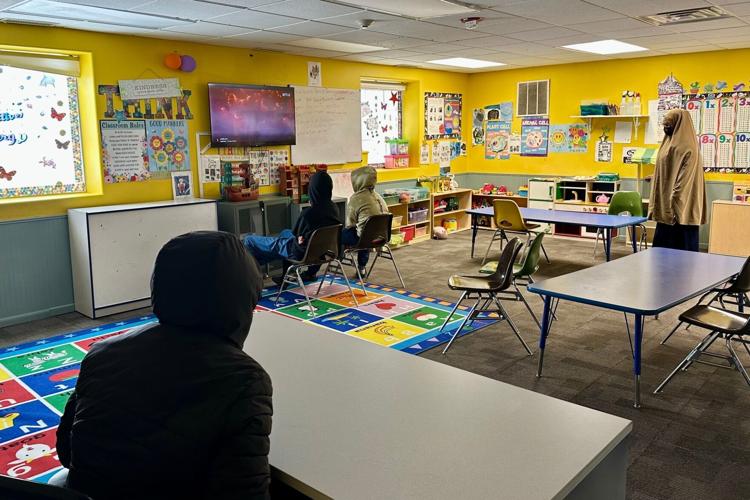


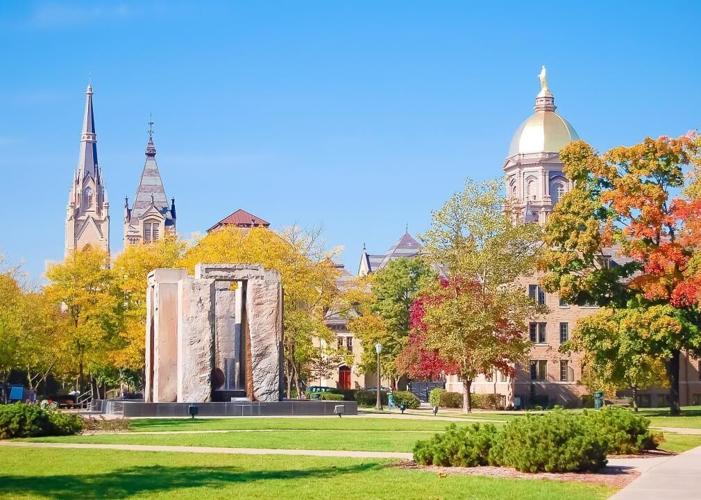
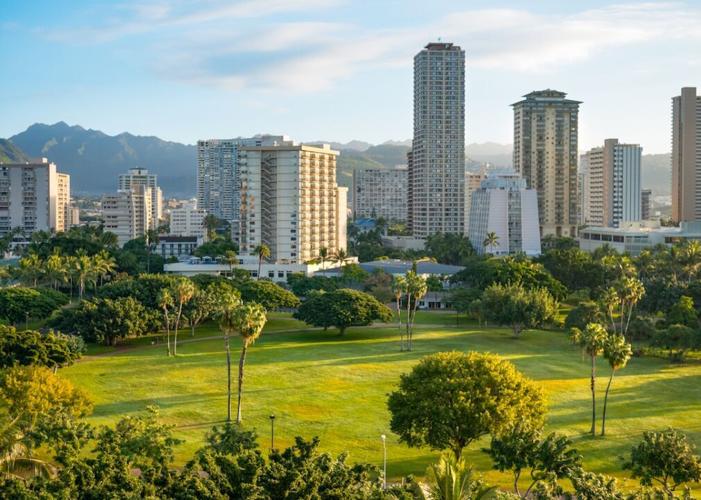

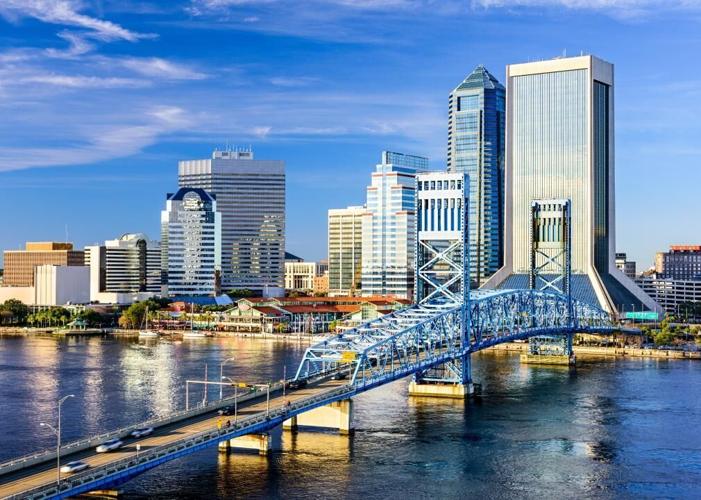
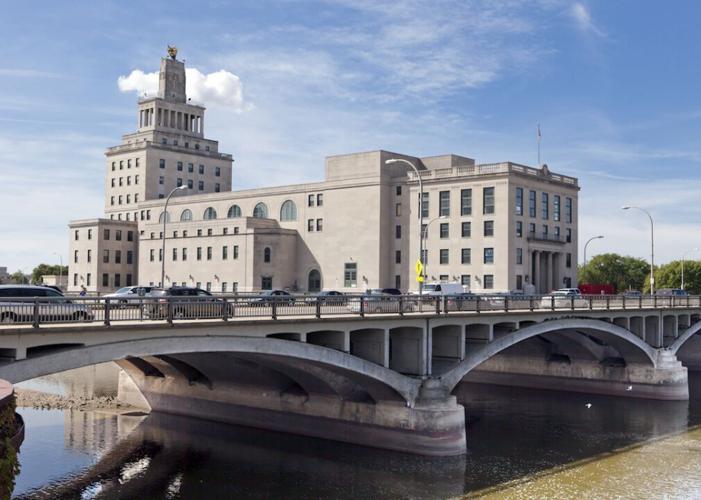

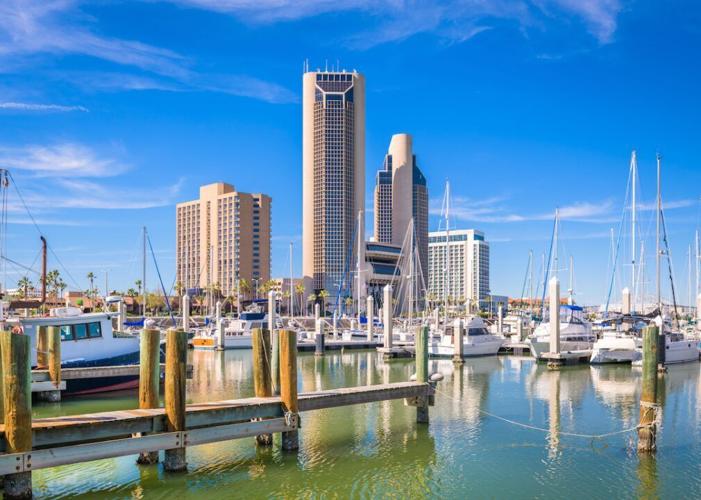
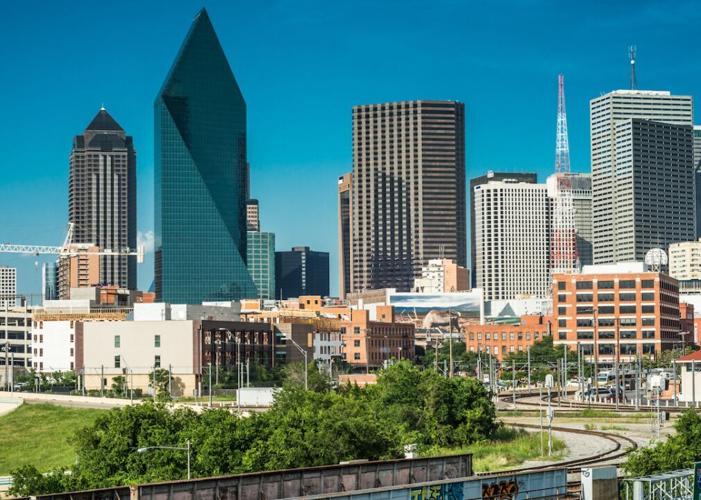
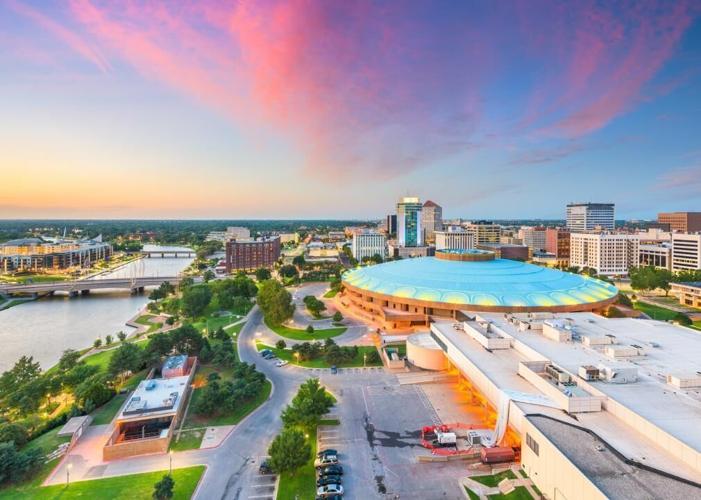
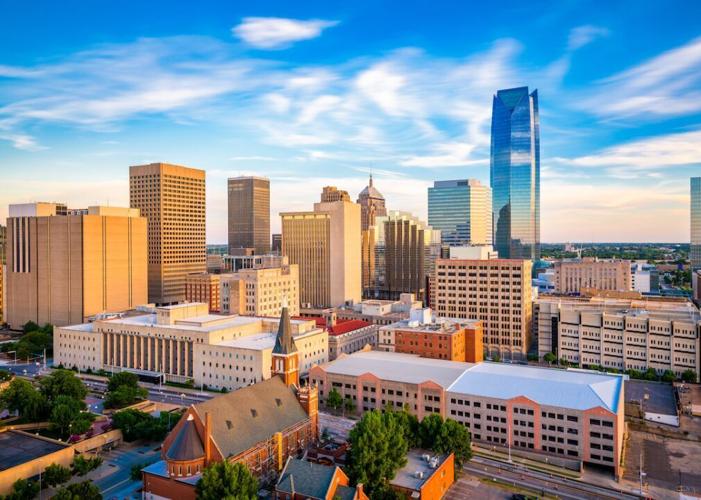

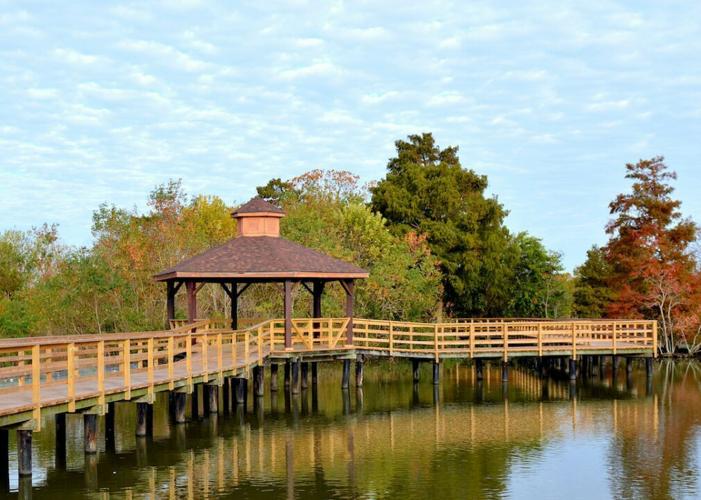

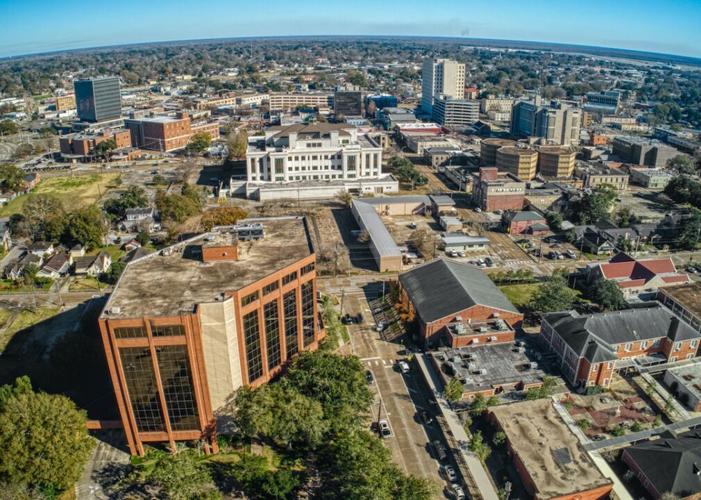
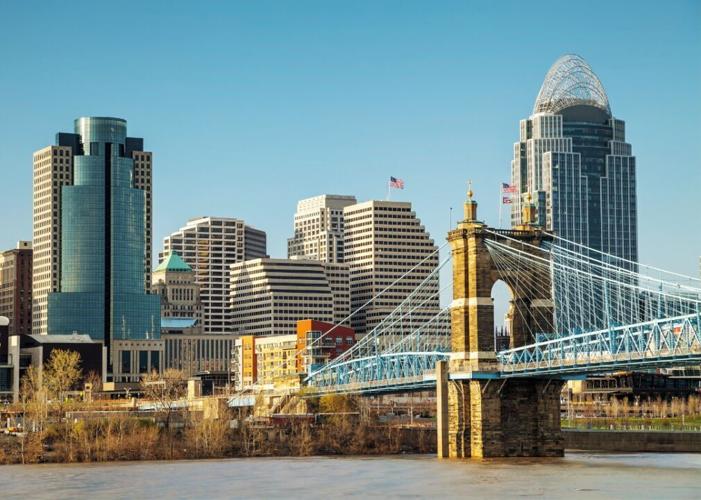

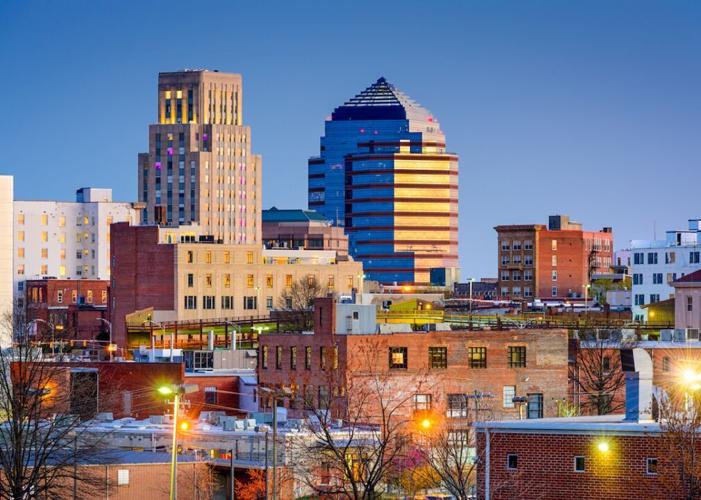
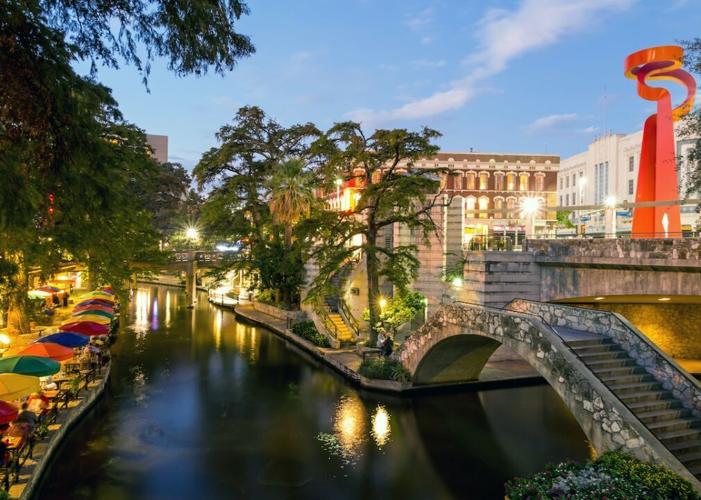
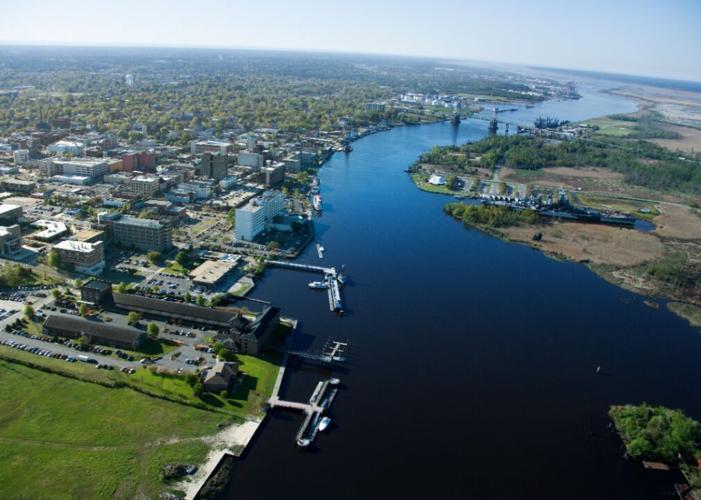
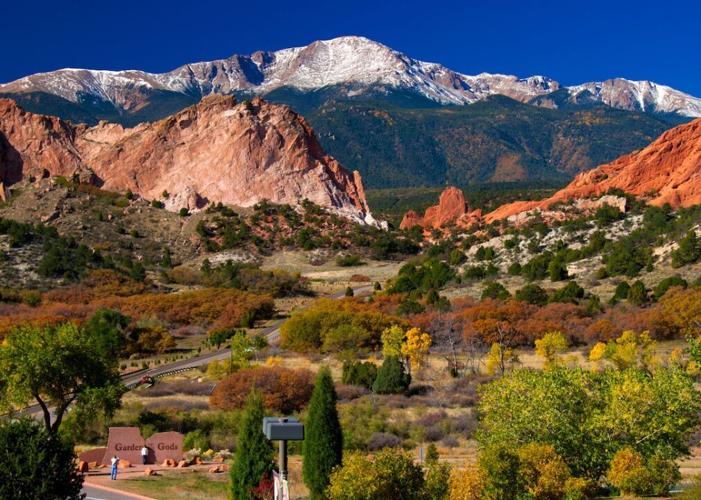
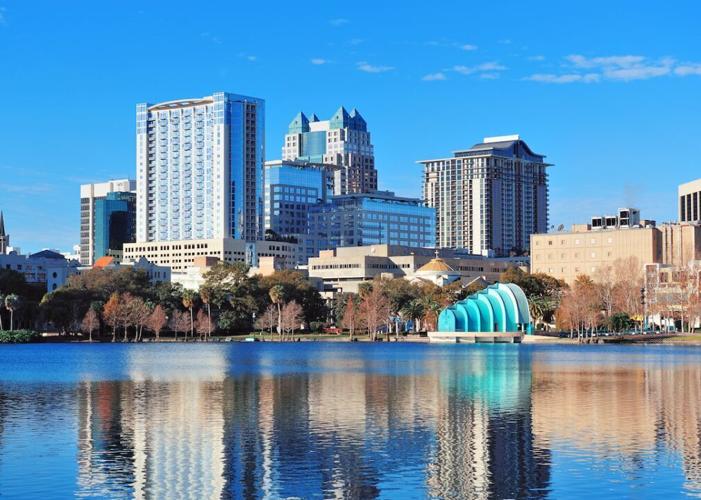
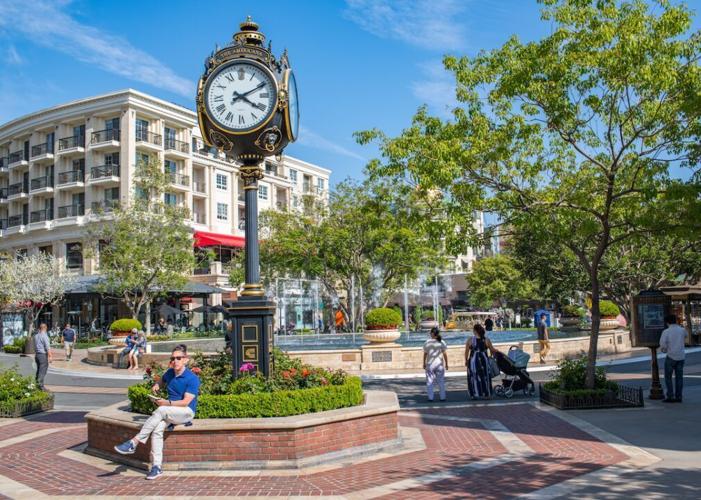
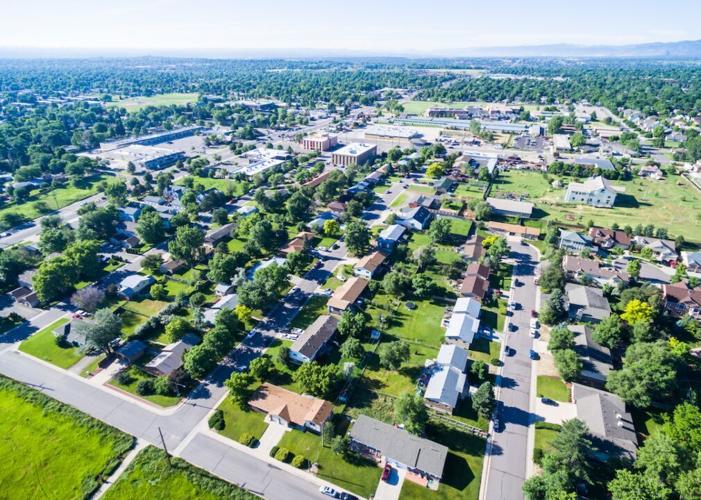
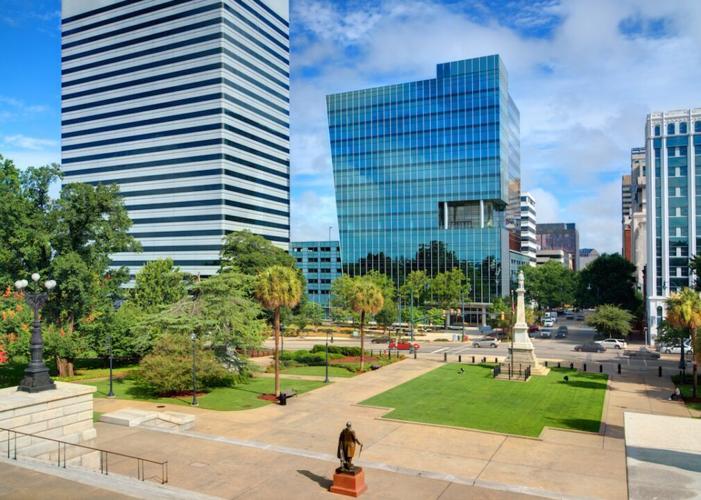
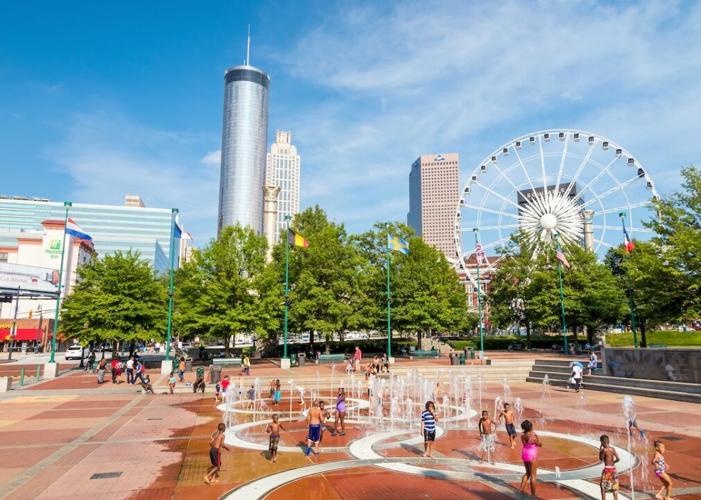
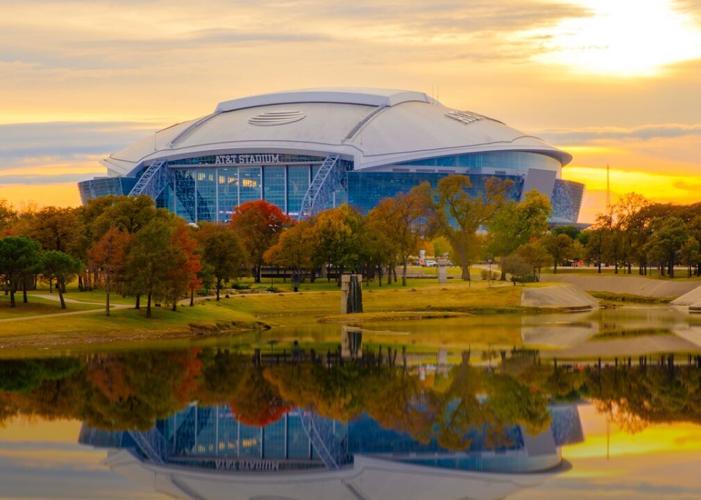
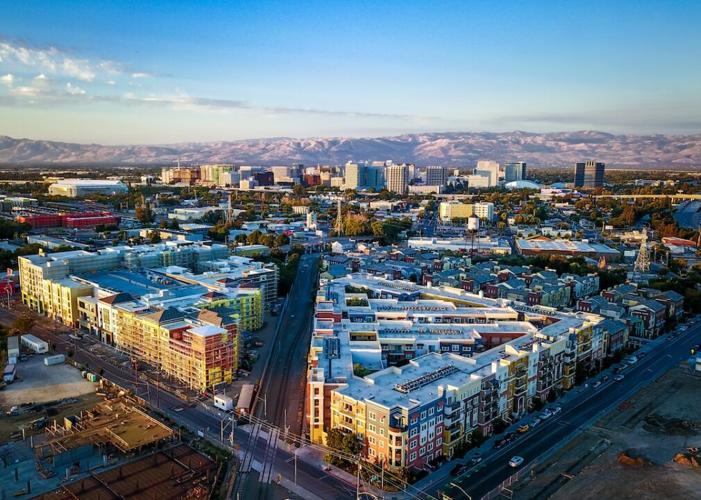
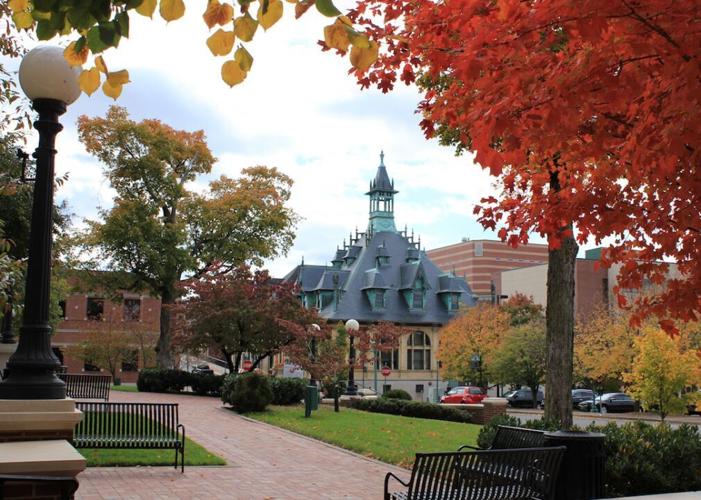
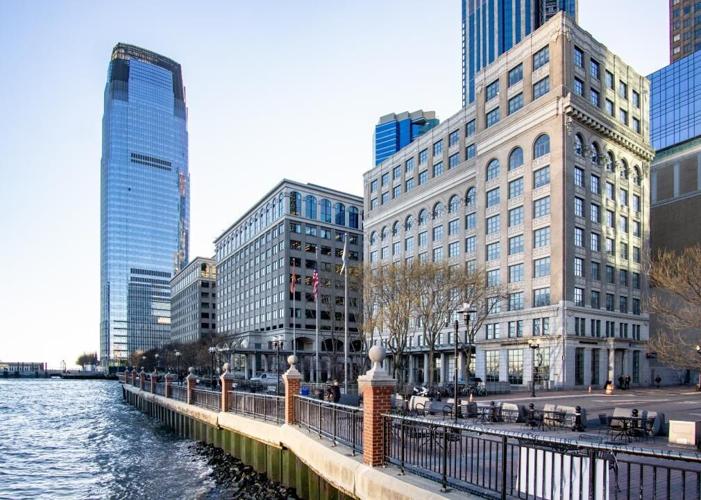


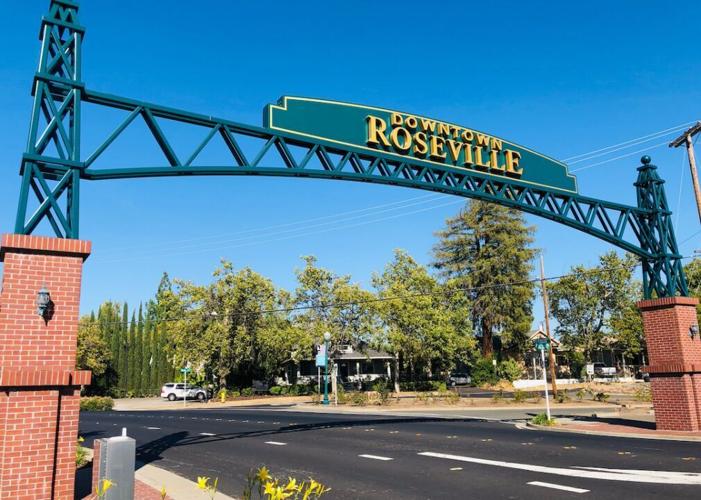
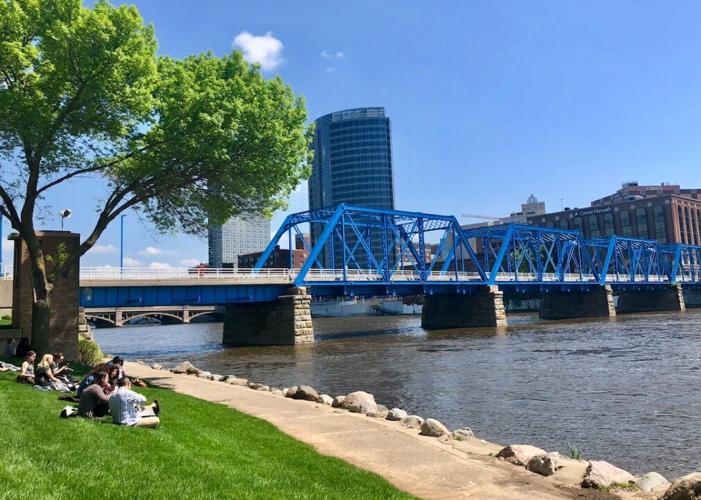
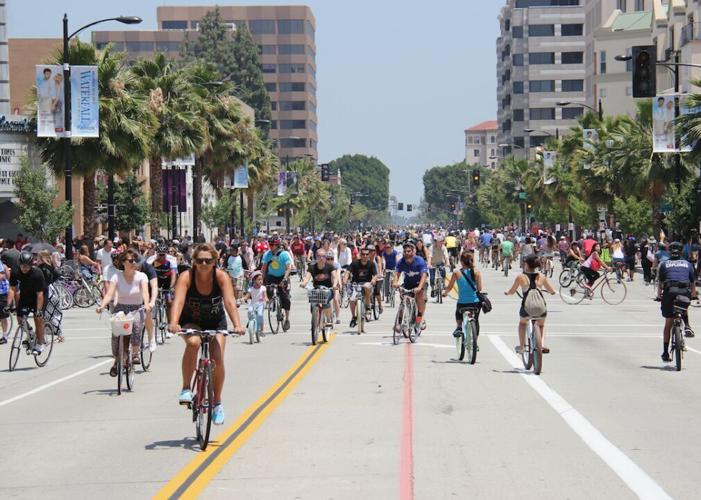

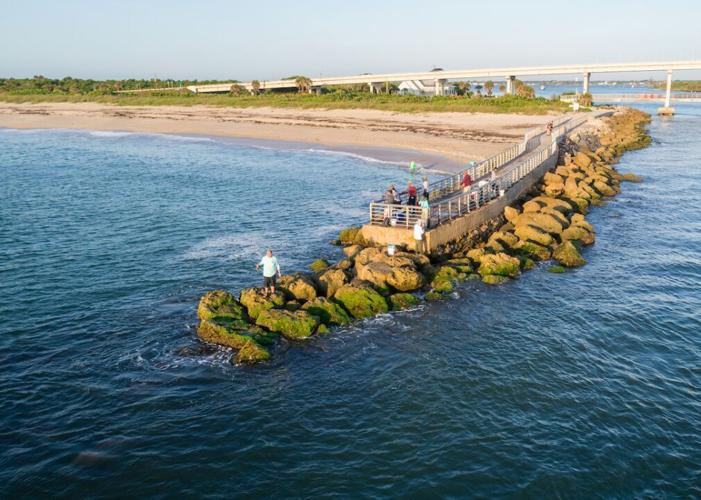
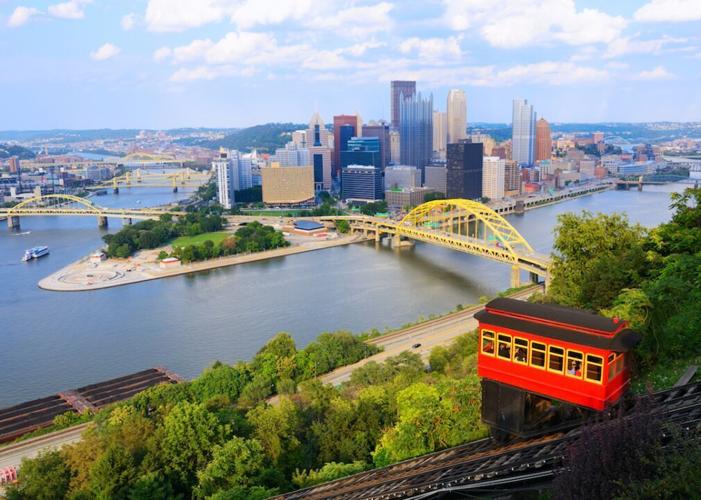
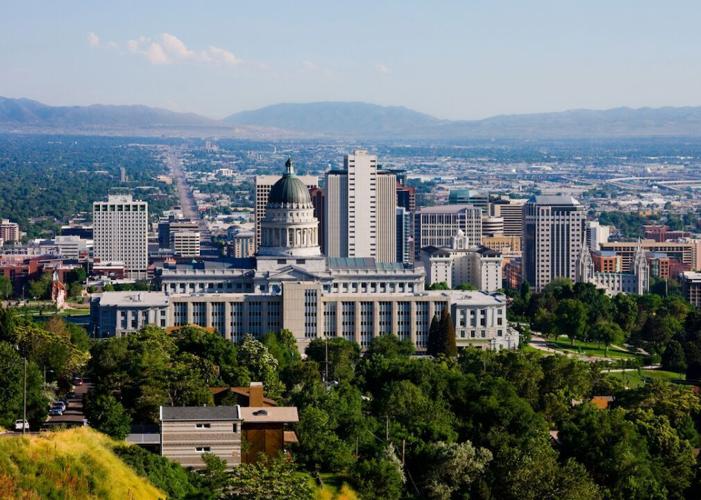

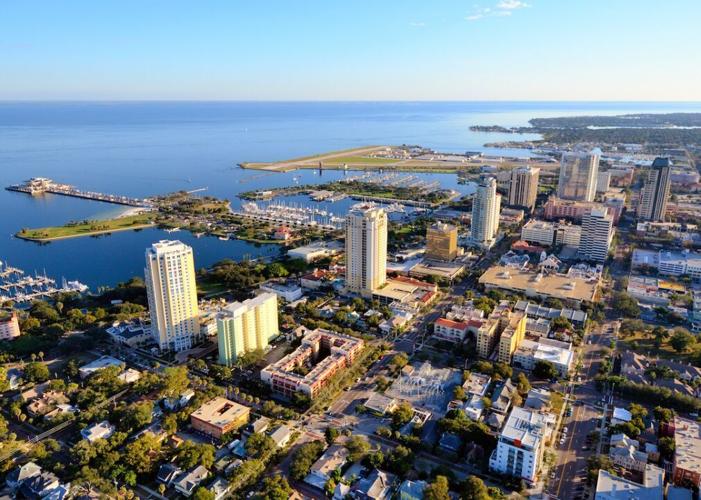
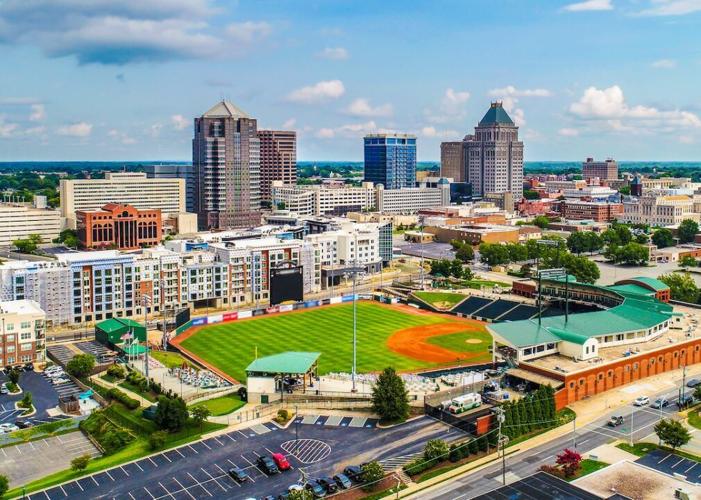
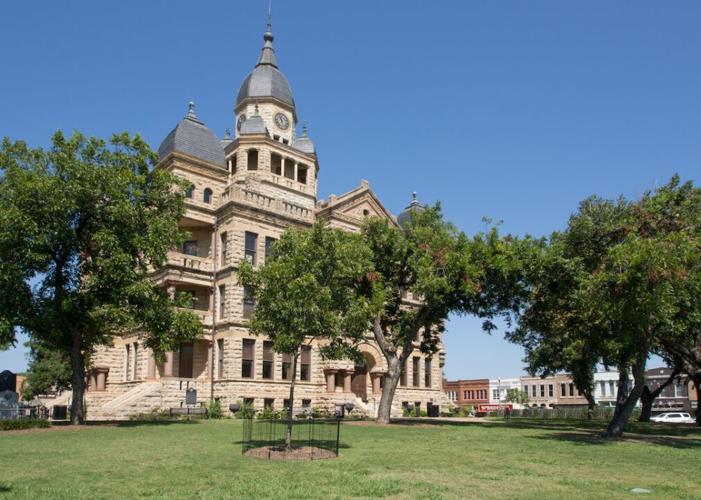
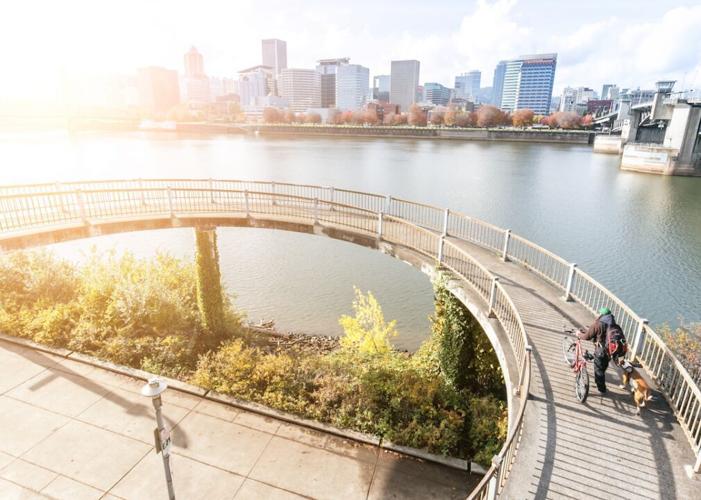
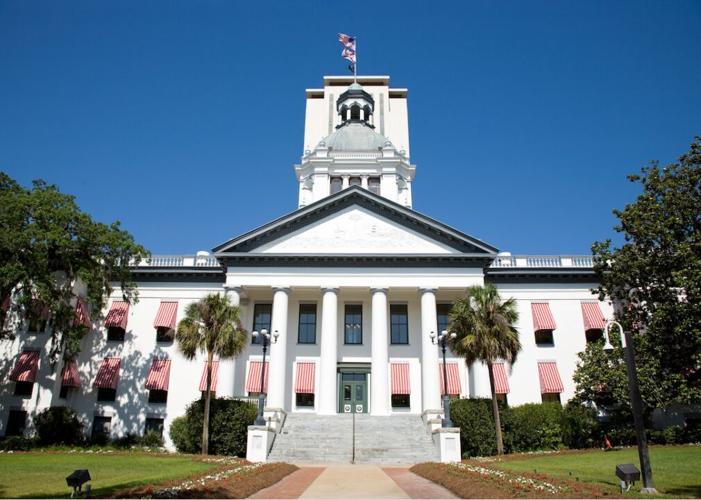
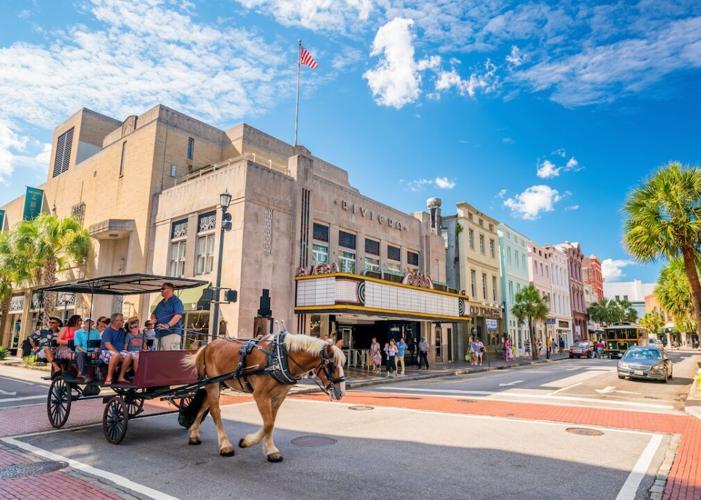


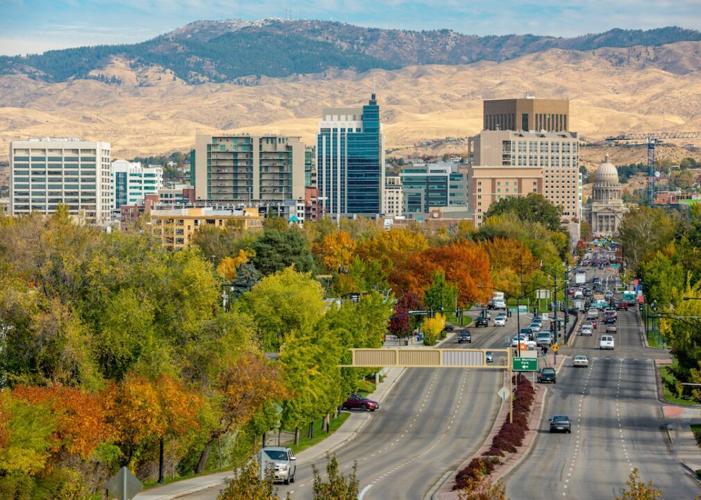
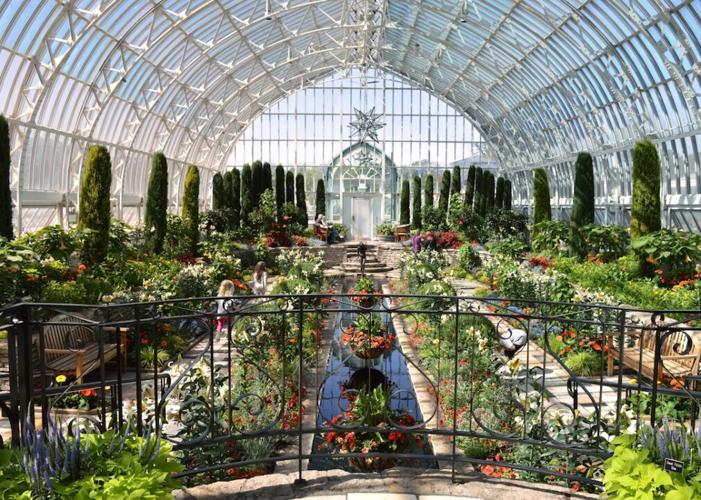
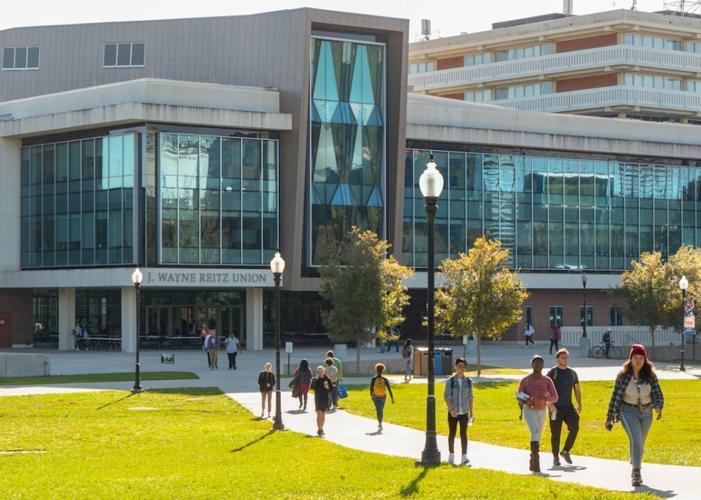
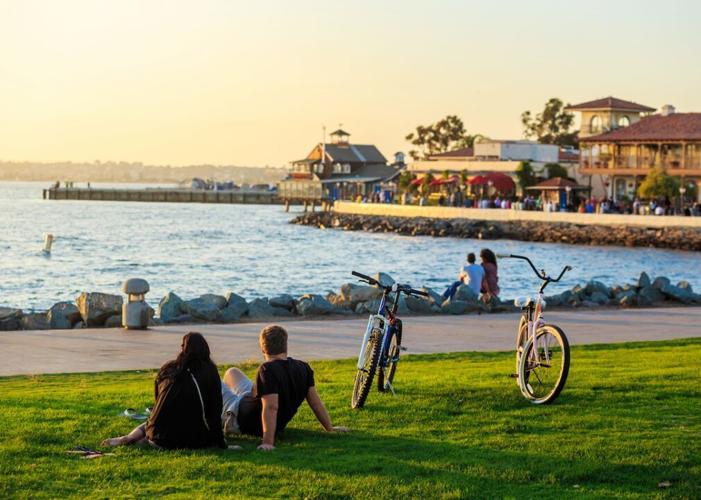
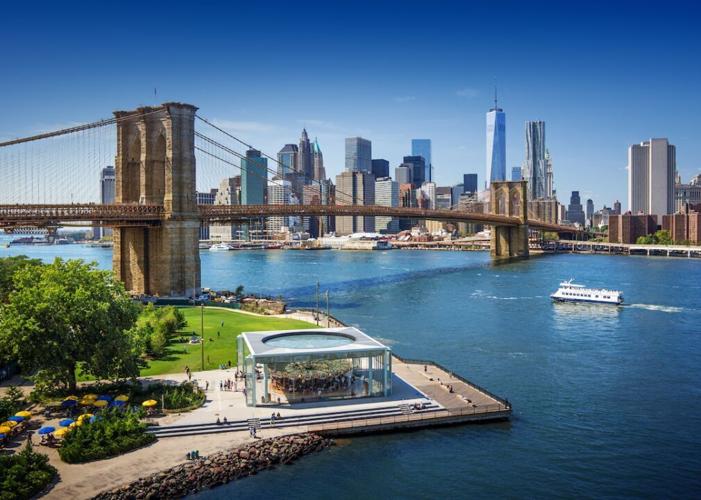
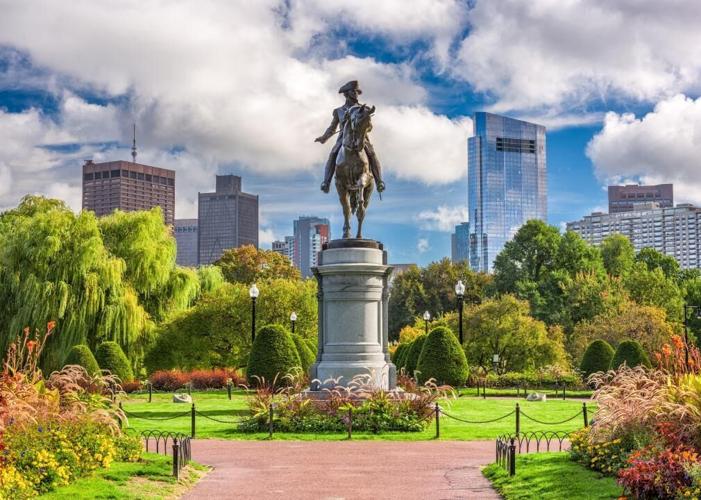

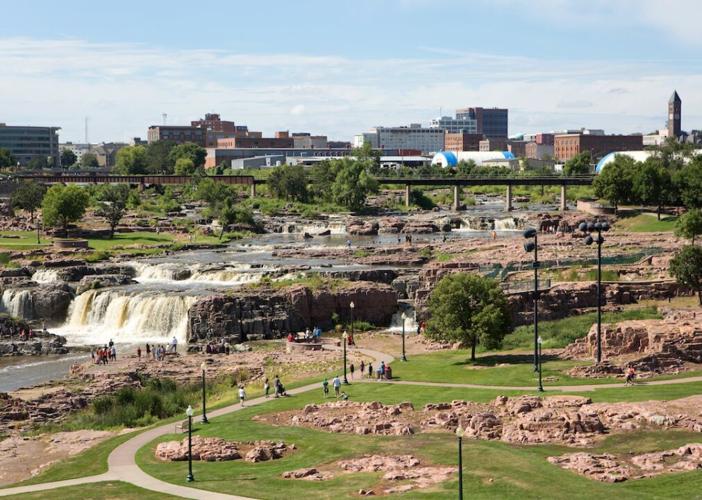
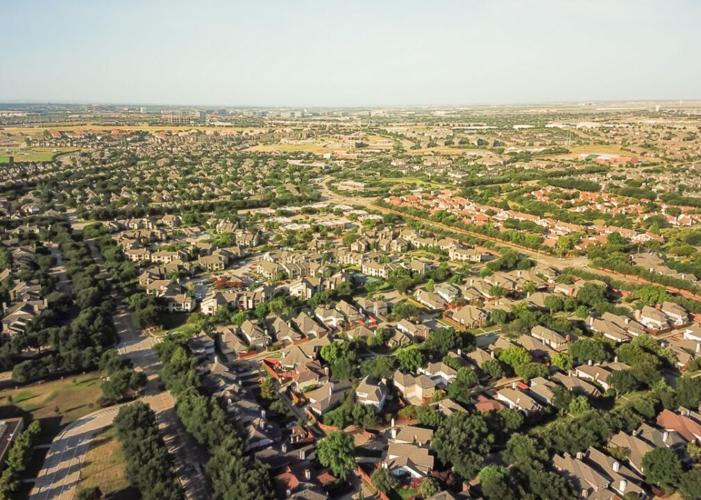

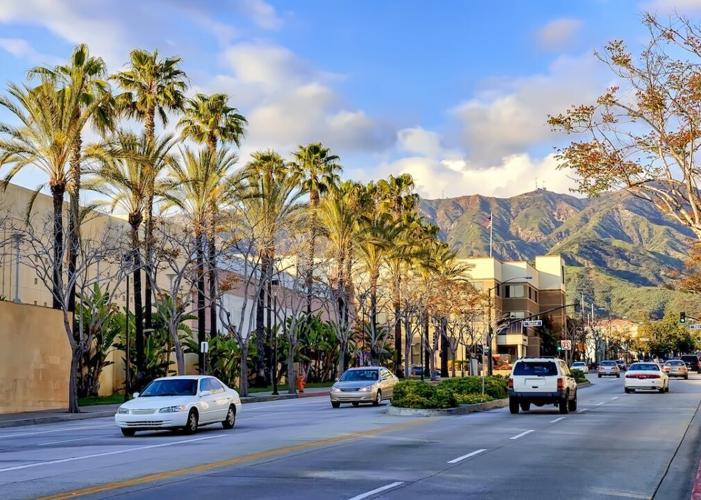
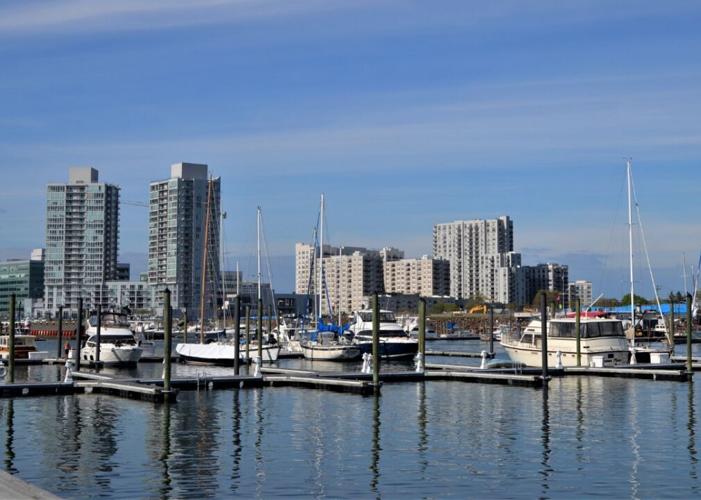
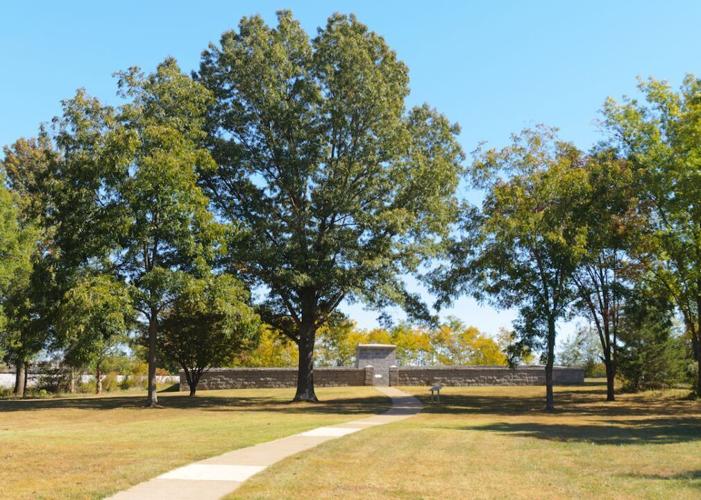
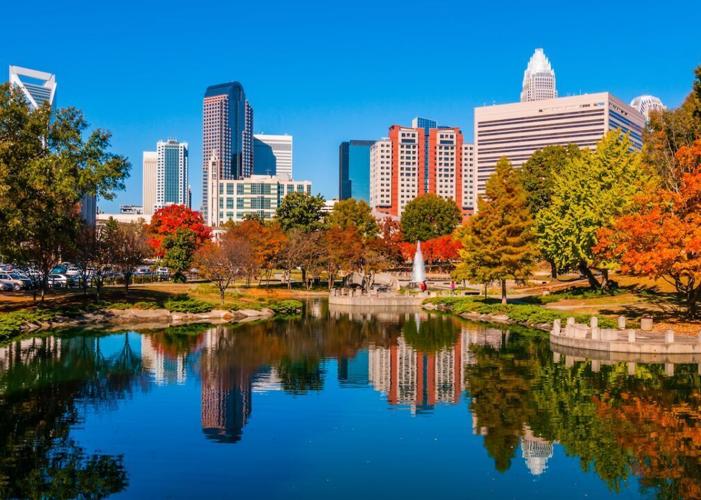
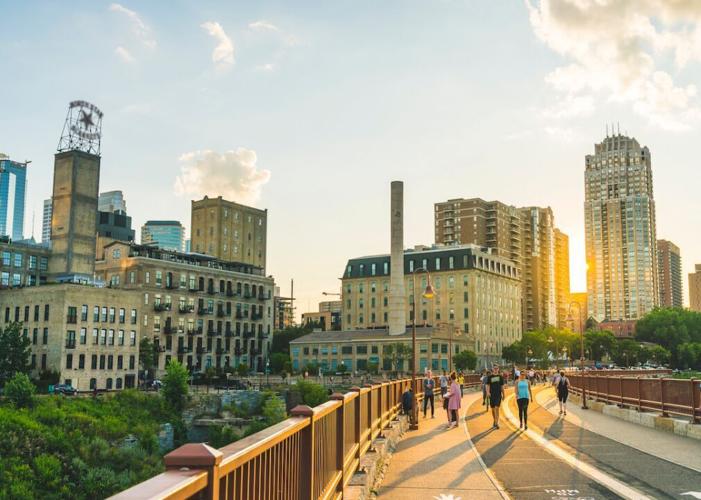
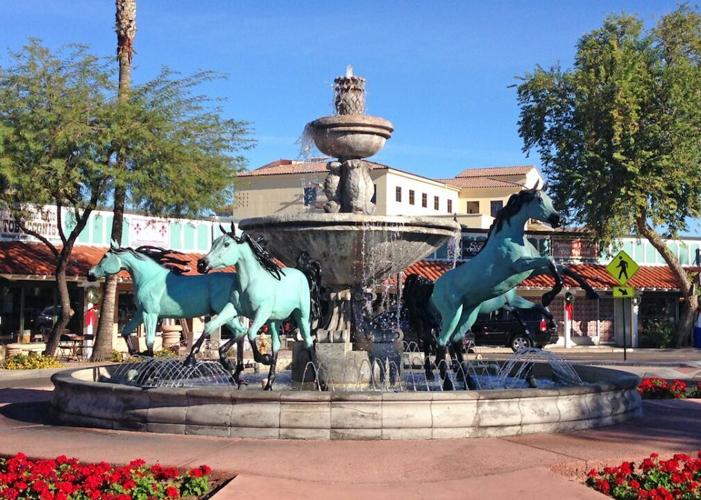


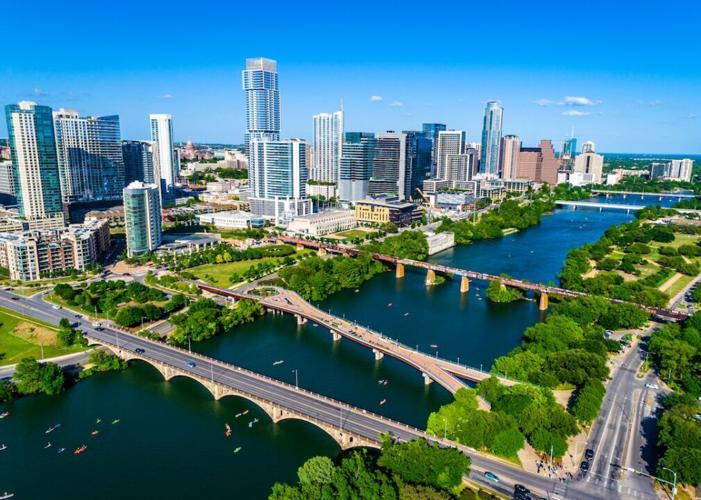

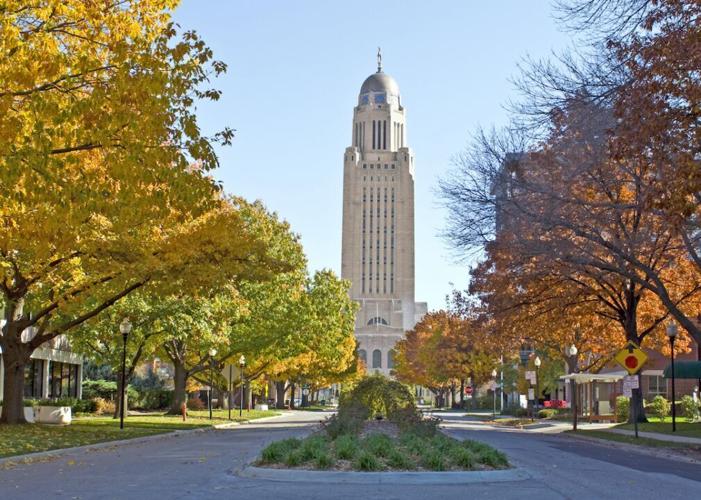
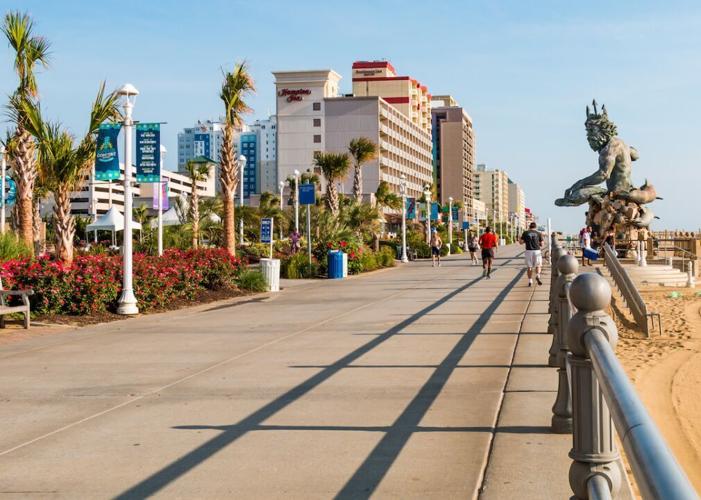
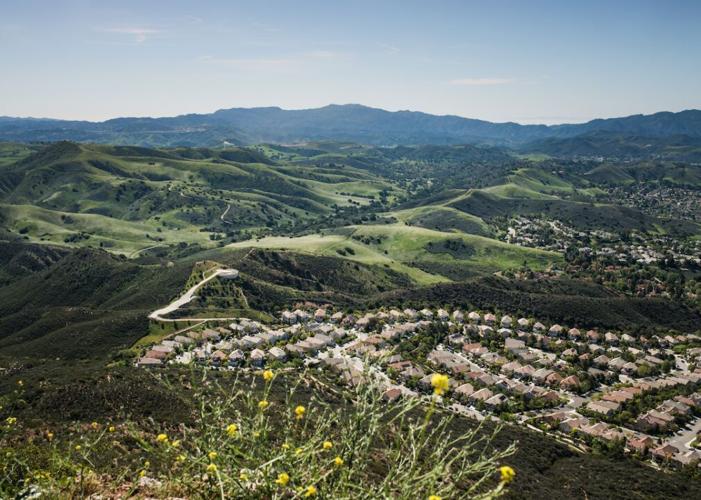
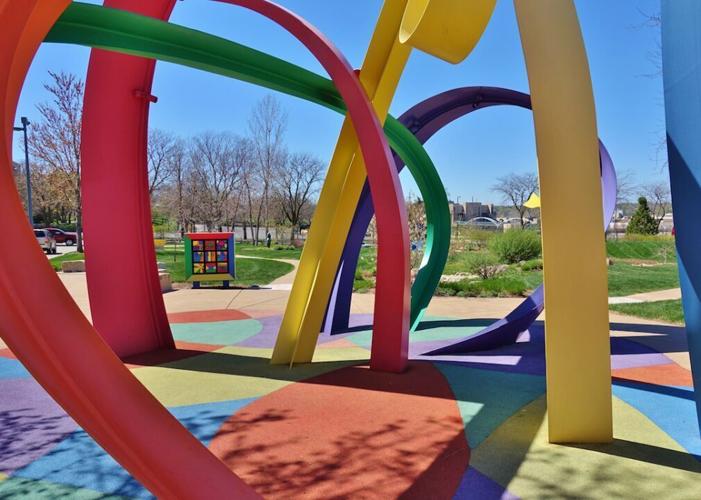
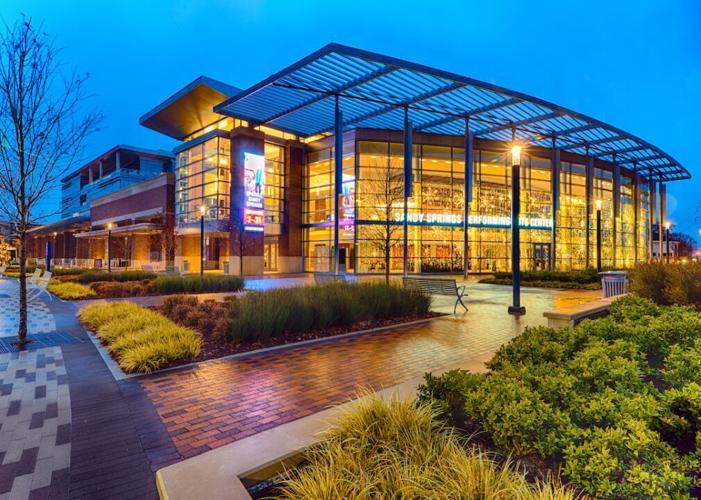
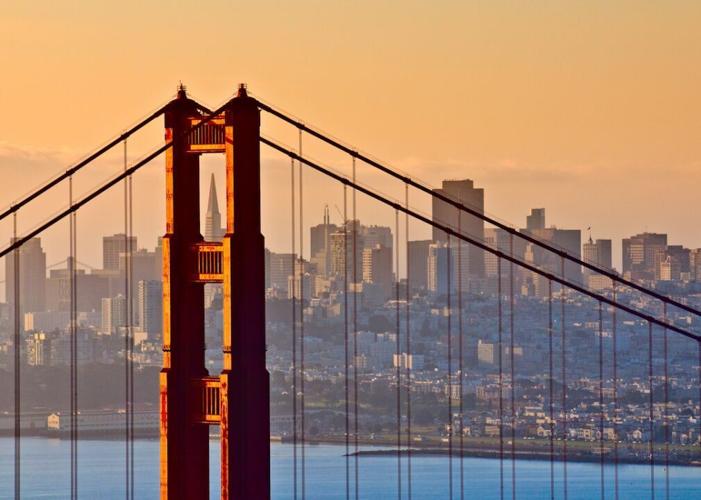
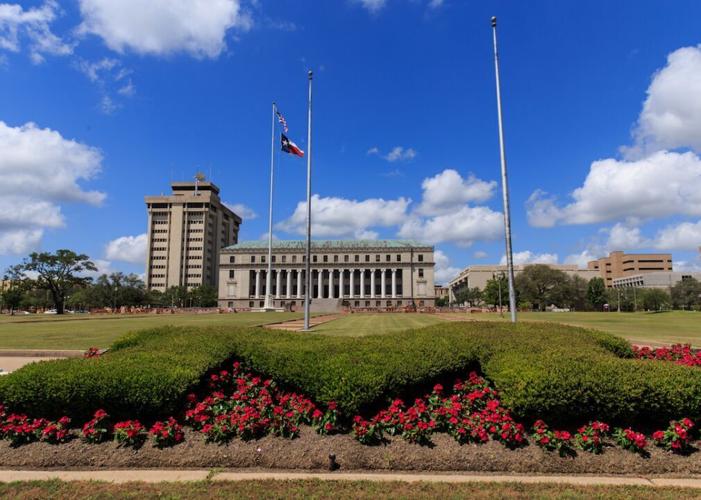
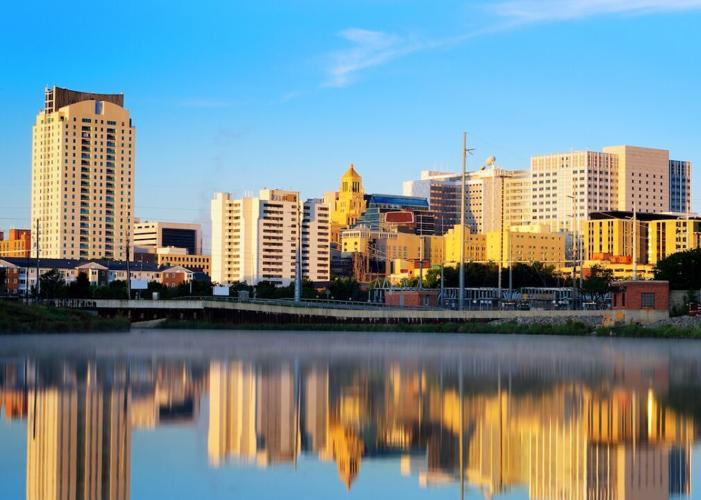
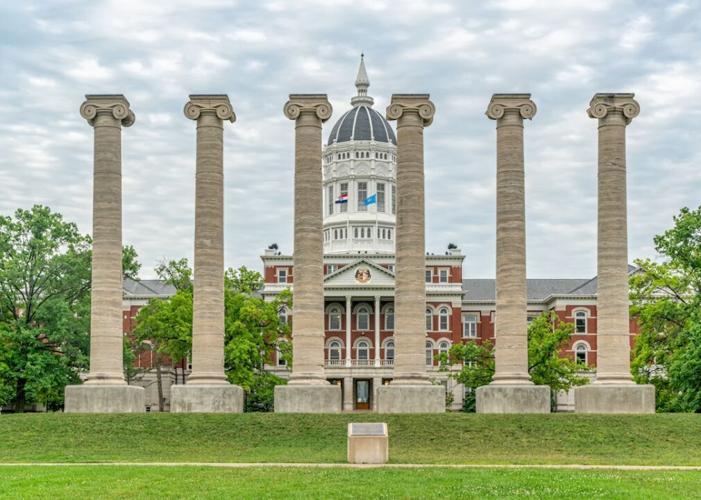
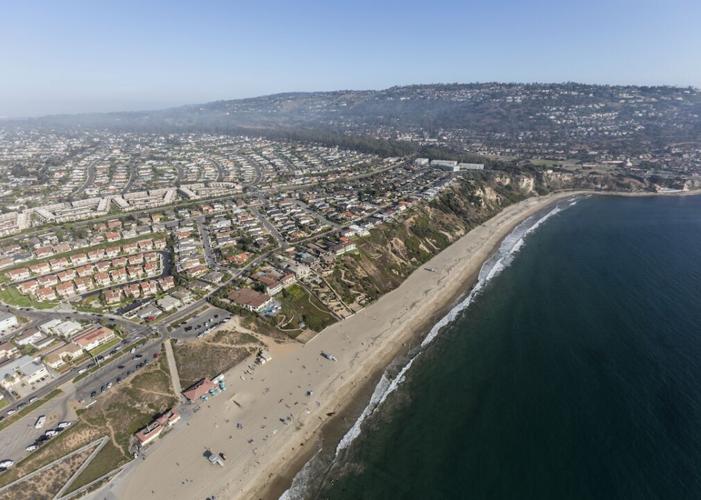
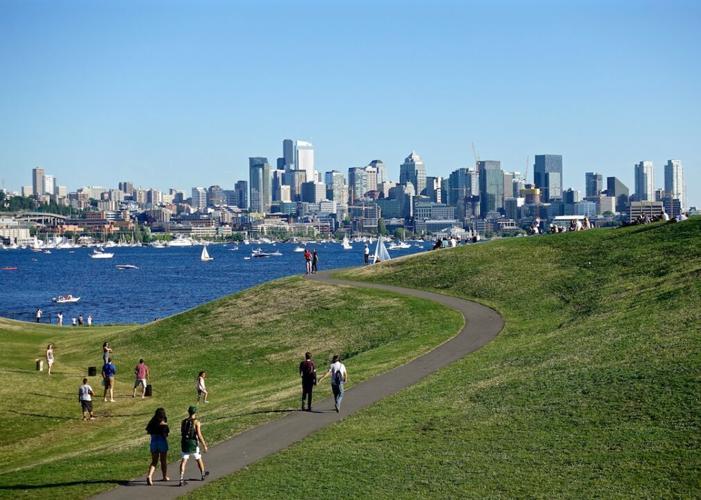
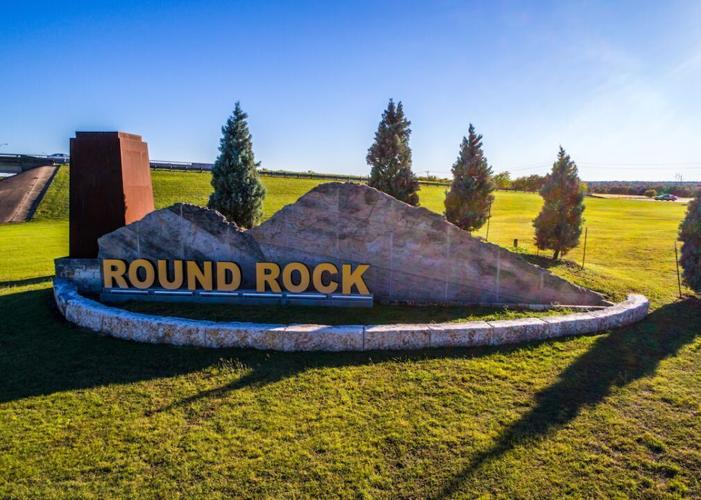


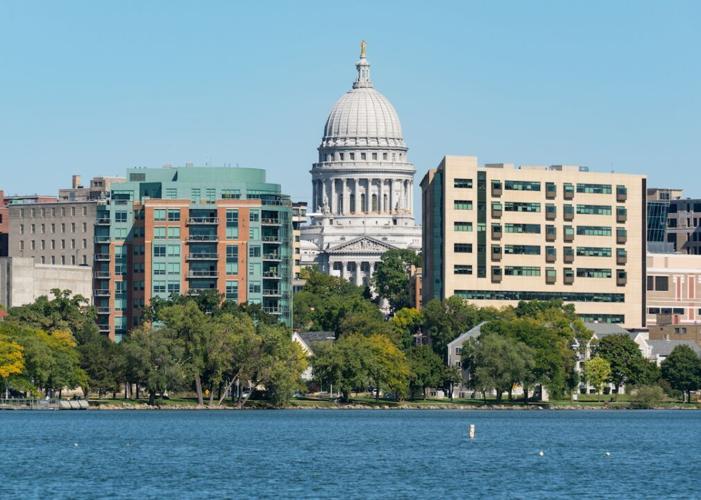

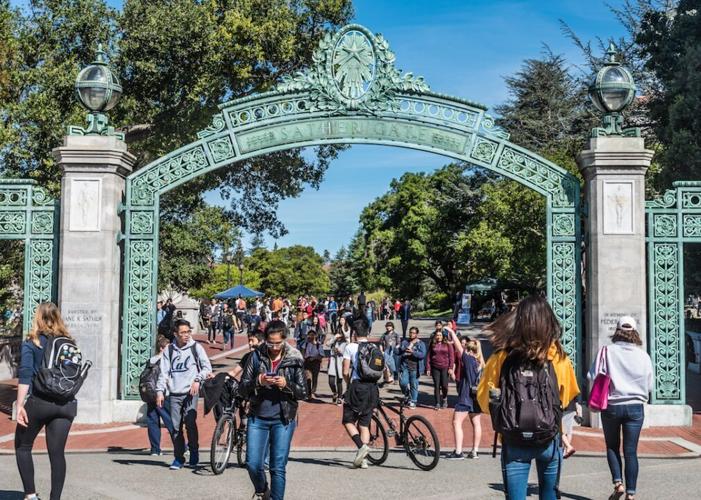

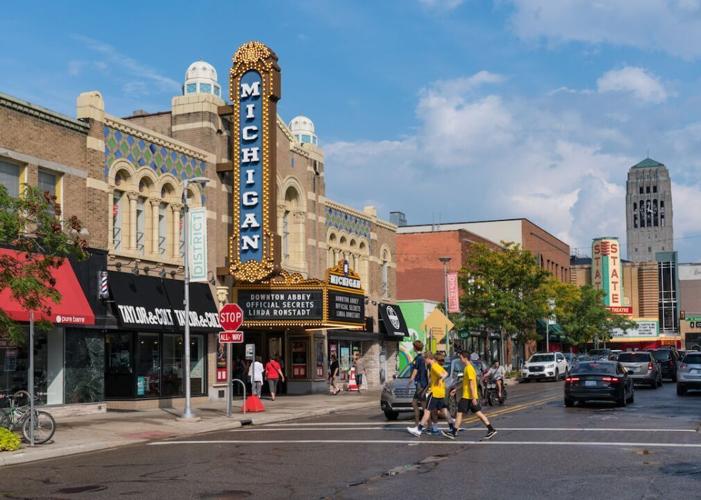
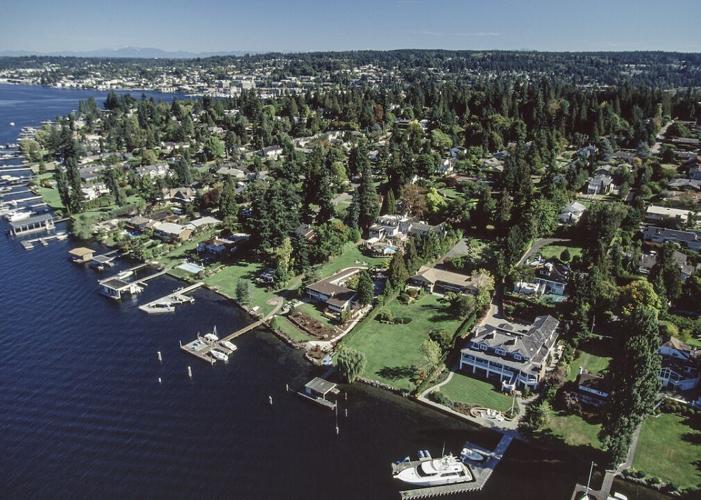
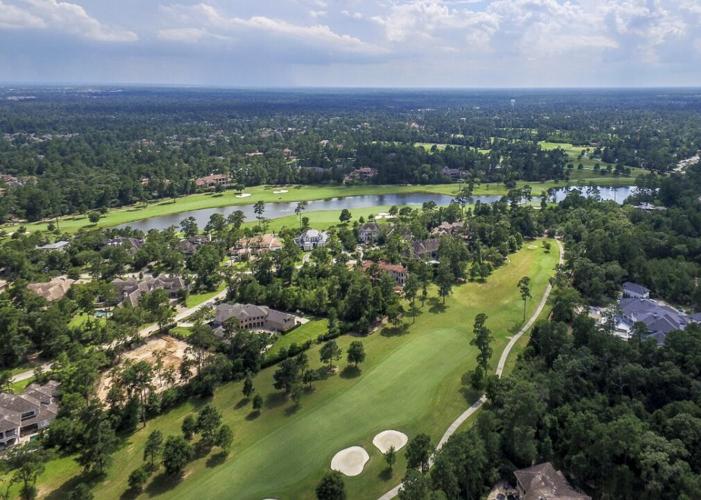
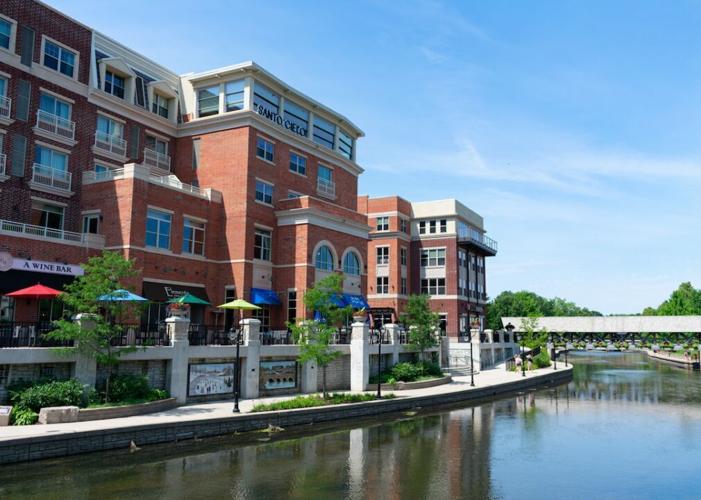


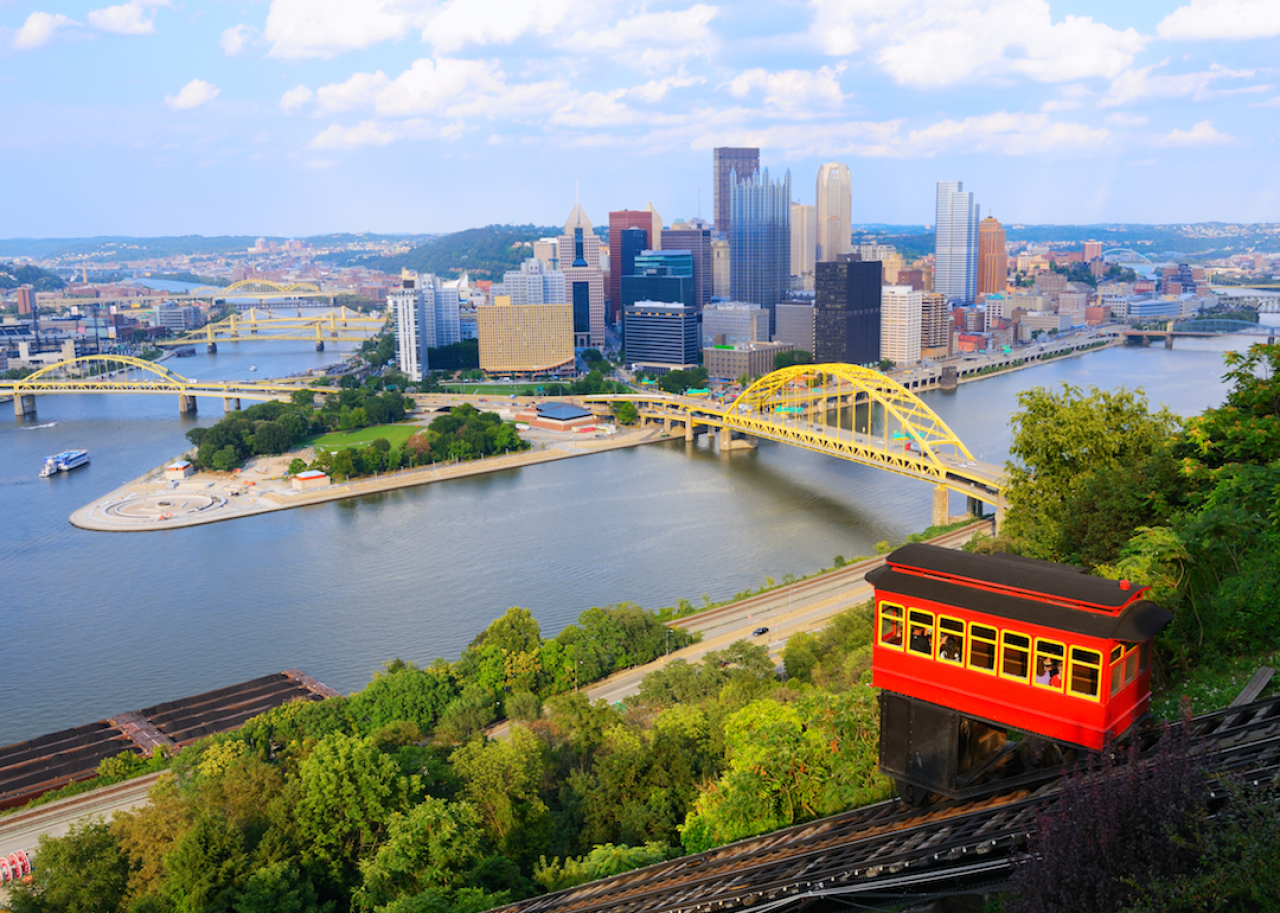 ESB Professional // Shutterstock
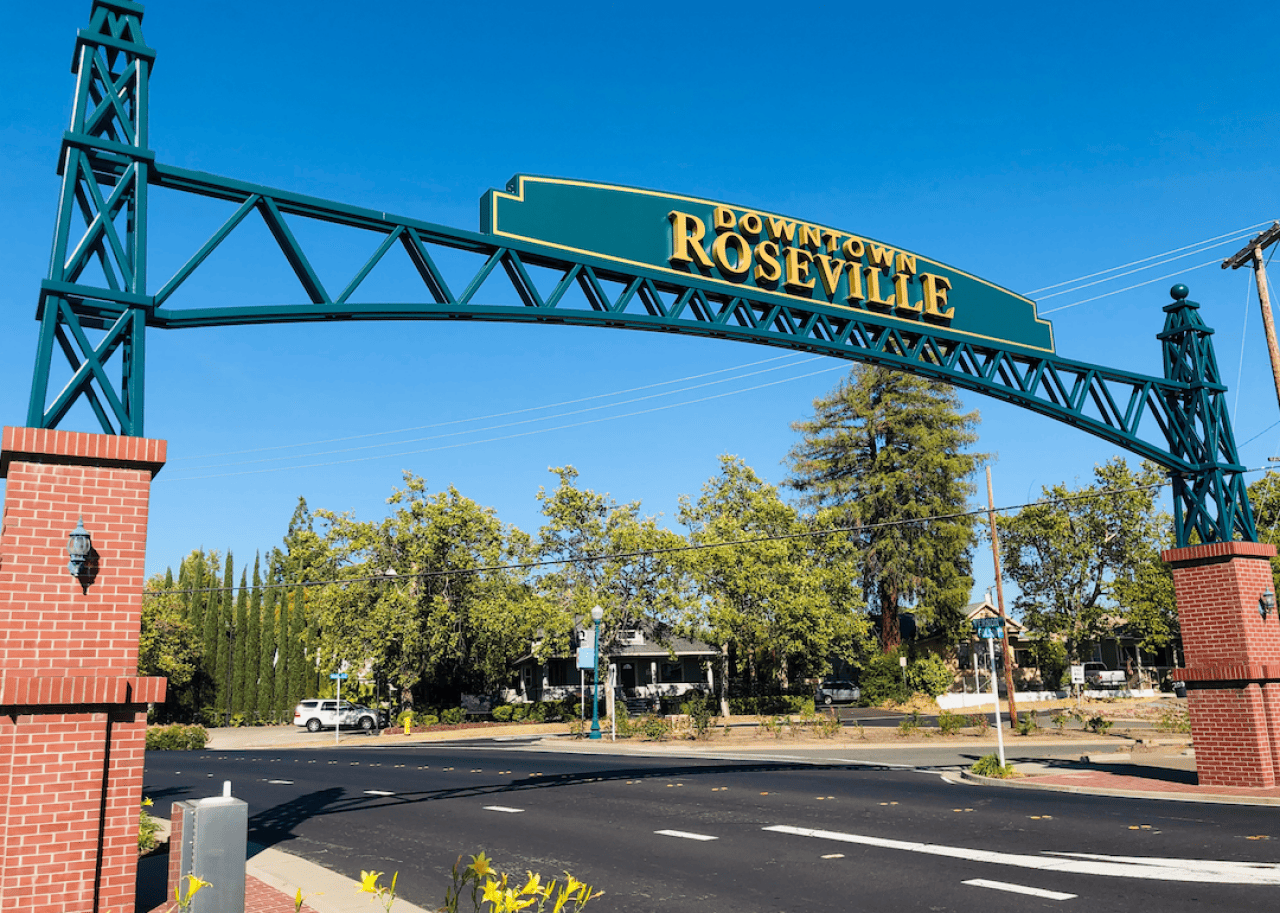 ZikG // Shutterstock
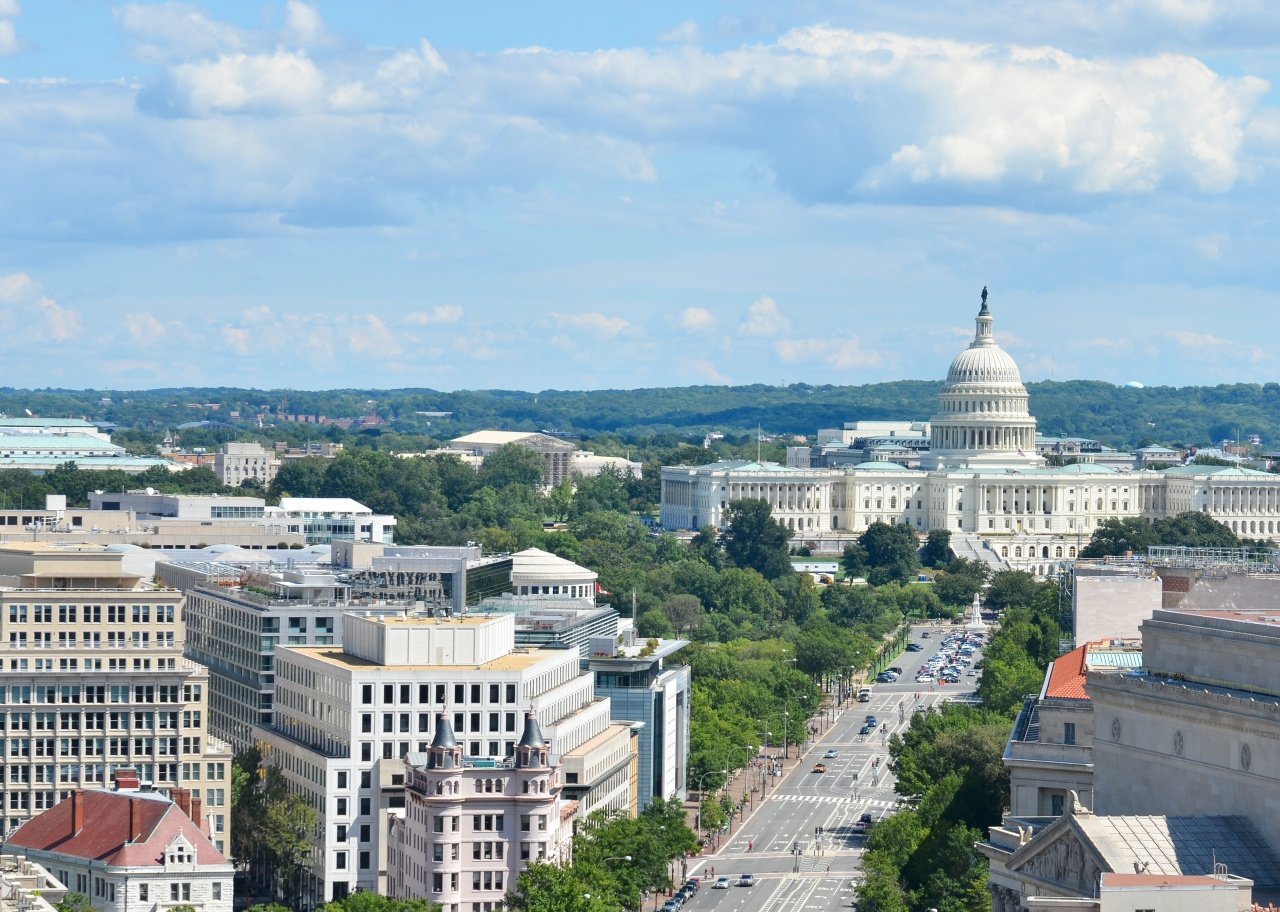 Orhan Cam // Shutterstock
 Time Stood Still Photo // Shutterstock
 Leigh Trail // Shutterstock
 Steven Frame // Shutterstock
 IM_photo // Shutterstock
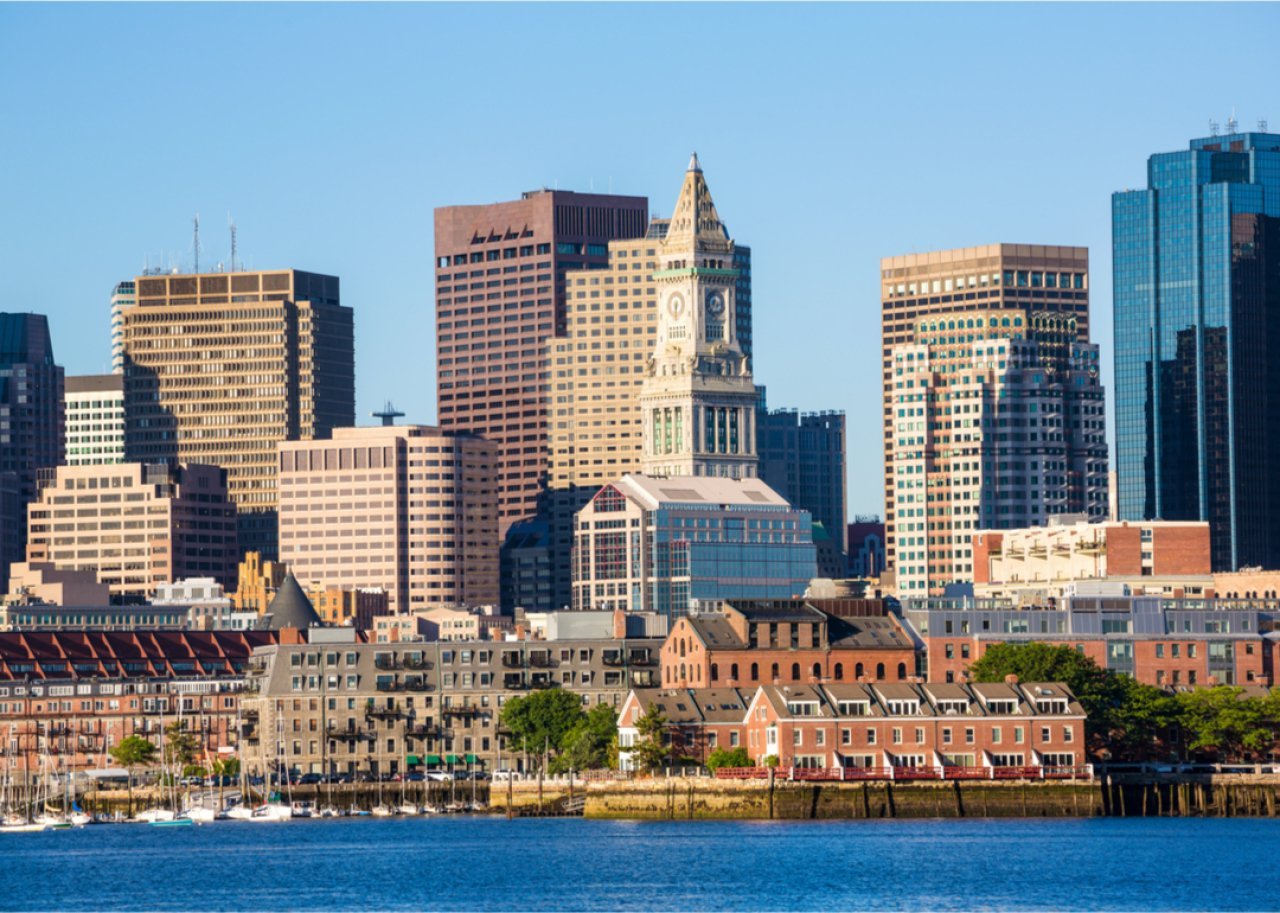 lunamarina // Shutterstock
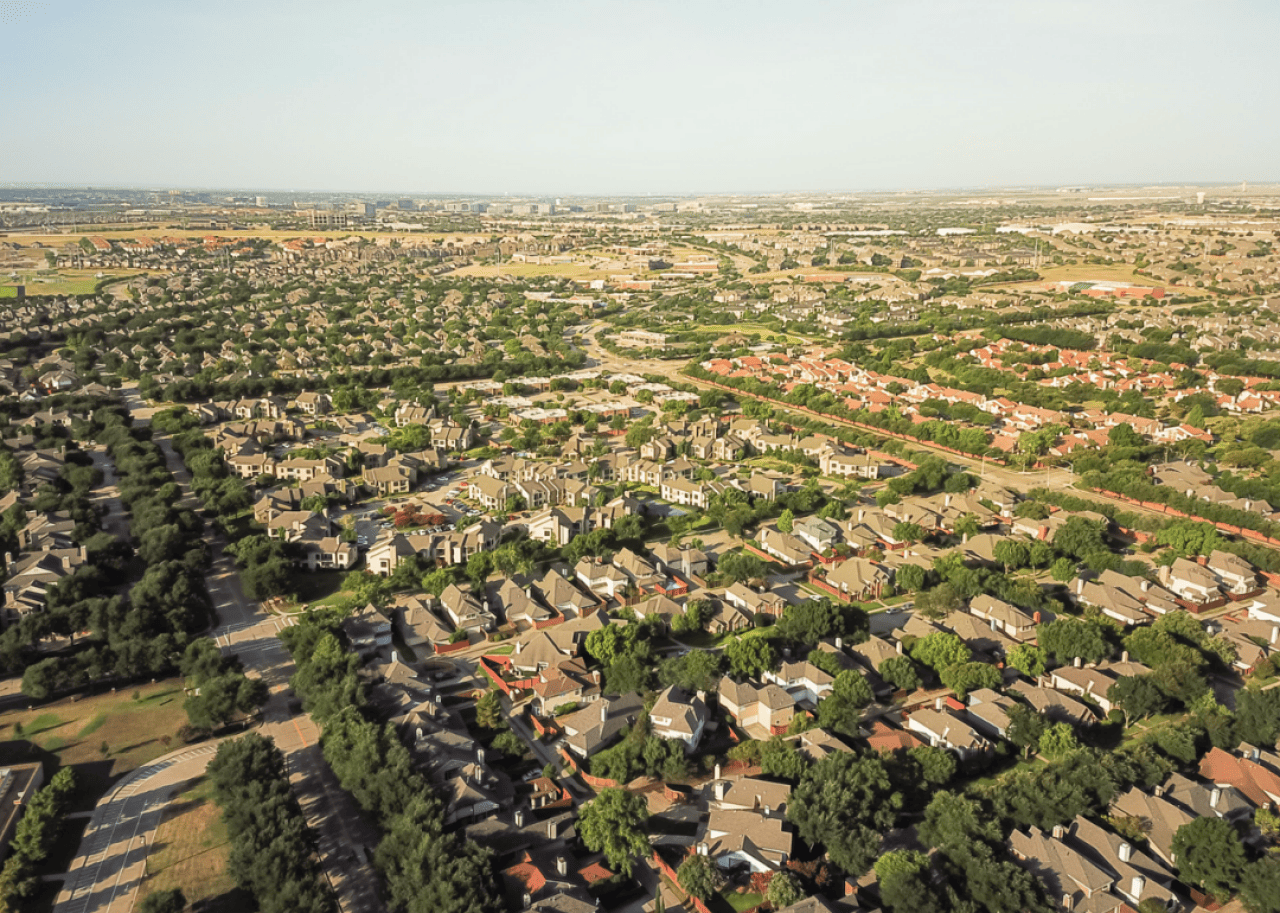 Trong Nguyen // Shutterstock
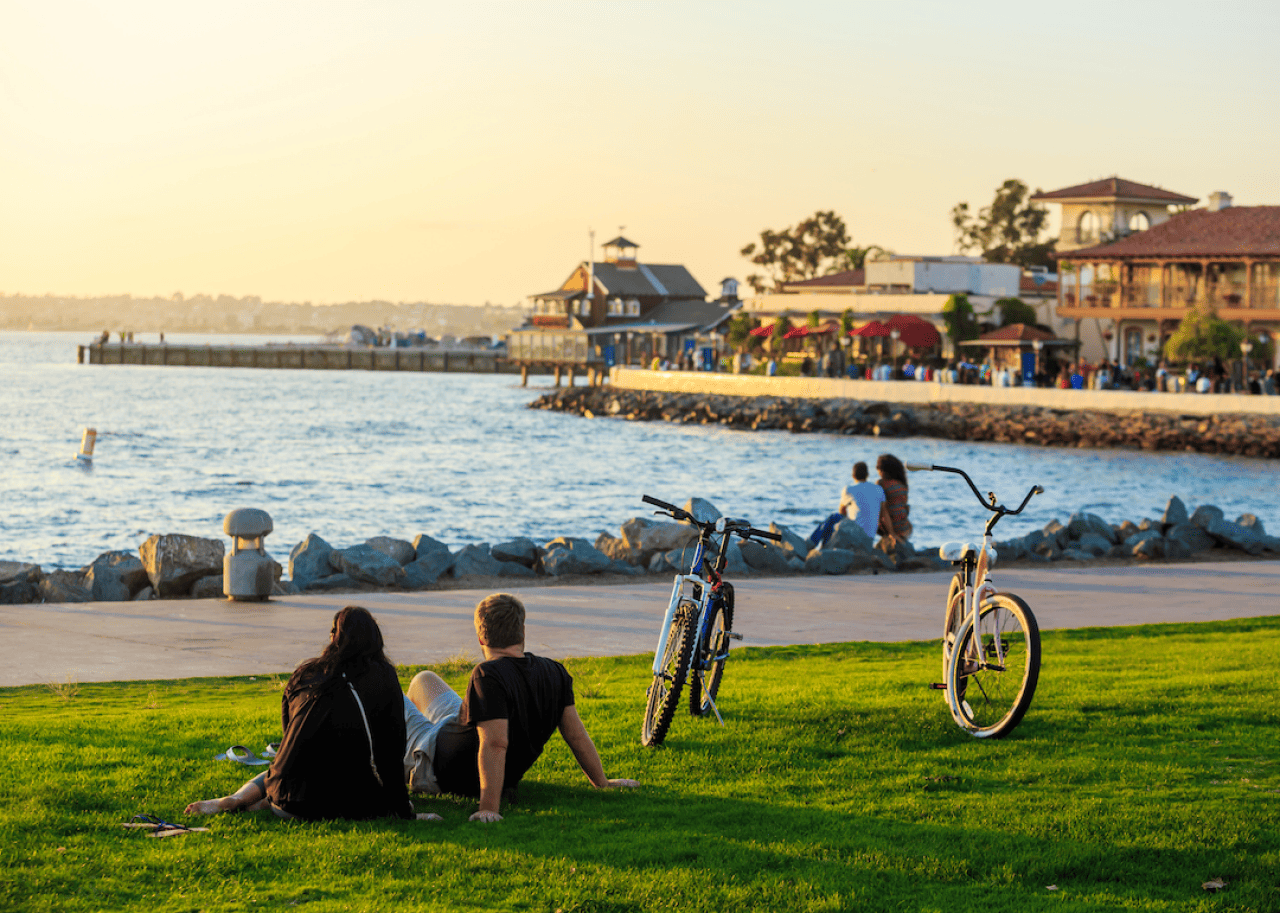 f11photo // Shutterstock
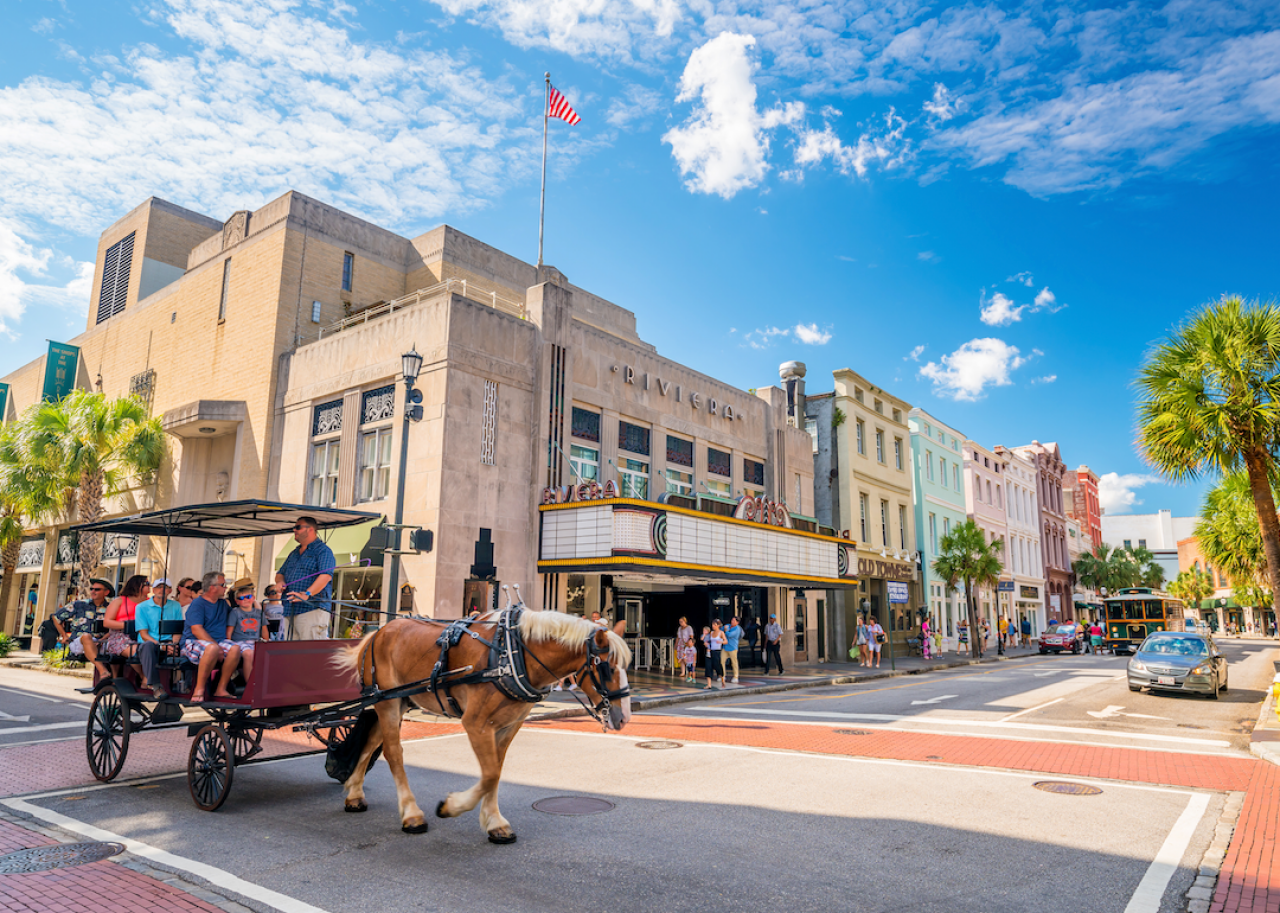 f11photo // Shutterstock
 javarman // Shutterstock
 marekuliasz // Shutterstock
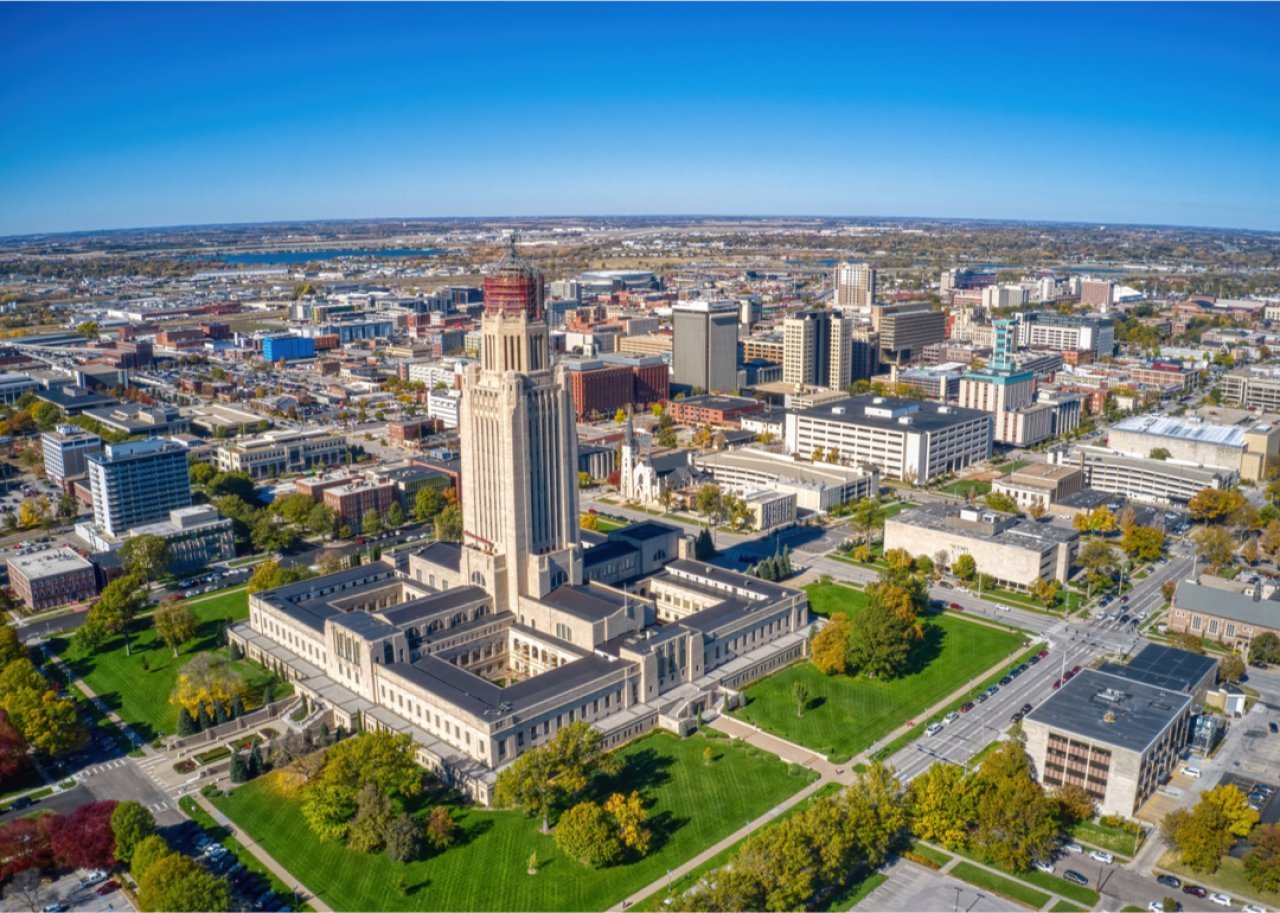 Jacob Boomsma // Shutterstock
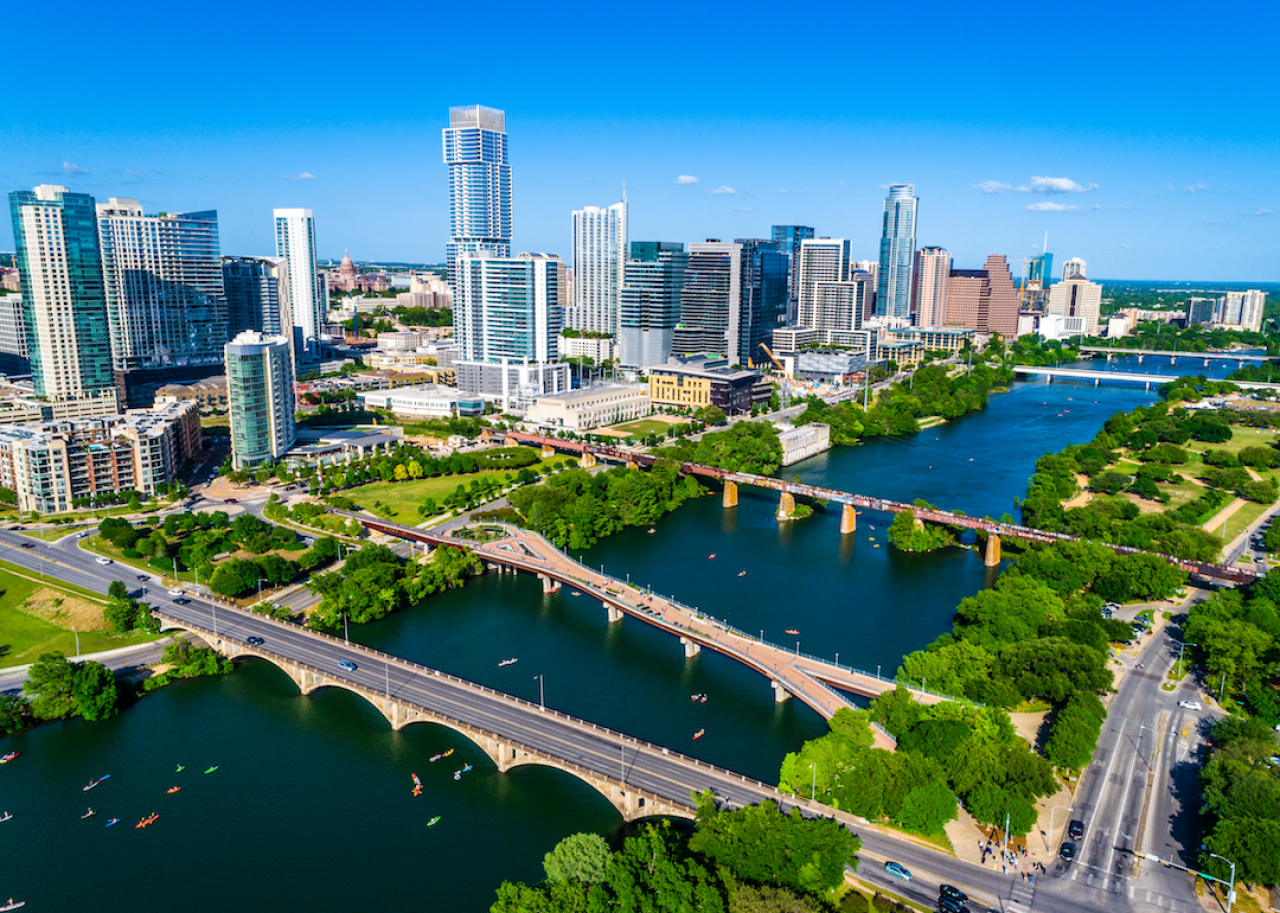 Roschetzky Photography // Shutterstock
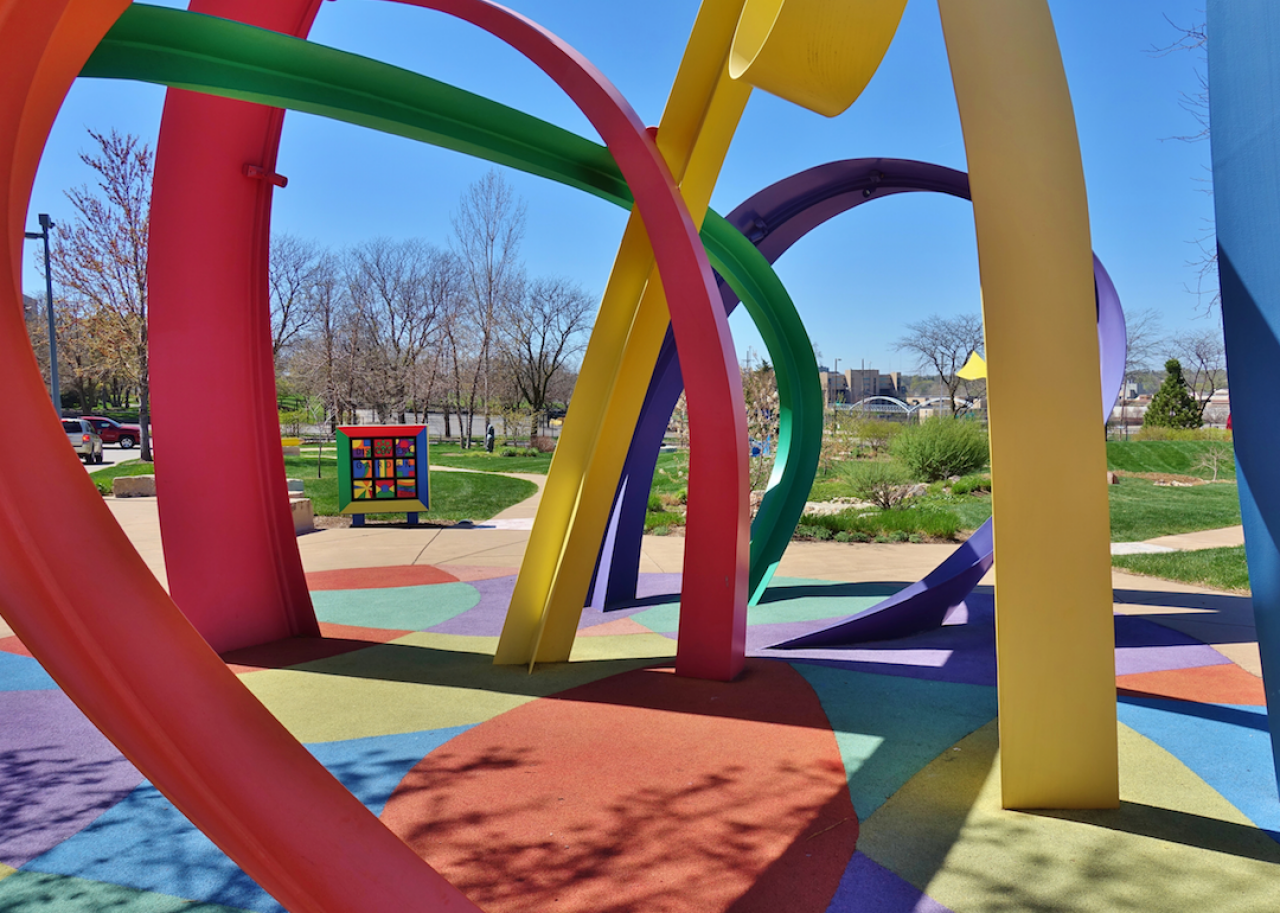 EQRoy // Shutterstock
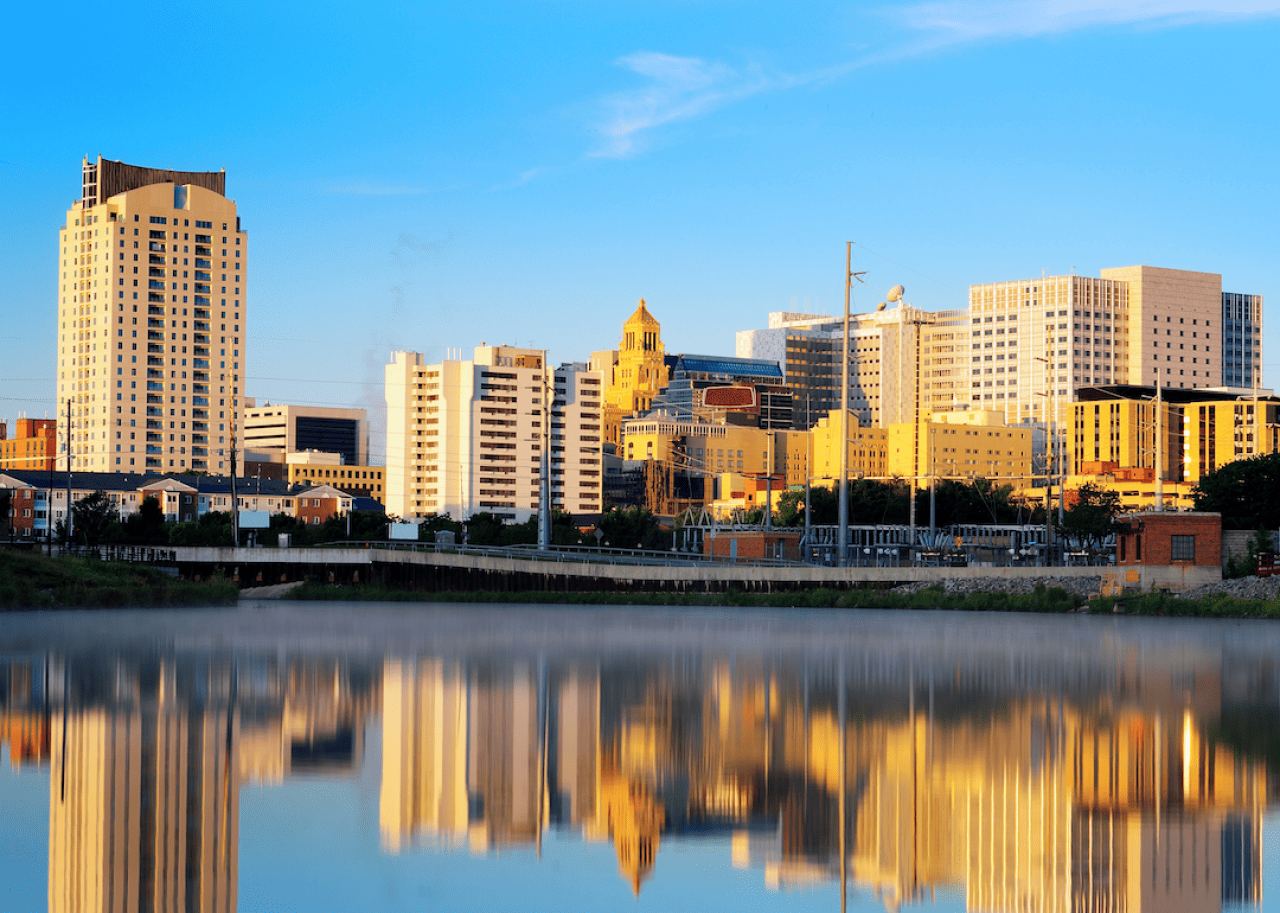 IMG_191 // Shutterstock
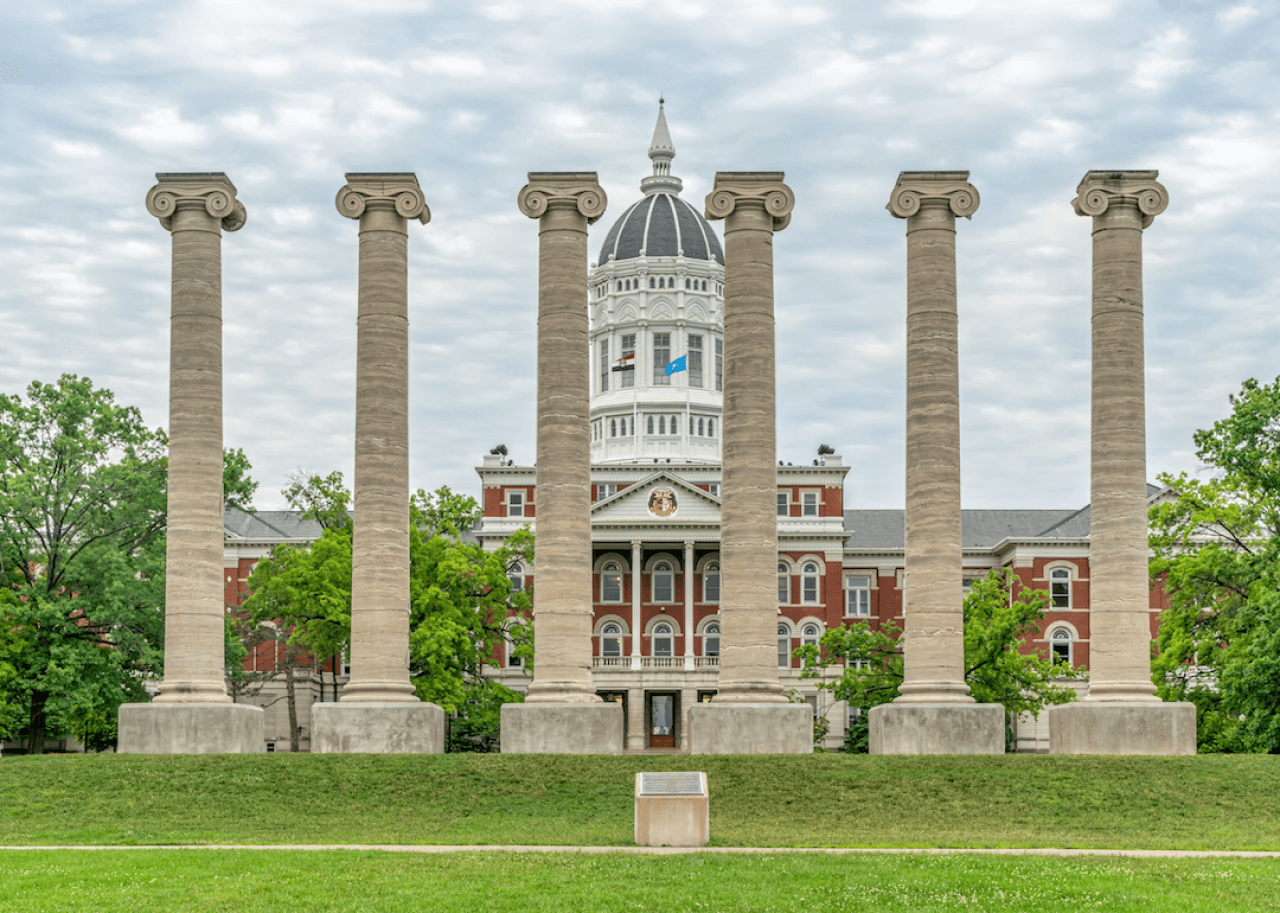 Ken Wolter // Shutterstock
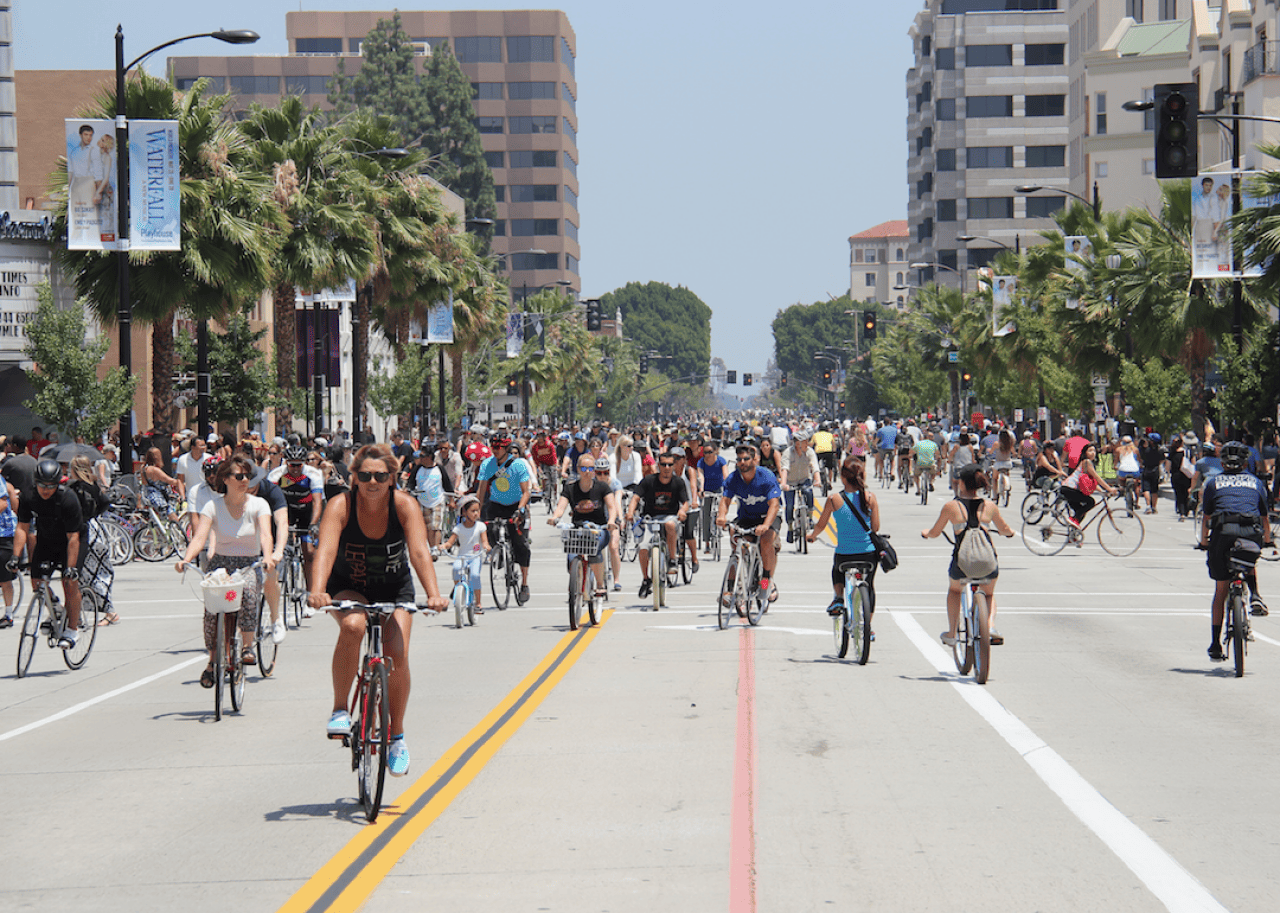 Idealphotographer // Shutterstock
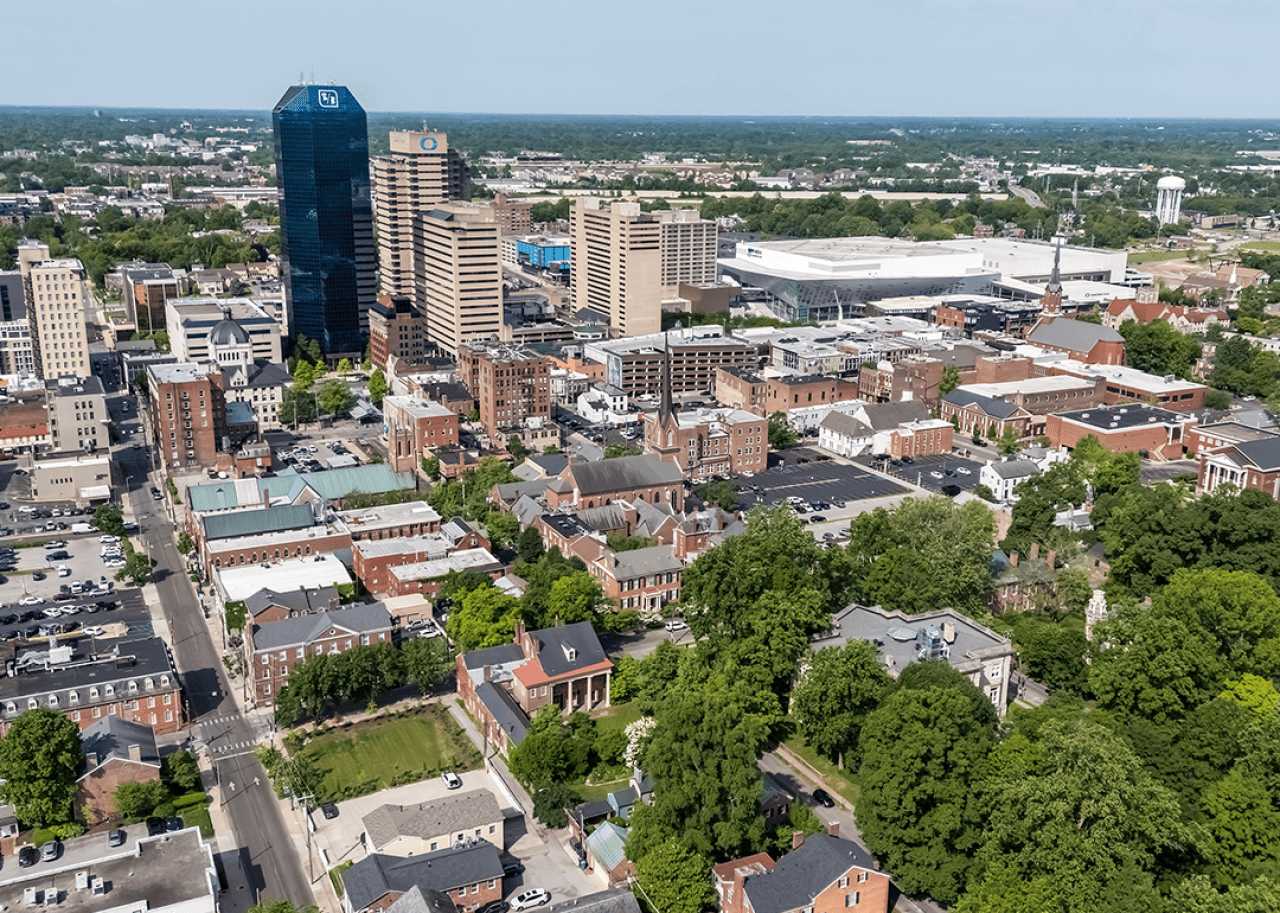 Grindstone Media Group // Shutterstock
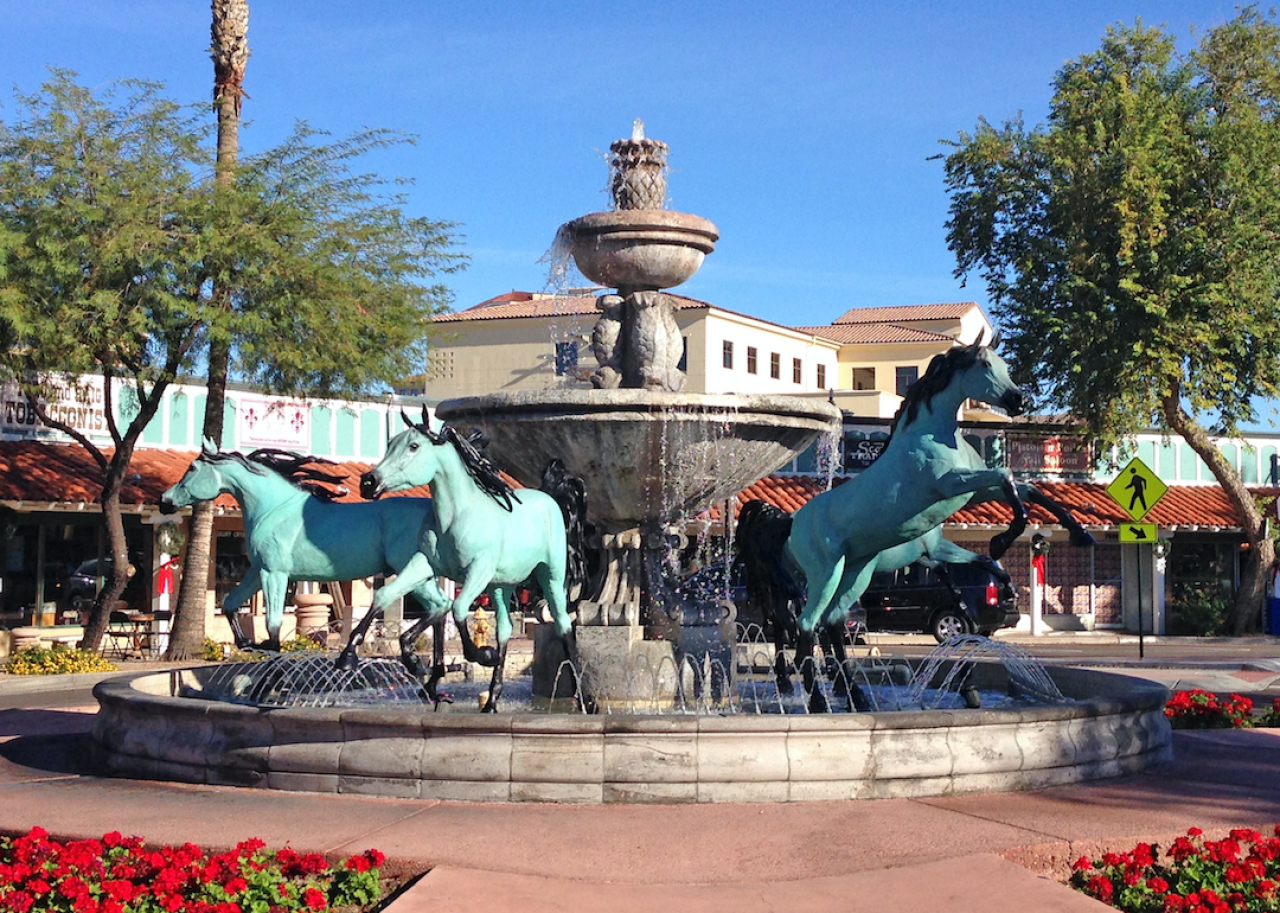 Cre8 design // Shutterstock
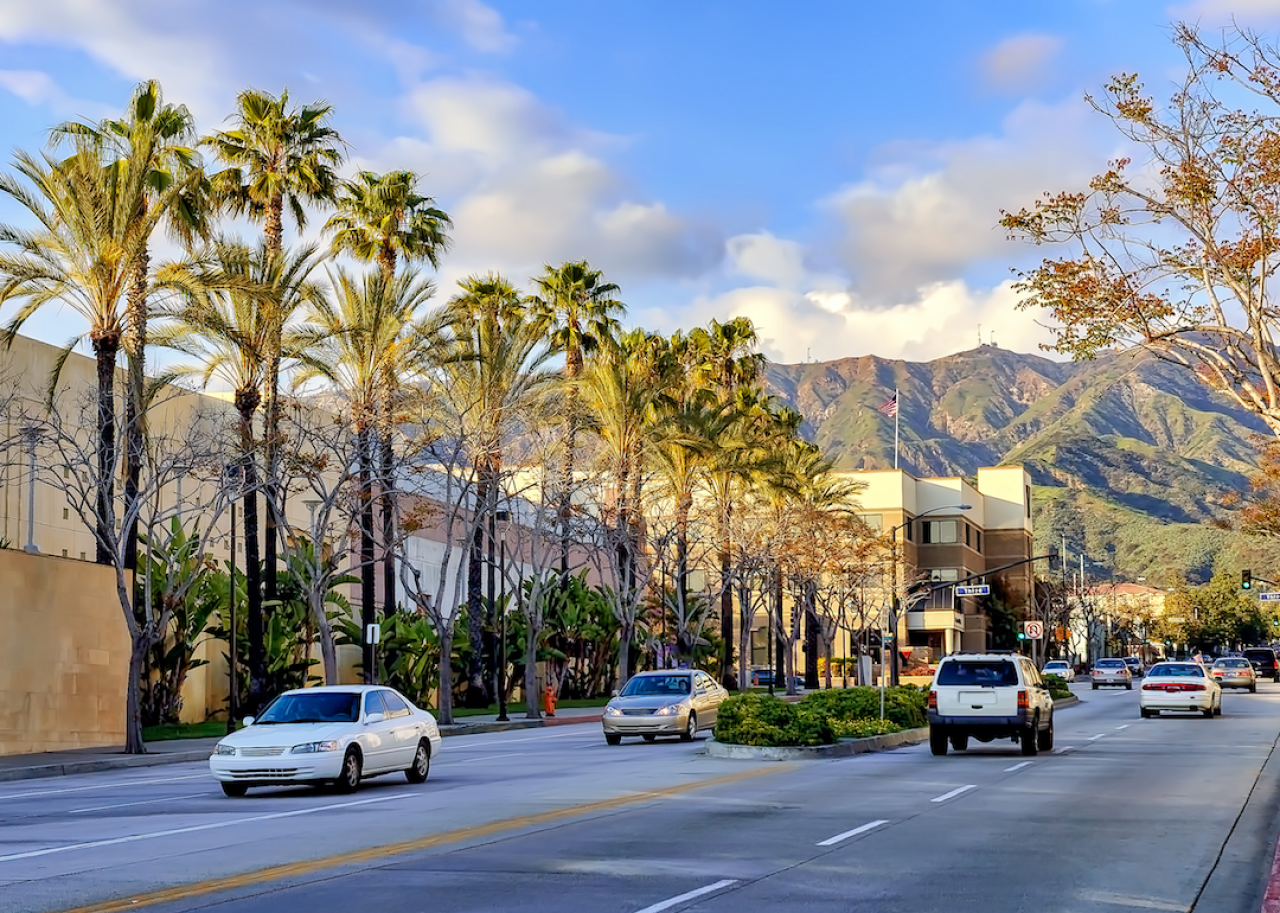 Lux Blue // Shutterstock
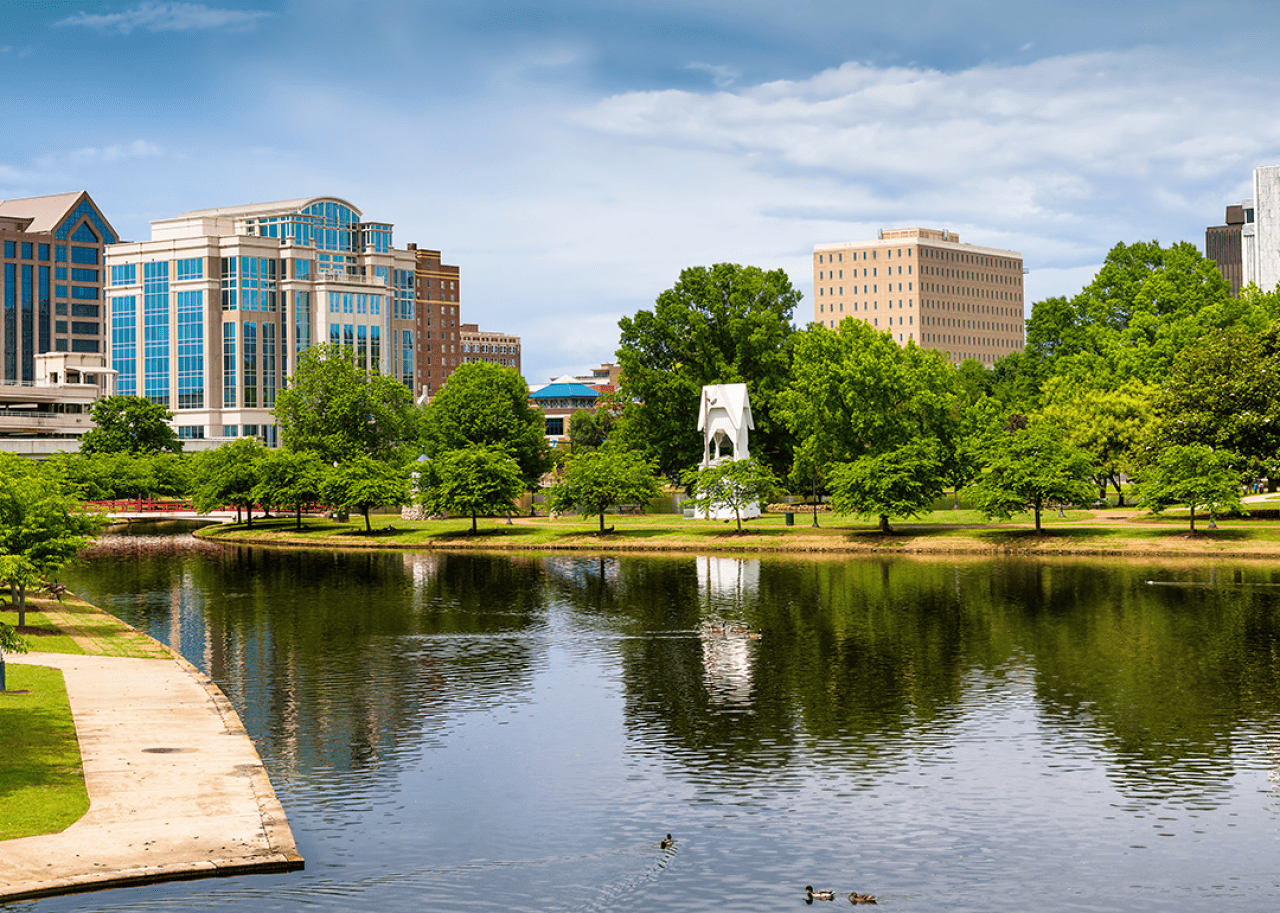 Rob Hainer // Shutterstock
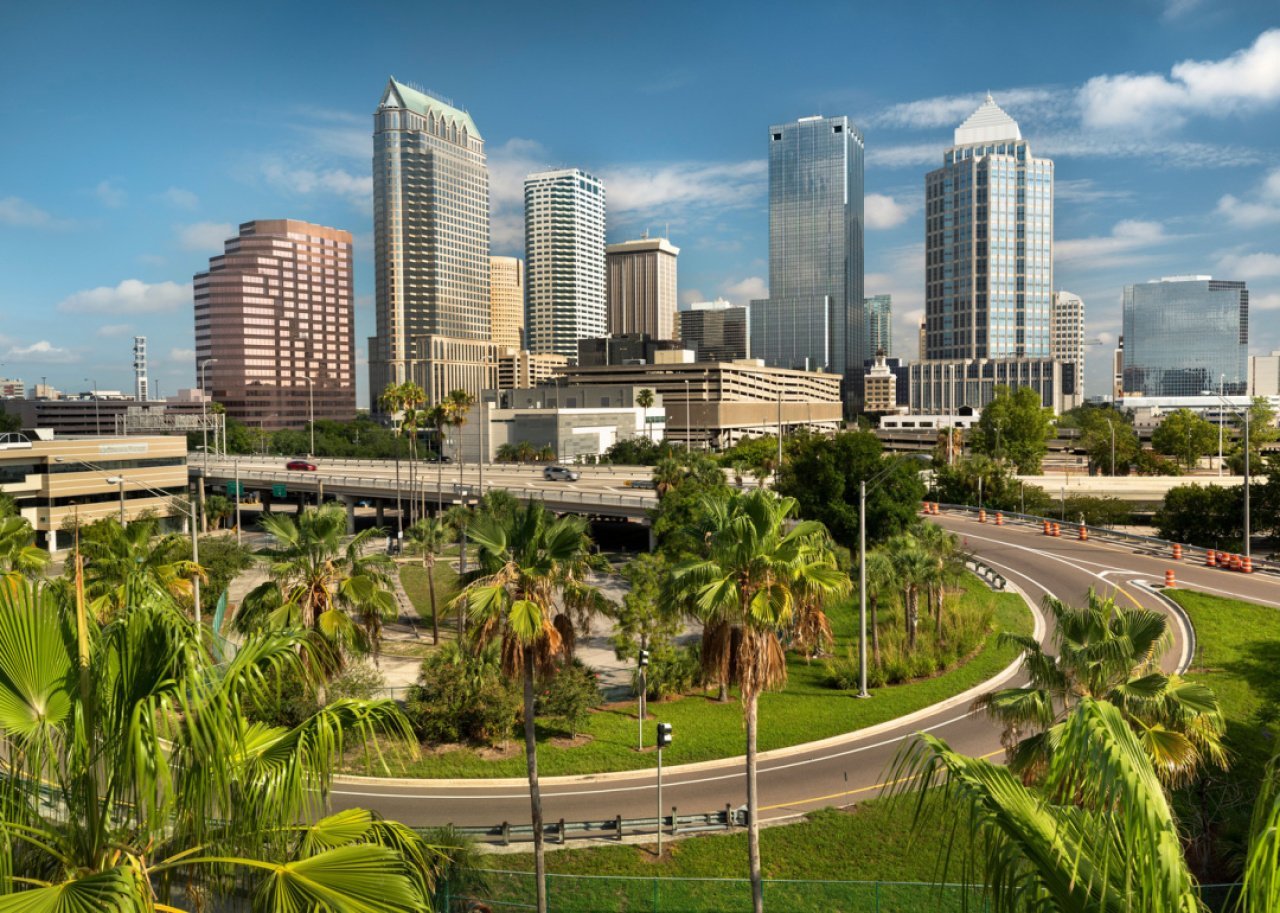 AevanStock // Shutterstock
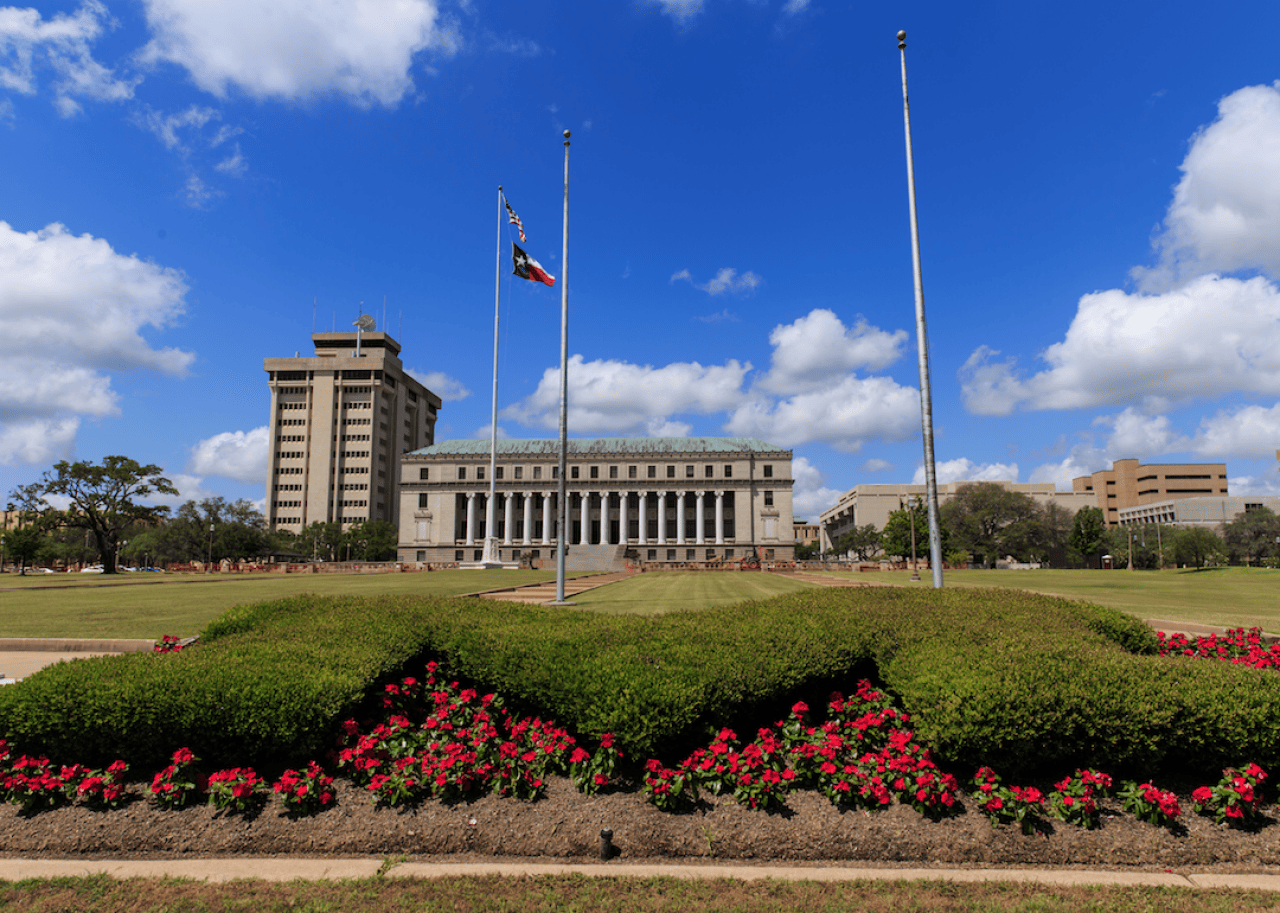 Tricia Daniel // Shutterstock
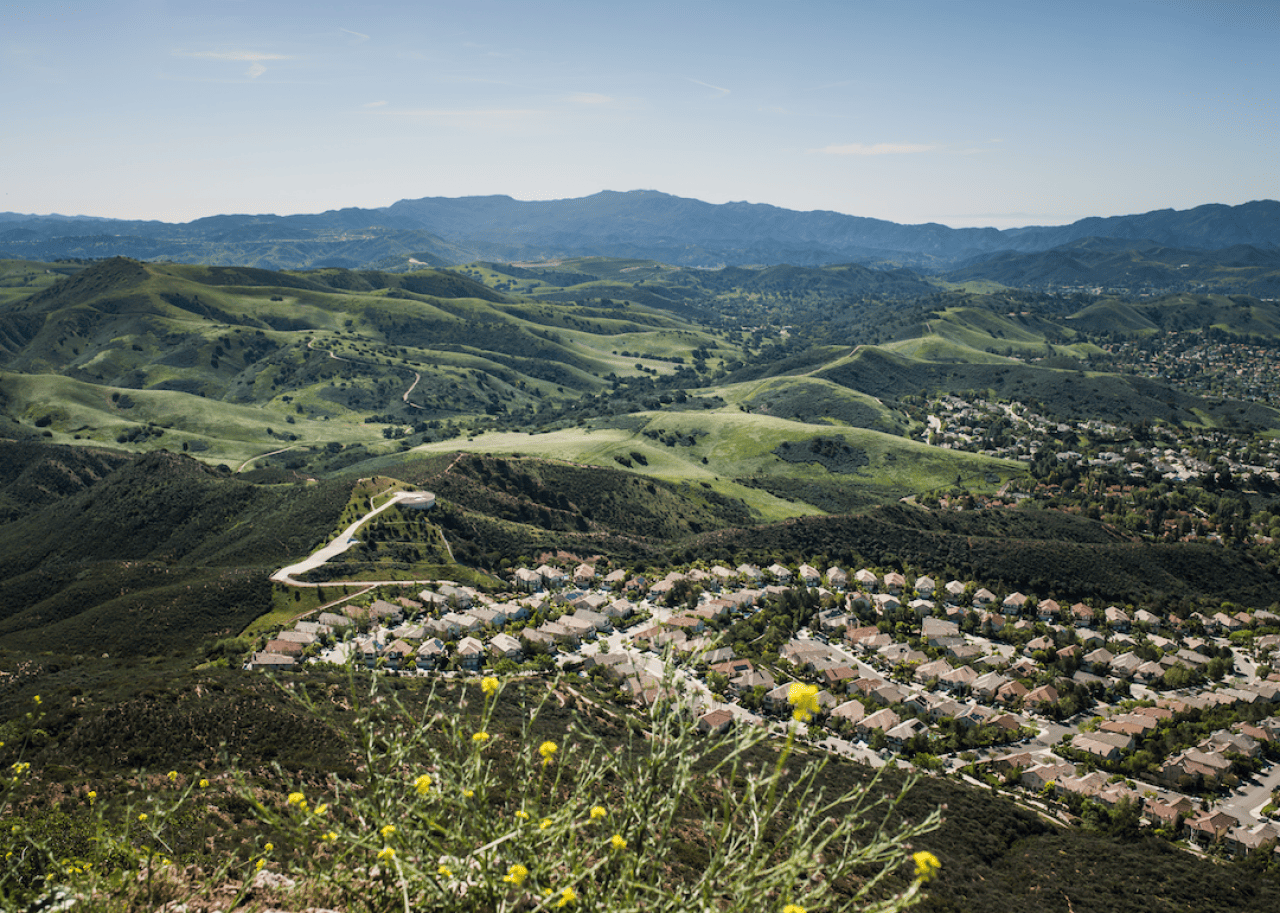 Steven Guo // Shutterstock
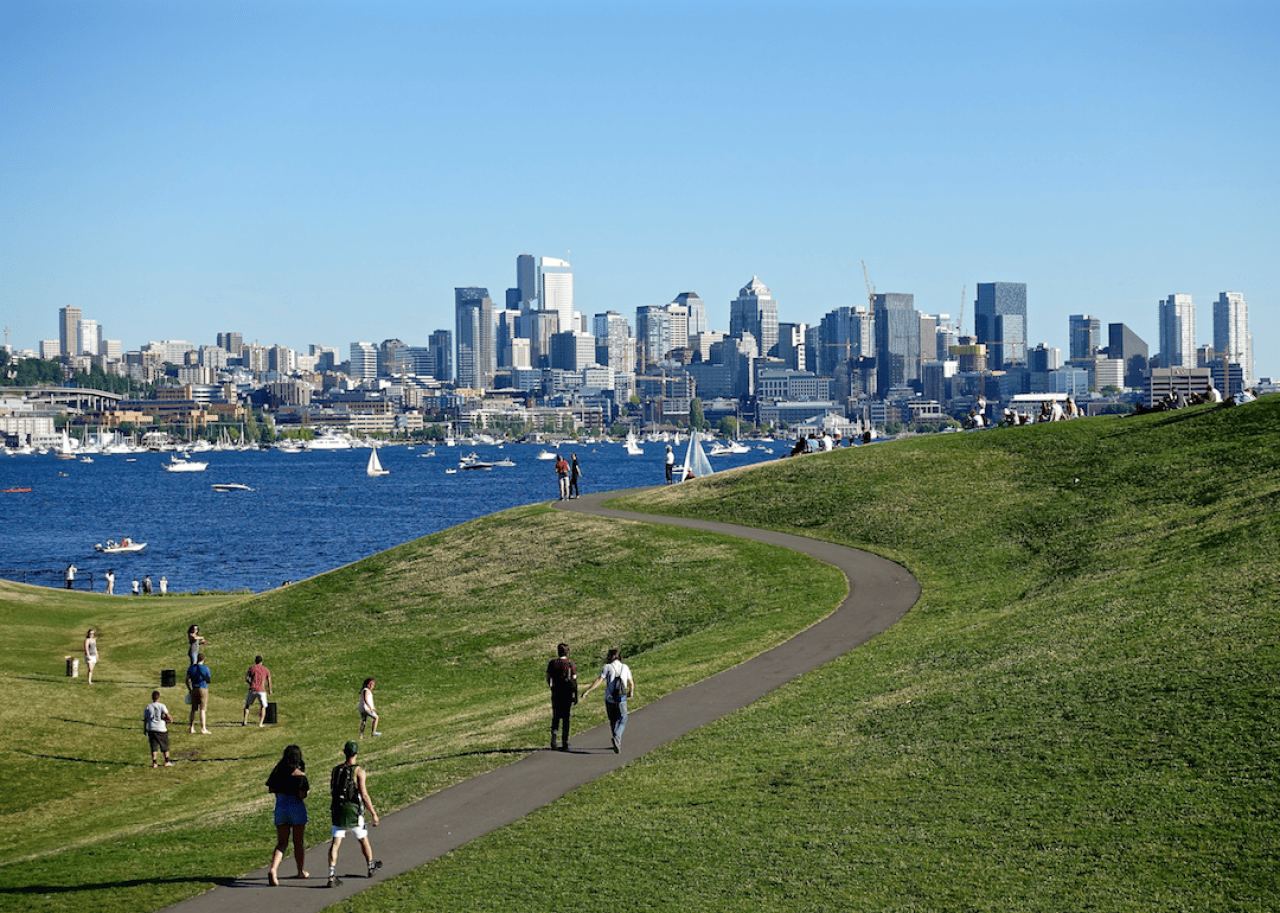 Anthony Ricci // Shutterstock
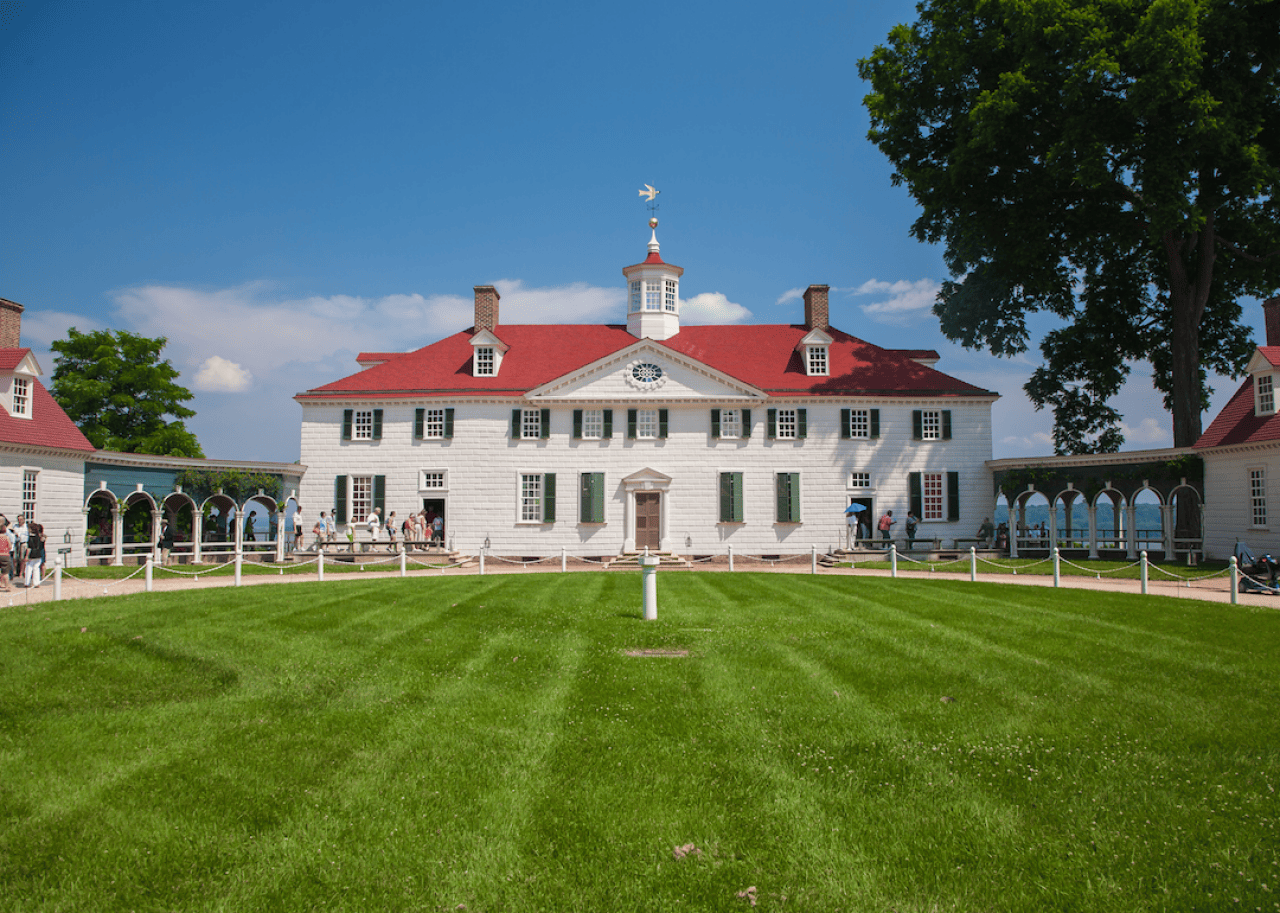 Bob Pool // Shutterstock
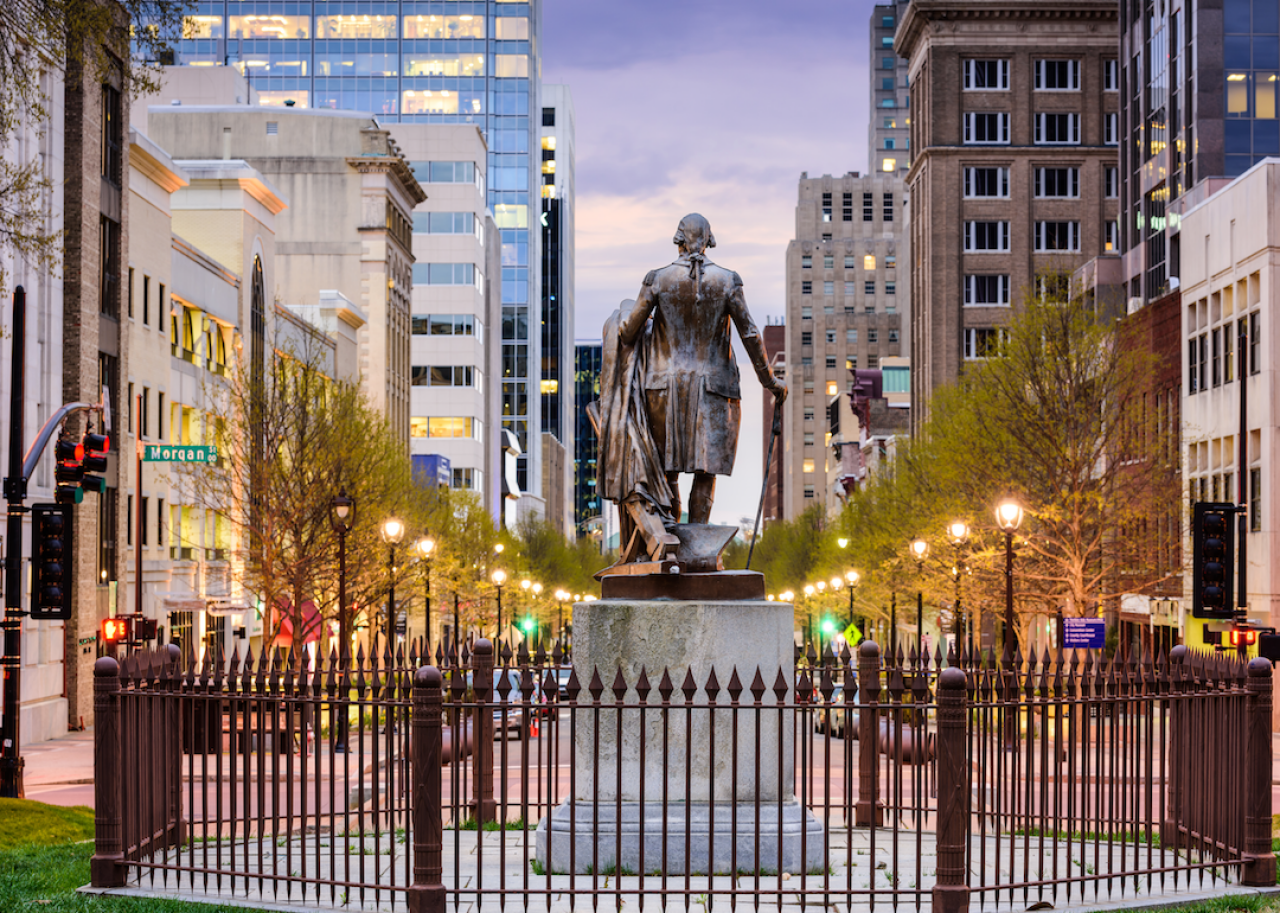 ESB Professional // Shutterstock
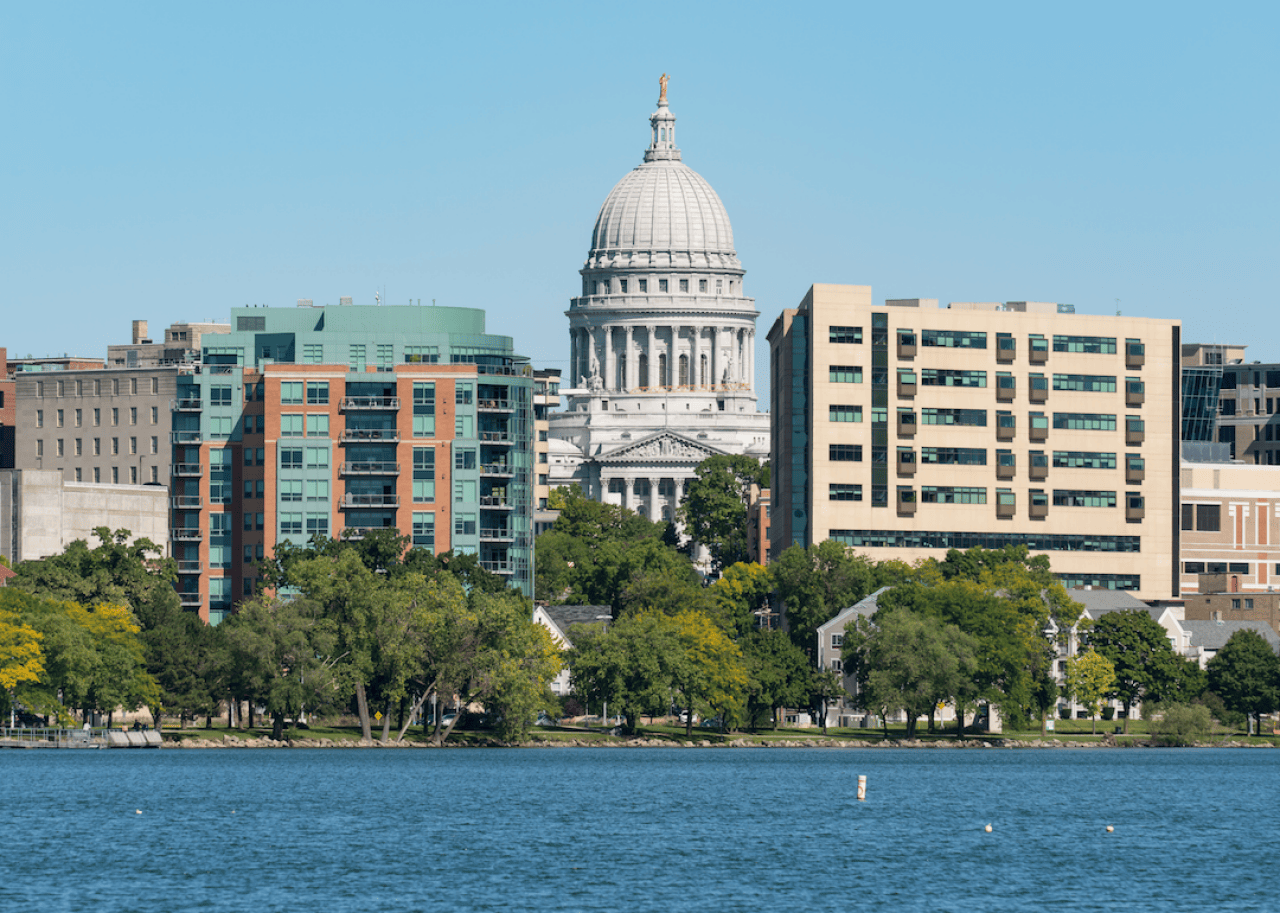 Paul Brady Photography // Shutterstock
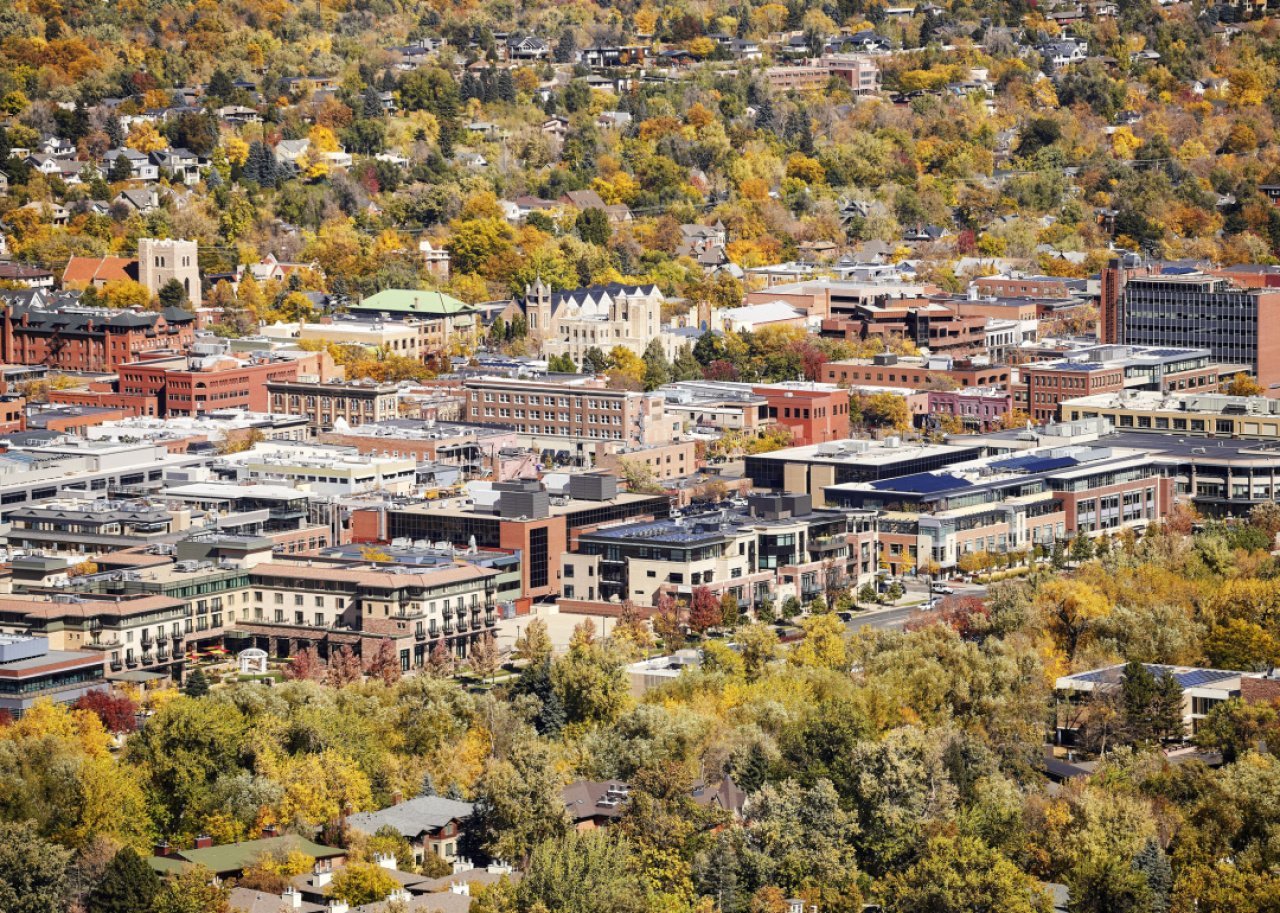 Maciej Bledowski // Shutterstock
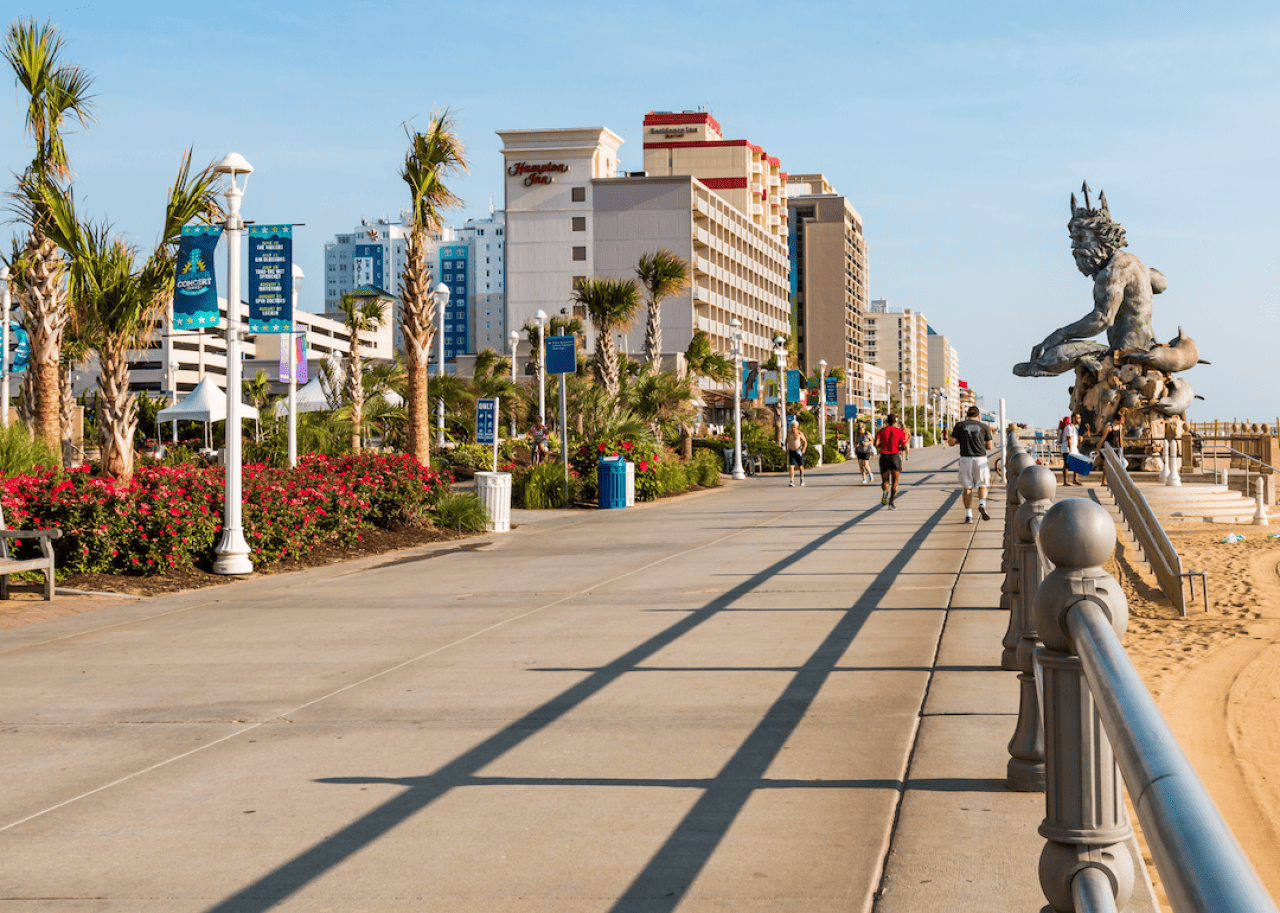 Sherry V Smith // Shutterstock
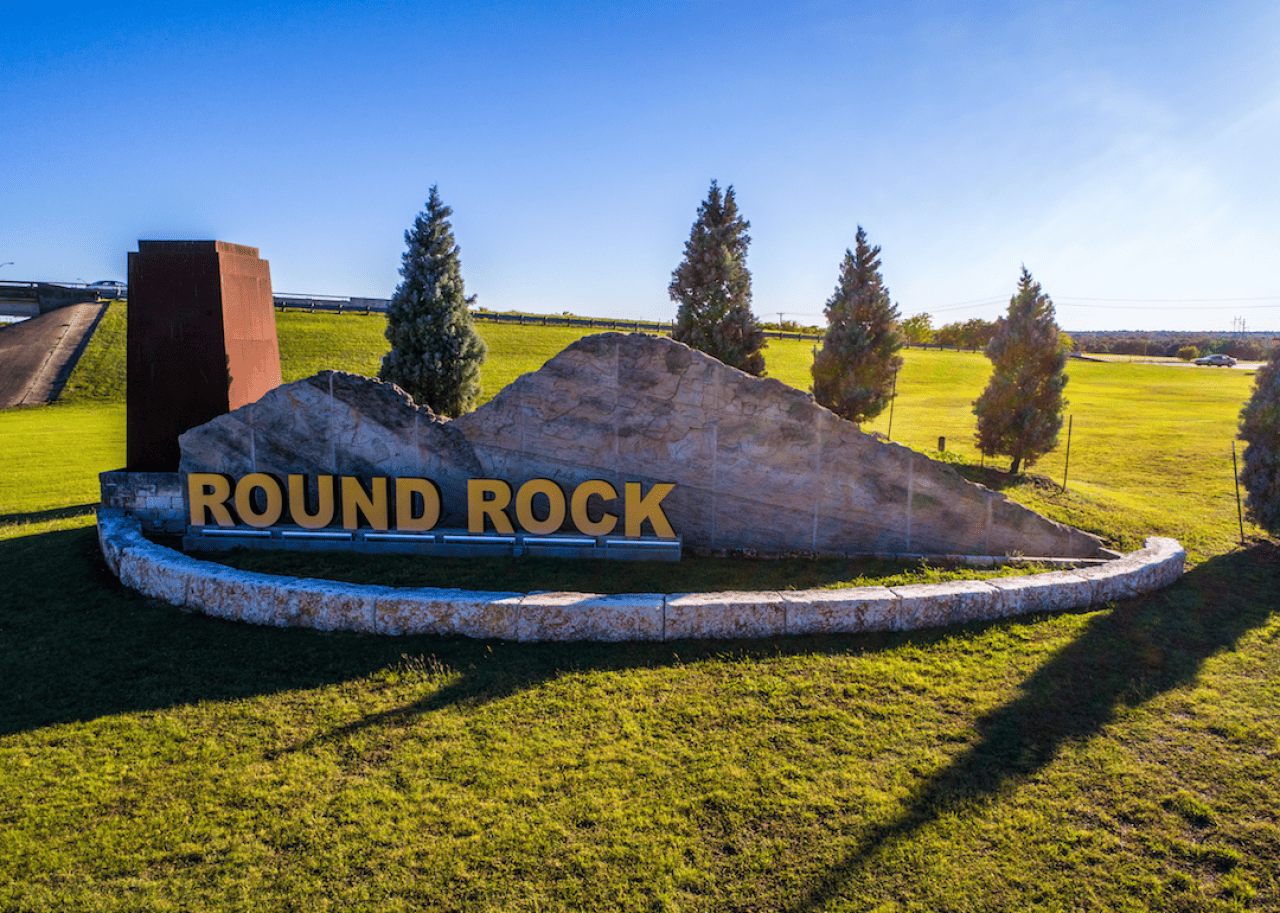 Roschetzky Photography // Shutterstock
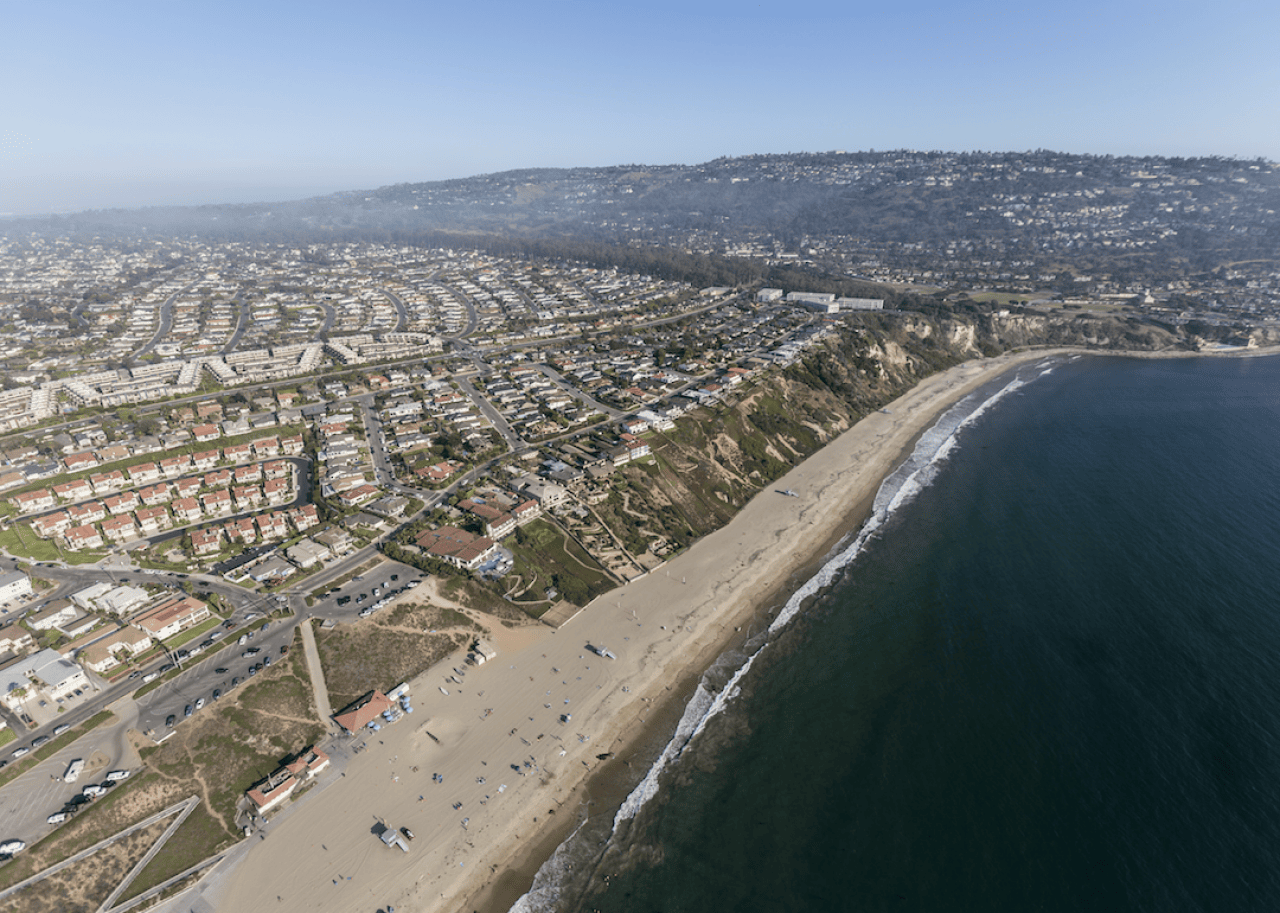 trekandshoot // Shutterstock
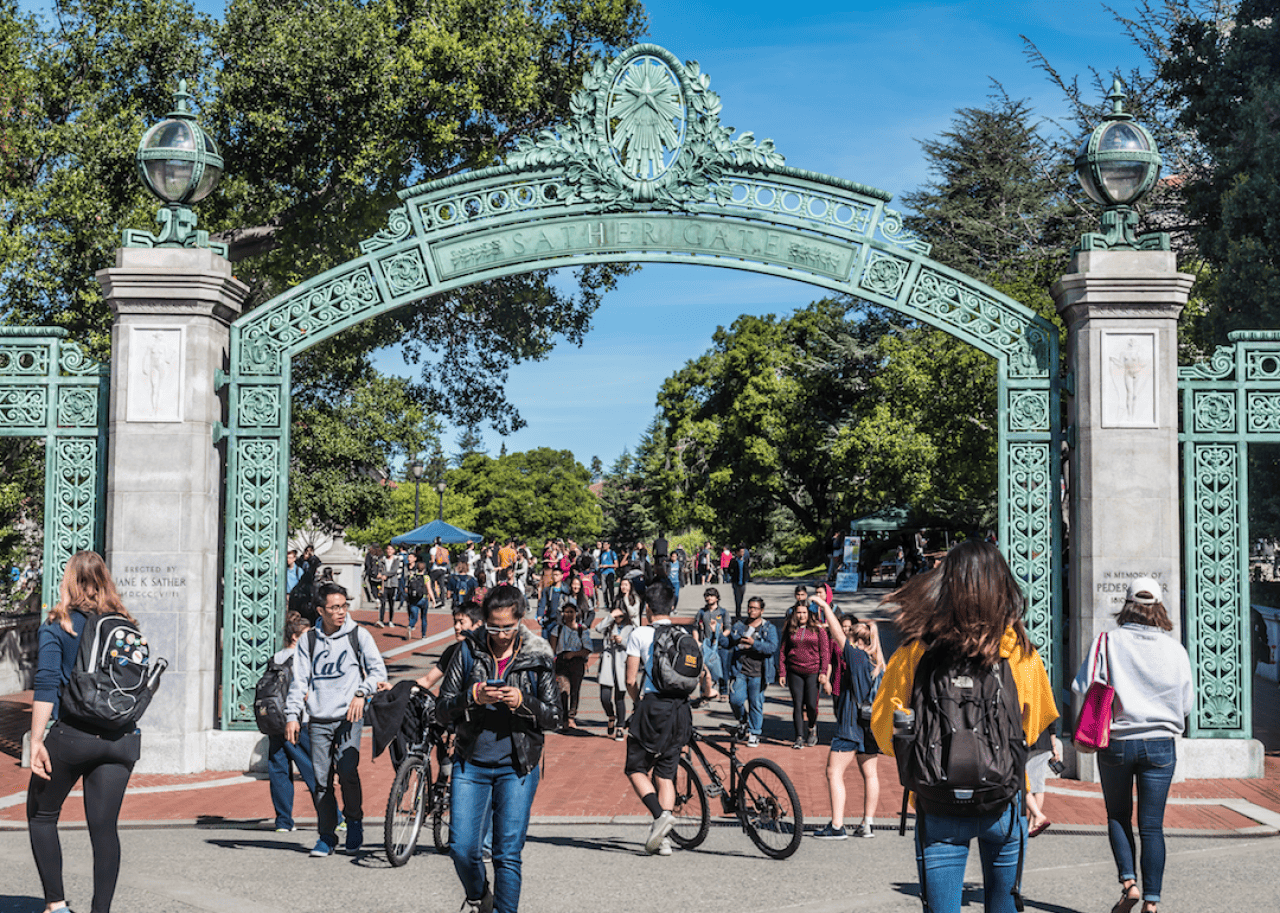 David A. Litman // Shutterstock
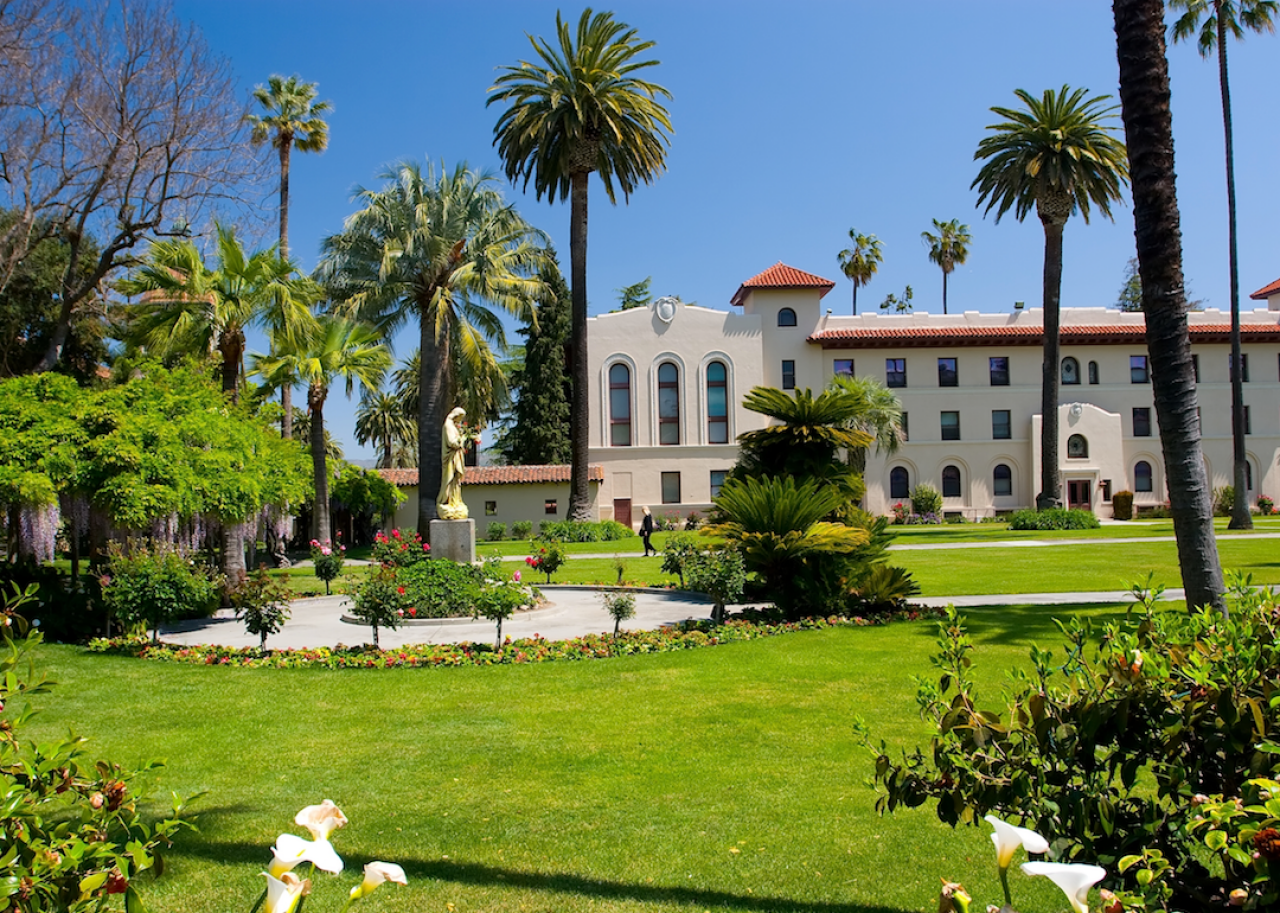 Mariusz S. Jurgielewicz // Shutterstock
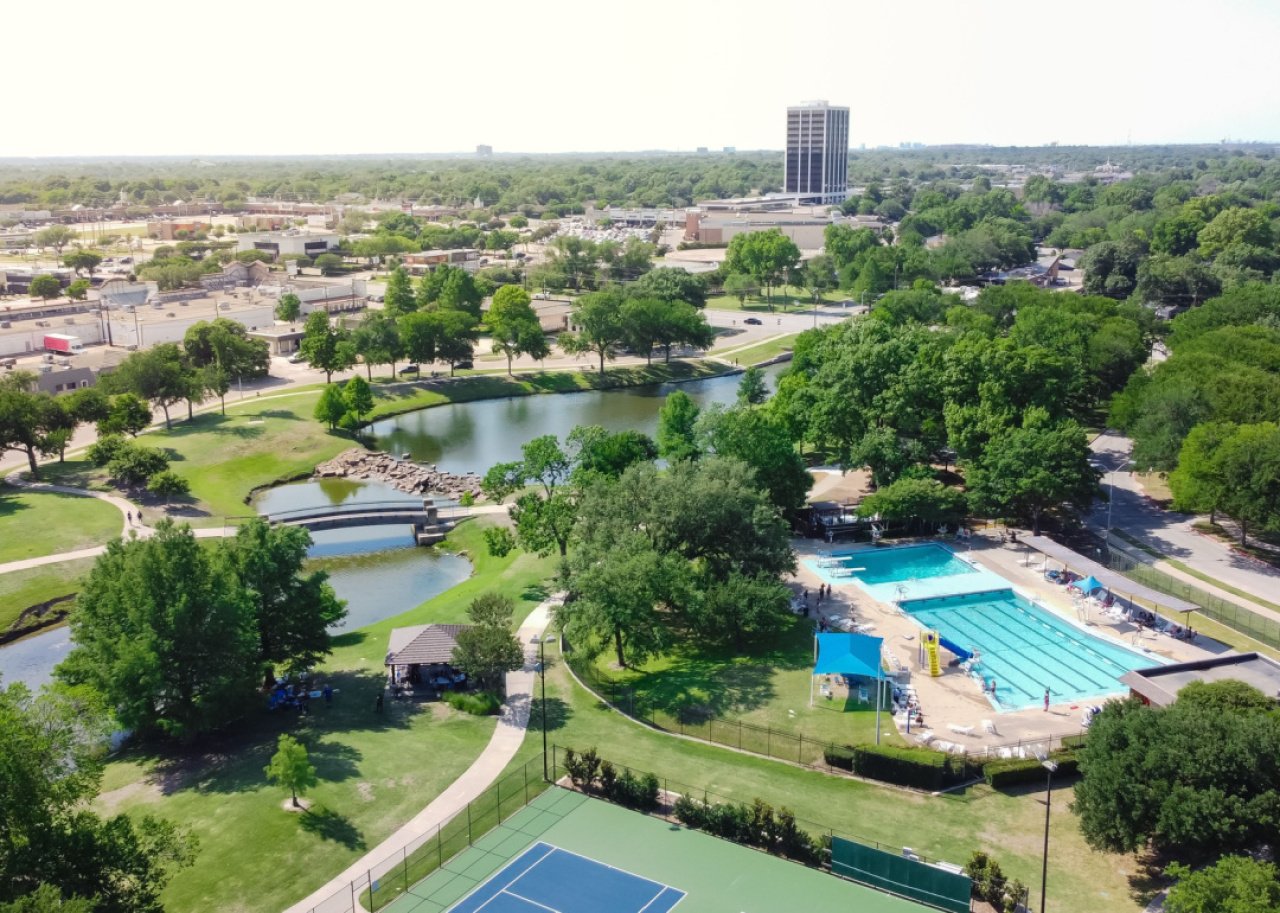 Trong Nguyen // Shutterstock
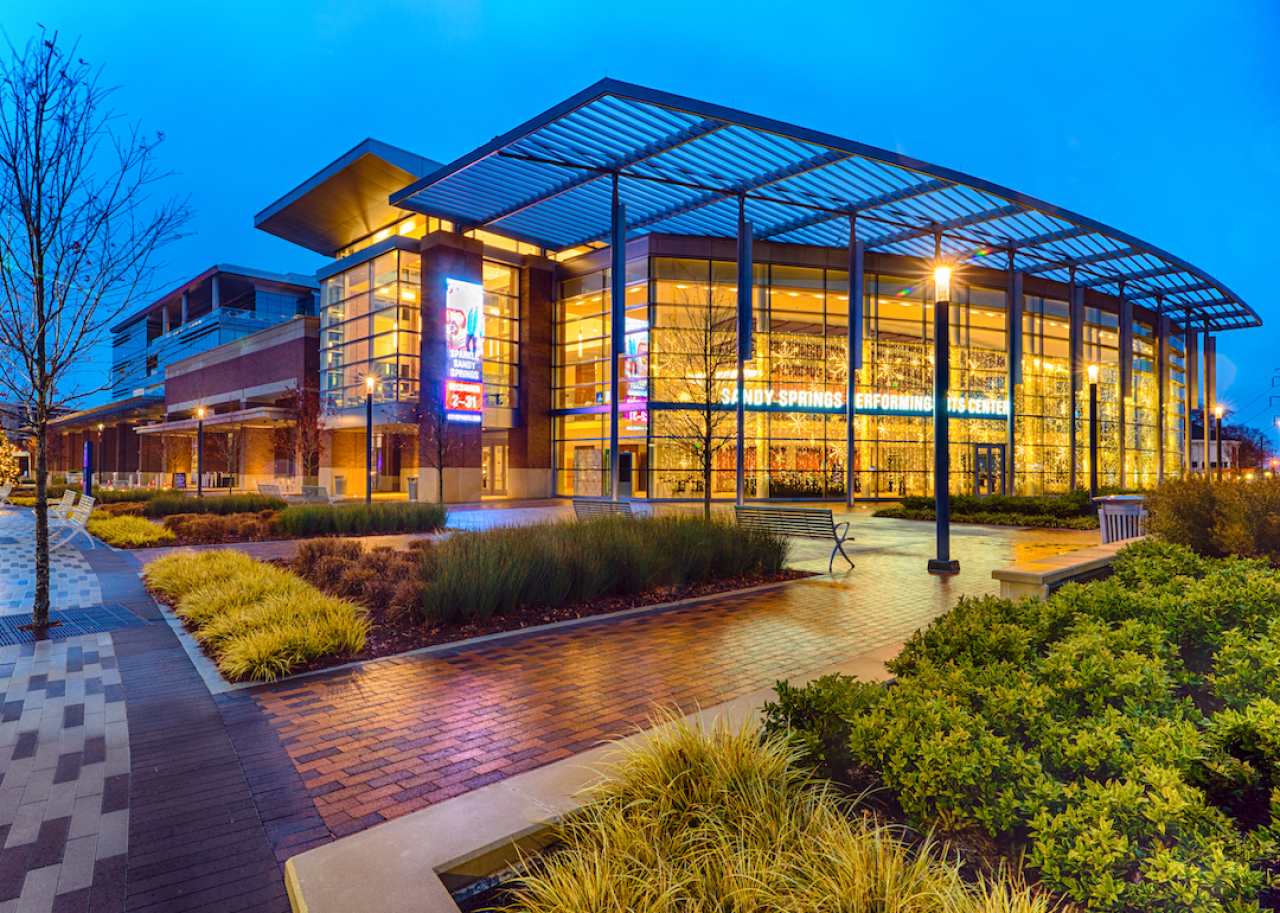 Rob Hainer // Shutterstock
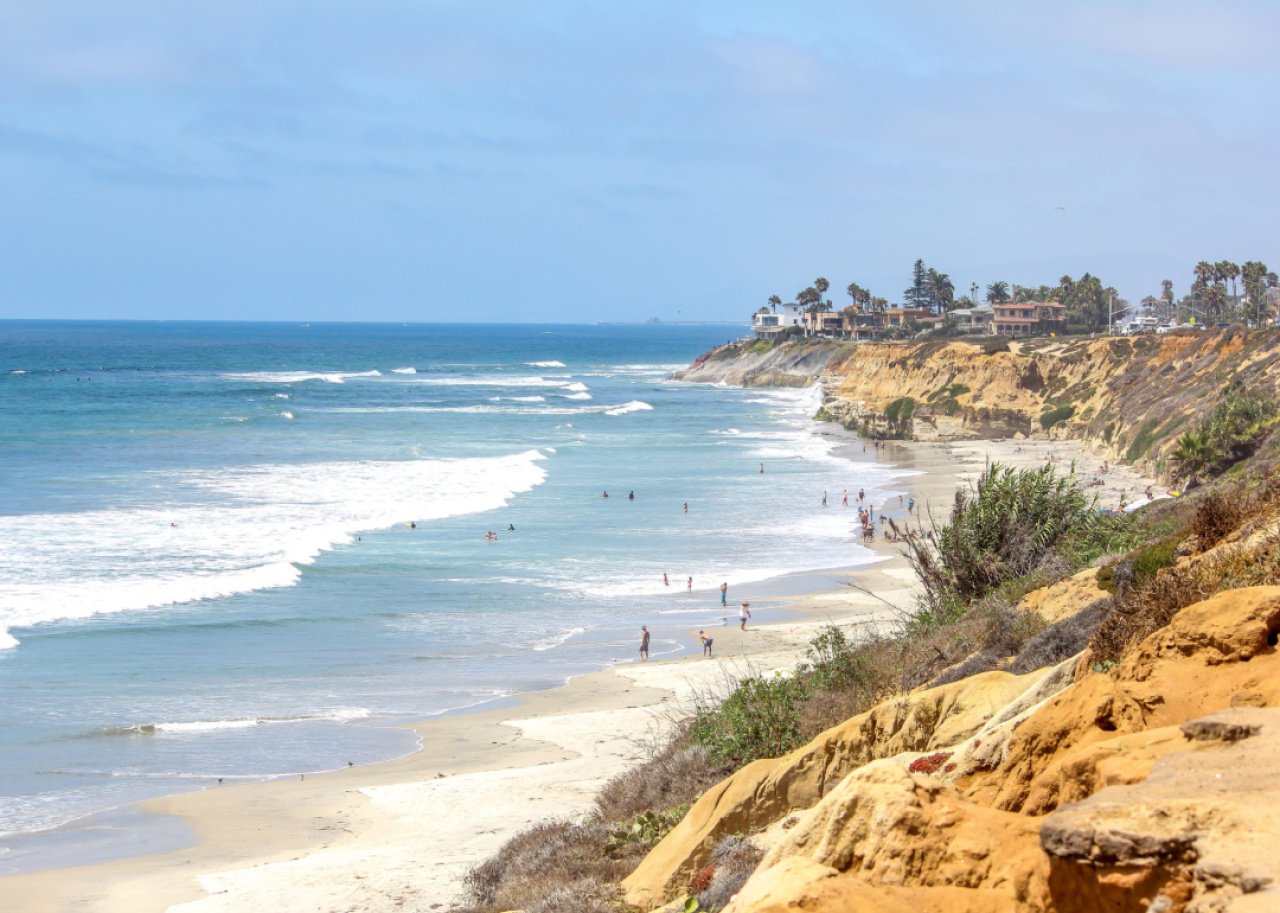 Tonya Staab // Shutterstock
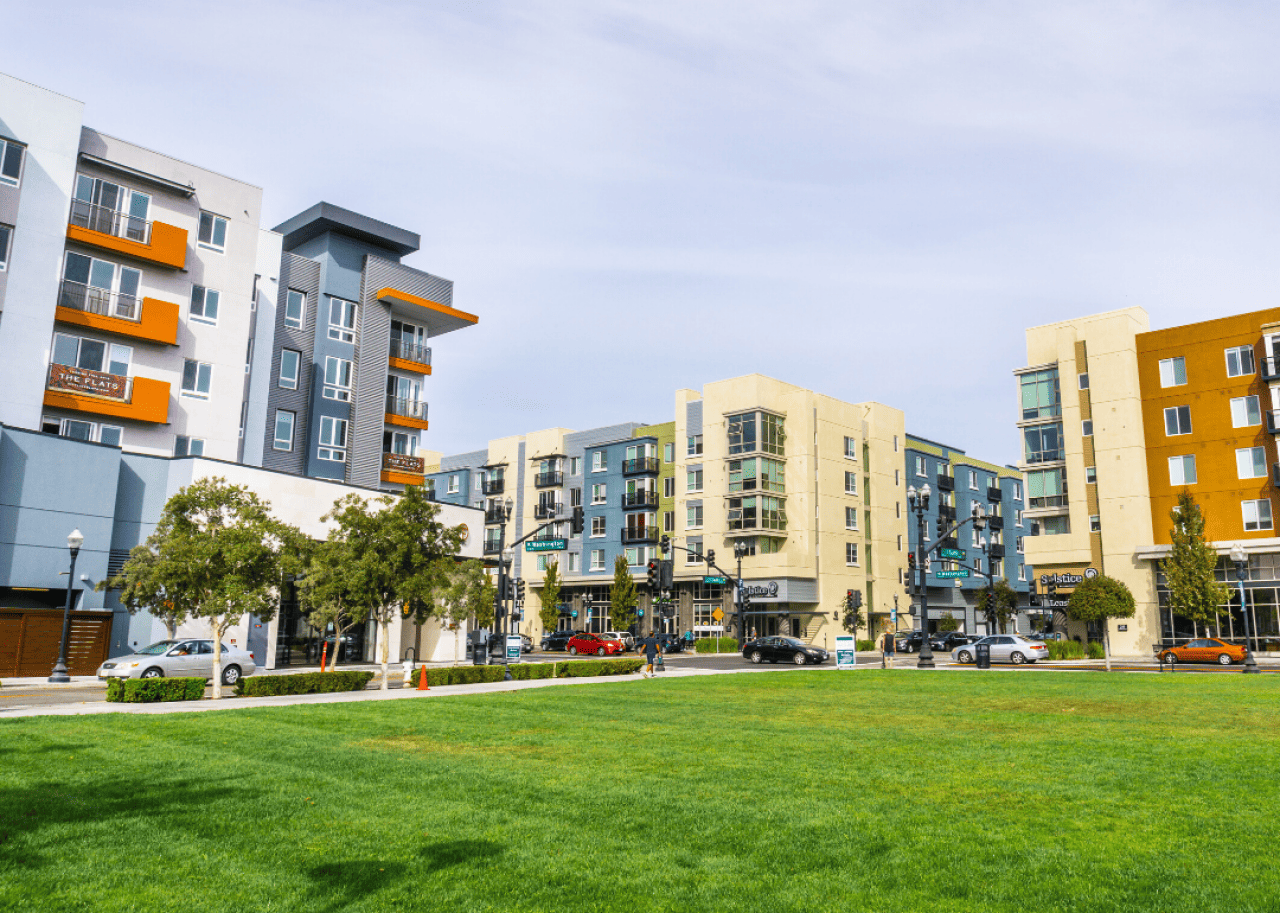 Sundry Photography // Shutterstock
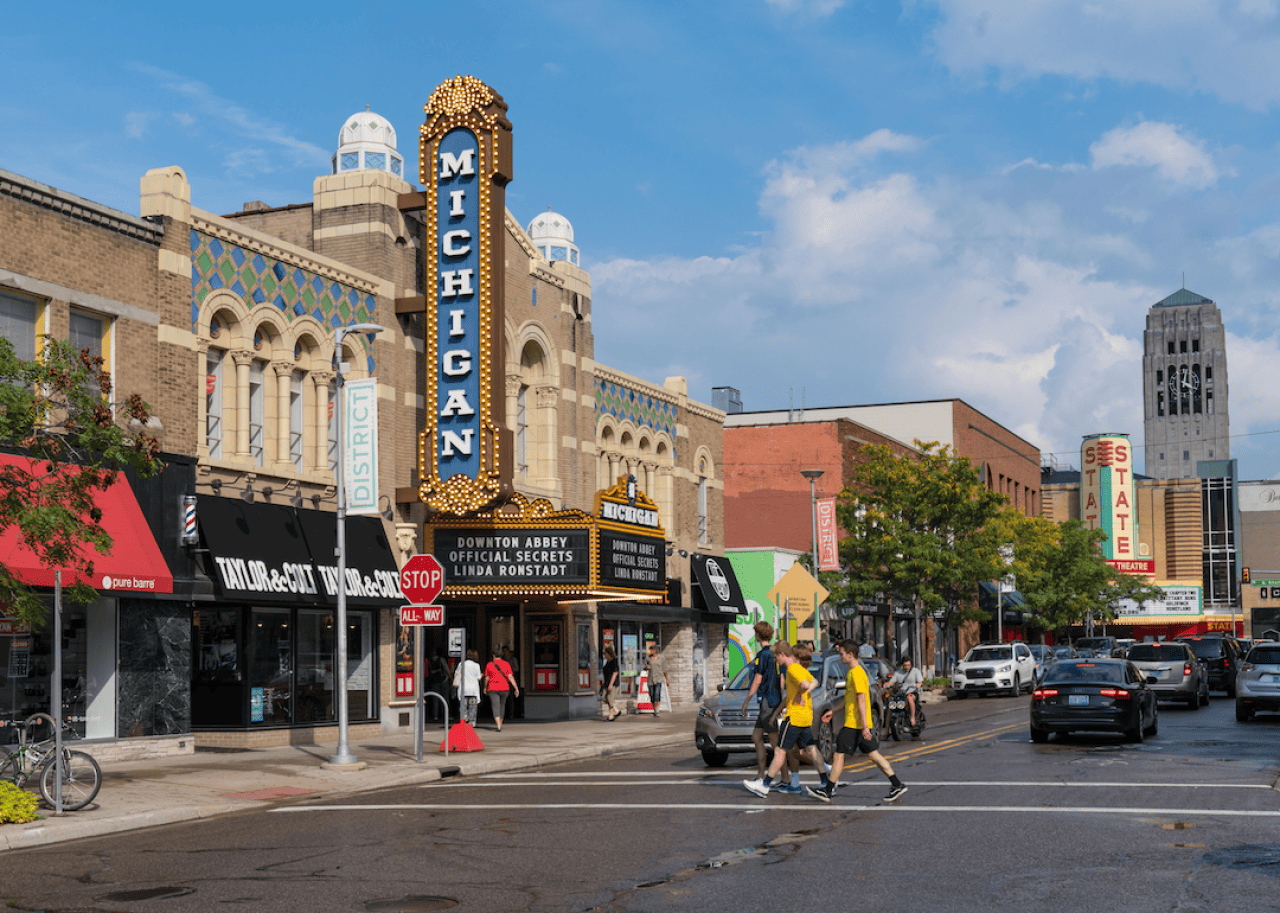 Paul Brady Photography // Shutterstock
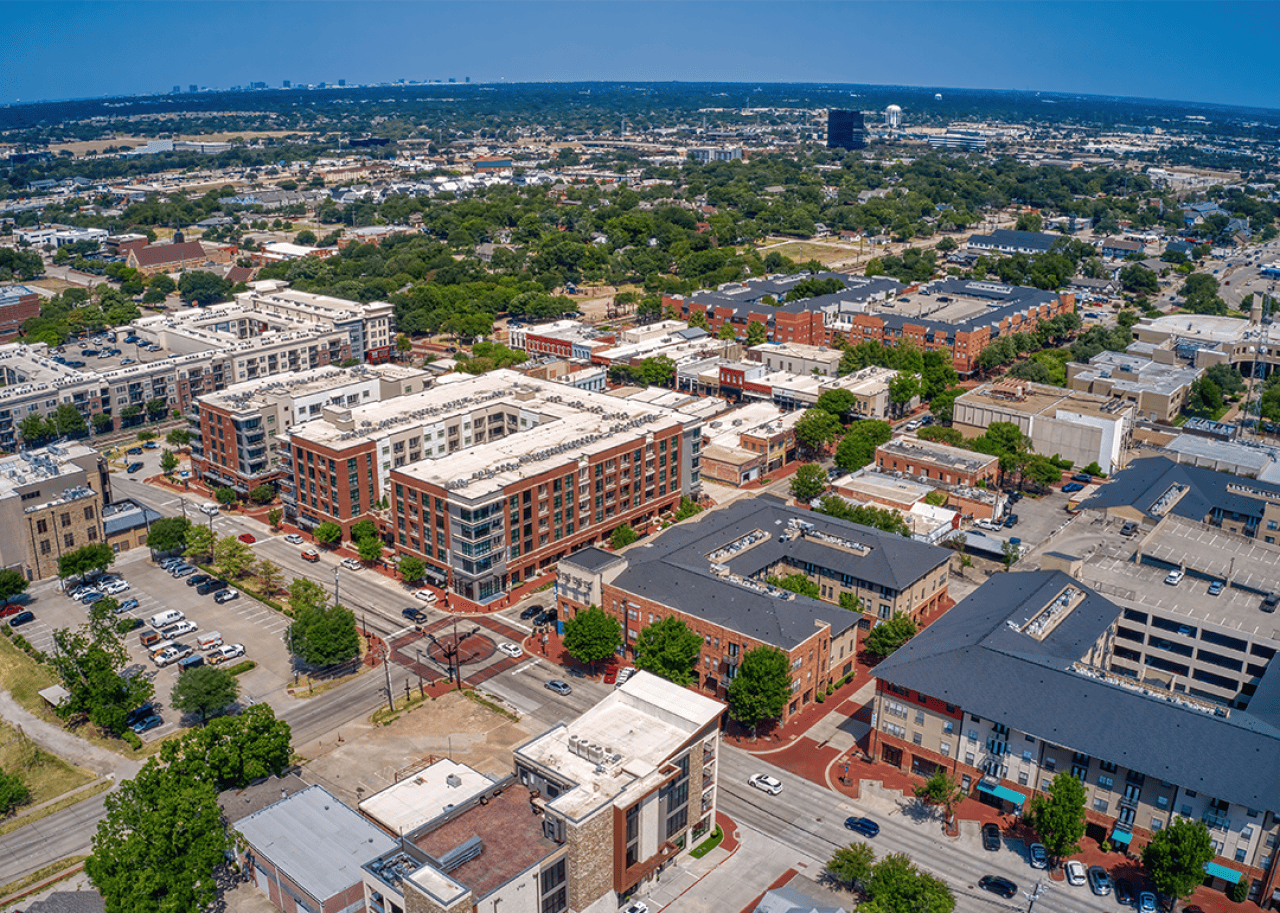 Jacob Boomsma // Shutterstock
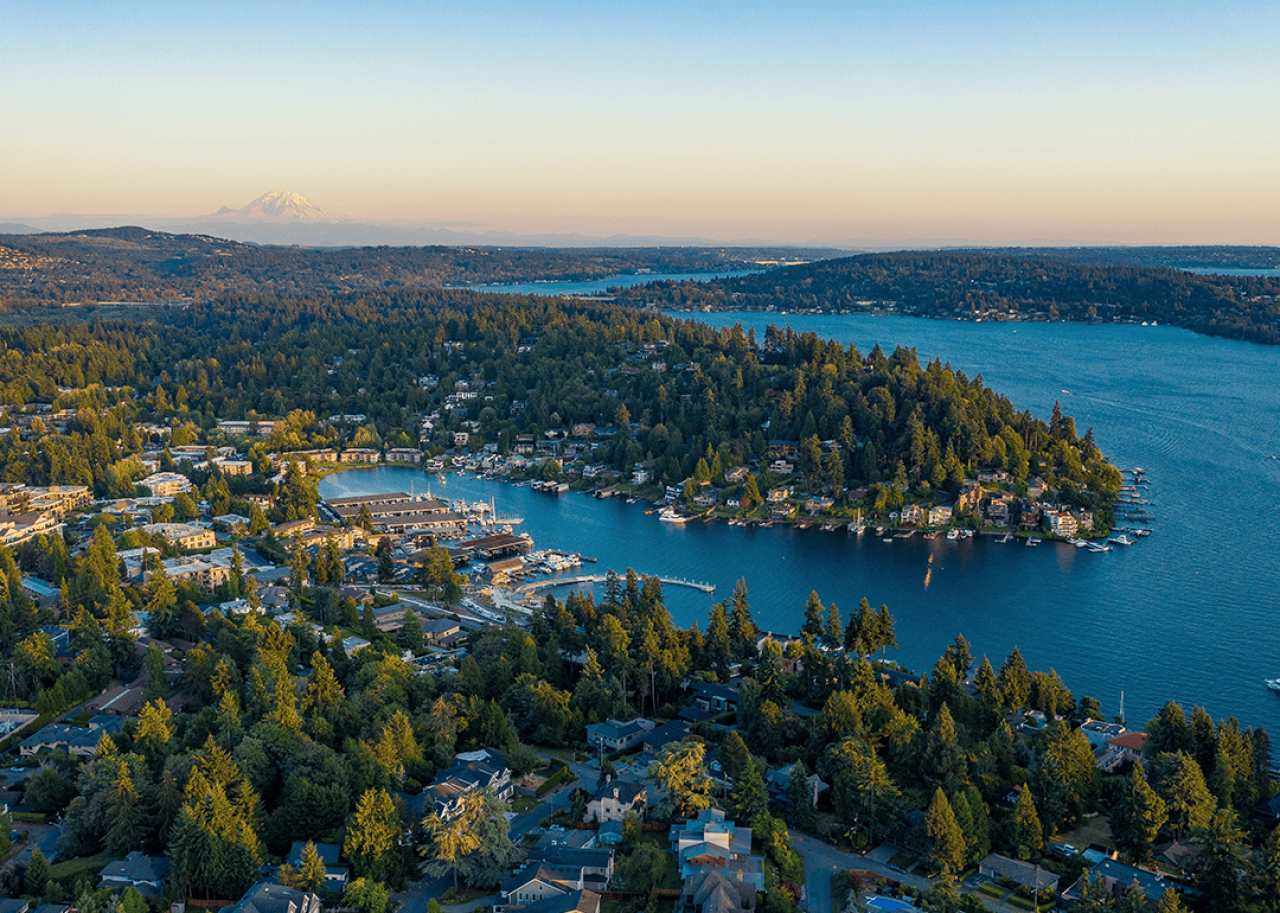 Always Wanderlust // Shutterstock
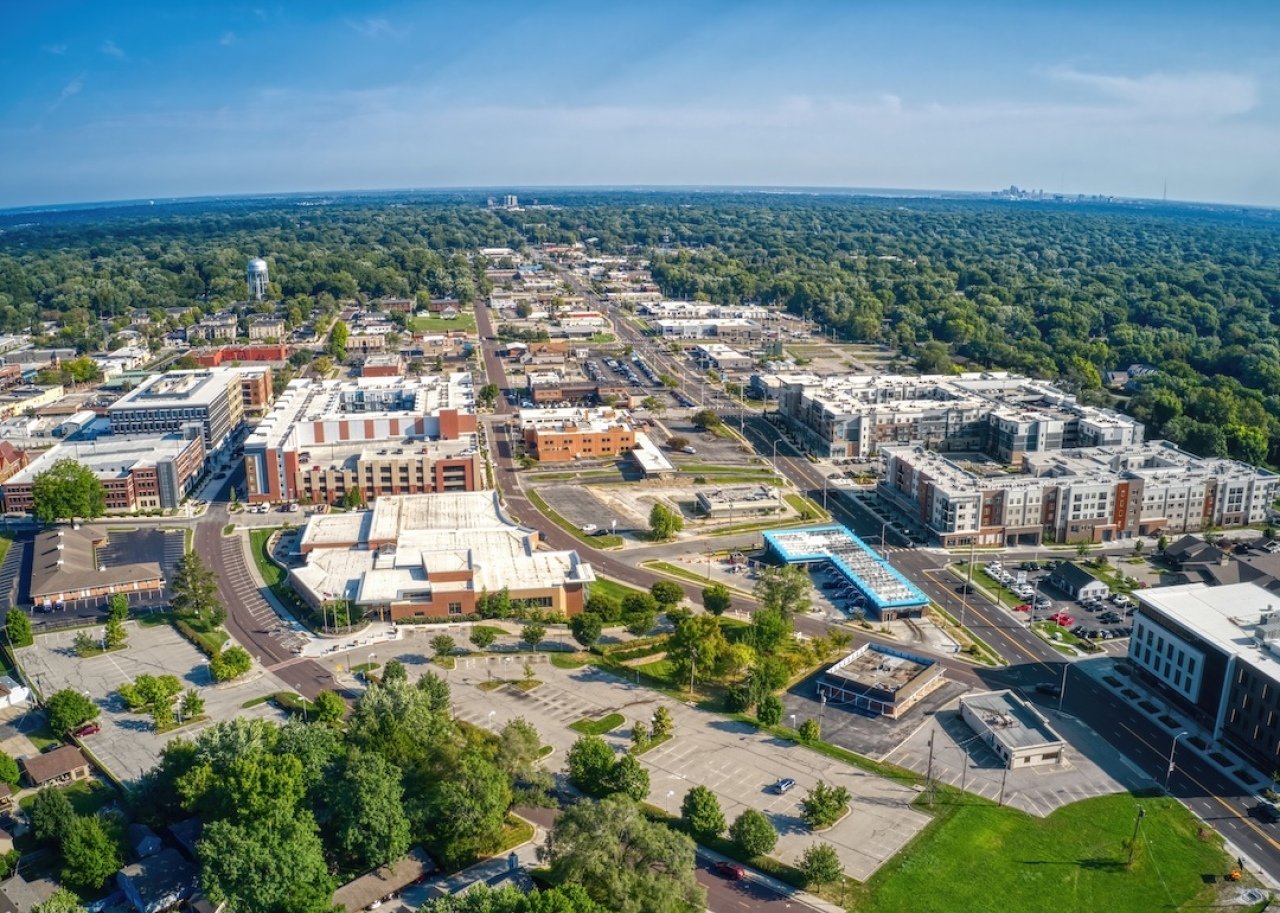 Jacob Boomsma // Shutterstock
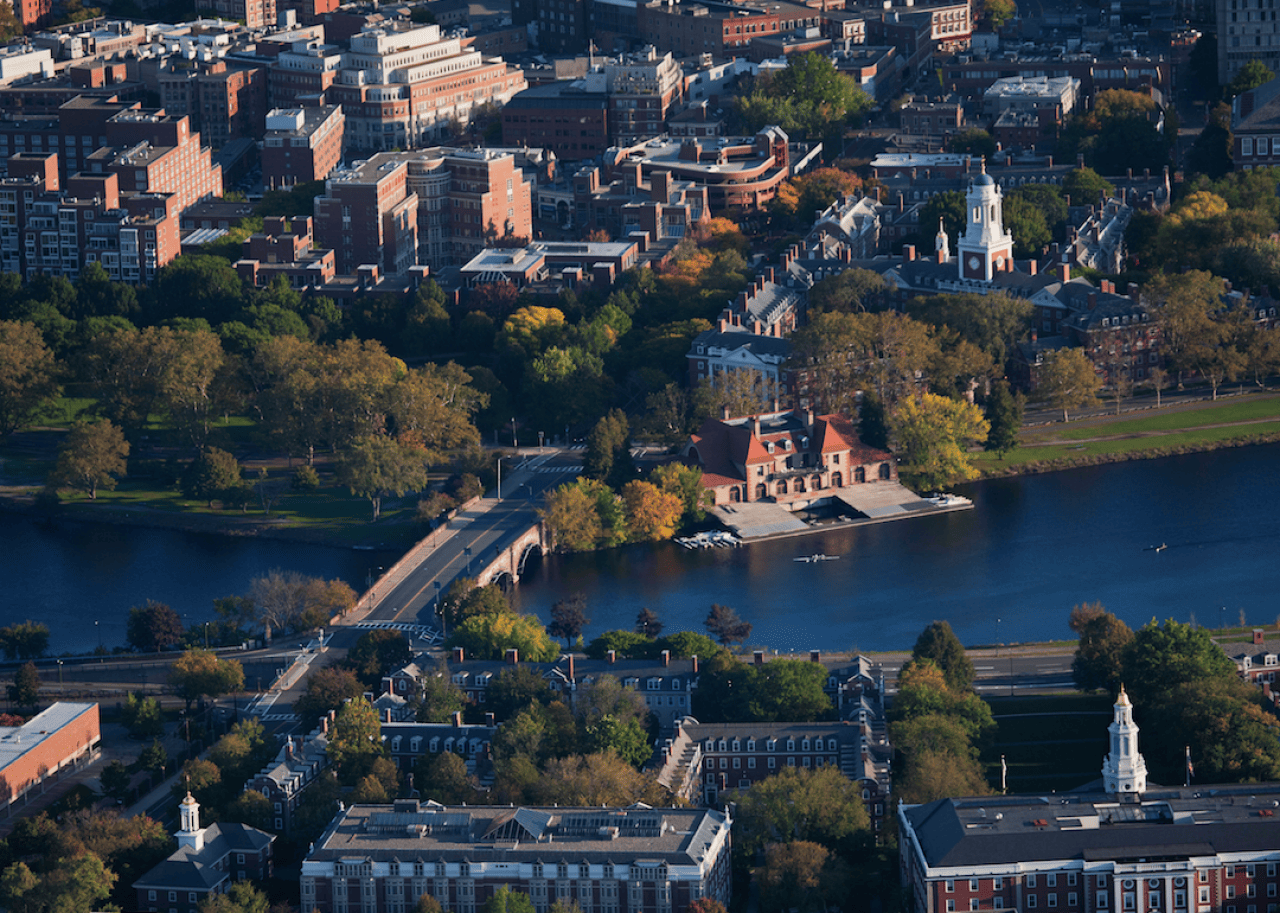 Joseph Sohm // Shutterstock
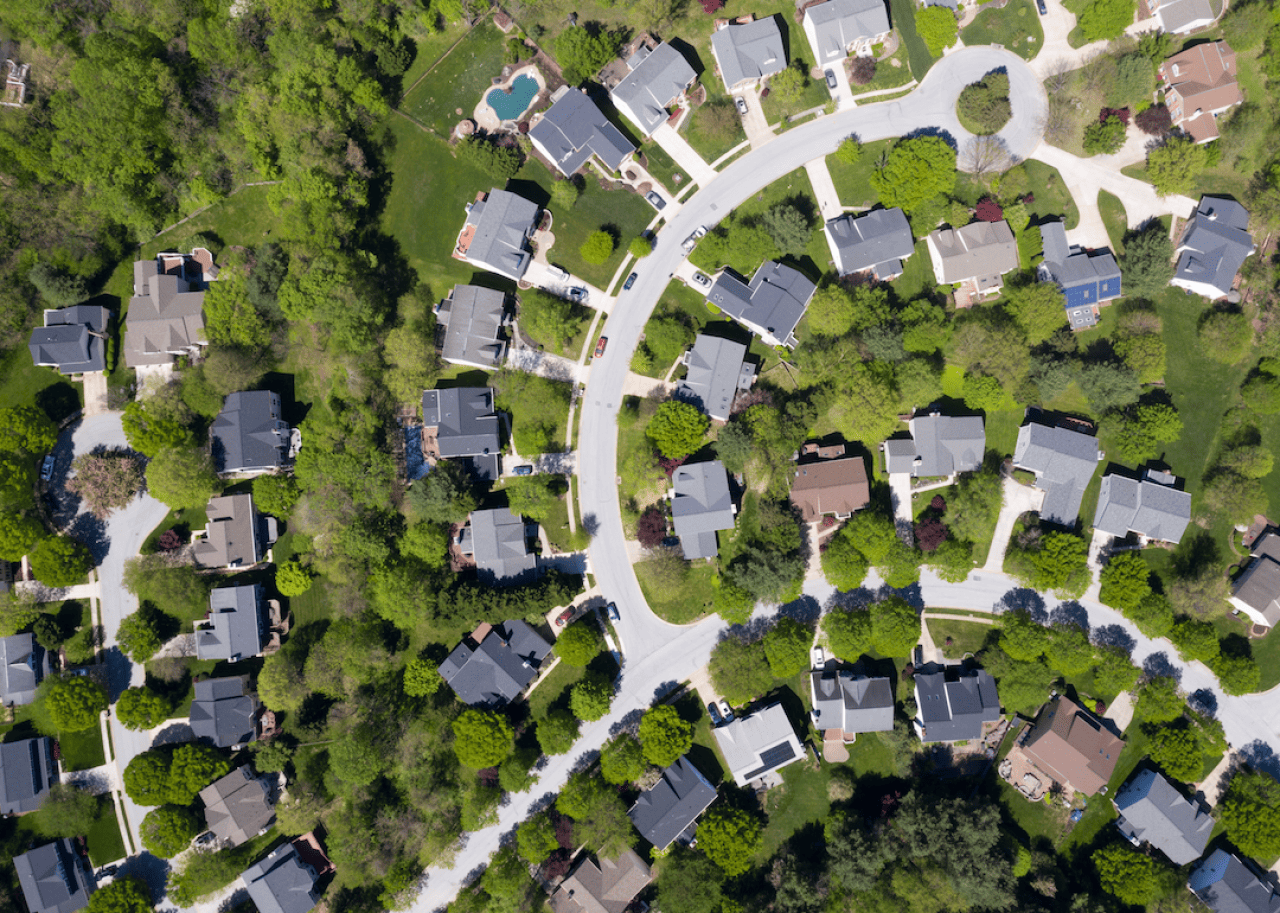 Andrea Izzotti // Shutterstock
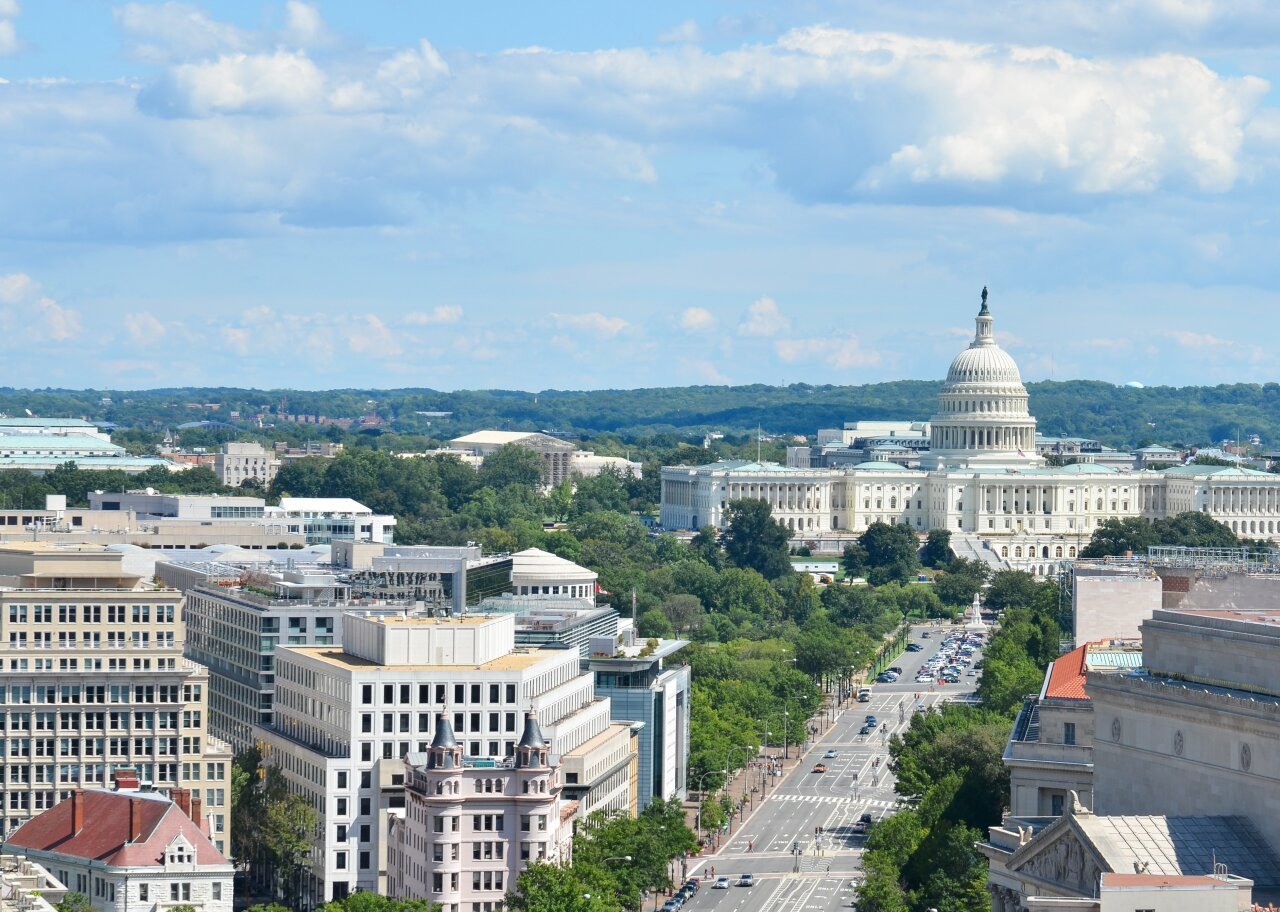 Orhan Cam // Shutterstock
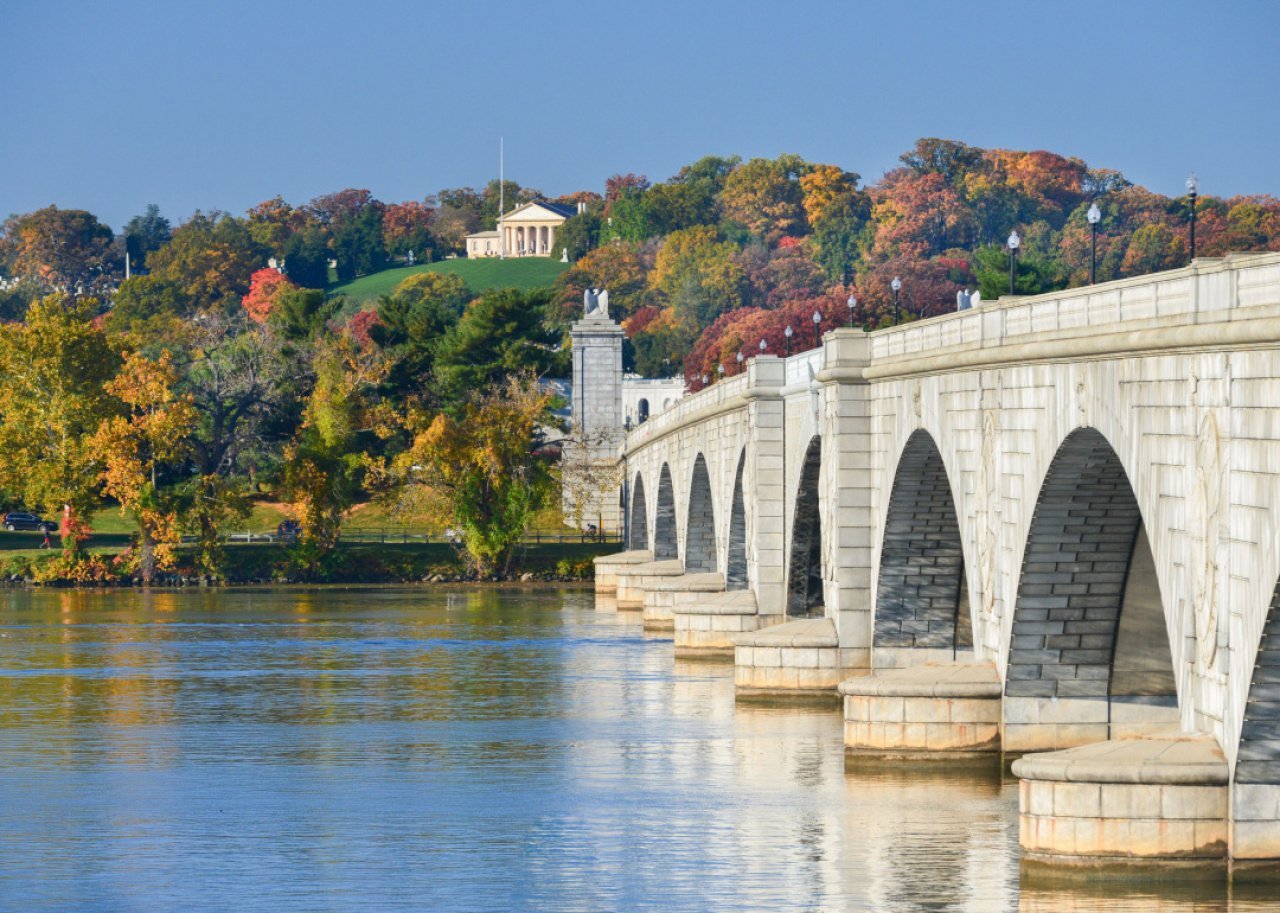 Orhan Cam // Shutterstock
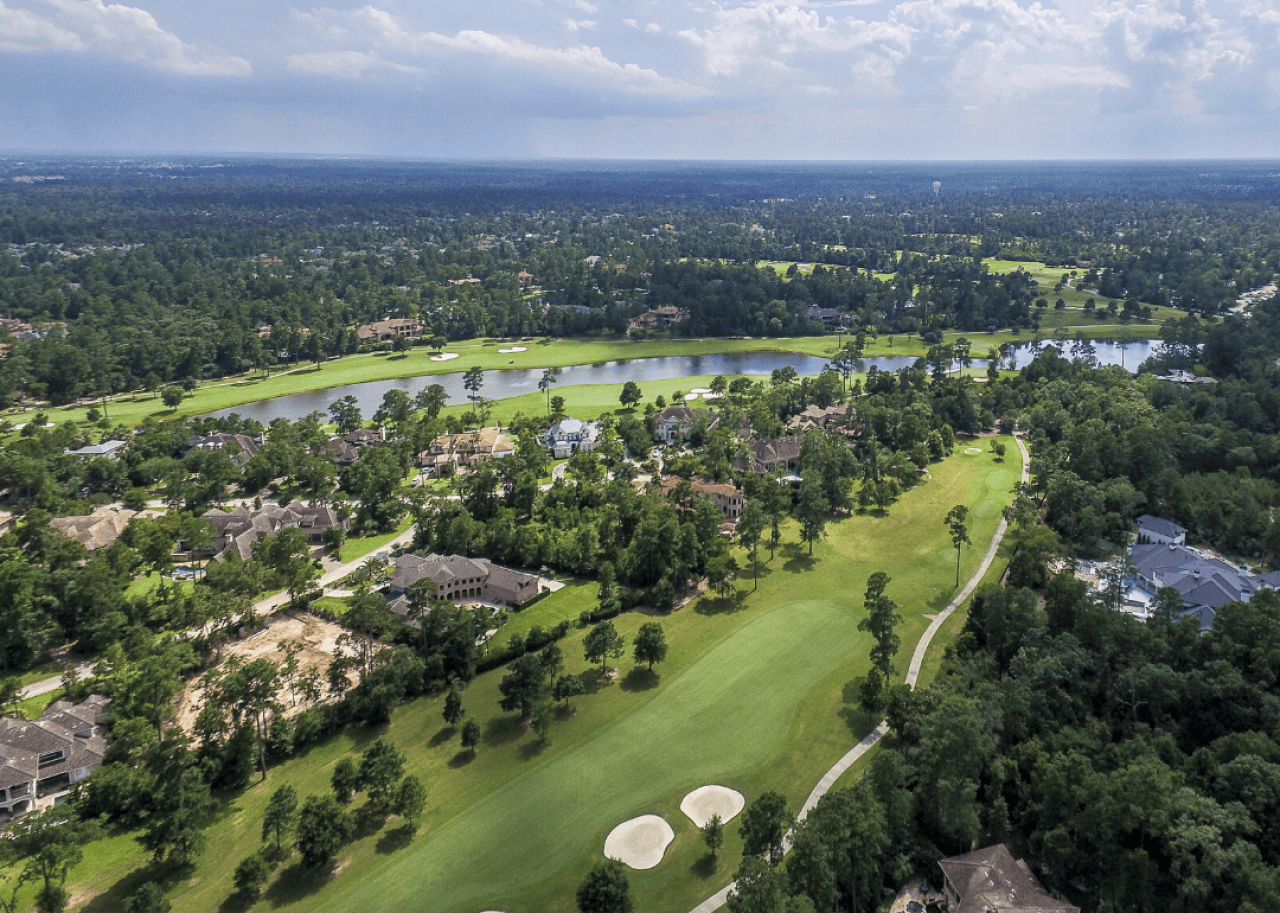 thierry dehove // Shutterstock
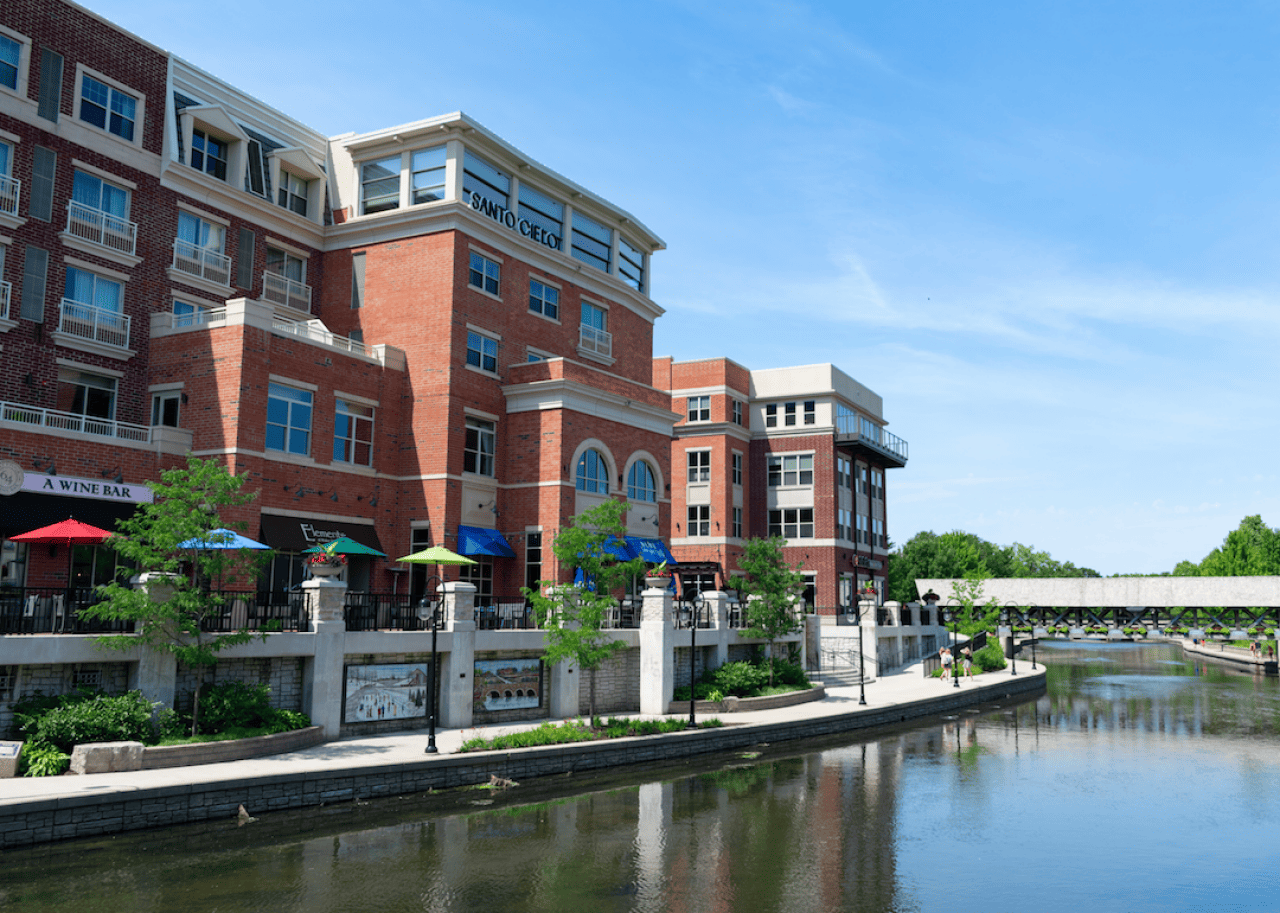 James Andrews1 // Shutterstock