

NEW YORK — For the first time in 30 years, the American Academy of Pediatrics is substantially diverging from U.S. government vaccine recommendations.
The group's new COVID-19 recommendations — released Tuesday — come amid a tumultuous year for public health, as vaccine skeptics have come into power in the new Trump administration and government guidance has become increasingly confusing.

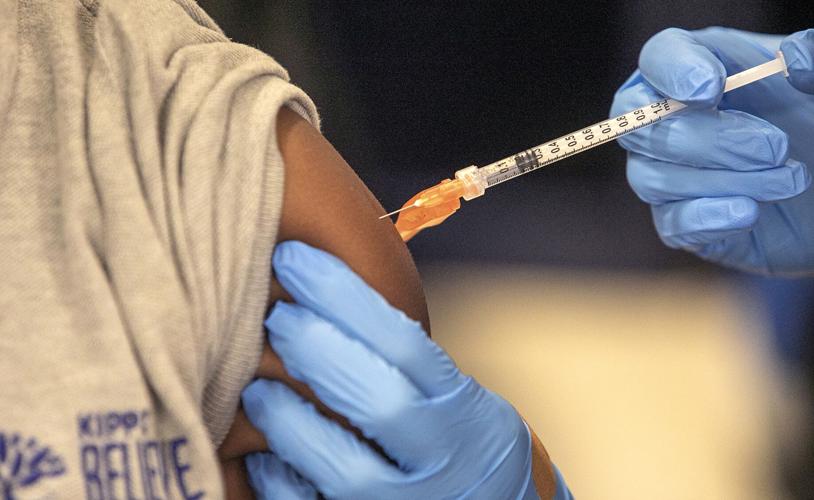
Medical personnel vaccinate students Jan. 25, 2022, at a school in New Orleans.
This isn't going to help, acknowledged Dr. James Campbell, vice chair of the AAP infectious disease committee.
"It is going to be somewhat confusing. But our opinion is we need to make the right choices for children to protect them," he added.
The AAP strongly recommends COVID-19 shots for children ages 6 months to 2 years. Shots also are advised for older children if parents want their kids vaccinated, the AAP said.
That differs from guidance established under U.S. Health Secretary Robert F. Kennedy Jr., which doesn't recommend the shots for healthy children of any age but says kids may get the shots in consultation with physicians.
Children ages 6 months to 2 years are at high risk for severe illness from COVID-19, and it was important that recommendations continue to emphasize the need for them to get vaccinated, said Campbell, a University of Maryland infectious diseases expert.
Vaccinations also are recommended for older children who have chronic lung diseases or other conditions that put them at higher risk for severe disease, the AAP said.
The 95-year-old Itasca, Illinois-based organization has issued vaccination recommendations for children since the 1930s. In 1995, it synced its advice with recommendations made by the federal government's Centers for Disease Control and Prevention.

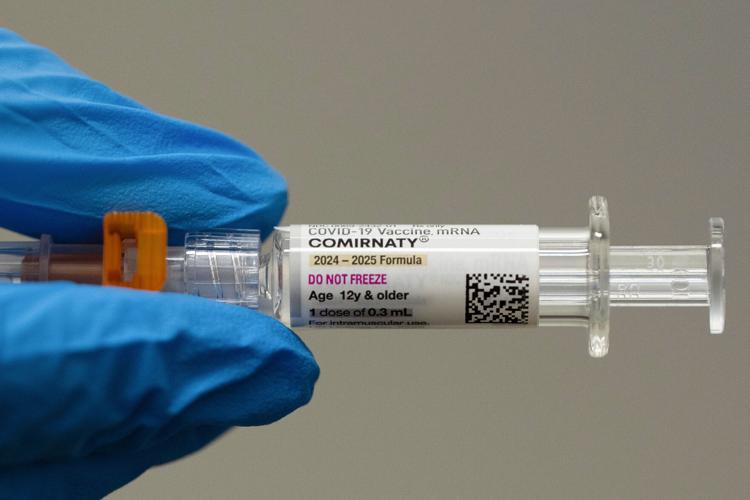
A pharmacist holds a Pfizer and BioNTech COVID-19 vaccine shot Thursday, April 24, in Portland, Ore.
There have been a few small differences between AAP and CDC recommendations since then. For example, the AAP has advised that children get HPV vaccinations starting at age 9; the CDC says that's OK but has emphasized vaccinations at ages 11 and 12.
But in 30 years, this is the first time the recommendations have differed "in a significant or substantial way," Campbell said.
Until recently, the CDC — following recommendations by infectious disease experts — urged annual COVID-19 boosters for all Americans ages 6 months and older.
But in May, U.S. Health Secretary Robert F. Kennedy Jr. announced that COVID-19 vaccines are no longer recommended for healthy children and pregnant women. A few days later, the CDC issued language that healthy children may get the shots, but that there was no longer a "should" recommendation.
The idea that healthy older kids may be able to skip COVID-19 boosters has been brewing for some time among public health experts. As the COVID-19 pandemic waned, experts increasingly discussed the possibility of focusing vaccination efforts on people 65 and older — who are among those most as risk for death and hospitalization.

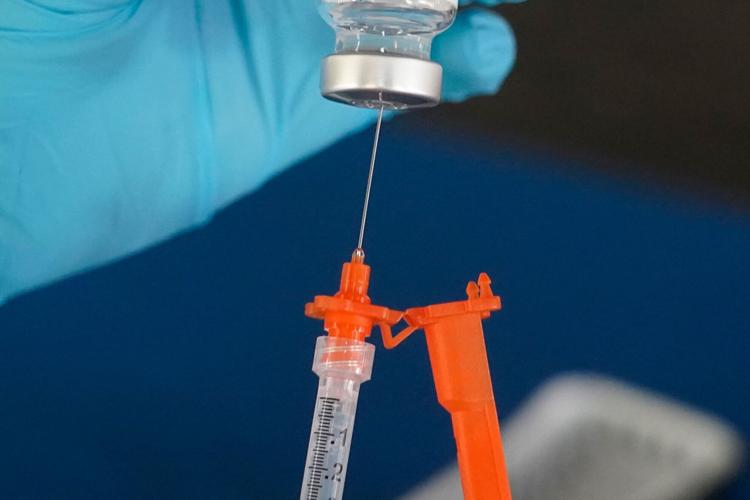
A nurse loads a syringe with a COVID-19 booster vaccine Nov. 18, 2022, at an inoculation station in Jackson, Miss.
A CDC expert panel in June was scheduled to make recommendations about the fall shots. Among the options the panel considered was whether suggest shots for high-risk groups but still giving lower-risk people the choice to get vaccinated.
But Kennedy bypassed the group, and also decided to dismiss the 17-member panel and appoint his own, smaller panel that included vaccine skeptics. Kennedy also later excluded the AAP, the American Medical Association and other top medical organizations from working with the advisers to establish vaccination recommendations.

Kennedy's new vaccine panel has yet to vote on COVID-19 shot recommendations.
The panel did endorse continuing to recommend fall flu vaccinations, but also made a decision that led to another notable difference with the AAP.
The new advisory panel voted that people should only get flu vaccines that are packaged as single doses and do not contain the preservative thimerosal.
The AAP said there is no evidence of harm from the preservative, and recommended doctors use any licensed flu vaccine product that's appropriate for the patient.





15 ways to stay cool this summer without AC

15 ways to stay cool this summer without AC
The summer of 2025 continues to heat up across the United States. According to the National Weather Service's climate outlook for June through August of this year, above-normal temperatures are expected throughout the country, with the highest temps predicted in the Southwest and Northeast. Already, most of the nation endured a record-breaking heat and humidity wave in June 2025, and there's more than a month of summer still to go.
Unfortunately, warmer-than-average summers are quickly becoming the norm. The National Oceanic and Atmospheric Administration notes that the summer of 2024 was the fourth-hottest recorded in the nation's history. The month of August 2024 alone set a new standard as the warmest August in NOAA's global climate record, which goes back 175 years.
Suffice it to say, staying cool has become more important—and more difficult—than ever. According to a May 2025 report from the National Energy Assistance Directors Association and the Center for Energy Poverty and Climate, prices for home cooling are expected to soar in the summer of 2025 and may reach a record high. Luckily, there are many low-cost, energy-efficient ways to cool off during summer heat that work and don't involve sitting in a bath of ice water all day. These tricks can make a difference when your attention is required in a classroom or office setting, or if you're working outside and need relief from the hot sun. Stacker scoured scientific studies, DIY websites, and even American history to devise 15 ways to stay cool on warm days without AC.
Keep reading to learn a simple hack for using skin care products to bring down your core temperature, how hot beverages may actually cool you off, and how to use fans more to beat the heat this summer.
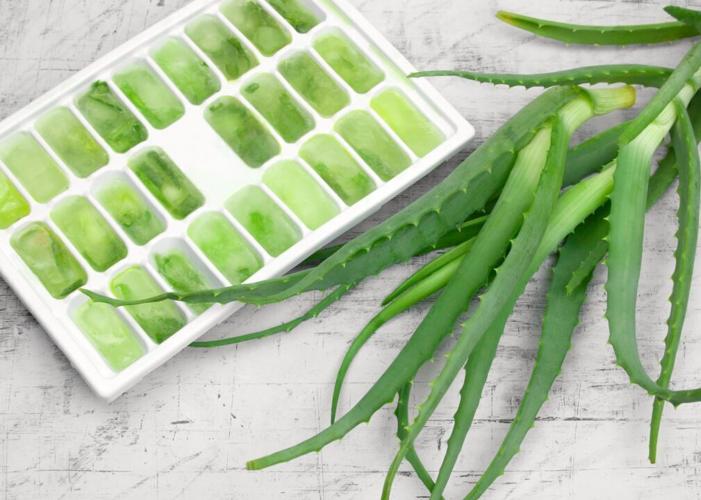
Aloe ice cubes
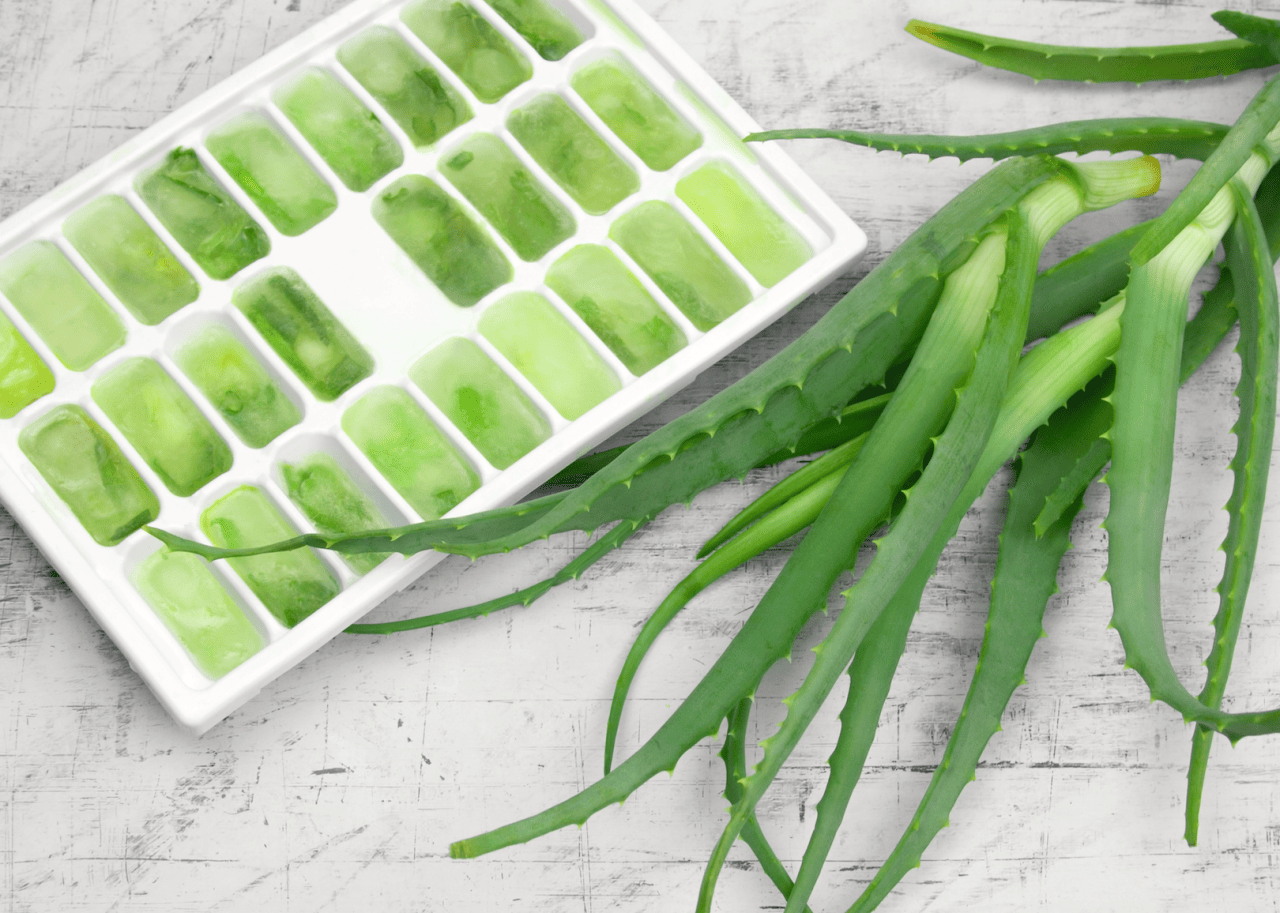
Despite one's best efforts to reapply sunscreen as directed, being out in the sun all day can still lead to sunburn and skin damage. The medicinal use of aloe vera to help treat skin ailments can be tracked all the way back to the 4th century B.C. The antiseptic aloe vera is ultimately a wonder plant: In skin care applications it acts as a cleanser, astringent, and moisturizer, and it can stimulate the growth of new skin tissue, while also calming the nervous system. For an extra cooling effect, mix water and aloe vera in ice cube trays, and pop them into the freezer for use when needed.
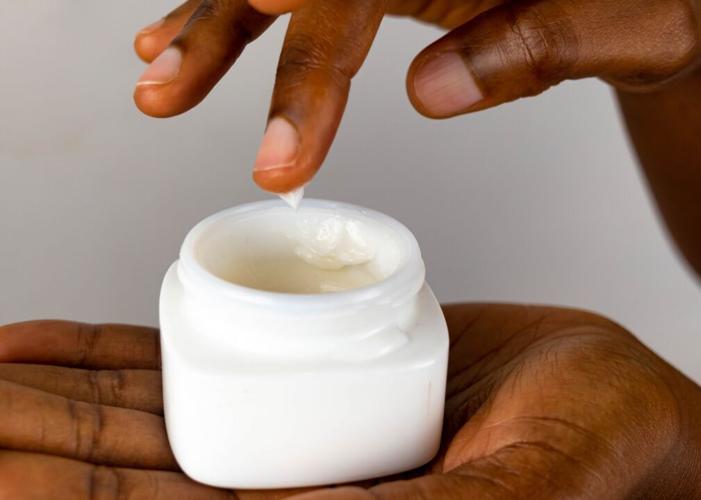
Keep skincare products cold
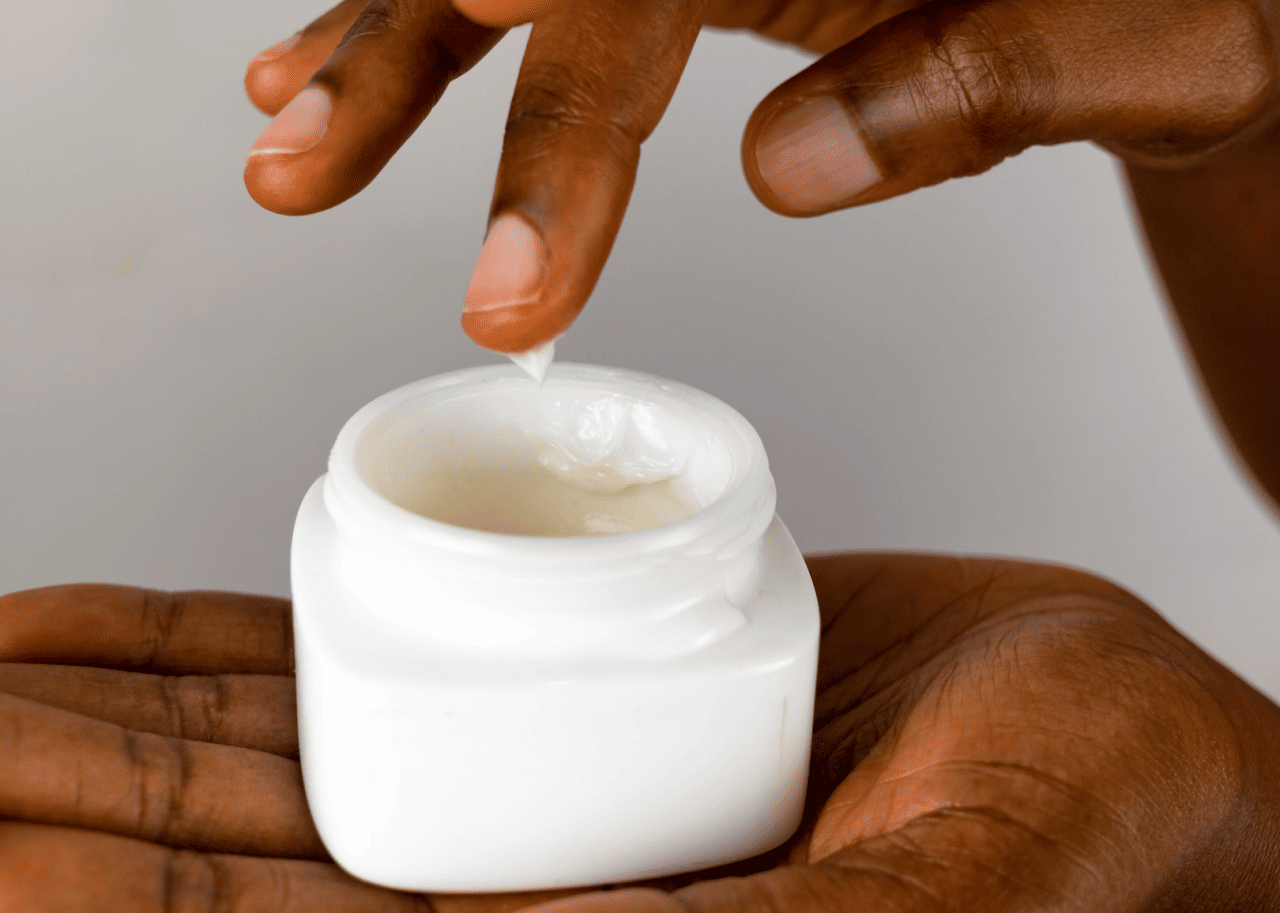
Whether your skincare routine involves multiple products or just one, keeping them in the refrigerator can make for a refreshing reprieve from the heat. Many lotions, serums, sprays, and masks will even keep their potency for longer when kept cold.
Stop cooking
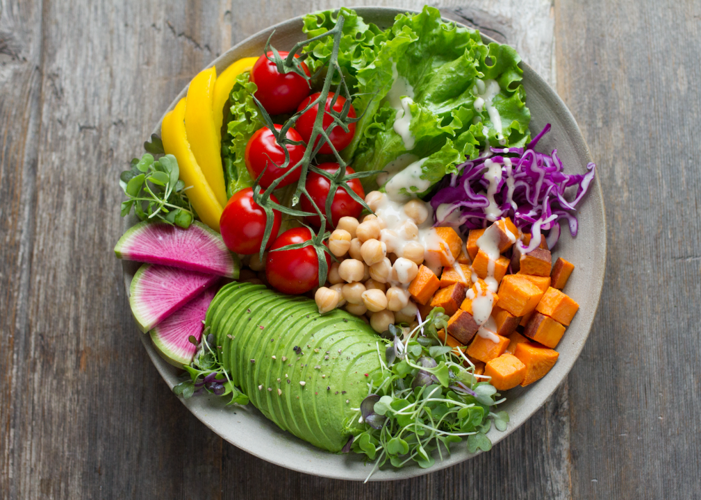
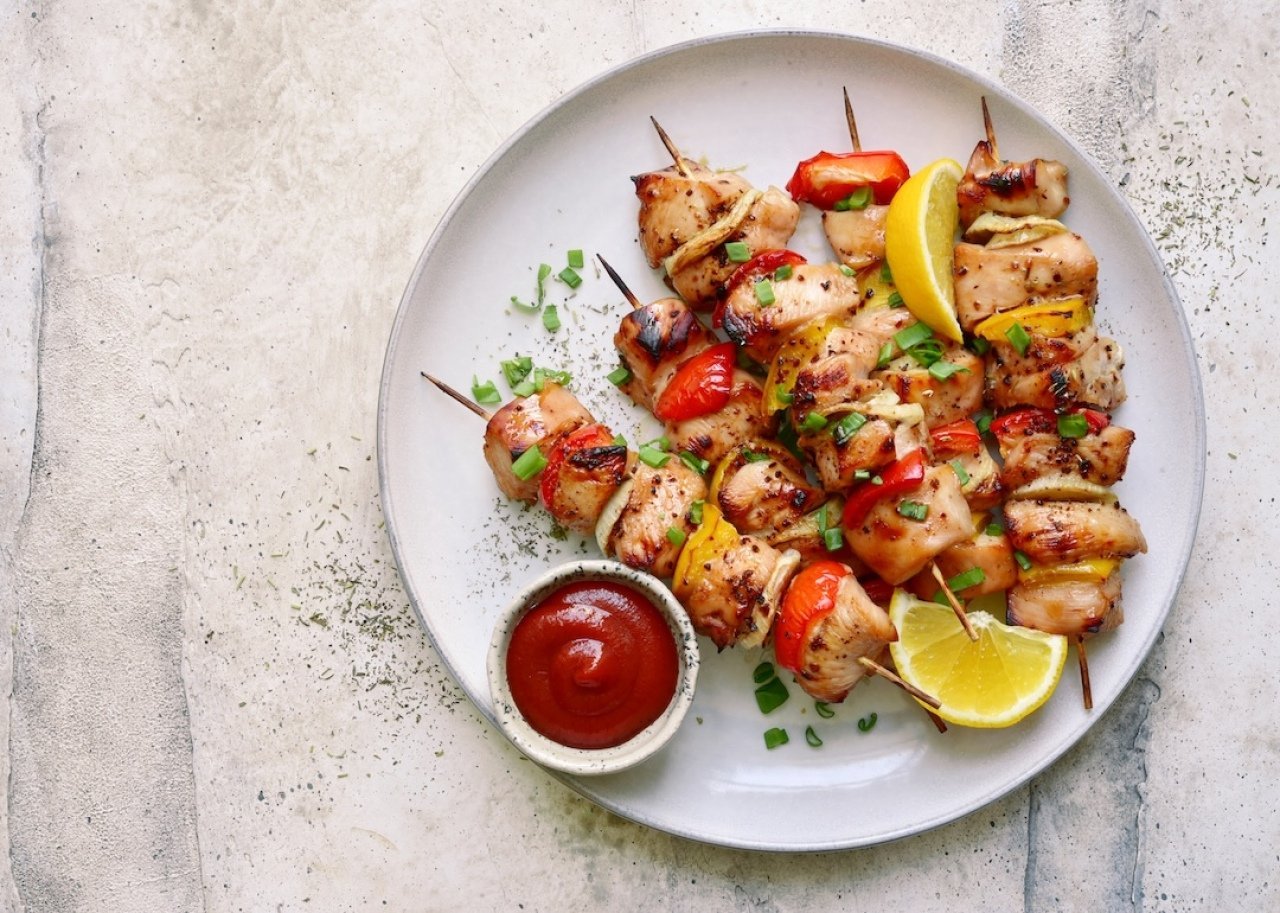
There is no better way to heat up a home in the summer than by switching on the oven, burners, or toaster oven. Avoid that entirely by grilling outside, eating out, or switching things up with meals that don't require the stove on the hottest days. Salads, cold sandwiches, cold soups like gazpacho, and nori rolls are all great options for hot days.

Cool down pressure points
A well-placed bandana that's been soaked in cold water will work wonders to cool you off. Be sure to tie it around a major pressure point (ankles, wrists, neck, or elbows) and it can provide an instant chill.
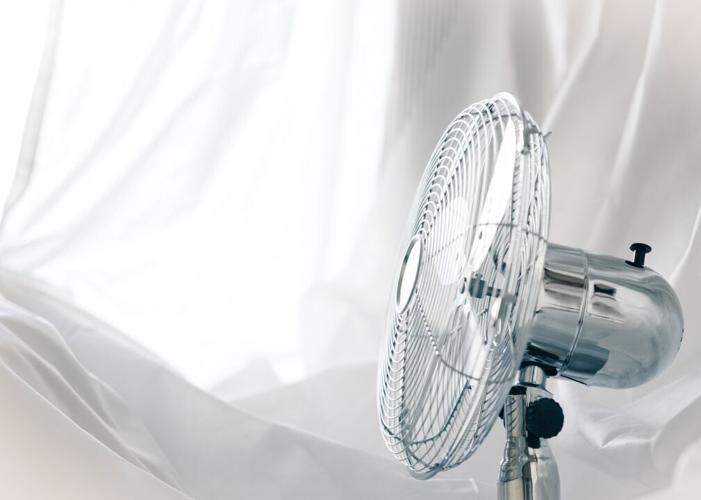
Up your fan game
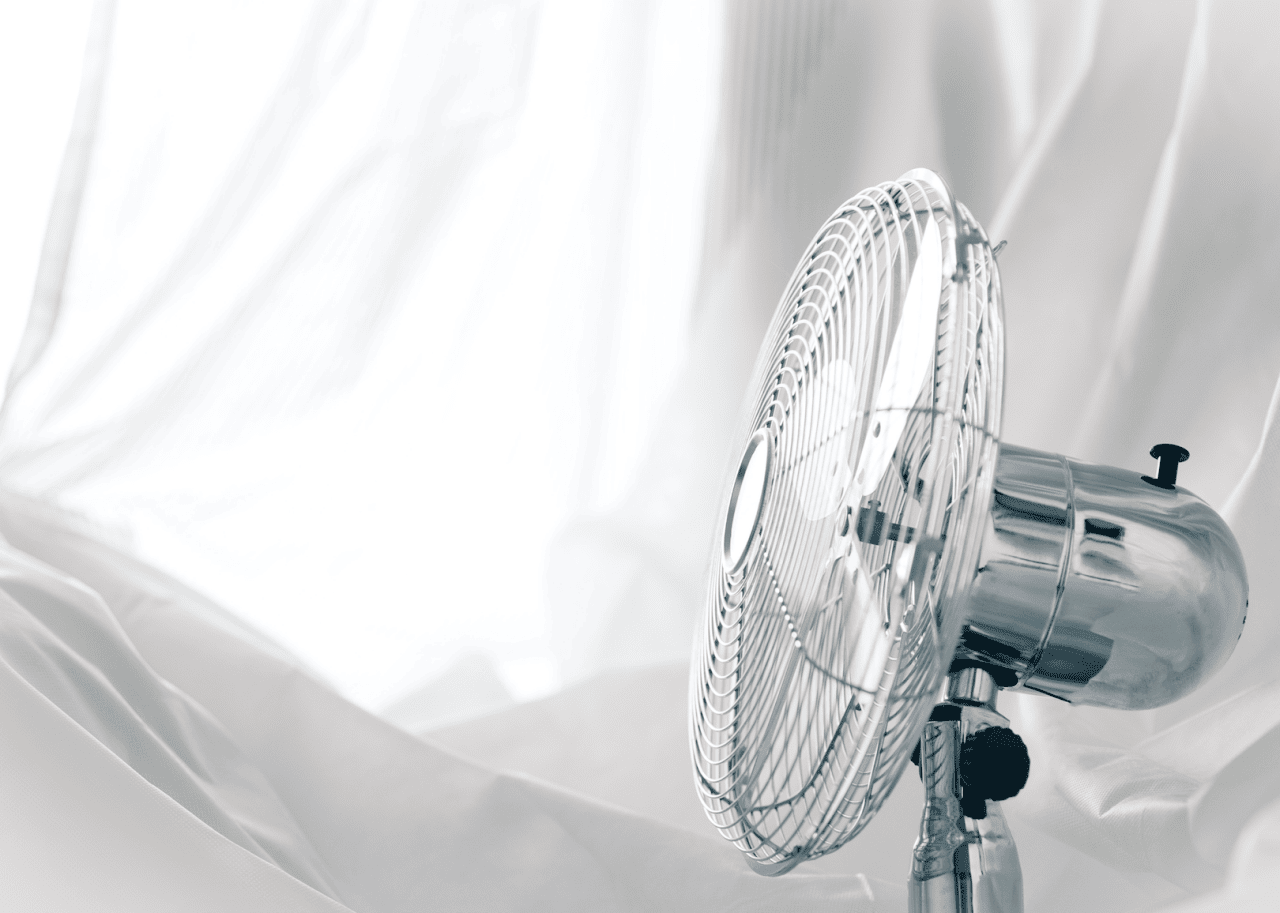
Strategic placement of fans throughout the home can completely change an indoor climate. Window fans pulling in cooler outside air should be positioned on the first floor of the shadiest, coolest side of the home (most likely in a north-facing window). A fan blowing out the window, which will suck warmer air from inside, should be placed on the sunniest, hottest side of the second floor (or same floor if it's a one-story home or apartment). Ceiling fans should be rotating counter-clockwise (from your vantage point below it)—don't forget to reverse this direction during cooler months!
Increase water intake
Besides keeping your body hydrated, drinking water helps regulate internal temperatures. Keep your hydration levels topped off throughout the day and evening to ensure heat is being managed most effectively by your most powerful weapon. The American Heart Association recommends drinking water in equal measure to how many ounces of sweat you're expelling—for a high school football player, that can be up to five pounds in one summer practice, or 80 ounces.
You may also like: What to watch out for in the water this summer
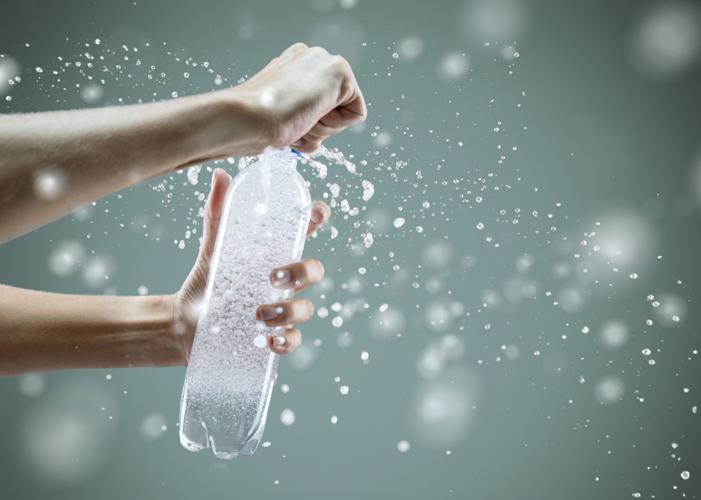
Fill water bottles with ice water
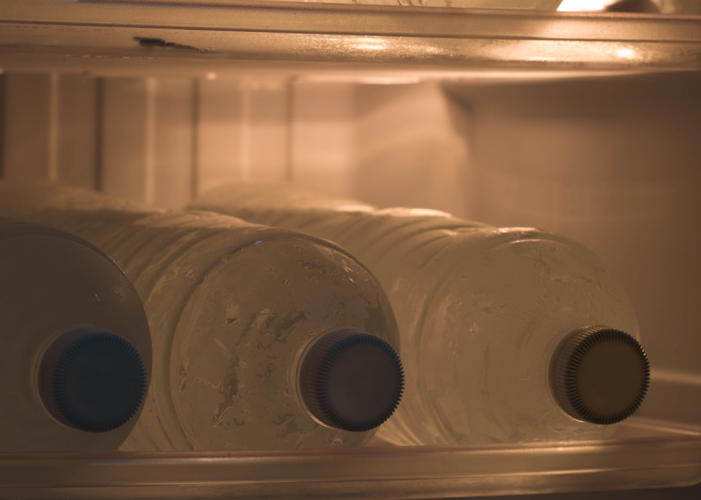
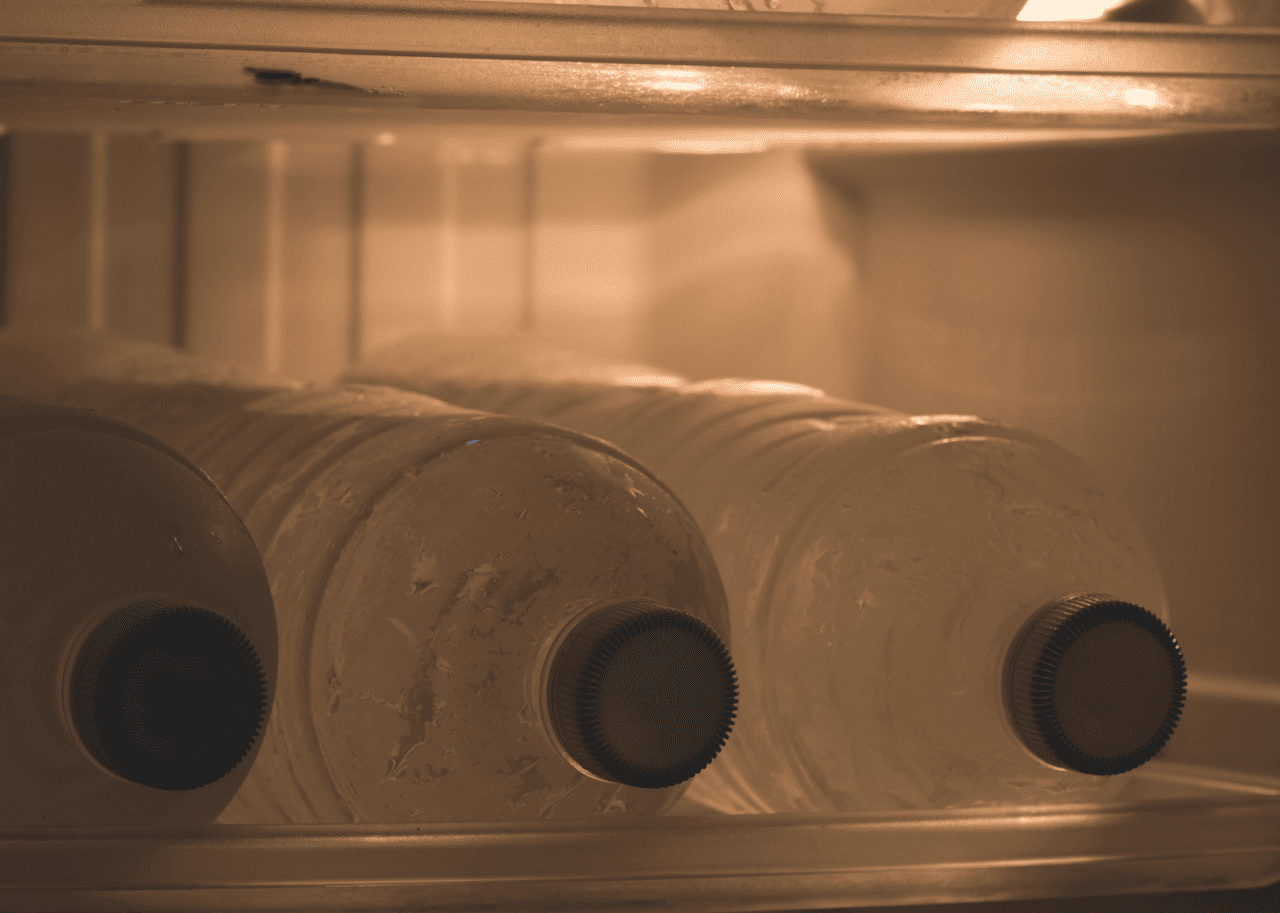
Hot water bottles are built to keep people warm on cold nights, but they can also serve the opposite purpose. Fill your hot water bottle (or a regular water bottle, if that's what you have) with tap water, put it in the freezer for a few hours, and then sleep with the bottle at your feet. Your feet are one of the most temperature-sensitive parts of your body, so keeping them cool will help the rest of your body stay cool.

UV window films
While a west-facing home may be perfect in winter, it makes cooling the house down in the summer a bit more challenging. Stock up on reusable UV window film to keep the sun's harmful rays out and the cool air in (it will also work to keep your home warm in the winter). Tinfoil and space blankets work great for blocking heat from windows, too, and may save you a few bucks.

Wear cotton clothing
Cotton is a great fabric for the summer whether you live in the dry heat of Arizona or humid Florida; this light material allows air to circulate without getting trapped in one place, cooling your body naturally. Other fabrics that can help you fight off the sweat are chambray, rayon, linen, and synthetic blends, and lighter colors are generally cooler than darker colors.

Eat foods with high water content
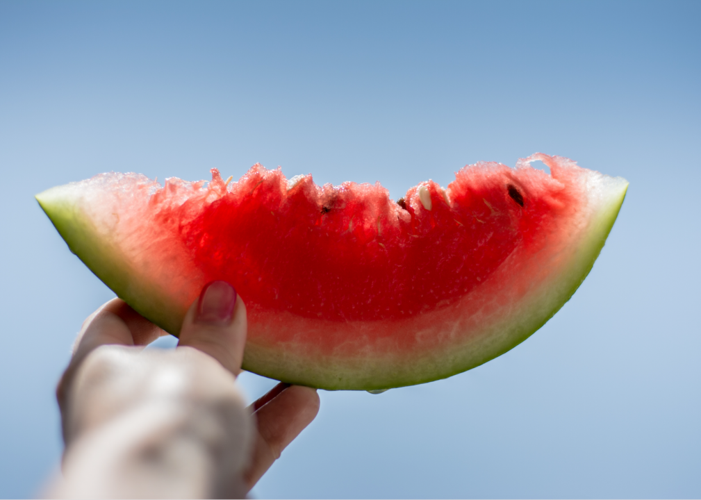
Drinking a lot of water is one way to stay hydrated during the summer, but it can also be done through eating foods that have high water content. This includes fruits and vegetables such as melons, cucumbers, lemons, grapes, leafy greens, and berries. Spicy foods prepared with chili peppers are great coolers as well: the chilis increase circulation and cause perspiration. And while ice cream might seem refreshing in the moment, it will only make you feel warmer in the long run—flavored ice is a good alternative.

Drink something hot
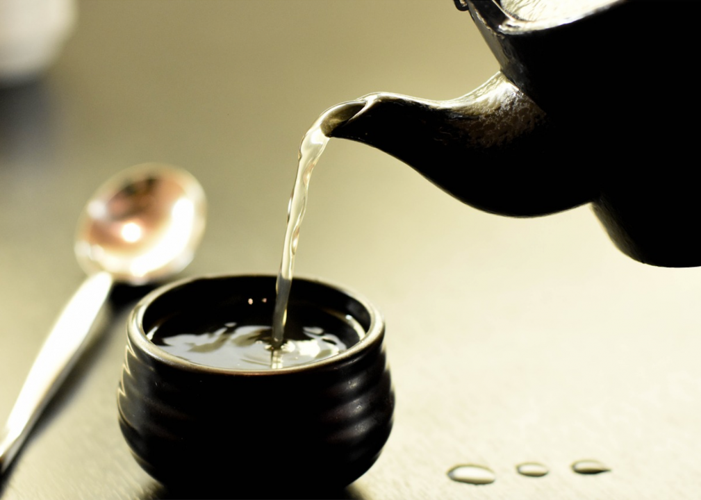
It seems counterintuitive, but drinking something hot on a warm, dry day can help to cool a body off. A Thermal Ergonomics Lab study found that drinking a hot beverage increases sweat production, which in turn cools the body off. There's just one caveat—the sweat needs to be able to evaporate in short order. This trick will not work if you're wearing a lot of clothing that can trap sweat or if the scorching day is paired with high humidity.
You may also like: 50 activities to keep children engaged this summer
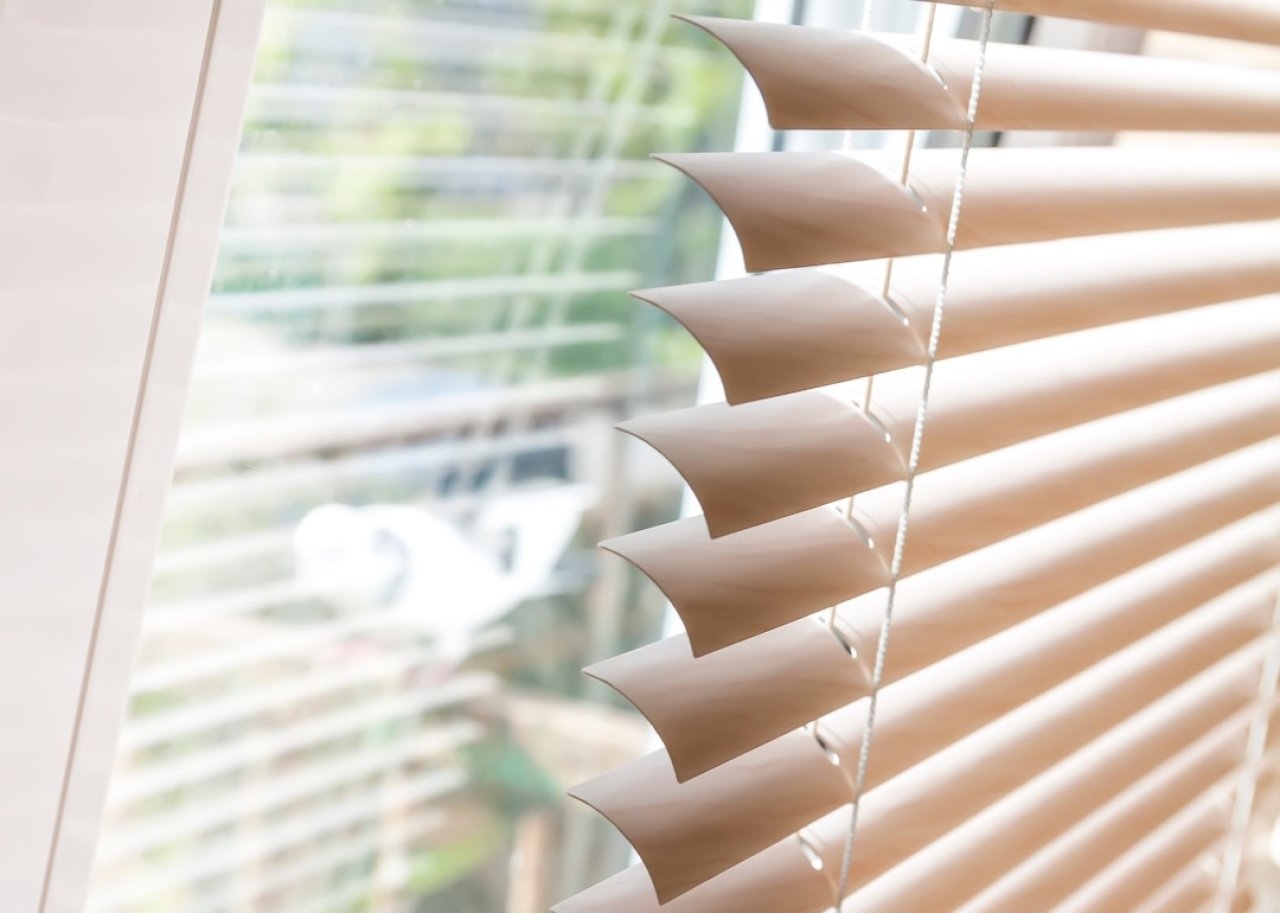
Close your windows during the day
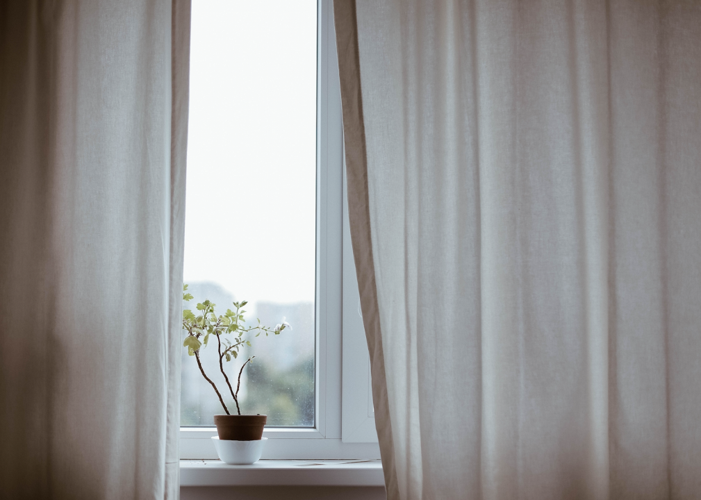
Strategically opening windows at night when the air is coolest and keeping them closed (with curtains drawn!) during the day is one of the most straightforward ways to keep a home cooler in summer months. This method is most effective if you have adequate insulation in the walls to trap the cooler night air inside. Another window trick is to take advantage of convection: When double-hung windows are open, keep them as such at the top and the bottom. Having the top window cracked allows hot air to escape, while the bottom window being cracked will suck in cooler air from outside.
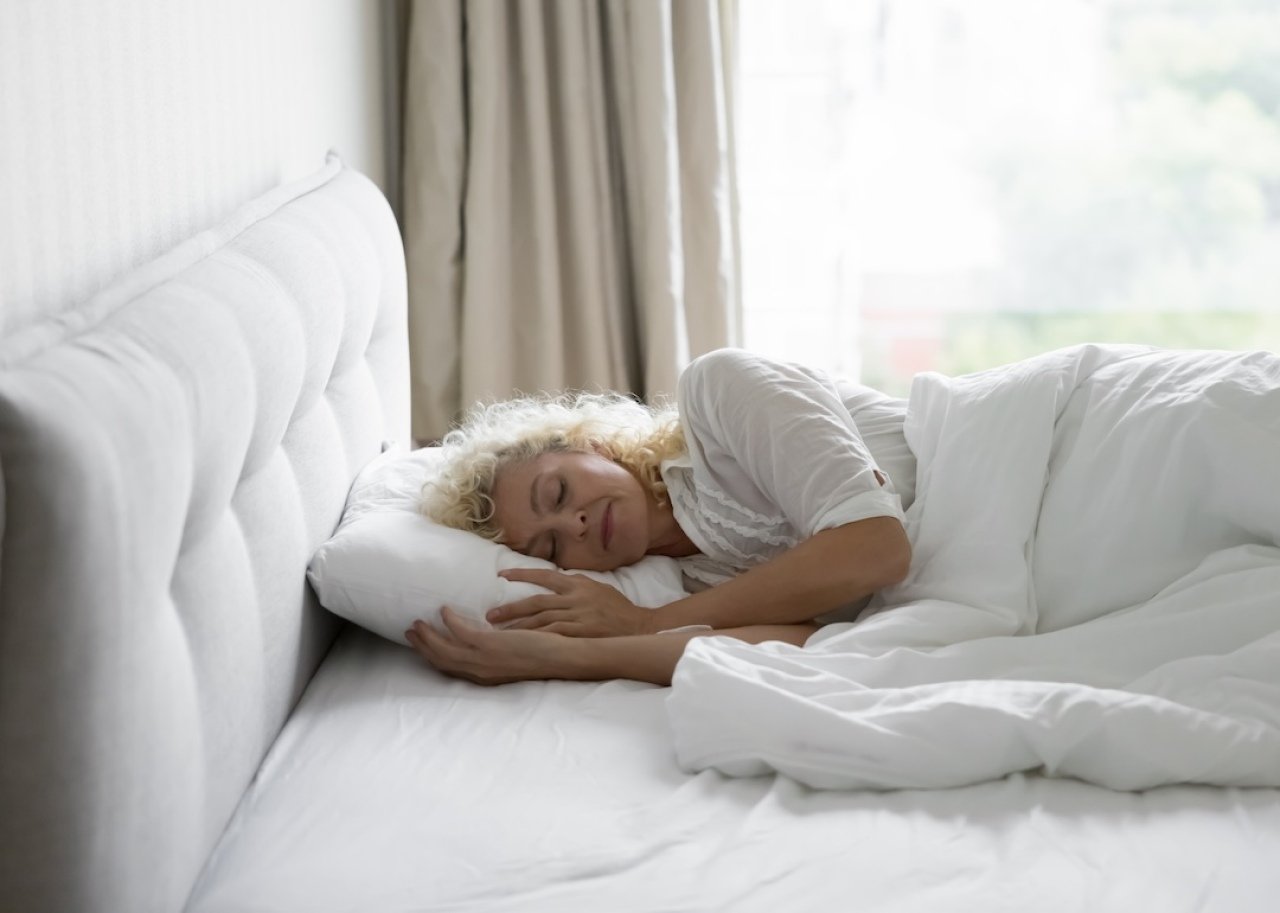
Chill your sheets before bed
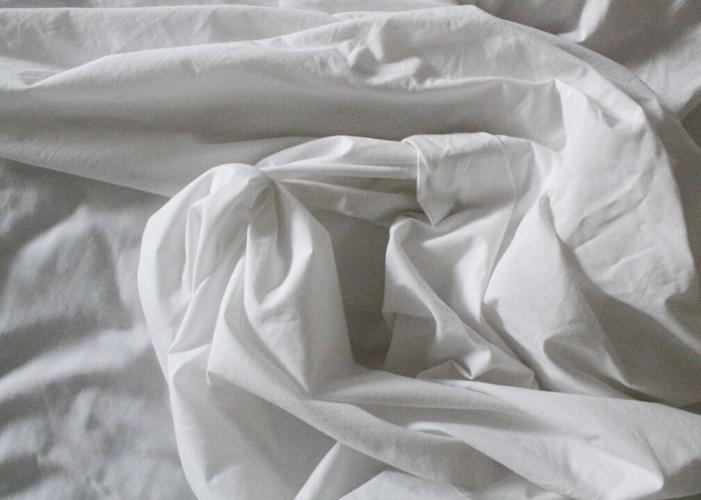
Plan ahead for hot nights: fold up a top sheet, put it in a bag, and set said bag in the freezer a few hours before bed. When it's time to hit the hay, take the sheet out and lay it on top of you. For a last-minute (slightly messier) iteration of the same technique, before going to bed wet down a top sheet in cold water, wring the sheet out well, and put it over yourself.

Block the light
In addition to keeping windows closed during the day and open at night, use blackout curtains to trap cool air inside and keep the heat from coming in. They've been said to reduce heat transfer through windows by as much as 24%—that's a lot of degrees when it's sweltering outside.
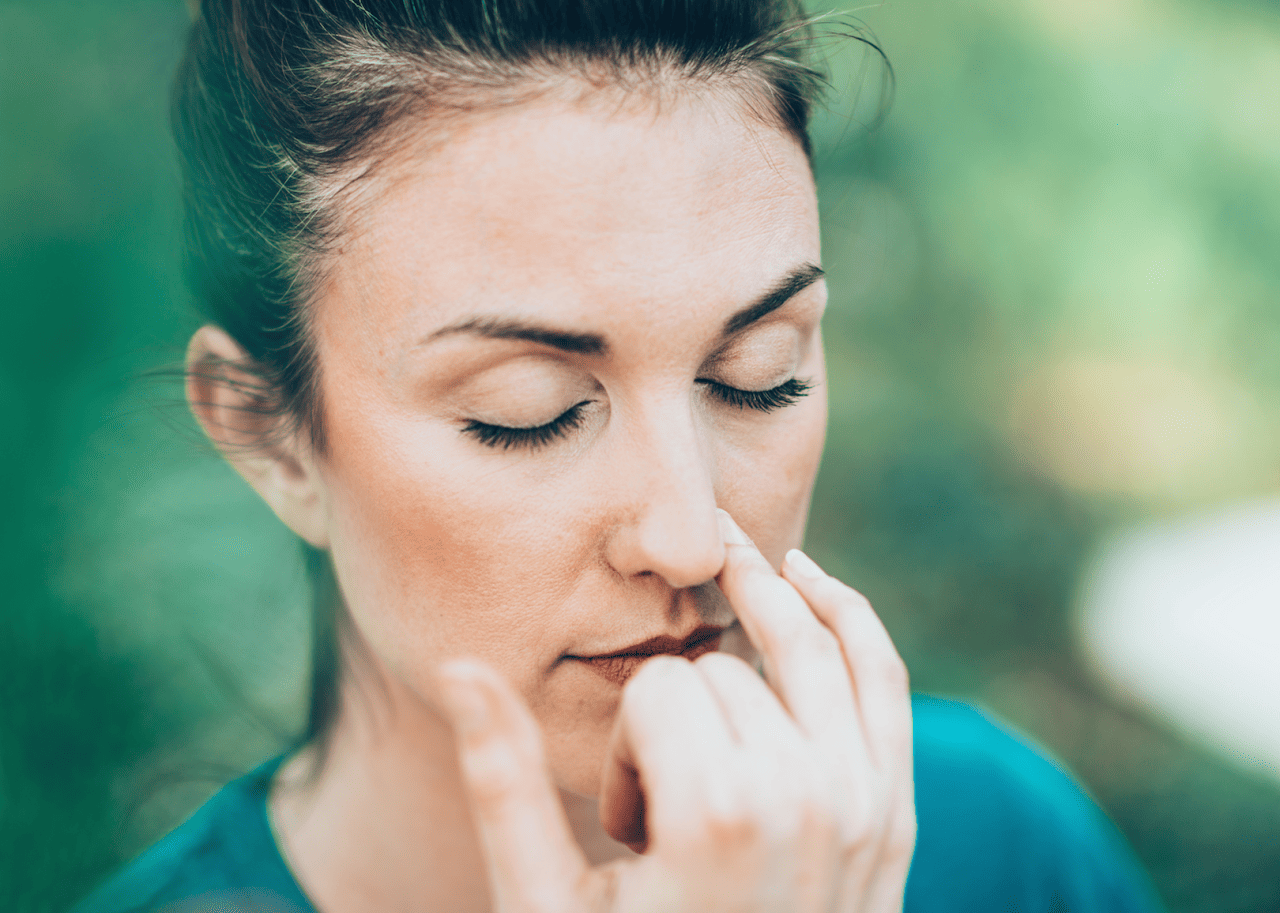
Practice Pranayama
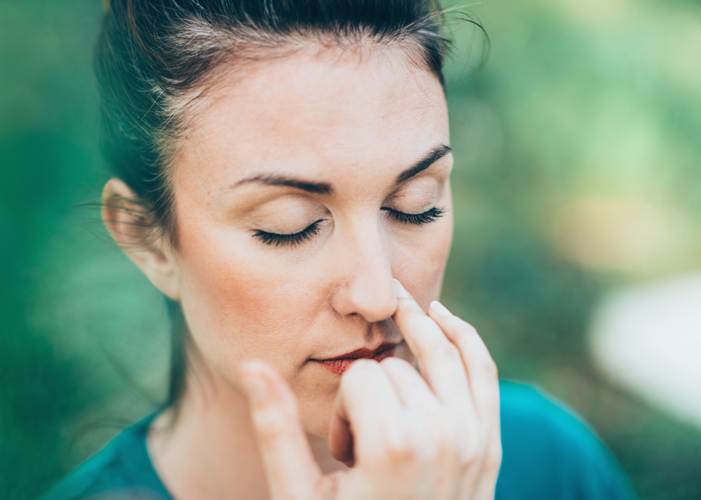
Pranayama is the practice of breath control—and utilizing it can make you feel noticeably cooler. Two breaths, in particular, that can help are the sitali ("cooling breath") and sitkari ("sipping" or "hissing"). In the sitali, the mouth is opened into an "O," and the tongue folded lengthwise into a tube to suck air through. After sticking the curled tongue out almost an inch from the lips, a big breath is drawn in, using the tongue like a drinking straw. This will pull cool air into the diaphragm. After breathing in, the mouth is closed and air slowly exhaled through the nose. The sitkari variation of this breath involves closing the top and bottom teeth together with lips open in a smile. Long, slow breaths are drawn in this position through the teeth and mouth, then the mouth is closed and the breath exhaled slowly through the nose.

2021 is already shaping up to be a hot year, with warmer than average spring temperatures and hot streaks across much of the continental U.S into June. In May 2021, there were 947 record warm daily high temperatures recorded across the U.S., according to the National Oceanic and Atmospheric Administration (NOAA). Stacker scoured scientific studies, DIY websites, and even American history to come up with 15 ways to stay cool on warm days without AC.
For anyone not living along the northern edges or mountains of the U.S., the dog days of summer feature weeks—if not months—on end of intolerable heat. Sizzling temperatures have been shown to negatively affect memory, reaction time, productivity, moods, and even suicide rates. One study by Harvard University in 2016 tracked students before and after a heatwave and determined that higher temperatures correlated with decreased cognitive function; another by Stanford University in 2018 studied the links between suicide rates and temperature and ultimately theorized that bumps in temperature from now through the year 2050 may correlate with an added 21,000 deaths from suicide.
For the times we can't be in air conditioning 24/7, there are thankfully many low-cost, energy-efficient ways to cool off during summer heat that work and don't involve sitting in a bath of ice water all day. These tricks can make a difference when your attention is required in a classroom or office setting, or if you're working outside and need relief from the hot sun.
Keep reading to see a simple hack for using skin care products to bring down your core temperature, how hot beverages may actually cool you off, and how to up your use of fans to beat the heat this summer.
You may also like: Song of summer the year you graduated from high school

