

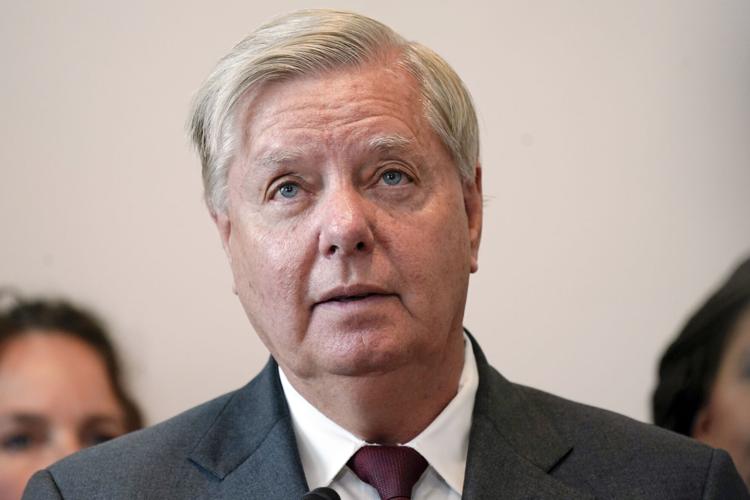
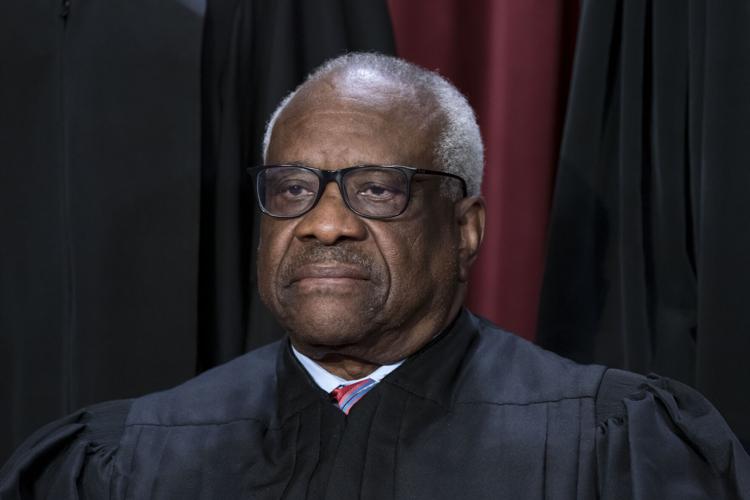
WASHINGTON (AP) — Supreme Court Justice Clarence Thomas on Monday temporarily blocked Sen. Lindsey Graham's testimony to a special grand jury investigating whether then-President Donald Trump and others illegally tried to influence the 2020 election in the state.
Thomas' order is intended to prevent Fani Willis, Fulton County district attorney, from compelling Graham to testify while the Supreme Court weighs the senator's request for a lengthier halt to the proceedings.
Trump election probe grand jury selected
Willis has a deadline Thursday to tell the high court why Graham should have to answer the grand jury's questions. Lower courts have ruled that his testimony can take place.
Thomas acted on his own, as the justice who handles emergency appeals from Georgia.
Graham's office described the South Carolina Republican's filing as an attempt “to defend the Constitution and the institutional interest of the Senate.” The lower court's ruling, Graham's office said, “would significantly impact the ability of senators to gather information in connection with doing their job.”
The legal move was the latest in Graham's ongoing fight to prevent his testimony in a case that has ensnared allies and associates of the former president. Some have already made their appearances before the special grand jury, including former New York mayor and Trump attorney Rudy Giuliani — who’s been told he could face criminal charges in the probe — attorneys John Eastman and Kenneth Chesebro, and former White House counsel Pat Cipollone.
Paperwork has been filed seeking testimony from others, including former White House chief of staff Mark Meadows, former national security adviser Michael Flynn and former U.S. House Speaker Newt Gingrich.
Graham, a four-term senator who last won reelection in 2020, was first subpoenaed in July by Willis, who opened her investigation shortly after a recording of a January 2021 phone call between Trump and Georgia Secretary of State Brad Raffensperger was made public. In that call, Trump suggested Raffensperger could “find” the votes needed to overturn his narrow loss to Democrat Joe Biden.
Willis wants to question Graham about two phone calls he made to Raffensperger and his staff in the weeks after the election.
During those calls, Graham asked about “reexamining certain absentee ballots cast in Georgia in order to explore the possibility of a more favorable outcome for former President Donald Trump,” Willis wrote in a petition seeking to compel his testimony.
Graham also “made reference to allegations of widespread voter fraud in the November 2020 election in Georgia, consistent with public statements made by known affiliates of the Trump Campaign,” she wrote. She said in a hearing last month that Graham may be able to provide insight into the extent of any coordinated efforts to influence the results.
Raffensperger said he took Graham’s question about absentee ballots as a suggestion to toss out legally cast votes. Graham has dismissed that interpretation as “ridiculous.” Graham has also argued that the call was protected because he was asking questions to inform his decisions on voting to certify the 2020 election and future legislation.
Graham challenged his subpoena in federal court, but a judge refused to toss it out. Graham then appealed to the 11th U.S. Circuit Court of Appeals, and a three-judge panel ruled Thursday in favor of Willis. Graham can appeal to the full court.
Graham’s lawyers argued that the Constitution’s speech or debate clause, which protects members of Congress from having to answer questions about legislative activity, shields him from having to testify.
Graham is represented by former White House counsel Don McGahn, who was involved in a lengthy court fight over a congressional subpoena for his own testimony related to special counsel Robert Mueller's investigation of Russian interference in the 2016 election. After years of back-and-forth, the two sides reached an agreement and McGahn answered investigators' questions in a private session.
The 9 current justices of the US Supreme Court
Chief Justice John Roberts
Updated
Chief Justice John Roberts
Nominated to serve as chief justice by President George W. Bush
Took seat Sept. 29, 2005
Born Jan. 27, 1955, in Buffalo, N.Y.
Justice Clarence Thomas
Updated
Associate Justice Clarence Thomas
Nominated to serve as associate justice by President George H.W. Bush
Took seat Oct. 23, 1991
Born June 23, 1948, near Savannah, Georgia
Justice Samuel Alito
Updated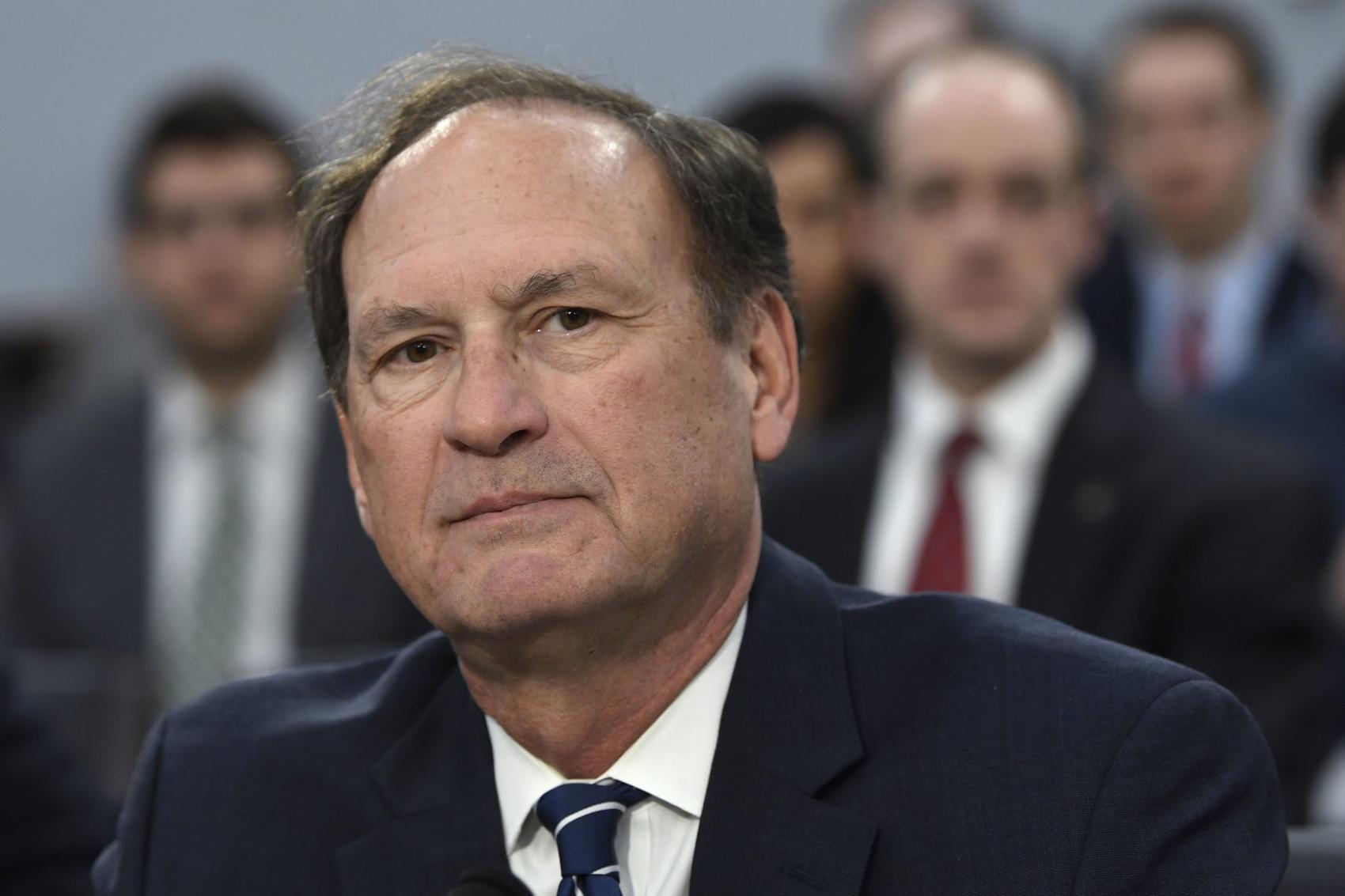
Associate Justice Samuel Alito
Nominated to serve as associate justice by President George W. Bush
Took seat Jan. 31, 2006
Born April 1, 1950, in Trenton, New Jersey
Justice Sonia Sotomayor
Updated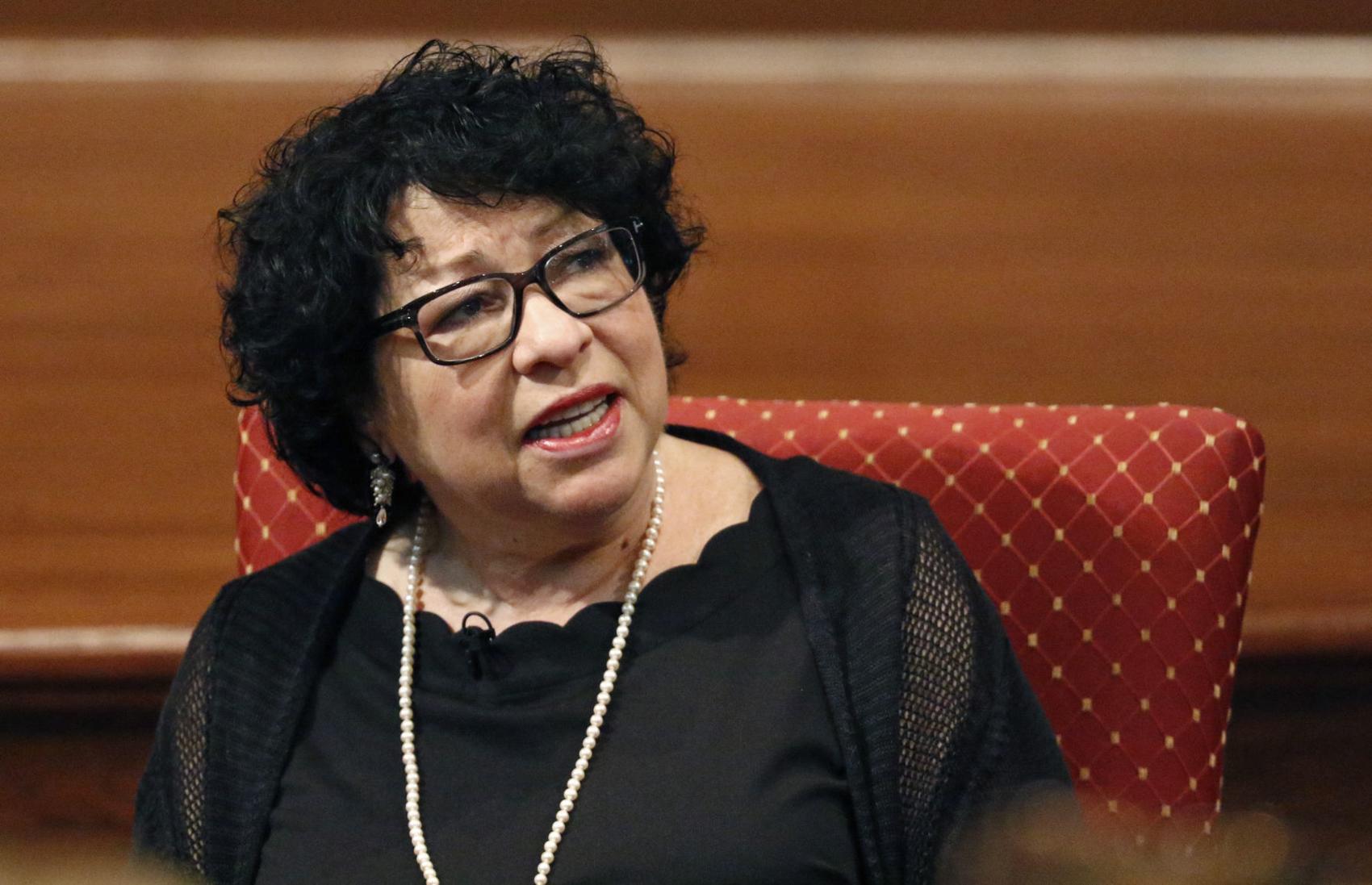
Associate Justice Sonia Sotomayor
Nominated to serve as associate justice by President Barack Obama
Took seat Aug. 8, 2009
Born June 25, 1954, in Bronx, New York
Justice Elena Kagan
Updated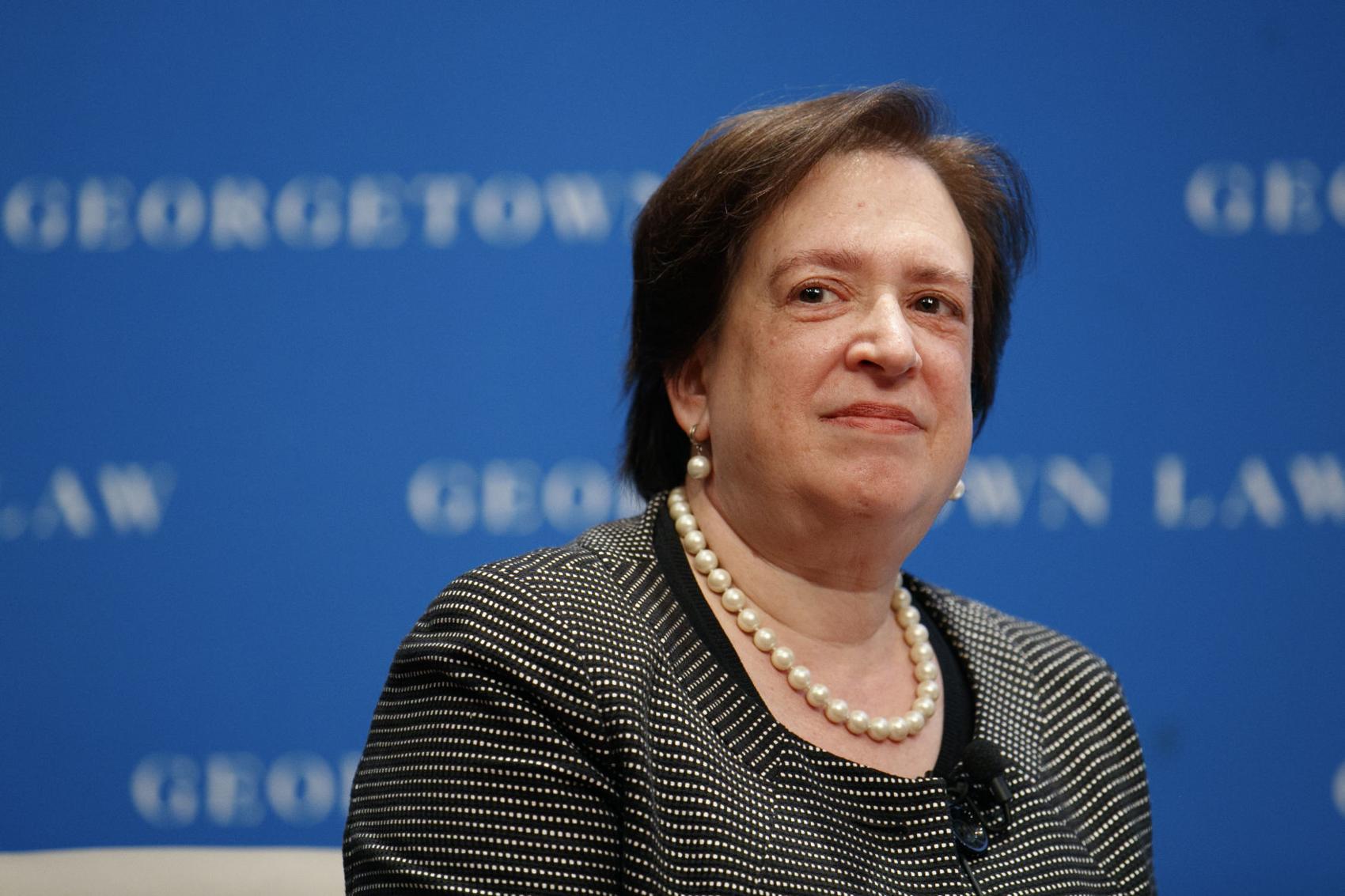
Associate Justice Elena Kagan
Nominated to serve as associate justice by President Barack Obama
Took seat Aug. 7, 2010
Born April 28, 1960, in New York City
Justice Neil Gorsuch
Updated
Associate Justice Neil Gorsuch
Nominated to serve as associate justice by President Donald Trump
Took seat April 10, 2017
Born Aug. 29, 1967, in Denver, Colorado
Justice Brett Kavanaugh
Updated
Associate Justice Brett Kavanaugh
Nominated to serve as associate justice by President Donald Trump
Took seat Oct. 6, 2018
Born Feb. 12, 1965, in Washington D.C.
Justice Amy Coney Barrett
Updated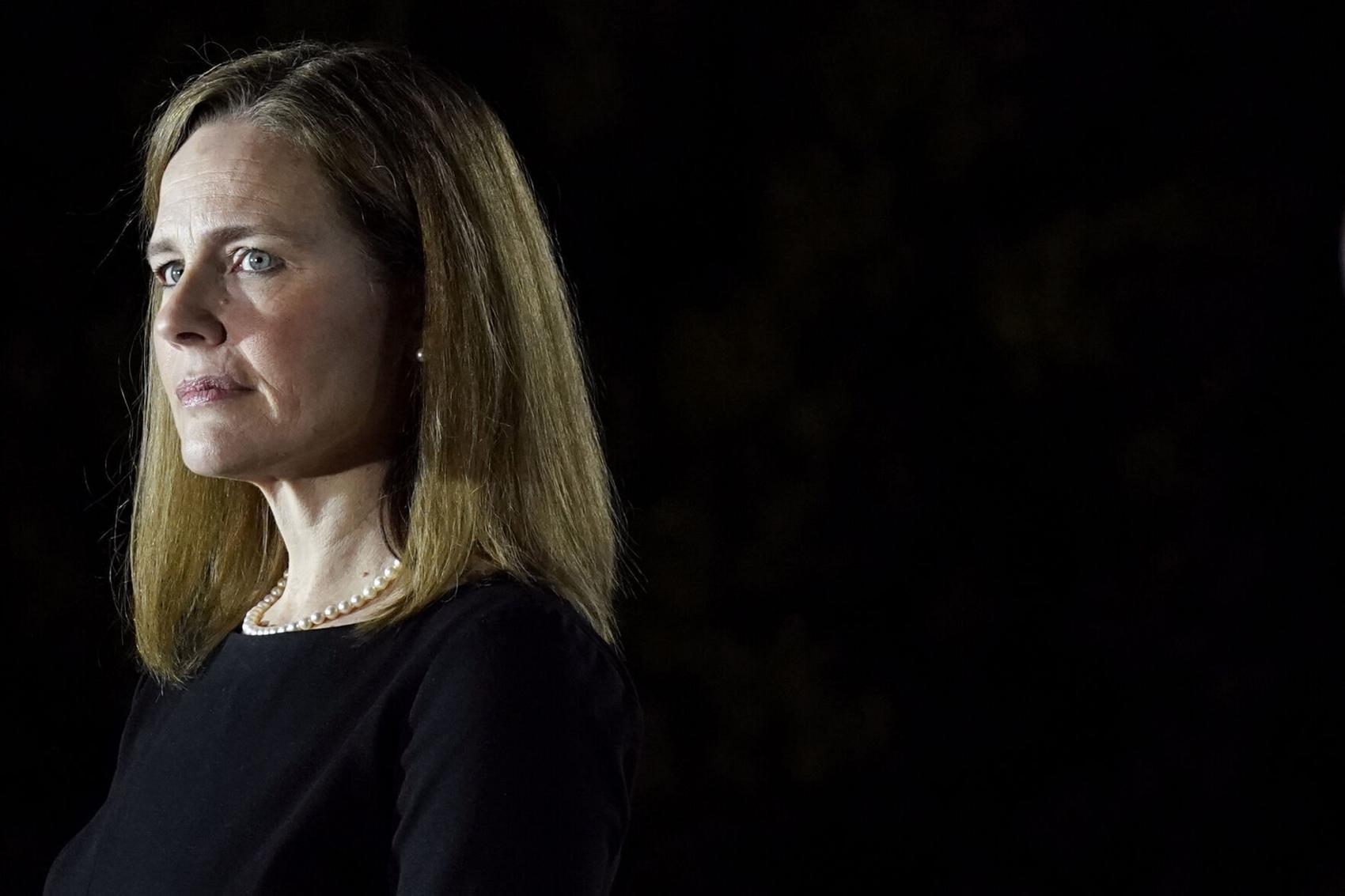
Associate Justice Amy Coney Barrett
Nominated to serve as associate justice by President Donald Trump
Took seat Oct. 27, 2020
Born January 28, 1972
Justice Ketanji Brown Jackson
Updated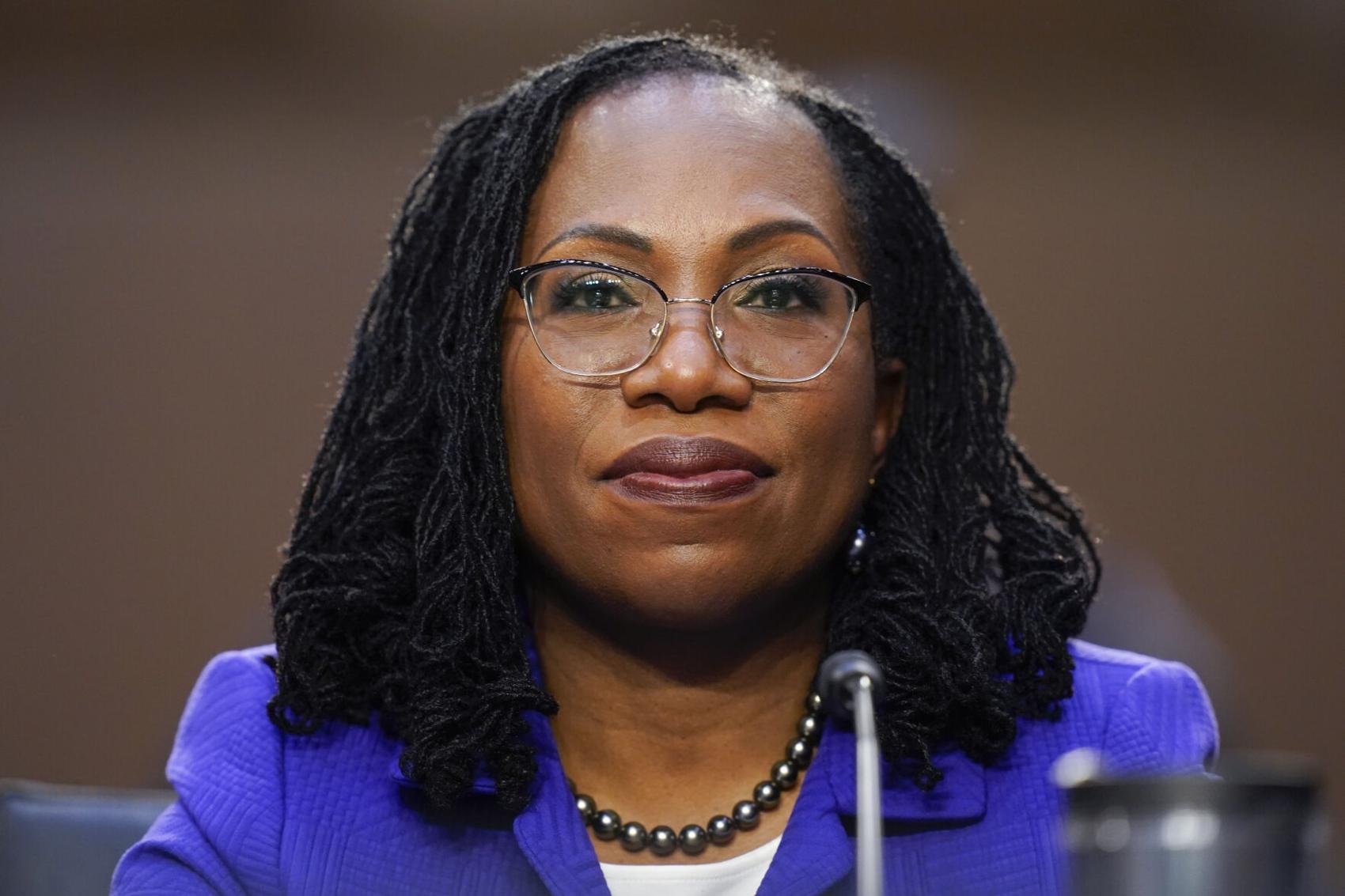
Associate Justice Ketanji Brown Jackson
Nominated to serve as associate justice by President Joe Biden
Took seat June 30, 2022
Born September 14, 1970

