

Our View: 21 reasons to vote 'yes ' on Prop. 123
- Updated
Public education is in crisis in Arizona, and right now Prop. 123 is the only way to make sure more money gets to schools. It’s a first step. We are sharing facts about education in Arizona until the May 17 election. Early voting has started.
The facts speak for themselves — and for the need of passing Prop. 123.
- Arizona Daily Star
- Updated
“Arizona has cut investment in K-12 schools, per student adjusted for inflation, by 17.5 percent since 2008 — putting us behind only Oklahoma and Alabama. Seventeen states have increased education funding since the recession.”
Source: Children’s Action Alliance, July 2015

- Arizona Daily Star
- Updated
“Four of the five states with the biggest cuts in general school funding since 2008 — Arizona, Idaho, Oklahoma, and Wisconsin — have also cut income tax rates in recent years.”
Source: Center on Budget and Policy Priorities, December 2015

- Arizona Daily Star
- Updated
Public education is in crisis in Arizona, and right now Prop. 123 is the only way to make sure more money gets to schools. It’s a first step. We have been sharing facts about education in Arizona here daily regarding today’s election.
Proposition 123 supporters: Arizona Chamber of Commerce and Industry, Tucson Hispanic Chamber, Marana Chamber, the Arizona Education Association, Arizona Charters Schools Association, Arizona Manufacturers Council, Friends of Arizona School Boards Association, National Federal of Independent Business-Arizona.

- Arizona Daily Star
- Updated
“Underfunding is a significant contributor to Arizona’s low academic performance and its diminishing ability to promote excellence in teaching.”
Source: “Addressing a Shortage of High Quality Teachers: An Escalating Dilemma for Arizona Schools.” Education Policy Paper 1: Grand Canyon University, April 2014.

- Arizona Daily Star
- Updated
Public education is in crisis in Arizona, and right now Prop. 123 is the only way to make sure more money gets to schools. It’s a first step. We will share facts about education in Arizona here daily until the May 17 election. Early voting is underway.
“Only 13 percent of districts and charters recruit solely within Arizona, while 11 percent recruit mostly out of state. According to the ADE (Arizona Department of Education), September 2013 survey, when asked why districts and charters recruit for teachers outside of Arizona, 35 percent indicated that there were not enough candidates to choose from within the state.”
Source: Arizona Department of Education’s Educator Recruitment & Retention Task Force, January 2015

- Arizona Daily Star
- Updated
In September 2014, 62 percent of Arizona school districts and charters surveyed reported they still had unfilled teaching jobs.
Source: Arizona School Administrators Association and the Arizona Department of Education
- Arizona Daily Star
- Updated
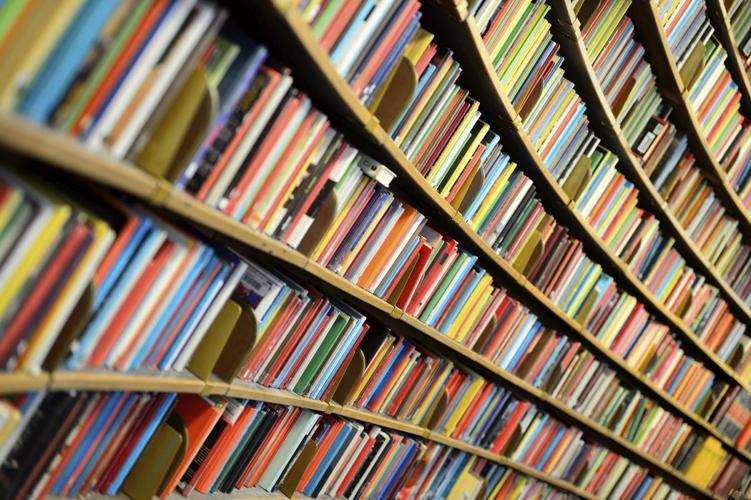
Because of budget cuts, Arizona schools have reduced positions for counselors, librarians, PE instructors, nurses and music and art teachers to “keep dollars focused on direct classroom instruction.”
Source: Arizona Department of Education’s Educator Recruitment & Retention Task Force, January 2015

- Arizona Daily Star
- Updated
Average starting salary for an Arizona teacher with a bachelor’s degree:
- $31,699 in small districts.
- $32,813 in medium.
- $34,522 in large.
Source: Arizona Education Association, February 2015
- Arizona Daily Star
- Updated
24 percent of first-year and 20 percent of second-year teachers left the profession in Arizona.
49 percent of teachers report low and/or frozen salaries as a top reason for leaving.
Source: Arizona Department of Education’s Education Retention & Recruitment Task Force, June 2015.
- Arizona Daily Star
- Updated
43.88: The percentage of Arizona public schools’ revenue provided by the state in fiscal 2014-15.
47.32: The percentage provided by the state in fiscal 2004-05.
Source: Annual Report of the Arizona Superintendent of Public Instruction, Jan. 2016
- Arizona Daily Star
- Updated
$480: Average annual amount Arizona teachers say they spend out of pocket to provide for their students.
Source: Tucson Values Teacher survey, fall 2015

- Arizona Daily Star
- Updated
• The makeup of the Legislature in 2010, the year schools sued to say lawmakers were violating voters’ mandate to adjust school spending to account for inflation:
53 Republicans, 36 Democrats.
• The makeup of the Legislature now:
54 Republicans, 36 Democrats.
There is no evidence that the Legislature will suddenly turn heel and increase school funding on its own. Proposition 123 is the only realistic way to get more money to schools right away.

- Arizona Daily Star
- Updated
- 2010:
- The year a lawsuit was filed alleging that the state failed to follow voters’ mandate to adjust school spending to account for inflation.
- 2013:
- The year a judge ruled in the schools’ favor. The state appealed.
- 2016:
- Proposition 123 would settle the lawsuit and schools would start to receive money this year. If it fails, it’s back to court.

- Arizona Daily Star
- Updated
- National median annual wage for secondary school teachers: $56,310.
- Arizona: $45,100.
- Tucson: $38,240.
Source: Tucson Values Teachers fall 2015 report, Bureau of Labor Statistics, Occupational Employment Statistics
- Arizona Daily Star
- Updated
“Arizona now has the lowest per-student spending of any state in the union.”
Source: Tucson Values Teachers, fall 2015 report

- Arizona Daily Star
- Updated
“In fiscal year 2015, Arizona school districts spent approximately $3,100 less per pupil than the 2013 national average —the most recent year for available national data.”
Source: Arizona Auditor General, March 2016
- Arizona Daily Star
- Updated
After controlling for inflation, total per pupil spending decreased $424 per pupil, or 5.2 percent, between fiscal years 2004 and 2015. It averaged $7,658 in 2015. That number includes instruction, administration, food and other operating expenses. It excludes buildings, equipment and other non-operating costs.
Source: Arizona Auditor General, March 2016

- Arizona Daily Star
- Updated
“In 2014, Arizona’s class size was 18.6 students per teacher compared to the national average of 16.1 students per teacher.”
Source: Arizona Auditor General, March 2016

- Arizona Daily Star
- Updated
“Between fiscal years 2010 and 2015, the state-wide average teacher salary decreased from $47,077 to $46,008 despite a 4 percent increase in the average years of teacher experience. During this same 5-year period, the state-wide average students per teacher increased from 17.9 to 18.6.”
Source: Arizona Auditor General, March 2016

- Arizona Daily Star
- Updated
“In fiscal year 2014, 23 percent of Arizona’s school-aged children lived at or below the poverty level, compared to the national average of 20 percent.”
Source: Arizona auditor general, March 2016

- Arizona Daily Star
- Updated
“Between fiscal years 2004 and 2015, the average teacher salary (adjusted for inflation) decreased 8 percent despite the teachers’ average years of experience staying about the same.”
Source: Arizona Auditor General, March 2016
- Updated
Passing Prop. 123 is the only sure way to get more money into Arizona classrooms.
Public education in Arizona is in crisis, the predictable result of nearly a decade of to-the-bone budget cuts and purposeful divestment by the state Legislature.
The existence of Prop. 123 speaks volumes about how desperate Arizona schools are to stanch the budget bleeding. The plan would settle a lengthy lawsuit over the Legislature’s decision to stop giving schools funding increases to cover inflation — a requirement that voters approved in 2000.
The courts have instructed the Legislature to pay schools $300 million immediately, which Republican majority members have refused to do despite pressure from business groups, parents, educators, civic leaders and students. A judge has yet to decide whether schools are owed an additional $1 billion.
Prop. 123 would distribute about $3 billion to Arizona public district and charter schools over the next decade. Most of it would come from the state land trust, which is earmarked to help fund public education anyway — it’s not new money for schools.
There is much to dislike in Prop. 123 — it takes more money from the public education land trust, and it includes triggers that would stop funding education increases under certain economic conditions.
But one of the main objections we’ve heard from opponents is the sense that approving Prop. 123 lets the Republican legislators who’ve starved schools, against the express direction of the voters, off the hook. They point out that it guarantees extra money for 10 years, while what voters approved back in 2000 adds dollars in perpetuity.
Defeating Prop. 123 will not hurt those negligent lawmakers or force them to do right by Arizona kids. If it fails the only people harmed will be children and educators.
In fact, rejecting Prop. 123 would give anti-education lawmakers a victory. They will claim that voters have spoken and said Arizona schools do not need more funding. It would be the wrong message to take from a defeat — Prop. 123 opponents agree schools need more money, but don’t think this is the way to do it — but that won’t matter.
Schools’ needs today are real. Students can’t wait years for the lawsuit to further wind its way through courts. Districts cannot find qualified teachers to hire, and when they do, low salaries and overloaded working conditions push many of them out of the profession within a few years. Median teacher pay in Tucson is about $39,000, compared with $56,000 nationwide, according to the University of Arizona MAP Dashboard.
Many schools don’t have enough or up-to-date textbooks, technology that works or classroom supplies. “Right now Prop. 123 is the only way” to get more school funding quickly, middle school teacher John Fife told us.
While Prop. 123 doesn’t specify that the incoming money be spent on teachers or in the classroom, schools and districts in Pima County have said they’d use it to boost teacher pay.
Opponents of Prop. 123 argue that this lawsuit is the only leverage public education supporters have, and that to give that up is folly. They might be true, but it’s a naive position. These elected officials have had years to do the right thing and have refused.
Opponents also say lawmakers should use the budget surplus to pay schools what they’re owed, and to invest more in education. They’re correct — lawmakers should use the surplus to pay that debt, but they’re not going to.
This will not change until voters elect different, and better, legislators. The way “safe” districts are drawn, it is fantasy to imagine that will happen soon.
Teachers have an opportunity to make a tremendous impact in the Prop. 123 election, and beyond. Yet, voter turnout among educators is low enough to warrant get-out-the-vote efforts in local districts.
Public schools are a frequent target of the Republican majority, and ideologues don’t respond to public demonstrations outside the Capitol, or to public opinion polls. With some 50,000 public school teachers in Arizona, their vote can make a difference the only place it counts, at the ballot box.
Morgan Abraham, who leads the “No on Prop. 123” effort, says that once the May 17 election is over, supporters and opponents will join forces to push the Legislature to do more for our children. This is encouraging.
Voters should support Prop. 123 but understand that this is the first step. Finding and electing pro-public-education lawmakers is the only way to ensure greater education funding in the long run.
- Arizona Daily Star
- Updated
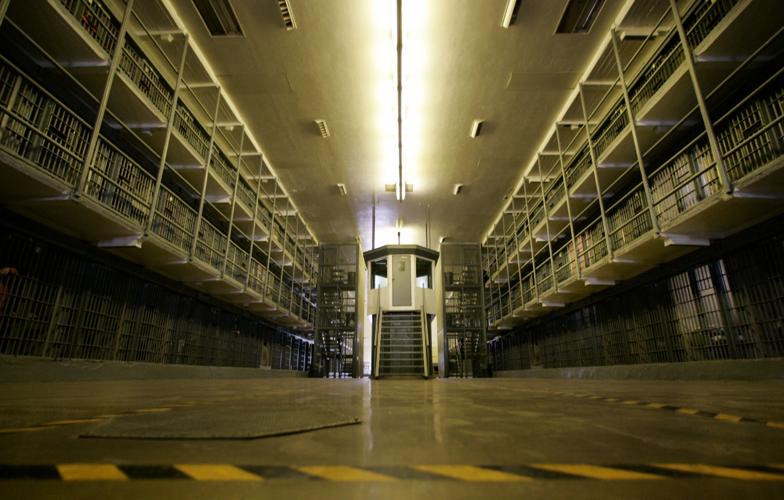
Arizona spends about $68 per day to house a prison inmate and roughly $20 per day to educate a student in public school.
Source: Arizona State Budget
- Arizona Daily Star
“Arizona has cut investment in K-12 schools, per student adjusted for inflation, by 17.5 percent since 2008 — putting us behind only Oklahoma and Alabama. Seventeen states have increased education funding since the recession.”
Source: Children’s Action Alliance, July 2015
- Arizona Daily Star
“Four of the five states with the biggest cuts in general school funding since 2008 — Arizona, Idaho, Oklahoma, and Wisconsin — have also cut income tax rates in recent years.”
Source: Center on Budget and Policy Priorities, December 2015
- Arizona Daily Star
Public education is in crisis in Arizona, and right now Prop. 123 is the only way to make sure more money gets to schools. It’s a first step. We have been sharing facts about education in Arizona here daily regarding today’s election.
Proposition 123 supporters: Arizona Chamber of Commerce and Industry, Tucson Hispanic Chamber, Marana Chamber, the Arizona Education Association, Arizona Charters Schools Association, Arizona Manufacturers Council, Friends of Arizona School Boards Association, National Federal of Independent Business-Arizona.
- Arizona Daily Star
“Underfunding is a significant contributor to Arizona’s low academic performance and its diminishing ability to promote excellence in teaching.”
Source: “Addressing a Shortage of High Quality Teachers: An Escalating Dilemma for Arizona Schools.” Education Policy Paper 1: Grand Canyon University, April 2014.
- Arizona Daily Star
Public education is in crisis in Arizona, and right now Prop. 123 is the only way to make sure more money gets to schools. It’s a first step. We will share facts about education in Arizona here daily until the May 17 election. Early voting is underway.
“Only 13 percent of districts and charters recruit solely within Arizona, while 11 percent recruit mostly out of state. According to the ADE (Arizona Department of Education), September 2013 survey, when asked why districts and charters recruit for teachers outside of Arizona, 35 percent indicated that there were not enough candidates to choose from within the state.”
Source: Arizona Department of Education’s Educator Recruitment & Retention Task Force, January 2015
- Arizona Daily Star
In September 2014, 62 percent of Arizona school districts and charters surveyed reported they still had unfilled teaching jobs.
Source: Arizona School Administrators Association and the Arizona Department of Education
- Arizona Daily Star
Because of budget cuts, Arizona schools have reduced positions for counselors, librarians, PE instructors, nurses and music and art teachers to “keep dollars focused on direct classroom instruction.”
Source: Arizona Department of Education’s Educator Recruitment & Retention Task Force, January 2015
- Arizona Daily Star
24 percent of first-year and 20 percent of second-year teachers left the profession in Arizona.
49 percent of teachers report low and/or frozen salaries as a top reason for leaving.
Source: Arizona Department of Education’s Education Retention & Recruitment Task Force, June 2015.
- Arizona Daily Star
43.88: The percentage of Arizona public schools’ revenue provided by the state in fiscal 2014-15.
47.32: The percentage provided by the state in fiscal 2004-05.
Source: Annual Report of the Arizona Superintendent of Public Instruction, Jan. 2016
- Arizona Daily Star
• The makeup of the Legislature in 2010, the year schools sued to say lawmakers were violating voters’ mandate to adjust school spending to account for inflation:
53 Republicans, 36 Democrats.
• The makeup of the Legislature now:
54 Republicans, 36 Democrats.
There is no evidence that the Legislature will suddenly turn heel and increase school funding on its own. Proposition 123 is the only realistic way to get more money to schools right away.
- Arizona Daily Star
- 2010:
- The year a lawsuit was filed alleging that the state failed to follow voters’ mandate to adjust school spending to account for inflation.
- 2013:
- The year a judge ruled in the schools’ favor. The state appealed.
- 2016:
- Proposition 123 would settle the lawsuit and schools would start to receive money this year. If it fails, it’s back to court.
- Arizona Daily Star
- National median annual wage for secondary school teachers: $56,310.
- Arizona: $45,100.
- Tucson: $38,240.
Source: Tucson Values Teachers fall 2015 report, Bureau of Labor Statistics, Occupational Employment Statistics
- Arizona Daily Star
“In fiscal year 2015, Arizona school districts spent approximately $3,100 less per pupil than the 2013 national average —the most recent year for available national data.”
Source: Arizona Auditor General, March 2016
- Arizona Daily Star
After controlling for inflation, total per pupil spending decreased $424 per pupil, or 5.2 percent, between fiscal years 2004 and 2015. It averaged $7,658 in 2015. That number includes instruction, administration, food and other operating expenses. It excludes buildings, equipment and other non-operating costs.
Source: Arizona Auditor General, March 2016
- Arizona Daily Star
“Between fiscal years 2010 and 2015, the state-wide average teacher salary decreased from $47,077 to $46,008 despite a 4 percent increase in the average years of teacher experience. During this same 5-year period, the state-wide average students per teacher increased from 17.9 to 18.6.”
Source: Arizona Auditor General, March 2016
- Arizona Daily Star
“In fiscal year 2014, 23 percent of Arizona’s school-aged children lived at or below the poverty level, compared to the national average of 20 percent.”
Source: Arizona auditor general, March 2016
- Arizona Daily Star
“Between fiscal years 2004 and 2015, the average teacher salary (adjusted for inflation) decreased 8 percent despite the teachers’ average years of experience staying about the same.”
Source: Arizona Auditor General, March 2016
Passing Prop. 123 is the only sure way to get more money into Arizona classrooms.
Public education in Arizona is in crisis, the predictable result of nearly a decade of to-the-bone budget cuts and purposeful divestment by the state Legislature.
The existence of Prop. 123 speaks volumes about how desperate Arizona schools are to stanch the budget bleeding. The plan would settle a lengthy lawsuit over the Legislature’s decision to stop giving schools funding increases to cover inflation — a requirement that voters approved in 2000.
The courts have instructed the Legislature to pay schools $300 million immediately, which Republican majority members have refused to do despite pressure from business groups, parents, educators, civic leaders and students. A judge has yet to decide whether schools are owed an additional $1 billion.
Prop. 123 would distribute about $3 billion to Arizona public district and charter schools over the next decade. Most of it would come from the state land trust, which is earmarked to help fund public education anyway — it’s not new money for schools.
There is much to dislike in Prop. 123 — it takes more money from the public education land trust, and it includes triggers that would stop funding education increases under certain economic conditions.
But one of the main objections we’ve heard from opponents is the sense that approving Prop. 123 lets the Republican legislators who’ve starved schools, against the express direction of the voters, off the hook. They point out that it guarantees extra money for 10 years, while what voters approved back in 2000 adds dollars in perpetuity.
Defeating Prop. 123 will not hurt those negligent lawmakers or force them to do right by Arizona kids. If it fails the only people harmed will be children and educators.
In fact, rejecting Prop. 123 would give anti-education lawmakers a victory. They will claim that voters have spoken and said Arizona schools do not need more funding. It would be the wrong message to take from a defeat — Prop. 123 opponents agree schools need more money, but don’t think this is the way to do it — but that won’t matter.
Schools’ needs today are real. Students can’t wait years for the lawsuit to further wind its way through courts. Districts cannot find qualified teachers to hire, and when they do, low salaries and overloaded working conditions push many of them out of the profession within a few years. Median teacher pay in Tucson is about $39,000, compared with $56,000 nationwide, according to the University of Arizona MAP Dashboard.
Many schools don’t have enough or up-to-date textbooks, technology that works or classroom supplies. “Right now Prop. 123 is the only way” to get more school funding quickly, middle school teacher John Fife told us.
While Prop. 123 doesn’t specify that the incoming money be spent on teachers or in the classroom, schools and districts in Pima County have said they’d use it to boost teacher pay.
Opponents of Prop. 123 argue that this lawsuit is the only leverage public education supporters have, and that to give that up is folly. They might be true, but it’s a naive position. These elected officials have had years to do the right thing and have refused.
Opponents also say lawmakers should use the budget surplus to pay schools what they’re owed, and to invest more in education. They’re correct — lawmakers should use the surplus to pay that debt, but they’re not going to.
This will not change until voters elect different, and better, legislators. The way “safe” districts are drawn, it is fantasy to imagine that will happen soon.
Teachers have an opportunity to make a tremendous impact in the Prop. 123 election, and beyond. Yet, voter turnout among educators is low enough to warrant get-out-the-vote efforts in local districts.
Public schools are a frequent target of the Republican majority, and ideologues don’t respond to public demonstrations outside the Capitol, or to public opinion polls. With some 50,000 public school teachers in Arizona, their vote can make a difference the only place it counts, at the ballot box.
Morgan Abraham, who leads the “No on Prop. 123” effort, says that once the May 17 election is over, supporters and opponents will join forces to push the Legislature to do more for our children. This is encouraging.
Voters should support Prop. 123 but understand that this is the first step. Finding and electing pro-public-education lawmakers is the only way to ensure greater education funding in the long run.
As featured on

It's a tough decision, so we've collected news and opinions on Proposition 123 in one place …

It's flawed, but we can't trust Legislature.


View this profile on Instagram#ThisIsTucson 🌵 (@this_is_tucson) • Instagram photos and videos
Most viewed stories
-
15 Valentine's Day themed events happening in February!
-
Nearly 40 fun events this Valentine's Day weekend February 13-15! 💖
-
Over 60 fun events happening in Tucson in February 💖🐎
-
A new chapter: Crossroads Restaurant is back open after fire
-
A saber tooth tiger fossil, gemstone paintings, and more: Here's the low-down on 4 Tucson gem shows! 💎
-
Nearly 30 free events to look forward to in February! 💗
-
Our huge guide to date ideas in Tucson, from romantic to casual
-
This Tucson chef has been named a semifinalist for prestigious James Beard Award 🎉
-
Transplant Pizza, Mosaic Brewing and Marana Serial Grillers close their doors
-
Sparkle City: Gem shows season has started — here's what to know