


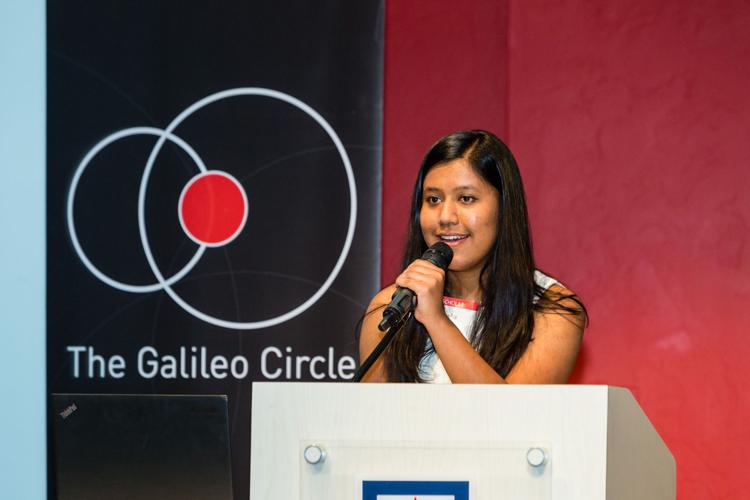


The Galileo Circle is a society of individuals and companies who support the UA College of Science through annual and lifetime charitable gifts.
Approximately 300 members strong, the Galileo Circle was formed in 2001 to nurture both established and budding scientists and to create a healthy ecosystem between donors and the UA’s scientific community.
A central mission of the Galileo Circle is to provide scholarships for UA Science majors who have demonstrated exceptional academic abilities and other positive attributes such as leadership skills and a commitment to volunteerism.
In 2017, members of the Galileo Circle provided scholarships of $1,000 or more to 161 UA Science undergraduate and graduate students.
The Galileo Circle also celebrates the achievements of extraordinary UA Science faculty through the Galileo Circle Fellows awards.
Galileo Circle Fellows recognized in 2018 are S. Scott Saavedra, professor of chemistry and biochemistry, and Adam Showman, professor of planetary sciences/Lunar and Planetary Lab.
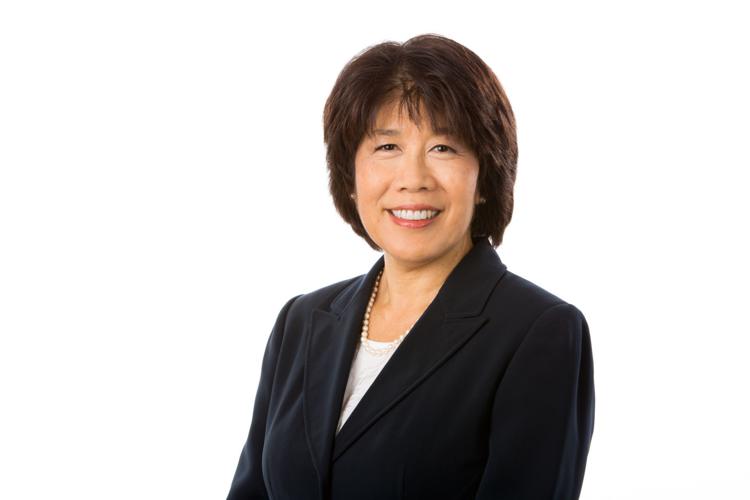
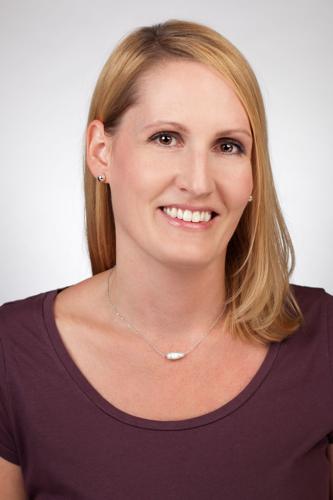
In addition, the accomplishments of outstanding staff, appointed personnel and non-tenure eligible faculty are acknowledged with the Galileo Circle Copernicus awards. This year’s Copernicus awardees are Cassandra Faux, clinical associate professor of speech, language, and hearing sciences, and Minying Cai, research professor of chemistry and biochemistry.
To encourage further exploration of the work of UA scientists, Galileo Circle members are invited to participate in trips locally and in faraway locations. In August 2016, Galileo Circle members joined UA leadership in Florida to view the launch of the OSIRIS-REx mission.
Other trips included a tour of CERN, on the border of Switzerland and France, to learn about the UA’s seminal work on the Atlas Experiment, and to the high, dry mountaintops of Chile, where UA astronomers play crucial roles in ongoing experiments and where the Giant Magellan Telescope will be built.
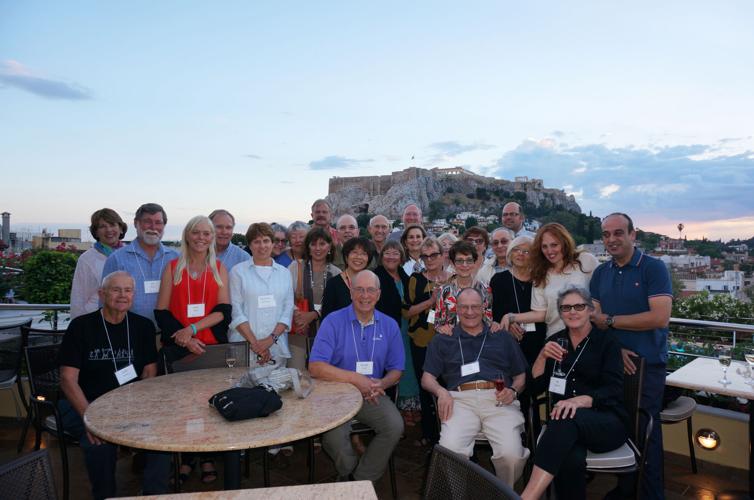
In May 2017, the Galileo Circle ventured to the Peleponnese of Greece and its Cycladic islands to experience the area’s rugged, ancient beauty and to learn of active tectonics, earthquakes, archaeology and human and cultural history.
The key scientific and cultural hubs of England and Scotland will be featured in the May 2018 Galileo Circle: Golden Age of Science trip that will trace the birth of modern science in central London to the flowering of science in Edinburgh with stops in between that will lead us back through 5,000 years of culture.
We invite you to learn more about nurturing the future of science through the Galileo Circle.

