


Photos: The Art of Science
- Updated
Photos included in the Art of Science center spread in the University of Arizona's 2017 section on science and research at the university in the Sunday, Jan. 29 edition of the Arizona Daily Star.
University of Arizona: The Art of Science
- Gautham Narayan / National Optical Astronomy Observatory
- Updated
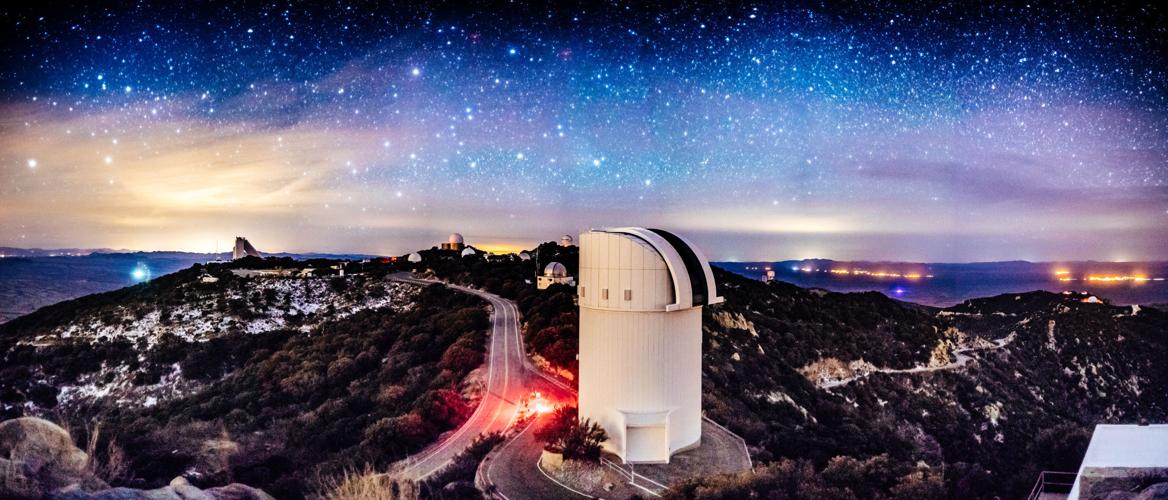
Kitt Peak, and in the center, the cylinder-shaped dome holds UA's Bok 2.1 meter telescope, frequently used by Steward Observatory and the Lunar and Planetary Laboratory. At the extreme left, the triangular structure is the historic McMath-Pierce Solar Telescope.

University of Arizona: The Art of Science
- Gautham Narayan / National Optical Astronomy Observatory
- Updated
the launch of the Atlas 501 carrying UA's OSIRIS-REx satellite from Cape Canaveral, Florida. Launch was right near sunset, and as the rocket rises, it's shadow is cast across the sky. You can actually see the rocket still moving, apparently downwards, near the center of the frame. The downwards motion is an optical illusion - it's moving away from us, but has pitched down as it flies. This is almost right at "Max Q" - the point where the rocket endures maximum aerodynamic stress, and there was an audible sigh of relief, followed by thunderous applause after we heard the announcer say that it had passed that point.
University of Arizona: The Art of Science
- NASA/JPL/University of Arizona/USGS
- Updated
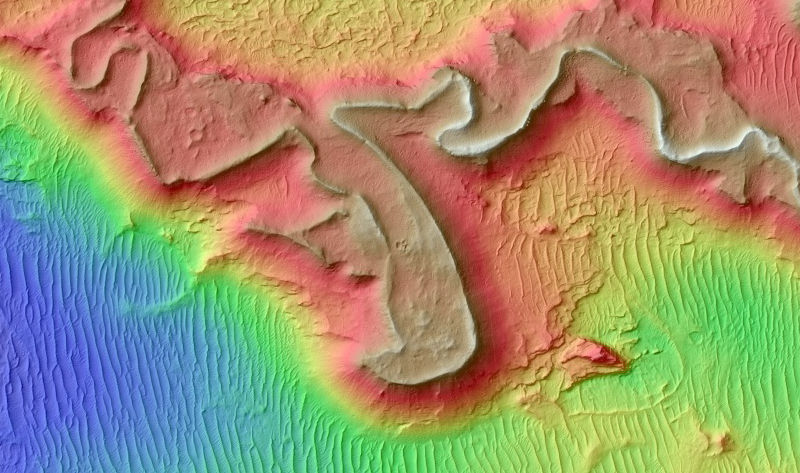
Sinuous Ridges with Scroll-Bar Deposits on Mars. HiRISE DTMs (digital terrain models) are made from two images of the same area on the ground, taken from different look angles.
University of Arizona: The Art of Science
- Robert Demers / UA News
- Updated
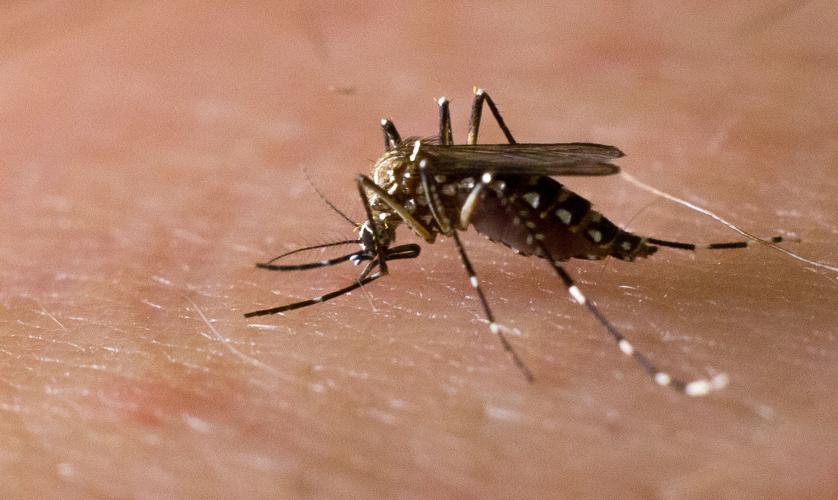
Aedes Aegypti Mosquito
University of Arizona: The Art of Science
- Alex Badyaev / tenbestphotos.com
- Updated
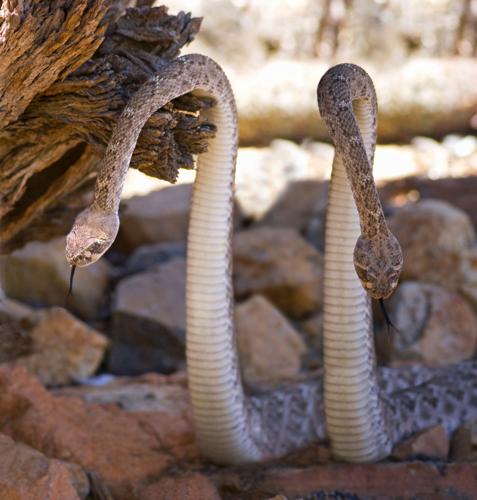
Male western diamondback rattlesnakes establish hierarchies during elegant but energetically demanding bouts of wrestling in which the male that stays off the ground longest wins. Here an inventive male (left) stacks the deck in his favor by using ironwood stump as a crutch to win the endurance contest in Sonoran desert near Tucson.
University of Arizona: The Art of Science
- Alex Badyaev / tenbestphotos.com
- Updated
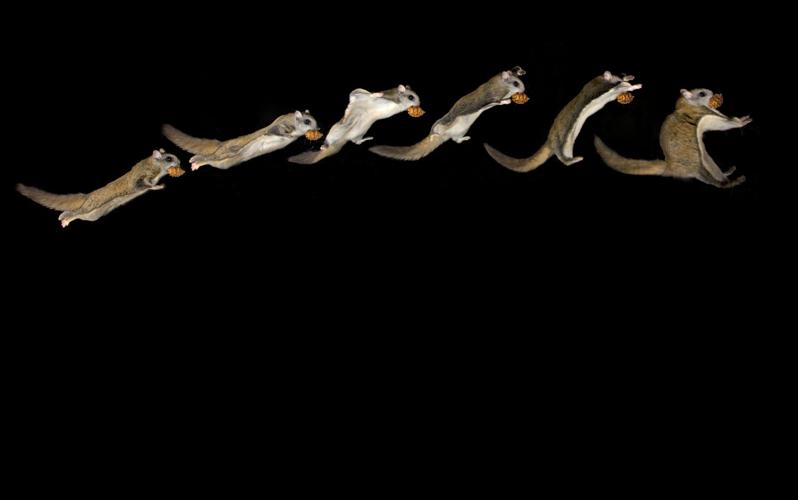
A strobe photo of northern flying squirrel landing sequence. A UA study found that these squirrels generate substantial lift by retaining and modifying air vortices that form along their wing membranes – a novel way of flying.
University of Arizona: The Art of Science
- Gautham Narayan / National Optical Astronomy Observatory
- Updated
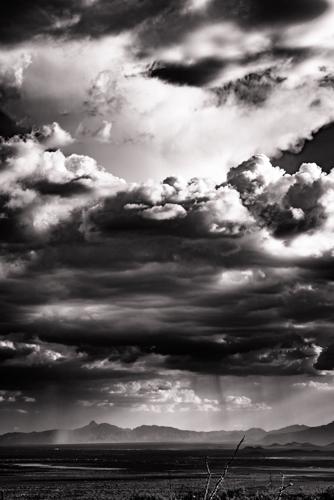
Baboquivari, the black mountain west of Tucson, on the edge of the Tohono O'odham nation. It is very spiritually significant to the O'odham, being the home of the creator in their mythology, I'itoi.
University of Arizona: The Art of Science
- Adriana Racola / Ventana Medical Systems
- Updated
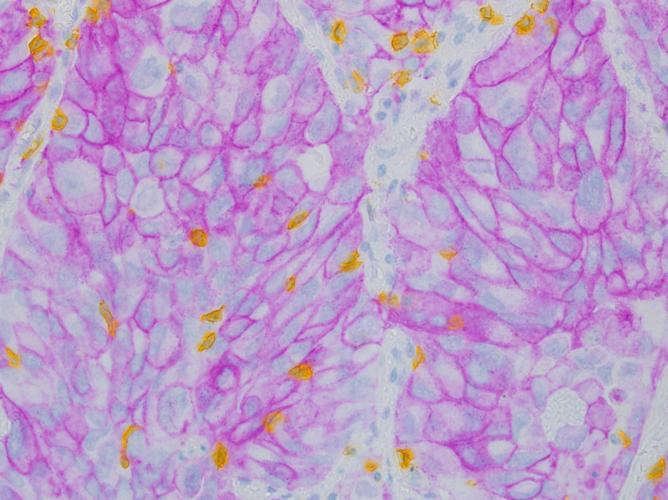
Using a duplex immunohistochemistry (IHC) assay in this thin lung tumor biopsy section, two molecular biomarkers are used to stain tumor cells and immune cells using chromogenic dyes. This technology holds for informing on complexity of tumor tissue to allow for better prognosis and to select optimum treatments for cancer patients.
University of Arizona: The Art of Science
- Philippe Coursodon Jr
- Updated
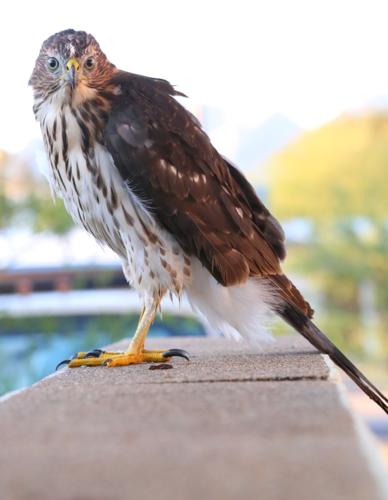
A young Coopers Hawk resting from the desert heat in a central Tucson neighborhood. These birds of prey play a vital role in local ecosystems by curbing pest populations.
University of Arizona: The Art of Science
- Dr. Heidi Mansour
- Updated
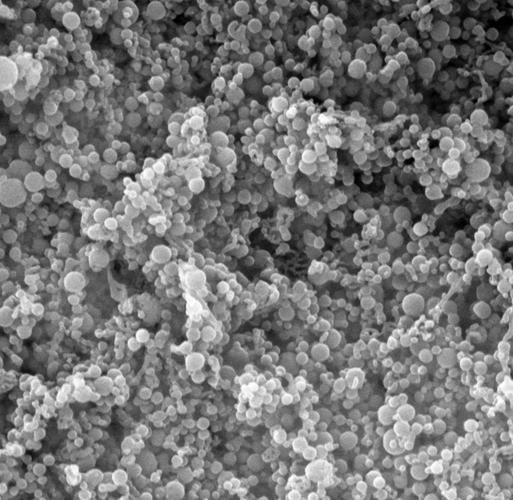
"Respiratory diseases kill millions of people every year, according to the World Health Organization. A targeted approach for precision pulmonary medicine is using nanotechnology and a dry powder inhaler (DPI). The high resolution scanning electron micrograph (SEM) shows engineered inhalable solid state particles produced by advanced spray drying engineering design. These particles can be used with an FDA-approved human DPI device to treat diseases such as asthma, chronic obstructive pulmonary disease (COPD), cystic fibrosis (CF), pulmonary fibrosis (PF), pulmonary hypertension (PH), and respiratory infections."
University of Arizona: The Art of Science
- NASA/JPL/University of Arizona/USGS
- Updated
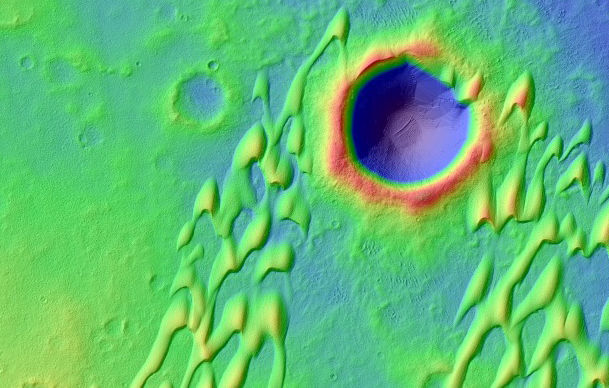
Herschel Crater Dunes Change Detection on Mars. HiRISE DTMs (digital terrain models) are made from two images of the same area on the ground, taken from different look angles.
University of Arizona: The Art of Science
- Alex Badyaev / tenbestphotos.com
- Updated
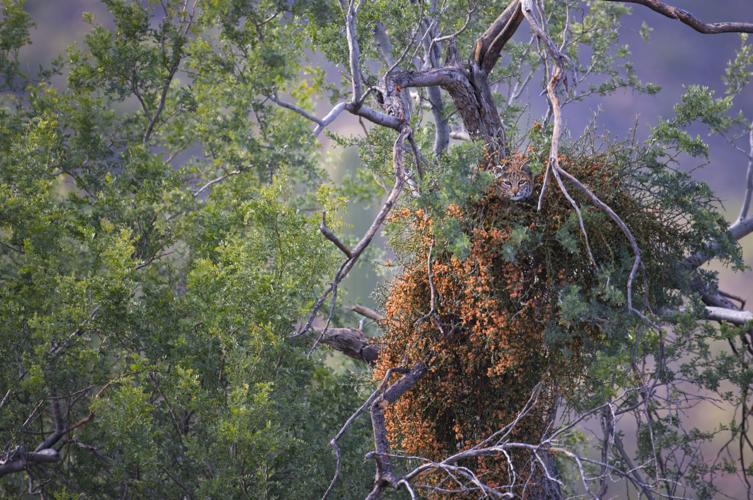
In a three-way ecological interaction, bobcat hides in mistletoe bush high in an ironwood canopy waiting for arrival of fresh phainopeplas -- mistletoe's avian mutualist in Sonoran desert.
University of Arizona: The Art of Science
- Wulfila Gronenberg / University of Arizona
- Updated
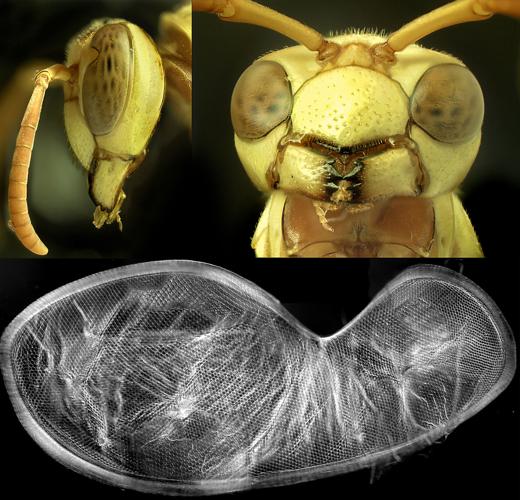
Like all other insects, paper wasps (Polistes flavus) have compound eyes, composed of many little lenses. The slipper-shaped cornea (bottom) can be removed from the eye and reveals several thousands of clear and transparent tiny lenses. Wasps eyes have a relatively low spatial resolution compared to human eyes (several thousand photoreceptors compared to millions in humans), but their visual system is much faster and their eyes cover a much larger part of the visual panorama.
University of Arizona: The Art of Science
- Danilo Faria / Ventana Medical Systems
- Updated
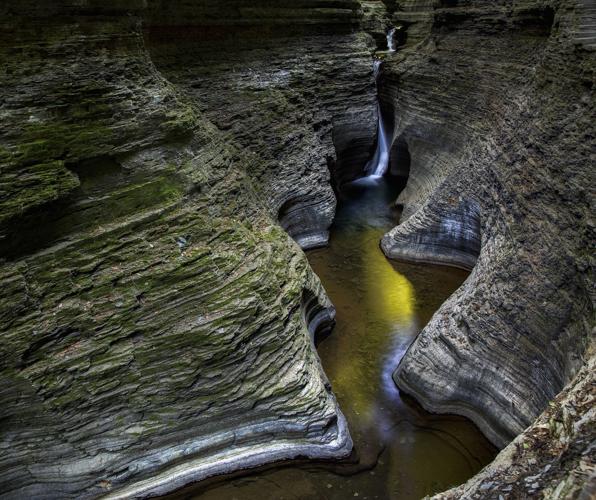
Watkins Glen State Park is located outside the village of Watkins Glen, south of Seneca Lake, in upstate New York's Finger Lakes region. The steep drop of Glen Creek into Seneca Valley created a powerful torrent that eroded the underlying rock, cutting further and further back towards the stream's headwaters. This erosion was not a uniform process: the rock here includes shale, limestone, and sandstone, and these types of rock erode at different rates, leaving behind a staircase of waterfalls, cascades, plunge pools and potholes.

University of Arizona: The Art of Science
- Danilo Faria / Ventana Medical Systems
- Updated
American Aspens (Populus tremuloides) are regarded as the “world’s largest living organisms”. All of the aspens typically grow in large clonal colonies, derived from a single seedling, and spread by means of root suckers. Surrounding the Maroon Bells-Snowmass Wilderness, the aspens thrive and display the beautiful fall colors.
University of Arizona: The Art of Science
- Wulfila Gronenberg / University of Arizona
- Updated
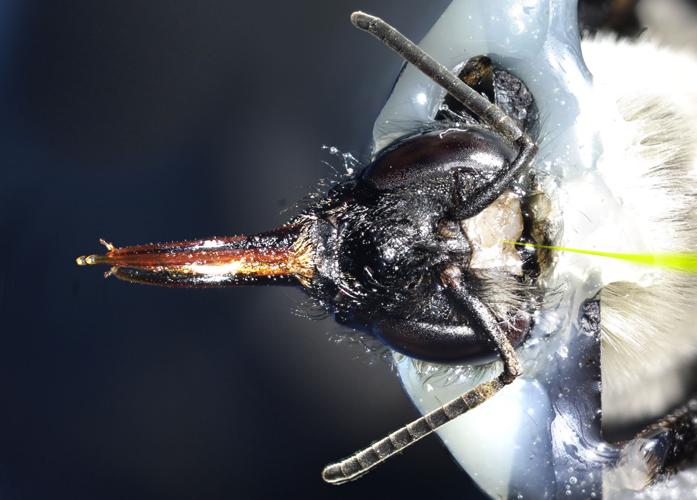
Bumblebee (Bombus impatiens) mounted with brain exposed for recording electrical activity of nerve cells. A very fine glass capillary electrode filled with a yellow fluorescent tracer is used for signal recording and subsequent tracer injection to label the respective nerve cell. This technique allows to analyze the structure and function of individual nerve cells and reveals how nerve cells process complex sensory information while the bee is exposed to visual (color, pattern, movement), odor or taste stimuli (at the tip of its extended tongue).
University of Arizona: The Art of Science
- Danilo Faria / Ventana Medical Systems
- Updated
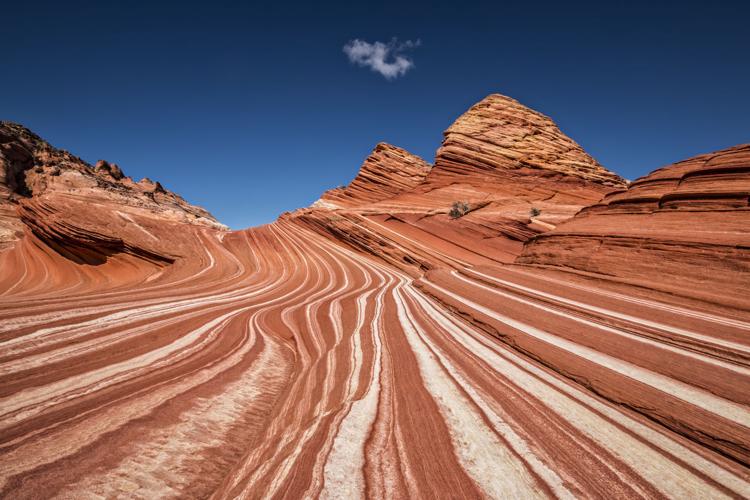
Coyote Buttes is a section of the Paria Canyon-Vermilion Cliffs Wilderness. The Coyote Buttes area is an exposure of cross-bedded aeolian Jurassic Navajo Sandstone. The variable coloration of the sandstones is a result of various iron oxide pigments within the layers. The area includes several dramatic swirling erosional rock formations such as “The Wave” and “The Racetrack” (portrayed).
University of Arizona: The Art of Science
- Gautham Narayan / National Optical Astronomy Observatory
Kitt Peak, and in the center, the cylinder-shaped dome holds UA's Bok 2.1 meter telescope, frequently used by Steward Observatory and the Lunar and Planetary Laboratory. At the extreme left, the triangular structure is the historic McMath-Pierce Solar Telescope.
University of Arizona: The Art of Science
- Gautham Narayan / National Optical Astronomy Observatory
the launch of the Atlas 501 carrying UA's OSIRIS-REx satellite from Cape Canaveral, Florida. Launch was right near sunset, and as the rocket rises, it's shadow is cast across the sky. You can actually see the rocket still moving, apparently downwards, near the center of the frame. The downwards motion is an optical illusion - it's moving away from us, but has pitched down as it flies. This is almost right at "Max Q" - the point where the rocket endures maximum aerodynamic stress, and there was an audible sigh of relief, followed by thunderous applause after we heard the announcer say that it had passed that point.
University of Arizona: The Art of Science
- NASA/JPL/University of Arizona/USGS
Sinuous Ridges with Scroll-Bar Deposits on Mars. HiRISE DTMs (digital terrain models) are made from two images of the same area on the ground, taken from different look angles.
University of Arizona: The Art of Science
- Alex Badyaev / tenbestphotos.com
Male western diamondback rattlesnakes establish hierarchies during elegant but energetically demanding bouts of wrestling in which the male that stays off the ground longest wins. Here an inventive male (left) stacks the deck in his favor by using ironwood stump as a crutch to win the endurance contest in Sonoran desert near Tucson.
University of Arizona: The Art of Science
- Alex Badyaev / tenbestphotos.com
A strobe photo of northern flying squirrel landing sequence. A UA study found that these squirrels generate substantial lift by retaining and modifying air vortices that form along their wing membranes – a novel way of flying.
University of Arizona: The Art of Science
- Gautham Narayan / National Optical Astronomy Observatory
Baboquivari, the black mountain west of Tucson, on the edge of the Tohono O'odham nation. It is very spiritually significant to the O'odham, being the home of the creator in their mythology, I'itoi.
University of Arizona: The Art of Science
- Adriana Racola / Ventana Medical Systems
Using a duplex immunohistochemistry (IHC) assay in this thin lung tumor biopsy section, two molecular biomarkers are used to stain tumor cells and immune cells using chromogenic dyes. This technology holds for informing on complexity of tumor tissue to allow for better prognosis and to select optimum treatments for cancer patients.
University of Arizona: The Art of Science
- Dr. Heidi Mansour
"Respiratory diseases kill millions of people every year, according to the World Health Organization. A targeted approach for precision pulmonary medicine is using nanotechnology and a dry powder inhaler (DPI). The high resolution scanning electron micrograph (SEM) shows engineered inhalable solid state particles produced by advanced spray drying engineering design. These particles can be used with an FDA-approved human DPI device to treat diseases such as asthma, chronic obstructive pulmonary disease (COPD), cystic fibrosis (CF), pulmonary fibrosis (PF), pulmonary hypertension (PH), and respiratory infections."
University of Arizona: The Art of Science
- NASA/JPL/University of Arizona/USGS
Herschel Crater Dunes Change Detection on Mars. HiRISE DTMs (digital terrain models) are made from two images of the same area on the ground, taken from different look angles.
University of Arizona: The Art of Science
- Alex Badyaev / tenbestphotos.com
In a three-way ecological interaction, bobcat hides in mistletoe bush high in an ironwood canopy waiting for arrival of fresh phainopeplas -- mistletoe's avian mutualist in Sonoran desert.
University of Arizona: The Art of Science
- Wulfila Gronenberg / University of Arizona
Like all other insects, paper wasps (Polistes flavus) have compound eyes, composed of many little lenses. The slipper-shaped cornea (bottom) can be removed from the eye and reveals several thousands of clear and transparent tiny lenses. Wasps eyes have a relatively low spatial resolution compared to human eyes (several thousand photoreceptors compared to millions in humans), but their visual system is much faster and their eyes cover a much larger part of the visual panorama.
University of Arizona: The Art of Science
- Danilo Faria / Ventana Medical Systems
Watkins Glen State Park is located outside the village of Watkins Glen, south of Seneca Lake, in upstate New York's Finger Lakes region. The steep drop of Glen Creek into Seneca Valley created a powerful torrent that eroded the underlying rock, cutting further and further back towards the stream's headwaters. This erosion was not a uniform process: the rock here includes shale, limestone, and sandstone, and these types of rock erode at different rates, leaving behind a staircase of waterfalls, cascades, plunge pools and potholes.
University of Arizona: The Art of Science
- Danilo Faria / Ventana Medical Systems
American Aspens (Populus tremuloides) are regarded as the “world’s largest living organisms”. All of the aspens typically grow in large clonal colonies, derived from a single seedling, and spread by means of root suckers. Surrounding the Maroon Bells-Snowmass Wilderness, the aspens thrive and display the beautiful fall colors.
University of Arizona: The Art of Science
- Wulfila Gronenberg / University of Arizona
Bumblebee (Bombus impatiens) mounted with brain exposed for recording electrical activity of nerve cells. A very fine glass capillary electrode filled with a yellow fluorescent tracer is used for signal recording and subsequent tracer injection to label the respective nerve cell. This technique allows to analyze the structure and function of individual nerve cells and reveals how nerve cells process complex sensory information while the bee is exposed to visual (color, pattern, movement), odor or taste stimuli (at the tip of its extended tongue).
University of Arizona: The Art of Science
- Danilo Faria / Ventana Medical Systems
Coyote Buttes is a section of the Paria Canyon-Vermilion Cliffs Wilderness. The Coyote Buttes area is an exposure of cross-bedded aeolian Jurassic Navajo Sandstone. The variable coloration of the sandstones is a result of various iron oxide pigments within the layers. The area includes several dramatic swirling erosional rock formations such as “The Wave” and “The Racetrack” (portrayed).
As featured on

The advances in science and technology have unintended consequences that we must attend to.
Collaboration with industry is essential to realizing the full commercial potential of scien…

What do the ability to measure brain chemistry in real-time, therapies to treat cancer in do…
More information


View this profile on Instagram#ThisIsTucson 🌵 (@this_is_tucson) • Instagram photos and videos
Most viewed stories
-
'Salsa Daddy' coming to the Tucson book festival
-
Over 40 events happening in Tucson March 11-15 📖☘️
-
Tucson's St. Patrick's Day events start Saturday with festival ☘️
-
Nearly 90 fun events happening in March! 🌺
-
Over 40 exciting events to check out this weekend! 🌱
-
Tucson volunteers slay buffelgrass to save saguaros
-
Dante's Kitchen is getting 'sexy' menu redo
-
5 places in Tucson where you can get mouthwatering birria tacos 🌮