

A state senator wants the Legislature to pass a law to lock up, or at least fine, those who get in the way of Arizonans on the road.
And that doesn’t mean a tourist driving 35 on a 65 mph stretch of freeway, which already is illegal.
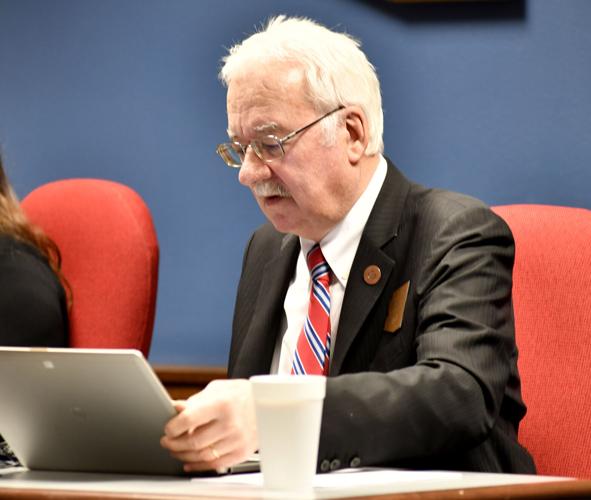
Republican Sen. John Kavanagh of Fountain Hills wants to make it a felony for protesters to block a highway, bridge or tunnel for more than 15 minutes after they’ve been told to leave. His measure would make it a Class 6 felony, which carries as presumptive sentence of a year in state prison.
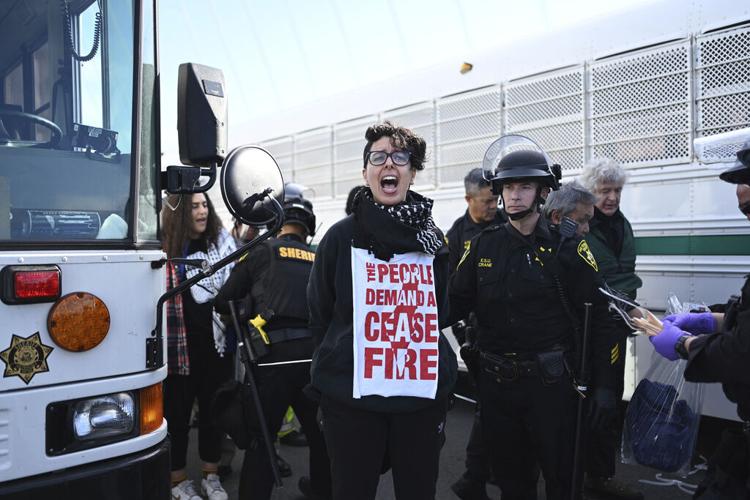
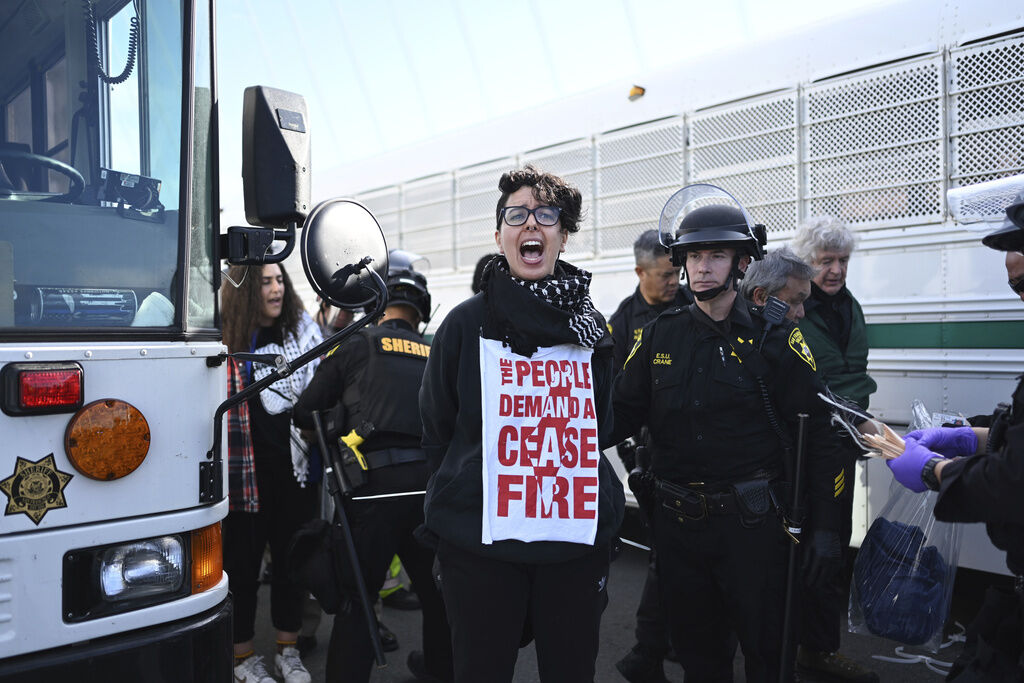
He said the idea came to him while he was watching a television news report on protesters who blocked the westbound lanes of the Bay Bridge going into San Francisco for about four hours by laying down. They were demanding a ceasefire in Gaza.
Why they were doing it is irrelevant, Kavanagh said.
“No restrooms (were available); a couple of vehicles had organs that were supposed to be going to a place for a transplant,’’ he said.
As it is now, Arizona’s general statute about blocking traffic makes an “inconvenience or hazard’’ a Class 2 misdemeanor, punishable by up to four months in the county jail and a $750 fine. Kavanagh said that’s insufficient.

Sen. John Kavanagh
“It seems to me that if a small group of people literally steal four hours of thousands of people lives for their protest, it should be more than a little misdemeanor,’’ he said.
City streets not affected
His measure would not apply to city streets, and has some other limits as well.
The action would have to block at least 200 people from where they are going. It would become a felony only if the protesters remain for at least 15 minutes after being told to leave.
Kavanagh, a former Port Authority of New York police officer, said he doesn’t see this as creating a hurdle for law enforcement.
“Police can book 50, 100 people,’’ he said. “It’s usually not that many blocking.’’
Photos from the Nov. 16 incident in California’s Bay Area show about 200 individuals, including some who lay down on the roadway — some chained together — covering their bodies with white sheets and placards that read “11,000 dead.’’ Others held banners that stretched across the roadway with messages such as “Free Palestine.’’
Police in San Francisco made arrests using other charges, including false imprisonment, refusing to comply with a police officer, unlawful public assembly and refusing to disperse.
Kavanagh acknowledged Arizona has similar laws. But he said it makes sense — for all involved — to have a law that governs this specific type of incident.
“People need to have fair warning for what’s illegal,’’ Kavanagh said. He said the other statutes cover various situations that a common person might not understand would apply in such a protest situation.
“This is straightforward: If you do this, this is what happens,’’ he said.
‘Conservative, liberal, anything’
He said there’s nothing political about the measure, and he isn’t targeting any particular kind of protest.
“It could be conservative, liberal, anything,’’ Kavanagh said. “It doesn’t make any difference what you’re protesting. You don’t literally hold hundreds of people captive because of your protest.’’
This isn’t the senator’s first foray into altering state laws because some motorists are blocked or otherwise inconvenienced.
In 2015, Kavanagh said his nightly trip home from the Capitol in Phoenix was slowed as he was getting off the Superstition Freeway to the Beeline Highway. The cause: a panhandler at the bottom of the exit ramp.
“The minute the light would turn green, he’d hit the crosswalk button, not to cross the crosswalk but to cause the light to cycle faster so he could solicit more people, thus slowing everybody down without good cause,’’ Kavanagh told Capitol Media Services at the time.
Unable to find a crime that fit, the senator crafted a measure to make it a Class 3 misdemeanor — 30 days in jail and a $500 fine — to intentionally activate a pedestrian signal to stop traffic and solicit donations. It is now law.
A year later, Kavanagh was at it again after protesters tried to block a Donald Trump rally in Fountain Hills.
The blockage was already illegal. But Kavanagh said the Class 3 penalty involved might be appropriate for someone “being rowdy on Mill Avenue) in Tempe and blocking a car,” but not for this rally where protesters tried to block not those seeking to attend by also to keep Trump himself away.
“I consider that kind of behavior extremely corrosive to democracy,’’ Kavanagh said at the time.
So his measure, approved by the full Legislature, made it a Class 1 misdemeanor, with a maximum penalty of six months in jail and a $2,500 fine, to intentionally block a highway or entrance into a public forum “that results in preventing other persons from gaining access to a governmental meeting, a governmental hearing or a political campaign event.’’
Get your morning recap of today's local news and read the full stories here: tucne.ws/morning

