

The following is the opinion and analysis of the writer:
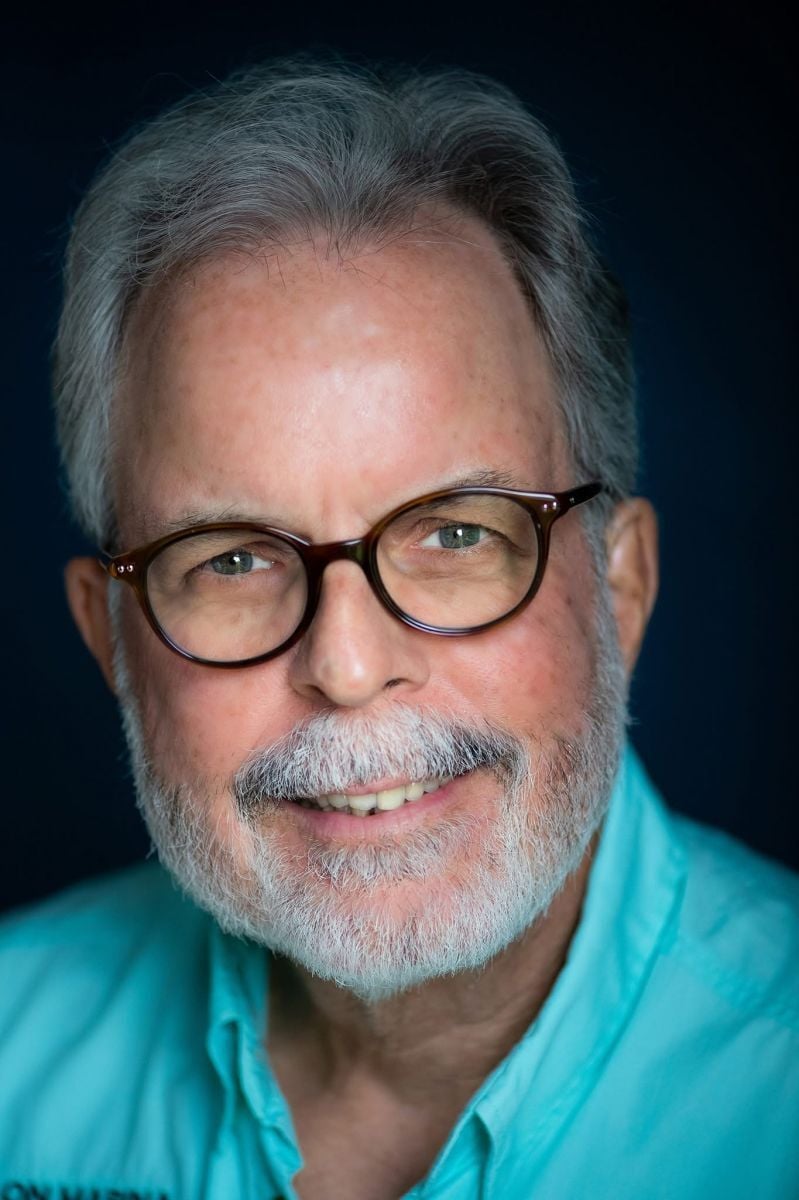
David Brunk
For more than a century, the Tucson campus of the Arizona State Schools for the Deaf and the Blind has served students who learn, communicate and navigate the world differently. It has done so not by chasing educational fashion, but by building a community around specialized needs.
That is why last week’s emotional community meeting, reported by the Arizona Daily Star, deserves careful attention.
Parents didn’t show up angry. They showed up scared and confused. Confused about whether their children will move to a new campus in Oro Valley. Confused about “cluster sites.” Confused about transportation. And after more than an hour, only three questions were answered before the meeting was abruptly ended.
I come to this issue with a long personal history. I grew up with deaf members of my own family. Long before “inclusion” became an educational buzzword, deafness was simply part of our household. My mother taught deaf children Bible lessons in after-school programs, working patiently and face-to-face at a time when formal supports were rare. These were not abstractions or policy debates to us. They were children, capable, curious, and deserving of dignity.
That experience makes me wary when institutions ask families to trust that sweeping structural changes will work themselves out later.
Under the Individuals with Disabilities Education Act (IDEA), schools are required to provide a free appropriate public education based on an individualized education program, or IEP. Placement decisions are supposed to follow those IEPs. Yet parents are being told that while the existing Tucson campus will close and funds have already been committed elsewhere, their child’s placement will be decided later.
That sequencing matters.
ASDB leadership has described “cluster sites” as a middle ground: students mainstreamed at least 60 percent of the day, with up to 40 percent spent in resource rooms supported by ASDB specialists. For some students, that model may work well. For others, it may not. IDEA does not allow a one-size-fits-all formula. Least restrictive environment is not a percentage. It is an outcome. The real question is whether a child can meaningfully learn, communicate, and belong in that setting.
I’ve seen what happens when adults confuse physical inclusion with genuine inclusion. I have a granddaughter with cerebral palsy and learning disabilities. Earlier in her education, she was mainstreamed. On paper, it looked ideal. In practice, she was socially isolated and neglected. Today, she learns alongside peers with similar challenges, supported by adults trained to meet her needs. She has friends to eat lunch with. She belongs. That is education too.
The Daily Star quoted parents of visually impaired and autistic students who fear bullying, isolation and loss of identity if their children are placed in schools where they are the only ones like themselves. One father described his son flourishing at ASDB, known, valued, and connected, and fears watching that world disappear overnight. Others raised concerns about transportation barriers that could effectively deny access altogether.
Budget pressures are real. Old buildings are expensive. Enrollment has declined. But IDEA does not allow cost or convenience to override individualized need. Nor does it allow meaningful parental participation to be replaced by an FAQ webpage after major decisions are already underway.
If ASDB’s plan is sound, it should withstand sunlight. Parents deserve clear answers to basic questions: Which students will move to Oro Valley? Which will not? What services will be guaranteed, not merely promised, at cluster sites? How will transportation be handled for families hours away or without resources?
This is not a call to freeze change forever. It is a call to do change the right way. Listen first. Decide second. And remember that “least restrictive” should never mean least thoughtful, least transparent, or least humane.
These students are not a line item. They are children learning how to live in the world. Some of us have been walking alongside that community for a lifetime. Our policies should reflect that truth.
Follow these steps to easily submit a letter to the editor or guest opinion to the Arizona Daily Star.

