

The following is the opinion and analysis of the writer:
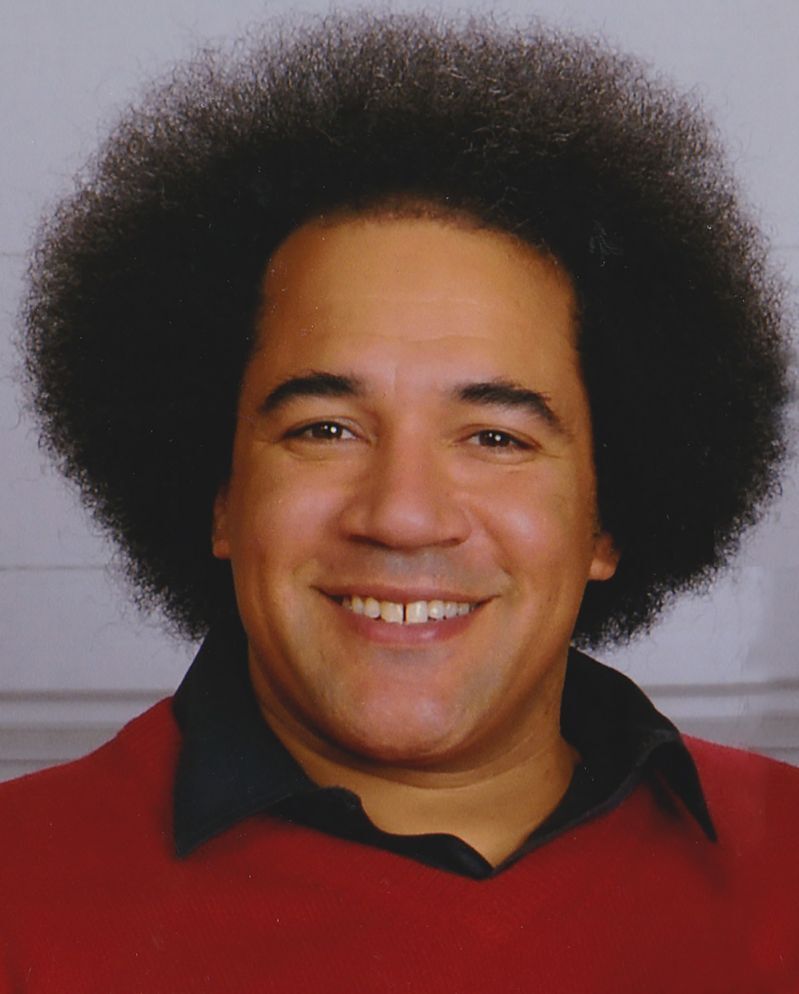
Raymond Merritt Jr.
The recent decision by the ASDB Board of Directors to abandon its historic 56-acre Speedway campus for a leased elementary school in Oro Valley has been framed as a fiscal necessity. Superintendent Annette Reichman cites a $3 million deficit and a 75% vacancy rate as the primary drivers for this "retreat" strategy. But as a former professor at Gallaudet University, I believe we are asking the wrong question. The problem isn’t a lack of students; it is an outdated legal and funding model that views ASDB as a siloed institution rather than a community asset.
The current plan commits Arizona taxpayers to an estimated $8 million in "sunk costs" over the next five years: roughly $7 million for a lease on a campus the state does not own and $1 million in relocation costs. For an estimated $5.5 million — significantly less than the cost of moving — we could instead fund a $500,000 feasibility study and implement a $5 million transformation strategy to modernize the existing campus into a world-class Sensory Immersion Academy.
This transformation relies on a concept called "Reverse Inclusion." Instead of sending our students away, we should invite the Tucson community onto our campus.
A high-impact opportunity for this model already exists within our city: Miles Exploratory Learning Center (MELC). Miles is a TUSD K-8 school known for its innovative integration of Deaf, Hard of Hearing, and hearing students. However, with an enrollment of approximately 285 students, Miles — like ASDB — faces the challenges of maintaining specialized programming within a fluctuating enrollment landscape.
By merging the ASDB and Miles communities onto the Speedway campus, we create an immediate "critical mass" of signing peers and specialized educators. This partnership, solidified through an Intergovernmental Agreement (IGA), solves three critical problems:
First, it fixes the "Campus Burden." Currently, the state pays 100% of the maintenance for 56 acres. A TUSD partnership allows the campus to tap into local property tax overrides and nearly $64 million in annual Desegregation funds that ASDB, as a state agency, cannot access.
Second, it captures revenue. General education students from the Miles community bring their per-pupil funding (~$8,200) and Universal ESA dollars back into the public system, turning the campus into a revenue-generating hub.
Third, it solves the legal "Least Restrictive Environment" (LRE) crisis. Organizations like Disability Rights Arizona have warned that the current move may violate federal mandates by "gutting" the continuum of care. A hybrid campus featuring the Miles model creates a naturally inclusive, "LRE-rich" environment that protects the state from costly litigation.
The 5-2 board vote in February to move to Copper Creek sparked a lawsuit from 15 families and the resignation of board member Bill Koehler, who warned the move would "gut" the agency. They are right to be concerned. Arizona should not spend an estimated $8 million to abandon its history when it can spend less to lead the nation in inclusive education.
We need a 90-day pause on relocation to study this transformation. The Tucson campus is not a liability; it is an asset waiting for the right vision.
Follow these steps to easily submit a letter to the editor or guest opinion to the Arizona Daily Star.

