

The following is the opinion and analysis of the writers:

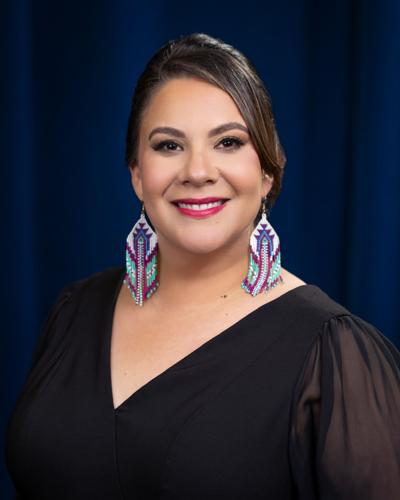
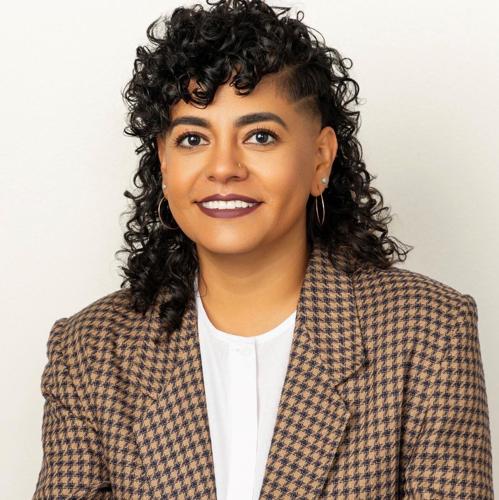
Selina Barajas

Lane Ramona Santa Cruz
As members of Tucson’s City Council and as proud Tucsonenses from the South and West sides, we carry our communities’ lived experiences into every decision we make. We share a vision for a Tucson that is cooler, safer, more walkable, and less car-dependent. But for many of our neighborhoods, that future cannot be built on vision alone. It requires long-overdue investment in the streets people rely on every day.
Working families deserve safe, connected, multimodal transportation. Not in some distant future, but now. That’s why we strongly support Propositions 418 and 419.
For far too long, major transportation projects south of 22nd Street have been delayed or left behind. Dangerous roadways, missing connections, flooding issues, and unsafe crossings have persisted while other parts of the region moved ahead. These propositions finally deliver investments to Ward 1 and Ward 5 — projects our communities have organized, advocated, and fought for over decades. As we move this work forward, we must remember a simple truth: Perfection is the enemy of progress. Families cannot wait another generation for ideal conditions while preventable crashes and daily safety risks remain.
In Ward 1, these measures would complete the long-awaited final phase of 22nd Street, rebuilding it into a safer corridor with sidewalks, bike lanes, drainage upgrades and a grade-separated railroad crossing that reduces delays and improves emergency access. Drexel Road would finally receive a continuous connection, including a new bridge over the Santa Cruz River, improved segments for walking and biking, and safer access across I-19. Irvington, Mission, and La Cholla — critical corridors for working families, transit riders, and freight — would also see long-needed safety and intersection upgrades.
In Ward 5, historic southside neighborhoods from Fairgrounds and Sunnyside to Santa Rita Park would benefit from improvements along Campbell, Drexel, Irvington and 22nd. These are not projects designed to move cars faster; they are safety investments that support transit reliability, safer routes to school, reduced congestion, and access to jobs, healthcare and local businesses.
We know some have raised concerns about how regional transportation dollars are spent, and we share the commitment to climate action, transit, and people-centered planning. This is not an either-or choice. We can invest in transit, walking, biking, shade and climate resilience and still fix the roads that are dangerous today. In fact, we must do both if we are serious about fairness and safety.
Tucson does not exist in a vacuum. We are part of a regional transportation system, where residents cross city boundaries every day for work, school, healthcare and family. Propositions 418 and 419 allow us to be good regional partners while continuing to advance Tucson’s local priorities and values. Saying yes means we fix what’s unsafe now while continuing to push for the more walkable, transit-forward city we are already building.
These propositions don’t create a new tax; they continue the one we already pay. And as we enter a period of economic uncertainty, securing these infrastructure investments ensures steady construction jobs and represents a $2.67 billion regional plan expected to generate nearly $4 billion in economic return. That matters for working families and small businesses alike.
When state and federal governments pull back, Tucson must invest in itself. Safe, reliable, multimodal transportation is the foundation of strong neighborhoods. It advances equity, supports local economies, and saves lives.
As mothers, neighbors, and lifelong Tucsonenses, we urge voters to support Propositions 418 and 419. We, too, want safer streets, long-overdue justice for the South and West sides, and a Tucson that works for everyone, now and for generations to come.
Follow these steps to easily submit a letter to the editor or guest opinion to the Arizona Daily Star.

