

The following is the opinion and analysis of the writer:
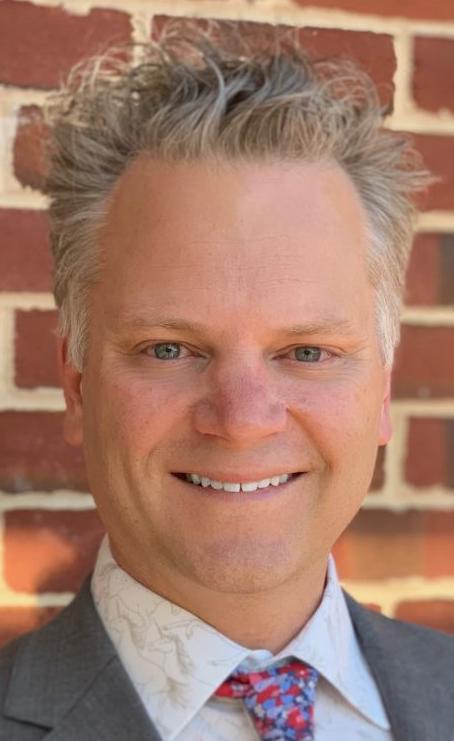
Chad Herzog
It is hard to know what to say right now.
Across the country, public life feels tense and uncertain. Many people are carrying fear, anger, grief, or exhaustion. For some, gathering in public feels risky. For others, staying silent feels like a betrayal of their values. The ground beneath us feels less stable than it once did.
In moments like this, I find myself asking a simple question.
What would Mister Rogers do?
Not as a catchphrase. As a guide.
Fred Rogers understood that cultural leadership does not begin with having the loudest voice. It begins with clarity, care, and responsibility. In 1969, when funding for public broadcasting was under threat, he appeared before the U.S. Senate and spoke quietly about children, feelings, and the obligation adults have to protect emotional well-being. He did not argue. He invited understanding.
Later, he made one of the most quietly courageous gestures in American television. On Mister Rogers’ Neighborhood, he shared a foot bath with Officer Clemmons, a Black police officer, at a time when public pools were still symbols of racial exclusion. There was no speech, no explanation. Just an unmistakable act of inclusion and shared humanity.
And after September 11, when the country was overwhelmed by fear and confusion, Mister Rogers came out of retirement. Not to offer answers or analysis, but to help people, especially children, feel safe enough to name what they were feeling. He understood that emotional safety was not a luxury in times of crisis. It was essential.
That is the role arts and culture can play right now.
The arts are not policy. They do not replace justice, accountability, or civic action. What they offer is something more foundational. They create places where people can gather with dignity, even when they disagree. They allow us to feel without being instructed how to feel. They make room for complexity, vulnerability, joy, and grief to exist side by side.
When gathering feels dangerous, the answer is not to stop gathering. The answer is to gather with greater intention.
That means asking who feels safe entering a space, and who does not. It means paying attention to access, tone, hospitality, and trust. It means protecting our neighbors not only from physical harm, but from erasure, dismissal, and isolation. Safety is not only about security. It is about whether people feel seen, respected, and welcome.
Arts and cultural spaces rehearse something we urgently need. They help us practice being human together. Sitting beside strangers. Listening without interrupting. Sharing an experience without requiring agreement. In times of unrest, this is not escapism. It is preparation.
Earlier this week, a small cultural moment captured this idea. While recording a Super Bowl commercial, Lady Gaga shared a nearly four-minute teaser of her cover of Won’t You Be My Neighbor?, the song that once welcomed millions into Fred Rogers’ living room. She later said she was thinking about what Rogers might say to us now. The moment landed not because it offered answers, but because it reminded us of something we already know. That neighborliness still matters.
Here in Southern Arizona, this question is not theoretical. We live at the intersection of cultures, histories, and identities. Our region has long understood that community is built through relationships, not uniformity. We know that showing up for one another, especially across differences, takes effort and care.
We may not be able to change Washington, D.C. on our own. Most of us will never sit in the rooms where national decisions are made. But we do have agency where we live. We shape our communities through the spaces we create, the invitations we extend, and the way we protect one another’s dignity.
If there is a voice the arts can offer right now, it does not need to be louder. It needs to be steadier. Clear about values. Generous in spirit. Willing to hold people together without demanding sameness.
An invitation to gather.
A commitment to care.
A promise to protect our neighbors.
That may not change the country all at once. But it can change how we show up for one another. And that is where change has always begun.
Follow these steps to easily submit a letter to the editor or guest opinion to the Arizona Daily Star.

