

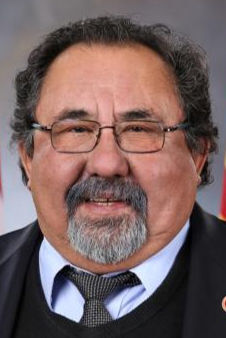
The following column is the opinion and analysis of the writer:
The COVID-19 pandemic has put us to the test. It has tested our mental endurance, our adaptability, our compassion and unity as a country. Most critically, it’s tested the ability of our government to respond to a crisis of epic proportions.
As an elected official who took an oath to protect my constituents, it pains me to say that the government response to this pandemic has largely failed this test. In the early days of the pandemic, Congress did take swift action to pass three bills — including the CARES Act — to fight the virus, mitigate the economic ramifications of business closures and save lives. Thanks to this legislation, many businesses were able to pay their workers and business expenses, unemployed workers had access to funds to keep their families afloat for extended periods of unemployment, and those facing a harsh economic situation could take advantage of eviction moratoriums, rental assistance and deferred student loan payments.
But it was clear right away that these efforts were not enough. Congress would need to do more to save the economy, businesses and most importantly lives. Democrats responded by passing the Heroes Act to meet the magnitude of the situation. The bill helps those that were left out of the previous packages, setting aside funds for smaller and minority-owned businesses that the Trump administration refused to help.
It continued lifelines to working families, health providers, and frontline workers who have borne the brunt of this crisis. It provided the desperately needed resources for people to safely weather this storm and come out whole on the other side. But the duty to take quick action was not shared by the Republican-controlled Senate or President Trump.
Despite President Trump’s promise that we should “go big or go home” with COVID-19 relief, he and Mitch McConnell refused to act, saying that we were already doing too much to help. McConnell refused to put this measure on the floor for a vote. While bills and expenses piled up for working families, McConnell ordered the Senate to do everything but COVID-19 relief.
He confirmed judges and jammed through a Supreme Court confirmation before Trump had time to lose the election in November. President Trump continued to denigrate and downplay the impacts of the virus, despite the fact our country has now lost well over a quarter million people. They stood by, played politics, and denied aid that could have saved lives.
And now in the middle of the holiday season, we’re reaching crisis levels. Right here in Arizona, our case numbers are rising, hospitals are reaching capacity and doctors and nurses are sounding the alarm of an impending catastrophe. Without an extension, on Dec. 31, numerous provisions that have protected those impacted most by the virus will expire. Come Jan. 1, 2021, renters and homeowners who’ve been unable to pay their bills will face eviction notices and court dates.
Workers who have relied on expanded unemployment benefits to pay for everything from the utility bills to groceries will anxiously wonder where their next paycheck will come from. Every day since the start of the pandemic, my office has received numerous calls for help. Calls from doctors and nurses concerned about dwindling PPE supplies, single mothers and working parents worried about the looming expiration of the eviction moratorium and the inability to pay their current rent, and small business owners who are facing imminent closures.
Our team of caseworkers has worked nonstop to help those in need by tracking down missing stimulus checks, connecting those in need to rental assistance and relentlessly calling on DES to release unemployment funds that many have waited for months to receive. Regardless of whether McConnell finds a sense of compassion or duty, we still need a COVID-19 relief package that is comprehensive and able to address the magnitude of this crisis.
Although the recent bipartisan, $900 billion relief package is a decent interim response, a package with the incoming Biden administration and new Congress must be more comprehensive to meet the magnitude of the situation. It must include vaccine distribution funds, stabilization funds for states, cities and towns so that they can address upcoming budget shortfalls, and funds for hospitals. It is imperative that a bill includes real and efficient aid for small businesses so they can remain afloat for the duration of the pandemic and play a critical role in our future economic recovery.
With more than 20% of Arizonans behind on rental payments, we must respond to their needs by extending expanded unemployment benefits and eviction moratoriums while providing rental assistance and deferred student loan payments. We shouldn’t be talking about liability protections when we aren’t even offering basic protections to individuals whose lives were turned upside down by the virus. Only with this approach will we be able to effectively vanquish the virus and begin to safely reopen our communities, schools and economies to some semblance of normalcy.
The truth is the outlook doesn’t have to be all grim. With promising vaccines on the horizon, there is no excuse for us not to take this urgent action. As members of Congress, we have the ability and the responsibility to continue extending programs that help people safely stay at home and keep businesses afloat. Instead of playing politics and creating a false choice between our health and our economy, we can save both lives and livelihoods with a comprehensive response package that truly addresses the severity of this crisis. Only then will we pass COVID-19’s most pivotal test of our country.

