


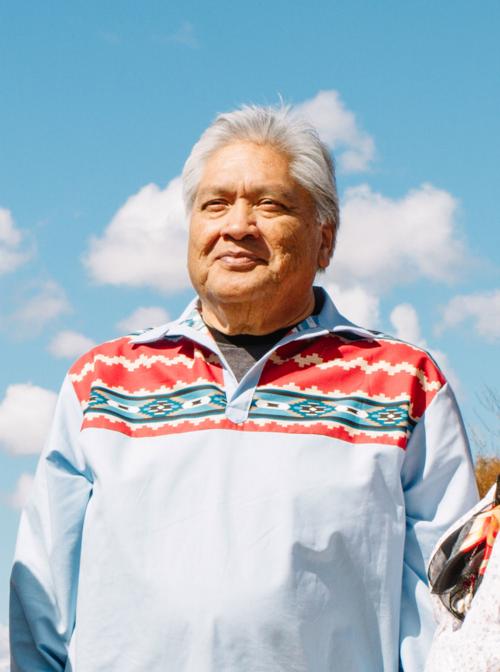
Dennis Patch
Because of Arizona’s ongoing drought challenges and a continuous surge in population growth, our Tribal Council has been in discussions with water agencies, water managers and water users in Arizona about the drought, how we might provide leased water to benefit the people in Arizona — including in the Tucson area — and at the same time create economic sustainability for our people.
In many ways, it will be very difficult for Arizona to sufficiently address drought and growth without our substantial water rights. Some of these issues were comprehensively covered in the Star’s Sept. 24 article “Water bailout? Colorado River tribes pose statewide leasing scenario.” Thank you for the interest in the issue and fairness in covering it.
As this matter is of significant importance to our people and the state of Arizona, we have had many internal community meetings to talk about water issues. These were educational sessions to help all of us understand the value of our water rights, what might be possible for us and the ways other tribes that have water settlements can use their water resources, including transfers off reservations in return for millions of dollars.
In the past, we have been denied these rights. But because of the severity of drought and population growth, we now have an opportunity to help all of Arizona, and our members.
The economic benefits of these rights could be substantial. This, and our desire to consider options to help Arizona, is why we are at the table, including Gov. Doug Ducey’s water task force.
Whether the dialogue described in your article ultimately becomes a reality will involve greater discussion, much negotiation and much thought by our people and others.
Our water rights are unique because they are so large and we have first-priority (senior) rights that will never be reduced in shortages even when other water users of the Central Arizona Project in our state will not get all of their water.
One thing we have talked about is providing a drought supply when there is a shortage. Another thing we are talking about, but not discussed in the Star’s article, is improving our agricultural efficiencies in order to conserve a lot of our water that is going straight back to the river for other people to use.
The tribes do not grow crops with this “spill water” and we do not get any economic benefit from the water that is spilled back into the river by the inefficient Bureau of Indian Affair Irrigation Project. Other people are using the “spill water” for free because the BIA irrigation system is not efficient. This is not right, not fair and something we are aiming to fix to the benefit of all tribal members.
If and when we improve our agricultural systems, the tribes can add 10,000 or more acres of farming for production. Or we might be able to make the conserved water available for others in Arizona to use.
Any agreement involving our water, if one were ever to be reached, would be publicly vetted, fully evaluated and seriously scrutinized by our Tribal Council to understand impacts to our community now and well into the future.
Regardless of the path our council chooses, our priorities will be to maintain the current agricultural acreage in production on the reservation and our cultural resources. We are the river people and we will always be the river people.

