


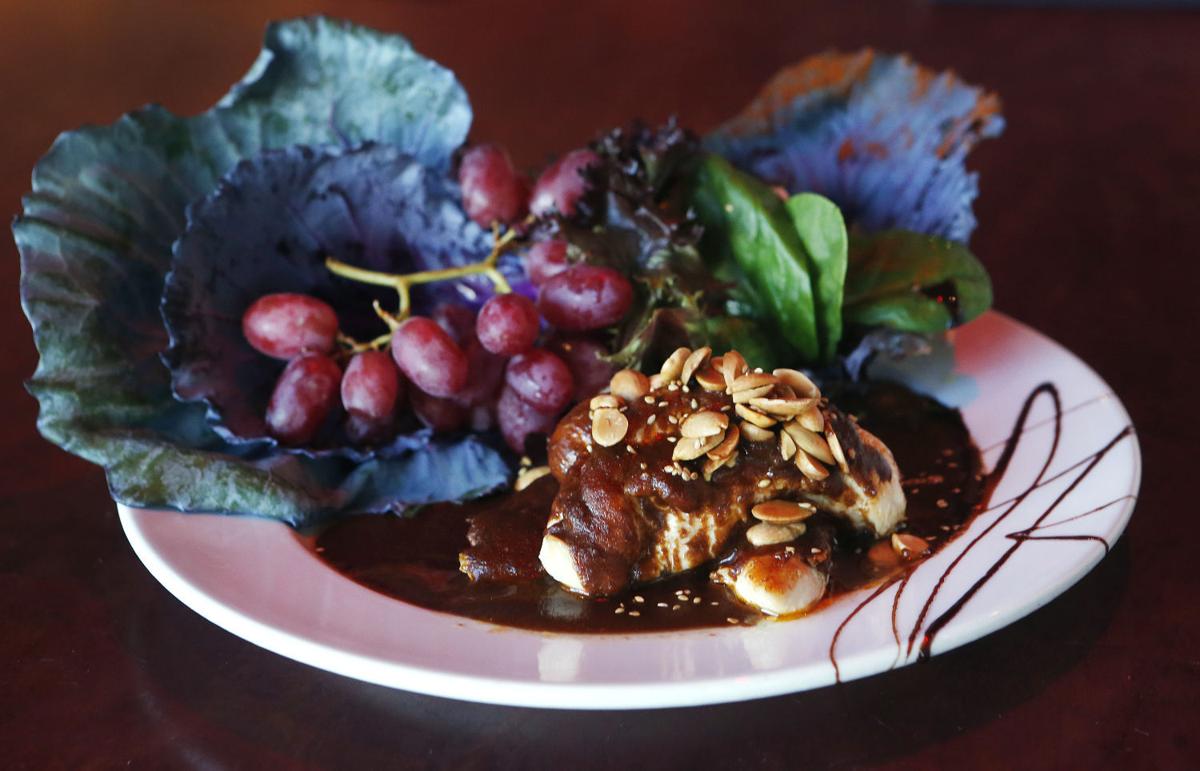
Tucson’s heartbreaking recent losses of Athens on 4th, Gee’s Garden, Elvira’s, Café Poca Cosa and other iconic independent restaurants is a warning sign for our community and local economy.
Tucson’s normally strong restaurant and food industry is vitally important to our economy, an essential ingredient of our culture and identity, and a main way we express and celebrate our internationally recognized food history and food culture. It is a significant reason why Tucson was named the first UNESCO City of Gastronomy in the U.S. in 2015.
Our vibrant culinary scene is created by more than 1,500 independently owned restaurants and bars in the metro area. They generated more than $2 billion in taxable sales in 2019 and employed 32,700 people (11% of all private-sector jobs) in March 2020, just before the pandemic hit them particularly hard.
An almost complete halt in tourism and state and local orders for dining room closures in April were serious blows. Nationally, plunging revenues forced independent restaurants to lay off 91% of hourly employees and 70% of salaried workers this spring.
These trends were amplified in metro Tucson, where 63% of restaurants are independent — 10% above the national average. In April, restaurant and bar sales in Pima County were down 38% compared to the same month last year and have only partially recovered.
Even after dining rooms could reopen at half capacity in May, sales have not backfilled lost revenues nor matched typical revenues in a normal year. We lost our vital spring season, slightly reopened during our low season, and now have seen many beloved local restaurants close permanently.
Seeing the coming storm, the Tucson Metro Chamber established the Restaurant Advisory Council (RAC) in March to advocate on behalf of our restaurants and overall hospitality industry. The RAC has worked with Visit Tucson, Tucson City of Gastronomy and our governmental partners to identify and implement ways to assist restaurants and promote the fact that, as long as CDC and state guidelines are implemented, they are safe and sanitary spaces.
The national Independent Restaurant Coalition warns that without federal assistance there could be an “extinction event,” with up to 85% of independent restaurants closing by December, also impacting many other businesses supplying and servicing them.
Without help, many of Tucson’s long-running icons, family-owned favorites, and newest standouts may not survive, and our postpandemic restaurant landscape will lack its famous uniqueness.
This scenario would also decrease the dollars circulating in the local economy since locally owned businesses spend a higher percentage of their revenues locally for payroll, goods and services, accounting, etc. The snowball effect would impact every local business that relies on a thriving travel industry.
The Restaurant Advisory Council and Visit Tucson urge you to help today by contacting Sens. Kyrsten Sinema and Martha McSally to ask them to include and vote for the RESTAURANTS Act in the next COVID-19 economic relief package.
This $120 billion relief fund for independent restaurants, already approved in the U.S. House, is now in the Senate for possible inclusion in a final package. This act will assist independent restaurants and bars impacted by the COVID-19 crisis.
It could generate up to $271 billion in economic impact and would provide independent restaurants with the resources needed for the challenging months ahead. Sinema’s office number is (202) 224-4521. McSally’s office number is (202) 224-2235. You can also easily send them a message at saverestaurants.com/take-action/.Help us save the taste of Tucson.

