

Greg Hansen's top 10 sports villains in Tucson history
- Updated
Politicians, frauds and a Badger all made the list.
Editor's note: This summer, Star columnist Greg Hansen is counting down the top 10 of just about everything related to Tucson sports.
Today's list: the top 10 sports villains in Tucson history.
In the mid 1990s, the culture of high school football in Arizona changed forever, and with it the destiny of Tucson prep football.
The East Valley schools in the greater Phoenix area – particularly Scottsdale and Mesa – became magnets for top prospects Most notably, Scottsdale Saguaro, Scottsdale Chaparral and Mesa Mountain View became year-round football factories.
They had the resources, bulging enrollment numbers and the welcome mat that even the Arizona Interscholastics Association had difficulty regulating. The key words to become a football power were these: relocation and recruiting.
No one has felt the sting from the growth of suburban Phoenix football more than Tucson.
Over the last 20 years, those East Valley high schools have become a sports villain like few others in Tucson sports history. From 1997-2016, Saguaro, Mountain View and Chaparral are 9-1 in state championship games against Tucson teams. (And that doesn’t include Scottsdale Notre Dame Prep's 2008 state title win over 11-2 Santa Rita.)
In all, Tucson state championship game participants who were 136-7 have gone 1-10 against the East Valley in that stretch. Five of those Tucson teams were undefeated entering the state championship game Here’s what happened:
Amphitheater, 13-0 in 1997, lost to Mountain View.
Sabino, 13-0 in 1997, lost to Mountain View.
Sunnyside, 13-0 in 2000, lost to Chapparal.
Canyon del Oro, 13-0 in 2010, lost to Saguaro.
Cienega, 13-0 in 2011, lost to Chapparal.
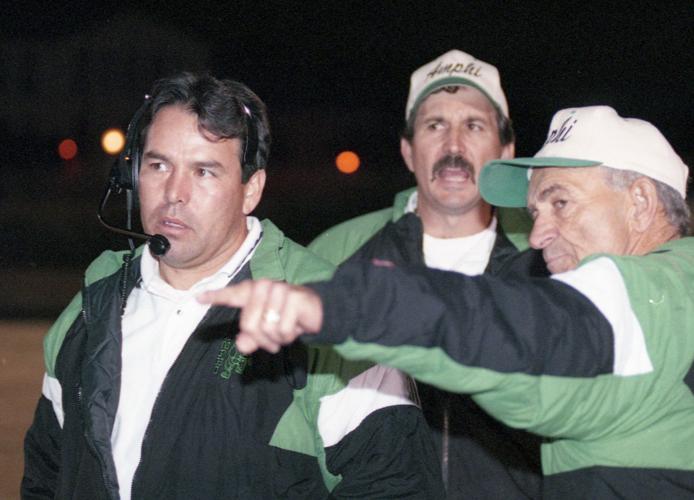
"It’s like you’re fighting against a bank with an endless vault," Amphi coach Vern Friedli said in 1997. And wouldn’t he know it? Friedli’s 12-1 Panthers of 1990, lost to Mesa High School, a precursor of an era of high school football that has been dominated by the so-called villains of the East Valley.
Here’s our Top 10 list of sports villains in Tucson:
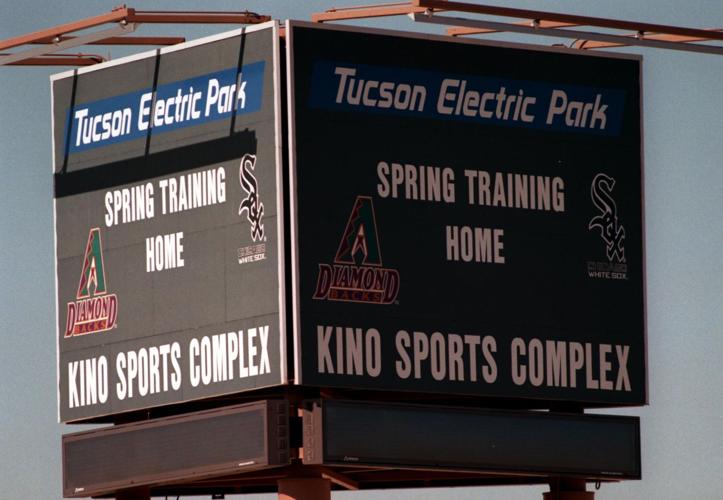
When the politicians debated where to build a spring training facility for the Arizona Diamondbacks and Chicago White Sox, political allies Raul Grijalva, Steve Leal and Dan Eckstrom insisted on an Ajo Way and South Country Club site and fought against a stadium near Interstate 10 downtown.
"We are potentially setting up a jewel," Grijalva said on May 31, 1996. "It’s a place that will automatically attract people, whether it’s for services or entertainment. We’re establishing the magnet and the interest."
That interest was never developed. The Kino Sports Complex was not a jewel but an out-of-the-way bust. Tucson no longer has spring training or minor-league baseball.
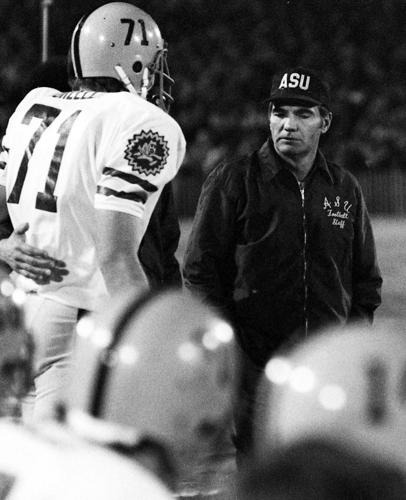
From 1958-79, Kush’s ASU football program routinely humbled Arizona, winning 16 of 22 games, including nine straight from 1965-73. Until Kush was fired in ’79, ASU’s sports profile dominated that of Arizona.
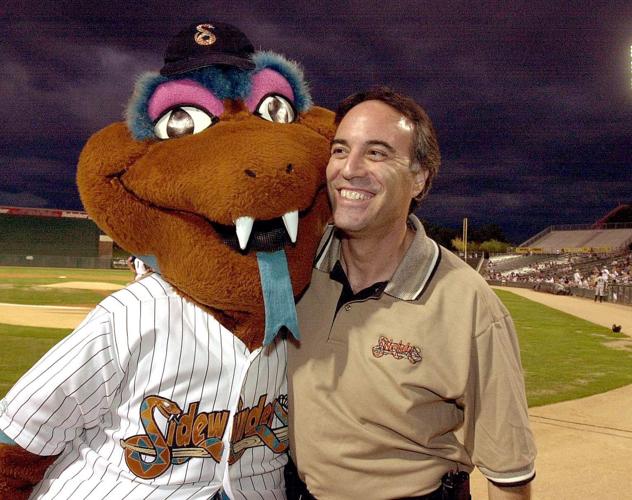
The Tucson businessman sold the Triple-A Tucson Sidewinders to a group who moved the franchise to Reno Nevada, in 2008, and although the Tucson Padres played at Kino Stadium from 2011-13, it effectively ended minor-league baseball’s 40-year run in Tucson.
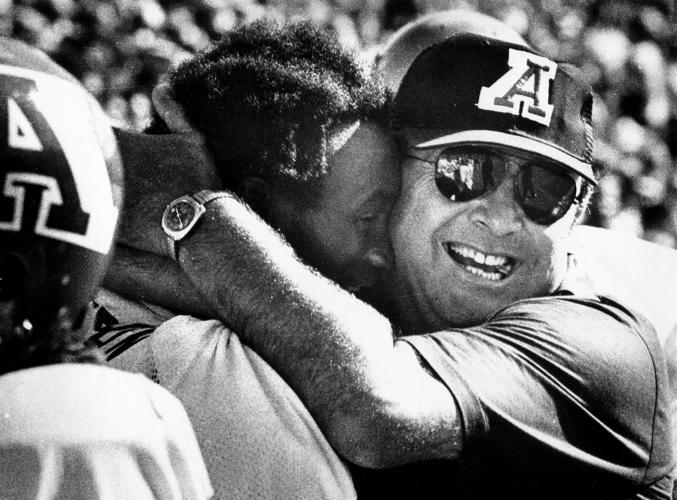
He coached Arizona’s football program to a 16-18-1 record from 1977-79, but an NCAA investigation discovered illegal payments and a slush fund to benefit players and coaches. The UA was placed on an NCAA probation from 1982-84, preventing it from playing in bowl games and on live TV.
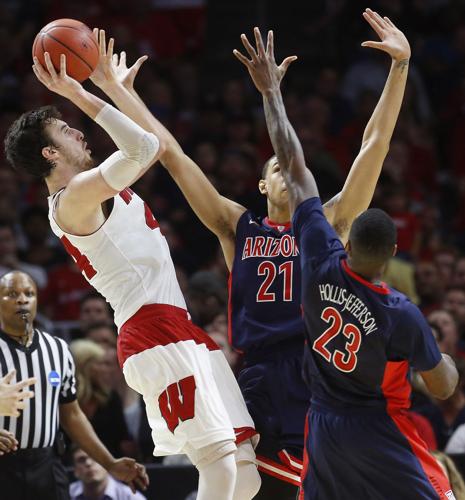
In back-to-back Elite Eight basketball games against Arizona, 2014 and 2015, Wisconsin’s 7-foot center scored 57 points and grabbed 17 rebounds, crushing the UA’s Final Four hopes in painful exits in Los Angeles and Anaheim.
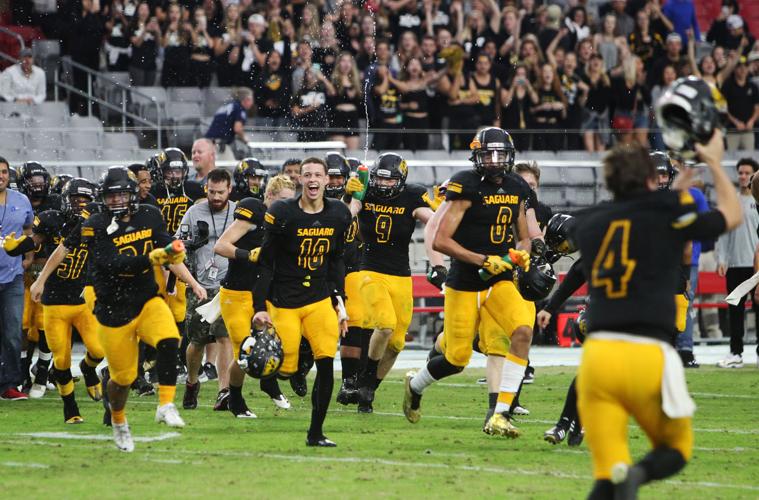
The only Tucson winner against the resources-laden schools from the East Valley was Dennis Bene’s 2013 Salpointe Catholic team, which beat Chaparral 46-20 in the title game.
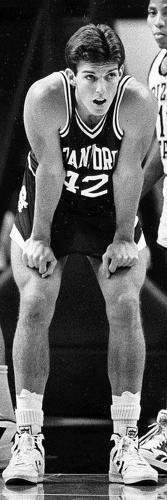
As Arizona’s basketball program rose to power on a national scale, the No. 1 Wildcats of 1987-88 and the No. 8 Wildcats of 1988-89, both lost at Stanford in years they went 17-1 to win the Pac-10. The common theme: Stanford shooting ace Todd Lichti scored 58 points in those two down-to-the-buzzer finishes, including a 35-point outburst in ’89 when he scored 21 of Stanford’s final 32 points.
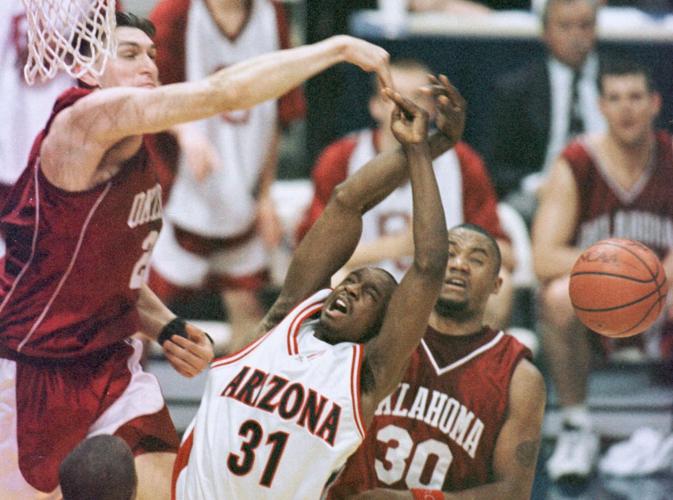
The Sooners eliminated Arizona from the NCAA tournament three times (1988, 1999, 2002), including a Final Four and a Sweet 16. The connection to those three exits: defense. Arizona shot just 39 percent overall against the Sooners, including Steve Kerr’s heartbreaking 2-for-13 total at the 1988 Final Four.
- Greg Hansen Arizona Daily Star
- Updated
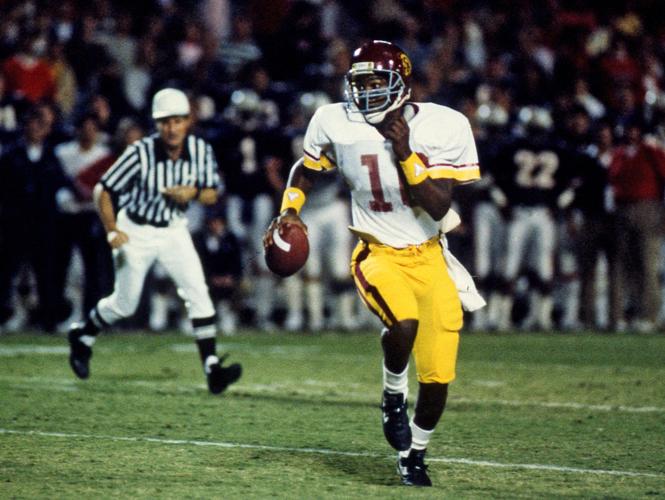
Most UA fans know the Peete story: He was probably the state’s top high school athlete at Sahuaro from 1981-84, helping the Cougars to state basketball and baseball titles, and becoming the state’s most coveted quarterback recruit. But he transferred to a Kansas City suburb for his senior year, 1984-85, and chose to play at USC, where ex-UA coach Larry Smith was in his first season as head coach. Peete was 3-0 against Arizona, effectively knocking the Wildcats from the 1986 Rose Bowl race in a 20-13 win in Tucson, completing two touchdown passes. In all, Peete beat three UA teams that were a combined 13-4-2 on game day. Peete was a key player in two Rose Bowls at USC. Arizona? None.
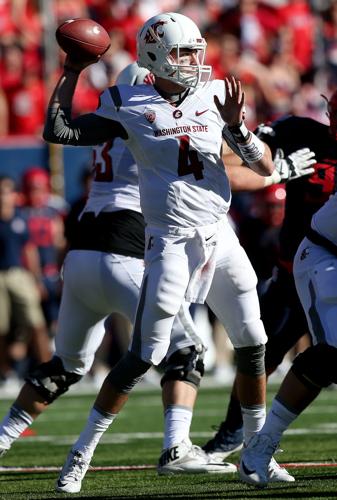
The latest entry on this list is the Washington State coach and quarterback tandem. In 2015 and 2016 victories over Arizona, Falk, using Leach’s system, has passed for 982 yards with 11 touchdowns and no interceptions. Last year’s 69-7 victory over Arizona was the UA’s worst loss since 1949. Bad news: Leach and Falk are scheduled to play at Arizona Stadium on Oct. 28.
Editor's note: This summer, Star columnist Greg Hansen is counting down the top 10 of just about everything related to Tucson sports.
Today's list: the top 10 sports villains in Tucson history.
In the mid 1990s, the culture of high school football in Arizona changed forever, and with it the destiny of Tucson prep football.
The East Valley schools in the greater Phoenix area – particularly Scottsdale and Mesa – became magnets for top prospects Most notably, Scottsdale Saguaro, Scottsdale Chaparral and Mesa Mountain View became year-round football factories.
They had the resources, bulging enrollment numbers and the welcome mat that even the Arizona Interscholastics Association had difficulty regulating. The key words to become a football power were these: relocation and recruiting.
No one has felt the sting from the growth of suburban Phoenix football more than Tucson.
Over the last 20 years, those East Valley high schools have become a sports villain like few others in Tucson sports history. From 1997-2016, Saguaro, Mountain View and Chaparral are 9-1 in state championship games against Tucson teams. (And that doesn’t include Scottsdale Notre Dame Prep's 2008 state title win over 11-2 Santa Rita.)
In all, Tucson state championship game participants who were 136-7 have gone 1-10 against the East Valley in that stretch. Five of those Tucson teams were undefeated entering the state championship game Here’s what happened:
Amphitheater, 13-0 in 1997, lost to Mountain View.
Sabino, 13-0 in 1997, lost to Mountain View.
Sunnyside, 13-0 in 2000, lost to Chapparal.
Canyon del Oro, 13-0 in 2010, lost to Saguaro.
Cienega, 13-0 in 2011, lost to Chapparal.
"It’s like you’re fighting against a bank with an endless vault," Amphi coach Vern Friedli said in 1997. And wouldn’t he know it? Friedli’s 12-1 Panthers of 1990, lost to Mesa High School, a precursor of an era of high school football that has been dominated by the so-called villains of the East Valley.
Here’s our Top 10 list of sports villains in Tucson:
When the politicians debated where to build a spring training facility for the Arizona Diamondbacks and Chicago White Sox, political allies Raul Grijalva, Steve Leal and Dan Eckstrom insisted on an Ajo Way and South Country Club site and fought against a stadium near Interstate 10 downtown.
"We are potentially setting up a jewel," Grijalva said on May 31, 1996. "It’s a place that will automatically attract people, whether it’s for services or entertainment. We’re establishing the magnet and the interest."
That interest was never developed. The Kino Sports Complex was not a jewel but an out-of-the-way bust. Tucson no longer has spring training or minor-league baseball.
From 1958-79, Kush’s ASU football program routinely humbled Arizona, winning 16 of 22 games, including nine straight from 1965-73. Until Kush was fired in ’79, ASU’s sports profile dominated that of Arizona.
The Tucson businessman sold the Triple-A Tucson Sidewinders to a group who moved the franchise to Reno Nevada, in 2008, and although the Tucson Padres played at Kino Stadium from 2011-13, it effectively ended minor-league baseball’s 40-year run in Tucson.
He coached Arizona’s football program to a 16-18-1 record from 1977-79, but an NCAA investigation discovered illegal payments and a slush fund to benefit players and coaches. The UA was placed on an NCAA probation from 1982-84, preventing it from playing in bowl games and on live TV.
In back-to-back Elite Eight basketball games against Arizona, 2014 and 2015, Wisconsin’s 7-foot center scored 57 points and grabbed 17 rebounds, crushing the UA’s Final Four hopes in painful exits in Los Angeles and Anaheim.
The only Tucson winner against the resources-laden schools from the East Valley was Dennis Bene’s 2013 Salpointe Catholic team, which beat Chaparral 46-20 in the title game.
As Arizona’s basketball program rose to power on a national scale, the No. 1 Wildcats of 1987-88 and the No. 8 Wildcats of 1988-89, both lost at Stanford in years they went 17-1 to win the Pac-10. The common theme: Stanford shooting ace Todd Lichti scored 58 points in those two down-to-the-buzzer finishes, including a 35-point outburst in ’89 when he scored 21 of Stanford’s final 32 points.
The Sooners eliminated Arizona from the NCAA tournament three times (1988, 1999, 2002), including a Final Four and a Sweet 16. The connection to those three exits: defense. Arizona shot just 39 percent overall against the Sooners, including Steve Kerr’s heartbreaking 2-for-13 total at the 1988 Final Four.
Most UA fans know the Peete story: He was probably the state’s top high school athlete at Sahuaro from 1981-84, helping the Cougars to state basketball and baseball titles, and becoming the state’s most coveted quarterback recruit. But he transferred to a Kansas City suburb for his senior year, 1984-85, and chose to play at USC, where ex-UA coach Larry Smith was in his first season as head coach. Peete was 3-0 against Arizona, effectively knocking the Wildcats from the 1986 Rose Bowl race in a 20-13 win in Tucson, completing two touchdown passes. In all, Peete beat three UA teams that were a combined 13-4-2 on game day. Peete was a key player in two Rose Bowls at USC. Arizona? None.
The latest entry on this list is the Washington State coach and quarterback tandem. In 2015 and 2016 victories over Arizona, Falk, using Leach’s system, has passed for 982 yards with 11 touchdowns and no interceptions. Last year’s 69-7 victory over Arizona was the UA’s worst loss since 1949. Bad news: Leach and Falk are scheduled to play at Arizona Stadium on Oct. 28.
Tags


View this profile on Instagram#ThisIsTucson 🌵 (@this_is_tucson) • Instagram photos and videos
Most viewed stories
-
Nearly 40 fun events this Valentine's Day weekend February 13-15! 💖
-
Surprise! Wildflower season is starting early. Here's where to find the best blooms 🌼
-
Jamie vs. Sonoran dogs: Follow me as I take on Visit Tucson's Sonoran Dog Trail 🌭
-
Over 60 fun events happening in Tucson in February 💖🐎
-
Tucson Valentine's: Vegas-style weddings, tattoo parlor nuptials
-
A saber tooth tiger fossil, gemstone paintings, and more: Here's the low-down on 4 Tucson gem shows! 💎
-
Step back into the 14th century at Arizona Renaissance Fair 🫅
-
A new chapter: Crossroads Restaurant is back open after fire
-
This Tucson chef has been named a semifinalist for prestigious James Beard Award 🎉
-
43 events you won't want to miss, February 20-22! 🤠🐎