




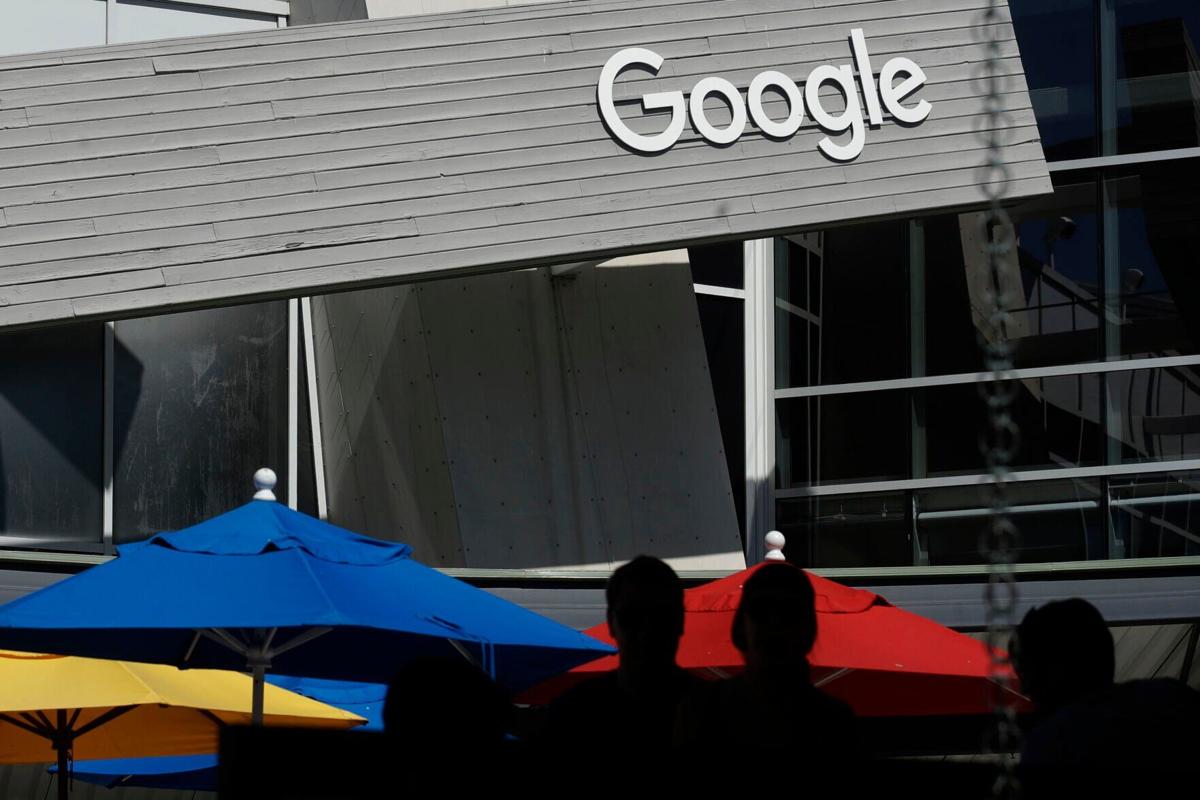
Google is -- for better or for worse -- the front page of the internet. The nearly $2 trillion company controls more than 90% of the online search market and is so ubiquitous that the company’s name is often used as a verb.

Danielle Coffey
But never has it so openly and transparently used its size and market dominance to try to directly influence a public policy debate than now.
Last year, California Assemblymember Buffy Wicks, a Democrat from Oakland, stood up to the largest internet company in the world and fought for California journalism by introducing the California Journalism Preservation Act (AB 886). Members of the Assembly supported her, passing the California Journalism Preservation Act, or CJPA, on an overwhelming bipartisan vote of 55-6.

Wicks
Last week, as the legislation has awaited action in the Senate, Google punched back. The internet search monopoly throttled traffic to California news sites in an attempt to threaten, intimidate and cajole California publications and lawmakers into dropping their support for the CJPA. This undemocratic attack on journalism was an attempt to silence the voices of local news providers. We will not be silenced.
The fight over the California Journalism Preservation Act is not just a fight for local news’ survival in California, but a fight for democracy.
The simple fact is that Google’s growth and dominance has come at the expense of local news and other businesses, which must play by their rules or risk obsolescence. Newsrooms across this state and country are shrinking, and local newspapers are closing. In fact, 2,500 newspapers have closed their doors since 2004. Around the country, more than two newspapers close every week.
The shift in the way news is consumed in the last 20 years has led to a media landscape where many get their news on social media. These same platforms would sooner promote mis- and disinformation and put their users and democracy at risk than pay publishers of quality journalism fairly for use of their content.
The CJPA is a commonsense piece of legislation that requires Google to pay publishers and broadcasters for the use of the news outlets’ content. Publishers would be required to spend 70% of any funds collected as a result of these payments on journalism jobs.

The bill has only improved since overwhelmingly passing the California Assembly last year. Wicks has agreed to language that would base payouts on the number of journalists a paper employs and set aside a portion of funds for small, local papers. Wicks understands that when local journalism thrives, democracy thrives.
Google’s strong-arm maneuver to throttle traffic to news sites won’t work. We will not allow local newsrooms to be censored, silenced and threatened -- even by one of the largest companies on the planet. Google is not above the law.
Local news providers will not bow down to threats, and we will continue to advocate for sensible legislation that can revitalize our independent news media. Our resolve to protect journalism and preserve democracy has never been stronger.

