


Gracie Soto has long had a wishlist of improvements she would love to make to her family’s Anita Street Market.
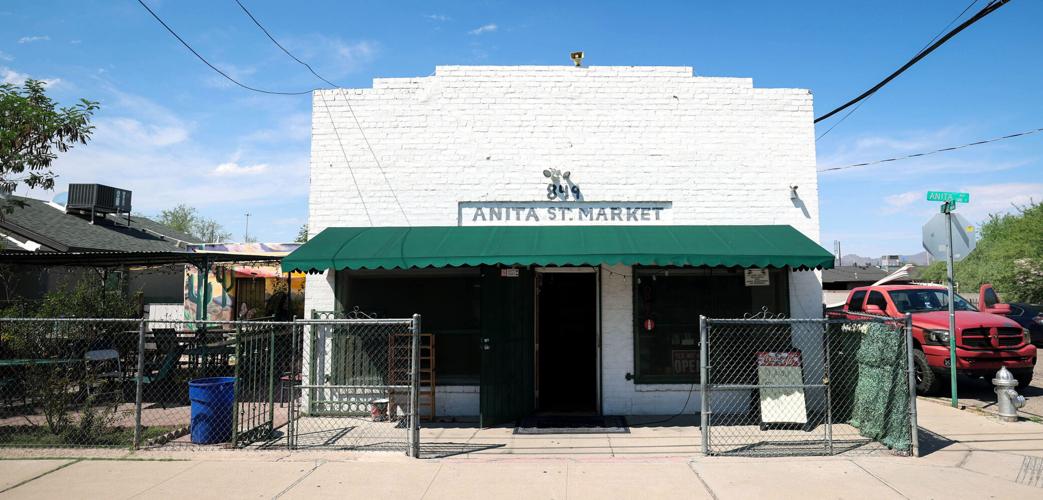
The building at 849 N. Anita Ave. in historic Barrio Anita that started as a Chinese market in 1936 could use some fresh paint. She’d also like to install a gutter system, give some love to the green awning that shades the entrance, redo the porch and tackle the backyard so that she can host neighborhood gatherings.
“It’s a space for for my community that I am very grateful for and I want to be able to open up my doors to my tiendita (small store), not just the front door, but the back door, too, where people can come in here and ... see what a hundred-year-old, beautiful building this is,” she said.
In August, Soto learned that Anita Street Market was one of 50 historic restaurants nationwide to receive a $50,000 grant from the National Trust for Historic Preservation and American Express Backing Historic Small Restaurants program.
The program, now in its fifth year, helps historic restaurants make exterior public-facing improvements to their buildings, from awnings, murals and lighting, to fresh paint, upgrading signage and creating outdoor seating areas.
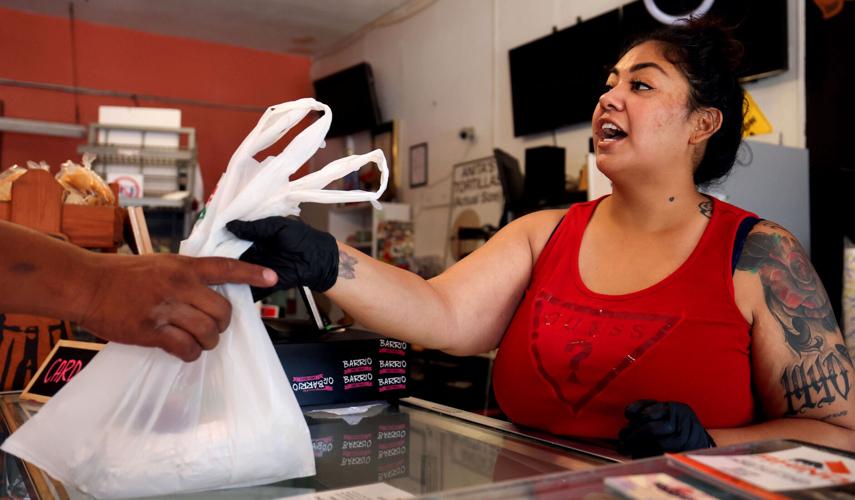
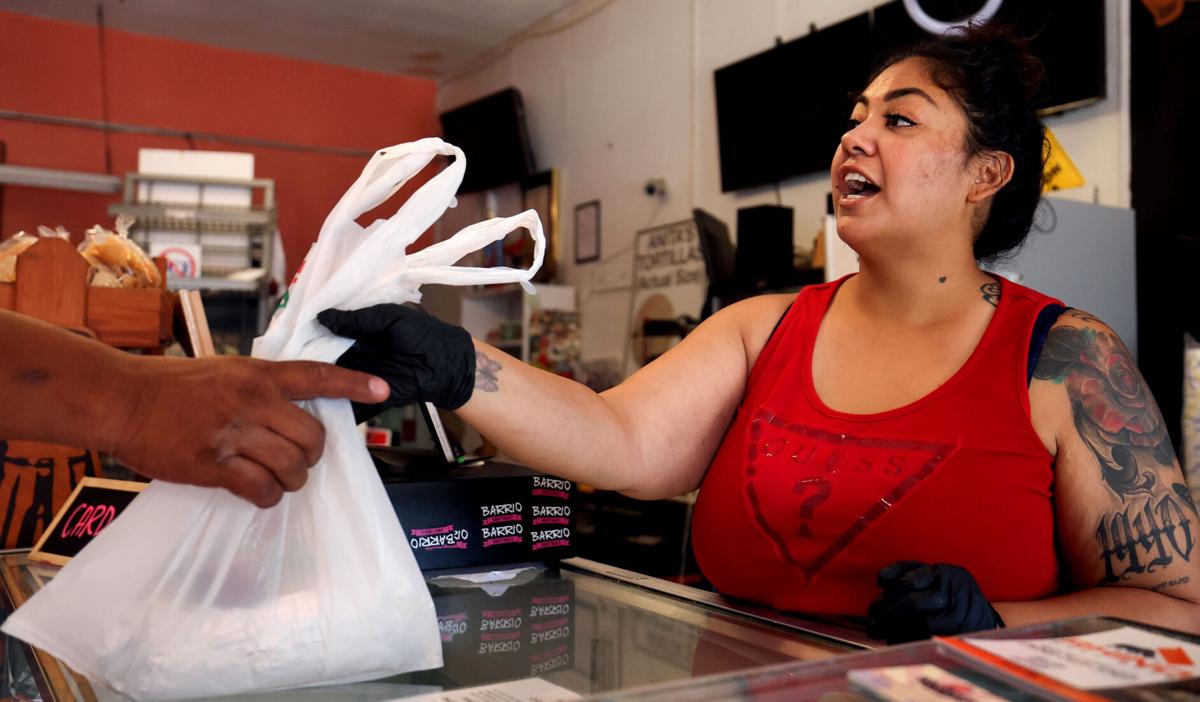
“To get this grant is a big blessing for Anita Street Market in so many ways,” said Soto, who took over the restaurant in 2020 after its founder, her namesake grandmother, died of COVID-19.
The grant comes months after Soto’s three-year-old bankruptcy was dismissed and she was able to land better terms with a lender who bought the second mortgage she had taken out to pay off a $270,000 tax lien that came with the business.
Soto said longtime customers and neighbors in the historic Barrio Anita came to her rescue, volunteering to help out in the store and contributing to a GoFundMe campaign launched in late December 2023 that has raised just over $11,000.

Anita Street Market, 849 North Anita Ave., can use a $50K grant for renovations.
“Through all of this, I would have never, never made it without the support of volunteers, which are people who used to live in my barrio and are part of the barrio,” said Soto. “You know that generations of their family grew up here and they came back to help in any way they could so it’s a blessing to be able to be the link. Anita Street Market is more than just a tiendita; it’s a home. It’s my home. It’s my son’s home. It’s the home of many, many people that either grew up here or their grandparents grew up here. This little tiendita has a lot of love and a lot of respect.”
The privately-funded nonprofit National Trust for Historic Preservation launched its Backing Historic Small Restaurants grant program in response to the pandemic. In the five years since, it has provided more than $8 million to 180 historic small restaurants and cultural and culinary landmarks in every state and Washington, D.C., Puerto Rico and the U.S. Virgin Islands.
“These restaurants demonstrate the power that places hold. For generations, neighbors have gathered here, shared stories, made new connections and enjoyed regional cuisine that often reflects our nation’s global roots,” Carol Quillen, the nonprofit’s president and CEO, said in a written statement.
“What started as a pandemic response has grown into a movement to uplift the historic restaurants that shape our neighborhoods and connect generations through food,” added Madge Thomas, head of American Express’s Corporate Sustainability, in a written release. “Our 2025 grantees reflect the deep-rooted food traditions that define American communities, and we hope these grants spark ripple effects that sustain them in the future.”

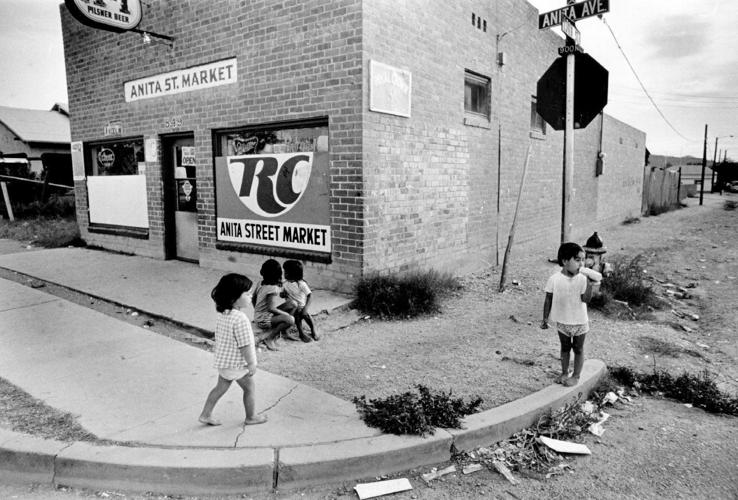
Children mill about the Anita Street Market in the 1970s.
Soto’s grandparents, Mario and Grace Soto, opened Anita Street Market in 1982 as a neighborhood convenience store before getting a food license to sell Grace’s green and red chile burritos. The menu expanded to include tamales, bean burritos and breakfast burritos, made with handmade tortillas that were soon sold in stores around town.
The burritos are still staples of the menu and people still travel far and wide for the red chile. Soto also expanded the coffee menu and is starting to relaunch its retail tortilla business.
Before the Sotos Anita Street Market, the building housed a Chinese market for 46 years. It was one of around 100 Chinese grocers operating in Tucson, many of them in the city’s barrios, through the mid-1940s, according to the Tucson Chinese Cultural Center.

