


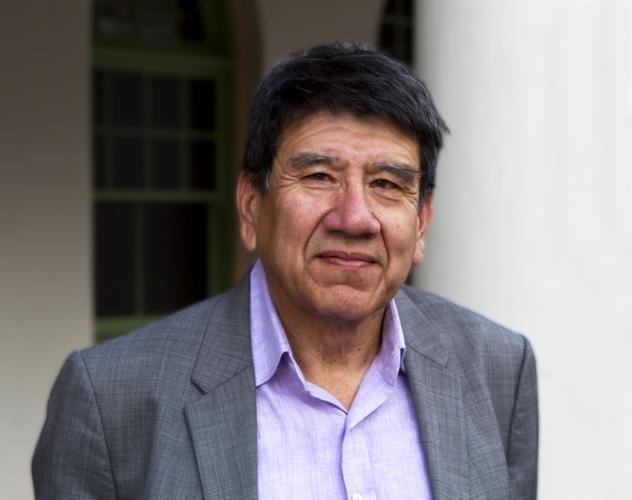


Tucson Pima Arts Council has named Debi Chess Mabie its chief executive officer.
The position is a new one, created to help the arts agency expand its funding base and services. Mabie has been TPAC’s operations manager.
Roberto Bedoya, who has been TPAC’s executive director since 2006, has been named the director of civic engagement, also a new position.
It’s all part of a restructuring that hopefully will lead to more arts funding, expanded services for artists and arts groups, and a higher profile for the organization, which distributes grants and provides other services for the arts community, says Corky Poster, vice president of the TPAC board.
The changes, which have been in the planning for about seven months, are designed to make TPAC “more effective and more far reaching,” said Poster.
In his new position, Bedoya will continue to cultivate grants from national sources to further cement TPAC’s “civic engagement” projects — local arts projects that intersect with other groups. In the past, those civic engagement projects have included Tucson Arts Brigade’s mural project with the Tucson Boys & Girls Clubs, and The Drawing Studio’s work with Primavera’s transitional housing residents. Over the past several years, Bedoya has brought in more than $600,000 in grants from national organizations such as the Kresge Foundation to fund those types of projects.
Mabie will concentrate on developing local funding and expanding services for the arts organization.
This model of a two-pronged funding approach with a person in charge of developing local funding sources, and another for the national funds, is new in the arts-council world. TPAC’s counterparts around the country are heavily dependent on their local governments, said Poster.
TPAC was established in 1984 as a private nonprofit corporation charged with arts development in Tucson and Pima County, which jointly provided the operating funds. This year, government funds make up about 70 percent of TPAC’s nearly $690,000 budget — a budget that was at $1.2 million before the recession.
“We need to leverage local funds and broaden the diversity of our funding,” said Poster.
“This new structure can pay attention to both (local and national funding),” said Mabie.
Mabie isn’t naïve about dollars for the arts from private, corporate and government sources.
“We understand the philanthropic landscape is limited,” she said. “We don’t have a lot of major corporations here, and donors have a lot of people at their coattails.”
She says a strategy will be developed to draw more donors in to help supplement government funds.
Poster is quick to point out that TPAC doesn’t want to cut into the available funds for the arts. The plan is to grow those funds.
“The strategy isn’t to take away from the pie,” he said. “We want to grow the local pie. … We have a fabulous art community, but we don’t always have fabulous art supporters.” That, he hopes, will change with this new structure.
TPAC oversees the public arts program, does arts research, conducts workshops, and is the key distributer of grants and awards from the city of Tucson and the National Endowment for the Arts. Mabie says TPAC will expand its services beyond what it is doing now.
There are a number of ways that TPAC can broaden its assistance to artists and art groups that will make them stronger, she said. That can include providing information on practical things such as health insurance and taxes, and connect them with national foundations that support the arts.
“We need to deliver in a much broader sense,” she said.
The organization also needs to increase its use of contemporary technology to “connect artists with art supporters,” she said.
“If we don’t become a 21st century arts council, then we’ve failed. And we aren’t going to fail.”

