


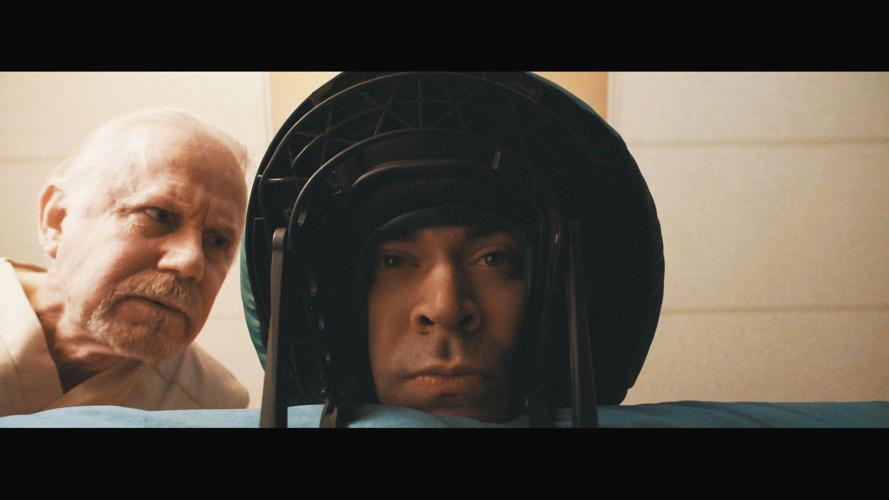
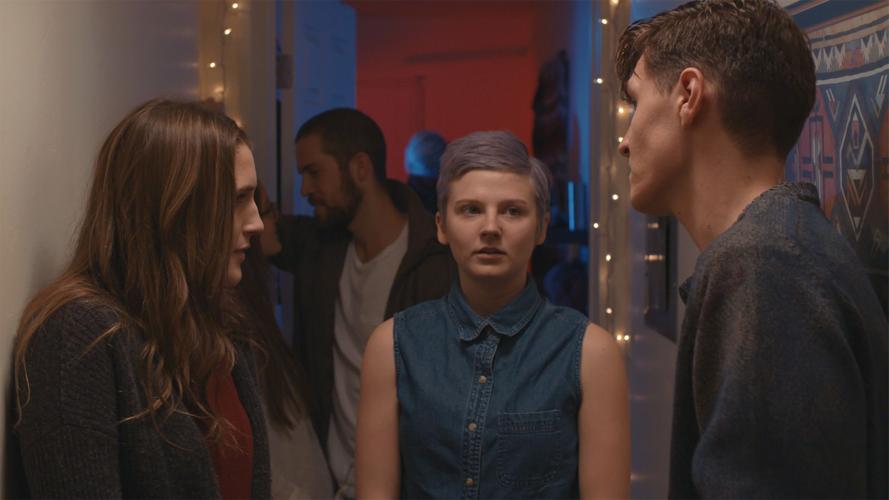

Murder. Time travel. Immigration. Robbery. Cheating. The Navajo way.
University of Arizona film students cover them all in the upcoming “I Dream in Widescreen,” a film fest of shorts made by seniors.
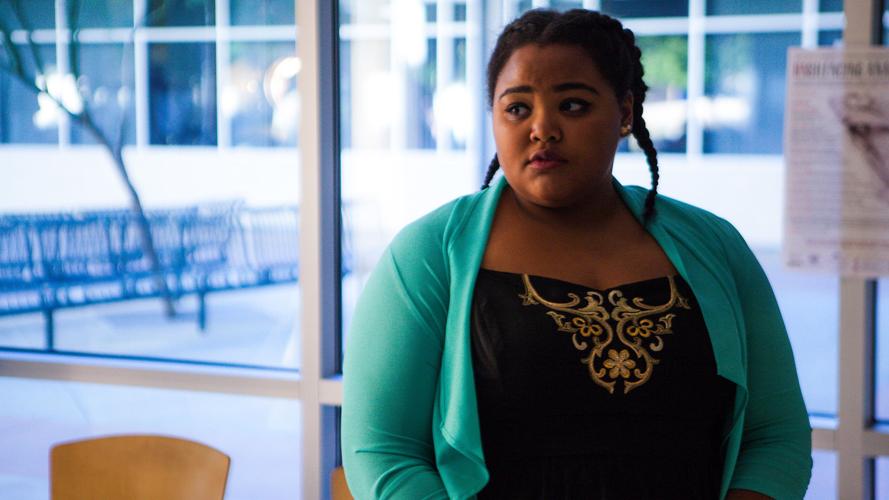
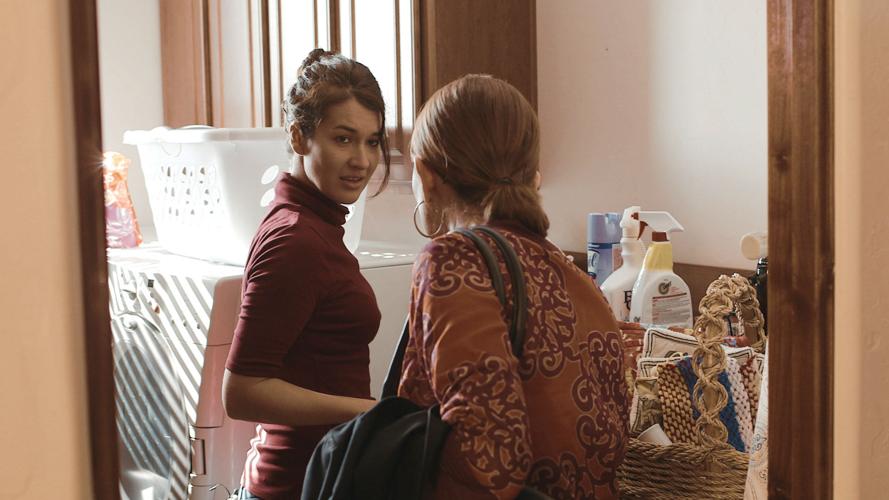
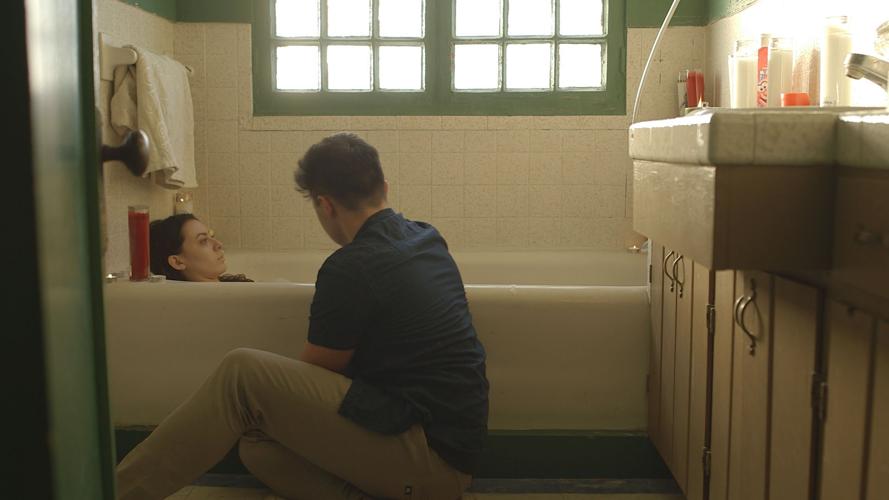
Some are heartbreaking, such as Tanya Nunez’s “Dios Nunca Muere/God Never Dies,” about a single mother in this country illegally. The film eloquently shows the intensity of the mother’s love for her child, her fear of being deported before she can get her green card, and how invisible she is to the wealthy woman for whom she does housekeeping. The story is fully realized in just 13 minutes.
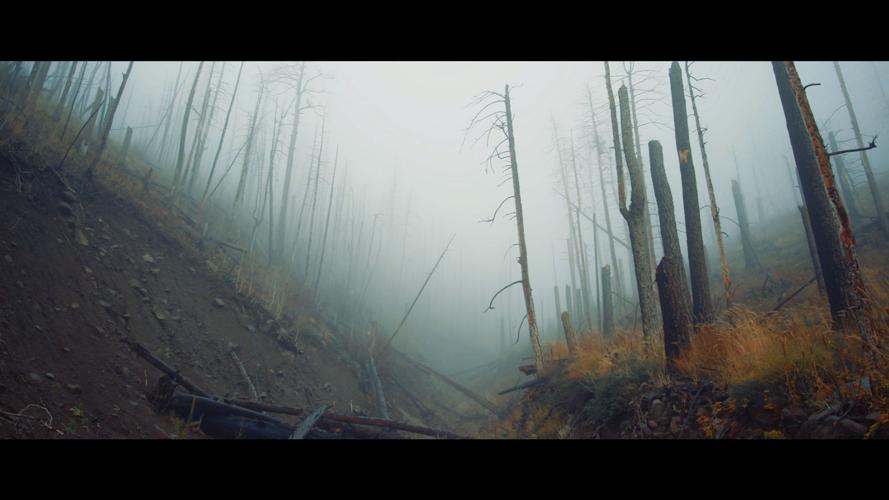
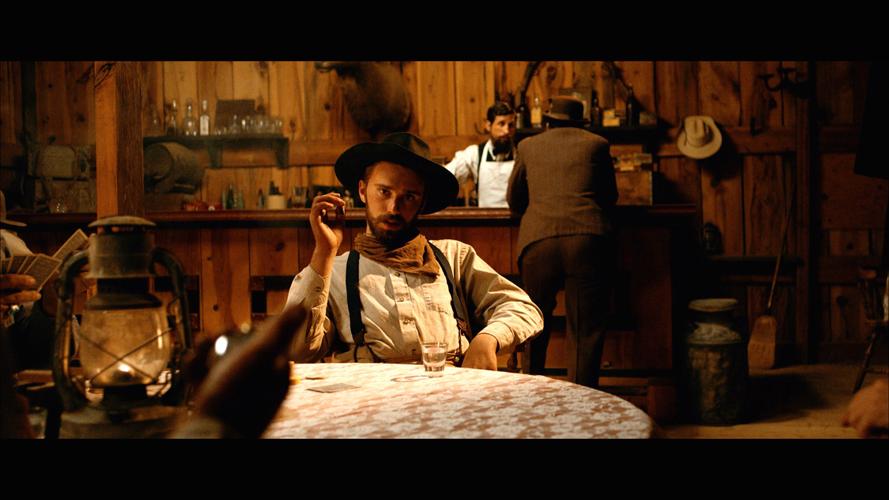
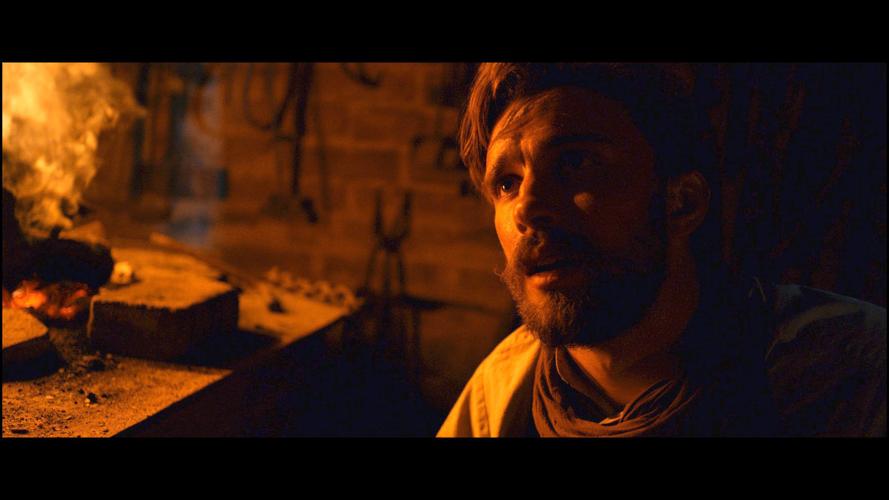
“Retribution,” directed and co-written by Christopher Claxton, has the feel of a John Ford Western with gorgeous shots of desert landscape and striking sunsets to ride off into.
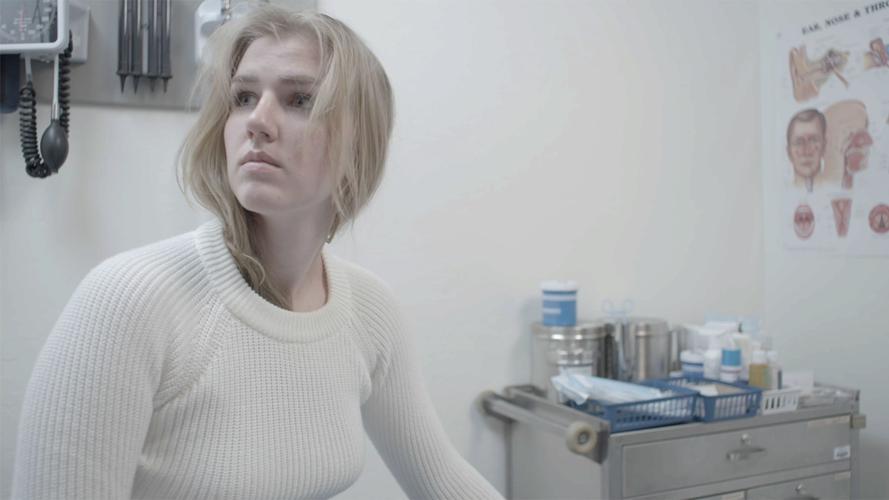
And “Daisies for Two,” written and directed by Ana Quiñones, is dark, a touch perverse and always compelling.
The 10 films in the “Widescreen” fest underscore the talents and imaginations of the film students.
“This year is a very eclectic bunch, which makes for a great program,” says Jacob Bricca, the UA film prof who guides the students through the final steps of getting the films screen ready.
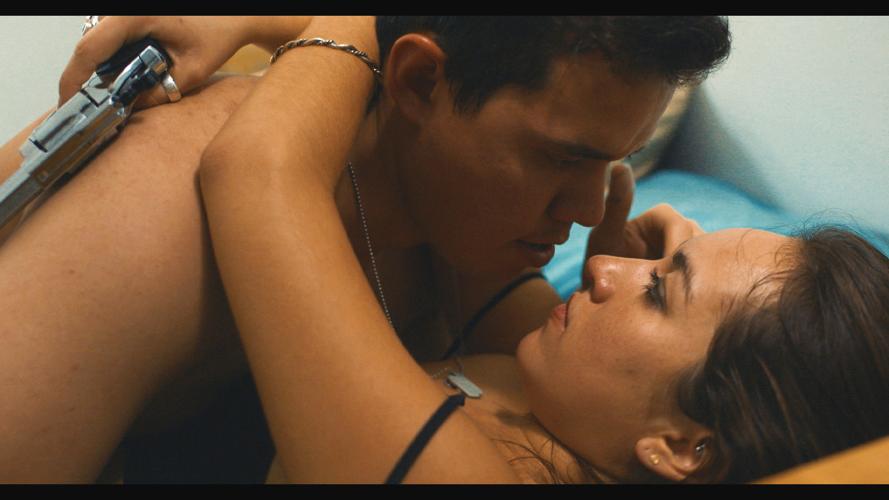
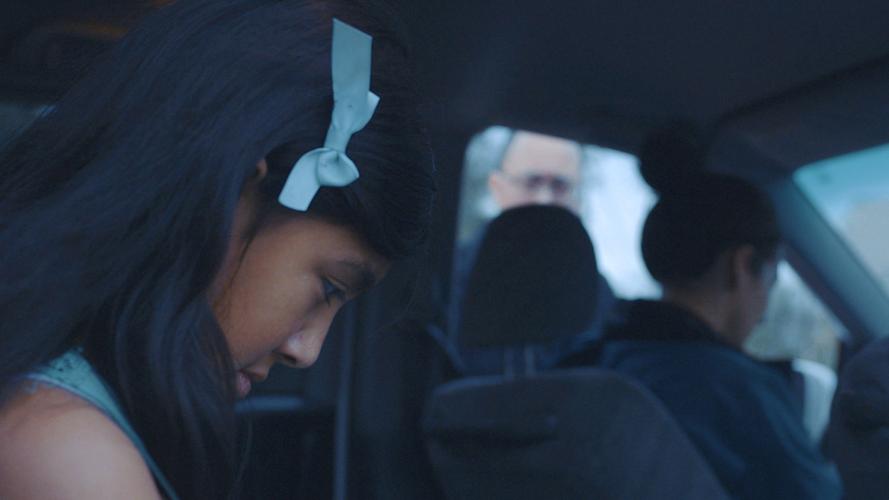
Two of the films illustrate the wide variety of subject matter: Ricardo Salcido’s “Gun-Crossed Lovers,” and Stacy Lynn Howard’s “Amásání.”
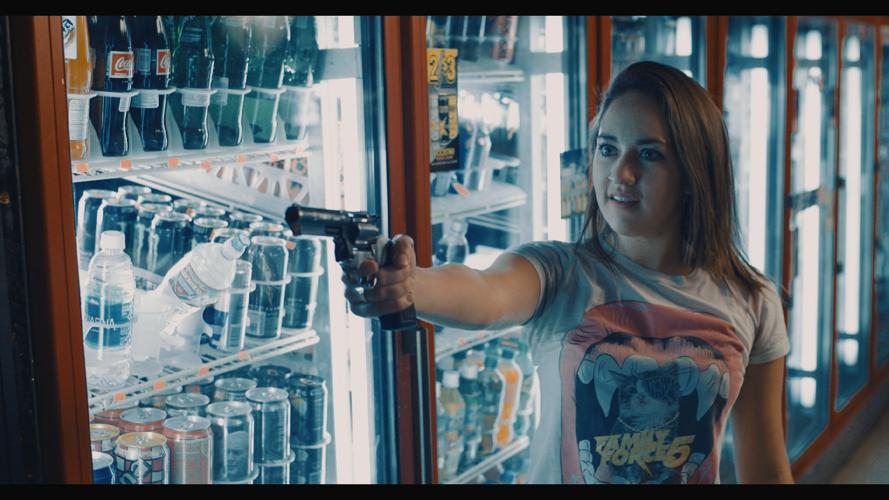
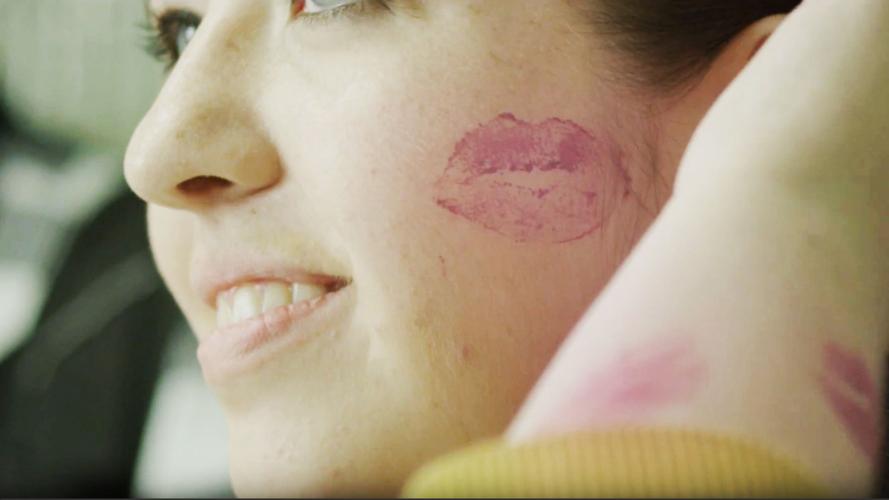
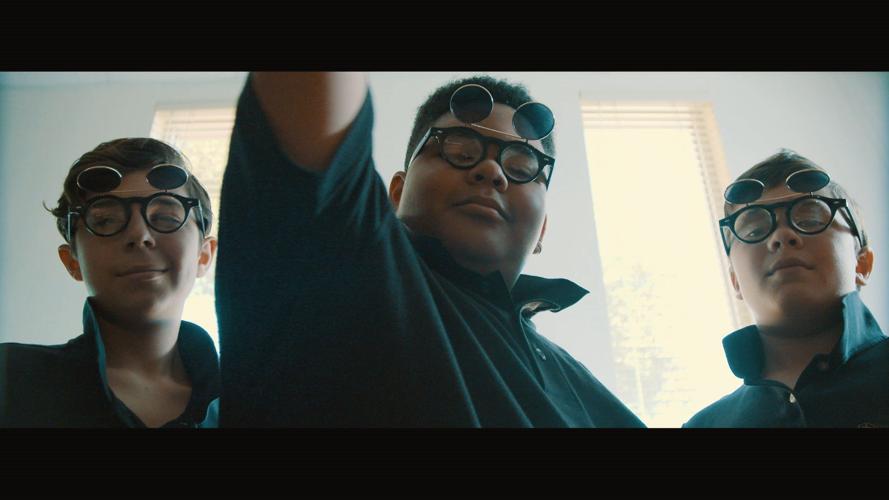
Salcido’s taut, often funny, film is about a couple who meet while they are both robbing the same store. Violence and sex ensue. “It was born out of my love for Quentin Tarantino films,” says Salcido.
He wanted the relationship in the film to be like “watching a train wreck’ — you don’t want it to happen but you can’t take your eyes away. They are both sort of reckless. I want the audience to feel they love them together, but that they shouldn’t be.”
“It exudes a lot of energy; it’s full of life,” Bricca says about Salcido’s film. “It feels as though it has a signature style.”
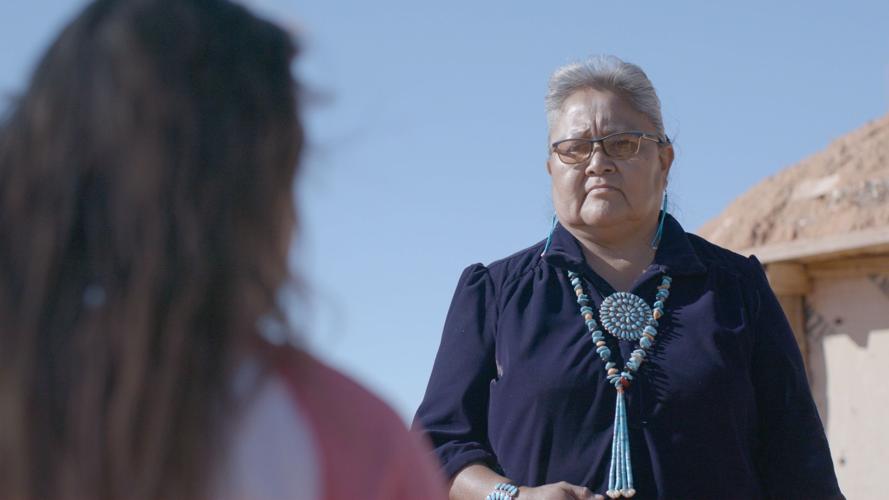
On the other end of the spectrum is Howard’s “Amásání.” There’s no sex or violence in it, only gentle lessons and a tender look at a relationship between a granddaughter and grandmother.
It was filmed on the Northern Arizona Navajo Reservation, where Howard grew up.
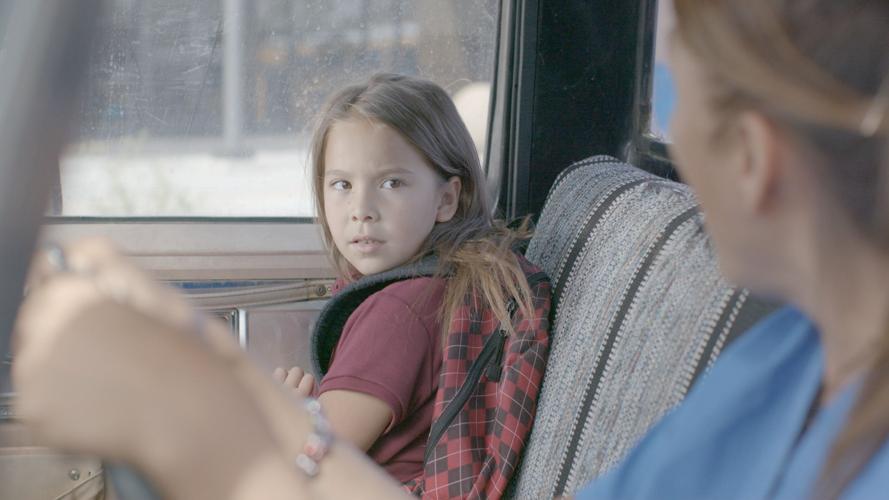
The story is about a young girl who keeps getting in trouble in school. Finally, her mother decides she needs to spend time with her grandmother, who lives in a hogan, dresses traditionally and speaks Navajo.
Howard captures the isolated beauty of the country and of the Navajo people’s way of life.
Much of the film is in the Navajo language with English subtitles.
And it’s the language and the culture that pushes Howard’s filmmaking.
“I long to do Navajo films, films that focus on stories that are on the reservations,” she says.
“Right now, a lot of people are saying the Navajo language is disappearing. I want to somehow bring back the language through my films, and inspire little kids to watch and learn from their grandmas. I want to inspire the Navajo Nation through film so that they can see they can make a difference.”
Salcido, Howard and the other students have been working a year or more on their films, taking them from an idea in their heads to action on the screen. While the UA provides the equipment — normally the most expensive aspect of making the films — the students generally spend $1,000 to $3,000, some getting grants, others raising money, and some turning to their parents or pulling it out of their own pockets.
It’s been a long, detailed process for the students, says Bricca.
“In meeting after meeting we ask, ‘Have you addressed this, addressed that,’ we talk about music, ask if a scene should go earlier or later. The questions are endless. That’s the spirit that imbues the film production with heart. What I want for them is that what they are putting on the screen is the full expression of what they wanted to do.”

