


10 fun facts about palo verde trees
What's yellow, green and beautiful during Tucson springs?
The name is Spanish and means "green stick"
Updated
The bark of a palo verde tree is green because it's filled with chlorophyll. Unlike most trees, this plant gets a lot of photosynthesizing done through its bark. According to The Arizona Native Plant Society, only about a third of the palo verde's food is produced by the leaves.
It's the Arizona State Tree!
Updated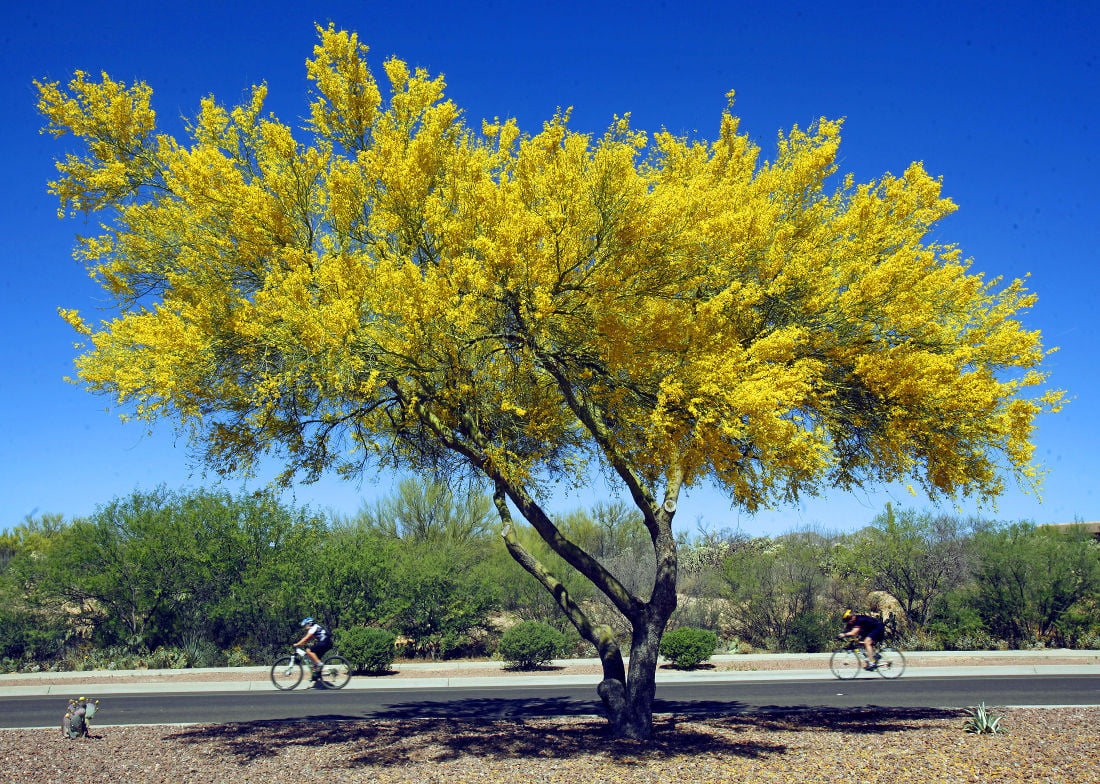
Designated as the Arizona's State Tree in 1954, the palo verde joined the ranks of the cactus wren, bola tie and saguaro cactus blossom as a state symbol.
There are two types of palo verde
Updated
Arizona hosts two native species, the Foothills Palo Verde and the Blue Palo Verde.
The Foothills Palo Verde (Cercidium microphyllum) can be found mostly on rocky slopes. They have a yellow-green trunk, tiny leaves and pods that constrict around the seeds.
The Blue Palo Verde (Cercidium floridum) are usually spotted next water sources, like washes, and have a blue-green trunk.
There's also a species called "Desert Museum"
Updated
It's named after the Arizona-Sonora Desert Museum. According to a Los Angeles Times article, the name was created about thirty years ago when staff members at the museum began to notice thornless palo verde trees that bloomed throughout the summer.
They can easily live a century
Updated
The Foothills Palo Verde can live to be about 100 years old. Some can even age up to 400 years.
Blue Palo Verde can grow up to 30 feet
Updated
The height and low-water maintenance of these trees makes them perfect for landscaping.
The Foothills Palo Verde can grow up to 20 feet.
You can eat the seeds
Updated
Harvesting happens just before monsoon season.
Pick them when the pod is green and the seed tender. Eat them like you would peas or edamame. They've been known to be a little sweet.
You can also wait to harvest them until the seed is fully developed and the pod is dry. At this stage they're best eaten sprouted.
You can also eat the flowers
Updated
You can eat these yellow bursts of spring raw. Sprinkle some in your next salad.
They don't contribute as much as you think to your seasonal allergies
Updated
A story written in the Star in 2011 says most palo verdes can cause few or no allergy symptoms.
The pollen produced by the plant is sticky and heavy, making it difficult to travel far in the wind. However, the large quantities of dried fallen yellow flowers are known to do some damage.
The cactus is their best friend
Updated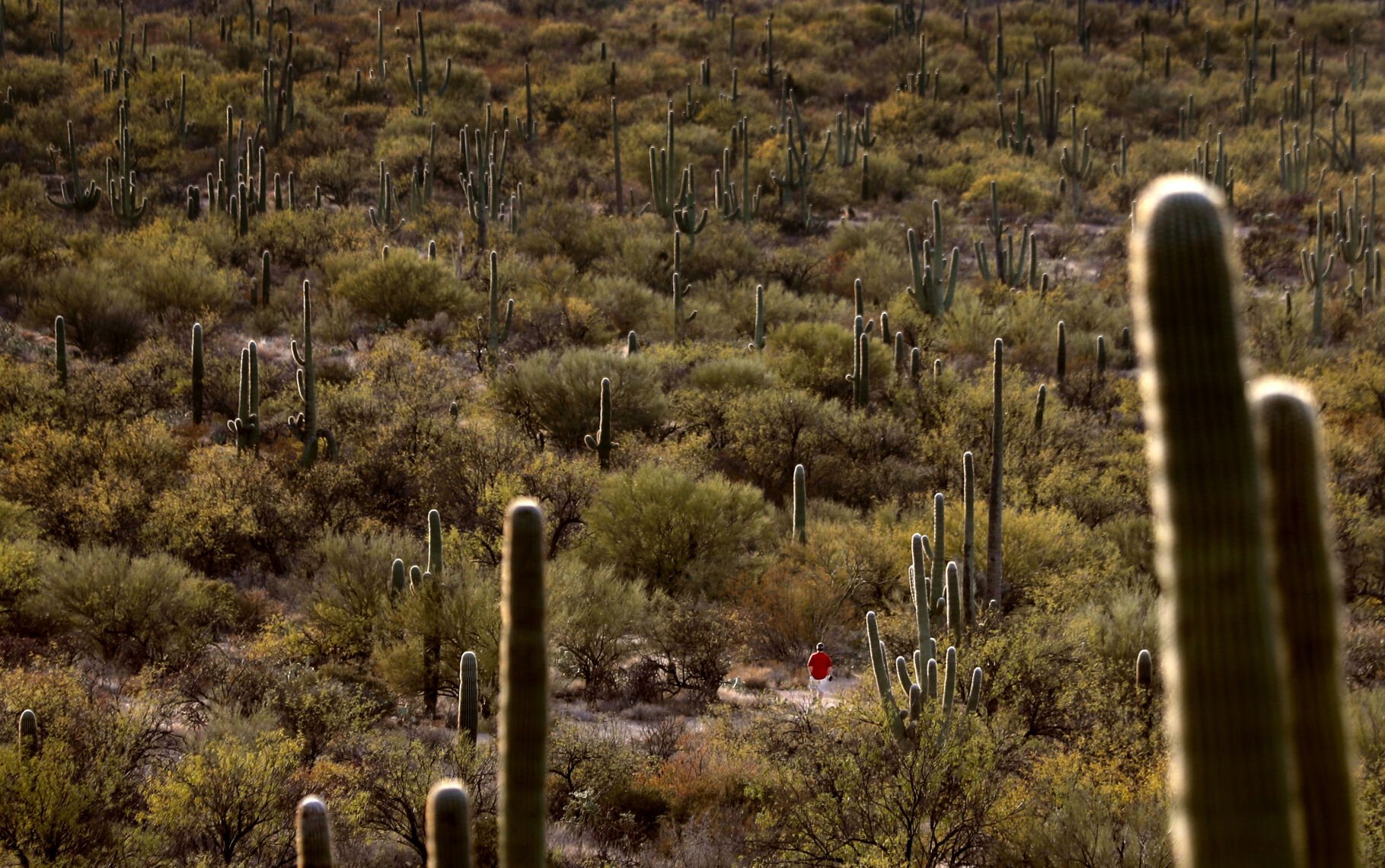
According to a Desert Museum fact sheet, the palo verde is the primary nursing plant for baby saguaros.

