


With the Tucson Festival of Books now just one week away, readers throughout Arizona have begun plotting which authors they want to meet and which books they still need to read.
There are plenty to choose from. More than 300 authors will be at the University of Arizona March 9-10. They will appear in more than 300 sessions.
It’s a lot, but festival volunteers are always happy to share some suggestions. Here is a sampler of books and authors they themselves hope to see:
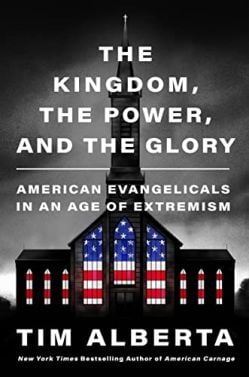
“The Kingdom, the Power, and the Glory” by journalist Tim Alberta is a frank look at evangelical Christianity and its role in modern American politics. It is a subject Alberta knows well. He is a practicing Christian. His father is an evangelical pastor. In this bestseller, Alberta explains how he — and they — arrived where they are today. — Maria Parham

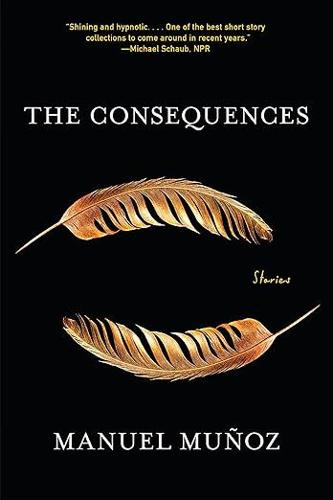
“The Consequences” by University of Arizona professor Manuel Muñoz is a collection of short stories set in the small San Joaquin Valley towns surrounding Fresno, California. They feature a young wife and mother named Delfina, and begin with a simple, five-word sentence: “Her immediate concern was money.” The book earned Muñoz a MacArthur Foundation fellowship to continue his work among the immigrant communities of Central California. — Margie Trujillo-Farmer
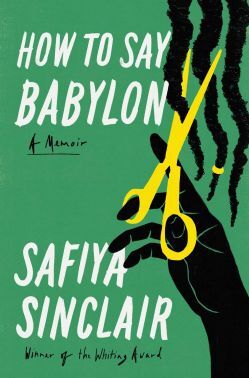
“How to Say Babylon” by Phoenix resident Safiya Sinclair is a remarkable memoir by the daughter of a reggae musician who is a strict adherent Rastafari, a sect committed to personal purity. In this household, “Babylon” referred to the corrupting influences of modern-day America. — Lindy Mullinax
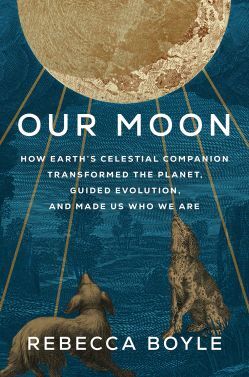
“Our Moon” by Rebecca Boyle reveals the many surprising ways the moon affects life on Earth. We know it governs our tides and influences behavior. Did we know it smells like gunpowder? — Jennifer Casteix
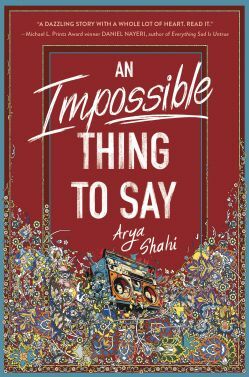
“An Impossible Thing to Say” by author, playwright and former Tucsonan Arya Shahi is a story for young adults that is set here and features a boy struggling to find the right words to say … both to his newly-met Iranian grandfather and to a girl he considers special. He finds a solution in rap music. — Kathy Short
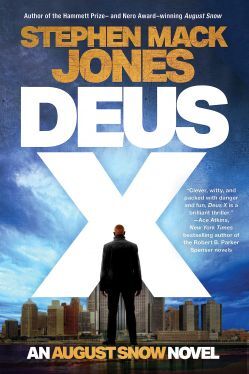
“Deus X” by Stephen Mack Jones is an intriguing whodunit wearing a Roman collar. A heinous crime has taken place in the name of faith. Now people are dying. Is someone seeking justice, or trying to silence witnesses? — Tricia Clapp
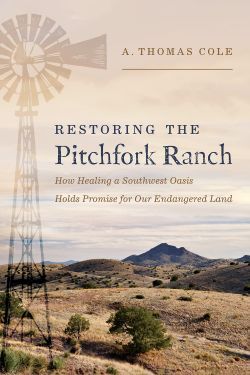
“Restoring the Pitchfork Ranch” is the first book by former Casa Grande lawyer A. Thomas Cole. Published last month by the University of Arizona Press, it is a memoir that explains why Cole — in retirement — tackled the biggest “case” on his life: re-purposing the 11,300-acre Pitchfork Ranch in southwestern New Mexico. — Thea Chalow
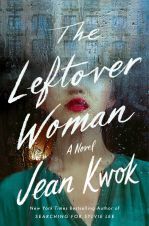
“The Leftover Woman” reminds us that Jean Kwok is one of the most powerful storytellers in American fiction. Here, she follows a Chinese immigrant who has fled her husband and come to New York in search of her daughter. This will be Kwok’s first visit to the book festival since 2015. — Jody Hardy
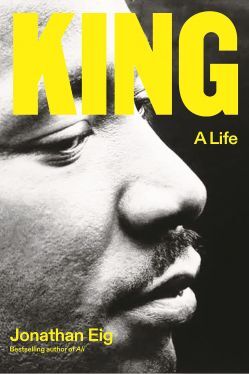
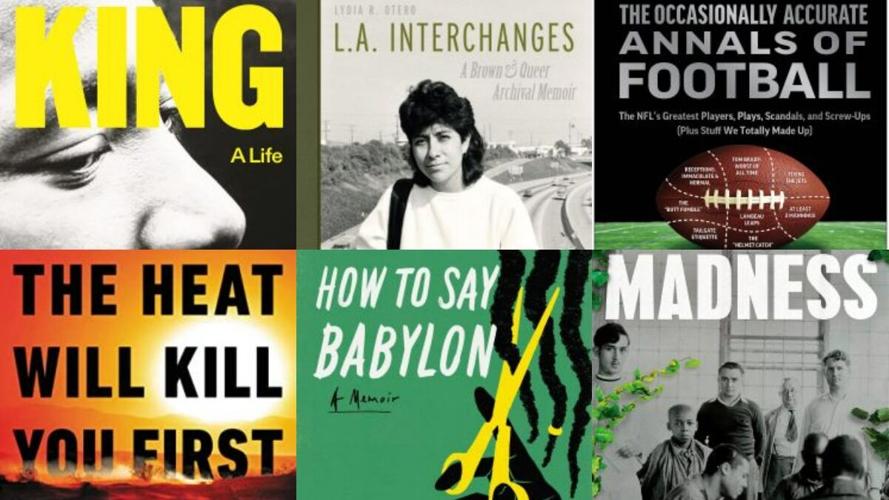
“King” is a deeply researched portrait of Martin Luther King Jr. by America’s preeminent biographer, Jonathan Eig. It explores several areas of King’s life that haven’t been well-reported, revealing a man who campaigned relentlessly for peace but never could find peace in himself. — John Humenik
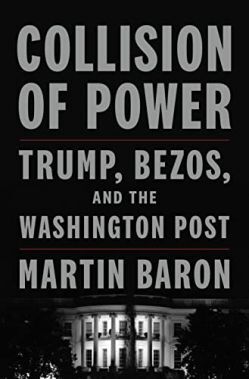
“Collision of Power” by Martin Baron looks back at his time as editor of the Washington Post, an explosive nine-year term during which Jeff Bezos bought the newspaper … and the Post came into the crosshairs of candidate and President Donald Trump. — Maria Parham

“The Occasionally Accurate Annals of Football” by sports-talk radio star Dan Patrick and Joel H. Cohen is a light-hearted yet insightful look back at NFL history. The book was released last week. No laugh track will be needed. — Jack Siry
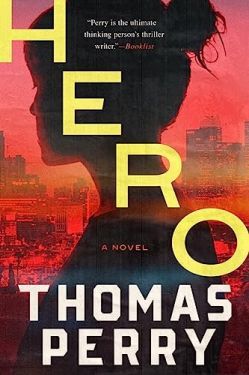
“Hero” by Thomas Perry tells of a woman who foils a robbery in an exclusive Beverly Hills home, killing two of the five robbers involved. She is lauded as a hero at first, but then learns she has become the target of vengeance by the crime boss who OK’d the robbery. — Bill Viner
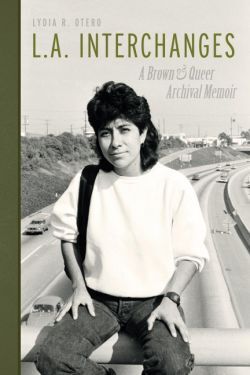
“L.A. Interchanges” by Lydia R. Otero uses pictures, documents and prose to provide a seldom-seen look at life in Los Angeles in the 1980s. More specifically, Otero’s stories focus on the marginalized communities of Hispanics, gays and other minority groups whose voices weren’t often heard. — Karyn Prechtel-Altman
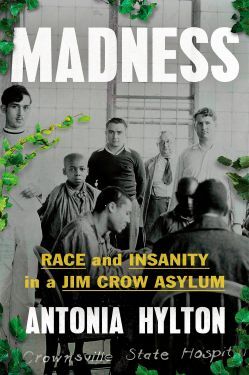
“Madness” by Antonia Hylton reveals the story of Crownsville Hospital, an asylum for the “Negro insane” in Maryland. Opened in 1911, it grew from a small work camp into an institution that held as many as 2,700 patients. Central to the Crownsville story is the fine line between the treatment of mental health and criminal incarceration based on race. — Pamela Treadwell-Rubin
“The Heat Will Kill You First” by Jeff Goodell is a researcher’s look at climate change, and the extreme ways our climates have changed already. Fittingly, given the title, the first story is set in Phoenix. — Lynn Wiese-Sneyd
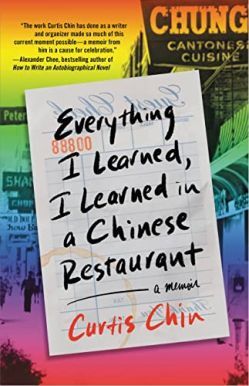
“Everything I Learned, I Learned in a Chinese Restaurant,” by Curtis Chin is a memoir in which Chin recalls being a young, gay, Chinese-American growing up in Detroit in the 1980s. He finds safe haven in Chung’s Canton Cuisine. There, he came of age and learned how special he could be. — Sara Hammond
The 2023 Tucson Festival of Books brought hundreds of authors and large crowds to the University of Arizona Mall March 4-5. Here are some highlights from the festival. Video by Aidan Wohl / Arizona Daily Star




