

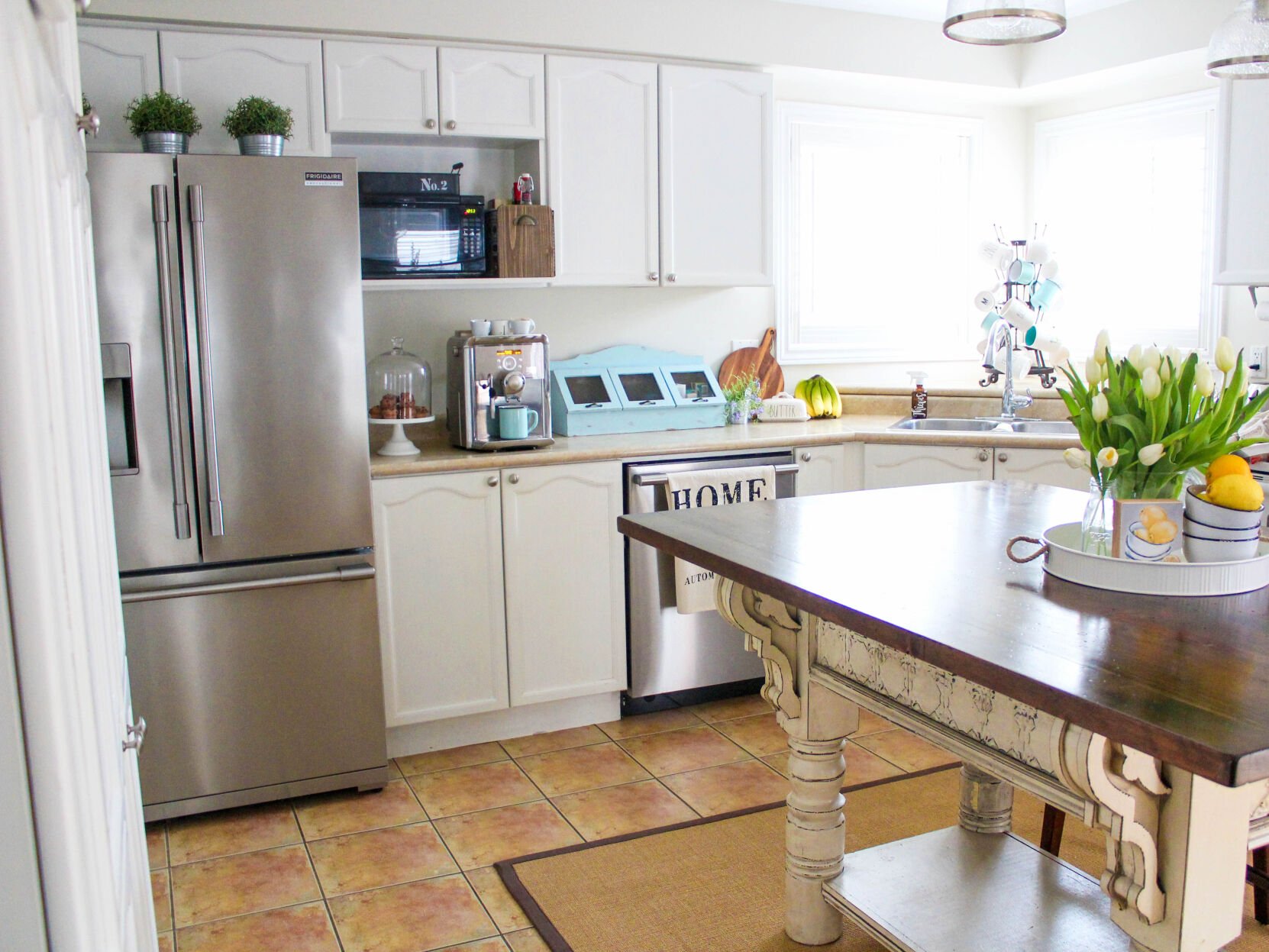

Q: Are there things I can do to extend the life of my appliances?
A: The answer is YES! The price of appliances has skyrocketed. Here are some tips for caring for your overworked appliances to keep them working longer.
Refrigerators
Refrigerators might be the most used appliance. From opening and closing the door a hundred times a day to getting water or ice from a dispenser, this appliance experiences considerable wear and tear.
Fridge and freezer coils should be kept free of dust and debris whenever possible.
Door seals can wear out. Check the seals by sliding a piece of paper between the frame and the gasket. If the door closes and holds the paper, you are good to go. If not, first try to clean the gasket surface. If that doesn’t help, it’s time to replace the sealing gaskets. Keeping the gasket clean will help prolong its life.
Refrigerators that dispense water or have an ice maker have filters and plastic water lines. The dispenser filters need to be changed every six months or so. Clogged filters are a common service call.
If your refrigerator is eight to 10 years old, the plastic water lines are becoming brittle and can break. If they break when you are not home, the standing water can cause significant damage. We recommend changing those lines.
We recommend moving the refrigerator away from the wall and cleaning the coils on the back every six months with a vacuum. Dirty coils are hard on the compressor, and replacing them is costly. You will be shocked at what’s been trapped underneath.
Dishwasher
Drain pump fails are a common repair. The best way to avoid pump repair is to keep the inside of the dishwasher clean. When the pump fails, it usually needs to be replaced.
Another common repair is clogged filters. Your dishwasher’s filter is generally in one of the back corners of the tub or under the bottom cleaning arm. Read your appliance’s service manual to learn how and when to replace your specific model’s filters.
Today’s dishwashers are more energy efficient. That usually means the pump used to drain the water is likely smaller and less powerful than older models. If water is sitting in the bottom of your dishwasher after a cycle is completed, the first thing to check is the drain line under the kitchen sink. If the line is lower than where it connects to a main drain (usually the garbage disposal), raise the line so the siphoning effect that assists the draining process can operate.
Stovetops and ovens
Most stovetops today have a glass top. Cracks and breaks on those tops are common. Be careful what you put on glass stovetops. Heavy pots and pans, dropping things on top, and people climbing on the stovetop will break it. Yes, people climb on top of the stove. Don’t ask :) Glass is not designed to support too much weight.
Ovens need to be cleaned regularly, depending on use.
Burned-out heating elements and gasket replacement are common problems. Before using the self-cleaning setting on the oven, make sure dirt and grime are not caked on the inside surfaces. Food build-up can cause a fire or, at the least, ruin a meal. You will add life to your oven if you don’t use the automatic cleaning cycle. You can clean an oven with a paste of baking soda and water. Clean the sealing gasket regularly with mild soap and water.
Also, make sure the anti-tipping bracket, which stabilizes the unit when the oven door is open or other pressure is applied to it, is securely in place.
Washers and dryers
A smelly washer is a frequent complaint. Front-load washers are particularly prone to hold water in the gasket and cause mold to build up. Leave the washing machine door open when not in use to dissipate any latent moisture build-up. (If you have pets or young children, ensure they cannot access the laundry area when the washer’s door is open.)
Most breaks are caused by putting heavy objects in the washer. Tennis shoes are a big no-no. Also, pockets should be emptied before washing. Small, hard objects can get into the pump and break it.
Before you wash a new piece of clothing, check the label to be sure it is machine washable. Some pillows are not machine washable and can turn into a nasty goo in your washer.
Lint that builds up in the dryer’s filter and vent is a common reason for a service call. Clean the lint filter after every load. Have the exhaust vent cleaned annually. If you don’t remember the last time you had it cleaned, it’s time to get it cleaned again.
Note: A full dryer vent is a fire hazard!
Microwave
The painted interior surface of the microwave needs to be clean and intact. It is a critical part of the microwave’s health. Clean the microwave’s interior with mild soap and water, and do not use abrasive cleaning tools. Cover what you are cooking. That is a big step in keeping the interior clean.
Your appliance repairman should check microwaves 10 years or older for safety.
The better you keep your appliances clean and free of damage, the longer they will last.

