


It’s the first day of the new year, but you’re not feeling particularly festive — although you were last night.
Consider turning to menudo, aka the “breakfast of champions” or “hangover soup,” available at nearly any Mexican restaurant here or made at home.
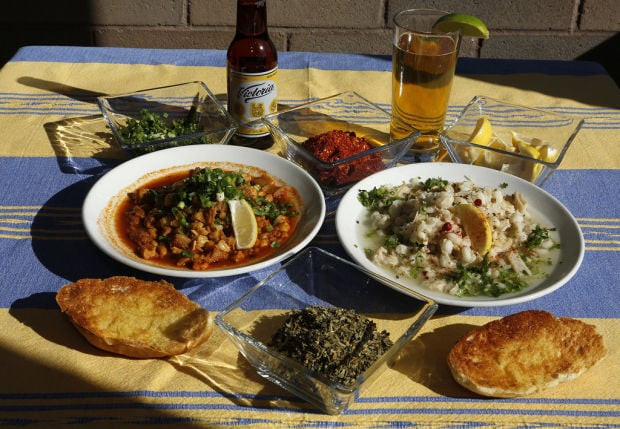
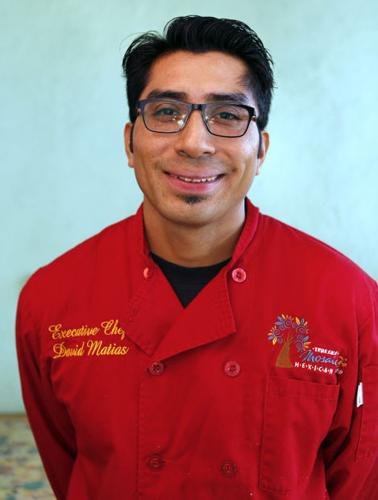
The traditional Mexican soup comes in two varieties — white and red — and is a hearty, meaty and flavorful soup often served with Mexican birote bread, according to David Matias, executive chef of Teresa’s Mosaic Cafe and a graduate of the Culinary Institute of America.
The soup is made up of broth brimming with hominy, onions and garlic, but what sets it apart — and might keep some people from trying it — is its main ingredient: beef honeycomb tripe, the lining from a cow’s stomach.
All menudo starts out with white broth; red menudo contains additional spices.
“We add oregano, we add chile powder, sometimes we add onion, garlic, and black pepper, but mostly it’s the chile powder that gives it the flavor,” Matias said.
Teresa’s Mosaic Cafe, at 2455 N. Silverbell Road, goes through at least three restaurant-size pots of menudo a week. The most popular days for the soup? Dec. 31 and New Year’s Day.
But, Matias said, “I serve it every day as a cure for a hangover.”
When people come into the restaurant in the morning looking a little under the weather, he asks if they need menudo. They often say yes.
Time and rehydration are what cures a hangover, Matias said, so when people cook it at home and are waiting the three hours for the menudo to simmer, they sip water and rehydrate as they wait. Then they eat the soup, which contains a lot of broth.
“You’re full. You’re satisfied, so you think, ‘That took care of my hangover!’ ” he said.
After weddings in Mexico long ago, the father of the bride would announce that for the party to continue, everyone had to come back the next day for some menudo so they could recover from their hangovers, said Teresa Matias, David’s mother and owner of Teresa’s Mosaic Cafe. She spoke in Spanish as David interpreted.
Nowadays menudo is common, but years ago it was made only for special occasions such as quinceañeras, weddings and birthdays.
“We have to understand that back then, to kill a cow was very expensive, so people didn’t just do it for the sake of it — it was done for a reason and it was mostly a reason to celebrate,” David Matias said.
Also, making menudo involved the entire family.
“The aunts, the uncles — they would all have a job,” Teresa Matias said. “Someone would clean the tripe, someone would cut it, someone would prep the pot, and someone would cut the garnish.”
Sandra Otero, co-owner of Los Jarritos restaurant at 4832 S. 12th Ave., said menudo goes beyond being a cure; it’s also a breakfast tradition.
“Some families like their scrambled eggs, bacon and pancakes, while menudo is the Mexican family’s breakfast,” she said.
David Matias said that for his family, making menudo as a group was a necessity because they didn’t have a lot of money.
“It eased the pressure of one person having to buy everything,” he said. “Each member of the family volunteers to bring something, so not only one person has to put money down.”
Today, making menudo as a family is more due to tradition than necessity, David Matias said.
“We remember when it was difficult for us to make menudo because of the money,” he said. “For us, it’s odd to make menudo by yourself — it’s not the same.”
Otero said each family has its own way of making menudo.
“I think with menudo there is no wrong way of making it, as long as you have the right ingredients,” she said.
Many people make menudo head of time and refrigerate it a day before eating it.
“Some foods are better the next day because the fats and flavors have time to come together a little bit more,” David Matias said. “Letting it sit there and ferment together is going to give you a better-quality menudo.”
If you’re planning to make menudo at home, David Matias recommends buying good-quality fresh honeycomb tripe and washing it very well.
“Once you’re done washing it, you have to trim it from the fat, but not all of it because the fat has flavor,” he said. “Then you cut it to the size you want, then wash it. And then rewash it.”
When it’s ready to go in the pot, you will know if you cleaned it properly, he said, because the water will remain clear after you place the tripe inside.
“Have people around that you enjoy when you make the menudo. Call your family. Hear a lot of laughter,” David Matias said. “That’s just what you want to do — just be happy when you’re making your food.”

