


 Protestant Christians have been debating -- and more often than not, supporting -- modern contraceptives since they first appeared. Bettmann/Bettman via Getty Images
Since May 3, 2022, when Politico reported that the Supreme Court was planning to strike down Roe v. Wade, many Christians have celebrated the prospect of an America where abortion is not a constitutionally protected right – or is someday banned entirely.
Meanwhile, other conservative Christians have been working on a related target: limiting access to some contraceptives.
In July 2020, when the Supreme Court ruled that organizations with “sincerely held religious or moral objection” are not obligated to provide contraceptive coverage to their employees, many conservative Christians applauded. Six years before, the evangelical owners of crafting chain Hobby Lobby took their objections to covering the IUD in their health insurance plans all the way to the Supreme Court. Hobby Lobby argued – incorrectly, according to most medical authorities – that it was a form of abortion, and therefore they should not have to cover employees’ health insurance for it. The justices sided with the chain’s owners.
Yet as access to both abortion and contraception comes under threat, the vast majority of Protestants use or have used some form of contraception. Their actions are supported by almost 100 years of pastoral advocacy on the issue. In my work as a scholar of religous studies, gender and sexuality, I have researched the Protestant leaders who campaigned to make contraception respectable, and therefore widely acceptable, in the mid-20th century.
History, I have found, provides a different story about the relationship between Protestants and birth control.
‘Responsible parenthood’
As new contraceptive options emerged in the first two-thirds of the 20th century, from the diaphragm to the birth control pill, Christian leaders wrestled with what to think. Many came to see birth control as a moral good that would allow married couples to have satisfying sex lives, while protecting women from the health risks of frequent pregnancies. They hoped it could ensure that couples would not have more children than they could care for, emotionally and economically.
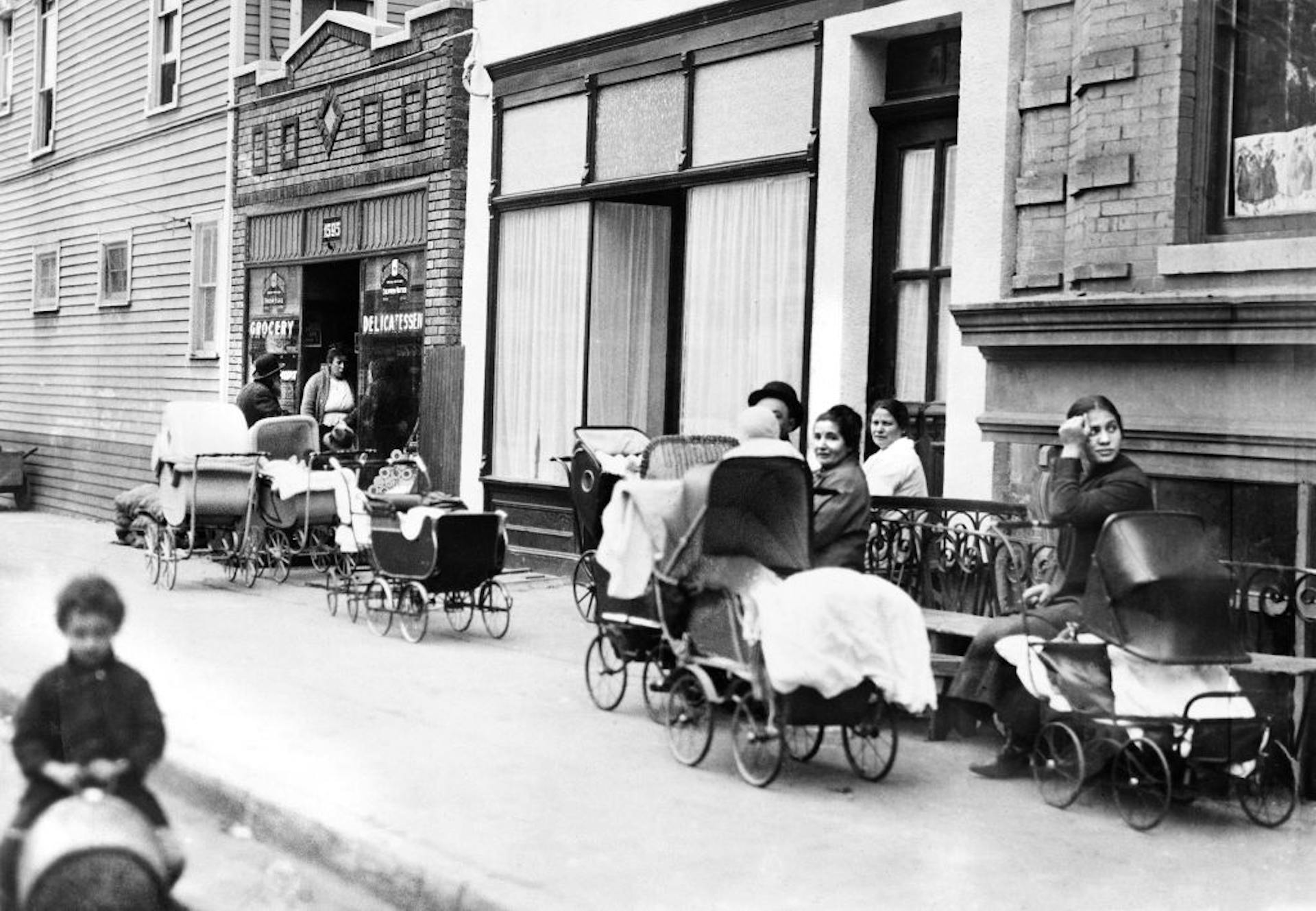 Women with children stand outside Sanger Clinic, the first birth control clinic in United States, in Brooklyn, New York in 1916. Circa Images/GHI/Universal History Archive/Universal Images Group via Getty Images
They looked inward, considering the consequences of birth control for their own communities, and hoped that “planned” or “responsible” sex would create healthy families and decrease divorce. They also looked outward, thinking about birth control’s wider implications, at a time of widespread concern that the global population was rising too quickly to handle.
By the time the pill came on the market in the 1960s, liberal and even some conservative Protestants were advocating for birth control using new theological ideas about “responsible parenthood.”
“Responsible parenthood” reframed debates about family size around “Christian duty.” To be responsible in parenting was not only to avoid having more children than you could afford, nurture and educate. It also meant considering responsibilities outside the home toward churches, society and humanity.
Protestant leaders supporting contraception argued that the best kind of family was a father with a steady job and a homemaker mother, and that birth control could encourage this model, because smaller families could maintain a comfortable lifestyle on one income. They also hoped that contraception would help couples stay together by allowing them to have satisfying sex lives.
Multiple denominations endorsed birth control. In 1958, for example, the Anglican Communion stated that family planning was a “primary obligation of Christian marriage,” and chastised parents “who carelessly and improvidently bring children into the world, trusting in an unknown future or a generous society to care for them.”
The big picture
Religious leaders’ support for “responsible parenthood” was not just about deliberately creating the kind of Christian families they approved of. It was also about heading off the horrors of population explosion – a fear very much front of mind in mid-century America.
In the middle of the 20th century, with increased access to vaccines and antibiotics, more children were living to adulthood and life expectancies were rising. Protestant leaders feared this so-called population bomb would outstrip the Earth’s food supply, leading to famine and war.
In 1954, when the global population stood at about 2.5 billion, Rev. Harry Emerson Fosdick, one of the most prominent Protestant voices of the age, framed overpopulation as one of the world’s “basic problems,” and the birth control pill, which was then being developed, as the best potential solution.
Richard Fagley, a minister who served on the World Council of Church’s Commission of the Churches on International Affairs, argued that in family planning, science had provided Christians with a new venue for moral responsibility. Medical knowledge, Fagley wrote, is “a liberating gift from God, to be used to the glory of God, in accordance with his will for men.”
These “responsible parenthood” ideas held that religious couples had a responsibility to be good stewards of the earth by not having more children than the planet could support. In the context of marriage, contraception was viewed as moral, shoring up a particular form of Christian values.
Yesterday’s arguments
These ideas about “good” and “bad” families often rested on assumptions about race and gender that reproductive rights advocates find troubling today.
Early in the 20th century, predominantly white, Protestant clergy were very interested in increasing access to contraception for the poor, who were often Catholic or Jewish immigrants or people of color. Some scholars have argued that early support for contraception was predominantly about eugenics, particularly before World War II. Among some white leaders, there was concern about so-called race suicide: the racist fear that “they” would be overwhelmed.
Apart from some eugenicists, however, most of these clergy wanted to give people access to contraception in order to create “healthy” families, regardless of income level. Yet many were unable or unwilling to see how they were promoting a narrow view of the ideal family, and how that marginalized poor communities and people of color – themes I am studying in my current book project.
Moreover, many proponents were advocating for women’s health, but not reproductive freedom. Their priority was setting women up for success to attain their ideal of the middle-class, Christian motherhood. With fewer children, some hoped, families would be able to get by on just a husband’s salary, meaning more women at home raising children.
A battle won – and lost?
Over the decades, Protestant leaders have, in large part, disappeared from pro-birth control arguments.
There are many reasons. Mid-century agricultural technologies reduced fears of overpopulation – which have only recently been reawoken by the climate crisis. Meanwhile, mainline Protestant churches, and their public influence, are shrinking. Conservative leaders eventually grew concerned that birth control would lead to more working women, not fewer. And since the 1970s, evangelicals have grown increasingly opposed to abortion, which was increasingly linked to birth control through the broad term “family planning.”
In other words, since the “population bomb” was no longer ticking, contraception no longer seemed like such an urgent necessity – and some of its other implications troubled conservatives, breaking an almost pan-Protestant alliance.
Meanwhile, liberal Protestants had so embraced contraception that they no longer viewed it as turf that needed defending. Today, 99% of American girls and women between the ages of 15 and 44 who have ever had sex use or have used a contraceptive method. Reproductive rights advocates turned their attention to abortion rights – largely leaving religious views on birth control to their opponents.
___
Samira Mehta does not work for, consult, own shares in or receive funding from any company or organisation that would benefit from this article, and has disclosed no relevant affiliations beyond their academic appointment.
___

States where the most people live in maternal health care deserts in 2022
States where the most people live in maternal health care deserts
Updated
Compared to other developed nations, the United States regularly ranks among the worst countries for maternal and infant health outcomes. Childbirth outcomes are often tied to a birthing parent’s circumstances, fueling wide disparities at the geographic, demographic, and income levels.
Research has shown that access to prenatal care, family planning services, and other contraceptive resources decreases maternal and infant mortality. However, an increasing number of counties throughout the country are losing access to obstetric care. Aging populations, limited staff, and low reimbursement rates for Medicaid patients are factors that have made rural hospital birth units costly to operate.
Even in areas with access to maternal care, other challenges like poverty, limited transit, lack of insurance, and systematic racism can put families at risk of poor maternal and infant health outcomes. Estimates from the CDC show that 60% of pregnancy-related deaths in the U.S. are preventable, but inadequate treatment and identification of health risks contribute to hundreds of maternal deaths annually.
Pregnant Black people face disproportionate risks when giving birth. The infant mortality rate for Black children in the U.S. is double the rate for white children. Maternal mortality rates show similarly grim patterns, with 44 deaths per 100,000 live births among Black people compared to 17.9 per 100,000 live births for white people.
Stacker followed the March of Dimes' definition of a maternity care desert, including counties with no hospitals with obstetric care, OB/GYNs, or certified nurse-midwives. To identify affected counties, Stacker analyzed the Area Health Resource Files from the Health Resources and Services Administration and merged this data with county-level birth data collected by the National Vital Statistics System to calculate how many births in each state are to parents who live in maternal health care deserts.
Stacker also used 2020 Census population data to calculate what percentage of a state’s population lives in counties without access to maternal health care. Stacker used population data across all sexes and ages to include county-level demographic data and more deeply compare racial disparities—although maternal health care deserts have a disproportionate impact on people between the ages 15–44, who can become pregnant.
Keep reading to learn about the challenges facing maternal health care in 15 states and how state policies and community-driven programs seek to bridge rural and demographic health care disparities.
You may also like: Most prevalent chronic conditions in American seniors

#15. Idaho
Updated
- Percent of state's births to parents who live in maternal health care deserts: 9.9% (2,142 births)
- Population who lives in maternal health care desert: 10.3%
--- 10.3% of state's white population
--- 2.5% of state's Black population
--- 10.0% of state's Native American population
--- 12.5% of state's Hispanic population
--- 4.4% of state's Native Hawaiian/Pacific Islander population
--- 3.2% of state's Asian population
With obstetric services limited in rural areas, research has shown that accredited, midwife-led birth centers offer patients with low-risk pregnancies meaningful options outside of a hospital setting. However, Idaho is one of 11 states that don’t regulate birth centers, meaning Medicaid and some commercial insurances won't cover the costs of childbirth. Although birth centers are the setting for only a tiny portion of the state’s births, midwives in Idaho and other Western states are working to improve health care access for rural, low-risk patients.
#14. Montana
Updated
- Percent of state's births to parents who live in maternal health care deserts: 10.8% (1,227 births)
- Population who lives in maternal health care desert: 11.3%
--- 11.3% of state's white population
--- 5.6% of state's Black population
--- 15.7% of state's Native American population
--- 6.8% of state's Hispanic population
--- 7.0% of state's Native Hawaiian/Pacific Islander population
--- 4.5% of state's Asian population
About 44% of Montana’s population lives in rural areas. With counties as large as 5,500 square miles, even pregnant people lucky enough to live in counties with maternal health access can still find themselves navigating long distances for prenatal care. Montana is working toward bridging the gaps in maternal care access: Funding from HRSA and the state’s public health department established the Montana Obstetrics and Maternal Support Program, which provides obstetric training for rural GPs, supports mobile clinics, and scales up telemedicine offerings.
#13. Louisiana
Updated
- Percent of state's births to parents who live in maternal health care deserts: 11.2% (6,434 births)
- Population who lives in maternal health care desert: 11.7%
--- 13.6% of state's white population
--- 9.5% of state's Black population
--- 14.6% of state's Native American population
--- 7.6% of state's Hispanic population
--- 8.7% of state's Native Hawaiian/Pacific Islander population
--- 3.5% of state's Asian population
Louisiana was one of the first states to implement a nurse-family partnership program. In 90% of the state’s parishes, eligible people pregnant for the first time are paired with specially trained nurses until the child’s second birthday. Most participants are enrolled in Medicaid, and the median household income is $6,000 annually. 88% of babies in the program were born full-term, compared to the state’s average of 86.9% across all income levels.
Other efforts specifically target Black parents, who are four times more likely to die from pregnancy complications than white people in Louisiana. The first Black-owned birth center opened in Lafayette this year. The Maternal and Child Health Coalition in New Orleans has advocated for municipal/state health care policies and inclusive hospital hiring practices.
#12. Alaska
Updated
- Percent of state's births to parents who live in maternal health care deserts: 12.4% (1,193 births)
- Population who lives in maternal health care desert: 12.2%
--- 7.6% of state's white population
--- 5.0% of state's Black population
--- 34.6% of state's Native American/Alaska Native population
--- 9.0% of state's Hispanic population
--- 6.3% of state's Native Hawaiian/Pacific Islander population
--- 14.3% of state's Asian population
Alaska has a lower maternal mortality rate than the rest of the country, at 8.3 per 100,000 live births. However, for the Alaska Native population, this figure jumps to 19.2 per 100,000 live births. The Indian Health Service is the primary provider of culturally conscious health care in Indigenous communities, but its limited funding means facilities don't always provide obstetric care. Pregnant Indigenous people who travel to seek care from traditional hospitals may also find institutional racism ingrained in their treatment.
Beyond racial disparities, some communities in Alaska are not even within driving distance of a hospital with obstetric services. Facilities have sought to bridge these gaps, like a prematernal home in Bethel where pregnant people from interior regions can live for a month before their due date.
#11. Iowa
Updated
- Percent of state's births to parents who live in maternal health care deserts: 14.7% (5,444 births)
- Population who lives in maternal health care desert: 15.6%
--- 17.3% of state's white population
--- 2.6% of state's Black population
--- 7.8% of state's Native American population
--- 8.2% of state's Hispanic population
--- 9.0% of state's Native Hawaiian/Pacific Islander population
--- 3.4% of state's Asian population
In 2019, Iowa was one of nine states to receive a grant from HRSA to address disparities in maternal health. The state has seen rising maternal death rates over the past two decades, and over 30 hospital birth units have closed in the state since 2000. The 2020 census revealed a declining birth rate across America, and in Iowa counties with aging populations, hospitals lose money in the operation of local birth centers. It’s an issue that’s even more prevalent in counties where a high proportion of births are funded through Medicaid since private insurance payments to hospitals are often greater than Medicaid rates.
You may also like: Worst states for health care
#10. Alabama
Updated
- Percent of state's births to parents who live in maternal health care deserts: 15.3% (8,703 births)
- Population who lives in maternal health care desert: 16.2%
--- 17.9% of state's white population
--- 13.2% of state's Black population
--- 19.1% of state's Native American population
--- 13.1% of state's Hispanic population
--- 8.9% of state's Native Hawaiian/Pacific Islander population
--- 5.7% of state's Asian population
Alabama finally decriminalized midwifery in 2016, after the practice had been illegal for over four decades, although certified nurse-midwives were allowed to work in hospital settings. This decriminalization has promoted the resurgence of Alabama’s rich midwifery history. Under Jim Crow laws, Black parents couldn’t access white hospitals, and Black midwives played a crucial role in overseeing births. Today, in a state where Black people are nearly five times more likely to die during pregnancy than white people, reproductive justice advocates believe historic midwifery models of care could better serve pregnant Black patients, especially in rural areas.
#9. Nebraska
Updated
- Percent of state's births to parents who live in maternal health care deserts: 16.1% (4,034 births)
- Population who lives in maternal health care desert: 16.9%
--- 18.7% of state's white population
--- 3.7% of state's Black population
--- 37.6% of state's Native American population
--- 11.9% of state's Hispanic population
--- 19.3% of state's Native Hawaiian/Pacific Islander population
--- 3.1% of state's Asian population
Nebraska’s Maternal Infant Early Childhood Home Visiting program is a community health initiative aimed at pregnant individuals and families with children under 5. The program supports parents at risk of poverty, substance abuse, exposure to violence, or other challenges by pairing them with counselors who promote positive parenting techniques. At the national level, the Tribal Home Visiting program provides grants to Native American tribes to offer similar, culturally conscious services.
#8. Oklahoma
Updated
- Percent of state's births to parents who live in maternal health care deserts: 16.7% (8,205 births)
- Population who lives in maternal health care desert: 18.0%
--- 19.7% of state's white population
--- 7.9% of state's Black population
--- 27.3% of state's Native American population
--- 11.1% of state's Hispanic population
--- 4.4% of state's Native Hawaiian/Pacific Islander population
--- 3.4% of state's Asian population
Since 2010, 14 hospital birth centers have closed in Oklahoma. In rural hospitals across the country, balancing the cost of keeping trained obstetric staff on call with the dwindling birth rates in rural areas has left large swaths of the state without hospitals with birth units. Oklahoma is also one of the worst states for maternal mortality, with 2018 data showing 30.1 maternal deaths per 100,000 live births, compared to 17.4 nationally. A recently formed maternal mortality review committee reviewed eight maternal death incidents in the state and found that seven of those cases were preventable with timelier interventions.
#7. Missouri
Updated
- Percent of state's births to parents who live in maternal health care deserts: 17.9% (12,881 births)
- Population who lives in maternal health care desert: 17.9%
--- 20.7% of state's white population
--- 3.9% of state's Black population
--- 22.0% of state's Native American population
--- 11.1% of state's Hispanic population
--- 22.2% of state's Native Hawaiian/Pacific Islander population
--- 3.7% of state's Asian population
A report from Missouri's Office of Rural Health revealed that pregnancy-related deaths were 47% higher in rural areas than urban areas. Nine of the 10 Missouri counties with the highest infant mortality rate are considered rural. As an increasing number of hospitals close, nonprofit health care systems like Missouri Highlands have sought to expand their presence in rural parts of the state. Missouri laws now allow nurse practitioners to work up to 75 miles away from a collaborating physician, expanding a clinic’s rural reach.
#6. North Dakota
Updated
- Percent of state's births to parents who live in maternal health care deserts: 19.7% (2,072 births)
- Population who lives in maternal health care desert: 21.1%
--- 21.6% of state's white population
--- 3.8% of state's Black population
--- 36.0% of state's Native American population
--- 15.6% of state's Hispanic population
--- 7.4% of state's Native Hawaiian/Pacific Islander population
--- 6.7% of state's Asian population
In North Dakota’s 2016 Health Assessment Report, the state outlined priority areas to address maternal and infant health, including reducing tobacco use among pregnant people, increasing the breastfeeding rate, and reducing disparities in infant mortality. Data from 2014–2018 showed that Native American infants in the state were twice as likely to die than white infants. Native American people in North Dakota were also less likely to receive maternal care in the first trimester than white people, and at least 6% of pregnant Native Americans received no prenatal care at all.
You may also like: Healthiest states for seniors
#5. West Virginia
Updated
- Percent of state's births to parents who live in maternal health care deserts: 19.7% (3,465 births)
- Population who lives in maternal health care desert: 21.1%
--- 21.9% of state's white population
--- 13.2% of state's Black population
--- 18.6% of state's Native American population
--- 13.8% of state's Hispanic population
--- 11.8% of state's Native Hawaiian/Pacific Islander population
--- 5.3% of state's Asian population
There is only one OB/GYN in central West Virginia specializing in high-risk pregnancies, and the doctor there openly advocates against abortion. For high-risk patients, abortion can be a legitimate consideration for preventing mortality, and the second-closest OB/GYNs with similar specialties are over an hour away, leaving limited options for pregnant people in need of specialized care.
West Virginia leaders recently announced a $1 million grant from the U.S. Department of Health and Human Services to support the state’s Rural Maternity and Obstetrics Management Strategies Program. The program collects data, builds health care networks, determines regional approaches to risk-aware care, and supports telehealth to provide comprehensive maternal care in rural communities.
#4. Arkansas
Updated
- Percent of state's births to parents who live in maternal health care deserts: 22.1% (8,014 births)
- Population who lives in maternal health care desert: 23.4%
--- 26.2% of state's white population
--- 17.1% of state's Black population
--- 22.3% of state's Native American population
--- 14.1% of state's Hispanic population
--- 9.6% of state's Native Hawaiian/Pacific Islander population
--- 8.7% of state's Asian population
Arkansas’s health department provides 5,000 patients with prenatal care annually through local health clinics, which provide services including family planning, STD testing, and prenatal education and counseling. The state’s Antenatal and Neonatal Guidelines, Education and Learning System (ANGELS) program provides telemedicine training to physicians and other specialists on managing high-risk pregnancies. Before the program’s establishment, high-risk patients were referred to specialists concentrated in urban centers. The program has minimized long commutes for prenatal care and equipped rural physicians with the tools they need to oversee riskier pregnancies.
#3. Kentucky
Updated
- Percent of state's births to parents who live in maternal health care deserts: 22.4% (11,821 births)
- Population who lives in maternal health care desert: 23.8%
--- 26.7% of state's white population
--- 6.4% of state's Black population
--- 20.7% of state's Native American population
--- 12.3% of state's Hispanic population
--- 10.8% of state's Native Hawaiian/Pacific Islander population
--- 4.3% of state's Asian population
Mary Breckinridge founded Frontier Nursing Service almost a century ago, training nurses on horseback to provide vital midwifery care to isolated communities in Kentucky’s Appalachian Mountains. Breckinridge founded Hyden Hospital and Health Center, and in 2020, the hospital moved from the eastern part of the state to Versailles, outside Lexington. The move coincided with a decline in the number of rural hospitals in Appalachia, exposing the region's limited maternal care infrastructure for maternal care.
Kentucky is lifting its previously stringent regulations on midwifery: Before 2019, the last Certified Professional Midwife permit was issued in 1975, but midwives can now get permits and reach families who may not otherwise receive prenatal care. Kentucky also lifted a collaborative agreement rule for certified nurse-midwives, meaning they no longer have to work with a regional physician to practice in an area.
#2. South Dakota
Updated
- Percent of state's births to parents who live in maternal health care deserts: 23.2% (2,715 births)
- Population who lives in maternal health care desert: 22.6%
--- 21.8% of state's white population
--- 4.8% of state's Black population
--- 41.2% of state's Native American population
--- 15.7% of state's Hispanic population
--- 25.2% of state's Native Hawaiian/Pacific Islander population
--- 5.8% of state's Asian population
In 2016, the Rosebud Sioux Tribe sued the federal government for closing the emergency department of the reservation’s only hospital. Services like obstetric care were disrupted, and patients were diverted to alternative facilities ranging from 45–220 miles away. A federal appeals court recently ruled in the tribe’s favor, but the legal battle highlighted the challenges facing underfunded Indian Health Service hospitals.
Across South Dakota, pregnant Native Americans face poorer outcomes than pregnant white people. The maternal mortality rate for Indigenous people is 121 per 100,000, compared to 44 per 100,000 among white parents in the state. Access to transportation, eligibility for Medicaid, and systematic racism are some of the core factors causing this disparity. Proposed solutions to these complex challenges include reservation-based birthing centers, supporting traditional birth methods, and deploying telemedicine.
#1. Mississippi
Updated
- Percent of state's births to parents who live in maternal health care deserts: 23.6% (8,484 births)
- Population who lives in maternal health care desert: 23.5%
--- 23.8% of state's white population
--- 23.9% of state's Black population
--- 51.3% of state's Native American population
--- 19.1% of state's Hispanic population
--- 11.9% of state's Native Hawaiian/Pacific Islander population
--- 5.6% of state's Asian population
According to the CDC, Mississippi has the country’s highest infant mortality rate, at 9.7 deaths per 1,000 live births. A report from the state’s department of health shows that the high mortality rate connects to a large number of preterm births. Effective ways to reduce preterm births include screening pregnant people for conditions that may put them at a higher risk.
Community-driven health measures have been shown to improve infant health outcomes, and Mississippi has begun pilot programs to coordinate prenatal support for pregnant people living in poverty. However, Mississippi is also at the center of a major Supreme Court battle over whether it is constitutional to ban abortion after 15 weeks.
You may also like: America's most common ticks and how to identify them

