


WASHINGTON (AP) — The Supreme Court on Thursday allowed a 12-year-old transgender girl in West Virginia to continue competing on her middle school's girls sports teams while a lawsuit over a state ban continues.
The justices refused to disturb an appeals court order that made it possible for the girl, Becky Pepper-Jackson, to continue playing on her school's track and cross-country teams, where she regularly finishes near the back of the pack.
Justices Samuel Alito and Clarence Thomas would have allowed West Virginia to enforce its law against Pepper-Jackson.
The decision comes on the same day the Biden administration proposed a new rule that would prevent schools and colleges from enacting outright bans on transgender athletes, but it would allow certain limits to promote fairness or reduce injuries.
Pepper-Jackson is in the middle of the outdoor track season. She had filed a lawsuit challenging the law, the Save Women's Sports Act, which West Virginia lawmakers adopted in 2021. A federal appeals court had allowed her to compete while she appealed a lower court ruling that upheld the West Virginia law.
Two weeks ago, track and field banned transgender athletes from international competitions. West Virginia is among 20 states that ban transgender athletes from participating in sports consistent with their gender identity, according to Movement Advancement Project, a pro-LGBTQ rights think tank.
West Virginia Gov. Jim Justice, a Republican, also recently signed legislation banning gender-affirming care for minors, part of an effort in Republican-led states across the country to curb LGBTQ+ rights this year.

West Virginia's law on schools sports competition bars transgender athletes from female teams. Signed by Justice, the law defines male and female by looking to the student's "reproductive biology and genetics at birth." It applies to middle and high schools, as well as colleges.
Under the law, male athletes can play on male or co-ed teams and female athletes can play on all teams.
Tennis great Martina Navratilova was among dozens of female athletes backing West Virginia at the Supreme Court, along with Republican attorneys general in 21 states.

The Supreme Court building is seen on Capitol Hill, Monday, March 27, 2023, in Washington. (AP Photo/Mariam Zuhaib)
U.S. District Court Judge Joseph Goodwin initially barred West Virginia from enforcing its law and allowed Pepper-Jackson to compete on the girls' teams while the case continued.
But Goodwin ultimately found that the law does not violate the Constitution or Title IX, the landmark 1972 gender equity legislation. Goodwin, an appointee of former President Bill Clinton, ruled the law could remain in place as appeals continued.
Lawyers for the girl, known in the lawsuit by the initials B.P.J., appealed. A three-judge panel of the 4th U.S. Circuit Court of Appeals voted 2-1, without issuing any opinion, to put the law on hold while it considers the case.
The two appeals court judges who voted to put the law on hold were Pamela A. Harris, an appointee of former President Barack Obama's, and Toby J. Heytens, an appointee of President Joe Biden's. Judge G. Steven Agee, an appointee of former President George W. Bush, dissented.
The Supreme Court provided no justification for its action Thursday.
In dissent, Alito wrote, "I would grant the State's application. Among other things, enforcement of the law at issue should not be forbidden by the federal courts without any explanation." Thomas joined the dissent.
In asking the high court to allow the law to take effect while the case plays out, West Virginia told the justices that: "This case implicates a question fraught with emotions and differing perspectives. That is all the more reason to defer to state lawmakers pending appeal. ... The decision was the West Virginia Legislature's to make. The end of this litigation will confirm that it made a valid one."
Pepper-Jackson is identified in court documents by her initials because of federal rules that prohibit identifying minors. But Pepper-Jackson and her mother have spoken out repeatedly about the issue.
The 9 current justices of the US Supreme Court
Chief Justice John Roberts
Updated
Chief Justice John Roberts
Nominated to serve as chief justice by President George W. Bush
Took seat Sept. 29, 2005
Born Jan. 27, 1955, in Buffalo, N.Y.
Justice Clarence Thomas
Updated
Associate Justice Clarence Thomas
Nominated to serve as associate justice by President George H.W. Bush
Took seat Oct. 23, 1991
Born June 23, 1948, near Savannah, Georgia
Justice Samuel Alito
Updated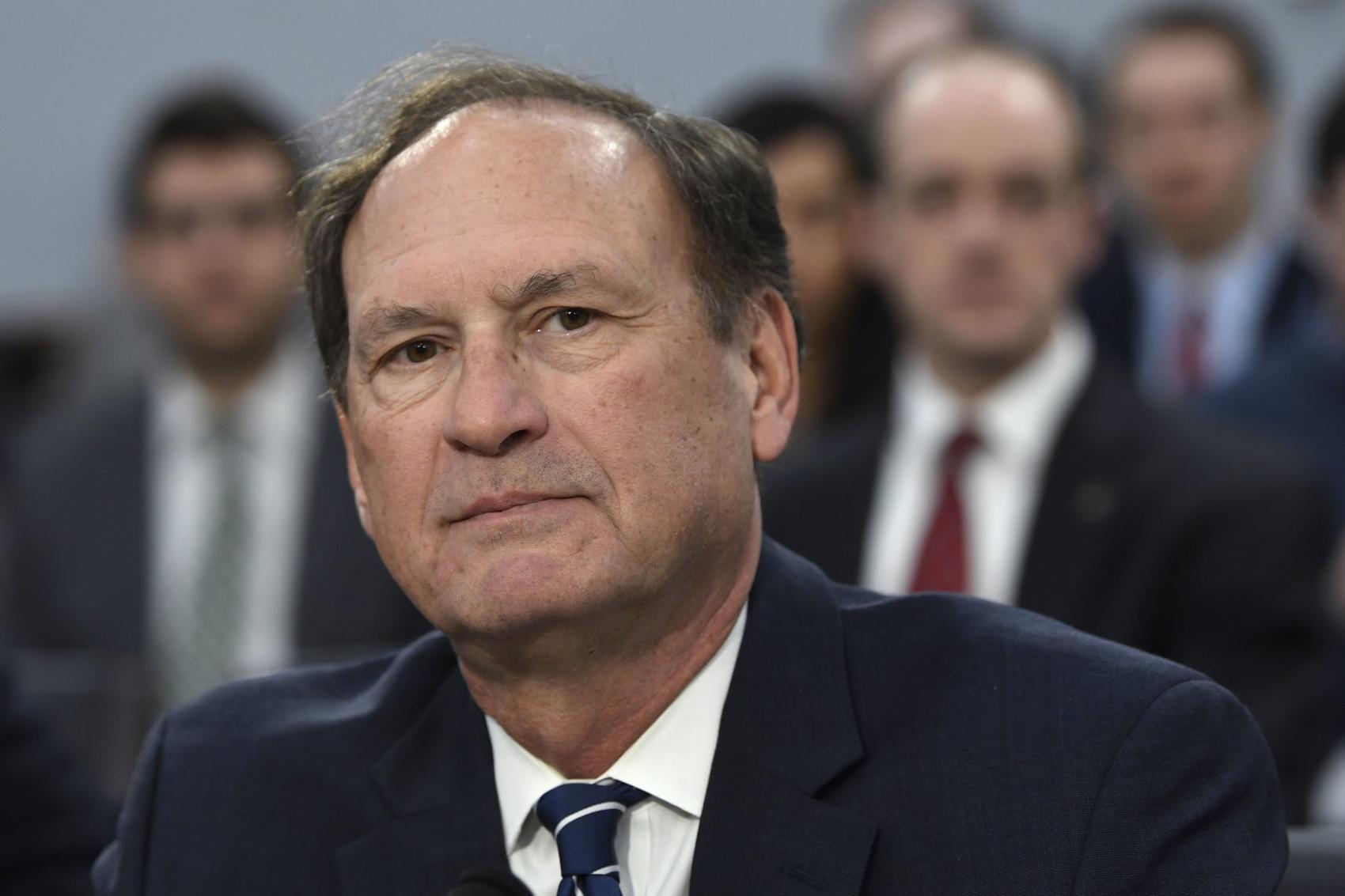
Associate Justice Samuel Alito
Nominated to serve as associate justice by President George W. Bush
Took seat Jan. 31, 2006
Born April 1, 1950, in Trenton, New Jersey
Justice Sonia Sotomayor
Updated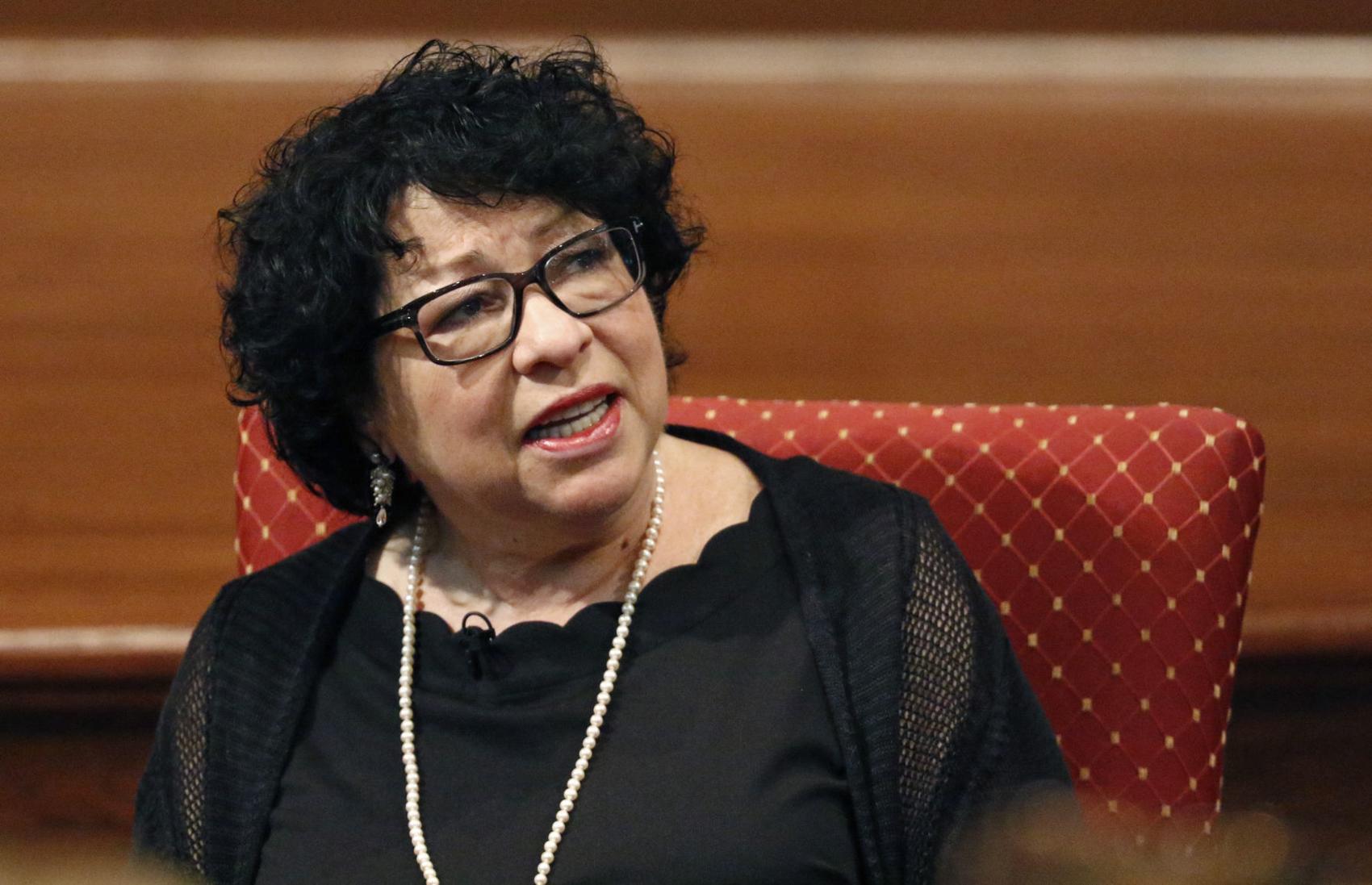
Associate Justice Sonia Sotomayor
Nominated to serve as associate justice by President Barack Obama
Took seat Aug. 8, 2009
Born June 25, 1954, in Bronx, New York
Justice Elena Kagan
Updated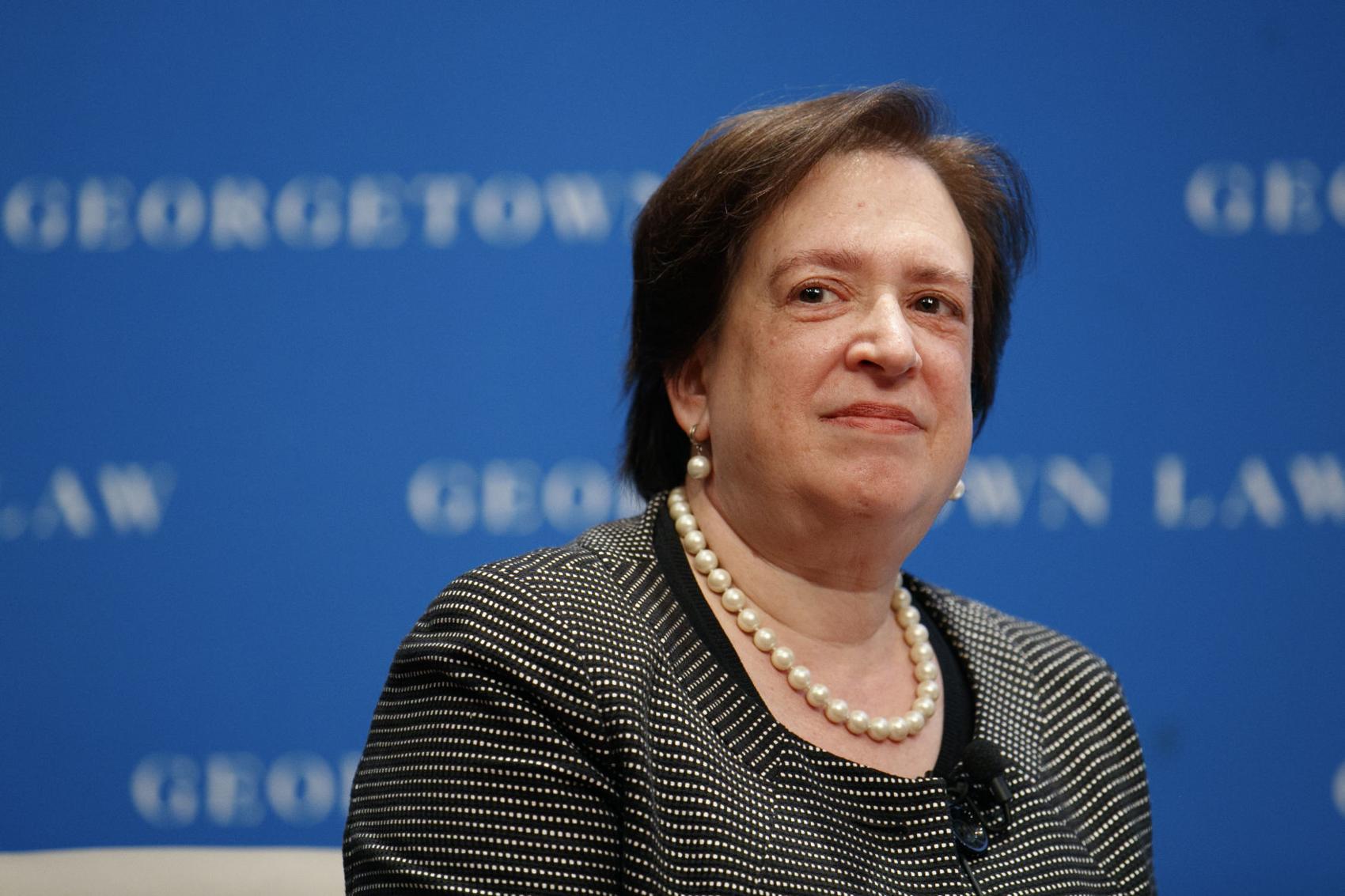
Associate Justice Elena Kagan
Nominated to serve as associate justice by President Barack Obama
Took seat Aug. 7, 2010
Born April 28, 1960, in New York City
Justice Neil Gorsuch
Updated
Associate Justice Neil Gorsuch
Nominated to serve as associate justice by President Donald Trump
Took seat April 10, 2017
Born Aug. 29, 1967, in Denver, Colorado
Justice Brett Kavanaugh
Updated
Associate Justice Brett Kavanaugh
Nominated to serve as associate justice by President Donald Trump
Took seat Oct. 6, 2018
Born Feb. 12, 1965, in Washington D.C.
Justice Amy Coney Barrett
Updated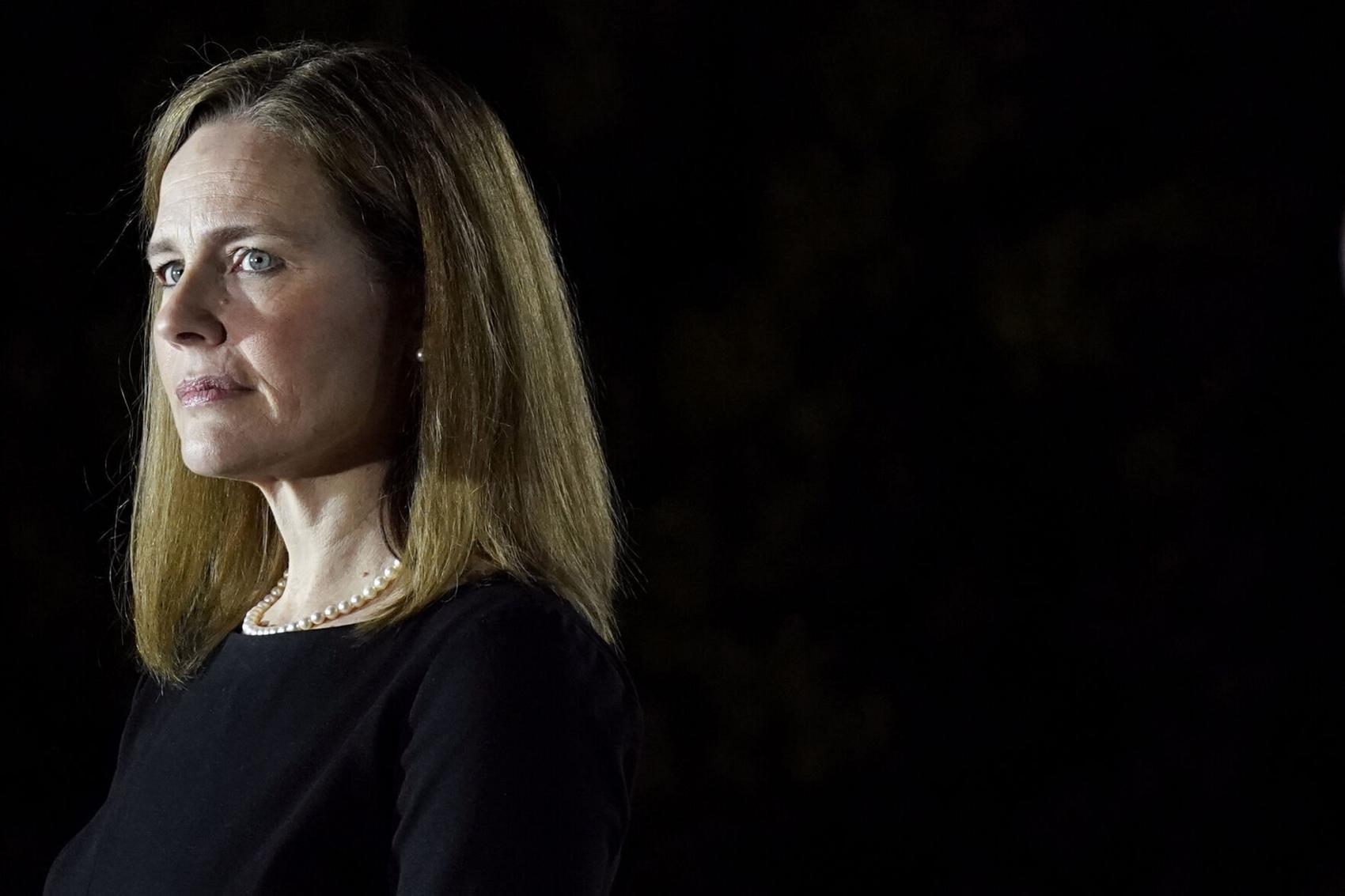
Associate Justice Amy Coney Barrett
Nominated to serve as associate justice by President Donald Trump
Took seat Oct. 27, 2020
Born January 28, 1972
Justice Ketanji Brown Jackson
Updated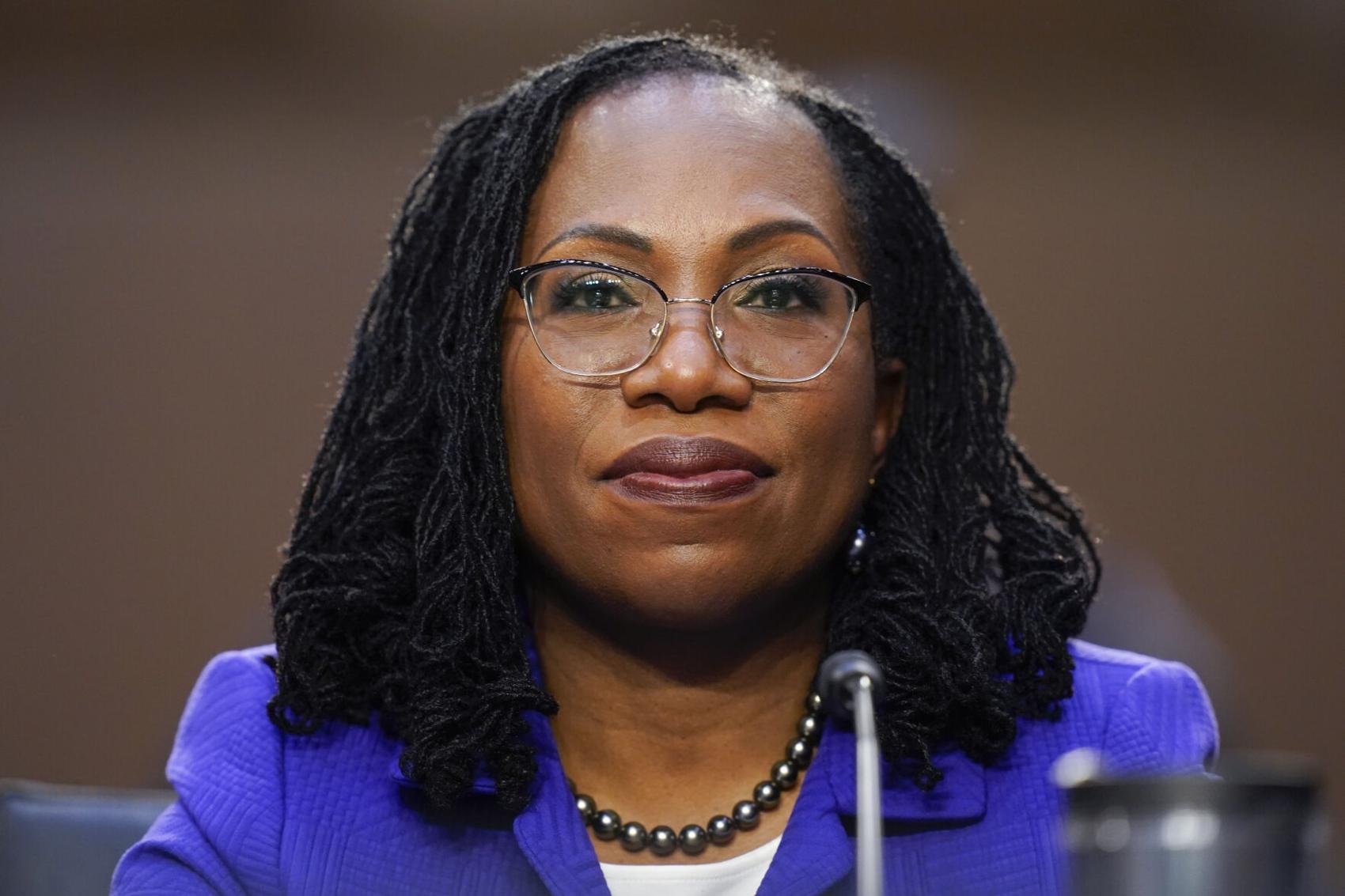
Associate Justice Ketanji Brown Jackson
Nominated to serve as associate justice by President Joe Biden
Took seat June 30, 2022
Born September 14, 1970

