


A book can make you cry, chuckle, become angry or bring joy. A book can inform, influence and inspire, expand and challenge perspectives, and take the reader into new worlds, both real and imagined.
There’s a permanent shelf in many bibliophiles’ hearts for books that have a significant impact on their lives, sending them in new, unexpected directions.
Last week, we asked readers to share such life-shaping books. Here’s what we heard:
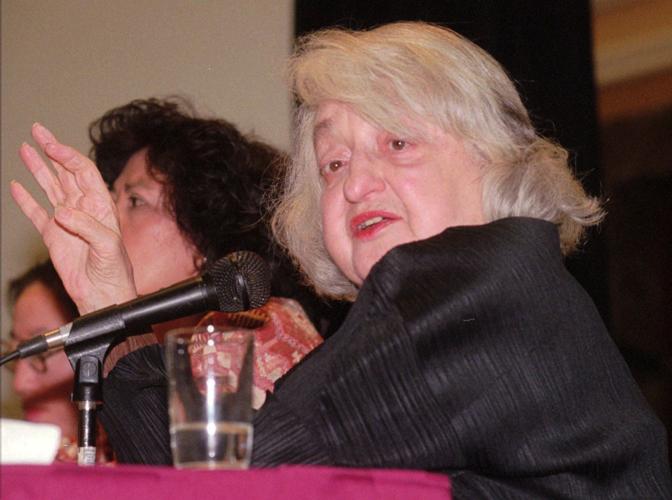
“The Feminine Mystique” by Betty Friedan
Rosemary Carmody says “The Feminine Mystique” “literally changed my life, as it did for many of my generation.
“I read it as a college junior in 1963 and it gave me permission to reject the role model of the happy and complacent housewife who served others and ignored her own desires that was endemic in the media at that time.
“I had felt that what I saw around me was not what I wanted from life, but this book said it was OK to feel this way and I was not alone. ‘Life changing’ is used too glibly in many ways.
“This really was a book that put me on a career-oriented trajectory without feeling guilty.”
“From Here to Eternity” by James Jones
Mike Anderson says he read “From Here to Eternity” in high school in 1971 as part of an independent study fiction-reading project as a senior at Cholla High School.
“The writing was so powerful, Jones’ description of Hawaii and Schofield Barracks before Pearl Harbor so vivid, that it made me decide to enlist in the Army to be stationed at Schofield.
“It was a good choice for many reasons, but it wouldn’t have happened had I not read that book.”
“The Silent Sky: The Incredible Extinction of the Passenger Pigeon” by Allan Eckert
Paul Sheppard describes “The Silent Sky” as being about the eradication of the passenger pigeon by the purposeful killing of them.
“Realizing that there used to be so many pigeons, billions, but then none at all after just some decades of direct killing, transformed me into resolving to pay attention to such actions. Eckert told this story from the perspective of a single pigeon, a strategy that purists object to on the grounds of anthropomorphism but that I found to be perfect writing.”
“Five Smooth Stones” by Ann Fairbairn
Alyce Grissom, who was born in 1947 and grew up in California, says “I didn’t think much about racial backgrounds. It wasn’t an issue with my environment.
“Somehow I got a hold of this book and after reading it, I had a new knowledge of how other people viewed people of color. I have a respect for anyone that is thought of as different. I go out of my way to be extra kind and friendly.”
The Holy Bible
“To Kill a Mockingbird” by Harper Lee
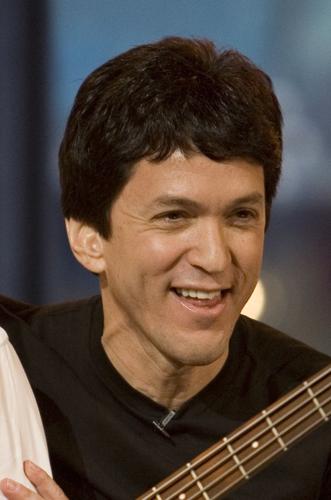
“The Five People You Meet in Heaven” by Mitch Albom
Arthur Gill says he loved the Bible “from high school. … It led me closer to God.”
“To Kill a Mockingbird” inspired Gill “to continue seeking to understand why racial prejudice was wrong and hurtful,” while “The Five People You Meet in Heaven” is a story that “gives hope and understanding as to how we are all connected by our life stories, consistent with biblical overtones.”
“The Partnership Way: New Tools for Living and Learning” by Riane Eisler
“Cultures of Peace: The Hidden Side of History” by Elise Boulding
“From Age-ing to Sage-ing” by Zalman Schachter-Shalomi
Del Jones says that Eisler “shows us how to move our society from a domination model to a partnership model. Lots about masculine, feminine … lots about moving from domination to cooperation.
“Boulding looked at all the history books and said they were stories of the wars in each era. She decided to look at what was happening between the wars and her book is about all the organizations who worked for peace. We began peace circles here to get the word out and hopefully make a change towards a culture of peace.”
Lastly, Jones say “From Age-ing to Sage-ing” is a “profound new way at looking at aging, the first book looking beyond childhood, adulthood to elderhood. His idea of sage-ing circles was the basis for beginning elder circles … the Wisdom Journey here in Tucson 12 years ago.”
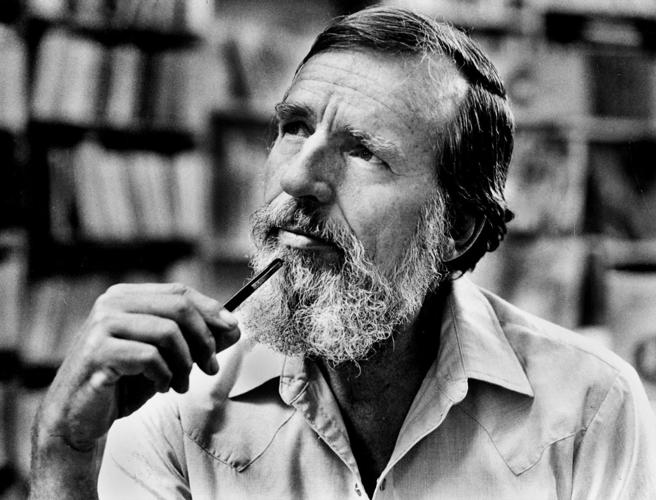
“Desert Solitaire: A Season in the Wilderness” by Edward Abbey
Cheryl Stein House says Abbey’s book gave her new way of looking at nature.
“Howards End” by E.M. Forster
Sarah Trotta says “Howards End” demonstrated making the past a part of the present.
Reading as children
Several people mentioned books they read as children and teenagers that helped make them become lifelong readers.
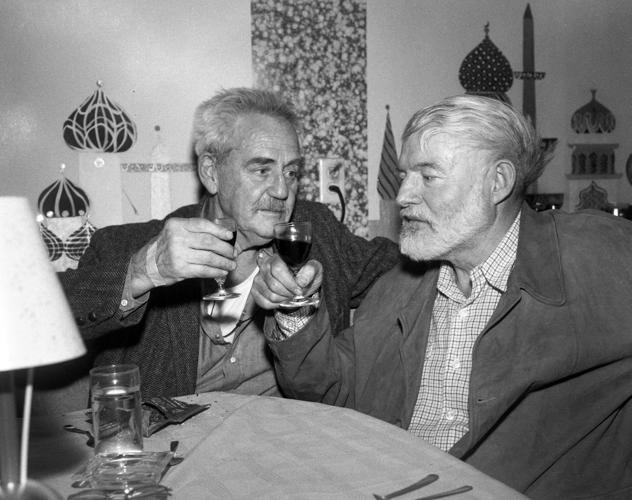
Gloria Bloomer says reading “The Sun Also Rises” by Ernest Hemingway made her “feel like an adult.”
Jennifer Boice says reading “Old Yeller,” the children’s novel written in 1956 by Fred Gipson, was pivotal as it was the first time she read a book that did not have a happy ending.
Laura Penny says the Nancy Drew mysteries, which debuted in the 1930s and were written by a number of authors under the pseudonym Carolyn Keene, made her a reader and introduced her to learning new words, like “sleuth.”
The 1965 science fiction book “Dune” by Frank Herbert introduced Eva Graham to the concept of creating another world and she was fascinated by the made-up words and the book’s glossary. She remains a sci-fi fan.
For Kenna Smith “Alice’s Adventures in Wonderland” — often called “Alice in Wonderland” — by Lewis Carroll “is a feminist journey.”

