


PHOENIX — State economists predict Arizona will add 542,975 new jobs by 2026.
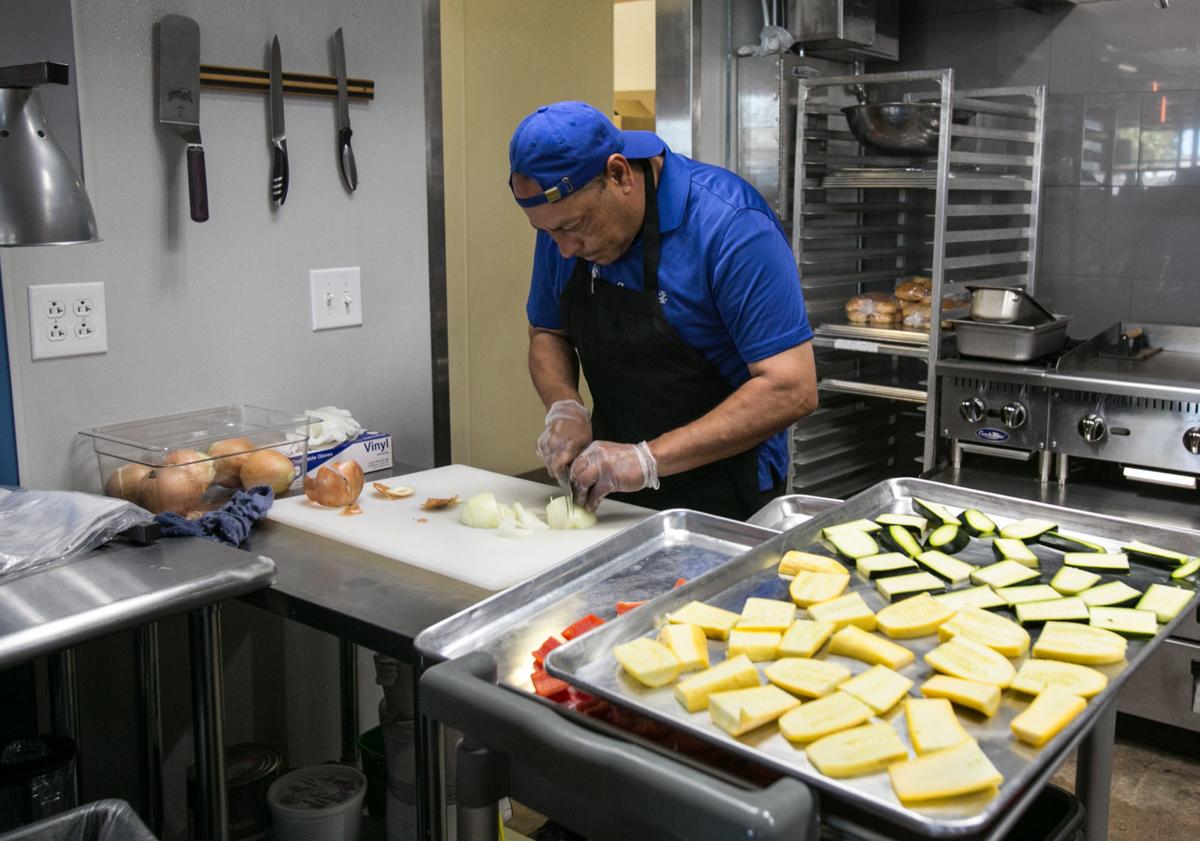
But 1 out of every 8 of them will be in preparing and serving food.
In a new forecast, the research director for the state’s Office of Economic Opportunity, Doug Walls, also figures:
- Three-fourths of all new jobs will be in Maricopa County, with the majority of those in the communities outside of Phoenix;
- An aging population will sharply boost the need for health-care workers, ranging from higher-paying medical professions to lower-paying jobs such as aides;
- Outside of Maricopa County, the strongest growth will be in Yavapai County, much of it driven by the need for more health-care workers;
- Pima County will create an estimated 65,509 jobs by 2026, at an average growth rate of 1.6 percent a year;
- Job growth in rural areas will continue to lag.
Construction back on track?
Construction employment is predicted to grow a healthy 3 percent a year on average — from 159,700 jobs now to 185,615 in 2026.
That still won’t get Arizona anywhere close to the number of people working in the construction sector before the recession and the burst of the housing bubble.a
But Walls said the peak figure of 244,100 construction jobs in 2006 was artificially high.
He said a more appropriate comparison would be to the 175,300 people working in construction in 2004, before the period of “unsustainable growth.”
Overall, the report predicts an average 1.7 percent annual growth rate in new Arizona jobs between now and 2026.
That compares with just 0.2 percent growth for the decade ending in 2016 — but that period included the Great Recession, when the state was shedding employment far faster than new jobs were being created.
Arizona lost about 300,000 jobs between 2007 and 2010. At one point the state’s jobless rate topped 11 percent; it now is 4.7 percent.
Walls said jobs should grow faster in Arizona than in the rest of the country, which currently posts a 4.0 percent jobless rate. But he would not predict what Arizona’s unemployment rate would be in 2026.
Population driving
employment growth
Population is driving employment growth and the type of jobs created, he said.
Arizona, which saw population growth slow to less than 1 percent in the height of the recession, once again is growing twice as fast as the national average. That has a ripple effect, Walls said.
“More people within the area, either migrating to the area or born and raised into the Arizona economy, are going to consume health care, are going to consume housing, food, clothing and other resources,” he said. “That’s going to drive a lot of economic activity within an area.”
All those people will buy things and need services, he noted.
That’s not just health-care support — the people beyond the doctors and nurses — a sector in which jobs are expected to grow at an annualized rate of 3.7 percent.
The biggest jump in jobs, in pure numbers, will be in food preparation and serving occupations, which are expected to create 67,231 new jobs, twice as many as in health-care support.
Jobs at food service and drinking places make up 8 percent of Arizona’s economy now, but they will comprise 12 percent of the total job growth predicted by 2026.
And the annualized growth rate for the food service sector is 2.4 percent, versus the 1.7 percent for the economy as a whole.
These are jobs that, in general, pay less than the statewide average.
But Walls said the 2016 voter-mandated increase in the minimum wage — from $8.05 an hour to currently $10.50 and going to $12 by 2020 — hasn’t had the dampening effect on hiring for these jobs that was predicted by the Arizona Chamber of Commerce and Industry.
“We’ve seen strong employment growth rates and total numeric change in leisure and hospitality, food and drinking places, on a month-to-month basis,” he said.
Walls said there was no indication that higher minimum wages “had any impact on that industry.”
He said there may be other factors that are keeping employment in the food service industry growing faster than many other segments of the economy.
One of them, Walls said, is changing consumer habits nationally.
Most notably, in 2015, for the first time ever, the amount of money people are spending on food and drink outside the home exceeded what they were shelling out at grocery stores. And that disparity continues to grow.

