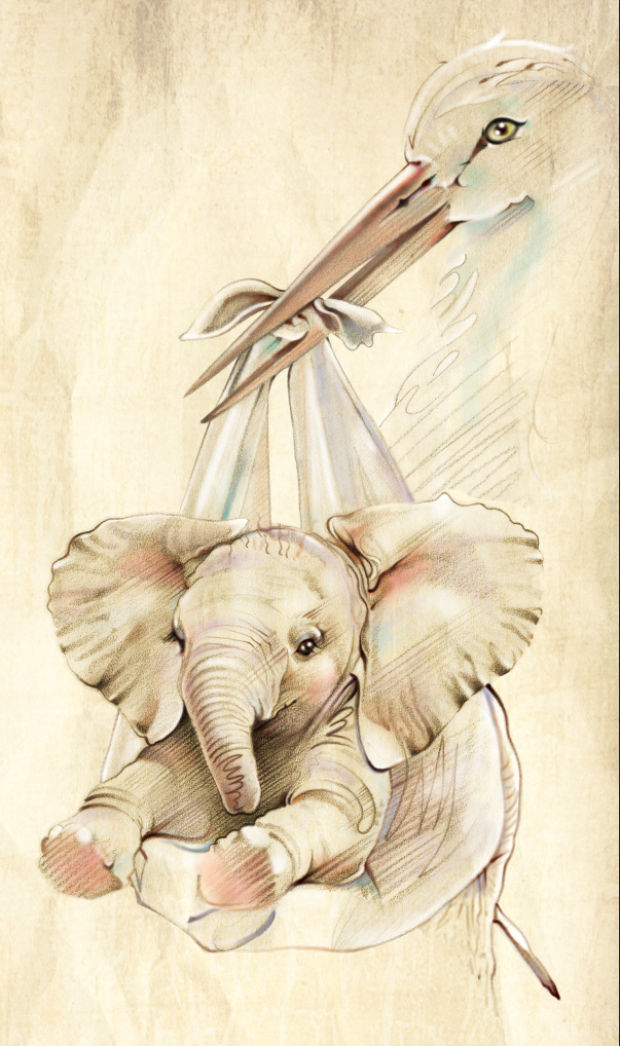

The 22-month long waiting game continues at the Reid Park Zoo where a very pregnant Semba is set to give birth to the first elephant calf ever born at the zoo any day now.
Semba, an African elephant, is under 24-hour observation, but so far keepers haven’t seen any signs of labor, said zoo spokeswoman Vivian VanPeenen.
The newest addition will join big brothers Punga and Sundzu, father Mabu, and auntie Lungile in the zoo's Expedition Tanzania exhibit, which opened in 2012. The herd was moved to Tucson from the San Diego Zoo Safari Park.
"We’re very excited. This is a very desired birth," VanPeenen said. "...This was our goal. This is why we brought the new exhibit. This is why we brought the heard here. It's a very meaningful contribution to the continued conservation of the species nationwide."
Here's some info about what keepers are watching for and what Semba's labor and delivery will be like.
Any ideas what the calf’s gender will be?
Keepers don't know if Semba is carrying a baby boy or girl, it's a surprise.
What are some signs of labor keepers are looking out for?
Signs of labor can be a lack of movement, standing very still or any unusual movements. She might rub on walls or stop eating. Elephants have a mucus plug which usually falls out a couple of hours before birth.
Where will she give birth?
She will have both indoor and outdoor access. If keepers see that she is going into labor while on exhibit she'll be invited into the barn or outdoor paddock. Only essential staff will be on hand to witness and help with the delivery.
How long will she be in labor?
About four hours. But it depends on how early keepers observe signs of labor.
Do elephants stand or lie down during delivery?
They mostly stand during delivery.
What does labor and delivery entail?
When Semba is ready to deliver, a hump will appear under her tail as the calf’s legs, either front or back, move over her hip girdle. The fluid-filled amniotic sac will emerge with the calf inside. As the baby comes out it will be forced forward under Semba’s belly. To finish the delivery, Semba will squat and push her calf out. As it drops to the ground, the amniotic sac will break and large quantities of birth fluid will spill out.
What happens next?
The newborn calf will struggle to stand immediately. Once it finds its balance it will be examined by the zoo’s medical and animal care team, but with Semba close by. If all goes well, nursing can begin within the first hour and the baby can start growing. Healthy calves grow about 1 inch a month and gain up to three pounds a day.