



The University of Arizona Libraries has received a $2.3 million gift from the estate of Katheryne Willock, an archaeologist who studied the Virgin Islands and the American Southwest.
Willock and her former husband have been long-time supporters of the UA. She died in January 2017 at 67. Past gifts founded the Willock Graduate Assistantship Program and funded research awards for students and the endowment for the director of the UA’s Special Collections.
“She was a true philanthropist. She didn’t ask for anything,” said Carla Stoffle, former UA dean of libraries and now a professor in the School of Information.
The latest gift creates the Katheryne B. Willock Dean of University of Arizona Libraries Chair and will continue to support graduate assistantships for students in the Library and Information Science program.
“The endowment will provide funds that could support initiatives ... like developing a digital literacy program with campus partners that empowers students to navigate the world of emerging technologies with critical thinking skills,” said Shan Sutton, dean of the University Libraries, “or strengthening UA Libraries’ roles in facilitating student and faculty engagement with data science in conjunction with campus partners.”
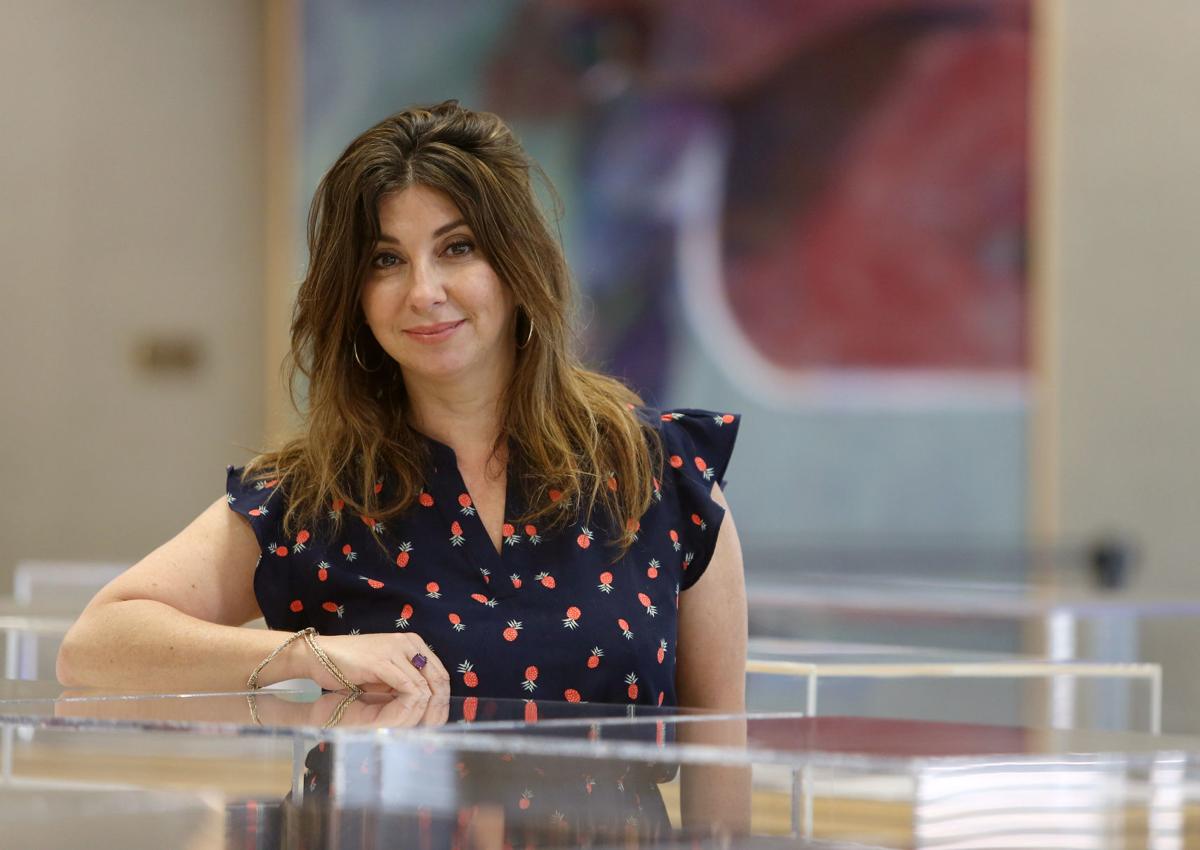
Yvonne Mery was a graduate student in 2007 when she received the Willock graduate assistantship.
“I don’t think I would have been able to go to school had it not been for that,” Mery said. “It paid for tuition and fees and I got a stipend. I also got to work in the library for a year.”
Mery is now a tenured associate librarian at the UA.
“The financial benefit of it is amazing,” Mery said, “but I think the experience it provided was more valuable.”
“Willock’s generous gift ensures that students will have real-world experiences in the UA libraries that prepare them to be the leaders of tomorrow in their fields,” Sutton said in a statement.
And while some might wonder why libraries are still relevant in a world with the internet, Mery argues that now more than ever, libraries and librarians are useful resources.
“There’s so much information. But how do you get information? How do you make sure your information is good, that it’s accurate and reliable?” she said.
To drive home her point, she quoted the author Neil Gaiman: “Google can bring you back, you know, a hundred thousand answers. A librarian can bring you back the right one.”
Moreover, the field of library science is evolving.
Mery has one of the most traditional library jobs, she said. She still answers reference questions, but she also designs online tutorials, does programming, graphic design and more.
There are also meta-data librarians, digital preservation librarians and librarians who integrate data with maps, to name a few. Others have expertise in specific fields such as law, journalism or medicine and serve as liaisons for those UA departments.
Librarians also acquire access to databases and research articles that many on campus think are free. “We ordered that journal, we paid for that database, but many don’t know that,” Mery said.
Libraries are changing, too.
“It used to be books, books, books,” Mery said, “but now it’s about spaces and how students can collaborate. Libraries are still about learning, but a lot of the students are coming here to make things, to create things and to study,” Mery said.
“Our libraries remain an excellent educational resource by continually evolving to meet the challenges of a rapidly changing world,” said UA President Robert Robbins in a statement. “Katheryne Willock had the foresight to recognize our libraries’ potential, and the generosity to ensure that it was realized.
“Her impact will be felt by students for generations,” Robbins said.

