



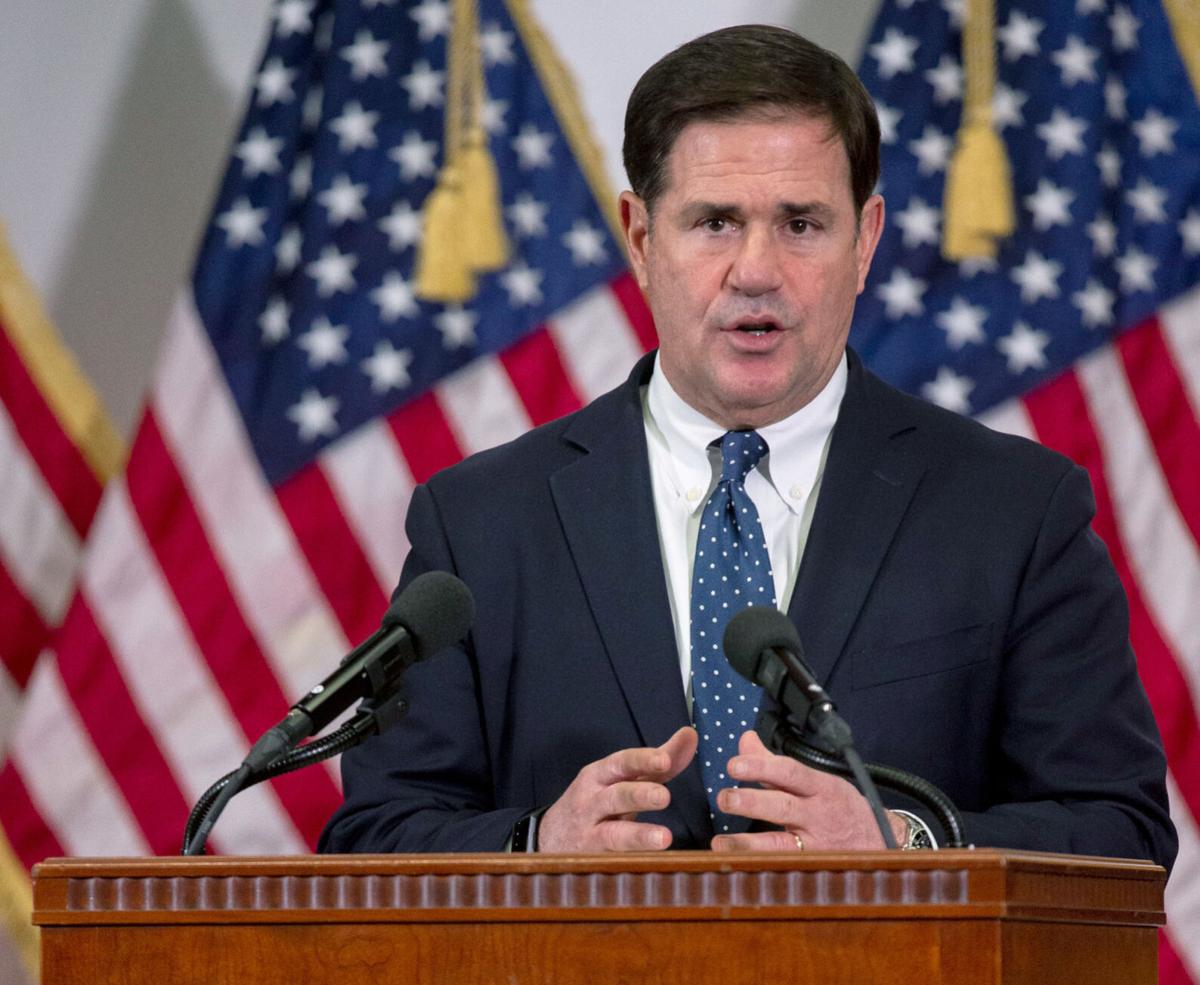
PHOENIX — Gov. Doug Ducey says he will not order businesses to re-close or impose new restrictions when the COVID-19 infection threat in any area returns to “substantial” — which is now expected, including in Pima County.
“Arizona’s open,” the governor said Thursday. “Arizona’s economy is open, Arizona’s educational institutions are open, Arizona’s tourism institutions are open. The expectation is they are going to remain open.”
Ducey’s comments came as state health director Dr. Cara Christ said the coronavirus numbers will get worse.
“There are counties that are likely to go back into substantial spread starting next week,” she said.
Threat of substantial spread led to Ducey’s original orders to shutter businesses in March and then, after the restrictions eased, his directive to re-close many businesses in June after a spike in cases.
“We should expect a rise in cases,” Ducey said Thursday, though he suggested part of the reason will be an increase in the number and types of tests available.
He added: “We are not going to, due to a gradual rise in cases, be making any dramatic changes.”
The problems appear to be localized.
Statewide, the rate of infection remains below 100 per 100,000 residents, enough to put it in the moderate range.
And the percentage of tests for the virus coming back positive is below 5%, showing what the state calls “minimal” spread.
Pima County’s case numbers grow
But in Pima County, for example, the rate of infection is not just increasing but, for the week ending Sept. 13 — the most recent data available — it edged above the 100 per 100,000 level.
That makes the risk of spread substantial, according to state health department measurements.
However, it takes two weeks of substantial threat before the state will change the official rating for the county. New data for the week ending Sept. 20 should be available next week.
Coconino County also shows an increase in cases, into the range of substantial risk.
Most other counties, by contrast, appear to have a slowing rate of infection, at least on a countywide basis. But there still are potential local hot spots.
University of Arizona campus a hot spot
One potential cause could relate to the return of university students.
The situation in Tucson got so bad that the University of Arizona and Pima County instituted a voluntary, two-week “shelter-in-place” recommendation for the UA campus Sept. 14.
Police and code inspectors have issued citations and code-of-conduct violations and warned of potential legal action to curb the spread of the virus.
On Wednesday, Pima County Administrator Chuck Huckelberry labeled the negative effect on the state’s metrics spurred by the outbreak at the University of Arizona as “inevitable.”
Two of the metrics used to determine safe reopening of schools and businesses are the number of new cases and the positivity rates.
“We anticipate that State’s Business Dashboard metrics will move from moderate to substantial transmission; and that will trigger the State to further tighten restrictions for these operators,” Huckelberry wrote in a memo to the county’s Board of Supervisors. “Likewise at least one of the COVID-19 School Benchmark targets is likely to be missed.”
He added that the movement will be “temporary,” and that officials will continue to monitor the data and speak with state health department officials regarding any changes to plans for local businesses and schools.
State eyes mitigation measures, not closures
“We want to avoid closing down,” Christ said.
“We’re starting to work with those county health departments to identify if there are targeted areas where we can work specifically with those business owners,” she said.
Rather than shuttering businesses, she would propose more narrow “mitigation strategies” like a further reduction in the number of customers at any one time.
Schools are not affected by all of this, at least not at the state level, even amid indications of rising infection rates. That’s because the state has issued only “recommendations” for when in-person classes can start, with local districts free to follow or disregard them.
Situation different than earlier in year
One reason Ducey can say he won’t close businesses again is because the situation is far different, even if the raw numbers may not show it, said the governor’s chief of staff, Daniel Scarpinato.
“We have broad access to testing with fast turnaround,” Scarpinato said. “We have increased contact tracing. We’ve got enforcement of rules and regulations.”
That enables health officials to find people and tell them to isolate if they have been exposed, he said.
Also, he said, “Businesses are operating much differently today than they were when some of these industries were closed.”
For example, Scarpinato said, restaurant patrons have to wear their masks when they are not at their table. Masks also are required at salons and barbershops.
Then there are capacity restrictions, with restaurants, and bars that operate like restaurants, at 50% and gyms at 25% of normal attendance.
Even in cities and counties where masks are not required, Scarpinato said most retailers are requiring them of customers.
The other big issue, he said, is that the state is better equipped to handle an outbreak. During previous shutdown orders, by contrast, “our hospitals were at capacity,” with some close to having to implement “surge” plans to find more space.
Loss of financial buffers a factor
One potential reason for Ducey’s reticence to once again shut down businesses is purely financial.
Earlier this year business owners could apply for the federal Paycheck Protection Program that provided loans — potentially forgivable — for companies to keep workers on payrolls. That program is now gone.
Also gone are the extra unemployment benefits available from the federal government, initially at $600 a week and, more recently, reduced to $300. Those, too, have disappeared, leaving jobless Arizona workers with a maximum state benefit of $240 a week.
Photos: Tucsonans Don Masks to help curb Coronavirus
Tucsonans wearing masks, coronavirus
Updated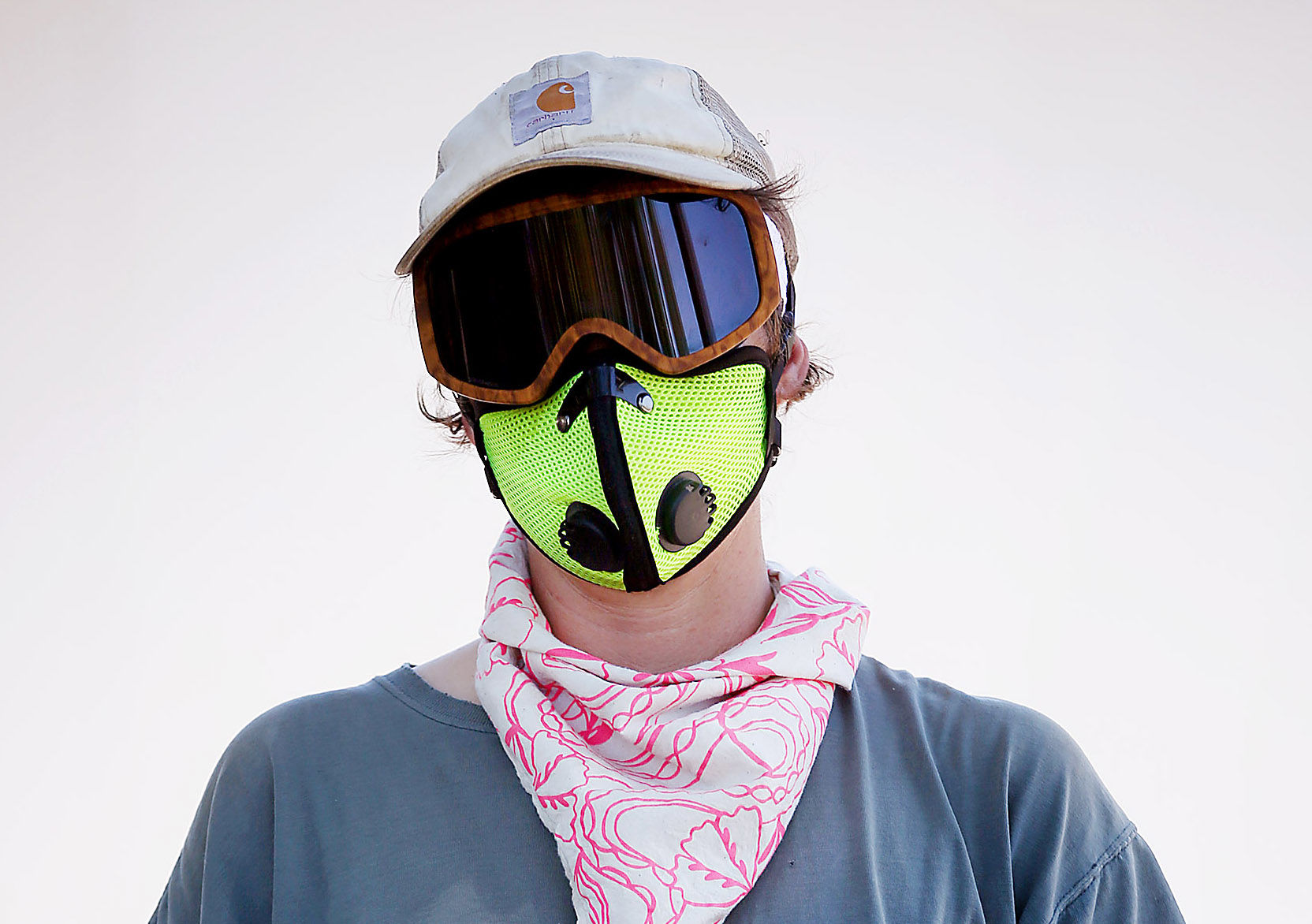
Tucsonans wearing masks, coronavirus
Updated
Tom "Tiger" Ziegler: "I miss my work, my customers and my co-workers. I don't want my people to get this damn disease." June 30, 2020
Tucsonans wearing masks, coronavirus
Updated
Rico Otero: "It's affected me by being limited in going out so much. Learn how to stay in more. Re-learning how to sanitize." June 2, 2020.
Tucsonans wearing masks, coronavirus
Updated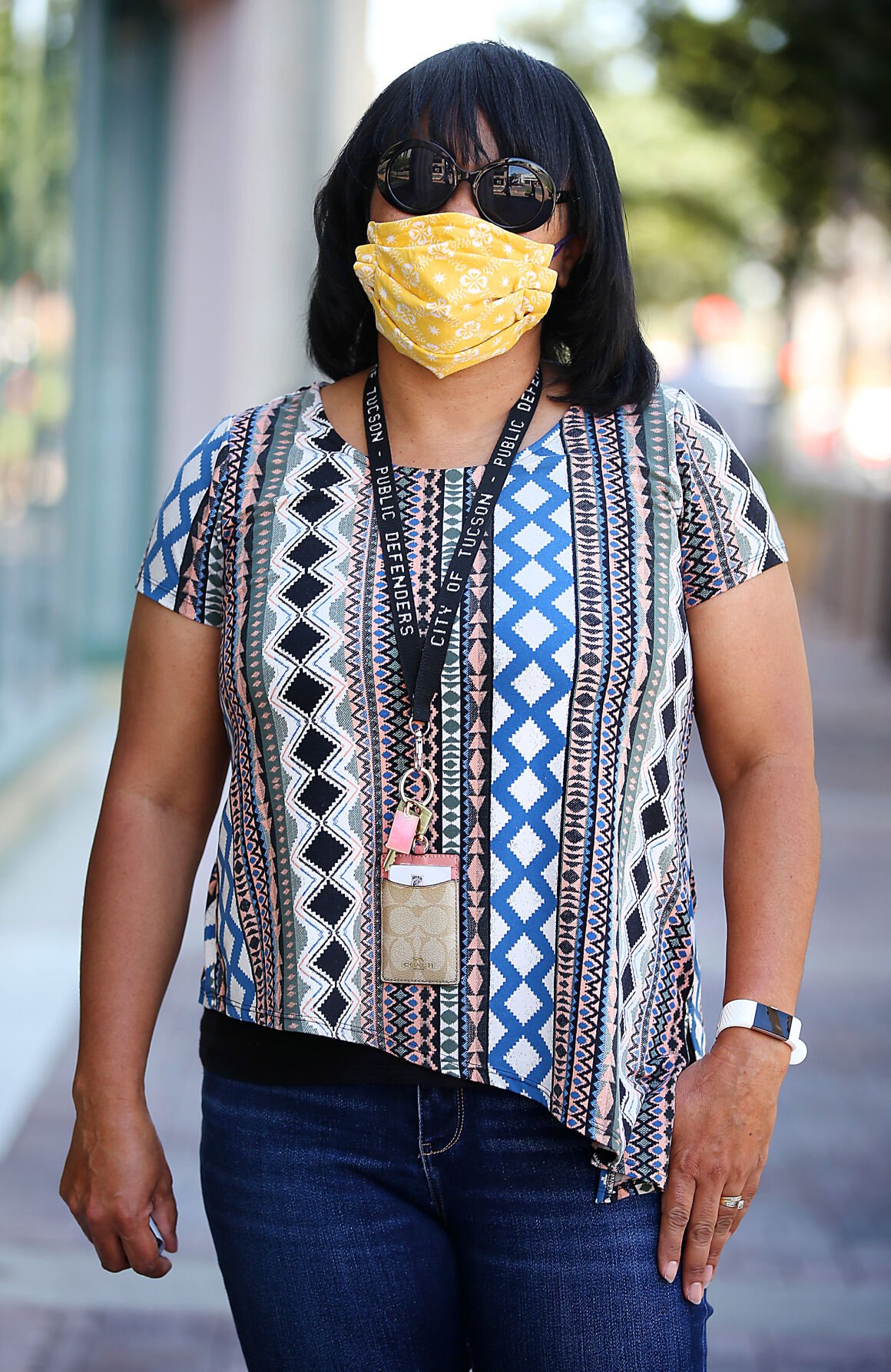
Pamela Stewart: "We've been turned upside down. Everything is different. For African Americans, we wear a mask and glasses, if I go into a bank or a business I'm already judged. It's a double threat for us as I see it." June 2, 2020.
Tucsonans wearing masks, coronavirus
Updated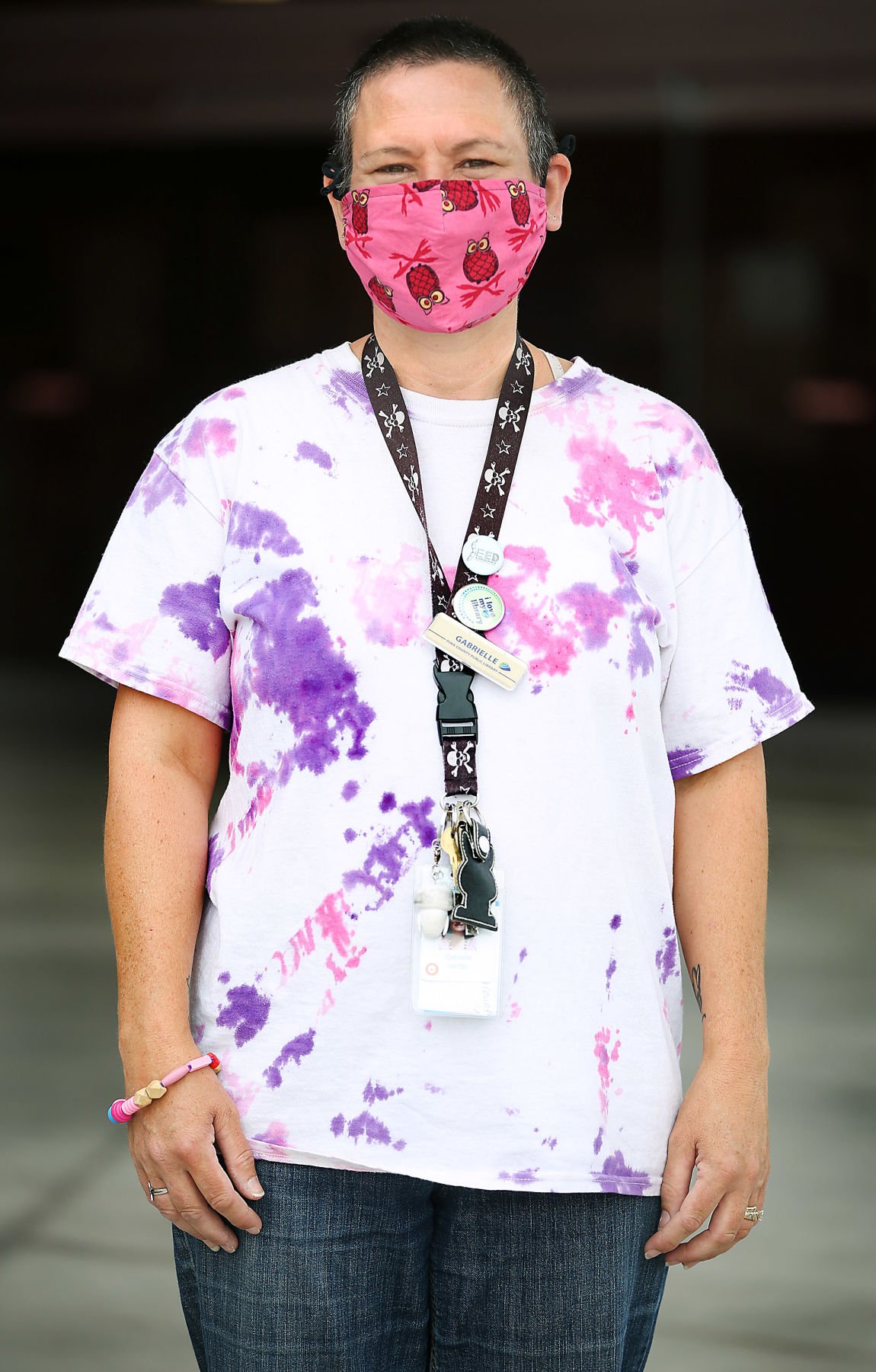
Gabrielle Nunn: "Mostly my daughter. She has autism. The huge change has been stressful for her. She worries about me, being at work." May 14, 2020.
Tucsonans wearing masks, coronavirus
Updated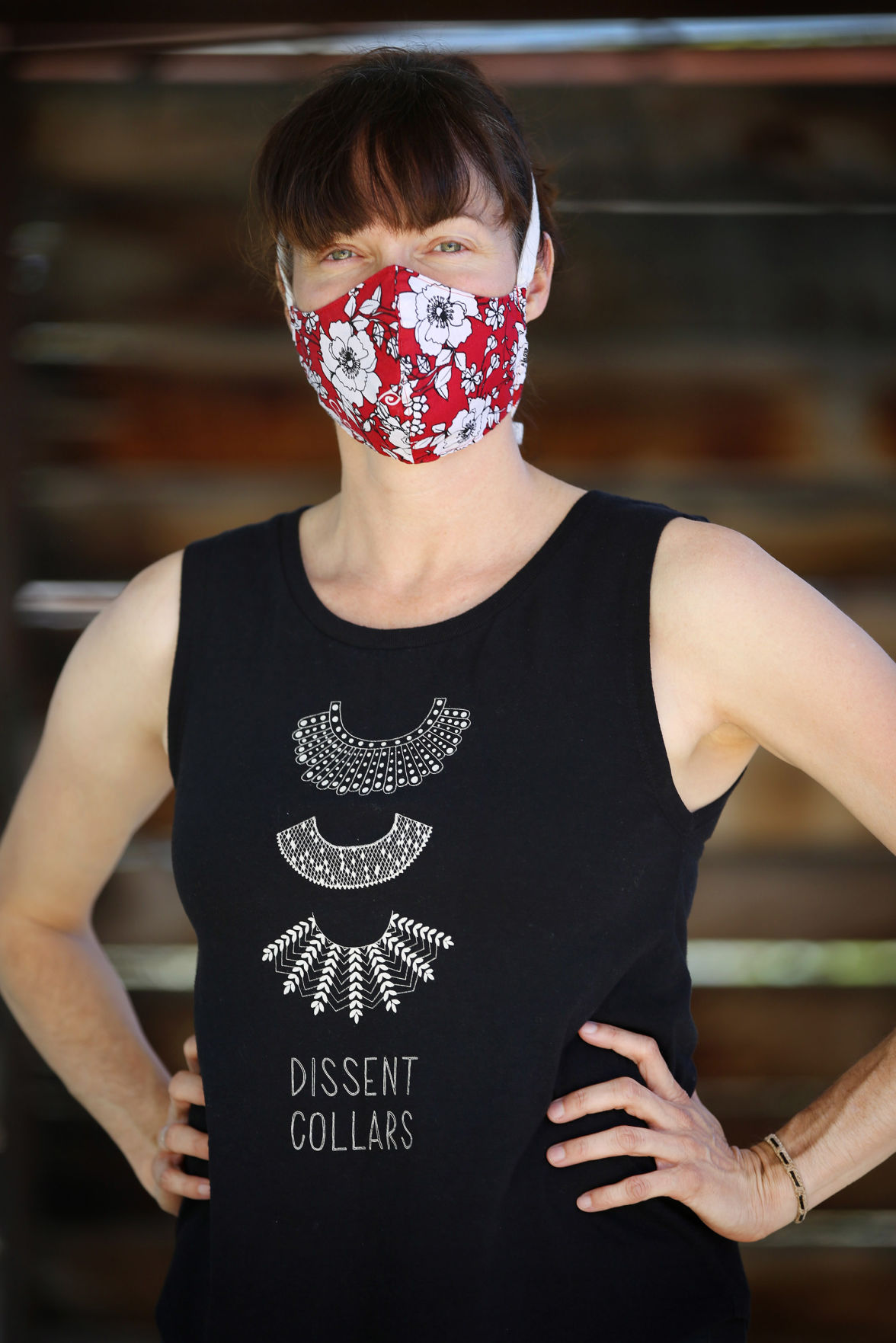
Lori VanBuggenum: "Even though the distance hasn't changed, this has made me feel the furthest away from my family. Everyone is in Wyoming. I can't jump on a plane and go see them." May 5, 2020.
Tucsonans wearing masks, coronavirus
Updated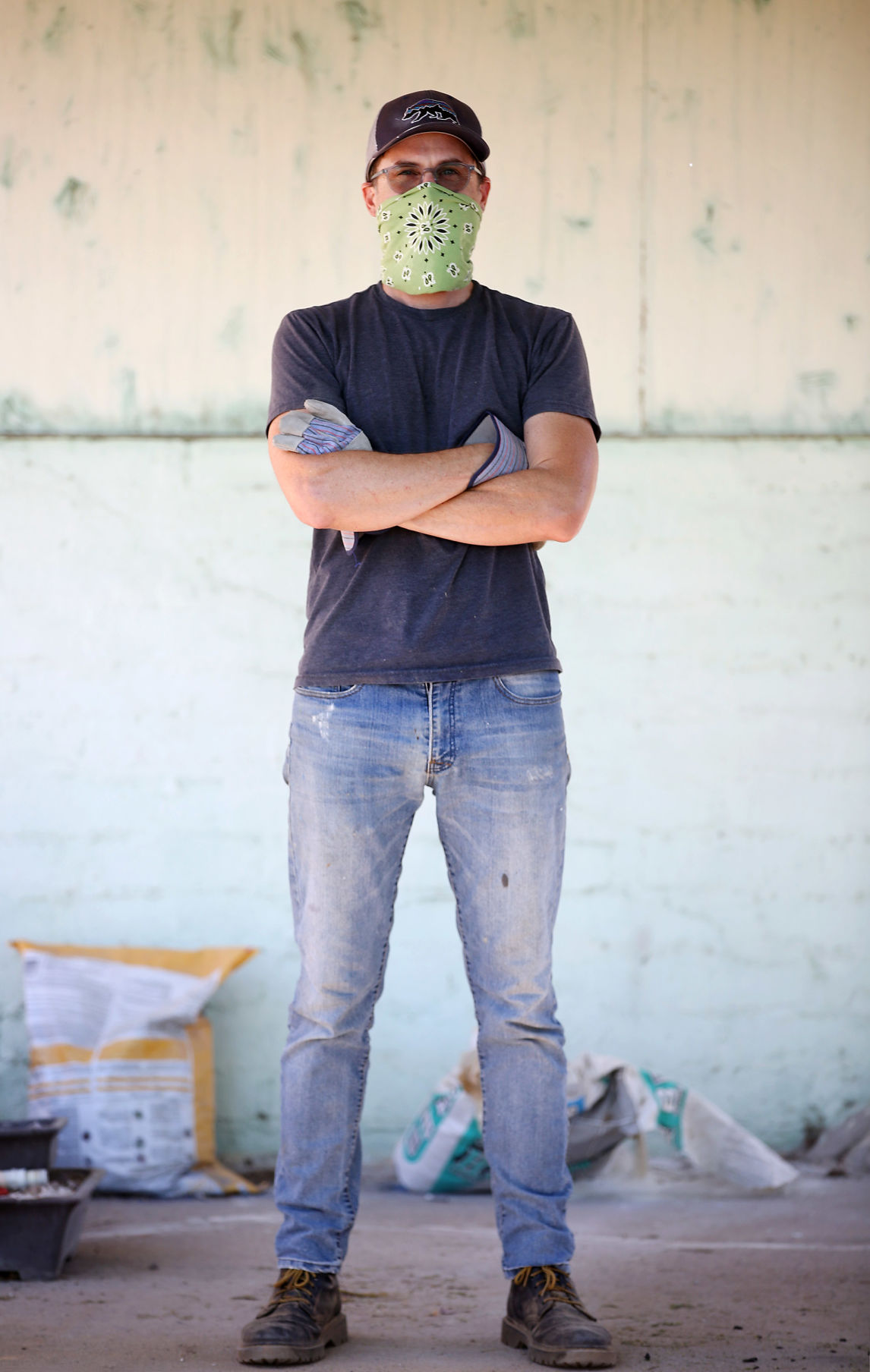
Benjamin Johnson: "The word uncertainty just keeps coming to mind. I feel the biggest thing for me is being fully open to uncertainty with kindness and compassion." April 29, 2020.
Tucsonans wearing masks, coronavirus
Updated
Cellisa Johnson: "It's affected me financially with my business as well as emotionally, not being able to be hands on with my clients." April 29, 2020.
Tucsonans wearing masks, coronavirus
Updated
Bebe Barbosa: "I am a touching person. I like to hug. I'm missing the embracing." April 24, 2020.
Tucsonans wearing masks, coronavirus
Updated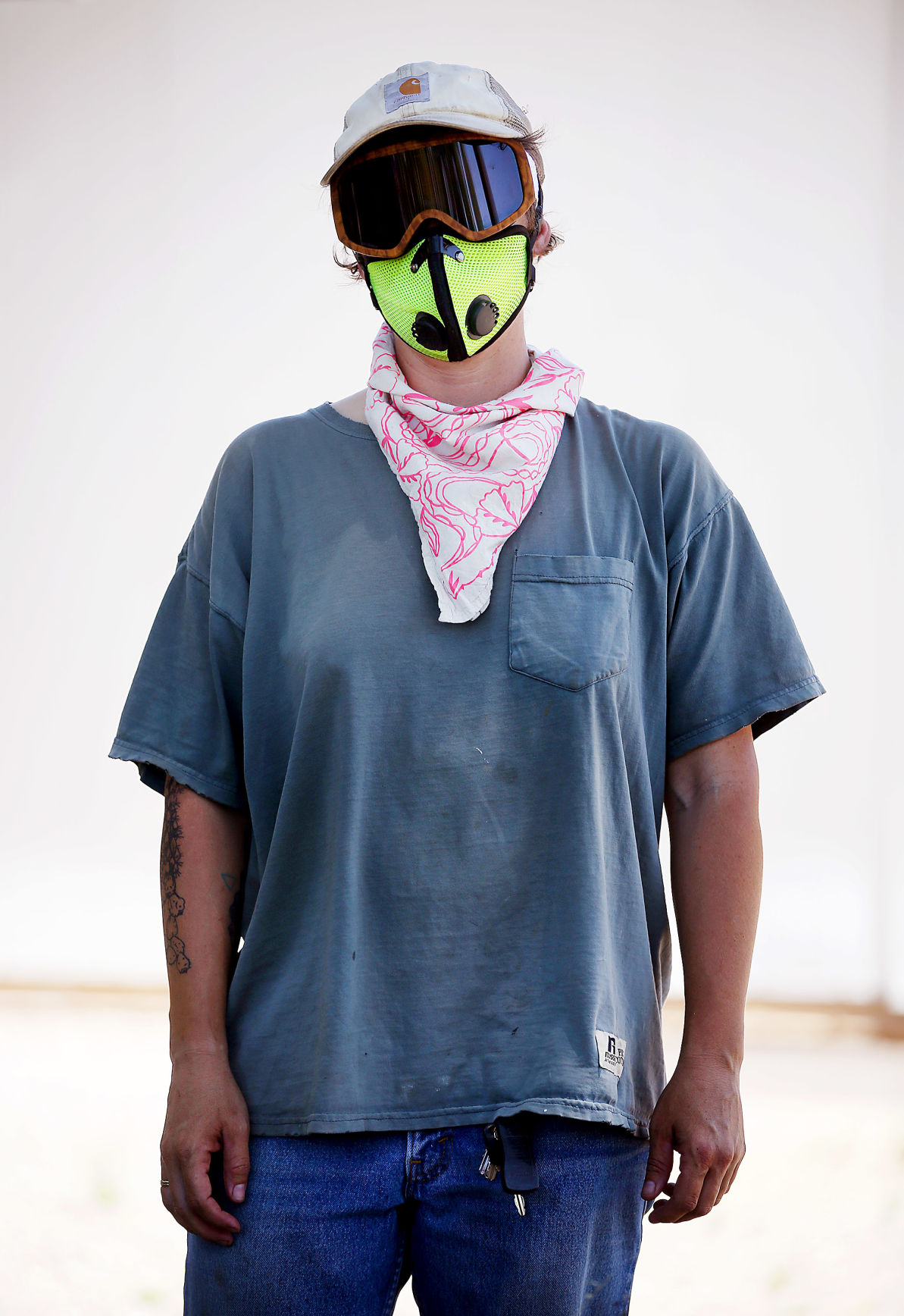
Logan Byers: "I'm very conscious how my actions affect other people now, more than ever. Every place I go to I'm conscious of how close I am to people." April 29, 2020.
Tucsonans wearing masks, coronavirus
Updated
Elana Bloom: "It was very shocking. Everything I had planned for – my whole business was canceled over a two day period." Bloom owns Solstice, a textile business and would make most of her money in the Spring to help with the slower months of Summer. April 14, 2020
Tucsonans wearing masks, coronavirus
Updated
Kristina Michelle: My cousin passed away four days ago in New Orleans. We can't get an autopsy for a while and there will be no funeral service. April 14, 2020
Tucsonans wearing masks, coronavirus
Updated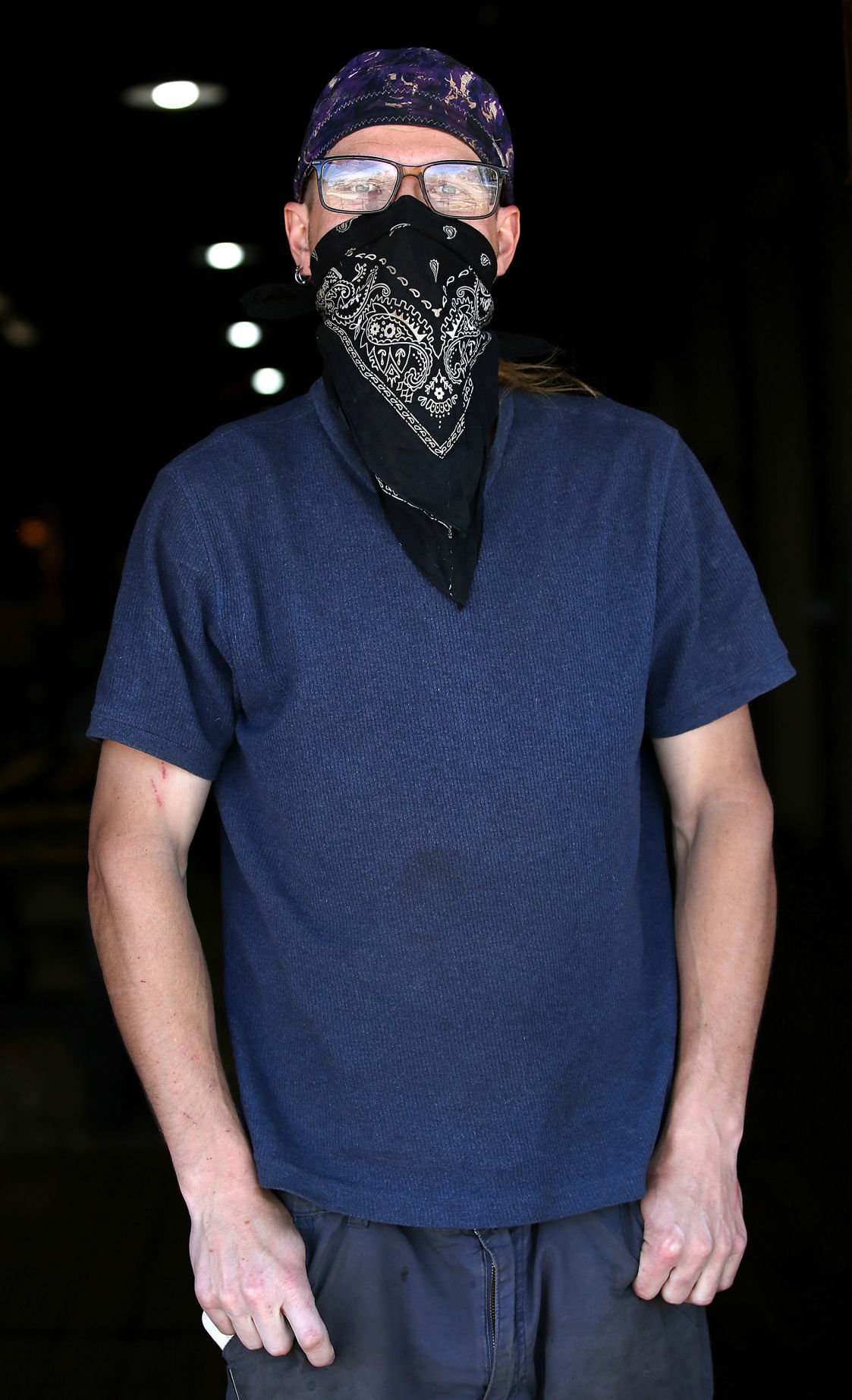
Pat Fisher: "A friend of a friend is living with me and his three cats. It was only supposed to be temporary, but now he can't find a job or pay for a place to rent. The situation probably won't change until the Fall." April 14, 2020
Tucsonans wearing masks, coronavirus
Updated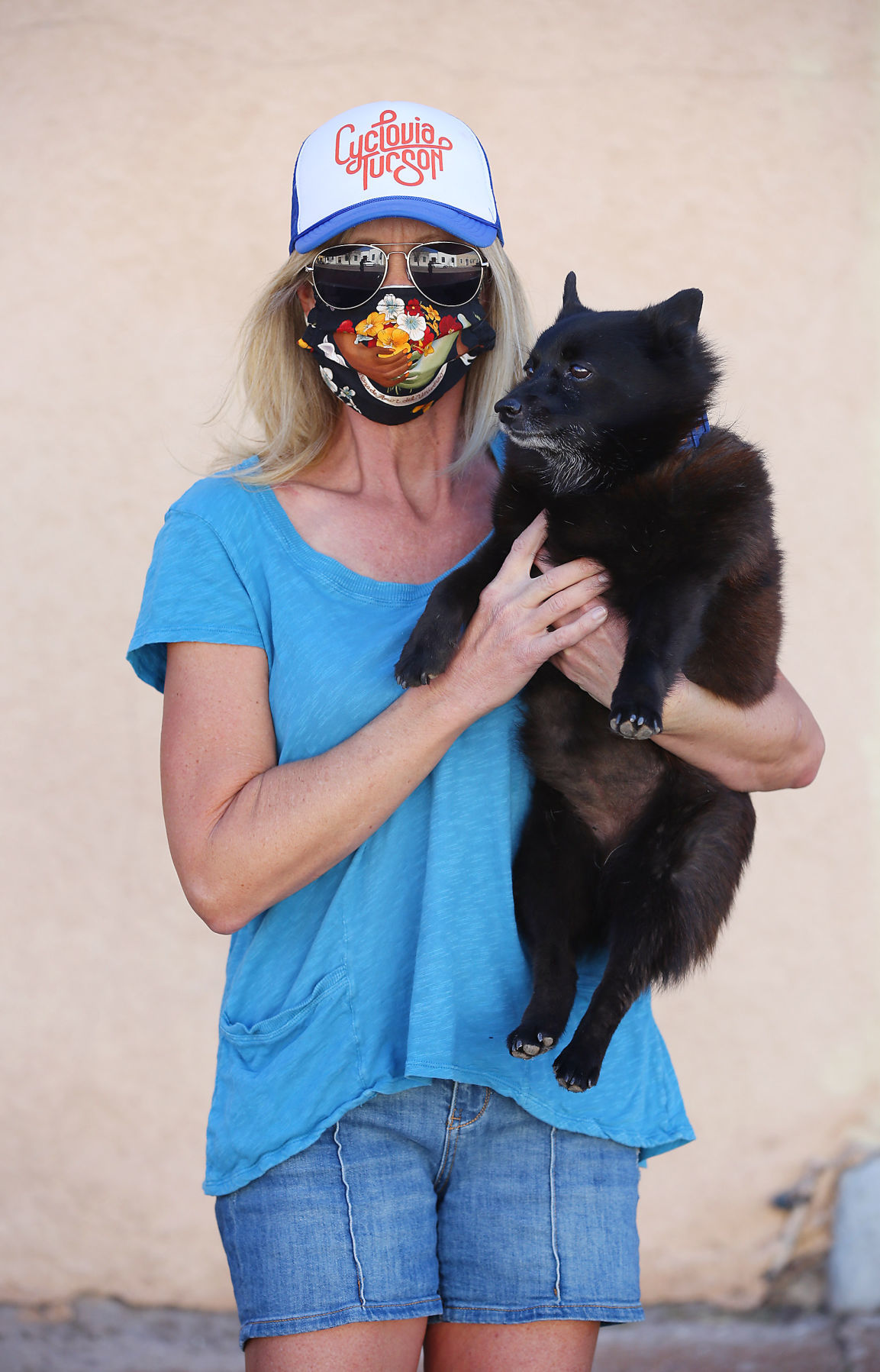
Lori Adkison: "This is reaffirming my belief in community." April 13, 2020
Tucsonans wearing masks, coronavirus
Updated
Sammy Cabrera: "A lot of people grab what they don't need at stores. I don't like the way some people are acting." April 8, 2020.
Tucsonans wearing masks, coronavirus
Updated
Jamie Galindo: "I'm getting over an ex-boyfriend and having to social distance is difficult." April 8, 2020.
Tucsonans wearing masks, coronavirus
Updated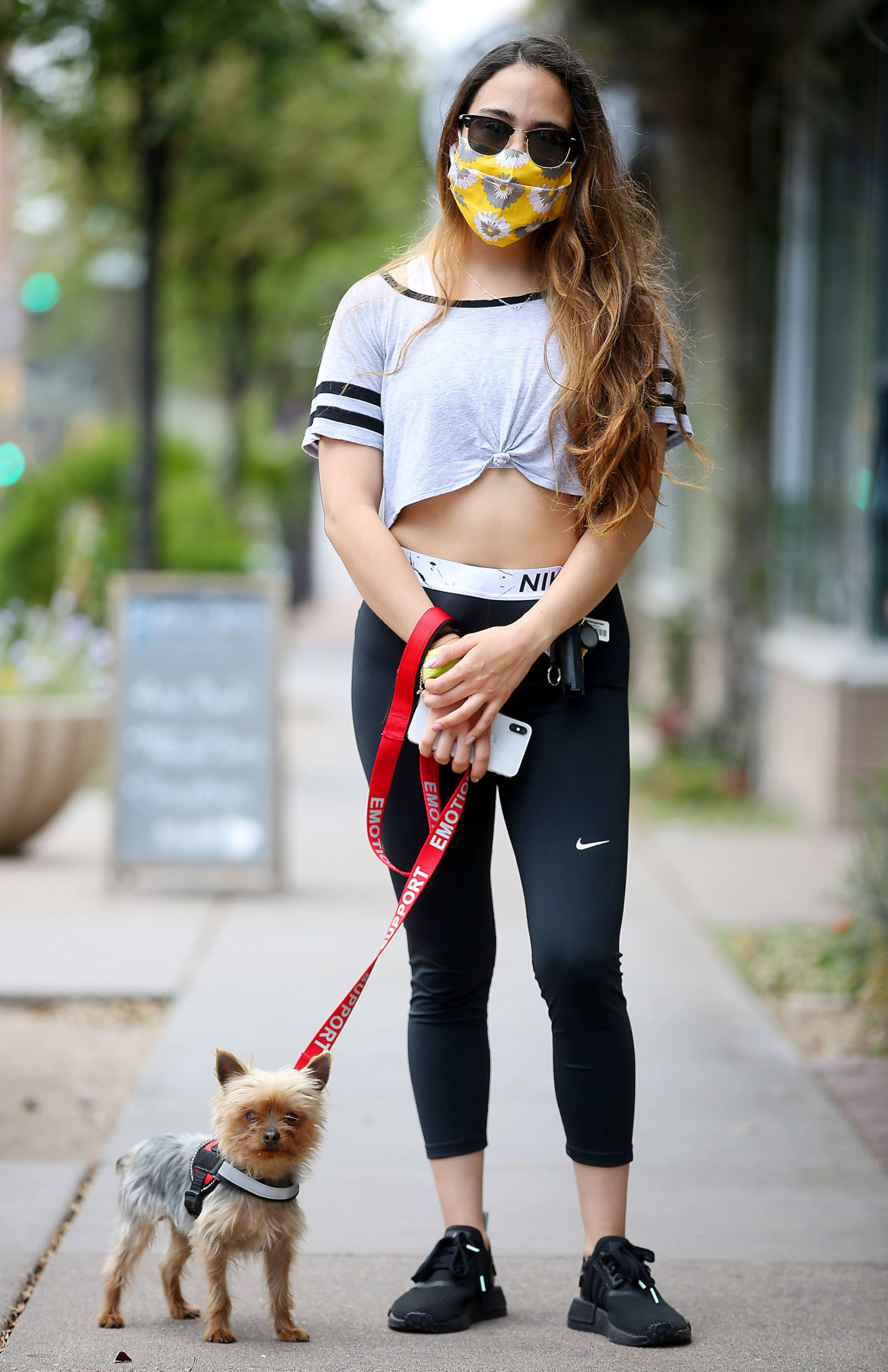
Michelle Arreola: "My whole life is on hold." Job interviews are postponed and the medical college admission test is on hold. April 8, 2020.
Tucsonans wearing masks, coronavirus
Updated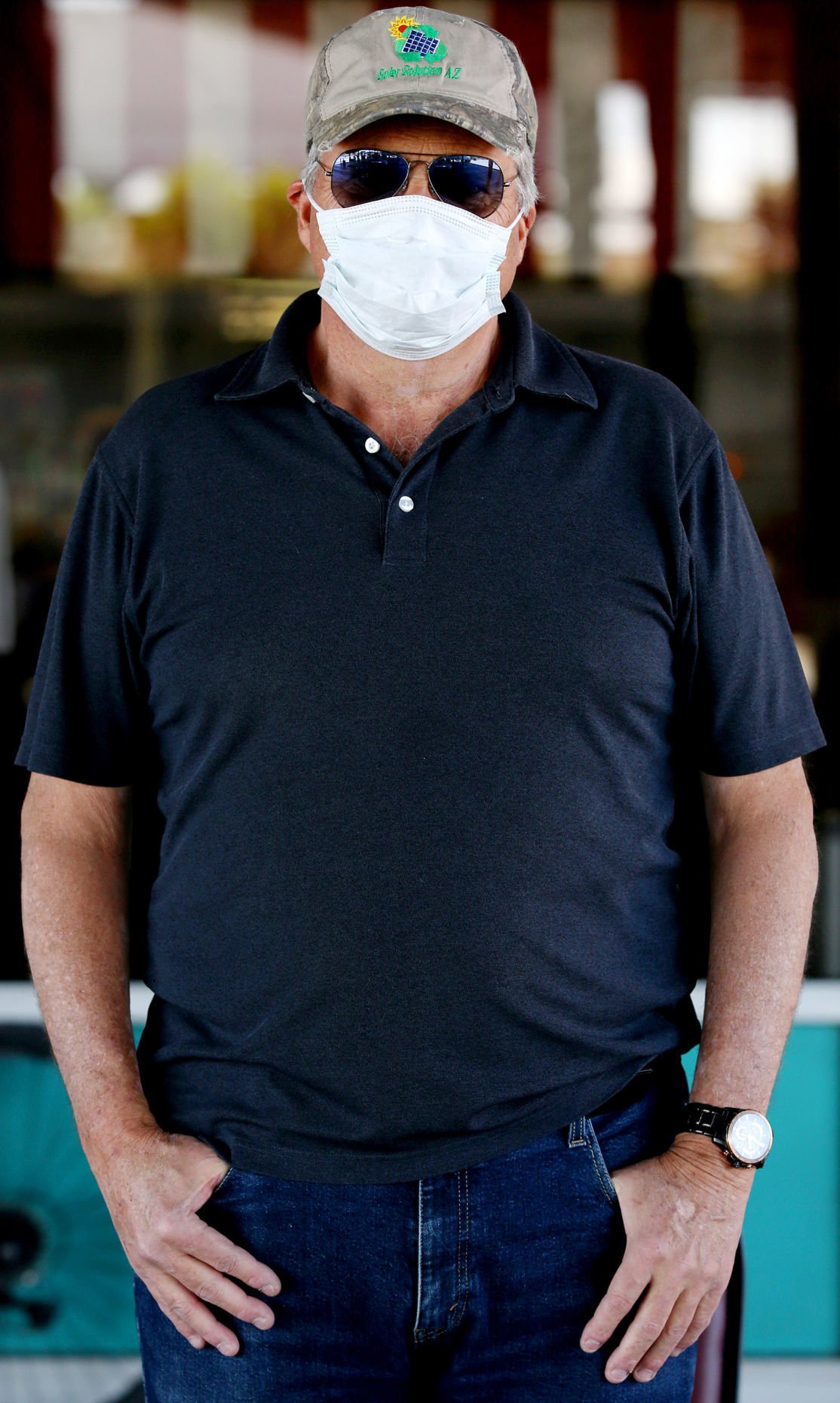
Kent Bauman: "I've had less of an impact. I work for a solar company so we're running full steam. People are home and are thinking about self-sufficiency and thinking about the environment." April 16, 2020
Tucsonans wearing masks, coronavirus
Updated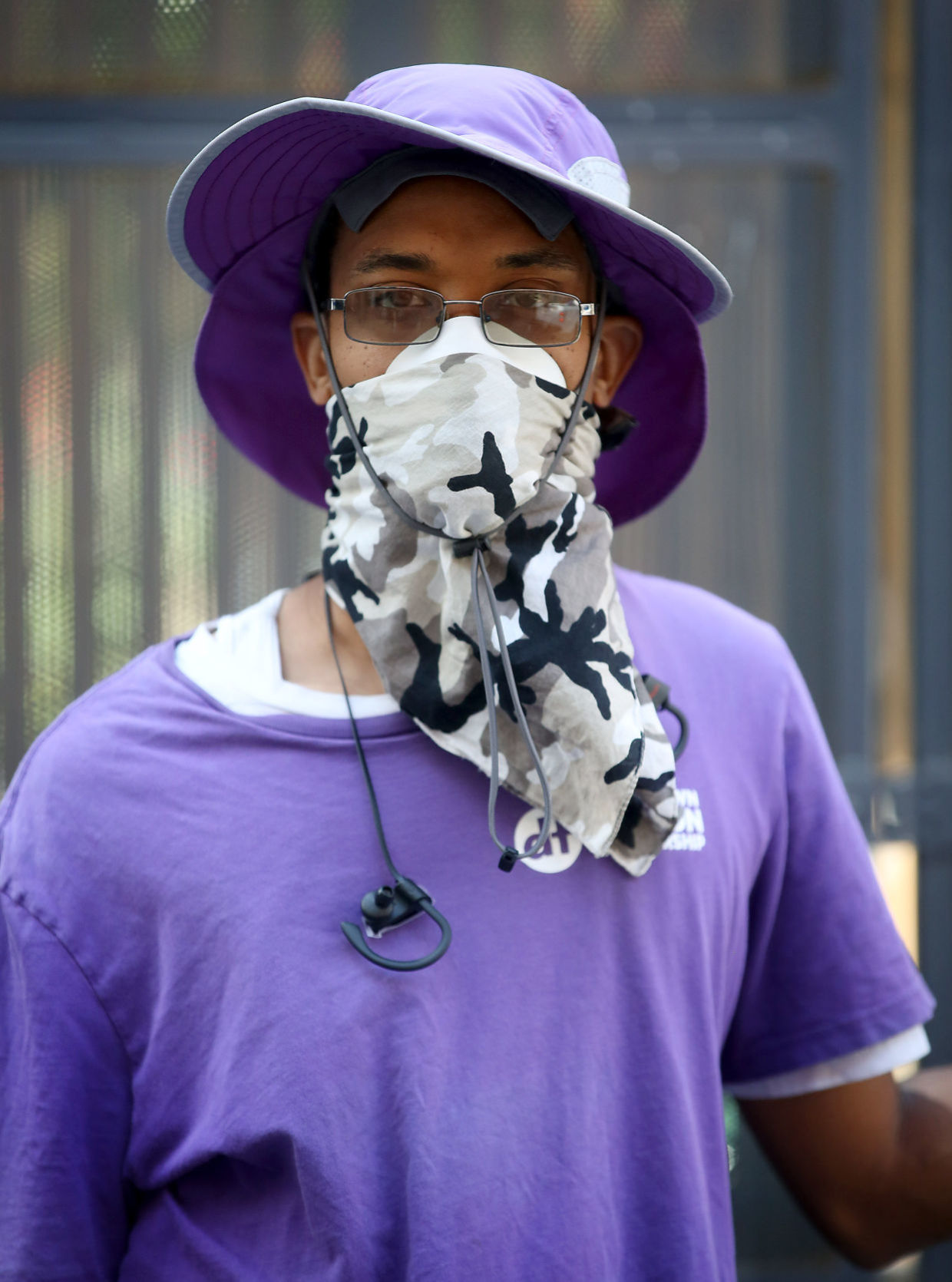
Trevonn Clark: "I miss going to restaurants and the movies." April 8, 2020.
Tucsonans wearing masks, coronavirus
Updated
Laura Eliason: "I wonder when I'll be able to travel and see my family again." April 8, 2020.
Tucsonans wearing masks, coronavirus
Updated
George Ortega, retiree: "I am retired. I wear a mask because it makes me feel good and others feel good." April 6, 2020.
Tucsonans wearing masks, coronavirus
Updated
Fox Nopri: "It has definitely affected me by how I keep up with my behavioral health. Most of the places I go have been closed down or have set dates to close." April 6, 2020.
Tucsonans wearing masks, coronavirus
Updated
Jeronimo "Mo" Madril, owner and executive chef of Geronimo's Revenge: "As an owner and driven person, I am very discouraged. It is what it is." April 6, 2020.
Tucsonans wearing masks, coronavirus
Updated
David Clarke, unemployed bartender: "I am an out of work bartender. Jobs have instantly vanished." April 6, 2020.
Tucsonans wearing masks, coronavirus
Updated
Leonel Cabrera. April 6, 2020.

