




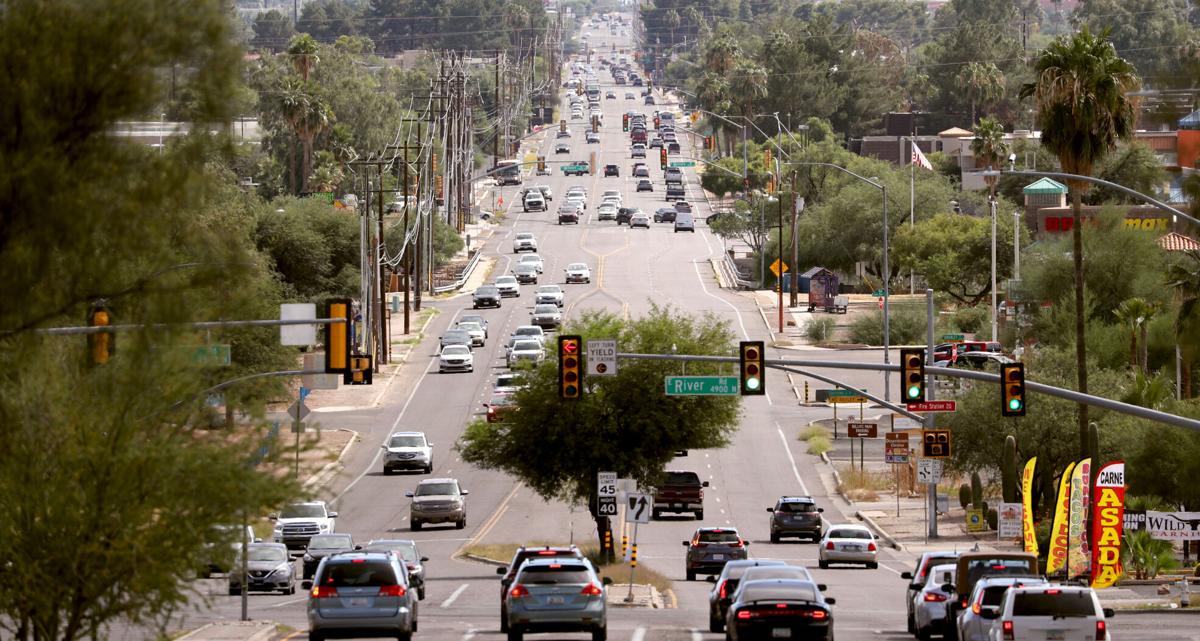
The stretch of North First Avenue between East River and East Grant roads is one of the most dangerous streets in Tucson: Pedestrians there are hit twice as often as they are on nearby streets and it averages more than 100 vehicle crashes each year.
Only 60% of the roadway has sidewalks despite being one of the most pedestrian-heavy streets in the city, with children and elderly people representing a large portion of that area’s population.
A 2006 plan aimed to fix the issue by adding bike lanes and sidewalks as part of a countywide initiative called the Regional Transportation Authority, which uses a voter-approved sales tax to fund roadwork.
The project was scheduled to begin in 2026 — the last year before the current RTA expires — but Tucson is now facing a multimillion-dollar funding shortfall that may prevent the First Avenue roadwork from getting started.
“That is one of the highest concentrations of pedestrian activity in the city of Tucson, which has landed the First Avenue corridor on the city of Tucson’s pedestrian high-injury network,” said Patrick Hartley, Tucson’s Complete Streets Program coordinator. “(That means) it’s in the top 10% of corridors for pedestrian crashes in the city of Tucson.”
Mayor Regina Romero, who sits on the RTA’s governance board, recently presented a plan that could reduce the project’s cost in order to eliminate the gap and still complete the desired upgrades.
The strategy would keep the street’s width at four lanes rather than expanding it to six, part of the original plan that may no longer be needed.
“It has been 15 years since the RTA plan was approved,” Hartley said. “As we’re all aware, our needs have evolved extensively. At that time, they were estimating a population in Pima County of 1.5 million people by 2030 and very significant travel growth along this corridor, which has never materialized.”
A city study found that the existing four lanes on First Avenue will continue to allow sufficient traffic flow even if an additional 10,000 drivers are using the road by 2045 — the highest growth estimate for that time frame. City staffers also conducted a survey that showed widespread public support for the four-lane option among business owners and residents in the affected area.
The adjustment would cut costs by nearly $20 million while keeping all of the other changes to First Avenue identical to the original 2006 plan.
But the fix isn’t necessarily as simple as it may seem, and Tucson needs the majority of the RTA Board’s support to make it happen.
Because the original plan was approved by voters, RTA officials have historically shied away from those types of large scope changes for fear of losing support.
Sahuarita Mayor Tom Murphy echoed those concerns along with Arizona Department of Transportation representative Gen. Ted Maxwell, who said some voters would perceive the change as the RTA failing to deliver what it had promised.
Maxwell also spoke about increased traffic flow on First Avenue still being a potential issue without the extra lanes and suggested rolling the project into the next RTA. It would allow Tucson to use the existing First Avenue funds for other projects and have a “do-over” during the new program, when other funds could be available to complete the full six-lane expansion.
Board members said the First Avenue project could begin construction on the same date regardless of whether it’s pushed to RTA Next, but it’s a gamble for the city.
Tucson has called the RTA’s voting structure unfair, taken issue with the funding shortfalls and vowed to withdraw by Feb. 1 if those complaints aren’t addressed — and city officials said they haven’t been. Maxwell’s proposal could make the First Avenue project dependent on the city’s continued participation in the program.
“With all due respect, General, we have no reason to wait anymore. I feel as though the city of Tucson has carried the load on waiting on projects and if we are going to have an RTA Next, I believe that the people of the city of Tucson need to see the tangible results of their investments,” Romero said.
Another barrier to getting the plan passed may crop up depending on the RTA Technical Management Committee’s review of the proposed changes. The group is tasked with forwarding a recommendation to the board about whether the scope adjustment should be approved.
It’s also unclear how long it will take for the committee to finish its review. Farhad Moghimi, the RTA’s executive director, said he doesn’t expect to have a recommendation “anytime soon.”
Even if all else works out in a timely manner, the city’s proposal still might fall short of filling the overall funding gap.
Tucson needs to come up with an extra $30 million for drainage improvements near the First Avenue area before construction can begin — and those funds haven’t been identified.
“That is an issue that if we don’t have a resolution, regardless of which option you choose, the project cannot move forward,” Moghimi said.
The RTA Board is likely to vote on the First Avenue scope adjustment within the coming months, though it’s not yet clear when that will take place.
Photos: Tucson Controlled Access Highway in 1954
"Citizen Charlie" on SR 84A in Tucson
Updated
Westbound SR 84A (now I-10), east of 6th Ave. in 1954. In 1948, the Arizona State Highway Department approved the Tucson Controlled Access Highway, a bypass around downtown Tucson. It was named State Route 84A, and connected Benson Highway (US 80) with the Casa Grande Highway (SR 84). By 1961, it was reconstructed as Interstate 10.
"Citizen Charlie" on SR 84A in Tucson
Updated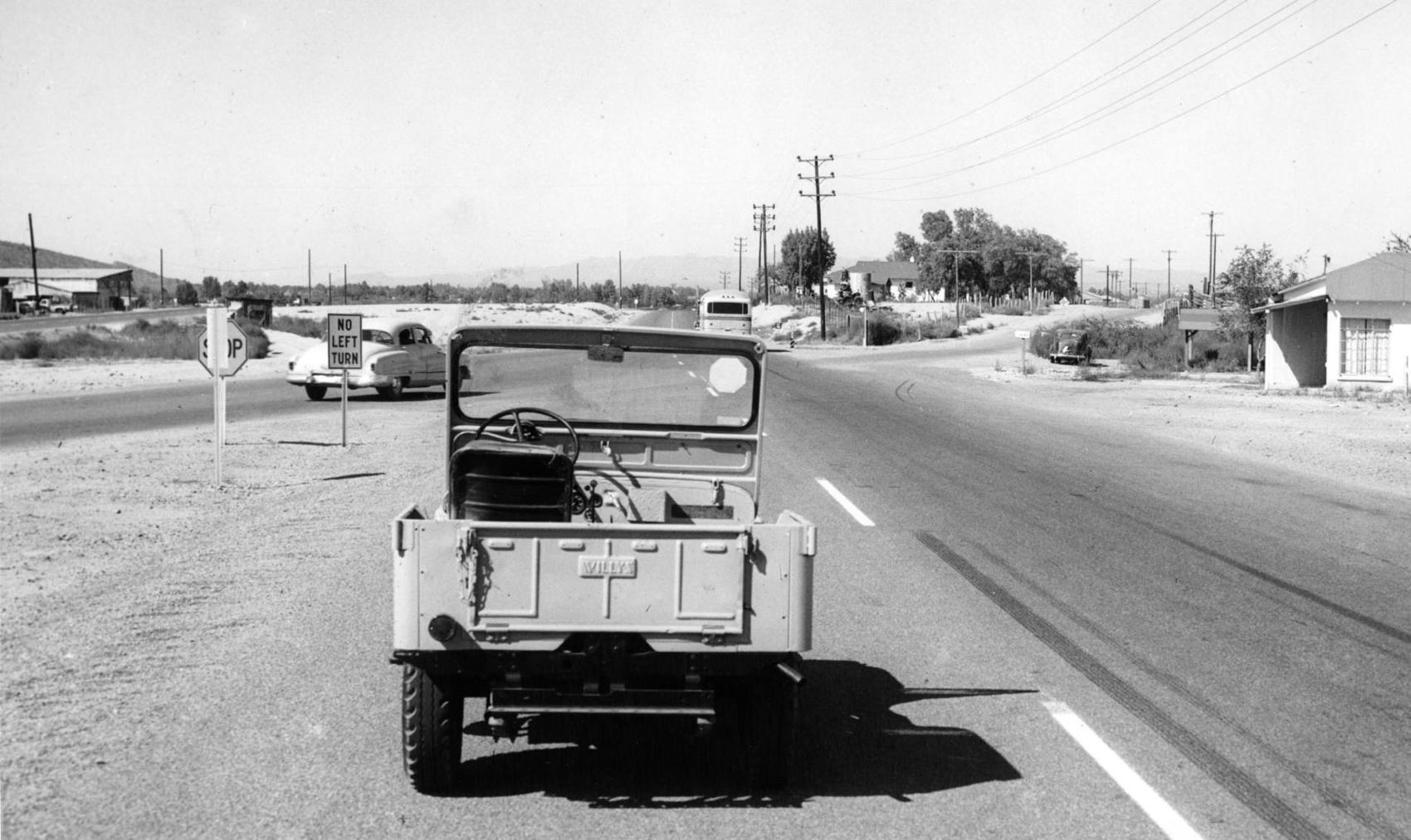
Westbound SR 84A (now I-10) at Orphanage Road (now 12th Ave.) in 1954. In 1948, the Arizona State Highway Department approved the Tucson Controlled Access Highway, a bypass around downtown Tucson. It was named State Route 84A, and connected Benson Highway (US 80) with the Casa Grande Highway (SR 84). By 1961, it was reconstructed as Interstate 10.
"Citizen Charlie" on SR 84A in Tucson
Updated
Westbound SR84A (now I-10) at Congress Street in 1954. In 1948, the Arizona State Highway Department approved the Tucson Controlled Access Highway, a bypass around downtown Tucson. It was named State Route 84A, and connected Benson Highway (US 80) with the Casa Grande Highway (SR 84). By 1961, it was reconstructed as Interstate 10.
"Citizen Charlie" on SR 84A in Tucson
Updated
Westbound SR 84A (now I-10) at St. Mary's Road in 1954. In 1948, the Arizona State Highway Department approved the Tucson Controlled Access Highway, a bypass around downtown Tucson. It was named State Route 84A, and connected Benson Highway (US 80) with the Casa Grande Highway (SR 84). By 1961, it was reconstructed as Interstate 10.
"Citizen Charlie" on SR 84A in Tucson
Updated
Westbound SR 84A (now I-10) at Grant Road in 1954. In 1948, the Arizona State Highway Department approved the Tucson Controlled Access Highway, a bypass around downtown Tucson. It was named State Route 84A, and connected Benson Highway (US 80) with the Casa Grande Highway (SR 84). By 1961, it was reconstructed as Interstate 10.
"Citizen Charlie" on SR 84A in Tucson
Updated
Westbound SR 84A (now I-10) at US 80 (Miracle Mile) in 1954.In 1948, the Arizona State Highway Department approved the Tucson Controlled Access Highway, a bypass around downtown Tucson. It was named State Route 84A, and connected Benson Highway (US 80) with the Casa Grande Highway (SR 84). By 1961, it was reconstructed as Interstate 10.

