



Tucson Electric Power will convert two of the four coal-fired power generating units at its Springerville power plant to natural gas by 2030, the utility announced Tuesday.
The conversion of the two units at the Springerville Generating Station will reduce the units’ greenhouse gas emissions via carbon dioxide by 40%, the utility said.
That will help TEP reach its stated goal of achieving a “net zero” status for its entire electricity delivery system by 2050, it said in a news release announcing the conversion.
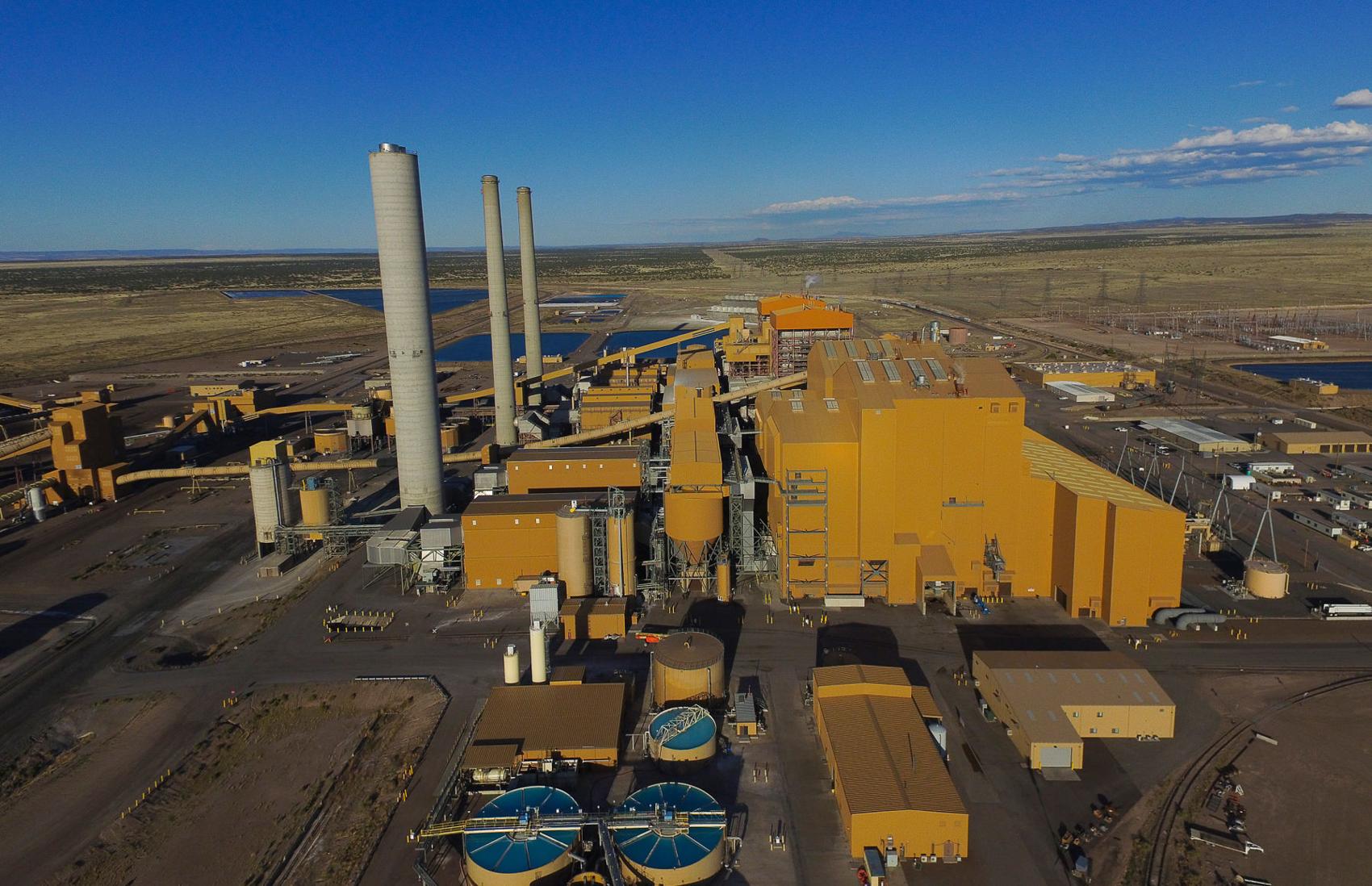
The Springerville Generating Station.
“Net zero” means the utility would offset any greenhouse gas emissions produced by a new energy source with emission cutbacks by another source or by other means.
The utility’s plan represents a slight change in its strategy from its most recent long-term, integrated resource plan published in 2023. At the time, TEP said it would close Unit 1 at Springerville in 2027 and Unit 2 in 2032. That plan didn’t offer any blueprint for replacing the closed generating units but said some form of replacement power would be necessary.
The change means Unit 1 of the Springerville plant will burn coal three years longer than previously planned and Unit 2 will burn coal two years less than previously planned.
In its news release, TEP said converting these units to natural gas will provide comparable generating capacity to the coal-fired units while costing less than building new plants such as a new gas-fired facility or a solar plant combined with long-term battery energy storage to insure reliability of the system.
The natural gas conversion also will provide greater cost certainty compared to the continued use of coal, TEP said. Its 2023 plan called for retiring the coal-fired plants due to rising fuel costs, increasing delivery risks, anticipated mine closures, and environmental considerations and regulation.
“Although current federal policy is supportive of coal-fired generation, those long-term risks remain,” TEP said.
Reacting to the utility’s announcement, Sierra Club leader Sandy Bahr said, “Of course, we want them to stop burning coal sooner but replacing it with another fossil fuel that contributes to poor air quality and uses a lot of water, that’s not a good solution.
“We would love to see an analysis of replacing that generation with truly clean energy. Solar, wind plus battery storage,” said Bahr, director of the Sierra Club’s Grand Canyon chapter.
She added that she means “things that don’t put emissions into the air that are contributing to the warming of the planet and that don’t emit hazardous air pollutants.”
Gas-fired plants emit nitrogen oxides, an active ingredient in the formation of ozone pollution that’s linked to respiratory diseases.
“I’d like to see if this is the best option for ratepayers. What would it look like if they replaced that generation with clean energy?” Bahr asked.
But renewable energy resources can’t yet match “the reliable, around-the-clock performance of natural gas generation at an affordable price,” TEP said.
“Although solar and wind energy can be supplemented with energy storage to provide additional availability, most large scale battery systems operate for only four hours — not long enough to provide the 24/7 reliability customers need,” the utility said as part of a series of questions and answers about the conversion that accompanied its news release.
The plant lies about 175 miles northwest of Tucson and about 15 miles outside the town of Springerville near the New Mexico border.
TEP has been operating the Springerville plant since 1985. The plant contains four generating units, all of which TEP operates but two of which — units 3 and 4— are owned by Tri-State Transmission Association and the Salt River Project, respectively.
Gov. Katie Hobbs praised TEP’s decision in a statement contained in the utility’s news release.
“A resilient grid that’s reliable, affordable, and sustainable is core to delivering on the Arizona Promise,” Hobbs wrote. “This plan will deliver cleaner air and lower costs, while strengthening communities in northeastern Arizona and building a more resilient energy future.”
Springerville Mayor Shelly Reidhead added, “Springerville Generating Station isn’t just a power plant. It’s a lifeline” to the area’s communities.
“This commitment to repower the plant with natural gas helps ensure a brighter future for this region, saving jobs, stabilizing the tax base and attracting future energy investments,” Reidhead said.

