



An apparent succession plan is unfolding before our eyes.
Adelita Grijalva has announced her intention to run for her late father’s seat, and she quickly gathered the necessary signatures to appear on the ballot, before any other candidates.
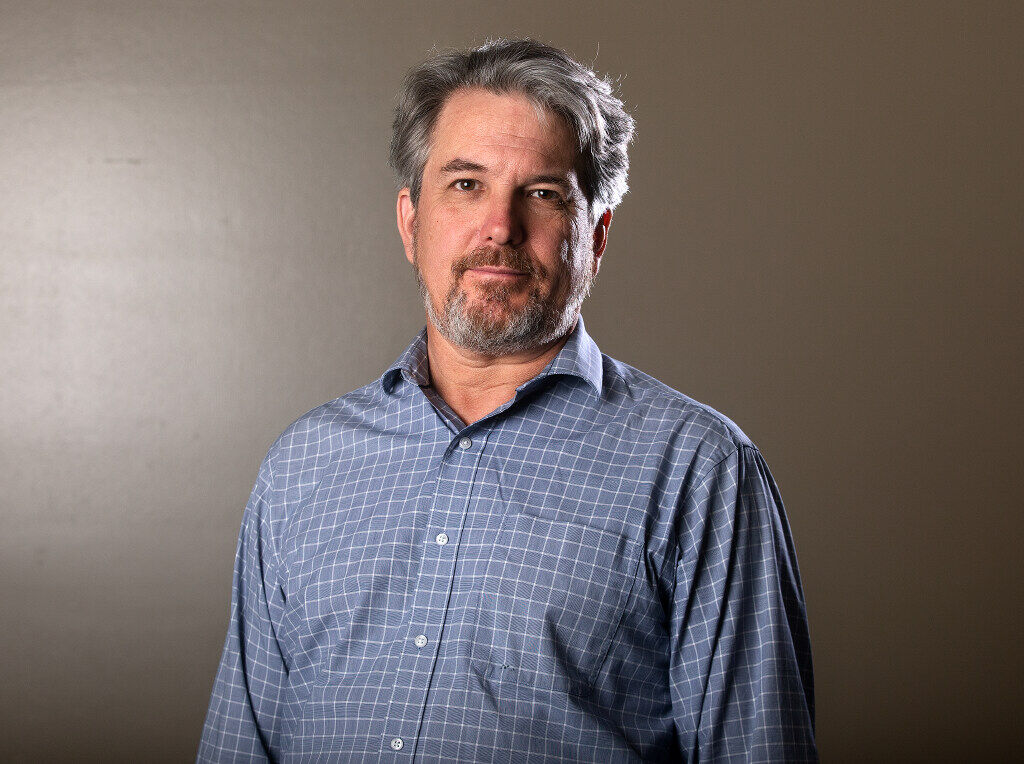
Arizona Daily Star columnist Tim Steller
Grijalva is resigning this week from the District 5 seat on the Pima County Board of Supervisors, which must then appoint her replacement. Former legislator and Grijalva ally Andrés Cano plans to apply and seems a likely pick.
The cyclical nature of these possible changes is something to behold. Grijalva has already followed her father’s footsteps as a member of the Tucson Unified School District board, and as a member of the Pima County Board of Supervisors before deciding to try for her father’s seat in Congress.
Cano, meanwhile, got his start working in a political office as an aide to Richard Elias, the man who replaced Raúl Grijalva on the board in 2002, when Raúl Grijalva resigned to run for Congress. After Elias died in 2020, Adelita Grijalva won Elias’ seat in the next election. Now she’s aiming for Congress and Cano is headed toward her seat.
You get the picture? People in the Grijalva orbit are moving up toward the roles they previously trained for. Inevitability is in the air.
But as qualified as Grijalva and Cano are, these selections shouldn’t be inevitable.
A seat in Congress and another on the board of supervisors are powerful positions that pay well and could be held for many years by whoever wins them next. No matter what the qualities and experiences of the candidates with the inside tracks, leaving these selections up to inevitability would be shirking our duty.

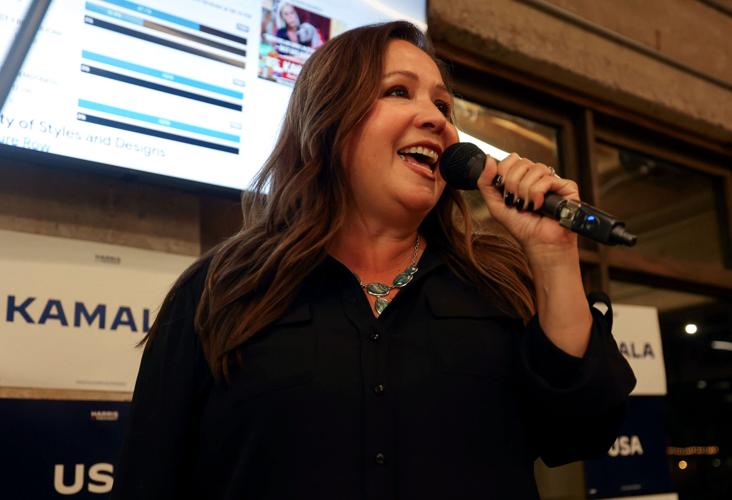
Adelita Grijalva, seen here at a primary election watch party in July, is the front-runner to take her father's congressional seat.
A member of the Pima County board is paid $96,600 per year and gets one of five votes on the board. A member of the U.S. House is paid $174,000 per year and has travel and other expenses covered while getting one of 435 votes. The jobs shouldn’t be handed out like plums, even for strong candidates like Cano and Grijalva.
Iron sharpens iron. They ought to earn it.
In Grijalva’s case, she will likely have competition for the Democratic nomination. Thirteen other Democrats have filed statements of interest to run for the nomination. Probably only a handful of them will actually follow through and get the petition signatures necessary to get on the ballot, but we can expect a race.
Daniel Hernandez, the former legislator and Sunnyside school board member, is the best known of the group. He and his sisters, legislators Consuelo and Alma Hernandez, have long represented a more business-oriented Democratic alternative to the Grijalva group on Tucson’s south and west sides.
The other Democrats who have filed statements of interest are: Jose Aguilar, Samuel Alegria, Nyles Bauer, David Bies, Trista di Genova, Patrick Harris Sr., Victor Longoria, Jose Malvido Jr., Samantha Severson, Scott Sheldon, Danielle Sterbinsky and Stefawna Welch. These are not well-known political names, but I’d love to see a couple of candidates with good experience qualify for the ballot and make a case as competitors to Grijalva in the July 15 primary election.
The Sept. 23 general election is likely to be a solid win for the Democratic nominee, if only based on the partisan tilt of the district. Still, it’s also good that 10 Republicans have stated their interest in running, as have two Libertarians, a Green and a No Labels affiliate.
Grijalva and her team will be forced to perform, and that’s a good thing. After winning the election in 2002, her father only had one close race out of the next 11 that he won, in 2010.
Cano didn’t have the same family upbringing in politics that Adelita Grijalva did, but he served as an intern in the District 5 office he is applying for as a high school student. After serving as a young policy aide to Elias, he won election to the Legislature in 2018, rising to House minority leader. He then quit the Legislature to get a master’s degree in public administration at Harvard.
He’s been coming to this job for a long time, too.
Cano will have to compete with anybody qualified who applies to replace Grijalva. But whoever wins the vote of at least three of the four remaining board members will have a strong path to election in 2026 and re-election after that.
After Elias’ death, the board picked Betty Villegas as his replacement, knowing she did not plan to run for the office when Elias’ term expired. This time, they are open to people who are planning to run for election.
That puts Cano in a strong position.
But the board, like the voters of CD 7, ought to be open to alternatives. An air of inevitability shouldn’t win the day. The strongest candidates should.

