



The sex-crime allegations against late labor icon César Chávez will result in a review by the Tucson and Pima County of the holiday and other "assets" named in his honor, officials say.
Pima County, which employs 7,000 people, observes a floating holiday for its workers at the end of March. Supervisors Andrés Cano and Jen Allen both said in the wake of the bombshell investigation by the New York Times, published Wednesday, that the county will revisit the holiday, county assets and streets bearing Chávez’s name.
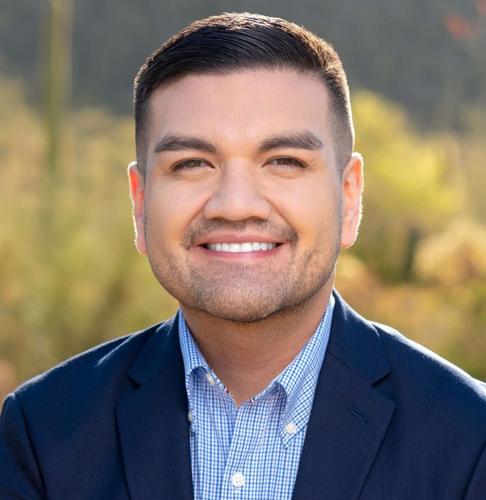
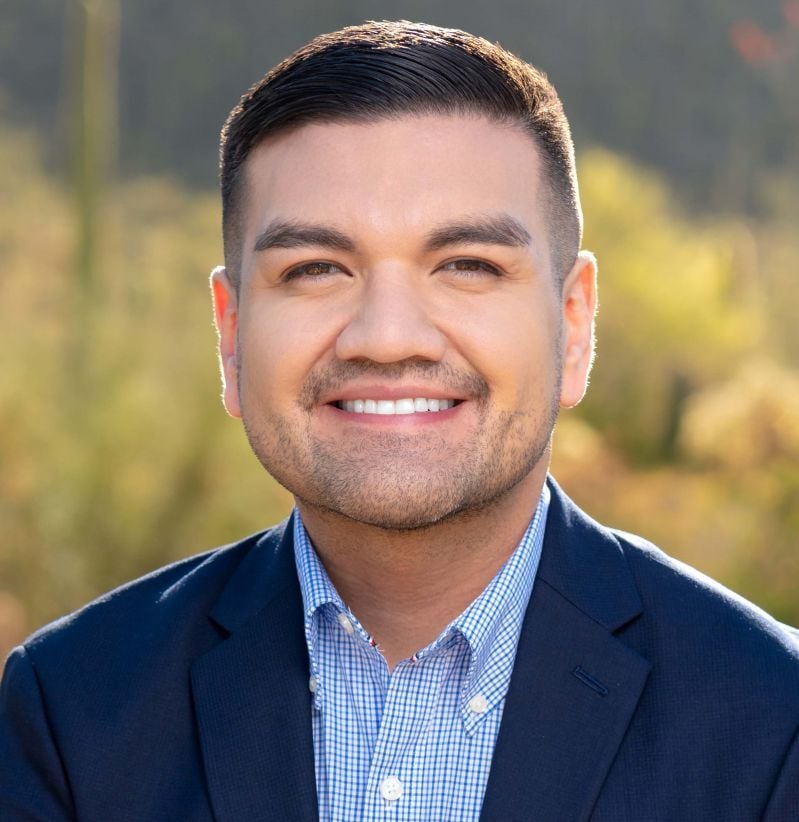
Cano said he asked that an item be added to the board's Tuesday meeting agenda to rename the holiday, “and to begin the process of removing County assets that bear his name and image.”
“The pain Mr. Chavez caused these women is disgraceful and inexcusable, and we must join these survivors in seeking justice,” Cano said in a written statement. “Too many of our families and neighbors impacted by sexual abuse are taught to grieve in silence. I know this experience firsthand. Silence cannot be the answer. Men need to be allies and speak up when children and women are telling us their truth.”

Allen
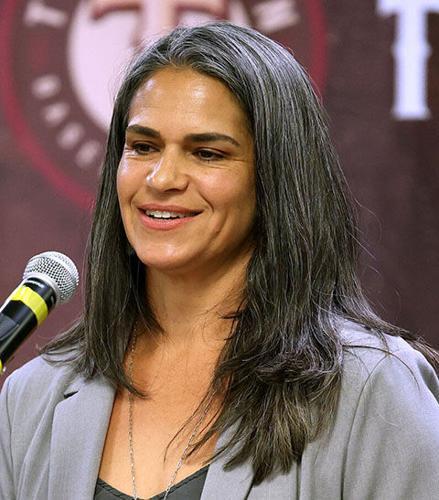
Allen, the board’s chair, said the news about Chavez “and the girls and women he has traumatized, is destabilizing.”
“Community leaders are always imperfect, but they should never be sexual predators,” Allen said. “I learned organizing from mentors who were organizers in the farmworkers movement — and grew up during the grape boycott.
"I am thankful for the incredible courage of Dolores Huerta, Ms. (Debra) Rojas, and Ms. (Ana) Murguia for speaking out publicly about the assaults they endured while working for farmworker justice," Allen said, referring to women who told the New York Times that Chávez sexually abused them. Rojas and Murguia told the Times the abuse started when they were 12 and 13 in the 1970s.
"In the coming weeks, we, like other communities across the country, will be revisiting holidays, street names, and events," Allen said.
Cano
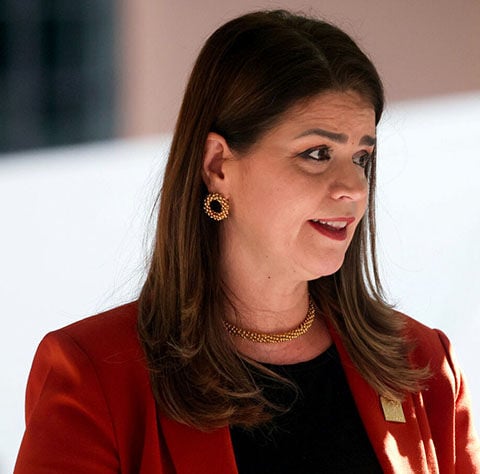
Additionally, the city of Tucson, which recognizes March 31 as a paid holiday for city workers in recognition of Chávez and Dolores Huerta, who co-founded the United Farm Workers of America union, will begin working to address the name of the holiday “while continuing to honor workers and acknowledging the work that still needs to be done,” said Mayor Regina Romero.
The City Council had planned to declare March 31, Chávez’s birthday, as "César Chávez and Dolores Huerta Day" during its meeting Tuesday night, but the item was removed from the meeting agenda as news of the allegations spread. The council’s next scheduled meeting is March 31.
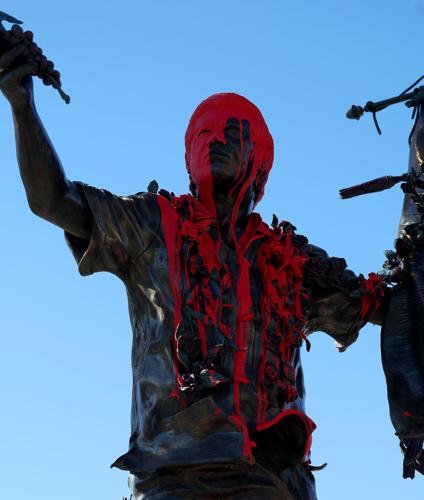
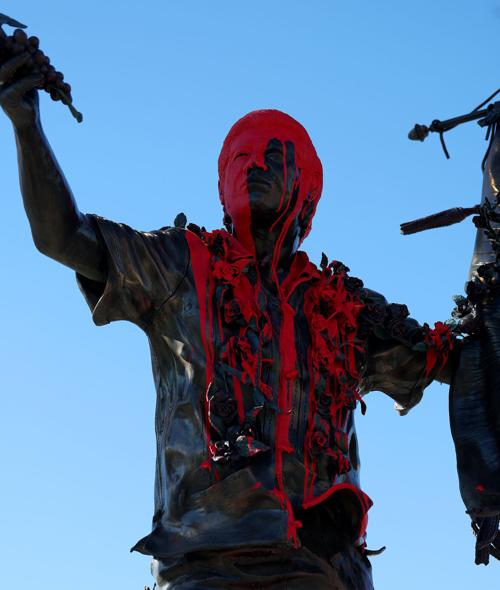
In addition to holidays, there is also the Viva César Chávez art installation spanning the Sixth Avenue overpass of Interstate 10, and Jardín César Chávez, a mini park off South Stone Avenue between West 17th and West 18th streets.
Romero, who grew up in Somerton, near Chávez's birthplace of Yuma, said her farm-working parents were one of many families who participated in the UFW’s fight for better wages and better working conditions. Romero was a Tucson City Council member when the city holiday in Chávez's honor was created, and recently, the council added Huerta's name to the local holiday.
The revelations left her “personally devastated,” Romero said.
Romero
"The changes that Chávez and the United Farm Workers brought to working families and people working in the fields were significant, and our family was the beneficiary of those changes,” she said, fighting through tears. “I know how important it is to make sure everyone knows health and resources are available to people who need them right now. We must believe survivors and help all heal.”
Council member and Vice Mayor Lane Santa Cruz said it will take time to know the extent of the harm done by Chávez, but it's important to recognize "that this is not an isolated situation."
"Harm in movement spaces is too common and too often it has been minimized or pushed aside in the name of protecting the work or the legacy of individuals. That has not protected our communities. It has not protected our women and children, and we have to do better," Santa Cruz said. "These victories were bigger than one individual, because they required collective action. Everyone who's participated in protest strikes or marches deserves to be celebrated."
The New York Times, as a result of a five-year investigation, reported Wednesday that it found credible evidence that Chávez groomed and sexually abused young girls who worked in the farmworkers' civil rights movement. Huerta, the UFW co-founder, and others told the Times that Chávez sexually assaulted them.
The same day the Times’ news story was published, Huerta revealed that the sexual abuse she endured from Chávez led to the births of two children, a secret she kept for 60 years. Huerta said she kept her pregnancies a secret, and after the children were born, arranged for them to be raised by other families "that could give them stable lives."
Photos: UFW founders César Chávez and Dolores Huerta in Tucson over the years
César Chávez
Updated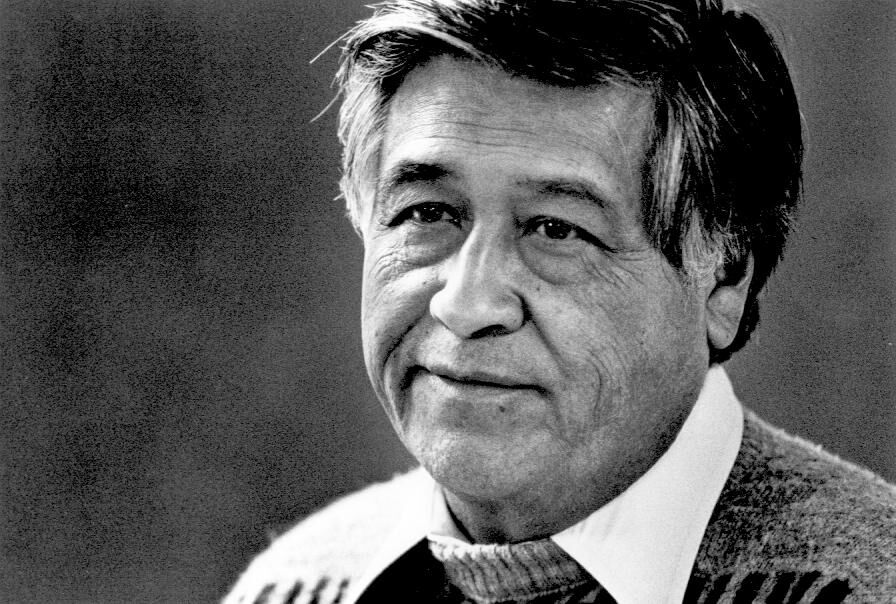
César Chávez on December 19, 1986.
César Chávez
Updated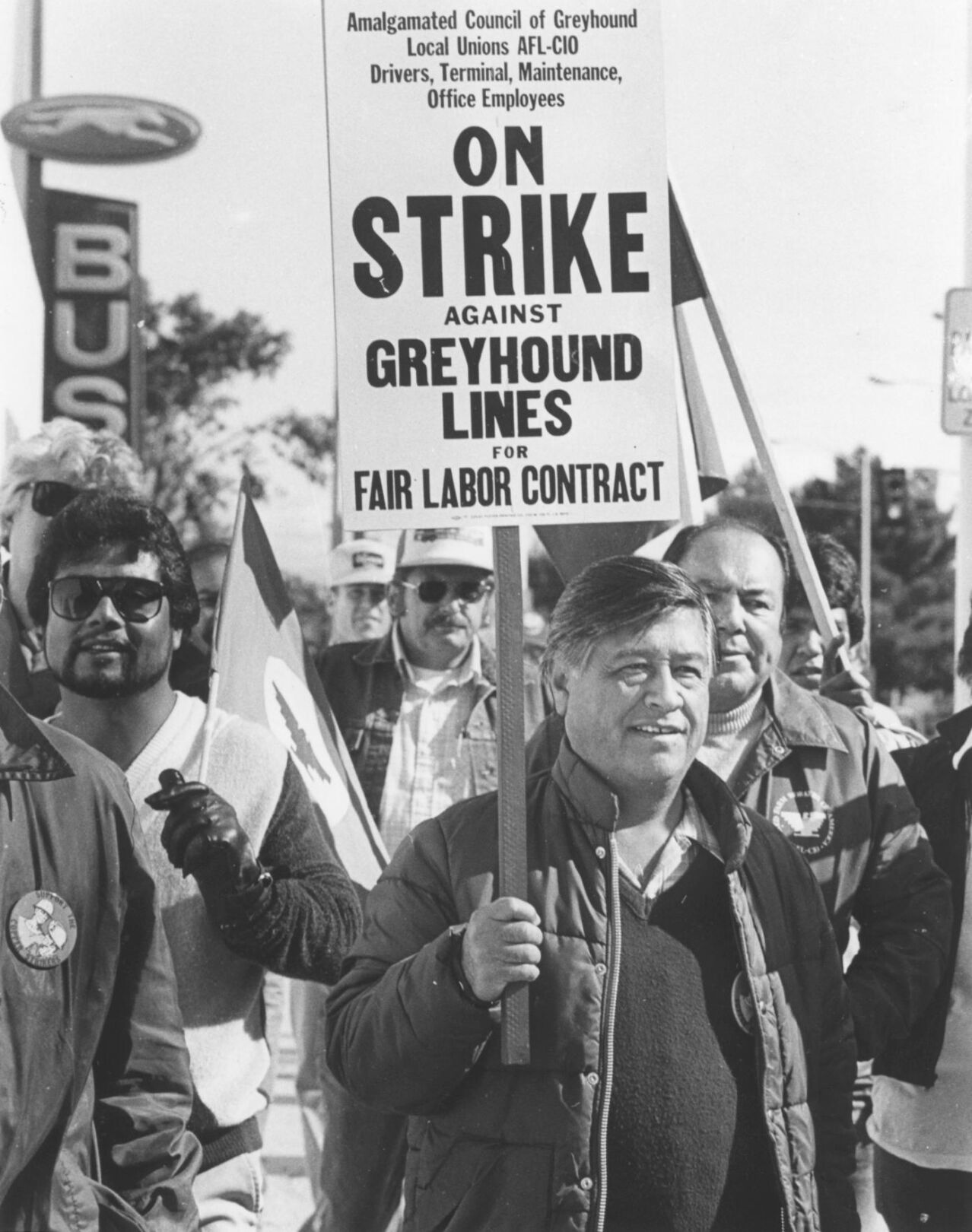
United Farmworkers Chief César Chávez joins strikers at the Tucson Greyhound Bus Station November 26, 1983. He had been at the IBEW Electricians Local 769, and was on his way to Ajo Ariz. to speak to copper strikers.
César Chávez
Updated
César Chávez
Dolores Huerta
Updated
Dolores Huerta, co-founder of the United Farm Worker's Union, speaks at the University of Arizona’s Mexican American students convocation on May 16, 1997.
Dolores Huerta
Updated
Dolores Huerta with a portrait of César Chávez, both civil rights leaders and co-founders of the United Farm Workers on July 26, 2000.
Dolores Huerta
Updated
Dolores Huerta, co-founder and current secretary-treasurer of the United Farm Workers, speaks at Rudy Garcia Park as part of a remembrance of César Chávez on April 2, 2006. Huerta co-founded the UFW with Chávez.
Dolores Huerta
Updated
Activist Dolores Huerta holds a sign with Maya Arce, far right, during the annual César Chávez March in Tucson, Ariz., on Saturday, March 31, 2007. Hundreds marched from Pueblo High School to Rudy Garcia Park near the rodeo grounds then listened to music and speeches from local politicos and Huerta.
Dolores Huerta
Updated
Dolores Huerta, second from right, sings Las Mananitas, a traditional Spanish birthday song, with Salvador Martinez, far right, and the members of the group Mariachi Las Aguilas de Aztlan at Rudy Garcia Park in Tucson on Saturday, March 31, 2007. Huerta cofounded United Farm Workers with César Chávez. She participated in a march for Chavez’s birthday.
Dolores Huerta
Updated
Activist Dolores Huerta, a close associate of the late Chicano activist César Chávez, gives a speech in Tucson after participating in a march commemorating his birthday on Saturday, March 31, 2007.
Dolores Huerta
Updated
Dolores Huerta, co-founder of the United Farm Workers of America speaks to students at Sunnyside High School in Tucson, Ariz. Friday, April 4, 2008.
Dolores Huerta
Updated
Dolores Huerta, co-founder of the United Farm Workers of America, talks to marchers before the start of the 8th Annual César Chávez March and Rally for Peace and Justice at Pueblo High School on April 5, 2008. Richard Chávez, brother of César Chávez, stands on the right.
Dolores Huerta
Updated
Dolores Huerta, a life-long civil rights activist and friend of Congressman Raul M. Grijalva speaks during his celebration of life ceremony at El Casino Ballroom, 437 East 26th Street, Tucson, Ariz., March 26, 2025.

