






In 1979, Arizona State University fired football coaching legend Frank Kush after he was accused of hitting a player and then pressuring players and other coaches to obstruct the subsequent investigation.
To say lots of folks in Tucson weren't exactly broken up by Kush's demise is an understatement. The downfall of the coach whose teams had tortured the Wildcats year after year was certainly celebrated by U of A fans.
But for Richard Gilman, then assistant managing editor of the Arizona Daily Star, the Kush debacle, which exposed player abuse and other NCAA violations at ASU, posed an unanswered journalistic question closer to home: If ASU's program was so corrupt, what kind of a football operation was the University of Arizona running? Were there similar issues lurking beneath the surface of Wildcat athletics?
"I thought it was the Star's responsibility" to answer that question, Gilman recalled last week in an interview.
So he went to Frank Johnson, the Star's longtime managing editor, and then to Jon Kamman, the city editor, and made his case.
They agreed with him 100%. So did the paper's executive editor, Bill Woestendiek.
Gilman told the other editors that he didn't think the Star's Sports department should be given the assignment.
The beat writers, he argued, were too close. Trying to investigate the football program while covering it would engender conflicts, as well as compromise their relationships with sources.
The news side, he said, also had more experience with investigative work. That's where the story should be assigned.
Again, Johnson agreed with him — and that made it Kamman's story to pursue.
For that task, he chose two reporters who couldn't have been much less alike — but both had proven investigative talent.
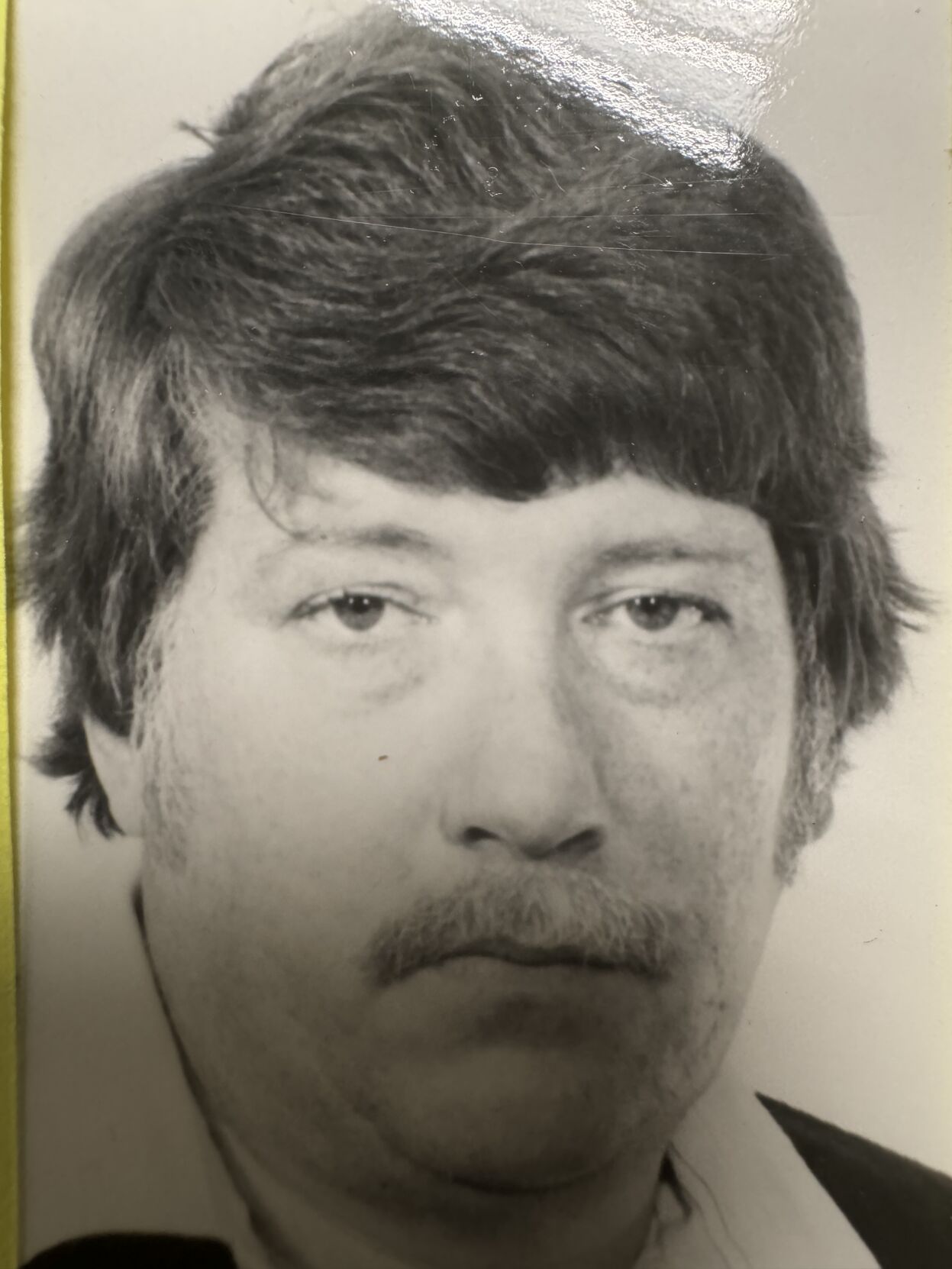
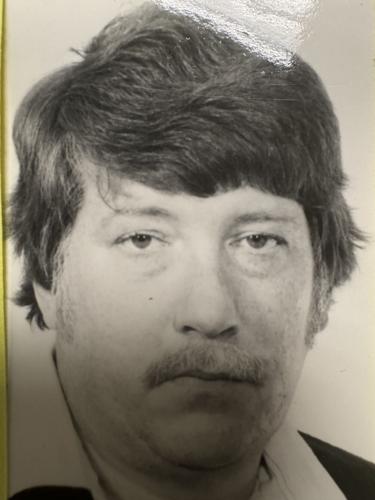
Clark Hallas
Clark Hallas, then 44, was a veteran reporter, hired a couple of years earlier from the Pittsburgh Press, where he had dug up stories on investment fraud, organized crime, the drug trade and police brutality.
Lowe was just four years out of Stanford, still in his 20s. He got a summer job with the Arizona Republic out of college, then caught on at the Phoenix Gazette, where he covered the Legislature for a year before applying to the Star. He spent another year for the Star at the Legislature, then covered some local government and started working on investigations. His first project was an investigation of immigrant women being forced into sterilizations in Pinal County. He discovered that he liked the investigative work.
Hallas was disarming, soft-spoken, kind of a Columbo-type personality, a chain smoker, rumpled, almost shambolic. But people liked him. And opened up to him. Lowe was sharper-edged. Both were great with documents. And when they got the scent of a story, both were relentless.

This photo from 1972, eight years before the Mason stories, shows Managing Editor Frank Johnson in his office at the Arizona Daily Star
Unusual expenses
They began by requesting football program financial records.
In the bowels of the University's records area, they pored over the documents, and some of the recruiting-expense records didn't look quite right. Most of the records of recruiting trips had the player's first and last names attached, and so they were easy to track. But some of the records had only a last name and a first initial. And the last names weren't those of any recruits they could find records of.
They matched the suspicious trips with phone records from the same period, and discovered on one call that there was no football player with that last name and first initial, but there was a 36-year-old woman who was a friend of Arizona football coach Tony Mason's.
Soon it became clear that several of the travel records marked "recruit" or "prospect" had nothing to do with recruiting, but were expenses that should have been paid personally, not by the university.
Investigation launched
Back then, in January of 1980, I was an assistant city editor at the Star, working for Jon Kamman. One day, he said, "Hey, take a read of this story, would you?"
"Football coach Tony Mason used University of Arizona recruiting funds at least six times to bring non-recruits to Tucson, billing the UA once for a resort stay by the owner of a California massage studio, the Arizona Daily Star has found."
That story ran Sunday, Jan. 13, 1980 — played modestly, well below the fold on Page A1, headlined, "UA spends football recruiting money on non-recruits." (The lead story that day was a dry New York Times "think piece" about Jimmy Carter's tense relationship with the Soviet Union.)
It was the first of at least 30 stories Lowe and Hallas would write about evident wrongdoing within the football program.
A reaction story the next day quoted some members of the Wildcat Club and others expressing concern, but most said they were satisfied with the explanations offered by Mason and Athletic Director David Strack. But by Wednesday of that week, Arizona Attorney General Bob Corbin, the Board of Regents and the state's auditor general had all announced they would be investigating the matter.
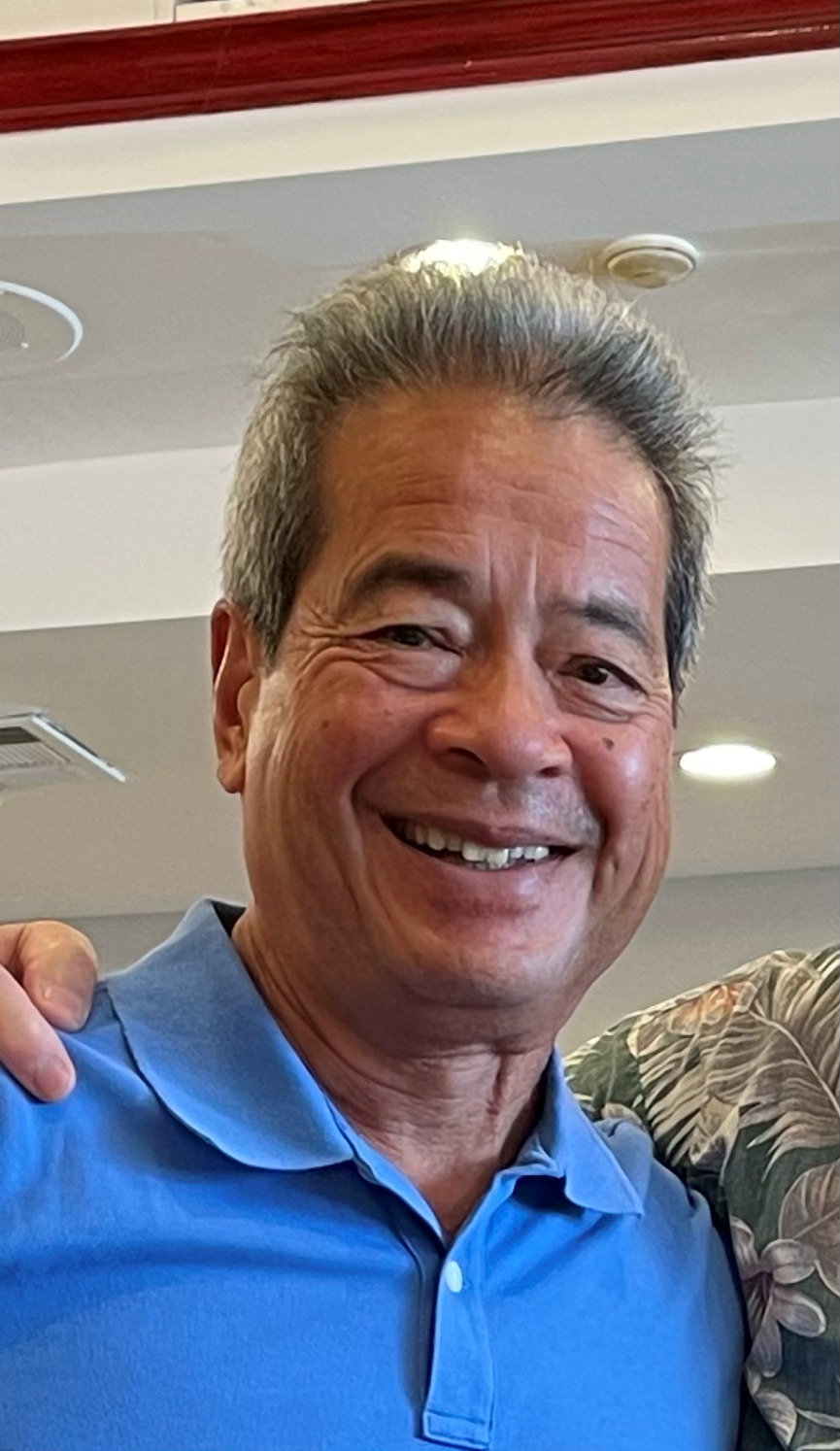
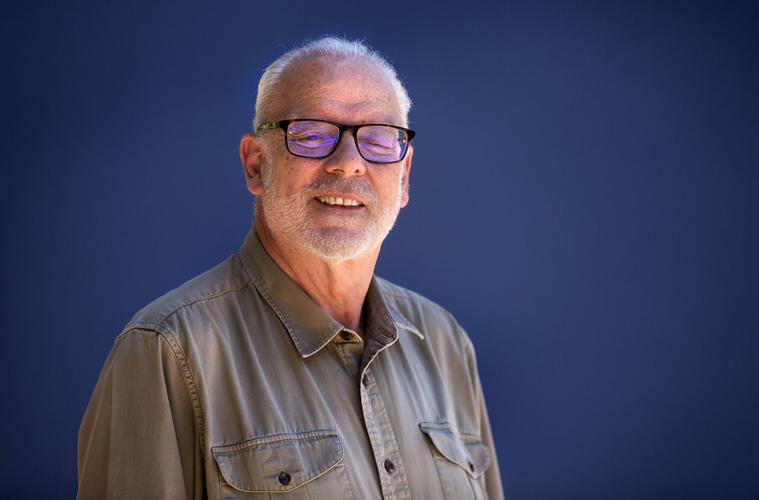
Bob Lowe today: “Having won the Pulitzer enhanced everything I did moving forward.”
'Flights to nowhere'
About 10 days later, Kamman and I were in the daily news meeting when Hallas poked his head into the room and asked us to step out.
I walked right into one of the larger human beings I'd ever seen. He was Cleveland Crosby, an All-American tackle, and he told us he'd been paid by the City of Tucson Parks and Recreation Department for work he'd never done.
Feb. 3, 1980:
Three University of Arizona football players and one player's wife have been issued checks for nearly $6,000 in city funds for jobs they say they never performed.
More investigations sprang to life — the City of Tucson, the Tucson Police Department, even the FBI, wanting to know if federal funds were involved (they apparently weren't).
By now, boosters and alumni who supported the football program were getting plenty irritated with the Star. A delegation of auto dealers came in and threatened to pull ads (which never happened), and Woestendiek sent them packing.
The reporters were threatened. They didn't care. Lowe and Hallas were in mid-stride now, and new angles were opening up like cacti blooming after the rain.
The reporters found more than 90 long-distance calls charged to the university, to and from the homes of two women, one from Reno and one from Toronto, who had met Mason when he visited, but said they had no ties to the football program. Their names coincided with two of the names on travel documents marked "recruit" in Mason's handwriting.
Then, in March, the reporters discovered several American Airlines ticket receipts submitted for reimbursement to the university that the airline said were never used.
March 30, 1980:
The University of Arizona paid head football coach Tony Mason and several of his aides more than $3,300 last year for plane trips they apparently didn't make, the Arizona Daily Star has found.
By now, the stories were being played at the top of Page A1.
The headline: "Mason, staff reimbursed for apparent flights to nowhere".
The next week, Mason, who had not commented for more than three months, finally cracked. He wouldn't talk to the Star, but he admitted to other media that he and other members of his coaching staff billed the university for trips they did not make.
University President John P. Schaefer immediately expressed his disapproval.
For Mason, the writing was on the wall. Five days later, on April 8, it was reported that Mason resigned. (He would later deny he resigned, claiming he was forced out.) What didn't go away was the cloud over the football program.
Spring practice was canceled for a week.
Schaefer vowed that the UA's next football coach would be on a short leash when it came to spending.
"I hate to make a mistake once, and I'm sure as heck not going to make it twice," he said. "I've said many times I want an athletic program above reproach and above suspicion," Shaefer added. "We have to have the kind of program that can stand the light of day. If we don't, we've got to make appropriate changes."
'You can't blink'
The newsroom was intensely proud of the Mason investigation. "I think everybody in the place stood a little straighter" as the stories rolled out, Kamman said in an interview last week.
In my view, he should have been among the proudest — his day-to-day leadership and editing acumen were the driving force that turned one story into 30 stories and built the critical mass that made the story huge.
In his recollections last week, Gilman recalled and praised Kamman's steadfast work, as well as that of the reporters. He also expressed gratitude for the support from above — from Woestendiek and especially Frank Johnson.
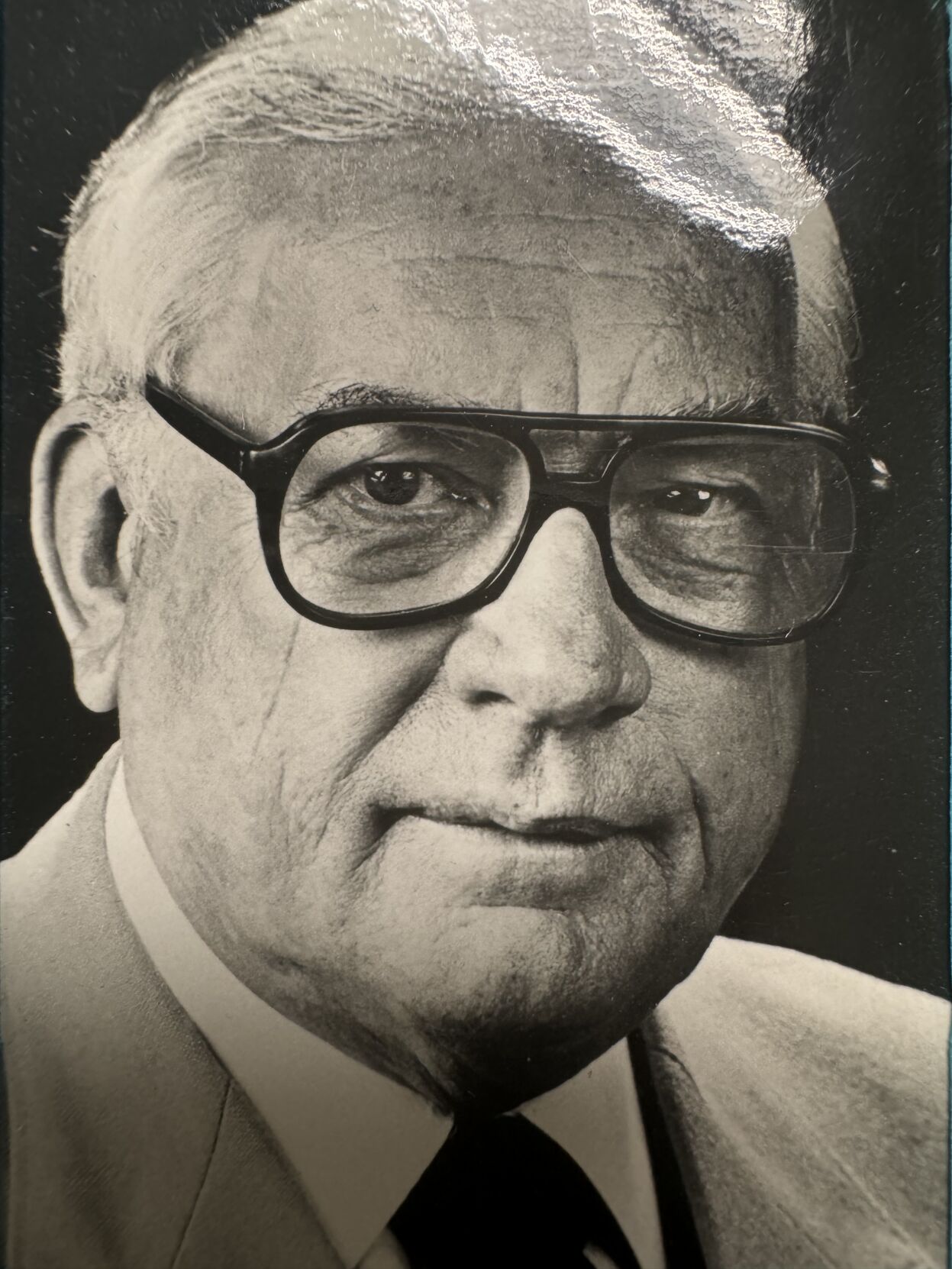
Frank Johnson
"Frank never shied away from doing the right thing," Gilman said. "He saw things very black and white, and he taught me that when stories get complicated, you've got to stick to your policies and your principles. You can't blink."
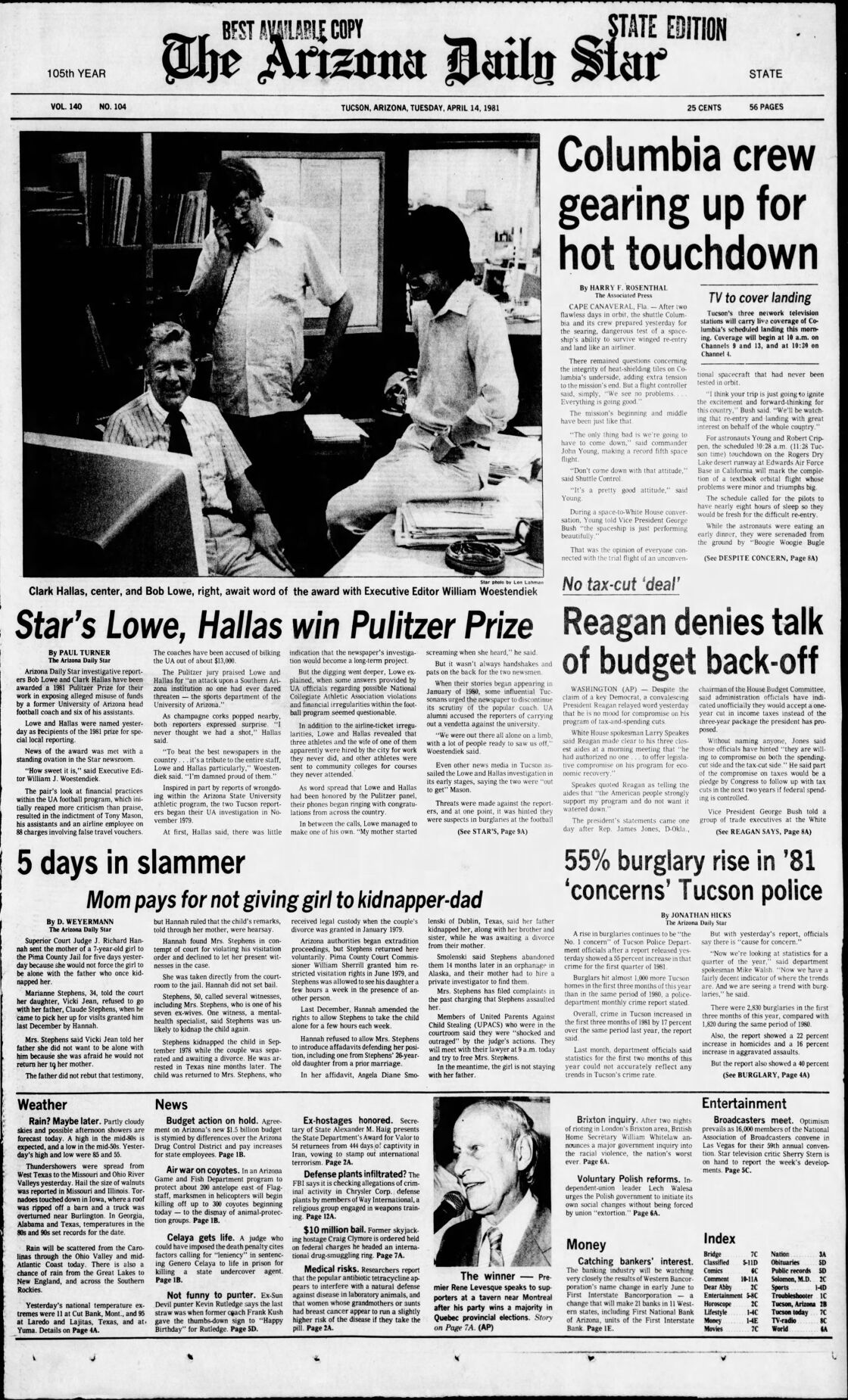
The front page of the Arizona Daily Star, April 14, 1981, carried the news of the Pulitzer Prize won by reporters Clark Hallas and Bob Lowe.
Pulitzer Prize winners
One year and six days after Mason resigned, Lowe and Hallas won the Pulitzer Prize for special local reporting.
The Pulitzer jury praised them for "an attack upon a Southern Arizona institution no one had ever dared threaten — the sports department at the University of Arizona."
"I'm damned proud of them," Woestendiek told Star reporter Paul Turner, who wrote the story of the Star reporters' win. "We were out there all alone on a limb, with a lot of people ready to saw us off."
I had left months before for a job at the Austin American-Statesman. When I walked into the Austin newsroom that day, somebody said, "Hey. Your old newspaper just won a Pulitzer."
Knowing immediately which paper and which story, I called Frank Johnson to congratulate him.
"Get your ass back here, kid," he said. "I want to make you city editor."
Kamman had been promoted, because Gilman headed east, to Harvard, to get an MBA.
I gave my notice in Austin that day and was back in Tucson two weeks later.
Coach acquitted
Tony Mason had been criminally charged with theft, conspiracy, fraud, filing false claims and tampering with public documents. In July 1981, Mason was acquitted of all charges by a Tucson jury.
Life after Pulitzer win
The Pulitzer changed lives.
Bob Lowe took a good reporting job with the Miami Herald.
Woestendiek had gone to the Cleveland Plain Dealer as editor after a dispute with then-Star owner Mike Pulitzer. He lured Hallas to Cleveland to be his star investigative reporter.
But before he left for Cleveland, Hallas the master reporter would be a Pulitzer finalist again — with me and reporter John Long — for another Star investigation. (That's a story for another day.)
Hallas died of lung cancer at age 57.
Lowe didn't stay put in Miami for long. He went to Harvard Law School, and soon became enmeshed in the burgeoning high-tech field, serving as corporate counsel for several software companies, including Trend Micro, an Internet security startup that grew into a major player. He helped it partner with tech giants like Cisco, Oracle, Intel and Microsoft on its way to becoming publicly traded.
He also co-founded two startups, Softconnex Technologies and Sprii Inc.
And if that weren't enough, he's also written a series of three well-reviewed mystery novels.
"Having won the Pulitzer enhanced everything I did moving forward," Lowe said last week.
A famous investigation
The Mason story, which he so resolutely initiated, was not to be Gilman's only experience with a Pulitzer win.
As part of a stellar career with the New York Times Company, Gilman was publisher of the Boston Globe when the editor he hired, Martin Baron, and his investigative team launched a probe into Catholic priests' sexual abuse of children, and the church's cover-up. It became one of the most famous investigations in journalistic history, immortalized in the film "Spotlight."
"You could construct some parallels" between the two stories, he said, "but they were obviously very different.
"The one thing I was very thankful for as publisher of the Globe, though, was my background as a journalist. I believe it made a big difference.
"Like Frank said, you can't blink."



