




The Tucson City Council has declared a climate emergency and will implement a decadelong plan to become carbon neutral by 2030.
During a meeting Wednesday, speakers showed support for the declaration and asked the council to take swift action against climate change, which can pose public health risks and can worsen the effects of major local hazards such as wildfires, drought, extreme heat and flooding.
As the third-fastest warming city in the United States, Tucson is now one of more than 1,700 cities and jurisdictions to declare a climate emergency worldwide.
“With record-breaking temperatures, increasingly dry summers, and historic wildfires, the need to act boldly to combat climate change and build resiliency in our city has never been more apparent,” said Mayor Regina Romero. “My gratitude goes to young members of our community from the Arizona Climate Coalition and Sunrise Tucson who have led on this issue and approached me at the beginning of the year on the need to declare a climate emergency.”
Led by Romero and Councilman Paul Durham, the emergency resolution directs all city departments to prioritize and align efforts with the Paris Agreement and the Green New Deal and to identify climate mitigation strategies that are people-centered.
A few of the things that happen on Tucson summer days.
The emergency declaration also marks the first step in developing a 10-year Climate Action and Adaptation Plan, which the council allocated $250,000 toward earlier this year.
A Climate Action Advisory Council will be responsible for implementing the plan, which will prioritize the deployment and use of renewable and locally sourced energy. They will also transition away from fossil fuels by electrifying the city’s public transit, incorporate green infrastructure into community design, plant more trees through the Tucson Million Trees Initiative, increase water conservation and work to eliminate 50% of waste by 2030.
“The West Coast of the United States is on fire right now with enormous property damage,” said Diana Liverman, director of the University of Arizona’s School of Geography and Development. “The Intergovernmental Panel on Climate Change projected that even half a degree more of warming will significantly increase the damage from climate change and will undermine development and economies around the world.”
In addition to taking action to combat climate change, Romero said the city’s plan would emphasize equity and focus on communities that are disproportionately impacted by climate change.
“The climate crisis impacts every aspect of human experience,” said Kyle Kline, a UA student and advocate with the Arizona Youth Climate Coalition. “I see the same issues mirrored here in Tucson. Tucson’s (Black, Indigenous and people of color) communities are facing disproportionate environmental inequities, including heat related deaths and impacts from natural disasters.”
Many local environmental groups voiced their support for the declaration, praising the council for moving forward with the long-awaited plan. However, some expressed concern that Tucson Electric Power might not share the same degree of urgency when it comes to renewable energy.
“Our city has made an important first step in passing the declaration, but to meet these goals, TEP, which plans to continue burning its dirty fossil fuels through 2032, must make a swifter transition to clean renewable energy,” said Catalina Ross, a representative of Sierra Club’s Grand Canyon Chapter. “Our utility and city can and should be united in prioritizing the health and sustainability of our communities and future generations.”
At the beginning of the year, TEP announced a new plan to stop using coal to generate electricity by 2032 and increase renewable energy’s share of its energy load to more than 70% by 2035.
TEP officials said they “stand ready to support” the city’s goals: “Our employees are committed to our community’s long-term success, which would not be possible without affordable, reliable energy service. We’ve developed a plan for a cleaner, greener grid that doesn’t compromise those commitments, and we’re ready to help the city of Tucson achieve its own ambitious sustainability goals.”
21 photos of crested saguaros in Tucson
Tucson's quirky saguaros
Updated
This cactus was spotted west of Green Valley.
crested saguaro
Updated
One of the many crested saguaros documented by Tucsonan Bob Cardell.
Crested saguaro in Sabino Canyon
Updated
This crested saguaro grows in Sabino Canyon northeast of Tucson. Why some saguaros grow crests is unknown.
Crested saguaro
Updated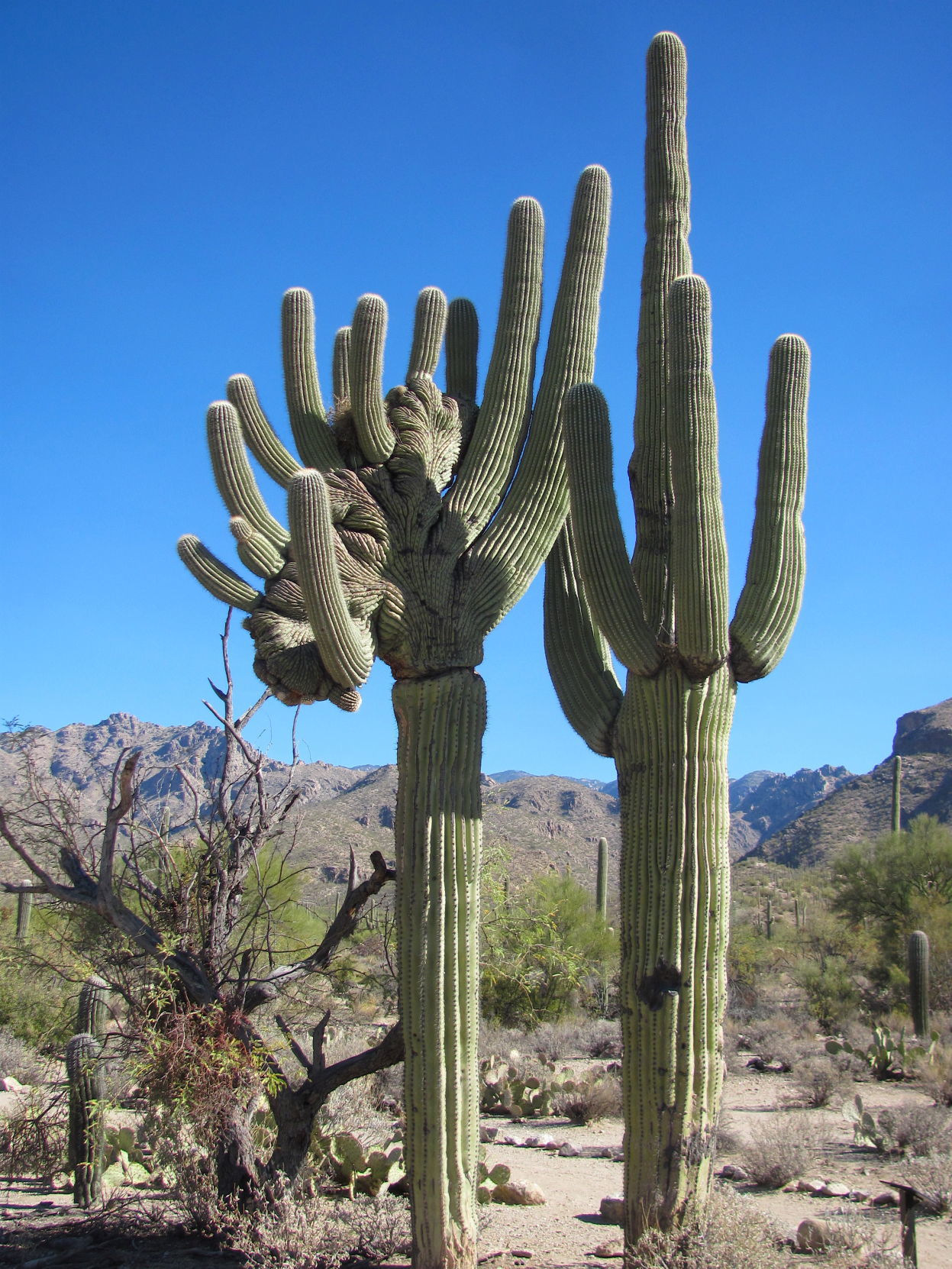
A rare crested saguaro grows next to a more common saguaro specimen. -- Credit: Doug Kreutz / Arizona Daily Star
Crested saguaro signals touchdown
Updated
It’s still months until the football season, but this crested saguaro beside Old Main on the University of Arizona campus is already signaling a touchdown. Photo by Doug Kreutz, Arizona Daily Star
Crested saguaro closeup
Updated
Closeup of a rare crested saguaro growing in Sabino Canyon.
Crested saguaro
Updated
A rare crested saguaro grows along the Bajada Loop Nature Trail in Sabino Canyon.
Crested saguaro in Pima Canyon
Updated
A rare crested saguaro stands on a slope above the Pima Canyon Trail.
Tucson's quirky saguaros
Updated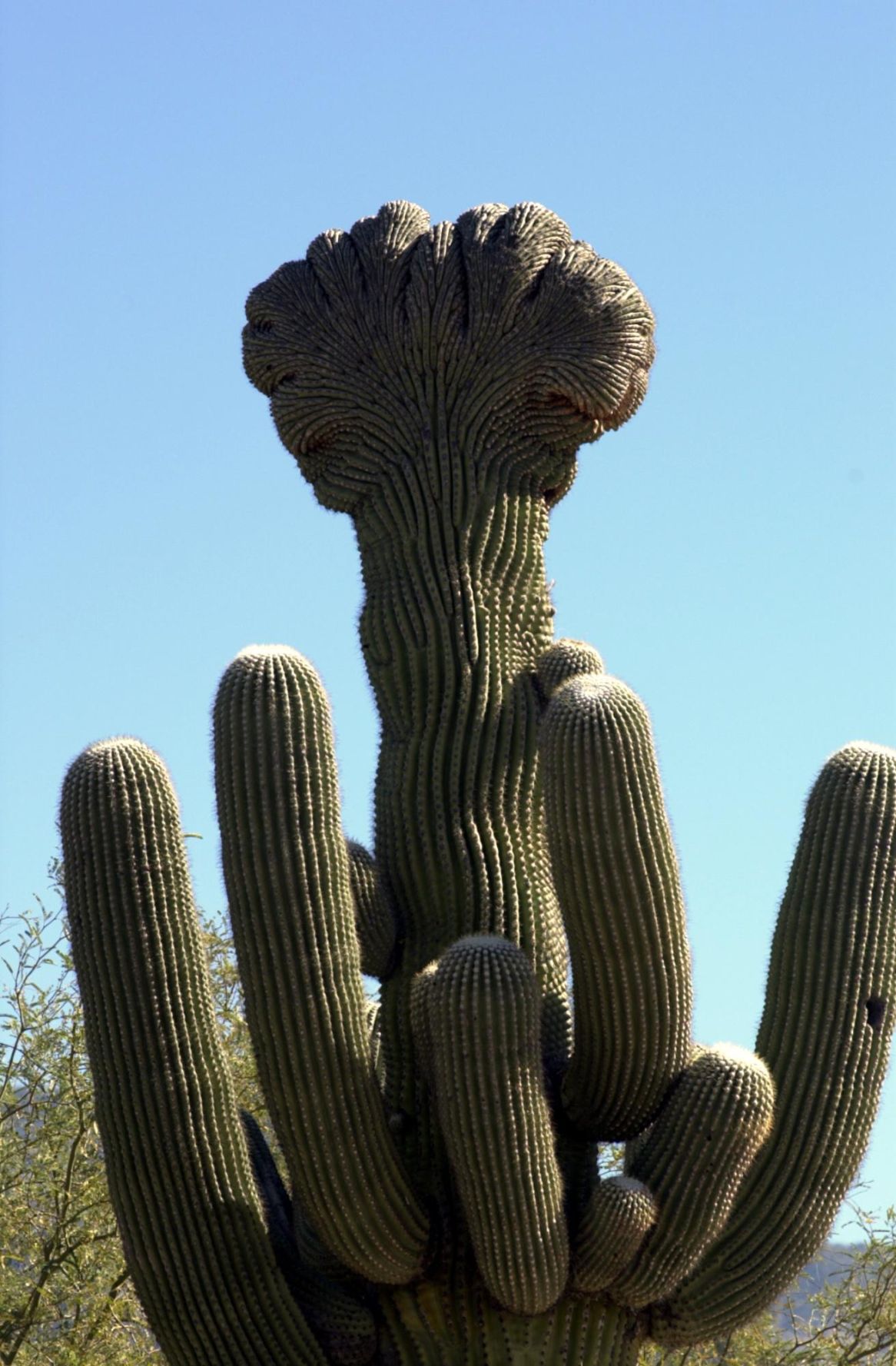
A crested saguaro with numerous arms soaks up the sun on the city's northwest side. Crested saguaros are quite rare happening only 1 in 10,000.
Tucson's quirky saguaros
Updated
This cristate, or crested, saguaro in Sabino Canyon near Tucson is putting on a good bloom. Photo taken June 3, 2014. Photo by Doug Kreutz / Arizona Daily Star
Tucson's quirky saguaros
Updated
A rare crested saguaro in Sabino Canyon near Tucson has plenty of blooms and buds this spring. Photo taken June 3, 2014.
Tucson's quirky saguaros
Updated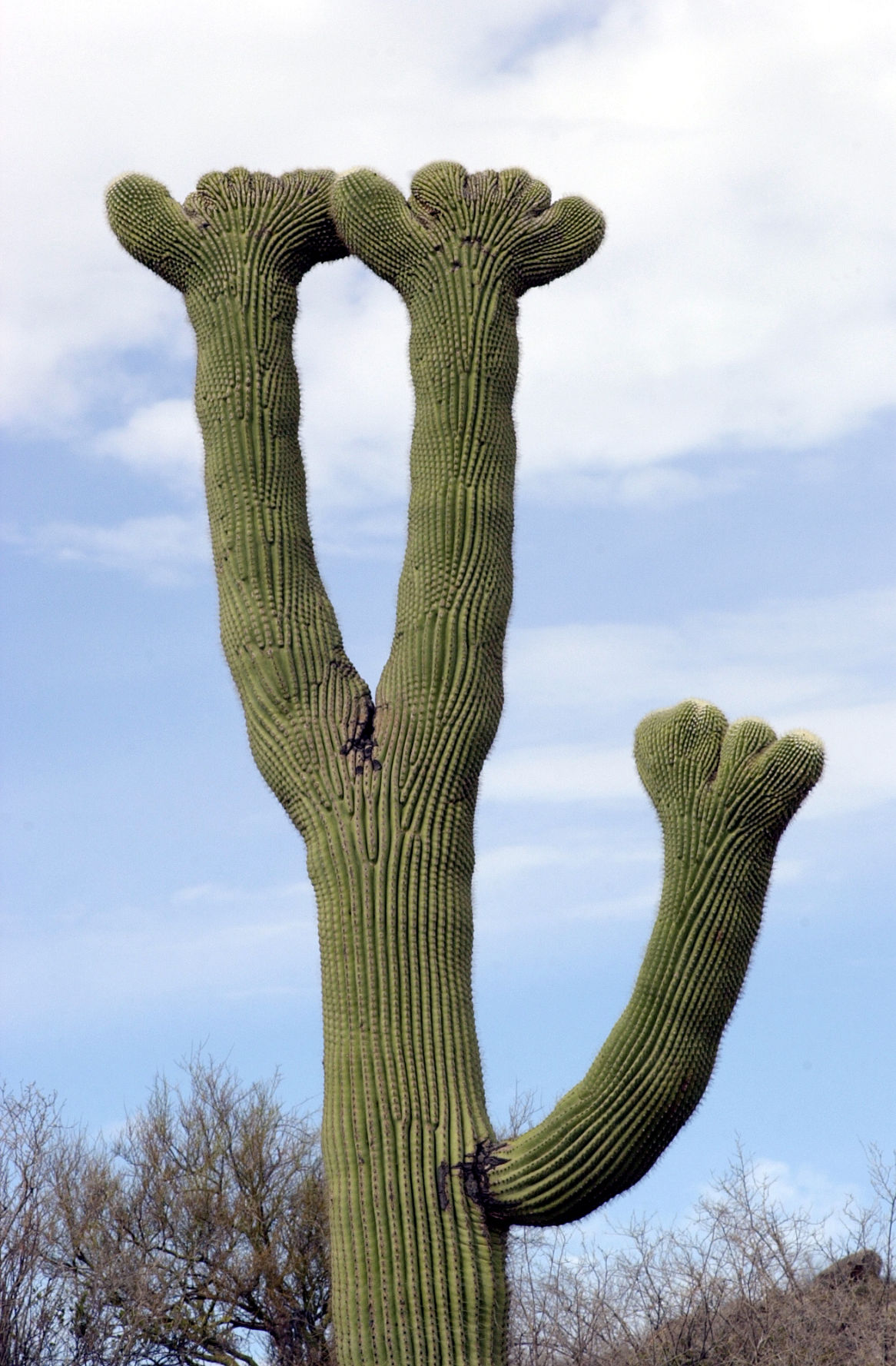
A rare tri-crested saguaro seems to be waving in the Tortolita Mountains on Jan. 3, 2002.
Tucson's quirky saguaros
Updated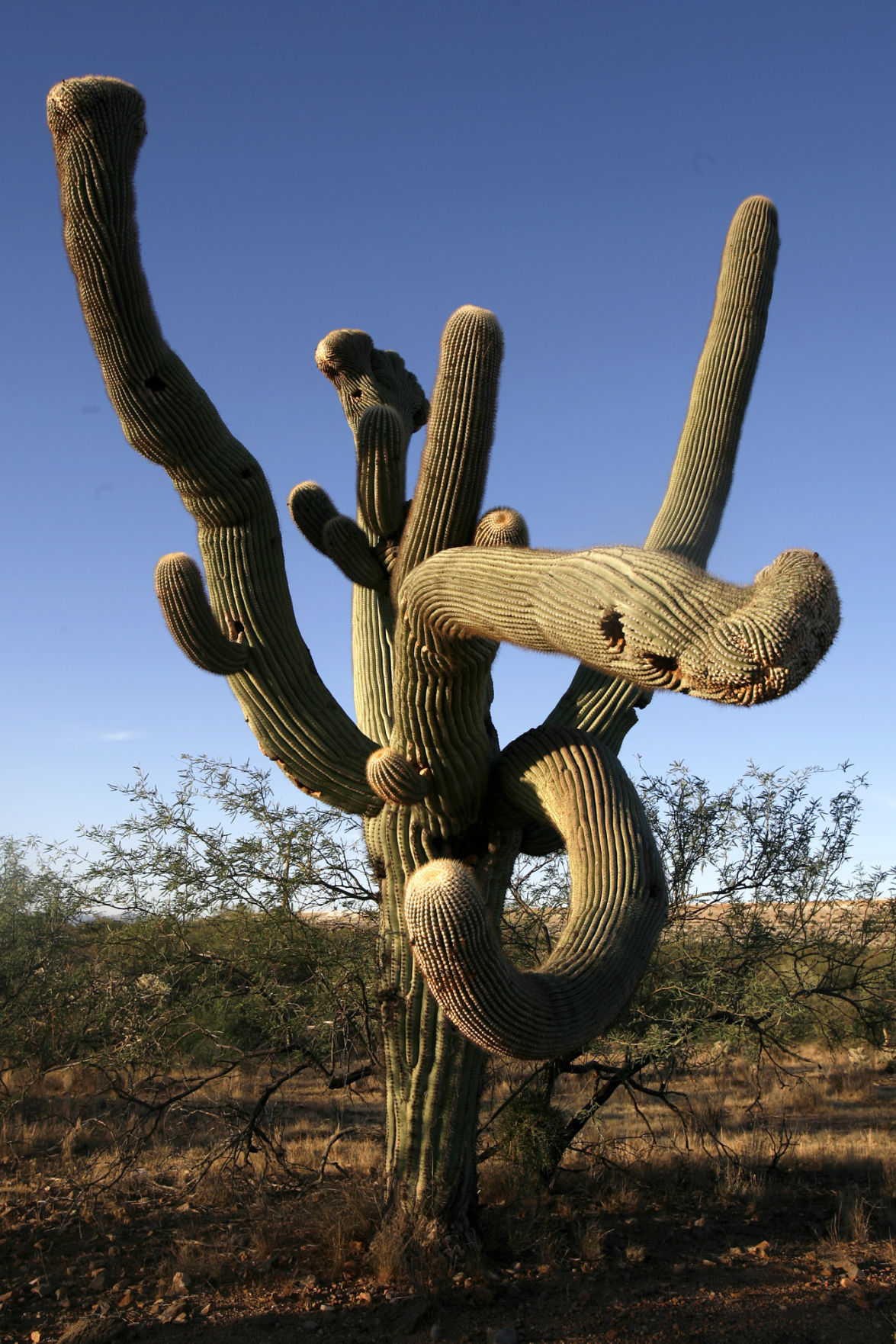
A rare crested saguaro cactus stands on the land of the 2,073-acre Green Valley preserve Oct. 7, 2007 in Green Valley, Ariz.
Tucson's quirky saguaros
Updated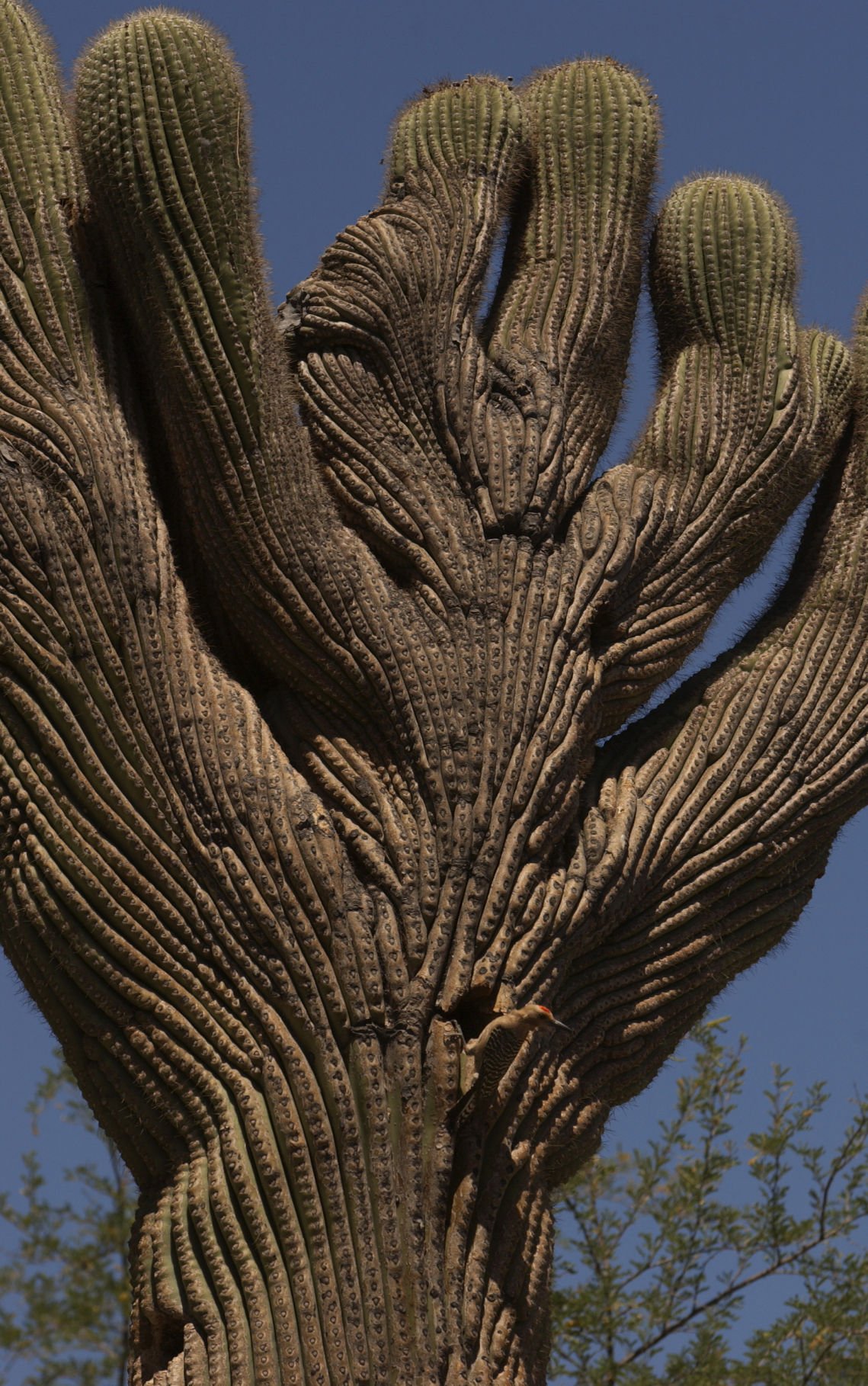
A Gila woodpecker prepares to pop into its nest on a crested saguaro at Tucson Botanical Gardens, Tuesday, June 1, 2004.
Crested Saguaro cactus
Updated
Crested Saguaro cactus on the Bajada Loop Trail in Sabino Canyon.
Blooms on a crested saguaro
Updated
A rare crested saguaro in Sabino Canyon near Tucson has plenty of blooms and buds this spring. Photo taken June 3, 2014. -- Credit: Doug Kreutz / Arizona Daily Star
Bird, blooms and buds
Updated
A bird seems to be scoping out the blooms and buds on a crested saguaro in Sabino Canyon near Tucson. Photo take June 3, 2014. -- Credit: Doug Kreutz / Arizona Daily Star
Crested saguaros
Updated
Crested saguaros
Updated
Crested beauties
Updated
Crested beauties
Updated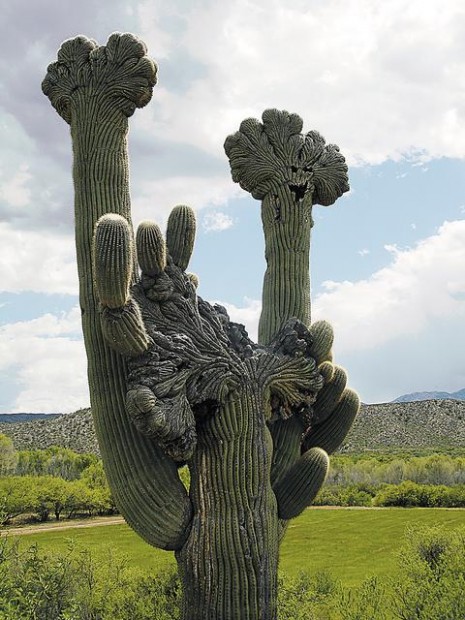
Crested beauties
Updated
Critics say new federal rules could cripple program that protects land in Arizona
UpdatedEnvironmentalists are accusing the outgoing Trump administration of trying to sabotage a key conservation program that has helped protect sensitive land in Southern Arizona and across the country.
The Land and Water Conservation Fund is a 55-year-old initiative that uses federal royalties from offshore oil and natural-gas production to pay for a wide array of recreation projects and preservation work, from the construction of local ballfields to the expansion of national parks.
Congress permanently reauthorized the landmark program in 2019 and voted earlier this year to fully fund it at $900 million annually as part of the bipartisan Great American Outdoors Act, which also set aside $9.5 billion to address the National Park Service’s growing maintenance backlog.
President Trump compared himself to Theodore Roosevelt as he signed the sweeping bill into law in August. Then, critics say, he tried to use the act to “greenwash” a shoddy environmental record as he campaigned for a second term.
But on Nov. 9, two days after the election was called for Joe Biden, Interior Secretary David Bernhardt issued new directives that would allow state and local officials to easily block federal land acquisitions using the fund the president had bragged about saving.
Bernhardt’s secretarial order requires “a written expression of support by both the affected governor and local county” for any acquisition under the federal LWCF program.
It also bars any land purchase that would expand the boundaries of an existing federal park or protected area, and it effectively sidelines the federal Bureau of Land Management by prioritizing funding requests from the National Park Service and the U.S. Fish and Wildlife Service.
“Parting shot” or being a “good neighbor”?
Randi Spivak, public-lands director for the Tucson-based Center for Biological Diversity, called the order “a blatant end-run around Congress” and “a vindictive, illegal parting shot from a corrupt administration” in a statement to the liberal news site Common Dreams.
Aaron Weiss, deputy director of Colorado-based conservation group Center for Western Priorities, told HuffPost that Bernhardt was trying to “throw as much sand into the gears as he can on his way out.”
“Once the election was done, it was open season on land protection,” Weiss said.
But Interior Department press secretary Ben Goldey insists Bernhardt is simply honoring the department’s commitment to being “a good neighbor” by giving states and communities a voice in federal land acquisition.
The criticism from conservationists is “ironic,” Goldey said, “given the fact that special-interest groups most often allege that the federal government does not work close enough with state and local leaders and members of the public who are directly impacted by federal land management decisions.”
“Interior has a lot of needs across the 500 million acres in our care in addition to opportunities for acquisitions,” he said in an email. “Our focus remains on areas where there are willing sellers and a welcoming community.”
Fund helped expand Saguaro National Park
The Land and Water Conservation Fund has paid for some recent conservation work in Southern Arizona.
Earlier this year, the Park Service used $1.25 million in LWCF money to buy 83 acres of private land in the eastern foothills of the Tucson Mountains, protecting it from development and preserving a wildlife corridor between Saguaro National Park and Pima County’s Sweetwater Preserve.
That deal was brokered by the Trust for Public Land, a San Francisco-based nonprofit that has protected more than 3 million acres across the United States since 1972.
In Arizona, the trust has completed 63 projects totaling approximately 280,000 acres over the past 40 years, and LWCF money has been key to a significant number of those acquisitions.
The group recently helped the Bureau of Land Management acquire a 600-acre ranch northwest of Safford to provide permanent public access to the formerly landlocked Santa Teresa Wilderness Area.
The trust is now working on a similar transaction — on track for completion next spring — that will use money from the fund to buy 3,000 acres of private ranchland and allow the BLM to improve public access to 39,000 acres in the Aravaipa Canyon Wilderness.
Myke Bybee is the group’s legislative director in Washington, D.C. He said Bernhardt’s policy directive “undermines the LWCF” and ignores the broader goals of the Great American Outdoors Act.

This 83-acre parcel was added to Saguaro National Park earlier this year using money from the Land and Water Conservation Fund, a program now governed by controversial new rules.
Group will ask Biden to drop new rules
According to Bybee, the secretarial order is basically a collection of “zombie policy ideas” that have been floated for years by those who seek to limit federal control over public land. They “could never get it done legislatively,” he said, so the administration is simply trying to write it into the rules now.
The timing of Bernhardt’s order was especially interesting, coming just as it became clear that the administration was on its way out. Some predicted that the new directives would be shelved if Trump lost the election, Bybee said, “but if we’ve learned anything from four years of the Trump administration, it’s that if they can, they will.”
As proof, he pointed to some language in the order that seemed unlikely to survive legal scrutiny, perhaps none more glaring than the very last line: “The termination of this order will not nullify the implementation of the requirements and responsibilities effected herein.”
“We were jokingly calling that the ‘no-take-backs clause,’” Bybee said.
He said the Trust for Public Land will be asking the next Interior Department secretary to rescind Bernhardt’s order as soon as possible.
“We’re confident that we can work with the incoming administration,” he said. “If the election had gone differently, we would be in a very different place.”
Permanent funding could spur land rush
It’s hard to overstate the impact the Land and Water Conservation Fund has had — and will continue to have — across Southern Arizona.
Michael Patrick, senior project manager for the trust, said the program could one day be used to buy a number of so-called “private inholdings” within such protected areas as Ironwood Forest National Monument, Agua Fria National Monument, San Pedro National Conservation Area, the Chiricahua Mountains and other sensitive “sky island” habitats in the Coronado National Forest.
“I think there’s no shortage of great places to be working in,” Patrick said.
Ultimately, he thinks fully funding the program will prove to be a monumental victory for conservation, regardless of the current dispute over how to implement the new law.
Already, he is seeing a difference.
At regional Interior Department offices where budgets are tight and staffing is low, Patrick said, employees used to be reluctant to spend their limited time on property deals that were never likely to be funded. Now that there’s a permanent source of money for the land and water conservation fund, he said he has noticed “a tremendous increase in interest” in land acquisitions from staff members at the federal agencies he works with.
“It could take a year or two to see the effect,” Patrick said, “but it seems like there could be a huge benefit to Southern Arizona.”
Photos: Saguaro National Park through the years
Saguaro National Park
Updated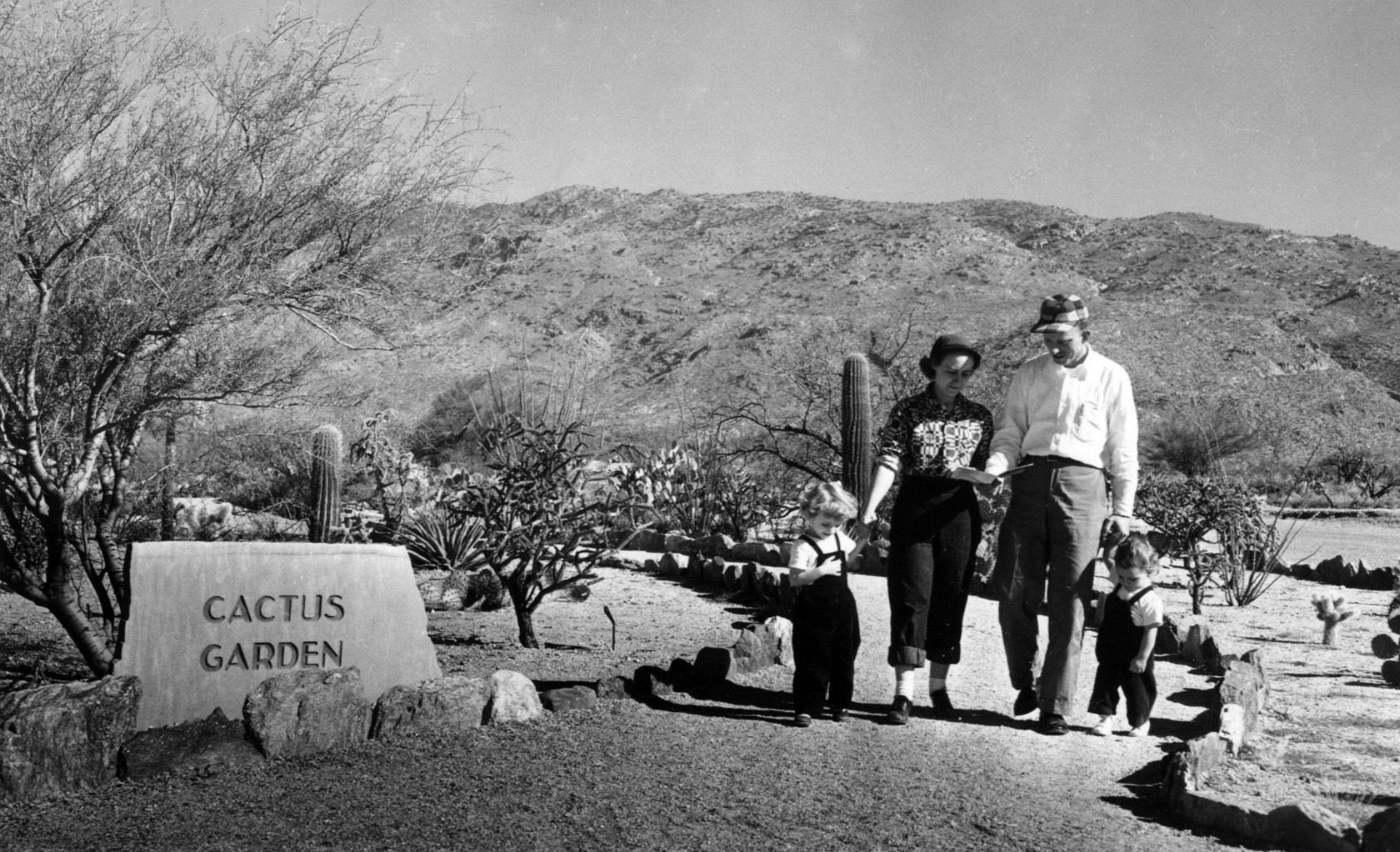
The Saguaro National Monument cactus garden in 1955.
Saguaro National Park
Updated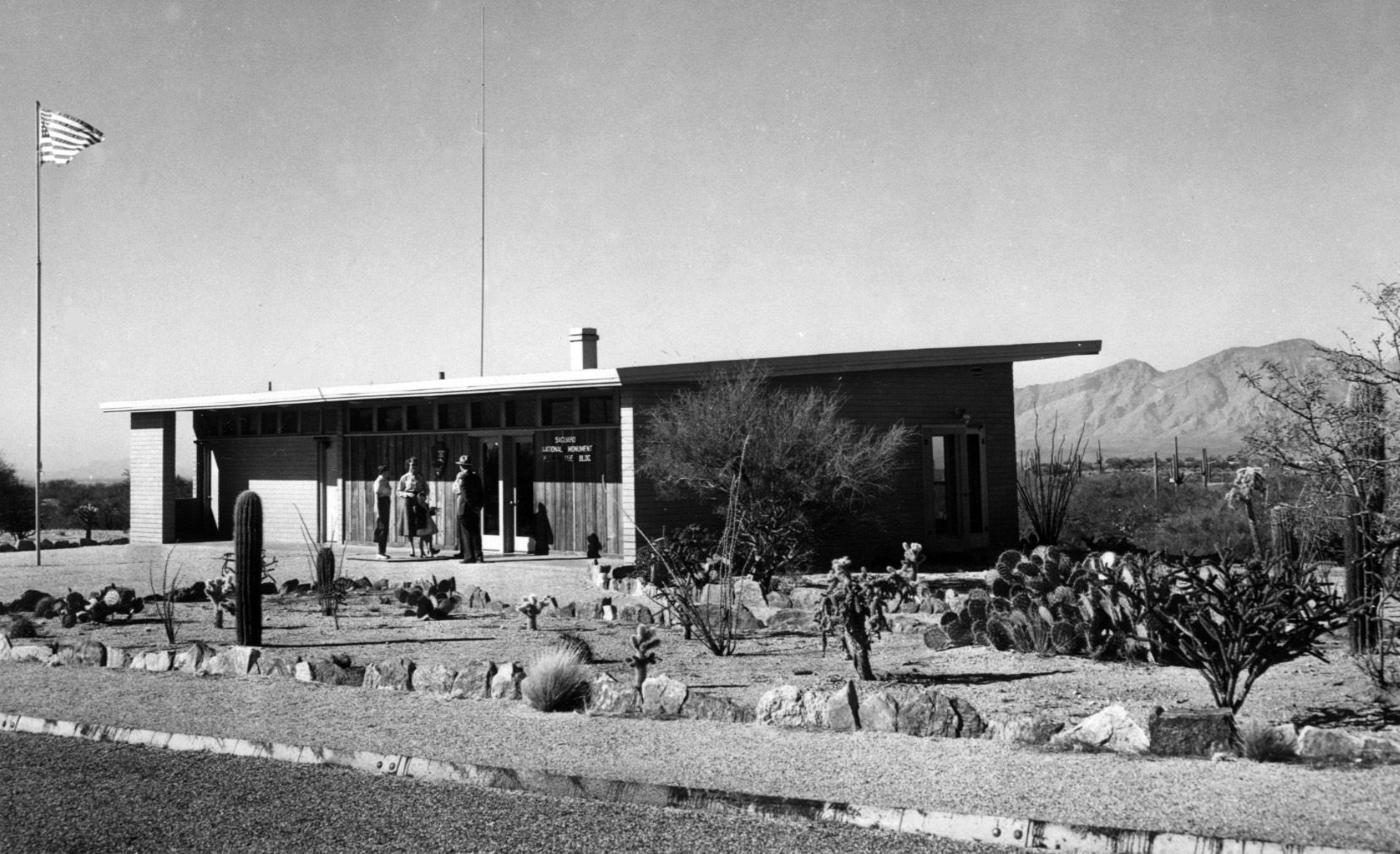
The Saguaro National Monument visitors center in 1955.
Saguaro National Park
Updated
The Saguaro National Monument visitors center in 1955.
Saguaro National Park
Updated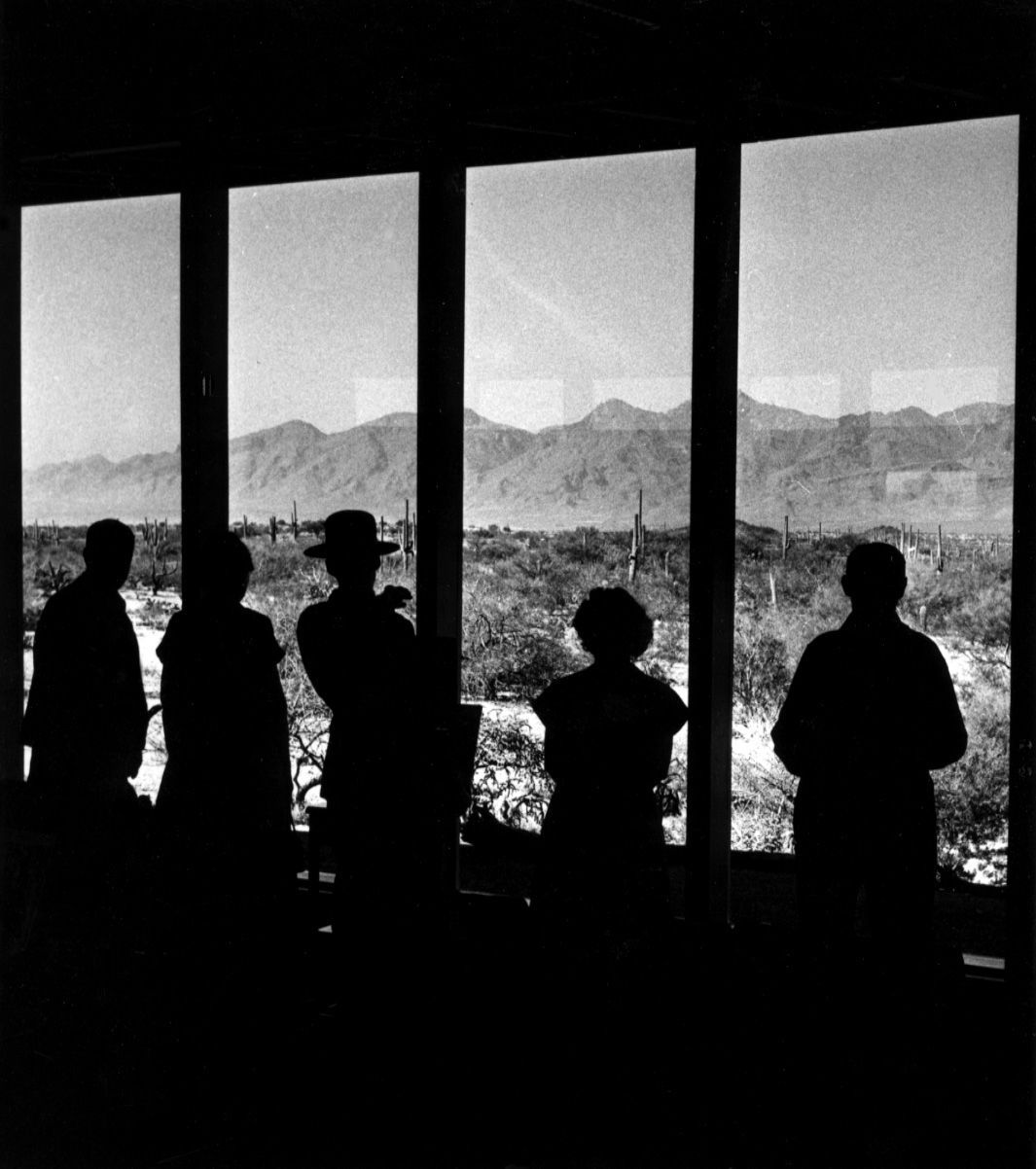
The Saguaro National Monument visitors center in 1955.
Saguaro National Park
Updated
The Saguaro National Monument West visitors center, left, with two rangers' apartments under construction in 1966.
Saguaro National Park
Updated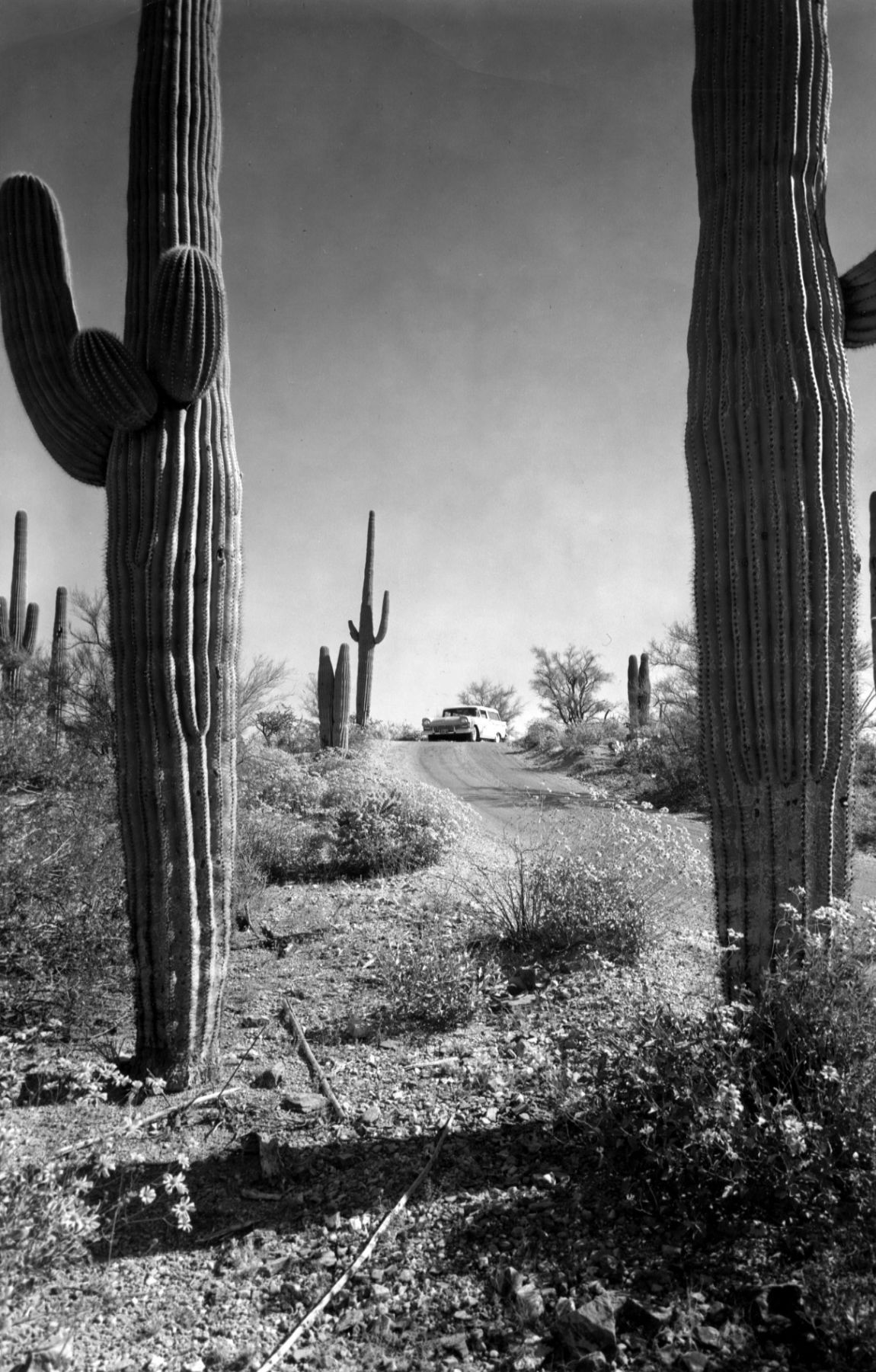
Saguaro National Monument East unit loop drive in 1958.
Saguaro National Park
Updated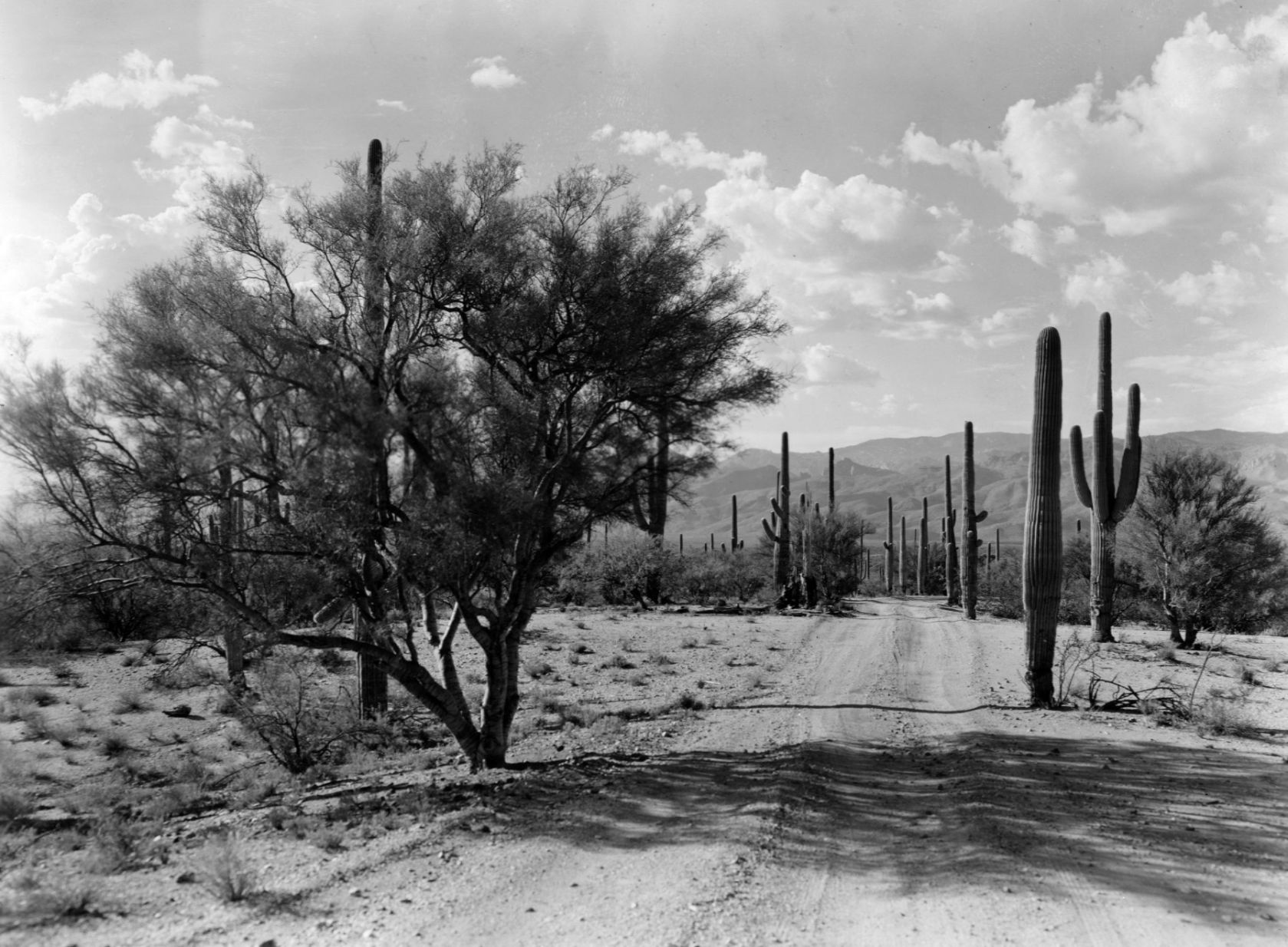
Saguaro National Monument East, ca 1950s.
Saguaro National Park
Updated
Saguaro National Monument in 1935.
Saguaro National Park
Updated
Snow at Saguaro National Park East (then called Saguaro National Monument) on Dec. 23, 1965.
Saguaro National Park
Updated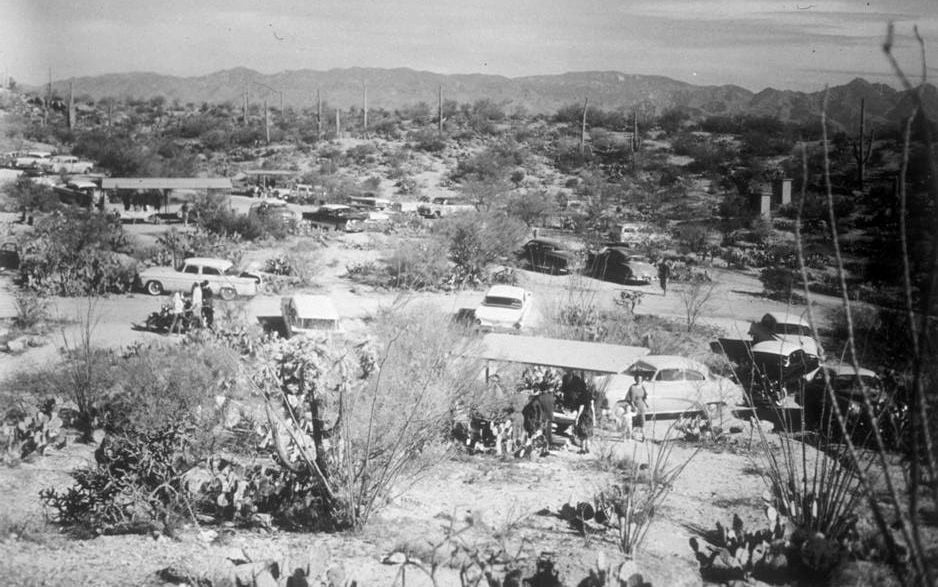
Undated photo (probably 1950s) of tourists enjoying picnics and hiking at Saguaro National Monument.
Saguaro National Park
Updated
Saguaro National Monument visitors center ca 1940s.
Saguaro National Park
Updated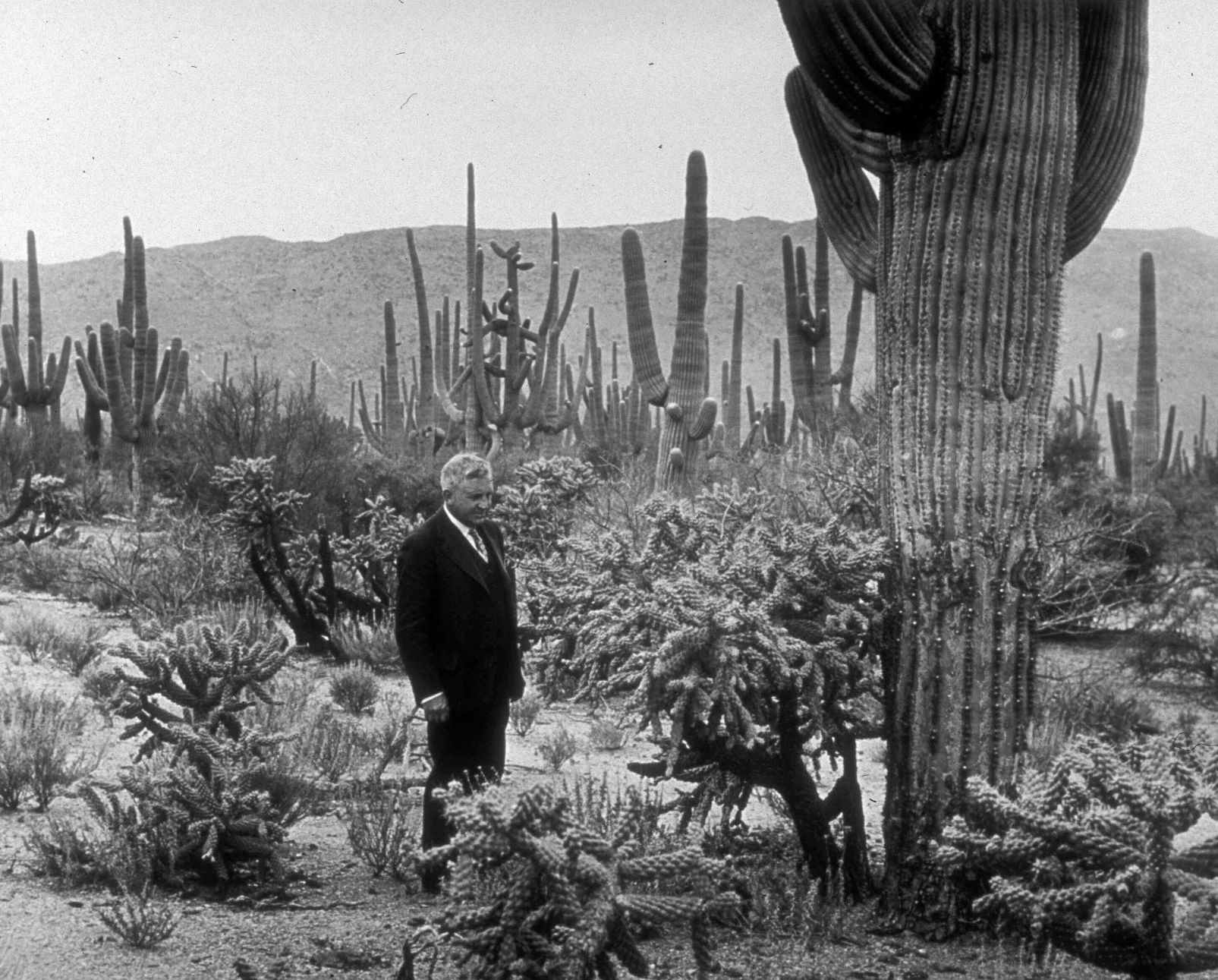
Home Shantz, a plant scientist and president of the University of Arizona in the 1920s, was instrumental in establishing Saguaro National Monument in 1933.
Saguaro National Park
Updated
Panorama of cactus forest in Saguaro National Monument, 1931.
Saguaro National Park
Updated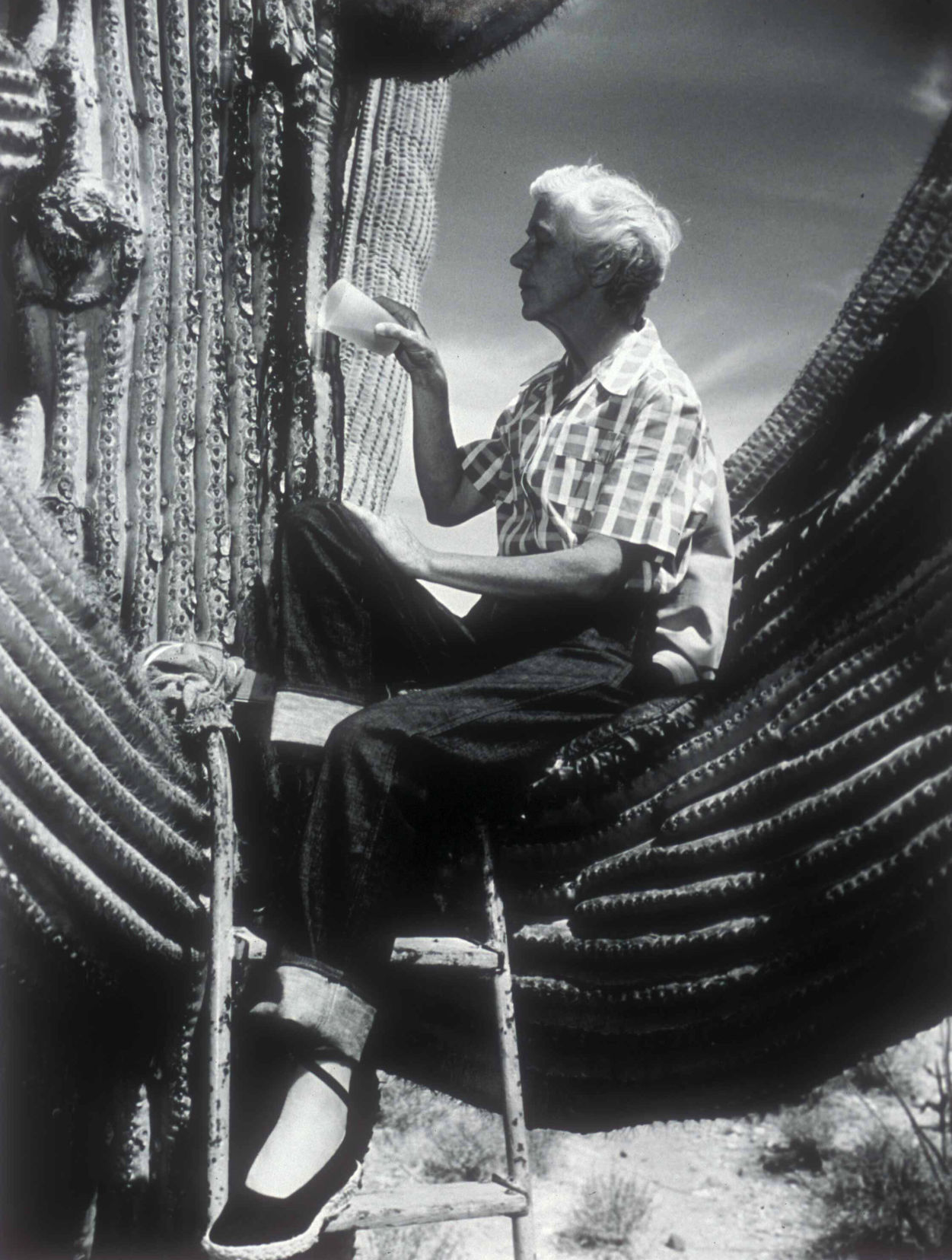
Dr. Alice Boyle applies Penicillin to a Saguaro cactus at Saguaro National Monument. Dr. Boyle’s studies of saguaros included treatments with penicillin that were somewhat successful. Later research showed that the loss of old saguaros was a result of age and periodic freezes, not a “blight”!
Saguaro National Park
Updated
The Freeman family in Saguaro National Monument in 1936.
Saguaro National Park
Updated
Freeman's adobe home in Saguaro National Monument in 1934.
Saguaro National Park
Updated
A park ranger with visitors on the loop drive in Saguaro National Monument in 1961.
Saguaro National Park
Updated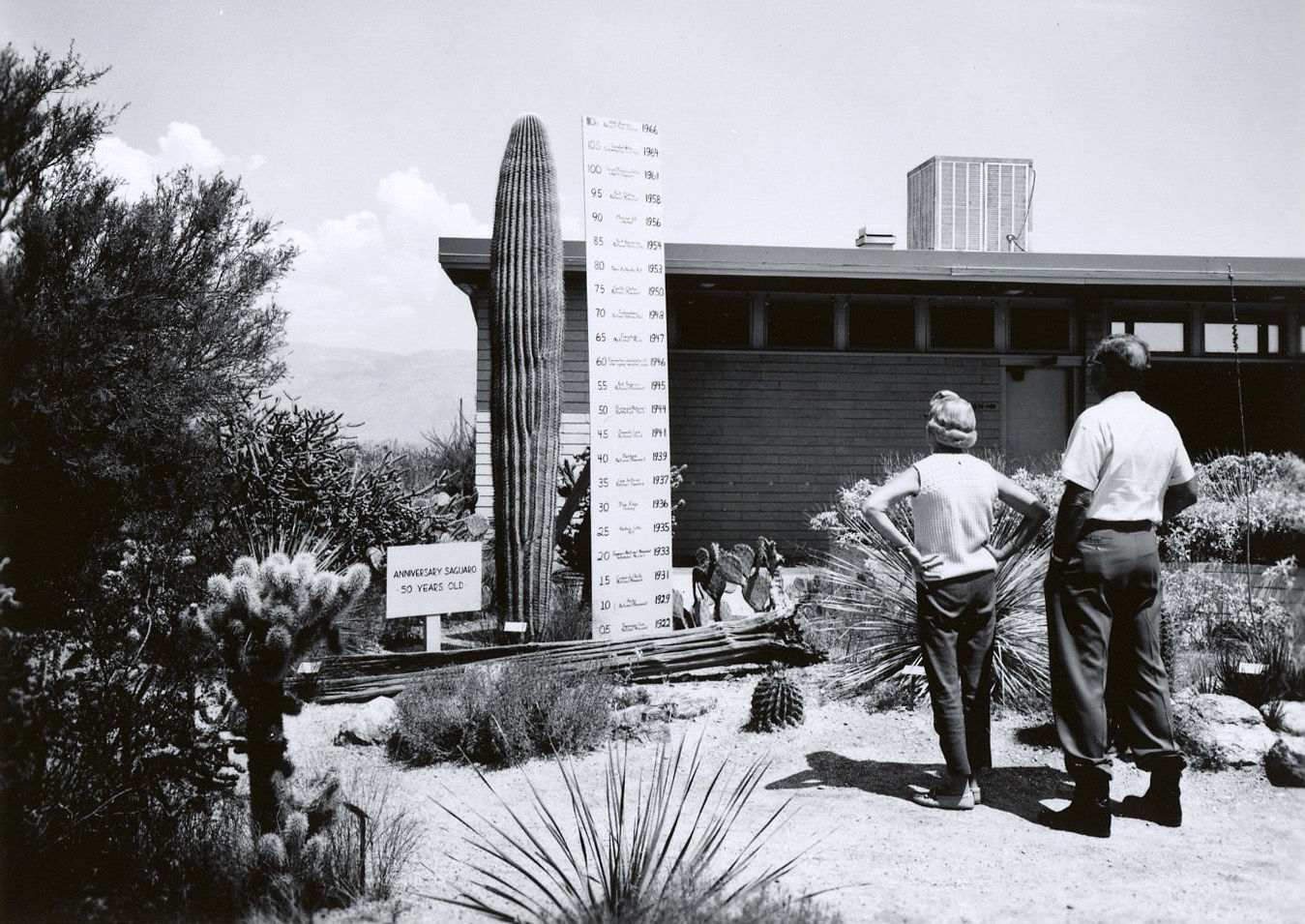
Centennial Saguaro cactus outside the Saguaro National Monument visitors center.
Saguaro National Park
Updated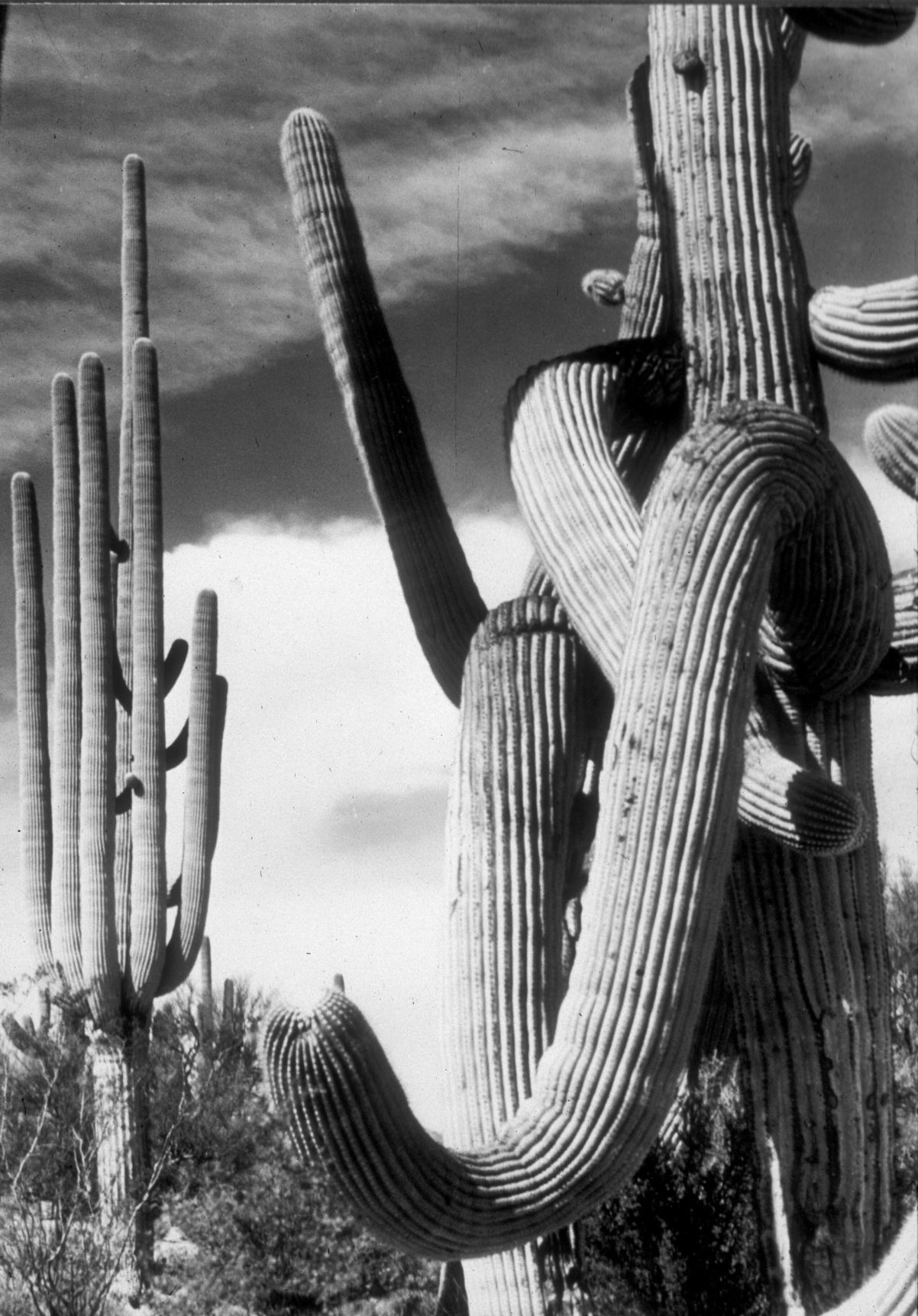
Saguaro National Monument cactus
Saguaro National Park
Updated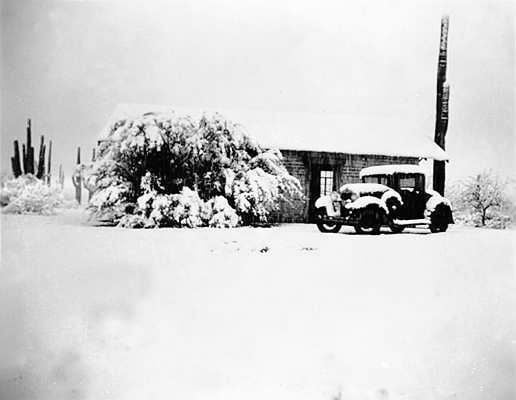
Snow storm in Saguaro National Monument in 1937.
Saguaro National Park
Updated
A view looking south from Signal hill at the Tucson Mountain Range in Saguaro National Park, Tucson Mountain District in 2016.
Saguaro National Park
Updated
A view looking east from Saguaro National Park, along Picture Rocks Road in the Tucson Mountain District in August, 2016. In the distance, cloud rise over the Santa Catalina Mountains.
Saguaro National Park
Updated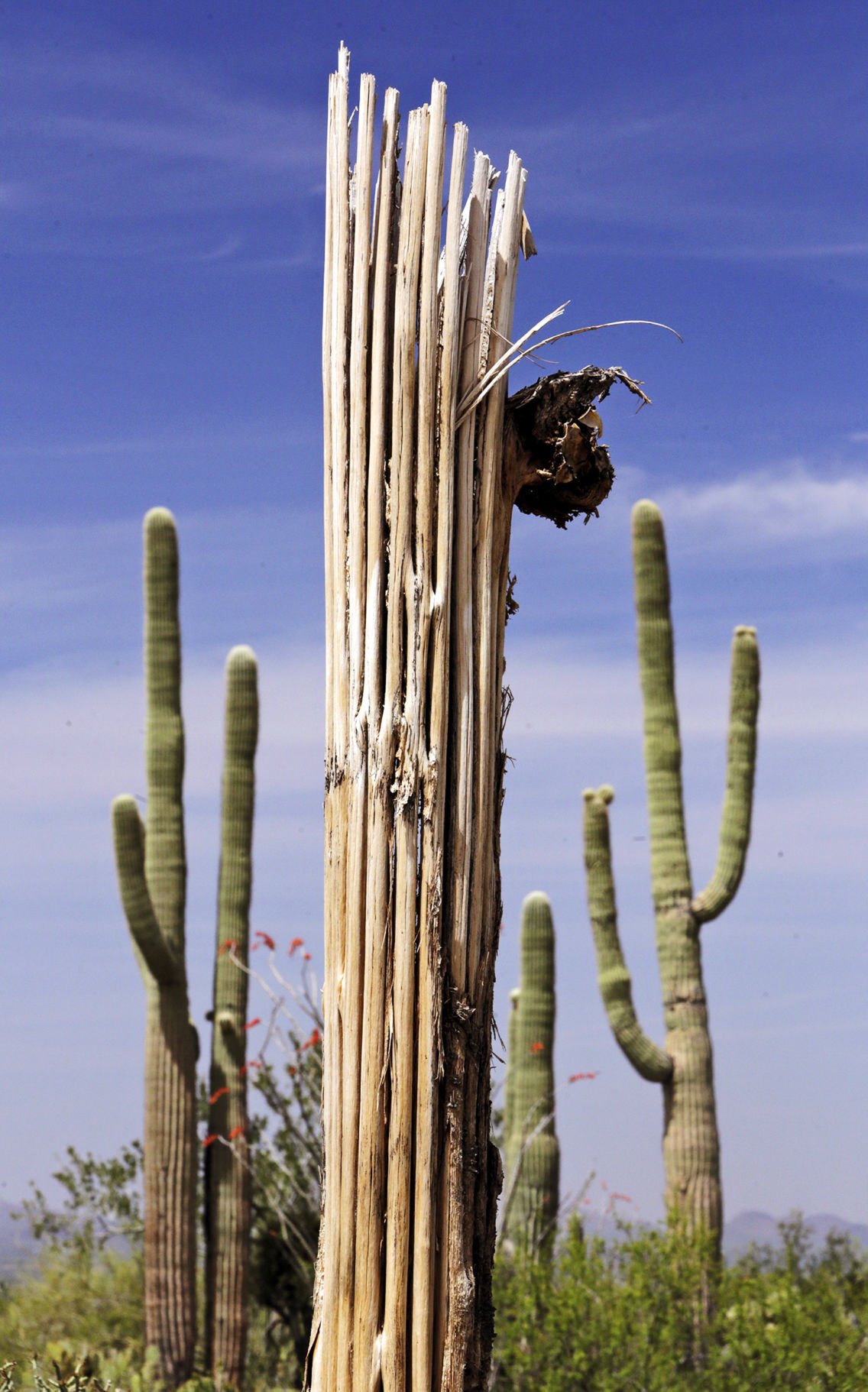
A Saguaro carcass framed at the Saguaro National Park, West, The Tucson Mountain District (TMD) in 2015.
Saguaro National Park
Updated
A southerly view out the window of a picnic shelter built by the Civilian Conservation Corps in the 1930s that was built with surrounding rock in the Ez-Kim-In-Zin Picnic Area at the Saguaro National Park, West, The Tucson Mountain District (TMD) in 2015.
Saguaro National Park
Updated
A desert tortoise makes its way down Kinney Rd. in the Saguaro National Park West, Wednesday, August 10, 2016, Tucson, Ariz. Kelly Presnell / Arizona Daily Star
Saguaro National Park
Updated
A Saguaro cactus off Golden Gate Rd. holds a top full of flower buds at the Saguaro National Park, West, The Tucson Mountain District (TMD) in 2015.
Saguaro National Park
Updated
A view looking south from Signal hill towards Wasson and Amole Peaks from left in Saguaro National Park, Tucson Mountain District in August, 2016.
Saguaro National Park
Updated
Visitors take a look at trail maps on the patio of the Red Hill Visitor Center at the Saguaro National Park, West, The Tucson Mountain District (TMD) in 2015.
Saguaro National Park
Updated
Visitors from Denver stroll one of the many trails off Golden Gate Rd. at the Saguaro National Park, West, The Tucson Mountain District (TMD) in 2015.
Saguaro National Park
Updated
Panoramic view from Spud Rock, including the city of Tucson, from six images, ranging from southeast at left to northeast at right, near Mica Mountain on the western slopes of the Rincon Mountains in the Saguaro National Park on June 2, 2016.
Saguaro National Park
Updated
A hawk watches from his perch at the Saguaro National Park, West, The Tucson Mountain District (TMD) in 2015.
Saguaro National Park
Updated
A zebra-tailed lizard (Callisaurus draconoides) perches on a rock near the Signal Hill Picnic Area at the Saguaro National Park, West, The Tucson Mountain District (TMD) in 2015.
Saguaro National Park
Updated
Panther and Safford Peaks in the Tucson Mountains North of Saguaro National Park, West, The Tucson Mountain District (TMD) in 2015.
Ha:san Bak, Saguaro cactus fruit harvest

Stella Tucker uses the sharp edge of a stem of a Saguaro fruit to slice the husk to get to the sweet meat inside as she harvests the fruit in the Saguaro National Park in 2005.
Ha:san Bak, Saguaro cactus fruit harvest
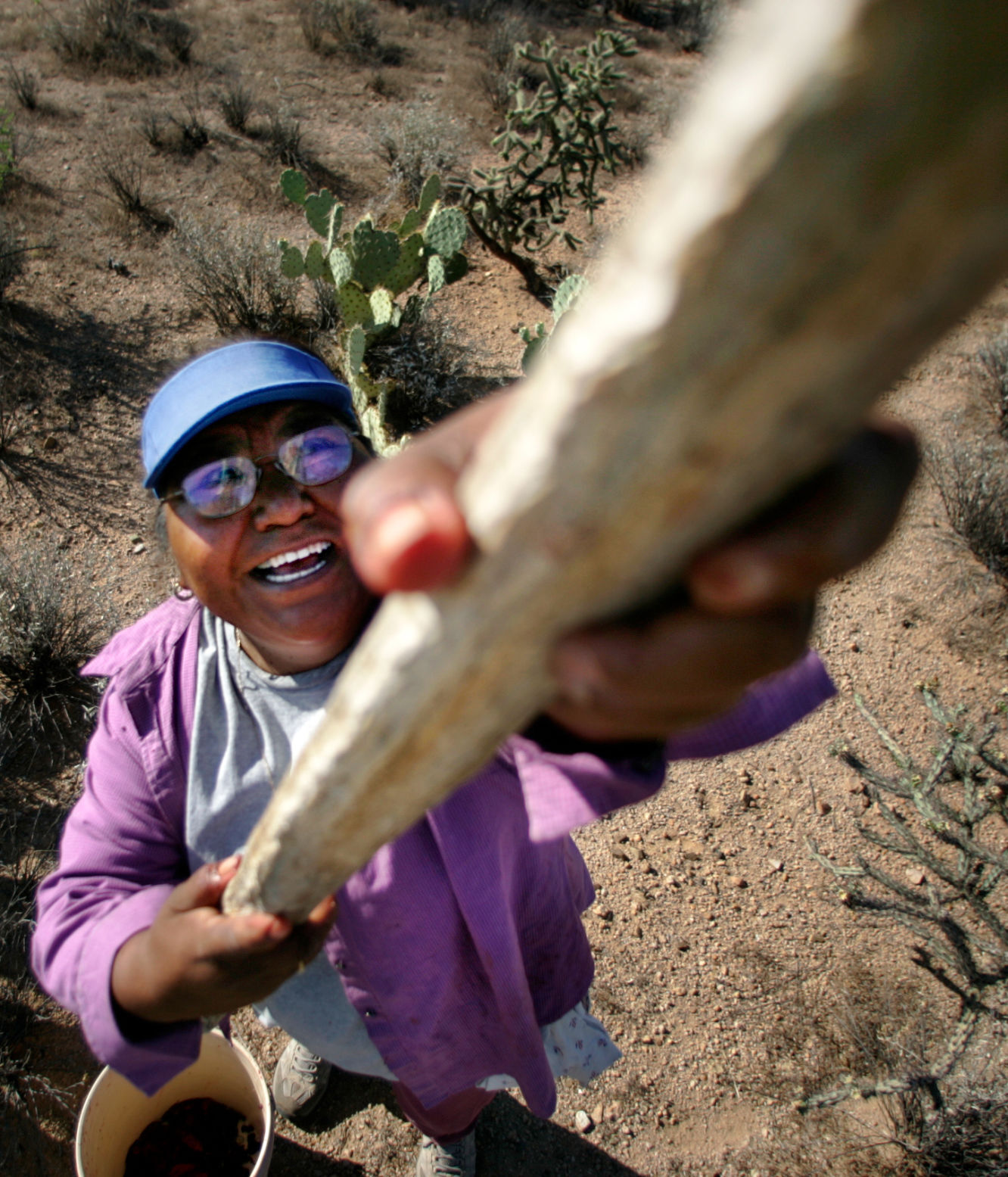
Stella Tucker uses a kuipaD to harvest saguaro fruit in the Saguaro National Park 2005. During the early summer Tucker camps out in the park to harvest and cook the fruit just as her Tohono O'odham ancestors did. Tucker died in 2019 at age 71.
Ha:san Bak, Saguaro cactus fruit harvest

Bob Martens uses a kuipaD, lengths of Saguaro ribs topped by a small limb of creosote, to knock down ripe Saguaro cactus fruit as he helps Stella Tucker during the Tohono O'Odham harvest at Saguaro National Park in 2005.
Ha:san Bak, Saguaro cactus fruit harvest

Under the early morning sun, Jerry Yellowhair strengthens the joint where a small creosote branch is attached to a length of Saguaro rib to make a kuipaD, used to reach the Saguaro fruit.
Saguaro National Park
Updated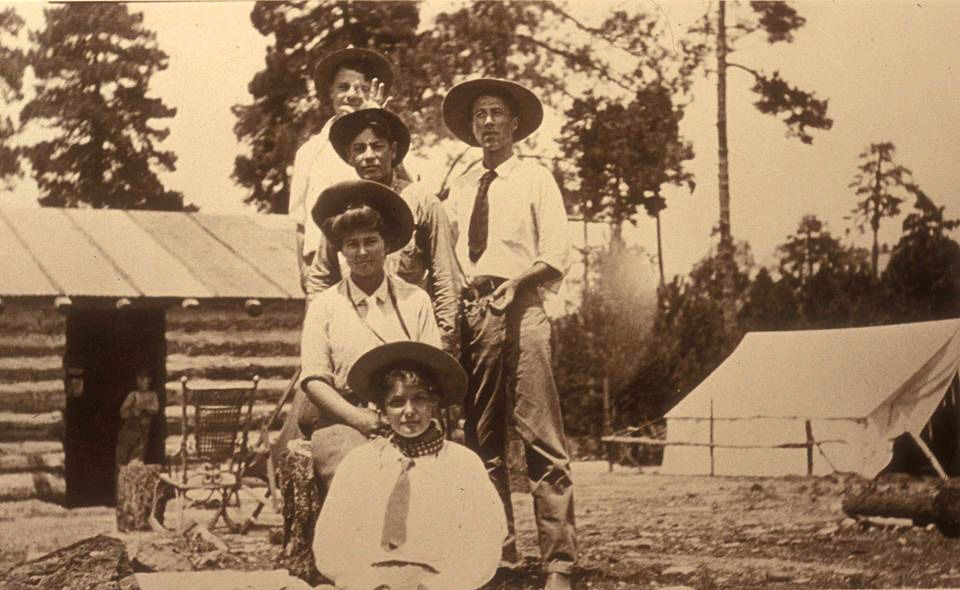
1907: Prominent Tucsonan Levi Manning and his family spent the summer at a get-away log cabin high in the Rincon Mountains.
Saguaro National Park
Updated
Manning Camp in the Saguaro National Park East, in 2016.
Saguaro National Park
Updated
Some of the pots, pans and iron skillets used by the staff during their stays at Manning Camp in the Saguaro National Park on June 2, 2016.
Saguaro National Park
Updated
Next generation ranger Ryan Summers, left, and wilderness ranger Shannon McCloskey look over the camps visitors log shortly after arriving at Manning Camp 8,000 feet above sea level in the Saguaro National Park, on June 2, 2016.
Saguaro National Park
Updated
Horse shoes on one of the logs making a wall in the cabin at Manning Camp in the Saguaro National Park on June 2, 2016.
Saguaro National Park
Updated
Next generation ranger Ryan Summers splits wood for the evening's fire at Manning Camp in the Saguaro National Park on June 2, 2016.
Saguaro National Park
Updated
The view east over Reef Rock, lower left, from Rincon Mountains near Manning Camp in Saguaro National Park, June 2, 2016
Saguaro National Park
Updated
Wilderness ranger Shannon McCloskey, left, and next generation ranger Ryan Summers prepare to do some upgrades to the facilites at Manning Camp in the Saguaro National Park on June 2, 2016.
Saguaro National Park
Updated
Sid Kahla, left, and Thor Peterson get a pannier balanced on Goose while packing seven mules for a resupply of Manning Camp ranger station in 2016.
Saguaro National Park
Updated
Saguaro National Park trails supervisor Nick Huck, left, and chief of maintenance Jeremy Curtis split up a box of paper towels, distributing the weight evenly among the panniers while preparing for a pack mule resupply of Manning Camp on April 14, 2016. Seven mules were in the supply train and each mule can carry between 100 and 120 pounds.
Saguaro National Park
Updated
Wasson and Amole Peaks at the Saguaro National Park, West, The Tucson Mountain District (TMD) in 2015.
Saguaro National Park
Updated
Monsoon clouds gather over the cactus forest in the Saguaro National Park West, Wednesday, August 10, 2016, Tucson, Ariz. Kelly Presnell / Arizona Daily Star
Saguaro National Park
Updated
Saguaro cacti backlit by western sun at the Saguaro National Park, West, The Tucson Mountain District (TMD) in 2015.
Saguaro National Park
Updated
A horizontal sliver of sun catches a stretch of cactus in front of the Rincon Mountains just off the Mica View Trail in Saguaro National Park East, Friday, August 12, 2016, Tucson, Ariz. Kelly Presnell / Arizona Daily Star
Saguaro National Park
Updated
This old stone building was constructed in the 1930's by the Civilian Conservation Corps at the Cam-Boh Picnic Area at Saguaro National Park West.
Saguaro National Park
Updated
In the aftermath of an evening summer storm, lightning arcs through the night skies over the Saguaro National Park West in 2012.
Saguaro National Park
Updated
Saguaro National Park trails supervisor Nick Huck, left, and chief of maintenance Jeremy Curtis split up a box of paper towels, distributing the weight evenly among the panniers while preparing for a pack mule resupply of Manning Camp on April 14, 2016. Seven mules were in the supply train and each mule can carry between 100 and 120 pounds.
Saguaro National Park
Updated
A Harris' antelope squirrel, a year-round resident of the Sonoran Desert, comes out of from under a bush for a look-see near the Golden Gate Road at the Tucson Mountain District of the Saguaro National Park in 2010.
Saguaro National Park
Updated
A jack rabbit munches on some greens near the Broadway Trial Head at Saguaro National Park Rincon Mountain District in 2015.
Saguaro National Park
Updated
Hikers in Saguaro National Park, like these on the King Canyon Trail in the park's unit west of Tucson, can pay park entrance fees at trailheads using a smartphone.
Saguaro National Park
Updated
Loop of connected trails at Saguaro National Park East, made up Shantz, Pink Hill, Loma Verde, Cholla and Cactus Forest trails in 2012.
Saguaro National Park
Updated
From atop an outcropping under the Rincon Mountains, Next Generation Ranger Ryan Summers points out the ancient fault line that shifted and formed the Tucson valley to a group of visitors during a geology tour of Saguaro National Park East on April 26, 2016.
Saguaro National Park
Updated
Saguaros stand on a ridge line as massive storm clouds drift in the distance along the Hohokam Road at the Tucson Mountain District of the Saguaro National Park in 2010.
Saguaro National Park
Updated
Chief of maintenance Jeremy Curtis gets the strap as tight as possible with the help of trail supervisor Nick Huck while preparing a 70+pound propane tank for a pack mule resupply of Manning Camp in the Saguaro National Park, Rincon District on April 14, 2016.
Saguaro National Park
Updated
Saguaro National Park ─ Sunset can be a colorful time along a network of trails near the eastern end of Broadway.
Saguaro National Park
Updated
Ranger Donna Gill points out cactus flowers and birds during the Twilight Glow to Moon Shadows hike on the Sendero Esperanza Trail at Saguaro National Park West in April, 2016.
Saguaro National Park
Updated
Hedgehog cacti are in brilliant fuchsia bloom at many sites around Tucson from Sabino Canyon to Tucson Mountain Park and Saguaro National Park in 2015.
Saguaro National Park
Updated
Russell Jones takes a picture at the Saguaro National Park West Red Hills Visitor Center in 2009.
Saguaro National Park
Updated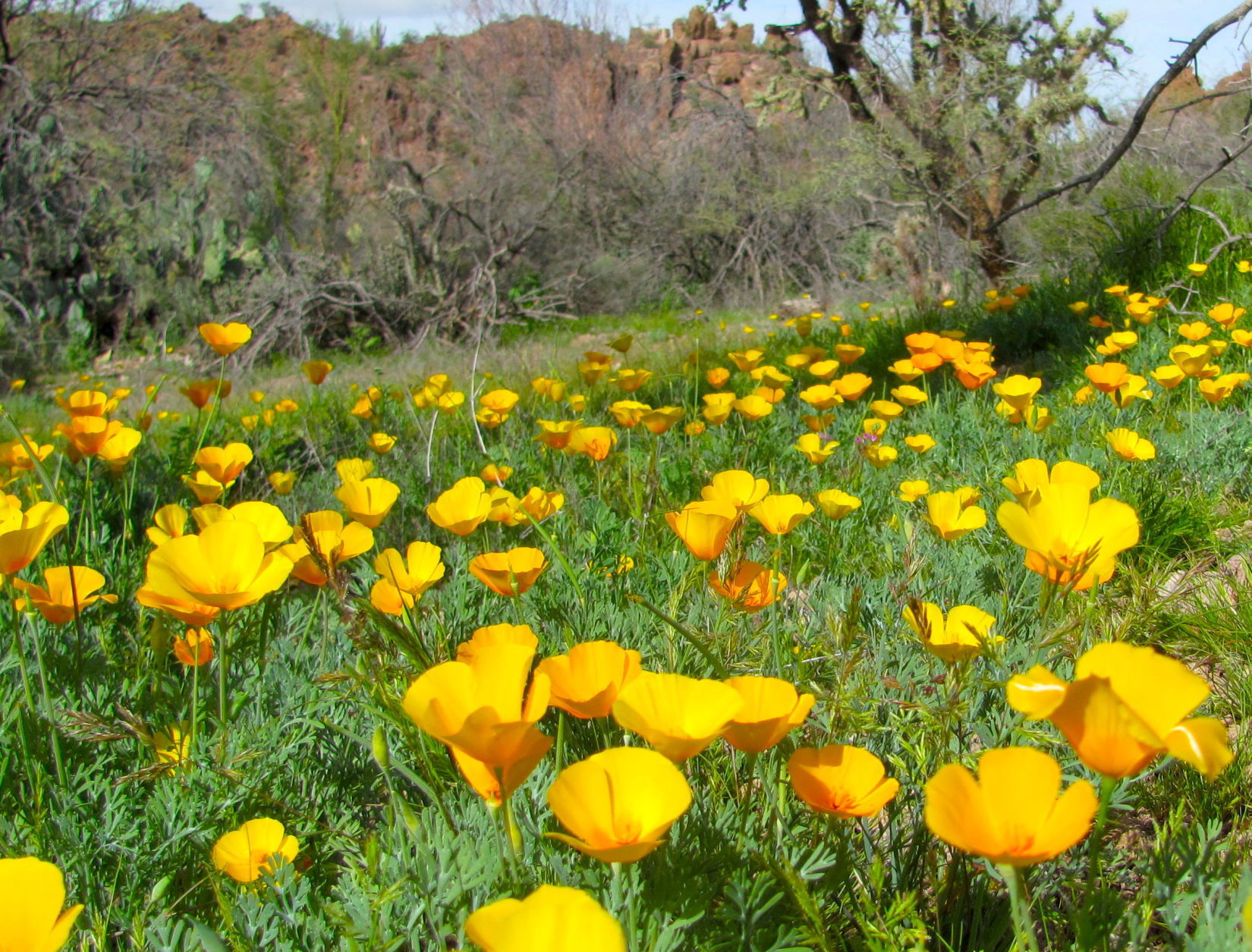
Poppies were blooming profusely at Saguaro National Park West on February 23, 2015
Saguaro National Park
Updated
Mike Ward of Saguaro National Park, left, and volunteer LaDeana Jeane observe a Saguaro cactus while conducting a census at the east section of Saguaro National Park in 2009.
Saguaro National Park
Updated
Gavin Youngstrum drives a roller along the bed of the new Mica Springs Trail, work which will make it ADA compliant in Saguaro National Park East on April 22, 2016, Tucson, Ariz. Power tools and motorized equipment is used very rarely in the park. The trail is not in a wilderness area so the prohibition on the use of power tools and machinery doesn't apply.
Saguaro National Park
Updated
A blue Arizona lupine mixed in with a handful of yellow bladderpod along the Ringtail Trail in Saguaro National Park Tucson Mountain District in 2013.
Saguaro National Park
Updated
Park Ranger Ann Gonzalez watches the campers in her group as they go over a map during Junior Ranger Wilderness Day Camp at the Saguaro National Park in 2009.
Saguaro National Park
Updated
Petroglyphs are among the many wonders at Saguaro National Park West.
Saguaro National Park
Updated
Runners top the first climb as the sun rises at 6:30am, during the annual 8K Saguaro National Park Labor Day Run at Saguaro National Park East in 2007.
Saguaro National Park
Updated
A saguaro under the stars, including a smudge of the Milky Way, at the Broadway Trail Head at Saguaro National Park Rincon Mountain District in 2015.
Saguaro National Park
Updated
Sunset reflected in a mud puddle left over from heavy rains a few days earlier at the Broadway Trail Head of the Saguaro National Park Rincon Mountain District in 2015.
Saguaro National Park
Updated
The moon hangs high over Wasson Peak as Ranger Donna Gill leads hikers during the Twilight Glow to Moon Shadows hike on the Sendero Esperanza Trail at Saguaro National Park West in April, 2016.
Saguaro National Park
Updated
Volunteers help yank out the nonnative, invasive buffelgrass at Saguaro National Park East.
Saguaro National Park
Updated
Using a laser, amateur astronomer Joe Statkevicus points out a few interesting objects in the night sky to Landon George and Vickie Miller at a Saguaro National Park East Star Party in 2010.
Saguaro National Park
Updated
A bee works through a patch of baldderpod in the Saguaro National Park Tucson Mountain District along the Ringtail Trail in 2013.
Saguaro National Park
Updated
Trail worker Brad Duffe redistributes material as he and his trail crew lay down a bed for a new surface, part of remodeling the Mica Springs Trail to make it ADA compliant in Saguaro National Park East on April 22, 2016.
Saguaro National Park
Updated
Riders maneuver their mounts down a hillside just north of the Douglas Spring Trail in the Saguaro National Park Rincon Mountain District, Friday Nov. 27, 2015.
Saguaro National Park
Updated
Tim and Connie Phillips, from Salt Lake City, look for photo angles during the Twilight Glow to Moon Shadows hike on the Sendero Esperanza Trail at Saguaro National Park West in April, 2016. The retired couple sold their home and are "following the weather" across the country in their RV.
Saguaro National Park
Updated
A few items, photos and brief entries in tiny notebooks from an unofficial shrine at Mica Mountain in Saguaro National Park on June 2, 2016.
Saguaro National Park
Updated
The sun sets over the Saguaro National Park Rincon Mountain District on Oct. 8, 2015.
Saguaro National Park
Updated
Scarlett Gates and the rest of the tour group watch the last few minutes of daylight from a rock outcropping along the Tanque Verde Ridge Trail during their guided sunset hike in Saguaro National Park East on April 16, 2016.
Saguaro National Park
Updated
Gold poppies stand out against a backdrop of cacti and blue desert sky at Saguaro National Park west of Tucson on March 11, 2019.
Saguaro National Park
Updated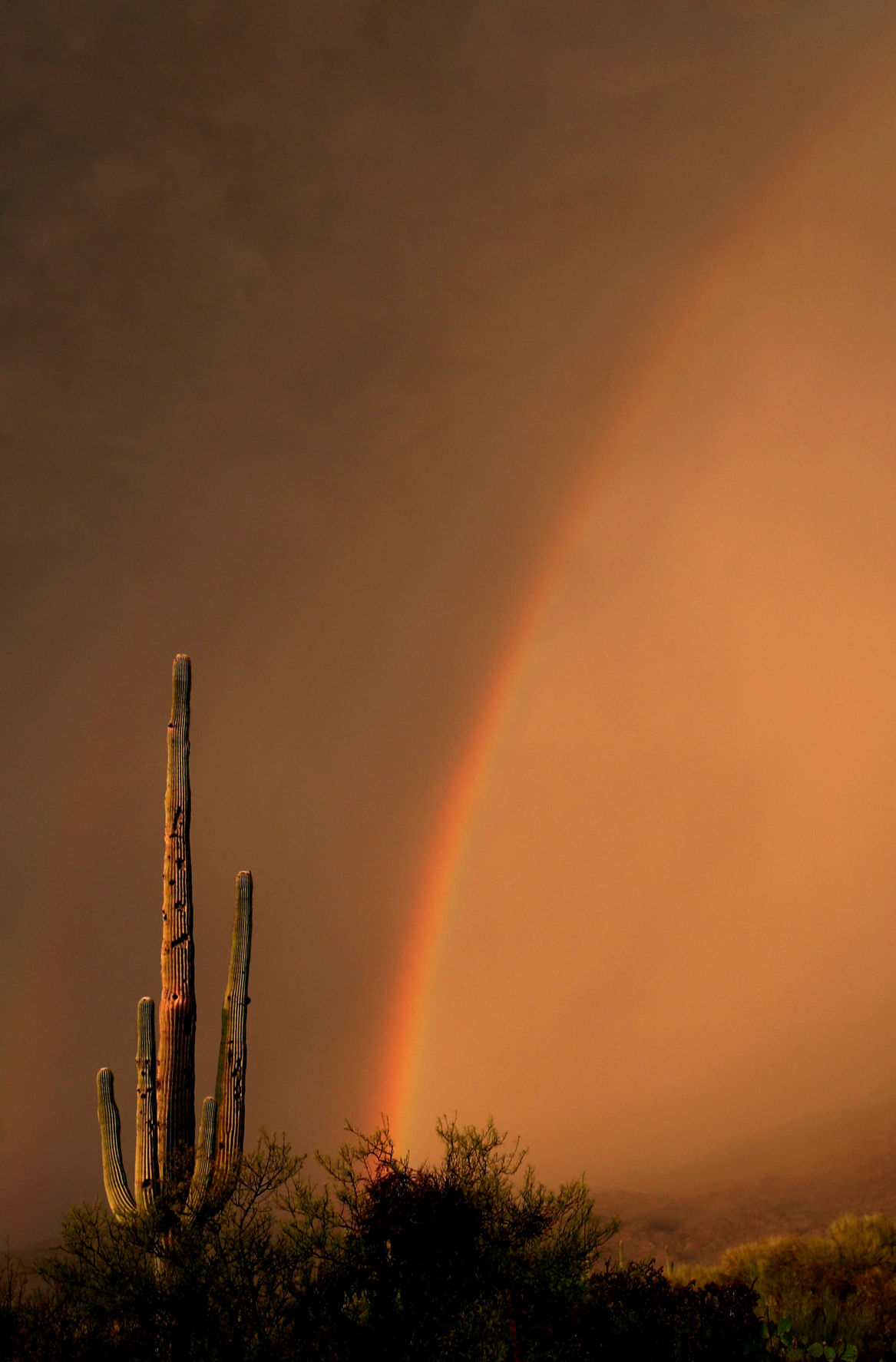
Rainbows pop up over Saguaro National Park East, as the first major monsoon storm of the season begins to roll into the valley, Tucson, Ariz., July 11, 2020.
Saguaro National Park
Updated
A half rainbow arcs over Saguaro National Park East as a highly localized cell of monsoon rain sweeps through a small band of the eastern valley, Tucson, Ariz., July 28, 2020.
Saguaro National Park
Updated
A light coating of snow remains on the Rincon Mountains seen nearby the Broadway Trailhead in Saguaro National Park in Tucson, Ariz. on January 27, 2021.
Saguaro National Park
Updated
A cactus in the Saguaro National Park East stands in front f the snow in the higher reaches of the Santa Catalinas, Tucson, Ariz., March 13, 2021.
Saguaro National Park
Updated
A lighting strikes hits in the Saguaro National Park, east of Tucson, Ariz., July 29, 2021, one of several storm cells that skirted the city.

