



Editor's note: This article was originally published on Aug. 17, 2019.
City residents will start rolling their blue recycling barrels to the curb fewer times a month.
The city is shifting curbside recycling from weekly to every other week beginning Sept. 30.
The move to twice-a-month recycling follows a national trend of municipalities cutting on recycling services.
The city says the reduction in pickups is part of an effort to stem losses in its recycling program.
The collapse in the international market for recyclables as China and other nations no longer accept many plastic and paper products has increased costs of the city’s recycling program.
Reducing the frequency of recycling collection is expected to save the city $1.4 million a year.
The city also will take $2 million from the hotel bed surcharge to cover increased recycling processing costs.
Residents will continue to pay the same amount for recycling services.
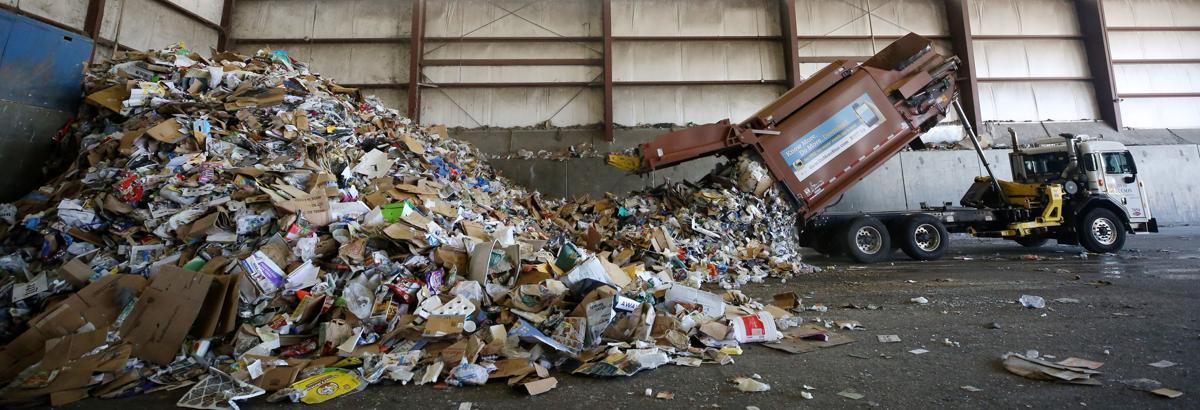
The city is paying $30,000 a month in fees due to a high amount of contaminated materials in its recycling bins.
Some 30% of the items brought to the recycling plant is garbage — not recyclables, estimates show.
“We’ve had dead dogs, we’ve had dirty diapers, we’ve had people throw clothes away,” Councilman Steve Kozachik said.
“A small Band-aid”
The decision to reduce service, made during an April Tucson City Council meeting, is a stop-gap measure.
It’ll be in place for roughly a year while city officials consider more changes to the recycling program.
“This is a small Band-Aid,” Kozachik said about the reduction in home pickup service. “The largest issue is that we create too much waste.”
City officials have stepped up efforts to educate the public about what can — and can’t — be recycled.
“We can up our game in terms of education, but people need to step up and comply,” Kozachik said.
More serious measures the City Council is considering includes replacing the blue bins with two or more containers to separate recyclable materials, increasing fees and eliminating recycling of certain products — mostly likely glass and paper products.
Having two containers makes some sense, Kozachik believes, noting the city’s blue barrels could be retrofitted so that a barrier could be installed, allowing residents to separate their recyclables.
Kozachik recently wrote in a newsletter that says eight states allow bans on plastic bags, straws and cutlery.
Another 330 local plastic bag ordinances exist in 24 states.
But the state Legislature prohibits cities and towns from passing similar restrictions, Kozachik says.
Kozachik says education efforts about recycling will only go so far.
The city should have the ability to remove recycling containers from homes, apartment buildings and other areas if people living there refuse to recycle properly, he says.
“The rest of us shouldn’t subsidize bad behavior,” he says.

