


Many Americans with high-deductible health insurance plans face a cold reality at the start of every year.
Those deductibles will have to be paid before most coverage starts. That can mean thousands of dollars in fresh health care bills.
Such financial hits can be brutal for patients with cancer or other chronic conditions. They may have met their deductibles last year, only to see them reset in January.
Patients who use tax-exempt accounts to set aside money can soften the crunch. There are no simple solutions to erase the problem for those without such accounts.

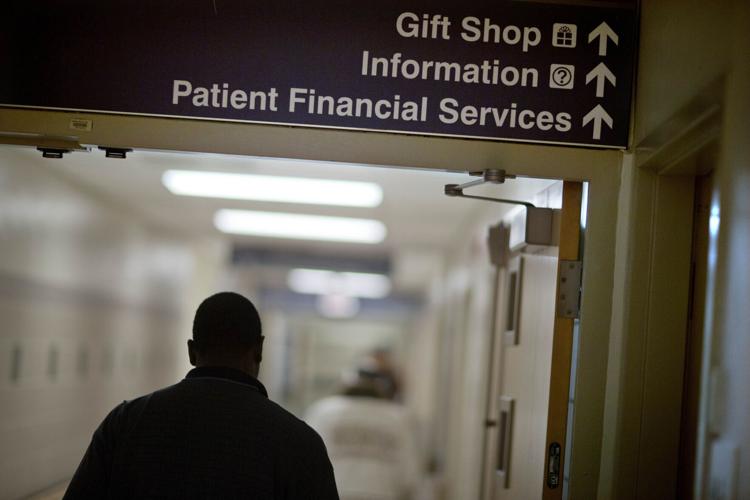
A sign points visitors toward the financial services department at a hospital.
However, patient advocates say there are ways to manage the challenge.
Know about your plan
Patients should know the size of their deductibles and how they work.
This can be confusing. A plan may have separate deductibles for individuals and families. You may meet the individual deductible but still have to satisfy the other when family members get care. There also may be a different deductible for prescriptions.
Understand the payments you'll have after meeting the deductible. Insurance plans typically require patients to continue footing a percentage of their bill — called coinsurance — until they hit their annual out-of-pocket maximum.
Many people don't understand that they still will have to pay the coinsurance after meeting the deductible, said Nicole Broadhurst, CEO of Tennessee Health Advocates, which helps patients with medical billing.
The financial hit for care can be worse if you see a doctor outside your insurer's coverage network. Make sure care is in your insurer's network before you go to the appointment.

Closely examine invoices
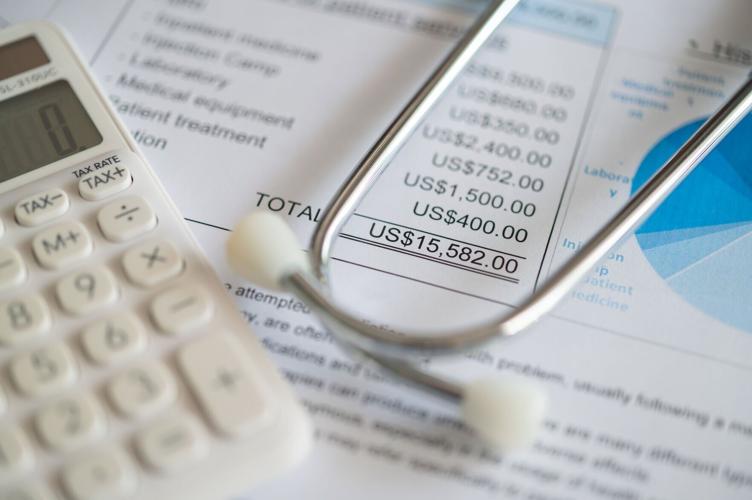
Medical bills can be filled with errors. Someone at the hospital or doctor's office may have entered the wrong code for the care you received. They also may have sent a bill before insurance coverage was sorted out.
For emergency care, make sure a bill complies with the No Surprises Act.
That law requires that patients receive in-network coverage with no additional billing for most emergency care. It also offers other protections for patients treated at an in-network hospital.

Consider seeking financial assistance for a bill that seems unmanageable.
Ask for help with big bills
There are several organizations that help people navigate medical bills. They include Broadhurst's Tennessee Health Advocates and the nonprofit Patient Advocate Foundation, which offers an online directory of resources for help.
Consider seeking financial assistance for a bill that seems unmanageable. Some hospital systems may provide help for people with income levels as high as six figures.
Patients should be persistent in asking for help or finding out why an application was denied. That may have happened because of a mistake.
Hospitals or care providers also may be willing to set up no-interest payment plans.
Get covered care now
Some routine screenings and preventive care such as annual physicals should be covered regardless of the deductible.
Broadhurst recommends getting those early in the year. If doctors find something they need to treat, you'll have the rest of the year to figure out how to handle that financially.
If there's nothing to worry about, then perhaps you have time to set aside money for health care expenses later in the year.



