

WASHINGTON — A divided Supreme Court came to the rescue of Texas Republicans on Thursday, allowing next year's elections to be held under the state's congressional redistricting plan favorable to the GOP and pushed by President Donald Trump despite a lower-court ruling that the map likely discriminates on the basis of race.
With conservative justices in the majority, the court acted on an emergency request from Texas for quick action because qualifying in the new districts already began, with primary elections in March.
The Supreme Court's order puts the 2-1 ruling blocking the map on hold at least until after the high court issues a final decision in the case. Justice Samuel Alito previously temporarily blocked the order while the full court considered the Texas appeal.

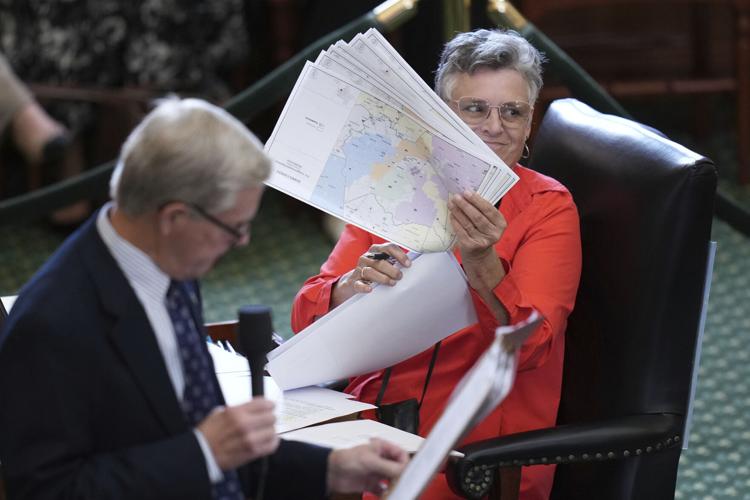
Texas state Sen. Sarah Eckhardt, D-Austin, right, listens as Sen. Phil King, R-Weatherford, speaks in favor of a bill Aug. 22 before a vote on a redrawn U.S. congressional map during a special session in the Senate Chamber at the Texas Capitol in Austin.
The justices cast doubt on the lower-court finding that race played a role in the new map, saying in an unsigned statement that Texas lawmakers had "avowedly partisan goals."
In dissent, Justice Elena Kagan wrote for the three liberal justices that her colleagues should not have intervened at this point. Doing so, she wrote, "ensures that many Texas citizens, for no good reason, will be placed in electoral districts because of their race. And that result, as this Court has pronounced year in and year out, is a violation of the Constitution."
The high court's vote "is a green light for there to be even more re-redistricting, and a strong message to lower courts to butt out," Richard Hasen, an election law expert at the University of California at Los Angeles law school, wrote on the Election Law Blog.
The justices blocked past lower-court rulings in congressional redistricting cases, most recently in Alabama and Louisiana, that came several months before elections.
The Texas congressional map enacted last summer at Trump's urging was engineered to give Republicans five additional House seats.
The effort to preserve a slim Republican majority in the House in next year's elections touched off a nationwide redistricting battle.

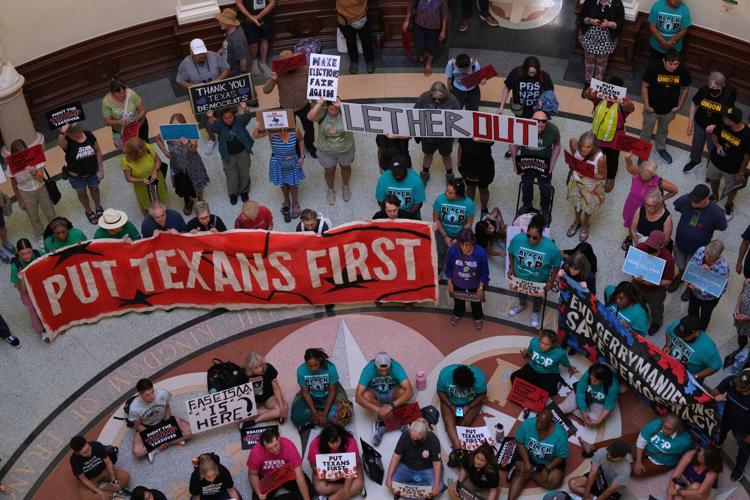
Protesters gather Aug. 20 in the rotunda outside the House Chamber at the Texas Capitol in Austin as lawmakers debate a redrawn U.S. congressional map during a special session.
Texas was the first state to meet Trump's demands in what has become an expanding national battle over redistricting. Republicans drew the state's new map to give the GOP five additional seats, and Missouri and North Carolina followed with new maps adding an additional Republican seat each.
To counter those moves, California voters approved a ballot initiative to give Democrats an additional five seats there.
The redrawn maps face court challenges in California and Missouri. A three-judge panel allowed the new North Carolina map to be used in the 2026 elections.
The Trump administration sued in a bid to block the new California maps, but it called for the Supreme Court to keep the redrawn Texas districts in place.
The justices separately are considering a case from Louisiana that could further limit race-based districts under Section 2 of the Voting Rights Act. It's unclear how the outcome of that case might affect the current round of redistricting.

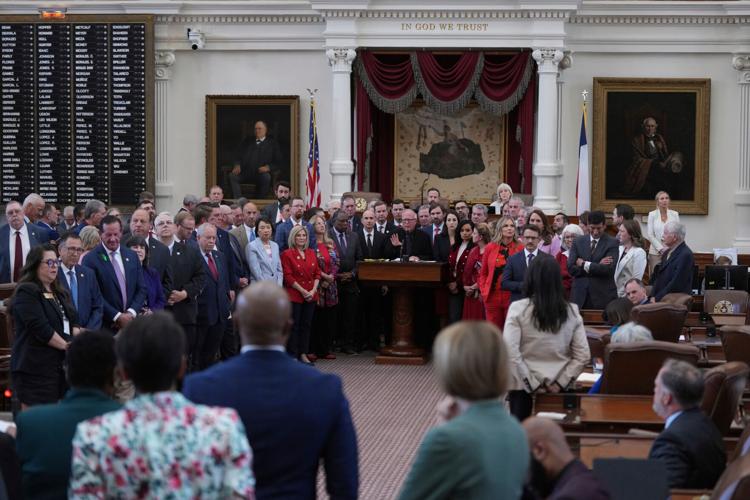
Texas Rep. Todd Hunter, R-Corpus Christi, and fellow Republicans face off with Democrats in an Aug. 20 debate over a redrawn U.S. congressional map in Texas during a special session at the state Capitol in Austin.
Texas Attorney General Ken Paxton said the Supreme Court's order "defended Texas's fundamental right to draw a map that ensures we are represented by Republicans." He called the redistricting law "the Big Beautiful Map."
"Texas is paving the way as we take our country back, district by district, state by state," he said in a statement. "This map reflects the political climate of our state and is a massive win for Texas and every conservative who is tired of watching the left try to upend the political system with bogus lawsuits."
In the Texas case, U.S. District Judges Jeffrey V. Brown and David Guaderrama concluded the redistricting plan likely dilutes the political power of Black and Latino voters in violation of the Constitution. Trump appointed Brown in his first term while President Barack Obama, a Democrat, appointed Guaderrama.
"To be sure, politics played a role in drawing the 2025 Map," Brown wrote. "But it was much more than just politics. Substantial evidence shows that Texas racially gerrymandered the 2025 Map."
Grand jury rejects new mortgage fraud indictment against NY Attorney General Letitia James
The majority opinion provoked a vituperative dissent from Judge Jerry Smith, an appeals court judge on the panel.
Smith accused Brown of "pernicious judicial misbehavior" for not giving Smith sufficient time before issuing the majority opinion. Smith, an appointee of President Ronald Reagan, a Republican, also disagreed with the substance of the opinion, saying it would be a candidate for the "Nobel Prize for Fiction," if there were such an award.
"The main winners from Judge Brown's opinion are George Soros and Gavin Newsom," Smith wrote, referring to the liberal megadonor and California's Democratic governor. "The obvious losers are the People of Texas and the Rule of Law."
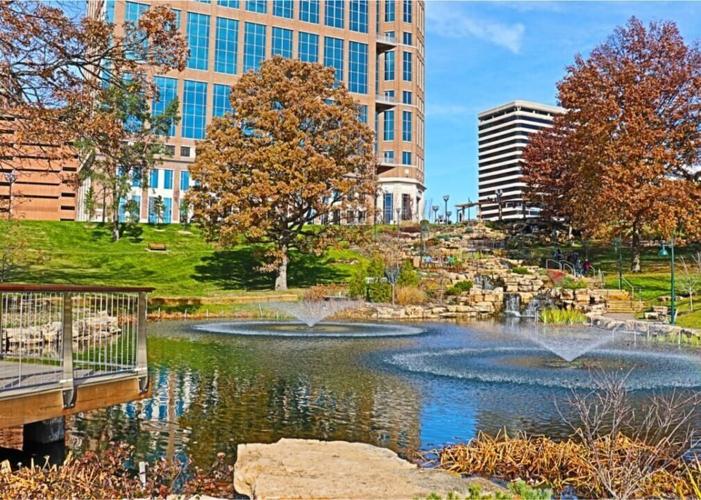
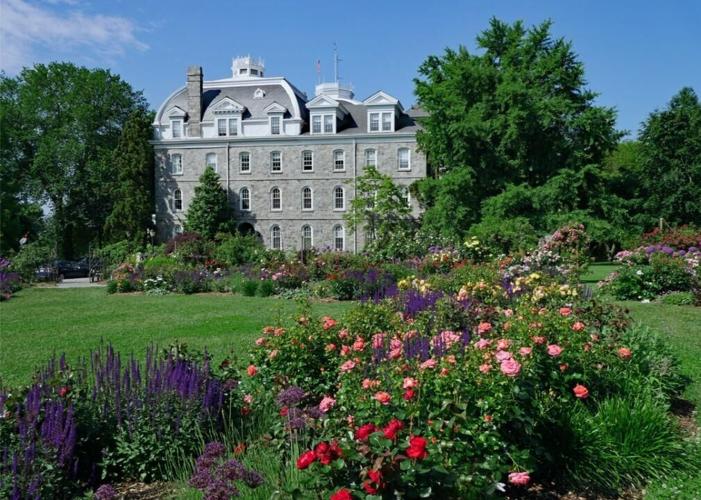

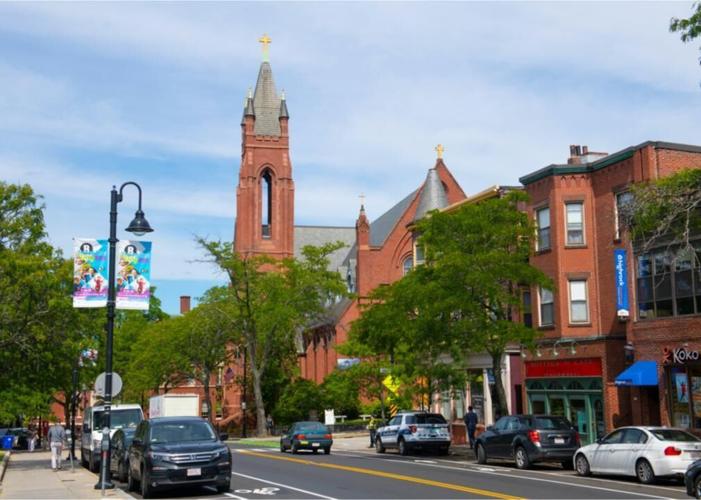
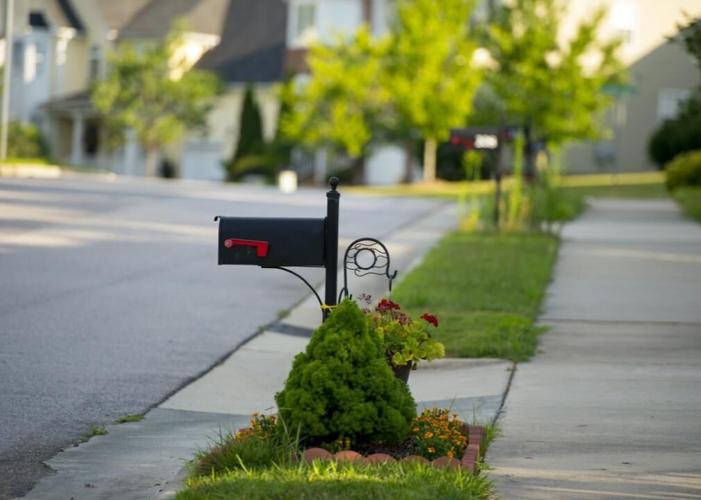

Best suburbs to live in America

Best suburbs to live in America
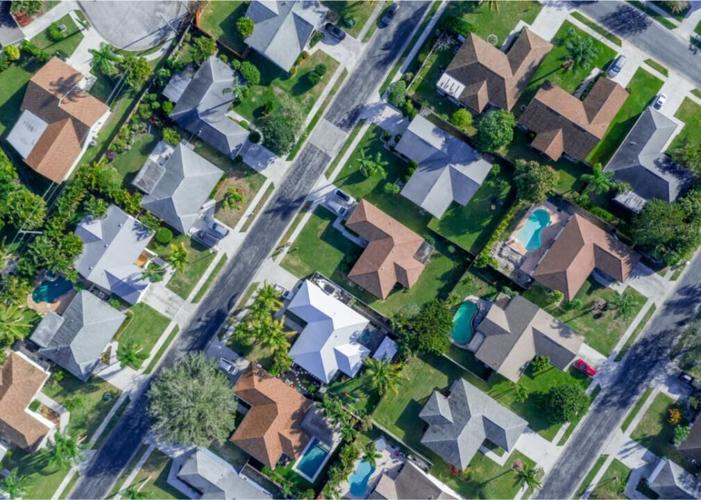
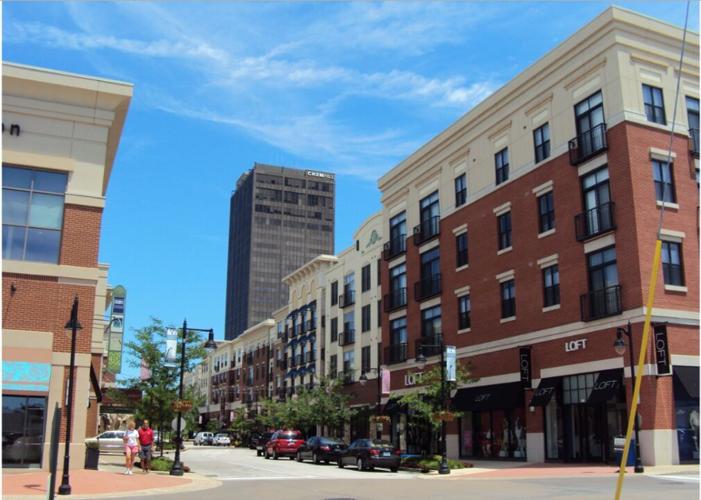
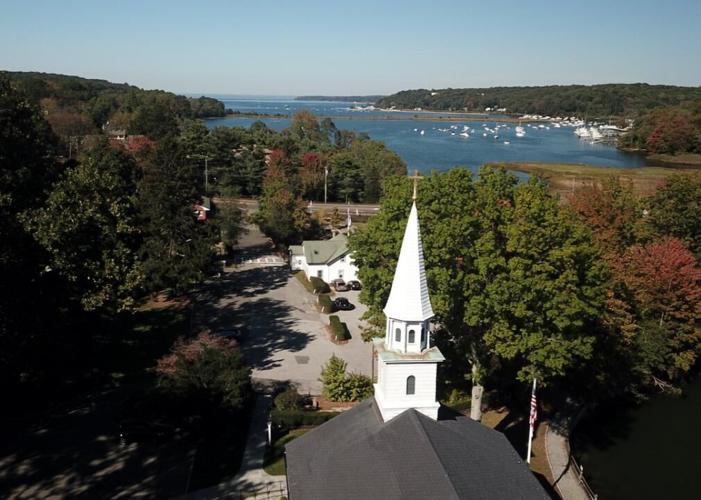
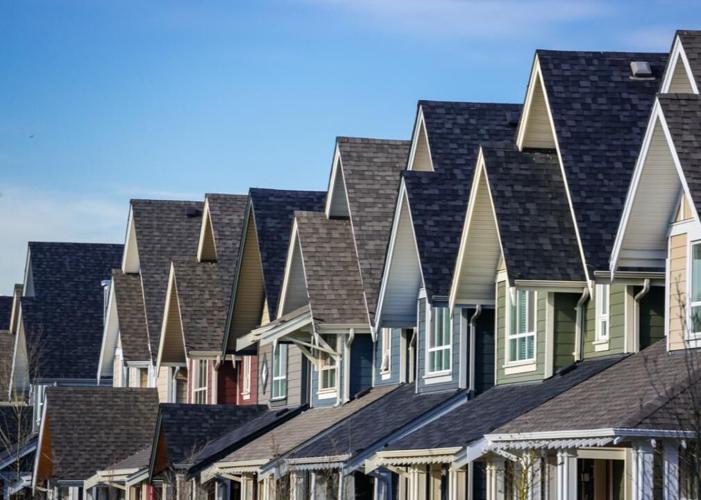
Suburbia is deeply ingrained in American culture, growing in popularity alongside the country's love affair with cars and its network of highways. As early as the 1830s, Brooklyn Heights laid claim to the title of the first suburb when it became connected to Manhattan by steam ferries. A little over 100 years later, Levittown became the new model of suburban development, offering affordable, mass-produced houses on Long Island for veterans returning home after World War II.
Suburbs get their share of criticism, from encouraging isolation to promoting urban sprawl, but their appeal endures. Americans will go to great lengths to stay in the suburbs—even when houses in these neighborhoods are unaffordable for the average home-buyer. A June 2025 report from Realtor.com found that people increasingly opt to rent in the suburbs rather than purchase a house.
To find the best of the 'burbs, Stacker compiled a list of top-ranked suburbs in the U.S. using Niche's 2025 rankings, which look at such factors as the cost of living, the educational level of residents, housing, and public schools. The data is the most current available. Some housing statistics, including median home values, might not reflect the current market. A deeper look at Niche's methodology can be found here.
Keep reading to see which of the country's suburbs made the cut—and whether any of them are a community near you.
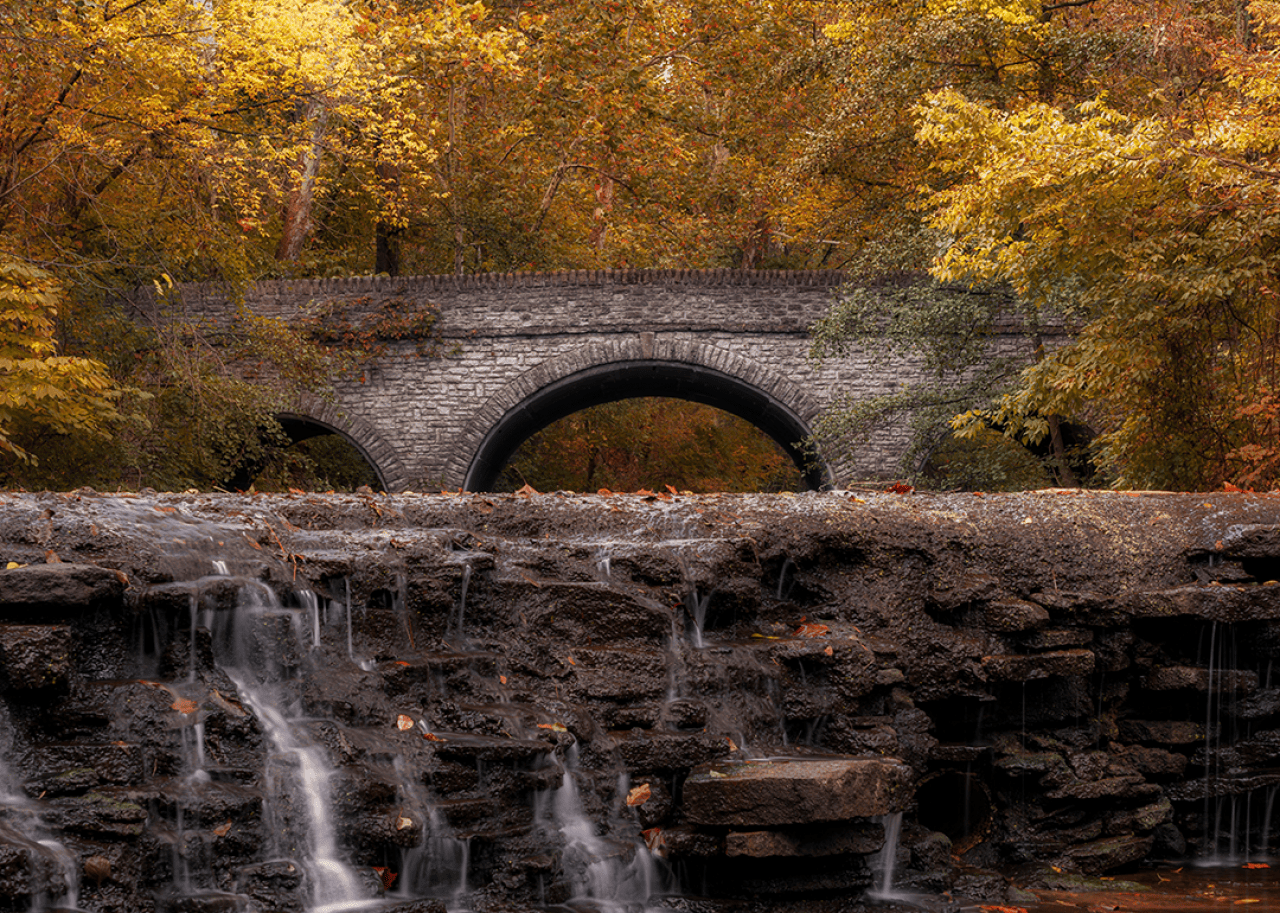
#15. Blue Ash, Ohio
- Suburb of Cincinnati
- Population: 13,374
Thanks to its mixture of small-town charm, proximity to urban areas, and top-rated amenities, Blue Ash has been rated by Niche as the most desirable place to live in Ohio. With an exceptional education system, some 2,300 companies with offices in the area, and access to the Blue Ash Golf Course and the 130-acre Summit Park, there's really very little this suburb doesn't offer. Abundant community programming rounds out residents' lives here.
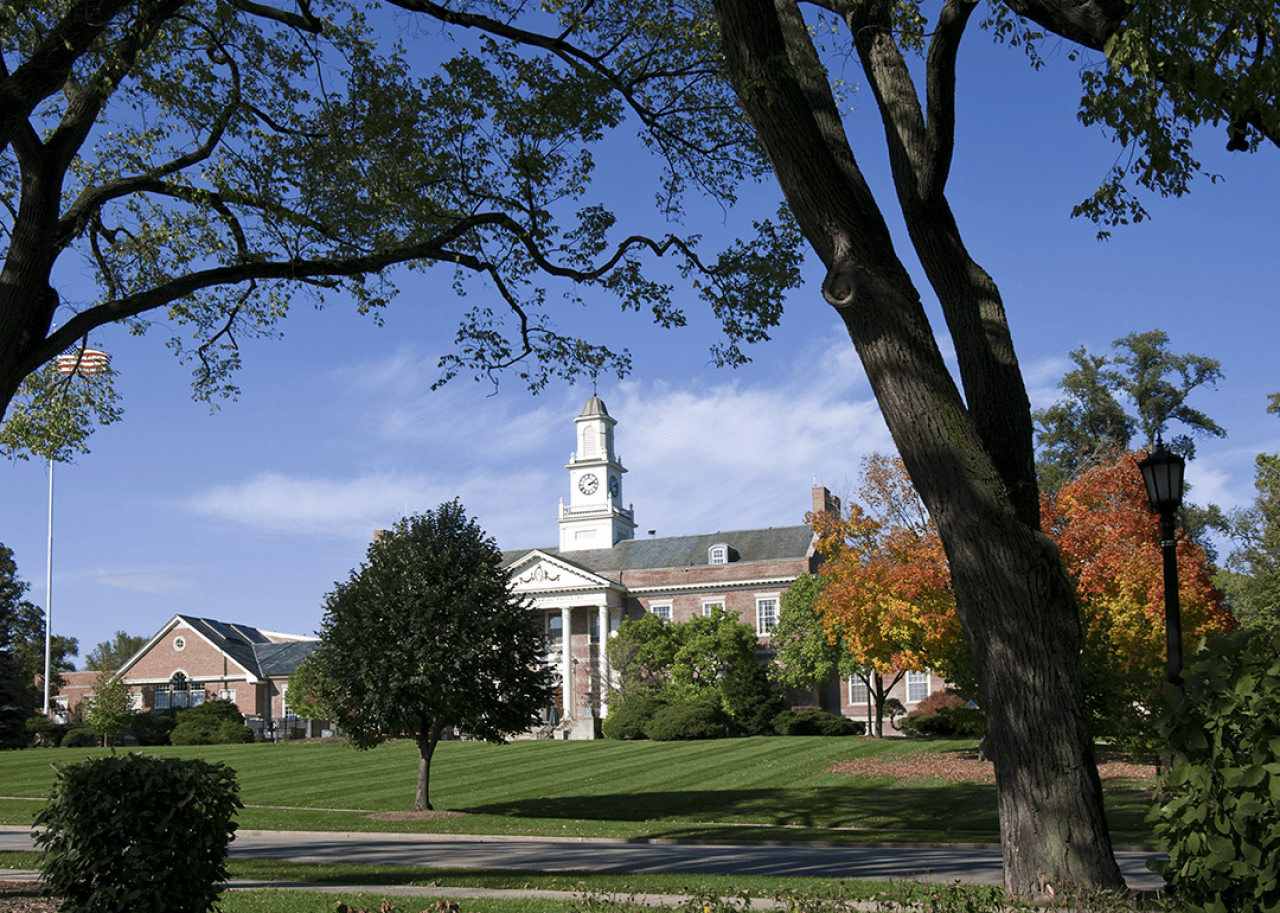
#14. Hinsdale, Illinois
- Suburb of Chicago
- Population: 17,155
Roughly 20 miles west of Chicago, the village of Hinsdale offers laid-back charm and a friendly, community-oriented atmosphere. The area is easily walkable and home to a highly-rated education system, making it an excellent choice for families with young kids.
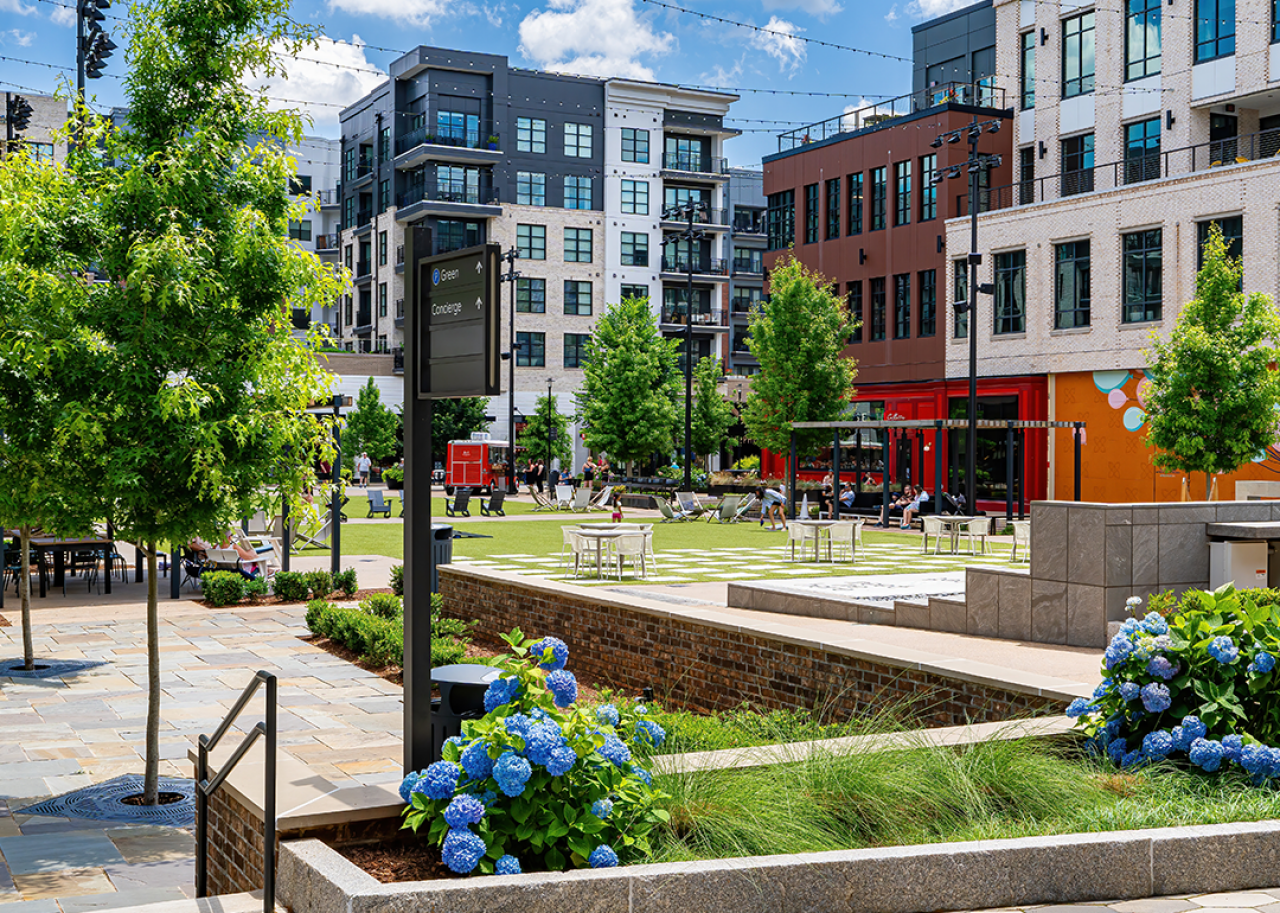
#13. Cary, North Carolina
- Suburb of Raleigh
- Population: 176,686
"With excellence and innovation in its DNA," Cary, North Carolina, is renowned for its low crime rates and abundance of leisure activities. A walkable downtown, 80 miles of public greenway, and an inclusive community add to the charm. Roughly 20 miles from major universities like Duke and the University of North Carolina at Chapel Hill, the city is home to highly educated residents whose median household income sits well above the national average.
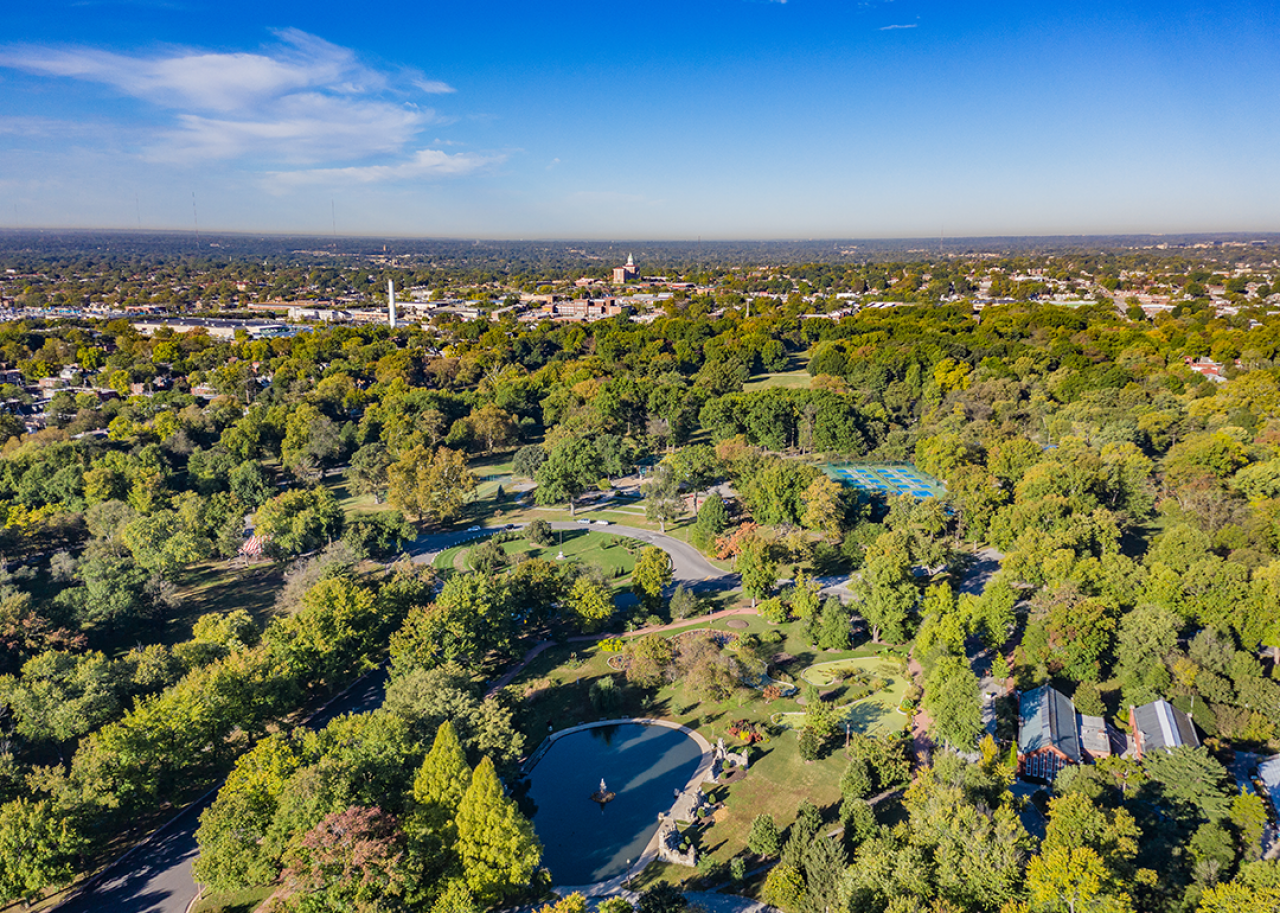
#12. Brentwood, Missouri
- Suburb of St. Louis
- Population: 8,151
Brentwood, which bills itself as "The City of Warmth," is a relatively small community about 15 minutes from downtown St. Louis. The town holds an annual festival each September called Brentwood Days, where the community comes together for live entertainment, food, carnival rides, and more.
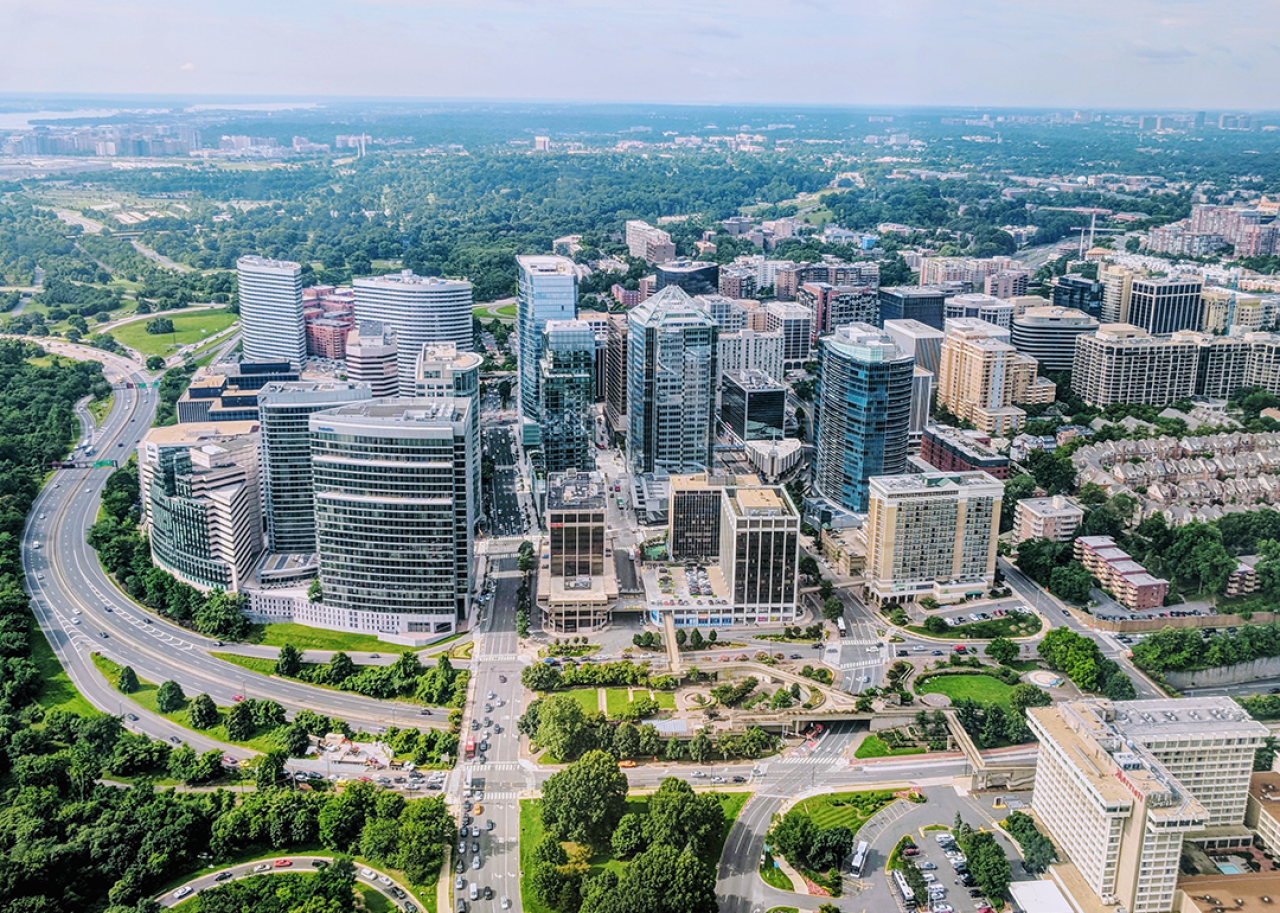
#11. North Potomac, Maryland
- Suburb in Maryland
- Population: 23,994
An easy commute from Washington D.C., North Potomac is a high-earning, luxury community. Though it's only existed since the '80s, the area feels well-developed thanks to its number of job opportunities, private clubs, and public parks and trail systems. North Potomac is also located near the Universities at Shady Grove, a multi-university higher education center for mid-career professionals and non-traditional students looking to further their education.
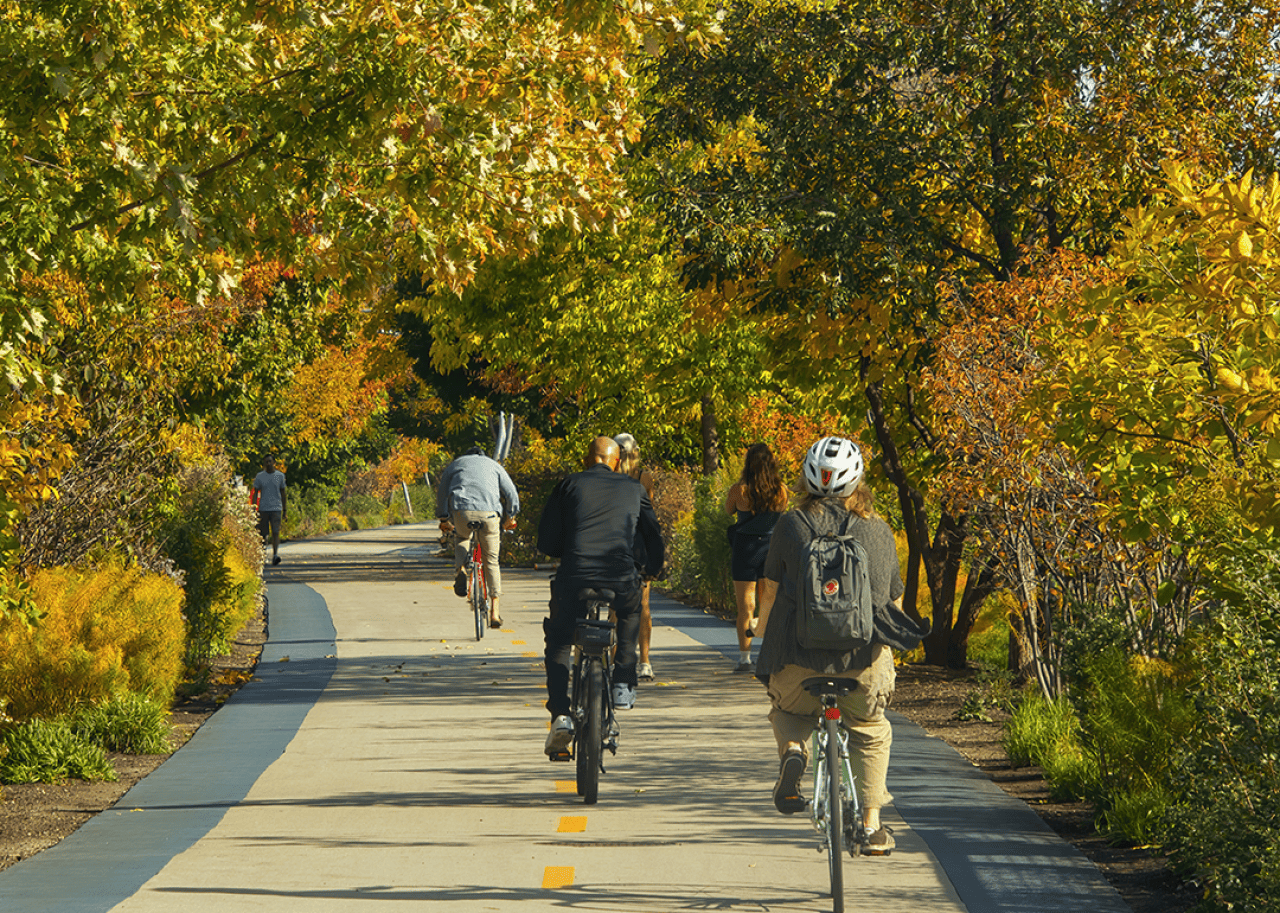
#10. Clarendon Hills, Illinois
- Suburb of Chicago
- Population: 8,642
Clarendon Hills, which bills itself as "The Volunteer Community," holds several events downtown: a summer concert series called "Dancin' in the Street," Daisy Days, and a Christmas Walk and Annual Tree Lighting Ceremony. Volunteers, of course, are behind the annual gatherings in this affluent community west of Chicago.
Clarendon Hills takes sustainability seriously and placed seventh on the U.S. Environmental Protection Agency's 2020 Green Power Partner communities list. Sixty-eight percent of its electrical consumption came from renewable energy certificates as a result of wind power generation.
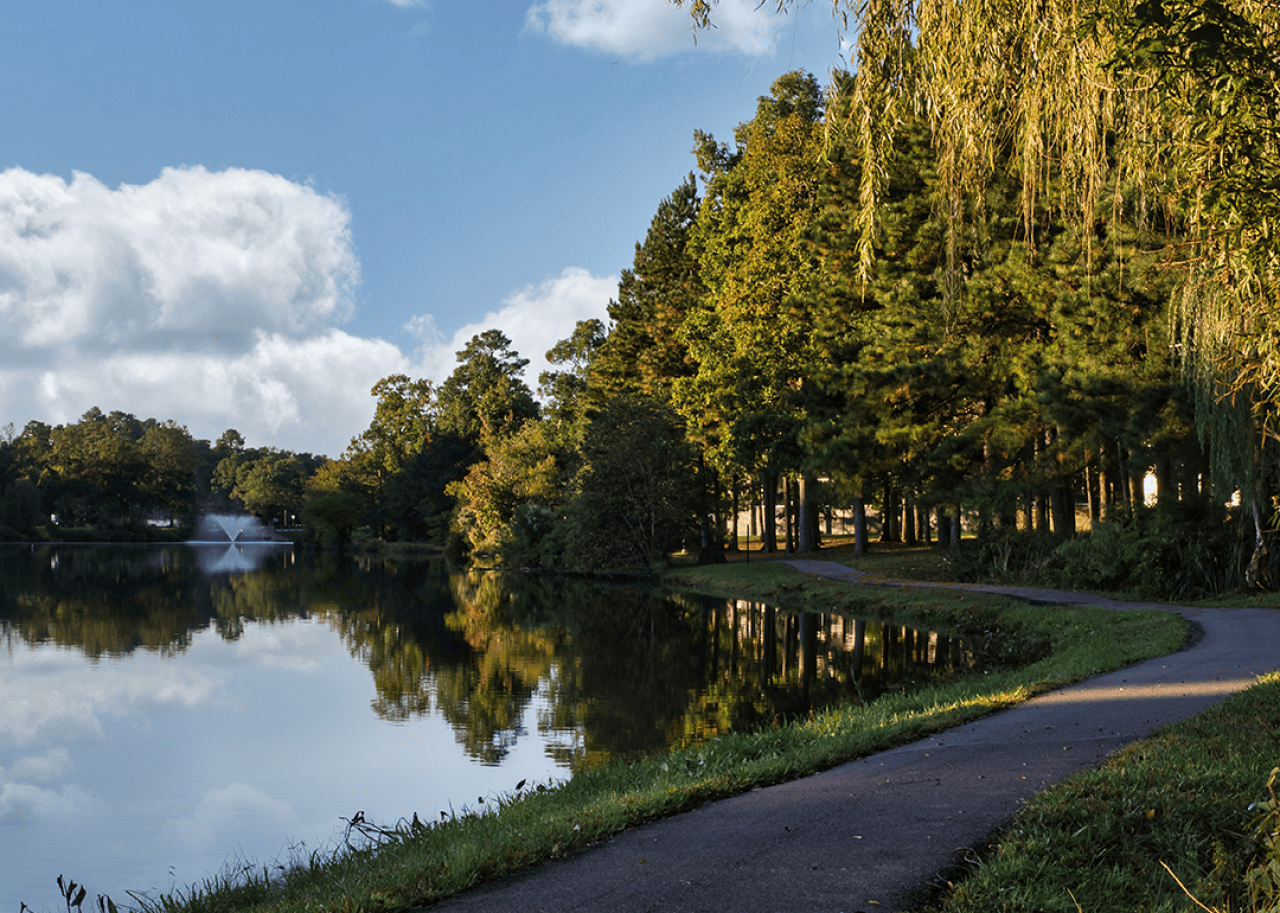
#9. Innsbrook, Virginia
- Suburb of Richmond
- Population: 8,559
Located in West End Richmond, Innsbrook is a favorite neighborhood for young professionals and families. Near three lakes and miles of walking trails, the community is located a short distance from the Short Pump Town Center, where many shopping and dining options await.
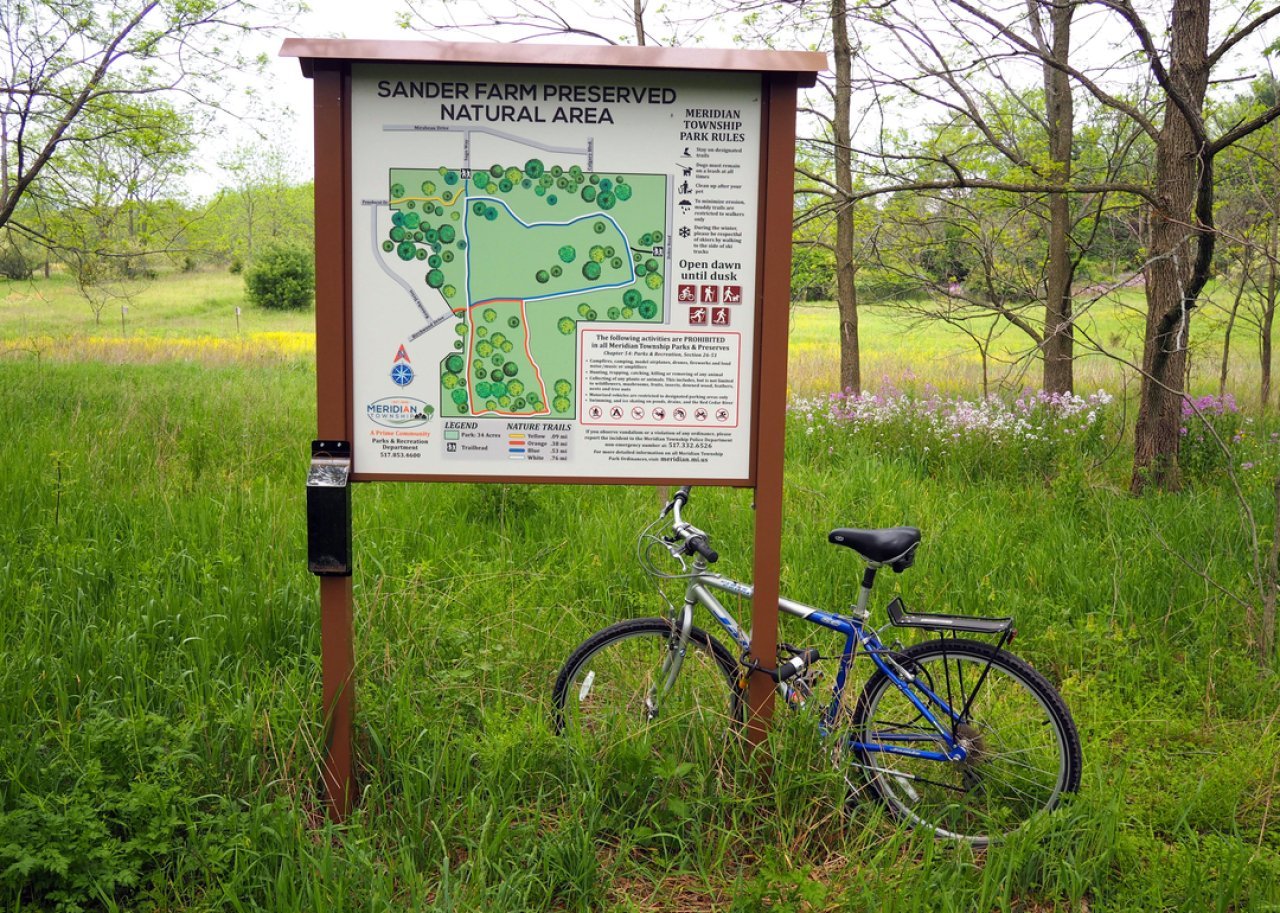
#8. Okemos, Michigan
- Suburb of Lansing
- Population: 25,503
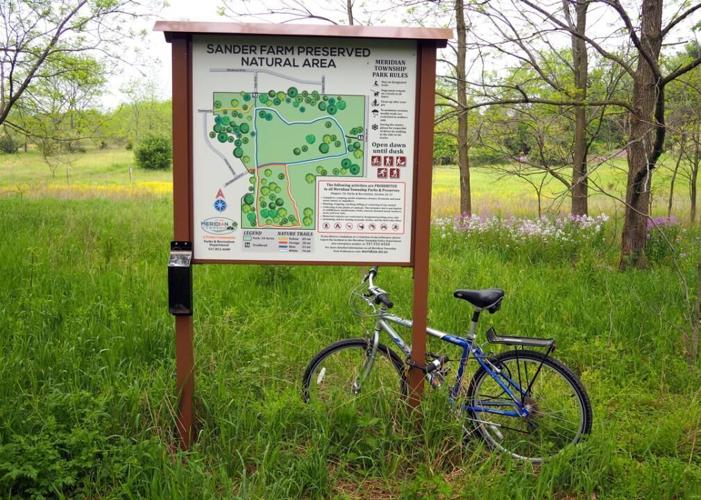
Located less than 10 miles east of Michigan's state capital of Lansing, Okemos is also within easy reach of Michigan State University. Originally founded as the village of Hamilton, Okemos was a stopping point for travelers between Detroit and Lansing. It falls mostly within Meridian Township but has its own school system. The town is named after the Saginaw Chippewa Chief Okemos.
The town has birthed several notable names, but arguably the biggest one is "Saturday Night Live" alum and late-night host Seth Meyers, who spent his formative years there.
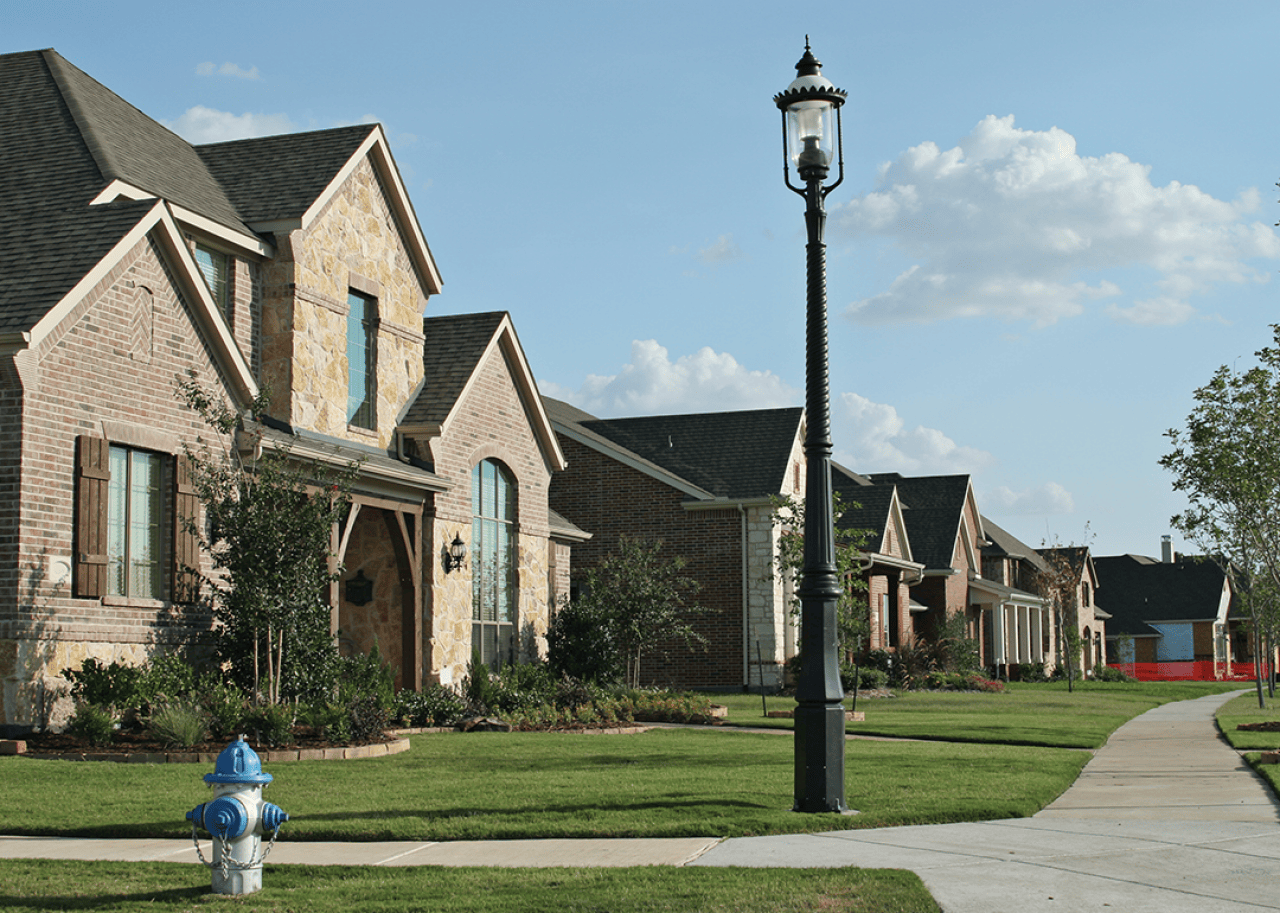
#7. Cinco Ranch, Texas
- Suburb of Houston
- Population: 19,139
Before Cinco Ranch was developed in the 1980s, it was a working cattle ranch and rice farm for over 50 years. Now, the community, which is located 30 miles from Houston, has several highly rated public schools, a golf course, athletic centers, and plenty of green spaces. In 2025, Niche ranked the cozy suburb the #1 place to live in Texas.
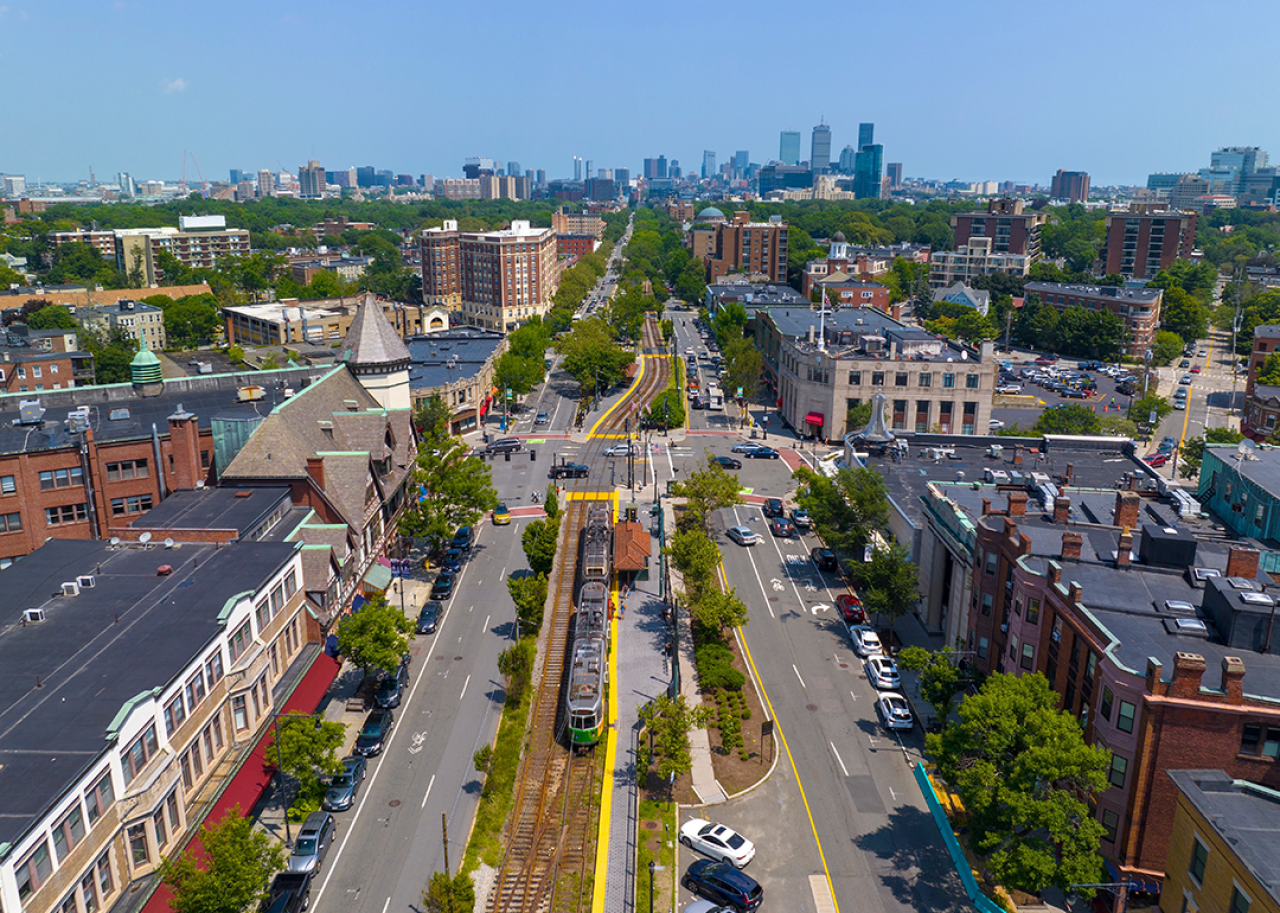
#6. Brookline, Massachusetts
- Suburb of Boston
- Population: 62,822
Seven miles from downtown Boston and surrounded by the city on three sides, Brookline was a streetcar suburb up through the mid-19th century. Though one of the largest towns in Massachusetts, it has little industrial development, and less than 6% of its land is zoned for commercial use. Its median housing prices are some of the highest in the state. Its community highlights are a skating rink, an aquatics center, and a golf course.
The historic town is also home to the birthplace of John F. Kennedy, a National Historic Site where visitors can tour the place where the 35th president spent his formative years.
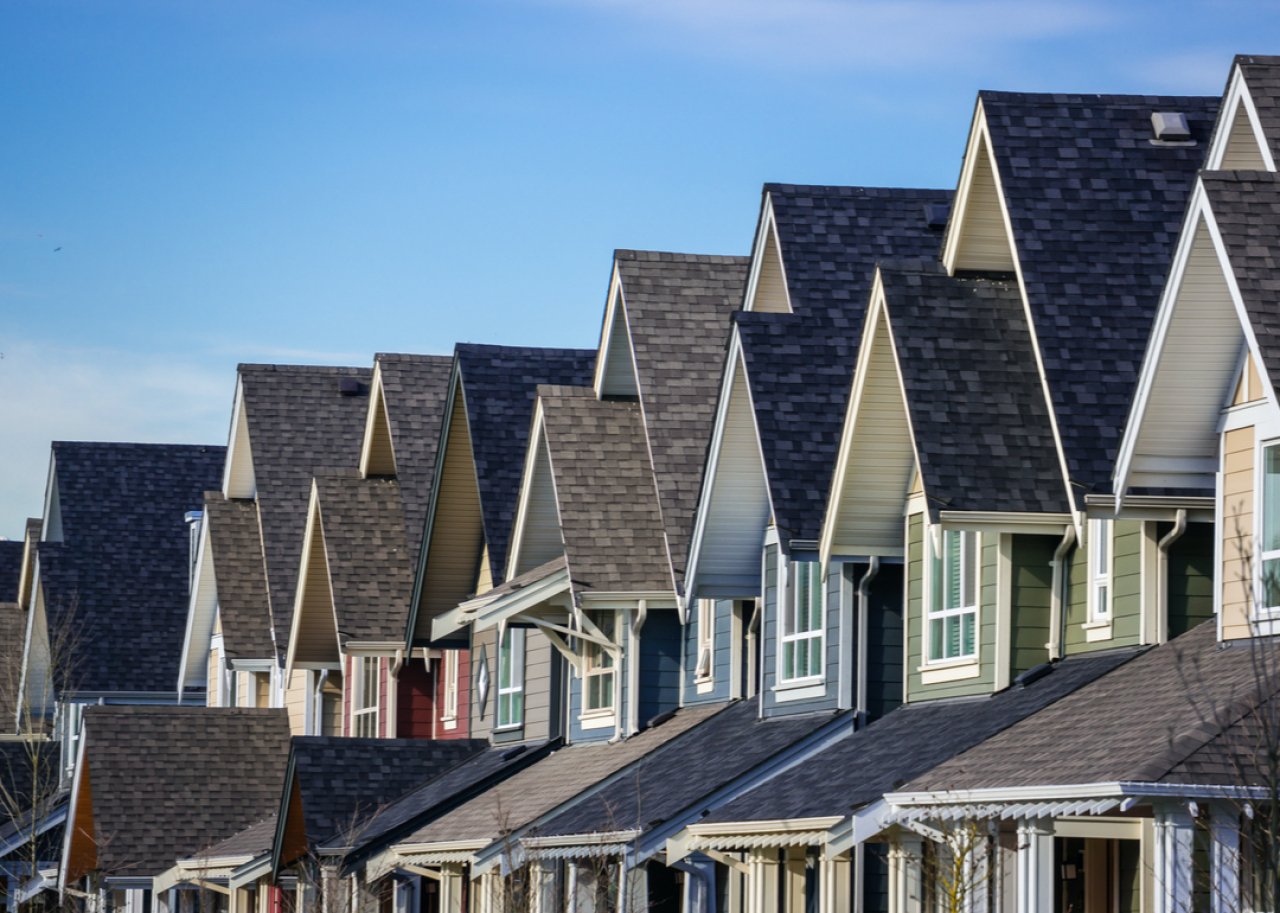
#5. Penn Wynne, Pennsylvania
- Suburb of Philadelphia
- Population: 6,220
Penn Wynne is one of Philadelphia's wealthy Main Line suburbs, stretching along the former Pennsylvania Railroad out of Philadelphia. It's a predominantly residential community where most people own their homes. Penn Wynne Park offers multiple sports fields, a children's playground, and tennis courts. Penn Wynne Elementary School is well-regarded, and the local library provides numerous activities, including book clubs and workshops. Among other civic opportunities is the Penn Wynne Civic Association, a volunteer nonpartisan group that has organized community activities for over eight decades.
#4. Ardmore, Pennsylvania
- Suburb of Philadelphia
- Population: 14,165
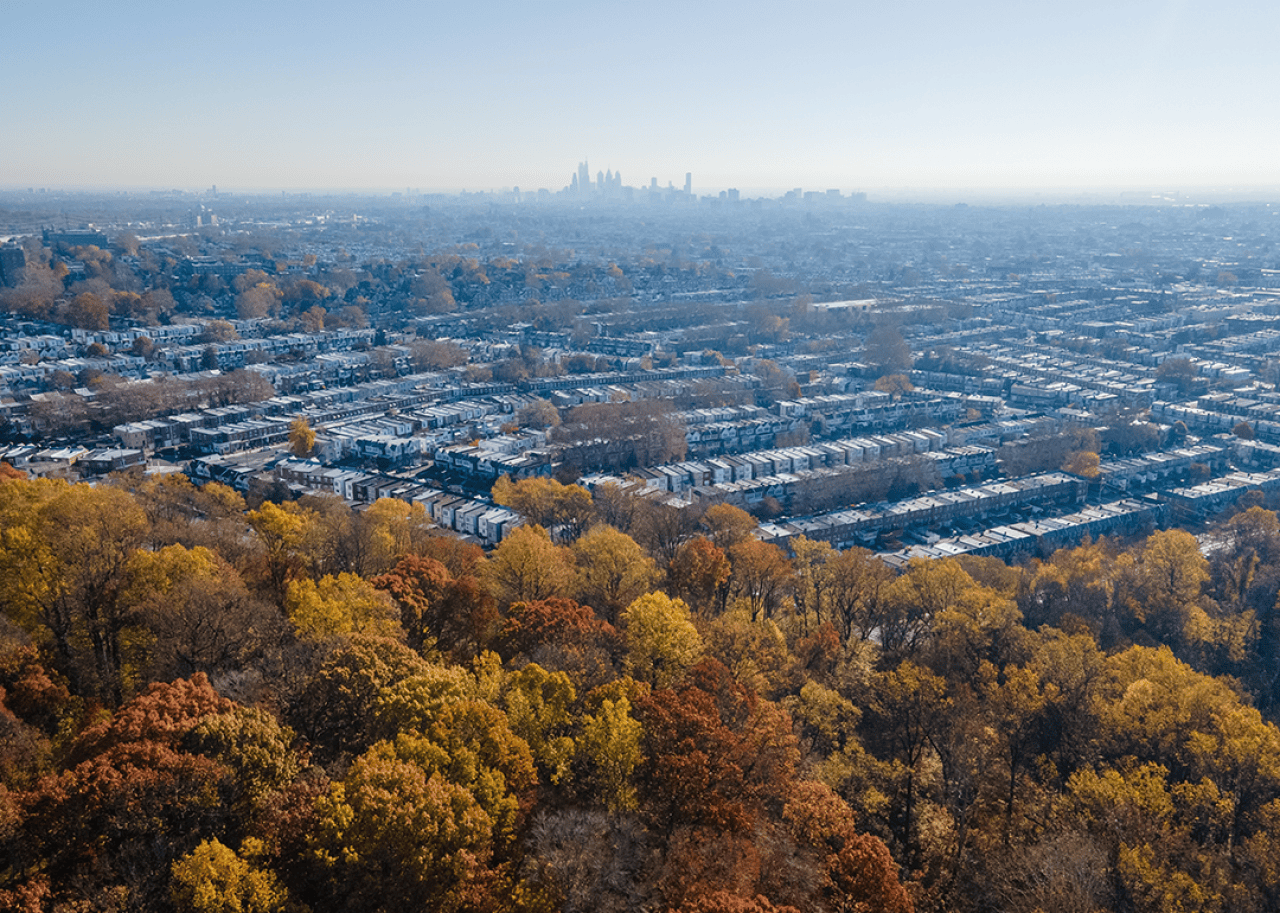
Ardmore is the largest of the Main Line suburbs. The town is home to one of the country's earliest shopping centers, Suburban Square, which opened in 1928 and today is an outdoor shopping area with a farmers' market. Ardmore is also considered one of Philly's most walkable suburban communities.
#3. Johns Creek, Georgia
- Suburb of Atlanta
- Population: 82,115
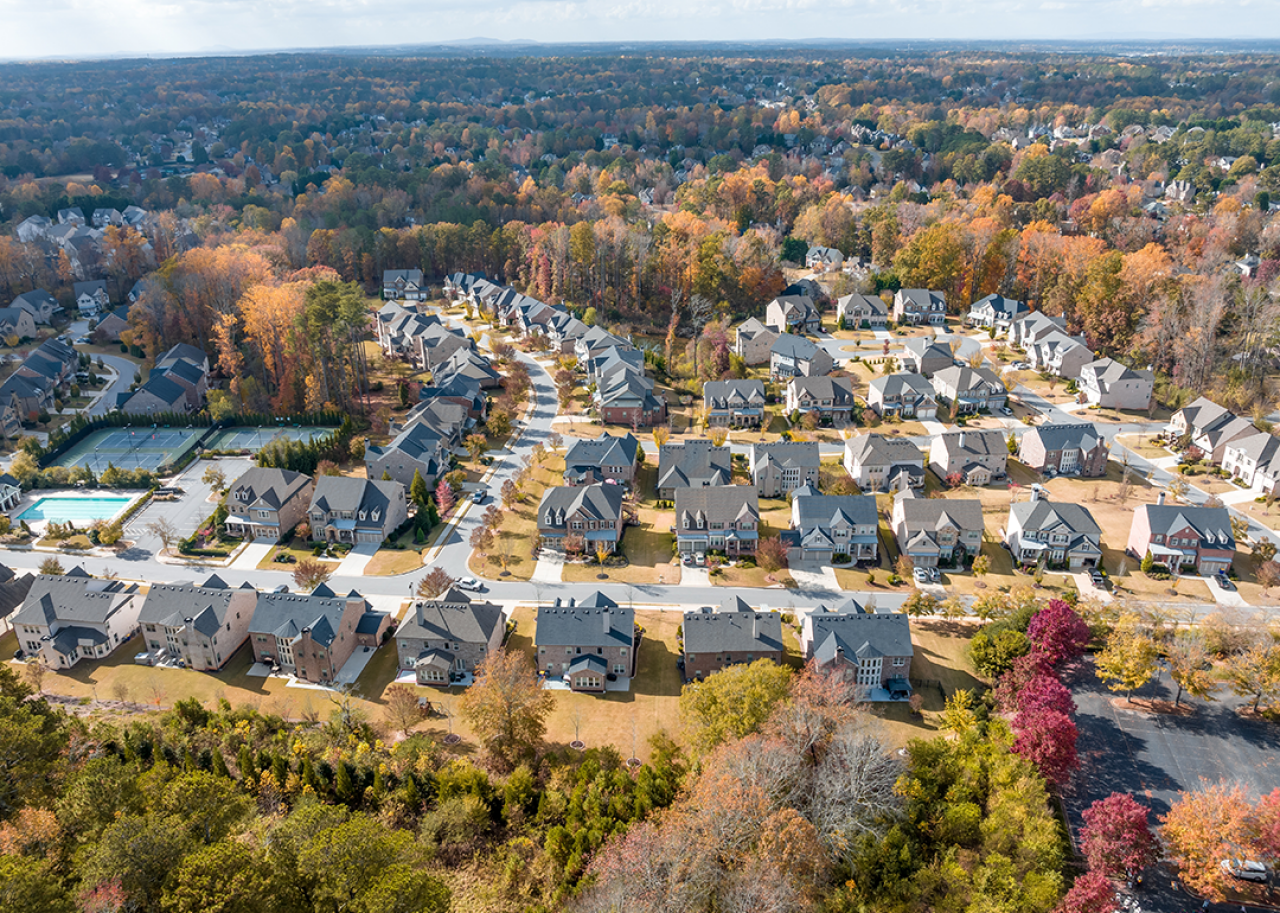
Johns Creek is consistently ranked one of the safest cities in Georgia. Located just outside of Atlanta, it shares much of the larger city's diversity and benefits from the spillover of its vibrant culinary and arts scenes. Its distance from the state's capital means more green spaces, like the Autrey Mill Nature Preserve and Heritage Center, for residents to enjoy.
#2. Madison, Alabama
- Suburb of Huntsville
- Population: 58,335
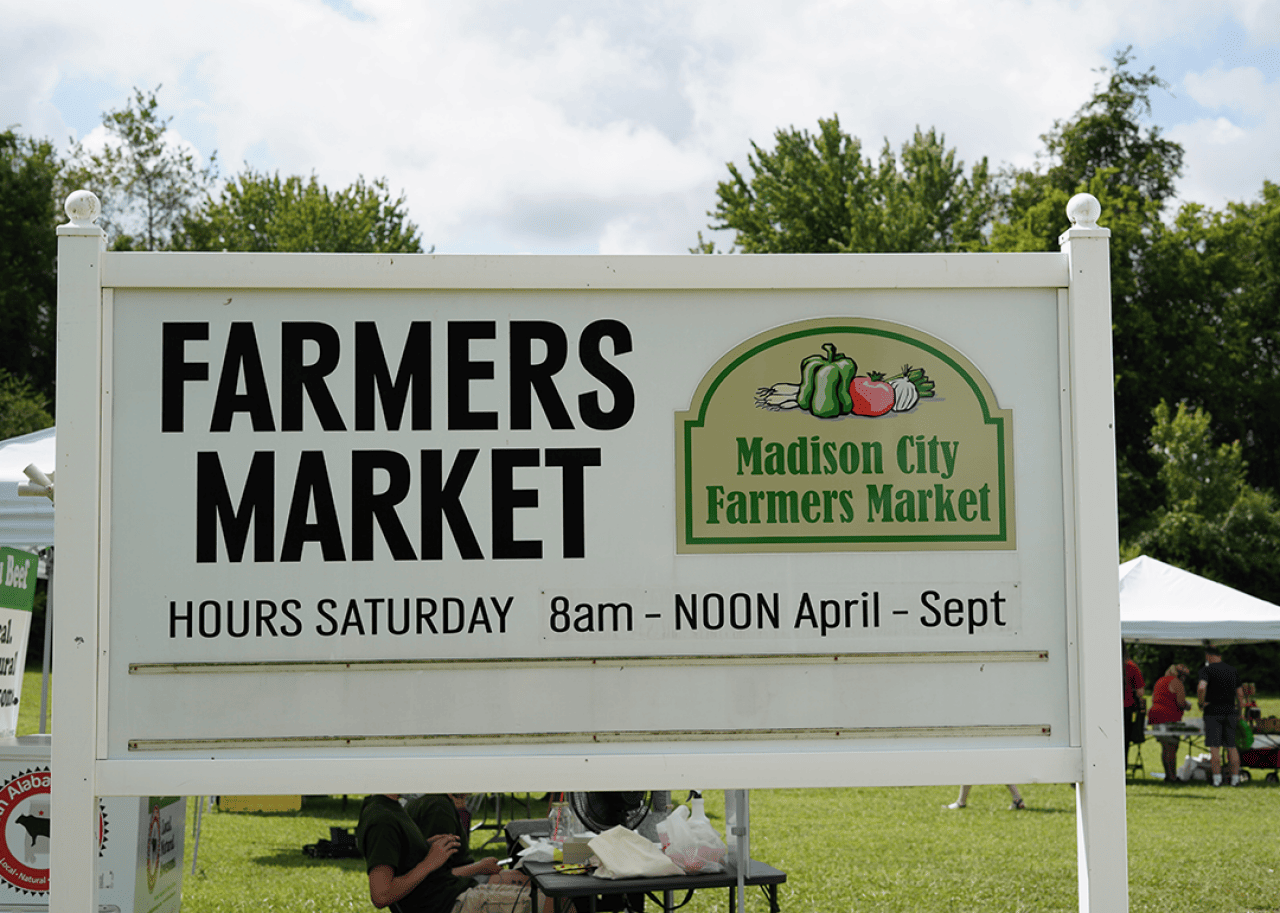
With several high-quality schools, a low cost of living, and various recreational options, Madison is a fun place to raise a family. Home to the Rocket City Trash Pandas, a minor-league baseball team, and the Rainbow Mountain Trails system, Madison has plenty to keep even the most active families busy. A lower-than-average crime rate adds to the city's appeal.
#1. Chesterbrook, Pennsylvania
- Suburb of Philadelphia
- Population: 5,439
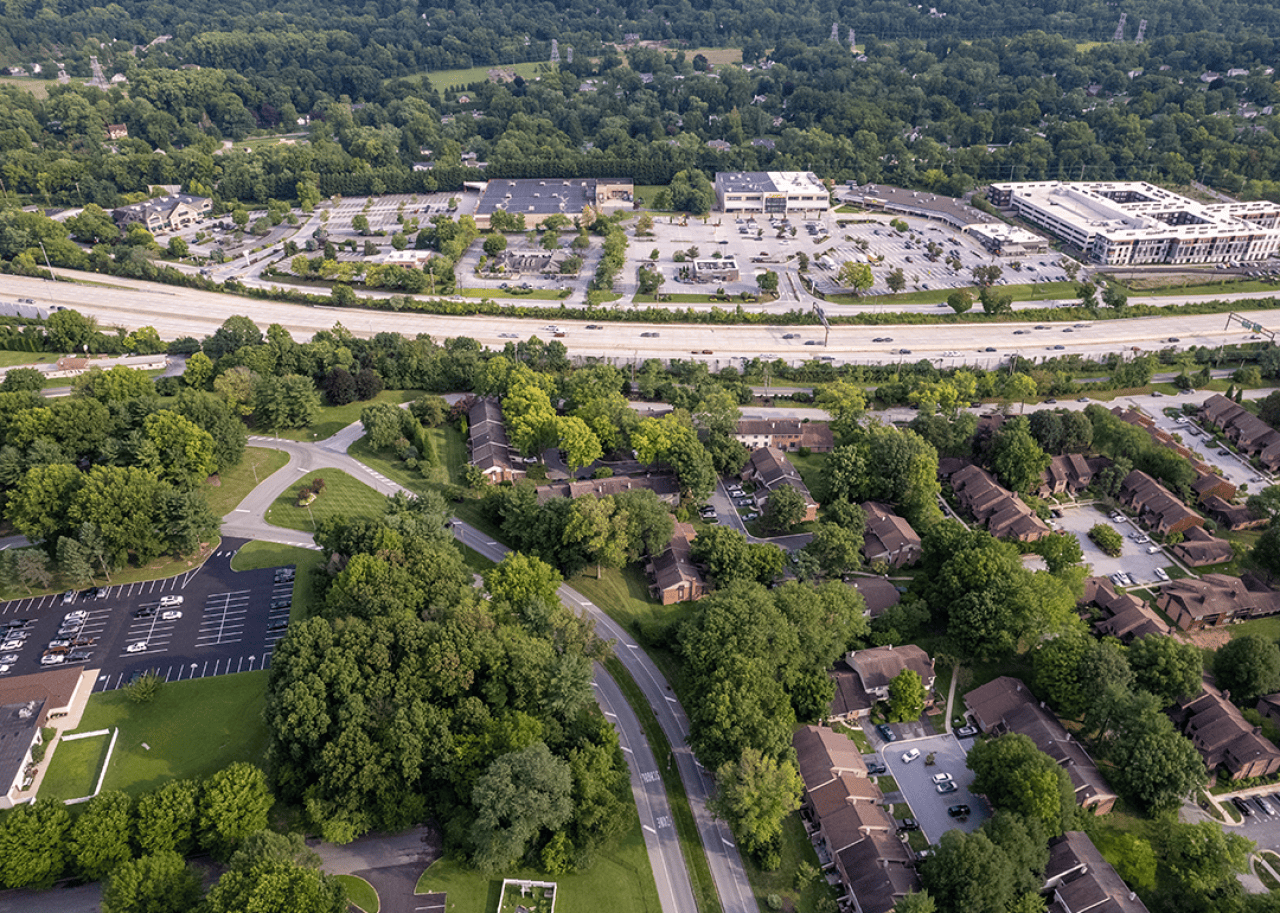
Chesterbrook is the third Philadelphia suburb to land on this list, making Pennsylvania the most represented state among the best suburbs in America. The town provides close access to Valley Forge National Historical Park, and is served by the Tredyffrin-Easttown School District, which is perennially highly rated. Nearby Wilson Farm Park boasts a wide array of opportunities for play and leisure within the community, including multiple sports and multi-use fields, an amphitheater, a pavilion, a putting green, and sand volleyball courts. Chesterbrook is also the #1 best place to raise a family in the U.S., according to Niche's 2025 rankings.
Story editing by Cu Fleshman. Copy editing by Robert Wickwire.
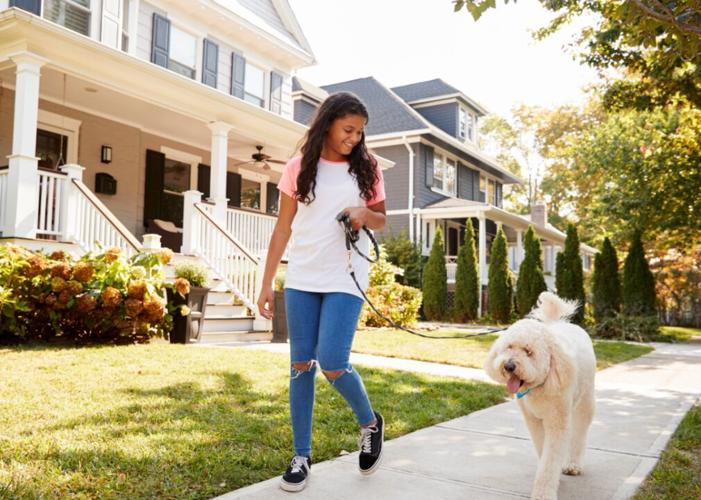
Suburbia is deeply ingrained in American culture, growing in popularity alongside the country’s love affair with cars and its network of highways. As early as the 1830s, Brooklyn Heights laid claim to the title of the first suburb when it connected to Manhattan by steam ferries. A little over 100 years later, Levittown became the new model of suburban development, offering affordable, mass-produced houses on Long Island for veterans returning home after World War II.
Stacker compiled a list of top ranked suburbs in the U.S. using Niche’s annual rankings, which look at such factors as the cost of living, the educational level of residents, housing, and public schools. The data is the most current available. Some housing statistics, including median home values, might not reflect the current market. A deeper look at Niche’s methodology can be found here.
Suburbs get their share of criticism, from encouraging isolation to promoting urban sprawl, but their appeal endures. Just over half of Americans describe their neighborhood as suburban. The best of them offer safe streets, a strong community, parks and other recreational and cultural opportunities, and a respite for crowds—while remaining within reach of urban amenities.
Keep reading to see which of the country’s suburbs made the cut—and whether any of them are a community near you.
You may also like: Best small towns for retirees in every state


