



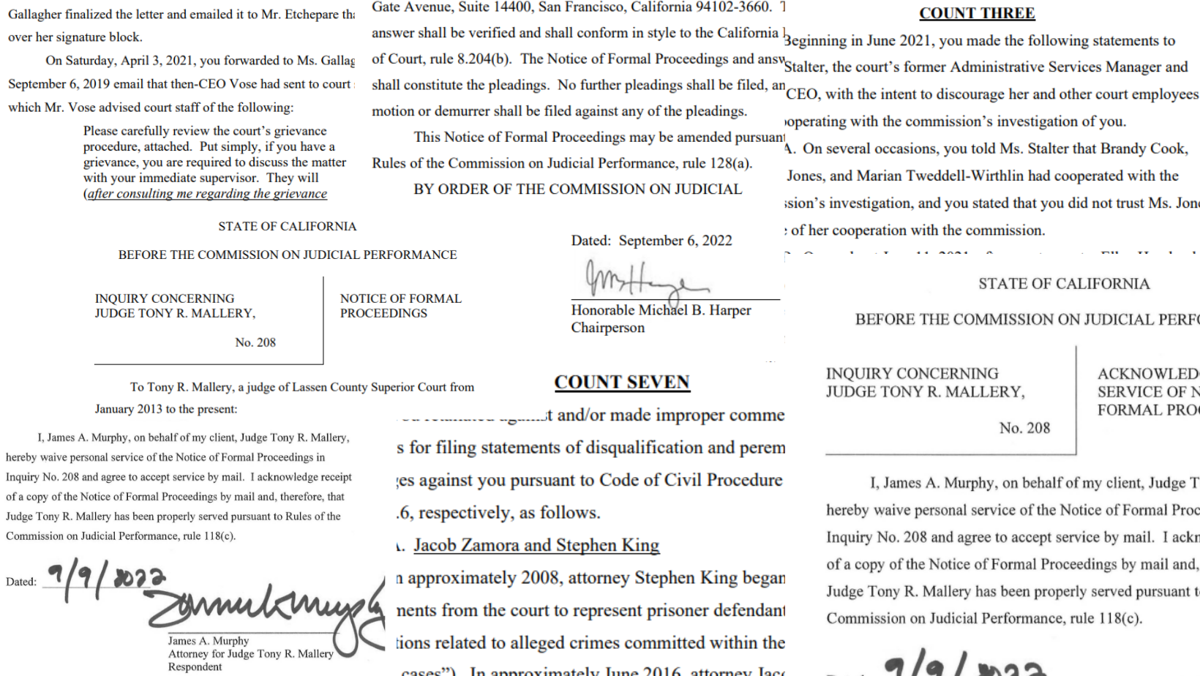


Editor's note: This story is part of 'Broken Defense,' an investigative series from Lee Enterprises. More details about this project can be found at the bottom of this article.
Lassen County Judge Tony Mallery huddles prosecutors and defense attorneys in a room before court in early California summer 2019.
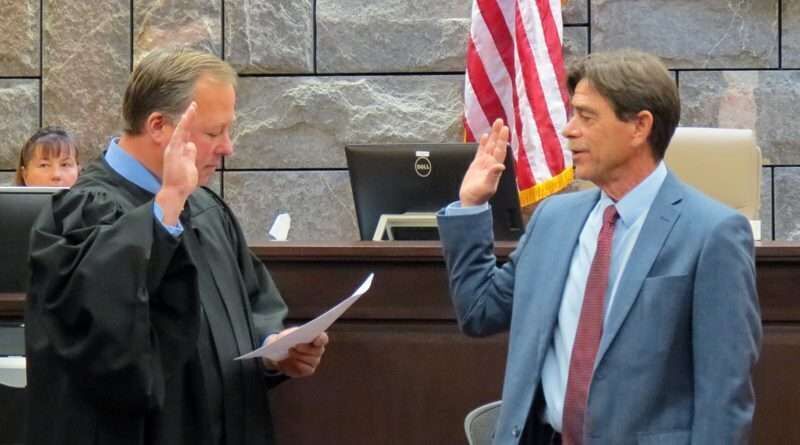
Lassen County Superior Court’s presiding judge Tony Mallery, left, administers the oath of office to Mark Nareau Dec. 28, 2017. In summer 2019, Mallery allegedly told a group of defense attorneys and prosecutors he would no longer accept their "too lenient" plea deals and planned to impose the maximum sentence for all who plead guilty. (credit in the byline box: LYNNE SELLA, LASSEN COUNTY TIMES)
Mallery announces to the group he will no longer accept their “too lenient” plea deals and he plans to impose the maximum sentence for all who plead guilty, according to an inquiry into Mallery’s conduct that the California Commission on Judicial Performance filed in September.
“I’m just telling you what we’re going to do from now on,” Mallery allegedly told the attorneys. He won’t let them make him “look bad in this community” by appearing soft on crime, the inquiry states.
Mallery’s lawyers did not respond to requests for comment.
Mallery said in a 180-page response to the inquiry that he did not ban plea bargaining. Attorneys were offering “miniscule” plea deals that didn’t meet mandatory sentencing requirements. Mallery told the lawyers, according to the response, that he wouldn’t accept unjustifiable pleas.
The exchange was hostile, the inquiry and response agreed.
By fall 2019, Mallery was assigning fewer cases to defense attorneys Jacob Zamora and Stephen King, until he stopped entirely, according to the inquiry.
Zamora and King grew concerned about bias against their clients. They made at least eight motions that year to get Mallery kicked off their cases.
Mallery told court staff that he would stop appointing King and Zamora if they continued to try to remove him from cases, the inquiry alleges.
The judge denied retaliation over the motions. He said he stopped appointing them over performance concerns.
“If he wants to make this a (expletive) game, then we just won’t appoint him on any more cases,” Mallery allegedly told a supervisor about King.
Everyone in the inquiry is forbidden to discuss the allegations because the investigation into Mallery’s conduct is ongoing. Calls and messages to Zamora were not returned. King agreed to an interview, but did not discuss the inquiry.
Mallery took away a chunk of Zamora’s and King’s incomes because he didn’t like that they stood up for their clients, according to the inquiry. If proven, the allegations illustrate how a judge’s power can undermine public defense. If dismissed, claims on both sides detail a brewing tension that possibly prevented the attorneys’ from fighting effectively for their clients.
Texas Senior District Judge John Board said “it’s a horrible system” to have judges in charge of public defenders’ case assignments and, by extension, their incomes. He said that injects judges into the defense, “which you wouldn’t want ‘em doing that on the prosecution side.”

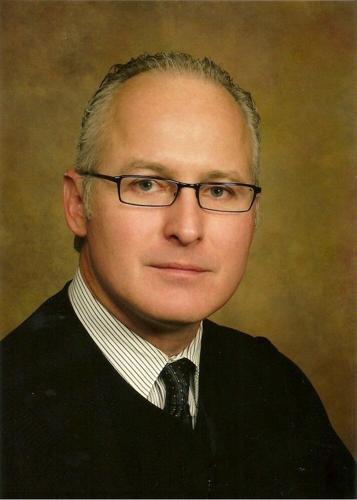
John Board
“And then those poor lawyers, if they don’t agree with what the judge paid them, and they complain, then their fear is they’ll get retaliated against and not get any more appointments,” Board said. “I’d like to think the local judges did not do that kind of thing. But there’s always the appearance of that at least and the fear that that could happen.”
Vaavia Rudd, an attorney who worked in the same Panhandle county courts over which Board presided, said fear of retaliation sometimes affected her defense strategies.
“When it affects your bottom line you don’t want to make the judges angry,” Rudd said.
Judges or elected officials in many counties nationwide have full oversight over public defense, a structure that can lead to “subtle pressure” on public defenders to avoid using many county resources or making motions that agitate a judge. Attorneys rarely are removed or dismissed in retaliation, though fear of that can weaken the defense.
That power structure in California, Texas, Arizona and Idaho prevents attorney access to necessary resources, including investigators and expert witnesses. Investigators help build defenses and experts can challenge a state’s interpretation of evidence, such as blood spatter or DNA.
“There are pressures to do more with a lot less that might not result in effective, adequate representation for the client,” Idaho ACLU legal director Aadika Singh said of counties in that state.
Local governments are obligated to fund public defense, but have limited authority because interfering with how public defenders build their cases could potentially violate the Sixth Amendment right to effective counsel, the U.S. Supreme Court ruled in 1984.
Public defenders must remain independent to fulfill their adversarial role of fighting governments on behalf of people whose freedom is at stake, the court has said.
“We want public defenders who can zealously represent clients without undue influence by county commissioners or prosecutors, where their masters can really be their clients,” Singh said.
‘Subtle pressure’
Rudd felt “disincentivized” because judges have the power to not assign cases to court-appointed attorneys, though in 20 years Texas Panhandle judges never took away her cases. The structure created “subtle pressure” to avoid questioning judges or filing motions that would “offend” judges, she said.
“If they chose to black ball you, they could,” she said.
Jon Mosher, Sixth Amendment Center deputy director, said most counties have public defense systems where that sort of subtle pressure could happen.
About a third of roughly 3,000 counties in the U.S. have oversight organizations or public defender offices with managers who protect defenders from judges and elected officials, while the rest have none.
The default system puts judges in charge of case assignments. The problem isn’t usually that judges act maliciously or unconstitutionally, but that public defenders worry about pleasing judges rather than focusing on clients, according to a Sixth Amendment Center study of two Texas Panhandle counties.

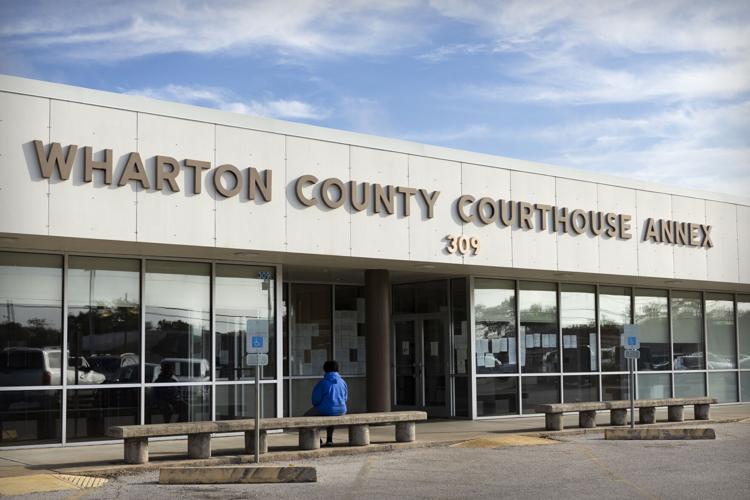
A woman waits outside the Wharton County Courthouse Annex before court Nov. 9, 2022. The Texas county is one of many with no public defender office. Instead, judges assign private attorneys to people who cannot afford one, which experts say can create conflict of interest. Public defenders avoid agitating the judge, which can diminish effective defense.
Board said another issue in Potter and Randall counties, where he presided, was that judges were tasked with monitoring public defenders' education, training and competence requirements, but the judges didn’t have time “so it just wasn’t getting done.”
Rudd said other problems came when court-appointed attorneys asked judges for investigators or expert witnesses because it sometimes revealed their defense strategies to the same judge who would rule on it. Other times, she and other attorneys wouldn’t get fully paid.
“You’d do $3,000 worth of work and they’d pay you $1,500, and just say, ‘Well, sorry that’s what I think this kind of a case is worth,’” Rudd said.
‘Chilled’ the defense
King, one of the dismissed Lassen County defense attorneys, said he couldn’t comment on Judge Mallery’s alleged misconduct but had experiences outside of those outlined in the California inquiry that undermined public defense.
“He really chilled the indigent defense,” King said of Mallery. “And it was budgetary I’m sure. But it was very difficult doing public defender work in his court.”
King said Mallery capped mileage reimbursement at 75 miles for attorneys, though one case could require King to travel 150 miles round trip.

Mallery
Mallery also rejected some of King’s requests to hire investigators, King said. Never in King’s 25 years as an attorney did those sorts of requests get denied until he arrived in Lassen County. Cases were more difficult to defend with no investigator, he said. King became less likely to request one because he had to weigh the time it would take to fight for funding against the immediate needs of other clients.
Mallery’s inquiry response says King was overbilling and "failed to comply with requirements for requesting ancillary services.” Mallery’s attorneys did not comment on King’s claims.
Defense attorney Savina Haas was a full-time staff attorney in the now-dissolved Lassen County public defender’s office from 2017 to 2020. Her resources, including investigators, came from a limited county budget, not judges.
Available county-hired investigators fluctuated from three to zero, Haas said. Haas’s requests to get one for her cases were denied “quite often” by county administrative staff, she said.
“I would actually go to crime scenes and start investigating myself,” Haas said. “I mean how disturbing is that?”
Haas paid her own way to San Diego for two weeks of bar license required training. Lassen County gave her $450 to offset hotel, food and travel costs, she said.

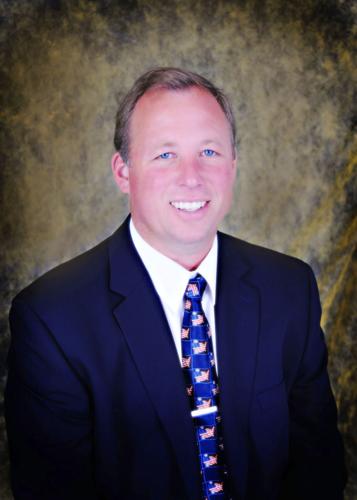
Haas
Lassen County Chief Administrative Officer Richard Egan is accountable for the county budget, its contractors and each department’s purchasing needs, but did not directly oversee the public defender department. He said he’s not aware that requests for investigators or travel were rejected.
“I could be proven wrong, but I don't recall any denials of requests,” he said.
Idaho County public defender John Wiltse’s investigator and expert witness requests are approved as needed, but requesting them from both the judge and county administration is inefficient.
“It always appears (prosecutors) have access to a lot of experts and professionals at their convenience where I do have to jump through those hoops, which takes time,” Wiltse said.
Idaho Rep. Jon Weber, R-Rexburg, said when judges play any role in public defense “the appearance alone suggests that it’s not a fair and balanced system.” Idaho is transitioning to a statewide public defense system in part to keep judges and public defenders separate, he said.
Beholden to counties
For now, each Idaho county maintains its own public defense system. County commissioners, some of whom lack legal expertise, often have the authority to fund, hire and fire public defenders, Singh said. The ACLU said this leaves "defenders beholden to the often-uniformed whims of their supervisors."
Singh said in some areas of Idaho, county commissioners and prosecutors are “improperly influencing how public defenders are doing their job.” She said some commissioners have dictated how much time public defenders devote to cases, and some prosecutors have influenced who county leaders pick as the top public defender.
Arizona prosecutor offices often wield bigger budgets than county-based public defender offices, creating “fiefdoms of power” where prosecutors run the court, and judges and staff usually stand aside, said Jared Keenan, Arizona’s ACLU legal director.
Rural counties with small budgets have few quality expert witnesses for public defenders, Keenan said.
“There’s a truncated list of people willing to work in those counties,” Keenan said. “If they set their (expert) rates extremely low, sometimes it’s tough to find anyone.”
Keenan said more state funding or a statewide public defense system would help rural counties. The Legislature often reallocates state funds earmarked for public defense to other agencies, including the Arizona Department of Public Safety.
“It’s not enough money to fix all the problems with rural defense systems, but there is some money there and every year, it’s swept out of the indigent defense fund and given to police,” Keenan said.
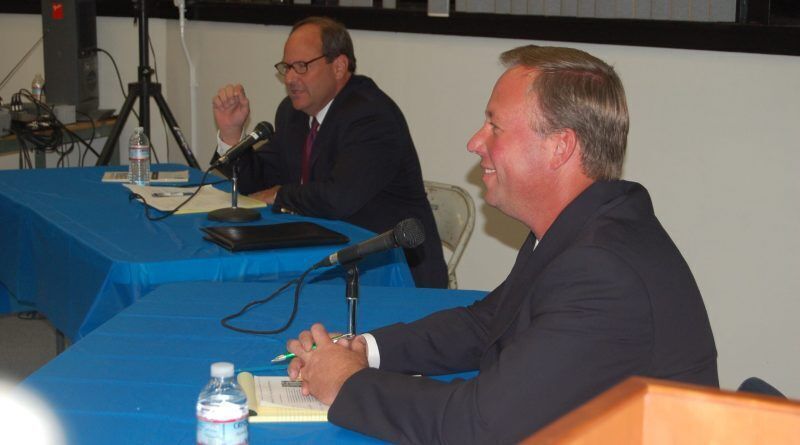
Lassen County Superior Court Judge Tony Mallery, right, debates former Lassen County District Attorney Robert Burns in October 2012. Mallery has been accused of "willful misconduct in office," including allegedly retaliating against court-appointed attorneys who made motions against him. Mallery took away two attorneys' cases, and by extension, part of their incomes, according to an inquiry against him. (credit in the byline box: LASSEN COUNTY TIMES)
Solutions
Those concerns about judges influencing public defense work prompted Potter and Armstrong county leaders in Texas to change the system. They launched in 2022 a county public defender office and the Potter & Armstrong County Managed Assigned Counsel Office, or MAC office.
The MAC office supervises private attorneys who take public defense cases and provides resources and support, such as social workers to help with cases and a database of available experts in the area.

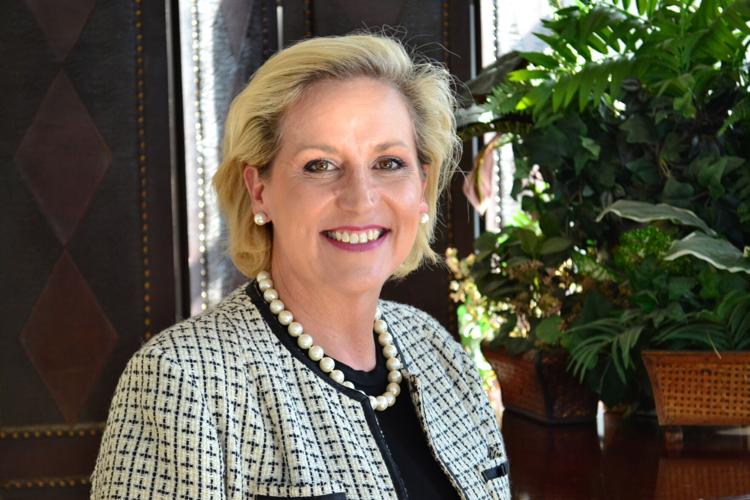
Rudd
Rudd, hired as MAC director last spring, appoints attorneys and approves public defender funding requests — taking that power from judges and giving it to the independent MAC office. She plans to track attorney performance by collecting client feedback from online surveys.
“You can’t improve unless you know what the issues are,” Rudd said.
A new independent board oversees budgeting and policies for the two offices, further shielding public defenders from judges and elected officials. The Potter and Armstrong County Indigent Defense Oversight Board includes a former public defender, a judge, mental health professionals, a former sheriff’s deputy and community leaders.
The two counties and the Texas Indigent Defense Commission fund the new system.
More counties could consider implementing similar systems if the state or federal government helps fund them, said Judge Board, the oversight board chair.
“I really do feel like we’re making great steps,” Board said. “And frankly, it’s nice to be part of a solution when I used to be part of the problem.”
The Supreme Court is the highest court in the land. And its rulings have shaped the United States for over two centuries. Some recent decisions have put a spotlight on the high court. Here is how it functions.
About Broken Defense: Across the West, public defense systems face crushing caseloads, historic underfunding, structural problems and severe staffing shortages, imperiling criminal defendants’ lives and in many cases denying them their constitutional right to counsel. Defendants have lost jobs and homes, been pressured to plead guilty and been denied the benefit of exonerating evidence. People accused in more than 100,000 misdemeanors each year go to jail without ever talking to a lawyer.
Lee Enterprises’ West region Public Service Journalism team and local reporters attended more than a dozen court hearings and interviewed more than 25 defendants, 40 attorneys and 25 experts to reveal public defense in many western states is broken.
Lee Enterprises Public Service Journalism Reporter Emily Hamer may be reached at emily.hamer@lee.net.